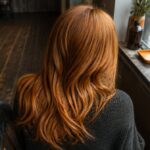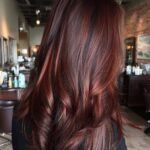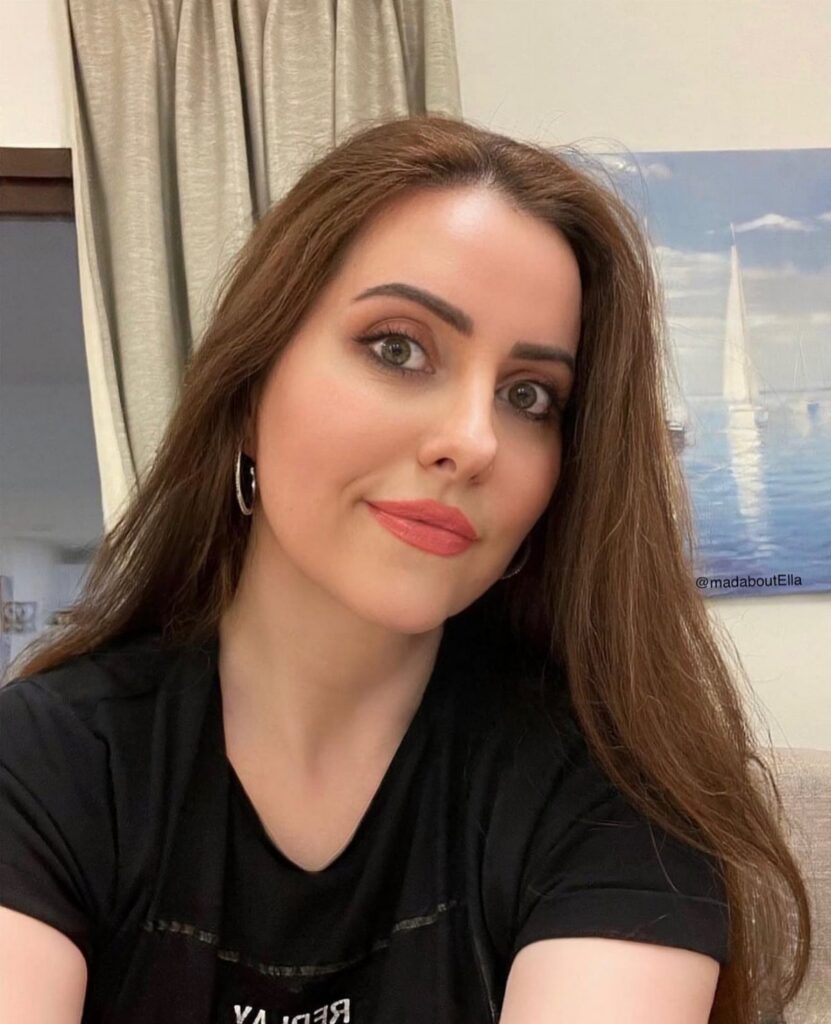
Undertone decides which brown is yours, and jewelry is the quickest test: if gold flatters you, start with golden, honey, caramel and bronze, and if silver does, look at ash and mushroom.
The range starts at Sandy Brown and Light Brown with Beige Highlights, runs down to Espresso Brown at the dark end, and gets bolder with Mahogany Brown, Copper Brown and Violet Brown.
If both metals work on you, you’re neutral, and I’d begin from either side.
1. Chocolate Brown
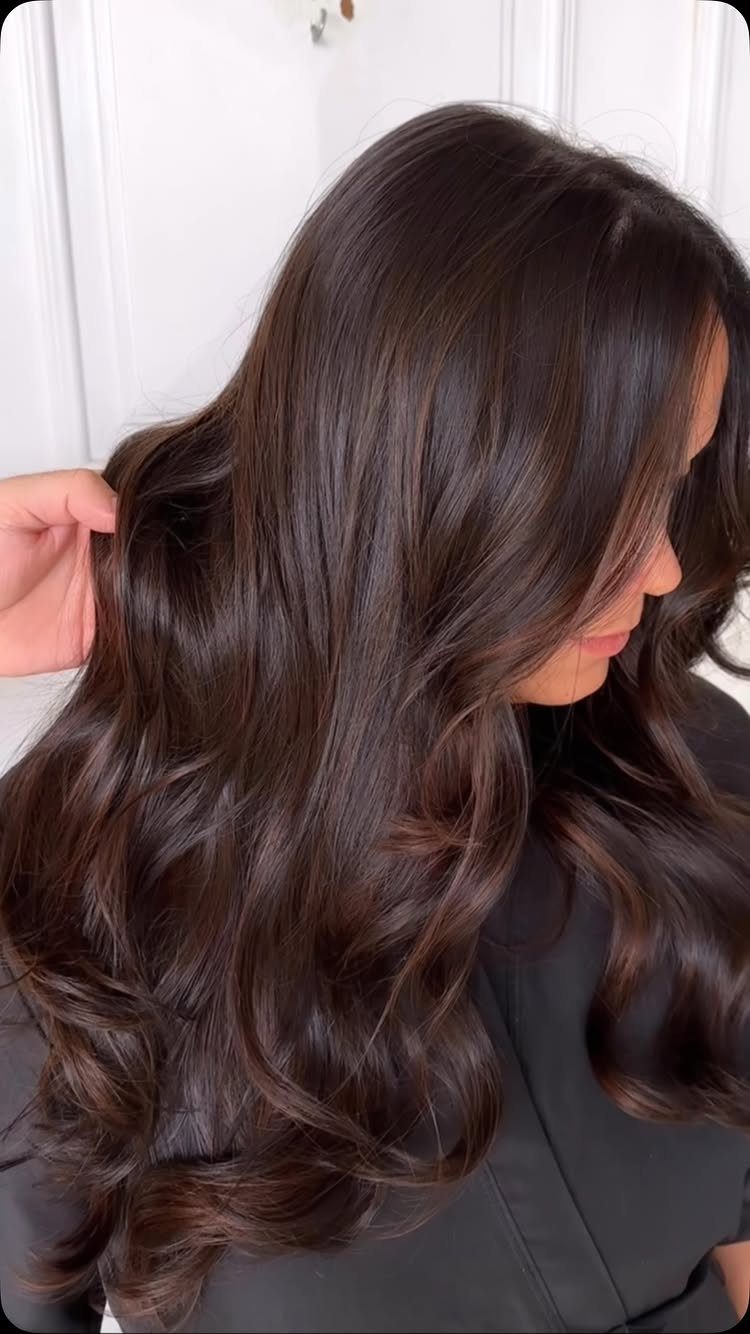
Chocolate brown is the shade I’d pick for hair that should look expensive without looking styled.
The depth is warm and even, and the shine does most of the work, so loose waves like these show it off better than a blunt, flat finish.
Take the photo to your stylist and ask for a glossy, dimensional chocolate with soft highlights if you want movement. Ask for it solid if you want the cleanest, richest read.
2. Ash Brown
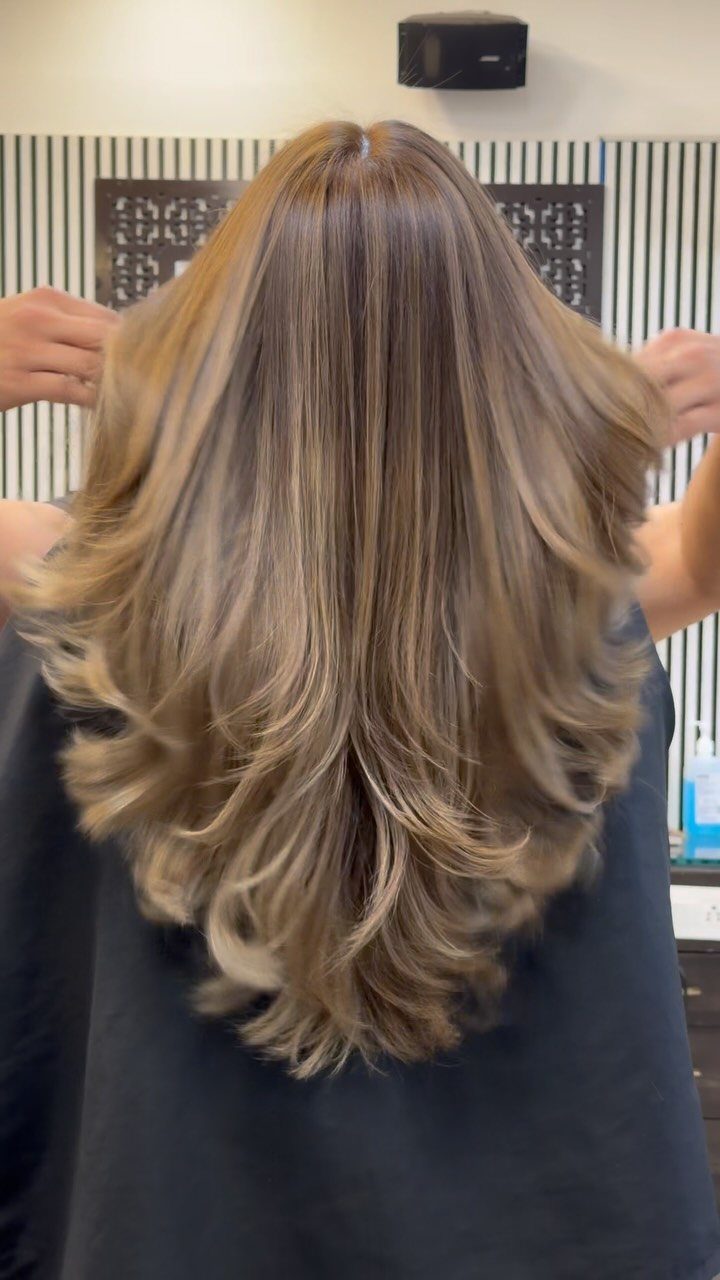
Ash brown is brunette with the warmth taken out, and the taupe pieces running through layered lengths like these are what keep it from going flat or muddy.
Layers help here too, since the cool tone catches light differently at each level.
Bring the photo and ask for ash or taupe tones by name, because "cool brown" can mean several things. If your skin runs warm, I’d ask the stylist to check the shade against your face before committing.
3. Chestnut Brown
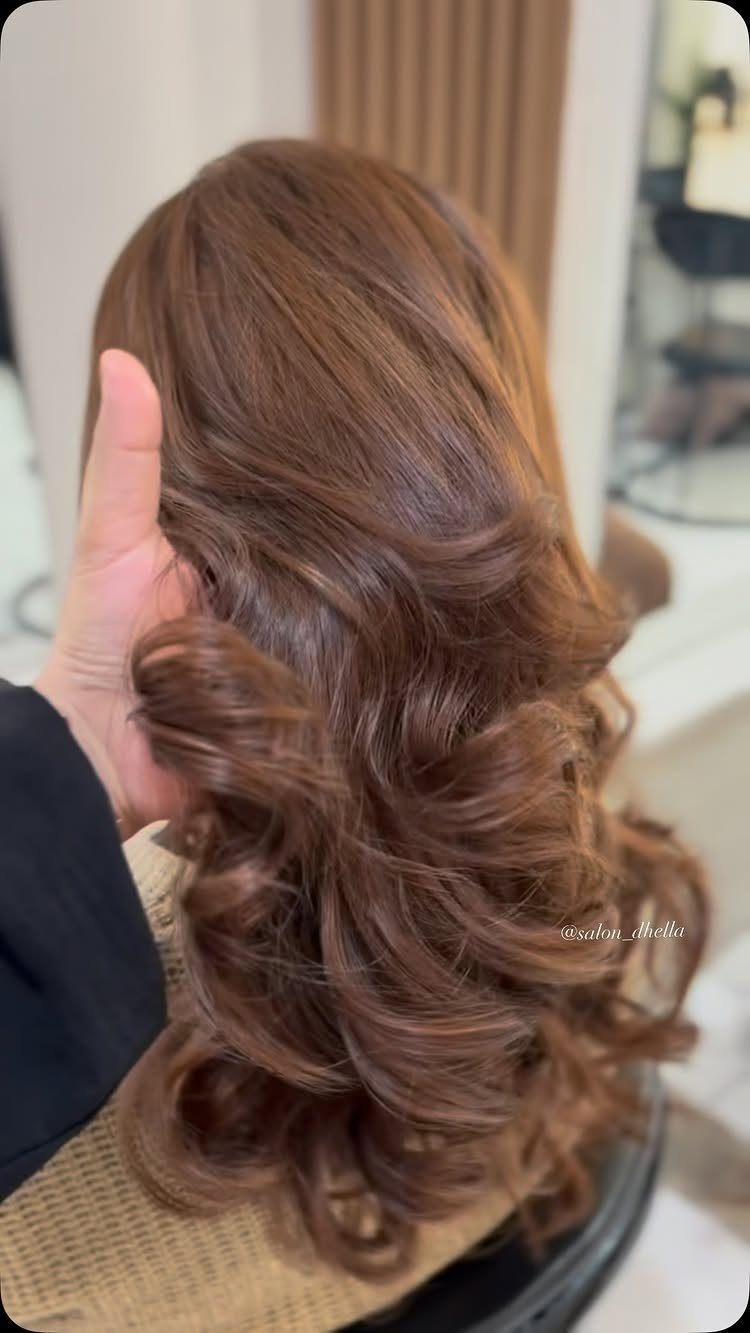
Loose curls suit chestnut brown, because the gloss bounces around every bend and the warmth reads richer than it would on straight hair.
It sits between a plain brown and a red-leaning one, and a hint of auburn is a nice way to push it warmer.
Ask for chestnut with a glossy finish, and mention whether you want that auburn edge. I’d say yes if you like a little fire in sunlight.
4. Auburn Brown
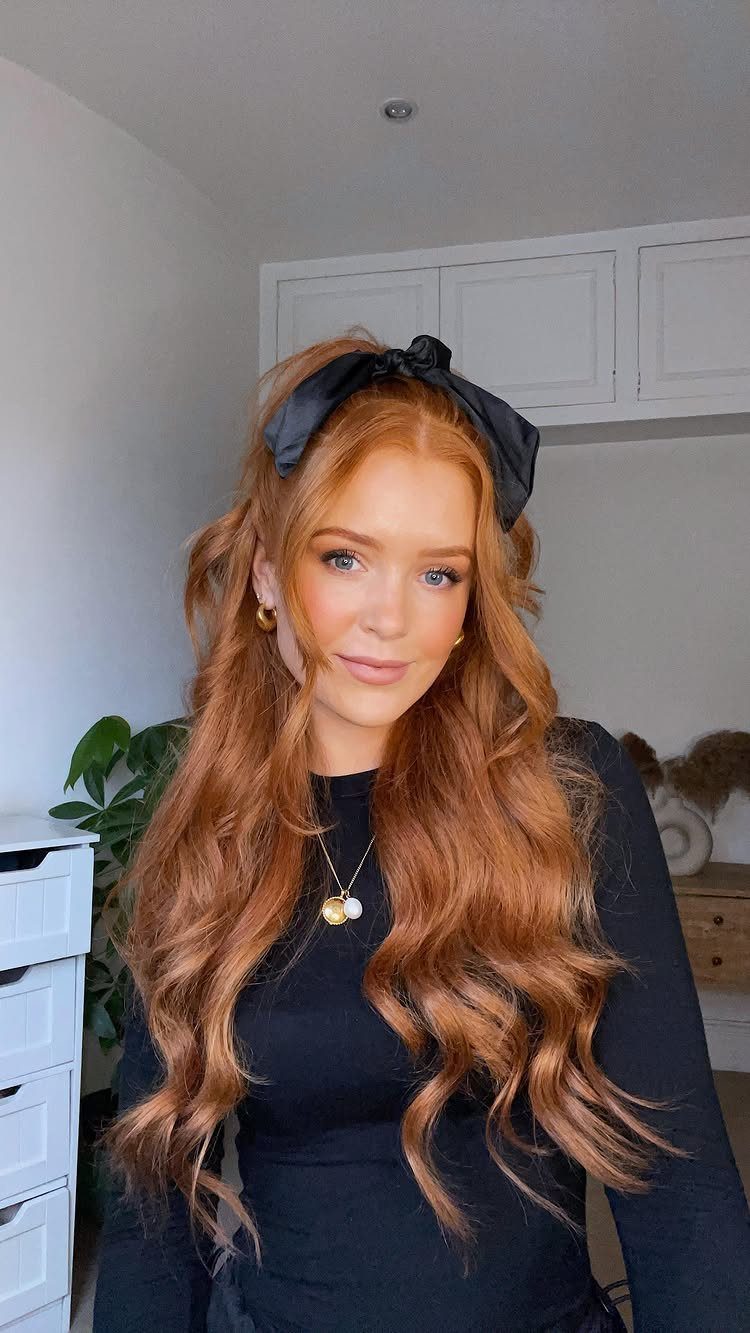
Auburn brown is the easiest way to wear red without committing to a full copper. The brown base keeps it grounded, while the reddish cast shows up in light and across waves like these.
Because the color has 2 tones working at once, name both when you book: "auburn brown," not just "red." That one word choice decides whether you walk out with brunette warmth or something much brighter.
5. Golden Brown
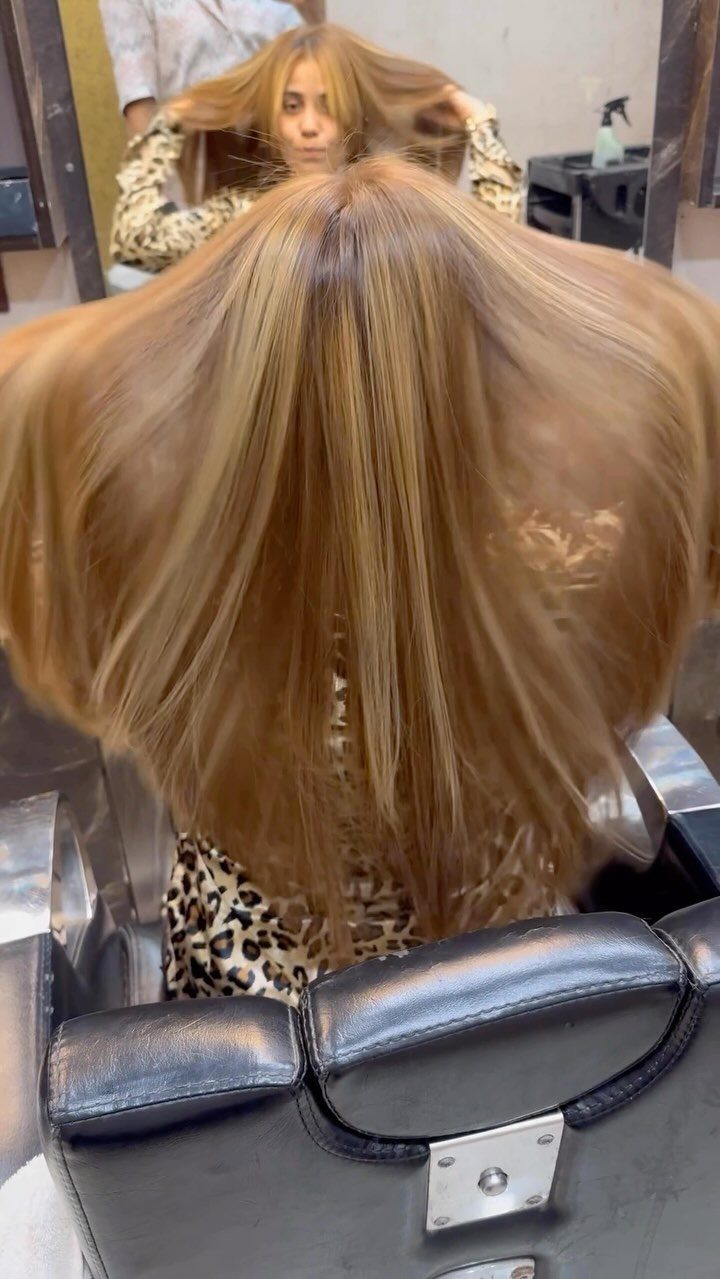
Golden brown holds a warm, sunlit cast that comes through even in a dim salon, which is the reason I like it for anyone who finds plain brown a little dull.
The gold keeps the color lively without lightening it much.
Ask for golden brown specifically, since a stylist hearing "warm brown" might drift toward red. Long lengths give the tone room to show, so it suits hair that’s grown out past the shoulders.
6. Light Brown
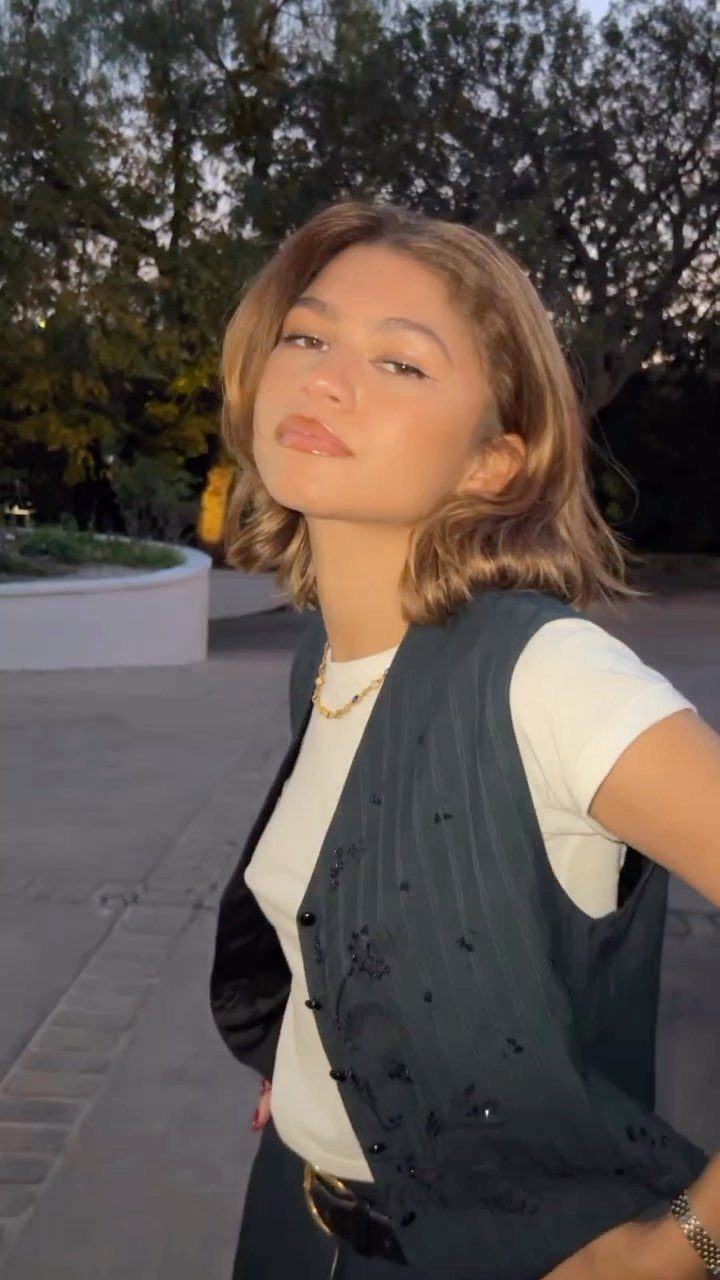
Light brown sits at the soft end of brunette, and it looks best when it’s either sleek and uniform or lifted with gentle highlights, as here. At shoulder length, the highlights add dimension without much fuss.
If you want it low-key, ask for fine, blended pieces rather than chunky streaks. Light brown is a good middle ground for anyone who wants brightness but isn’t ready to go blonde.
7. Dark Brown
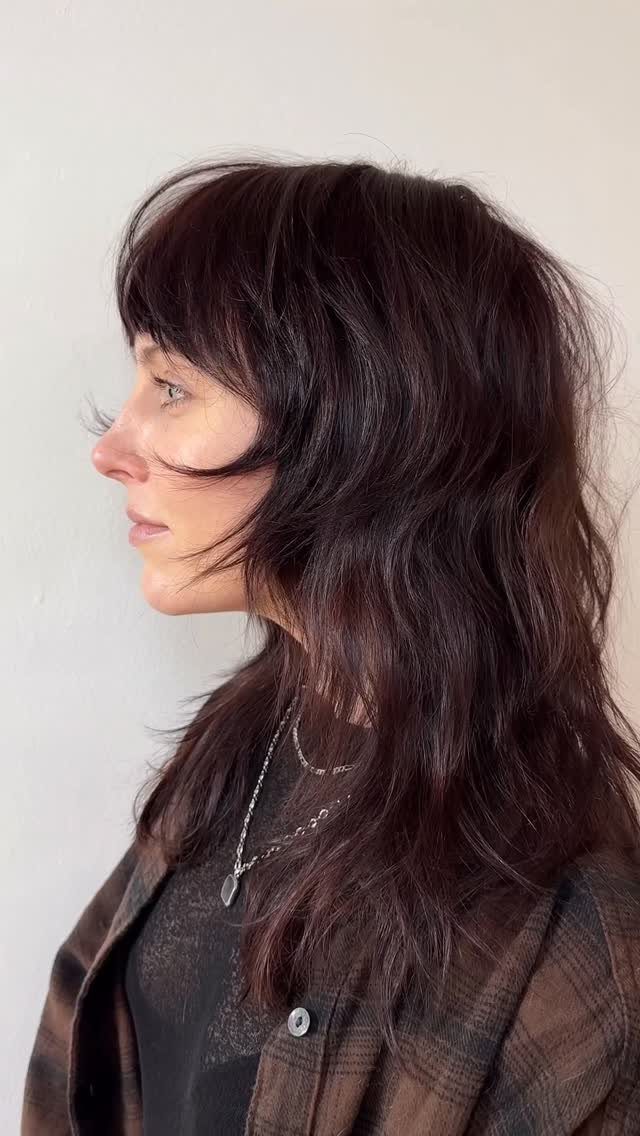
Dark brown is rich enough to read almost black indoors, then warm up in daylight, and a few soft highlights like these keep the length from looking flat.
Long waves with bangs give the color plenty of surface to move across.
Ask for dark brown with subtle, warm-leaning pieces if you want depth with some life in it, or solid if you prefer a clean, uniform finish. I’d go solid for a sleek look and highlighted for waves.
8. Honey Brown
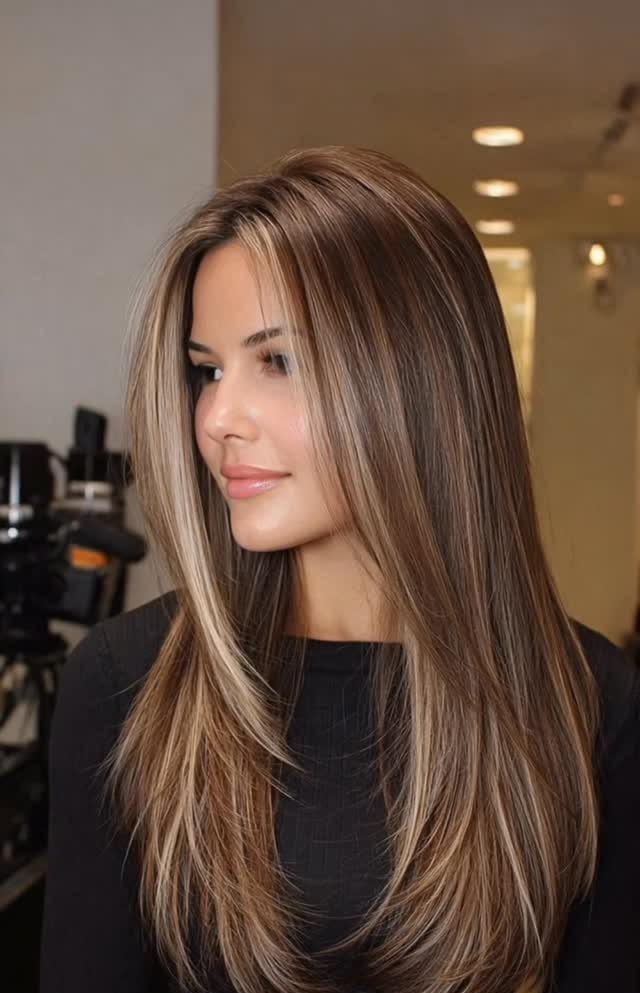
Honey brown is brunette with a glow, a golden-amber warmth that makes long hair look sun-touched without turning blonde. Lighter pieces threaded through the length, like these, add the dimension.
Name the tone when you book: "honey," not just "warm brown," so the stylist doesn’t drift toward red or copper. I like it best on lengths past the shoulders, where the highlights have room to show.
9. Cappuccino Brown
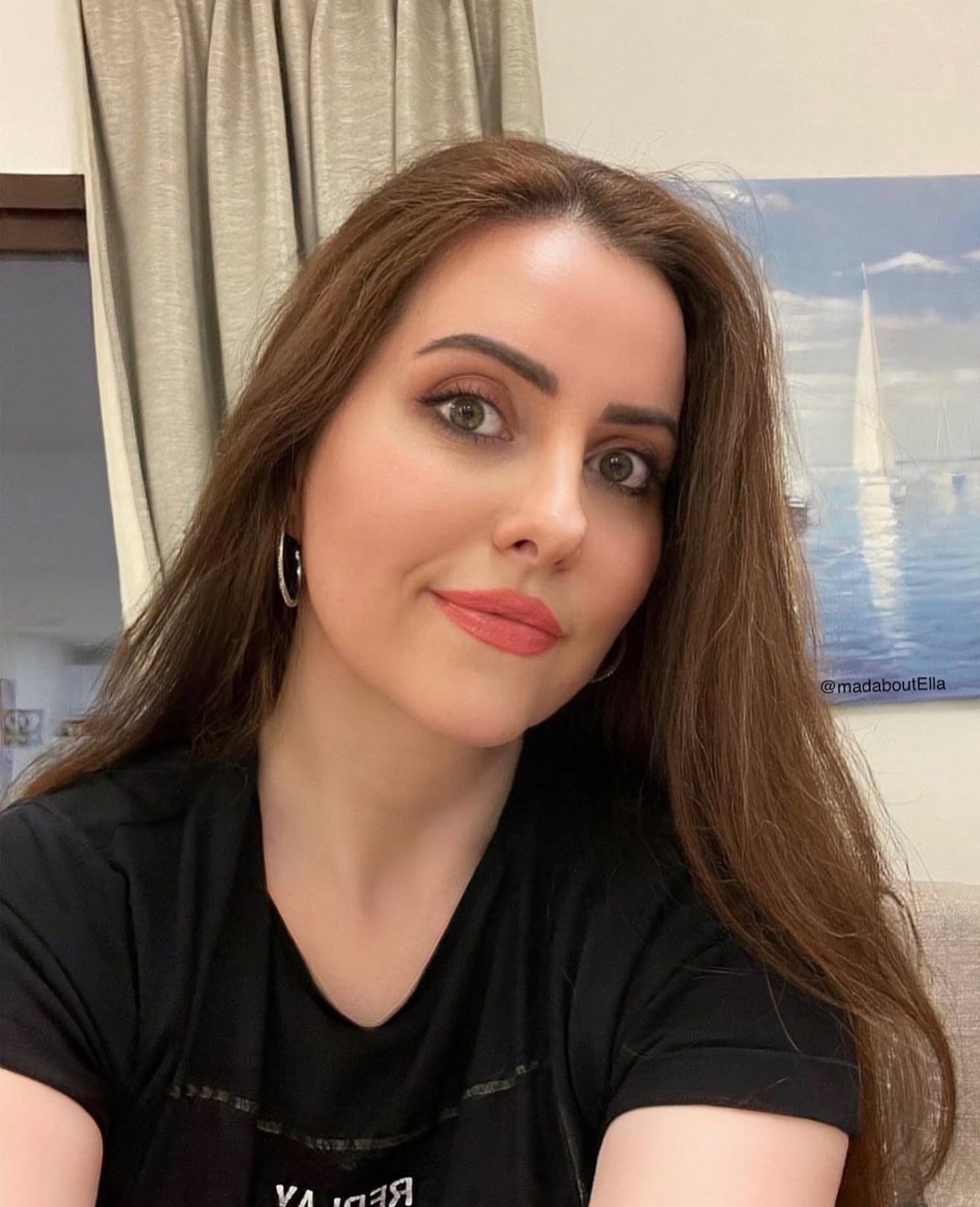
Cappuccino brown is a soft, medium brunette with a creamy warmth, somewhere between milky and deep. Long, loose lengths let that even tone read as smooth rather than heavy.
It sits in the same family as chestnut, so say "cappuccino" and bring the photo, since the name alone can land a shade darker or redder than you want.
If you like a gentle, wearable brown, this is one I’d happily choose.
10. Mocha Brown
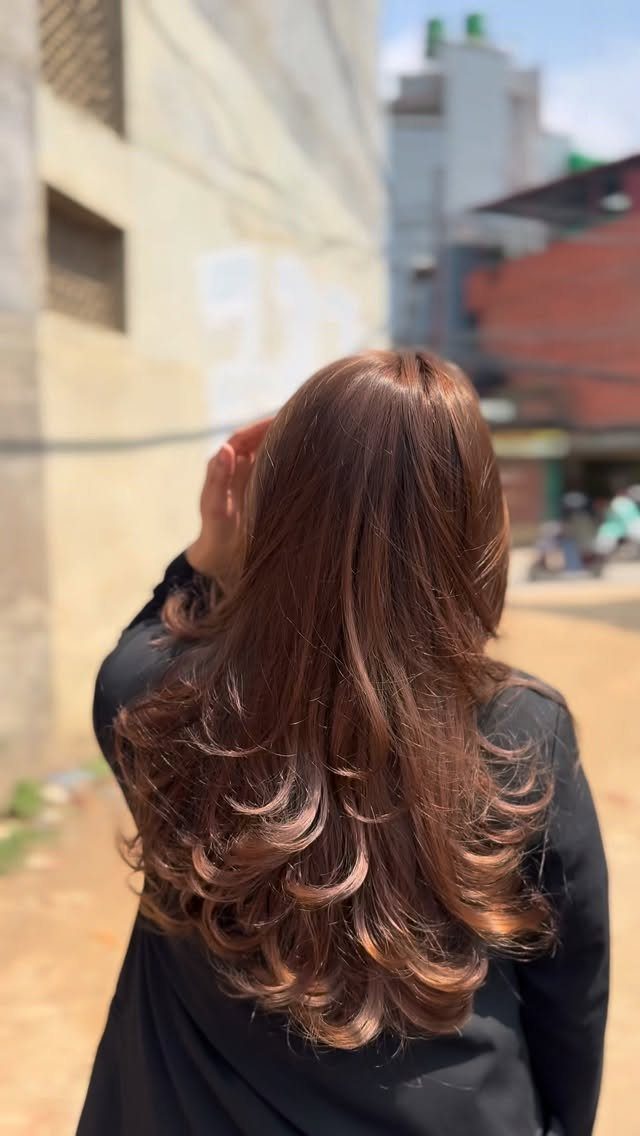
Mocha brown is deep and rich with a smooth, coffee-and-cream warmth, and curled ends like these catch its shine at every turn. Layers keep that depth from sitting heavy down the back.
It works as a single tone, which I like for its clean, consistent finish. Ask for mocha as one all-over color if you want the richness without highlights, and show the photo so the stylist knows how deep to go.
11. Solid Brunette
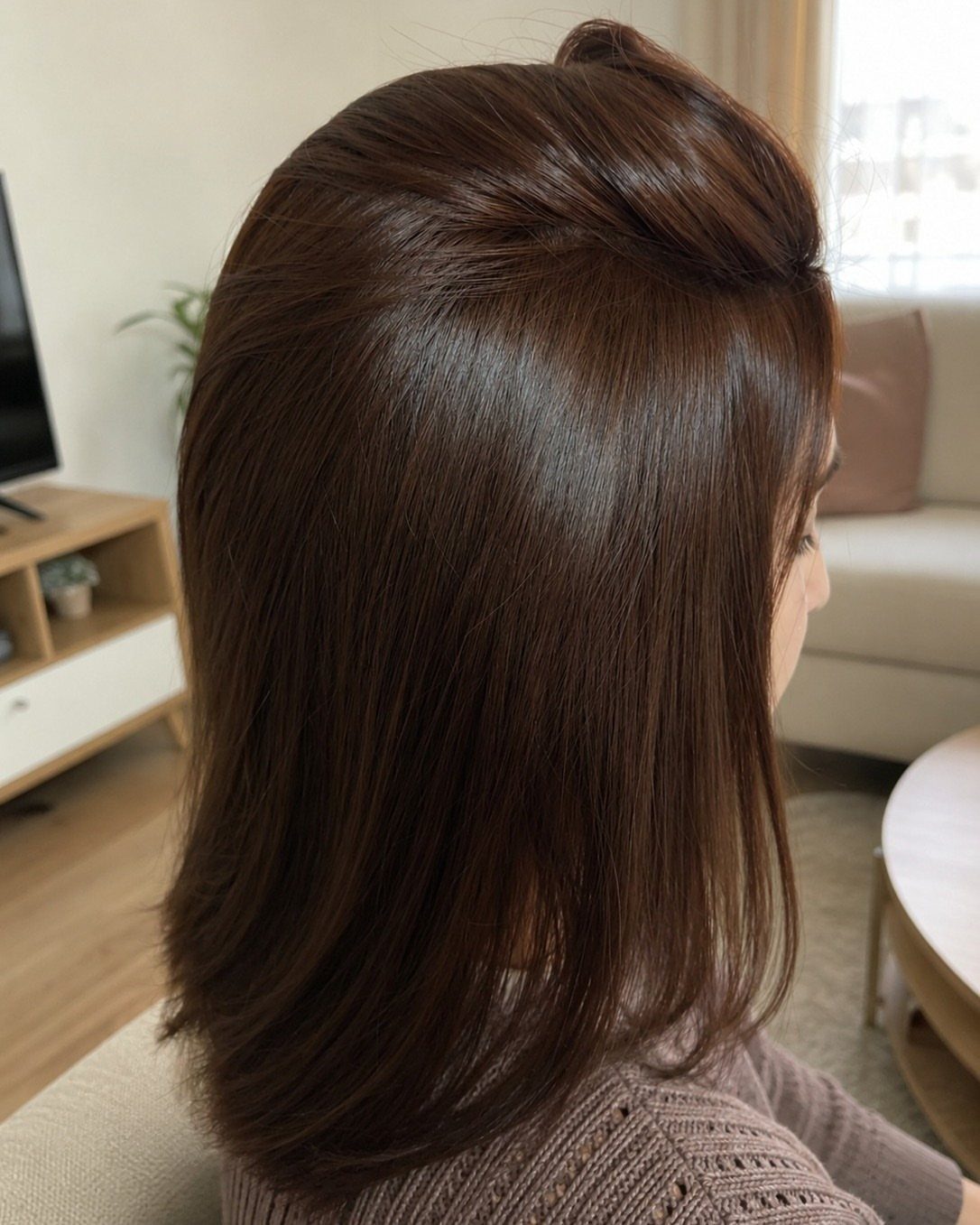
Solid brunette is one brown from root to end, with no highlights and no balayage, so the cut and the shine do all the talking. Smooth, shoulder-length hair shows it off especially well.
Ask for "all-over brunette, no dimension" and bring a photo so the depth is clear. I’d pick it for a polished, simple look, though a single flat tone leaves no extra detail to hide behind.
12. Bronze Brown
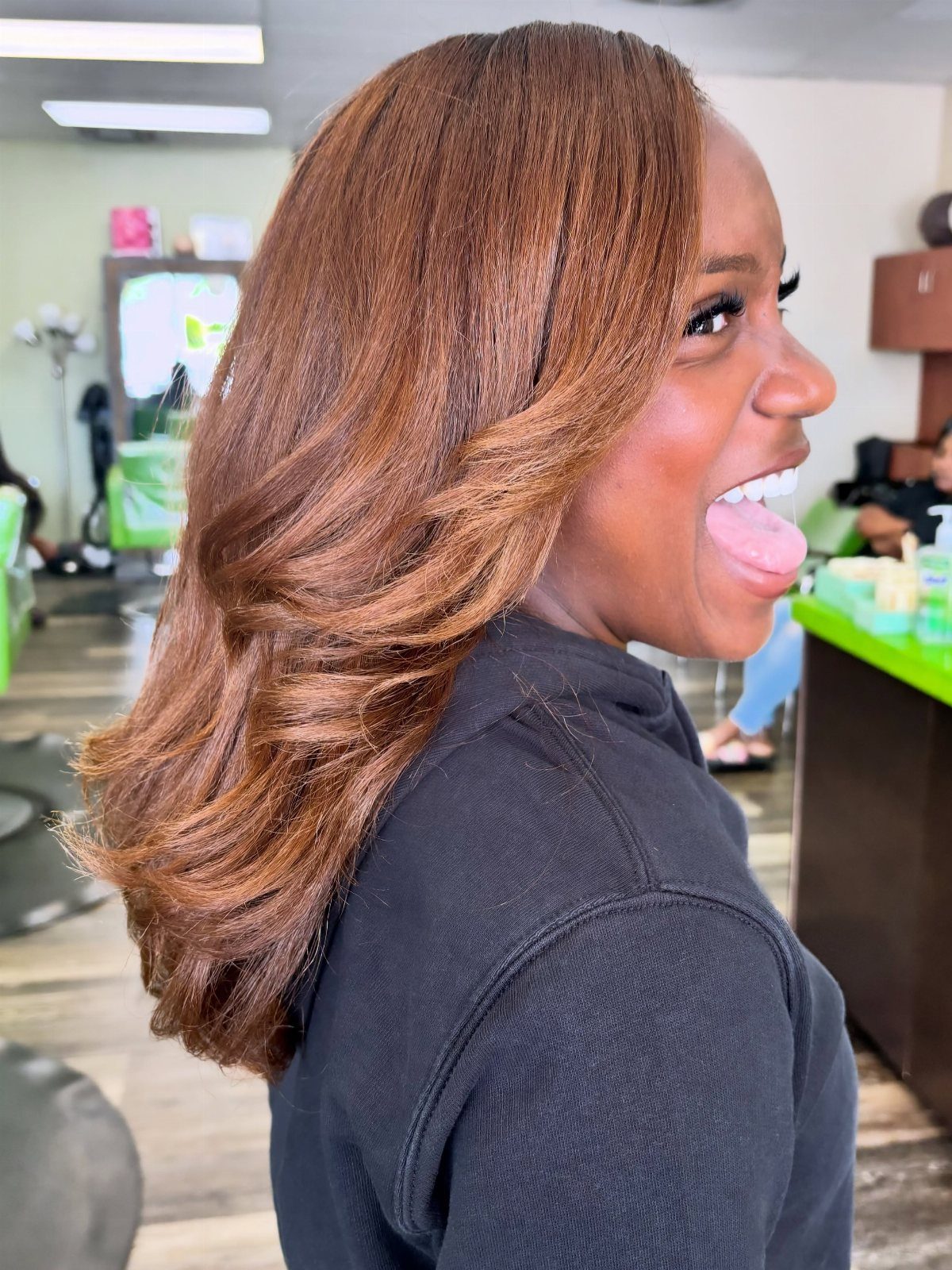
Bronze brown pairs brown with a metallic warmth, and on long layers with soft waves the color catches light in a way plain brown can’t. The layers make that glow look moving rather than flat.
Ask for "bronze brown" by name and bring the photo, since bronze can be read as anything from golden to coppery. I’d tell the stylist you want warmth with depth, not a bright, obvious red.
13. Cinnamon Brown
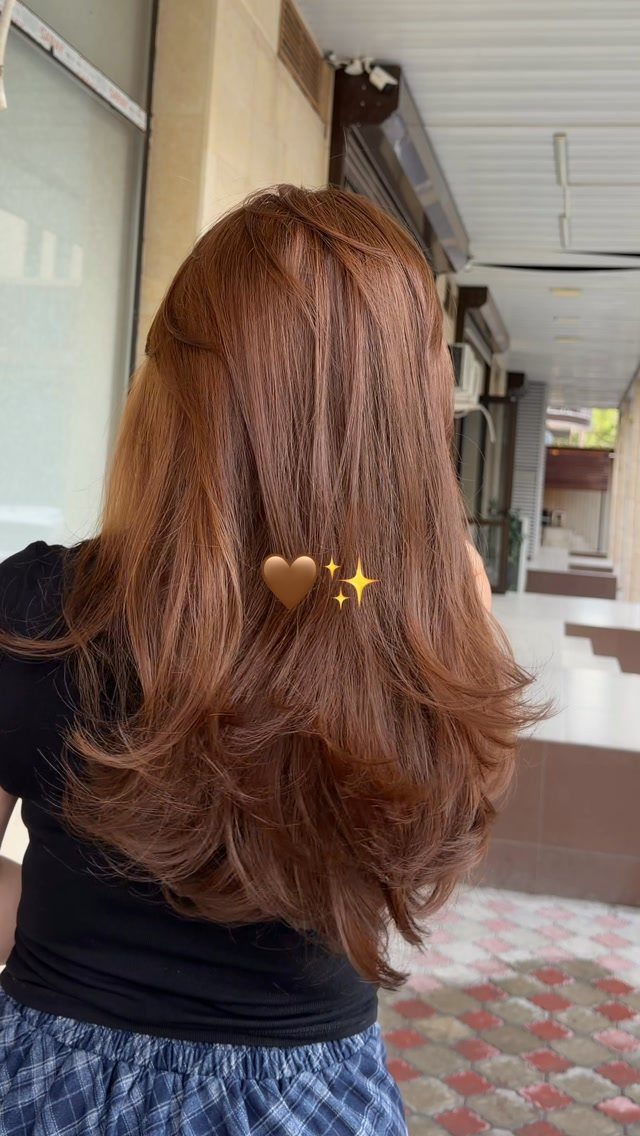
Cinnamon brown leans warm and slightly spiced, a brunette with a reddish glow that shows best through layers like these. Loose curls spread the color out so it reads soft rather than flat.
Name the shade as "cinnamon brown" and say you want it softer than a true red, because a stylist who hears only "red" can easily mix something brighter than you planned.
I’d keep it to a warm brown with a hint of red.
14. Beige Highlights
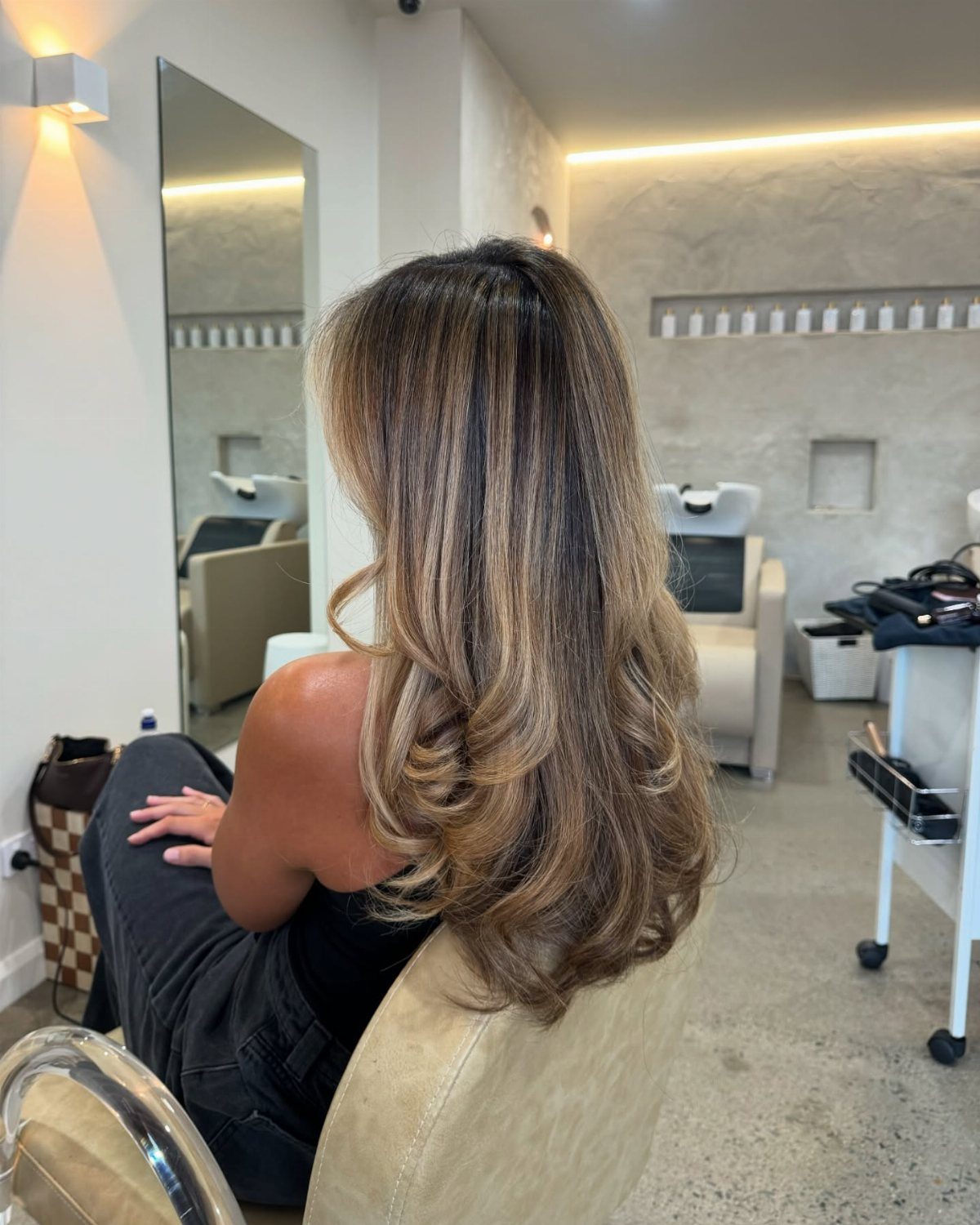
Beige highlights give light brown hair a soft, sandy brightness that stays quiet instead of flashy. On long, wavy lengths with layers, the pale pieces catch the light between the brown and keep it from looking heavy.
Ask for fine beige pieces over a light brown base, and say "beige," not just "blonde," so the stylist keeps the tone muted. I’d pick this over bold streaks if you want brightness that looks natural.
15. Caramel Brown
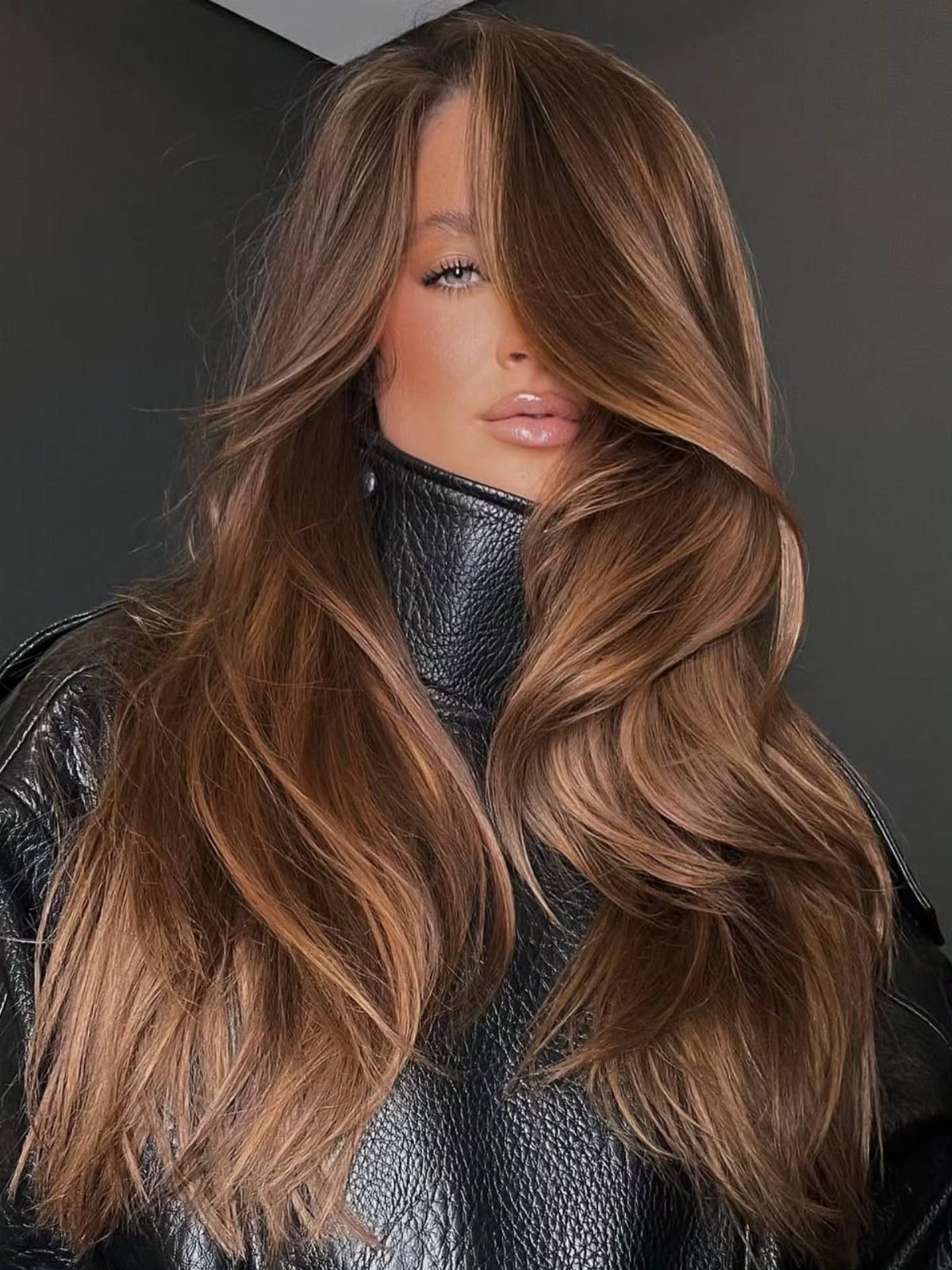
Long, wavy hair suits caramel brown well, because the warm highlights settle into the curves and frame the face instead of lying in flat stripes. The base stays brunette; the caramel only brightens it.
Ask for caramel pieces around the face and through the lengths, and bring the photo so the stylist sees how warm you want it. I’d choose this if plain brown feels flat but you don’t want to go blonde.
16. Light Brown Auburn

Light brown auburn is a soft brunette with a copper-leaning warmth, easy to wear because the red stays gentle. Shoulder-length waves show it well, and the color picks up brighter tones in daylight.
Name both parts when you book: "light brown with auburn warmth," not simply "auburn," which can come out much redder. I’d bring the photo and ask the stylist to hold the red back, so the brown still leads.
17. Milk Chocolate
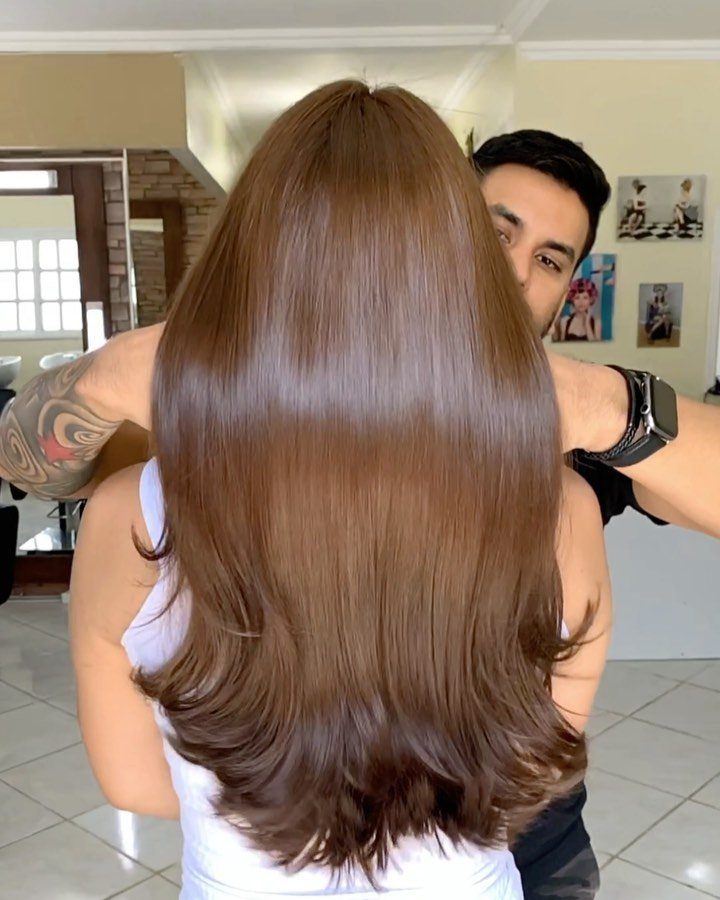
Milk chocolate is a light, creamy brown, softer than classic chocolate and easy on the eyes. Smooth layers with curled ends help milk chocolate read creamy and even from root to tip.
Say "milk chocolate" and show the photo, because the name can drift darker toward chocolate or lighter toward caramel. I’d ask for it as a close-to-solid color if you want that clean, silky finish.
18. Sienna Brown
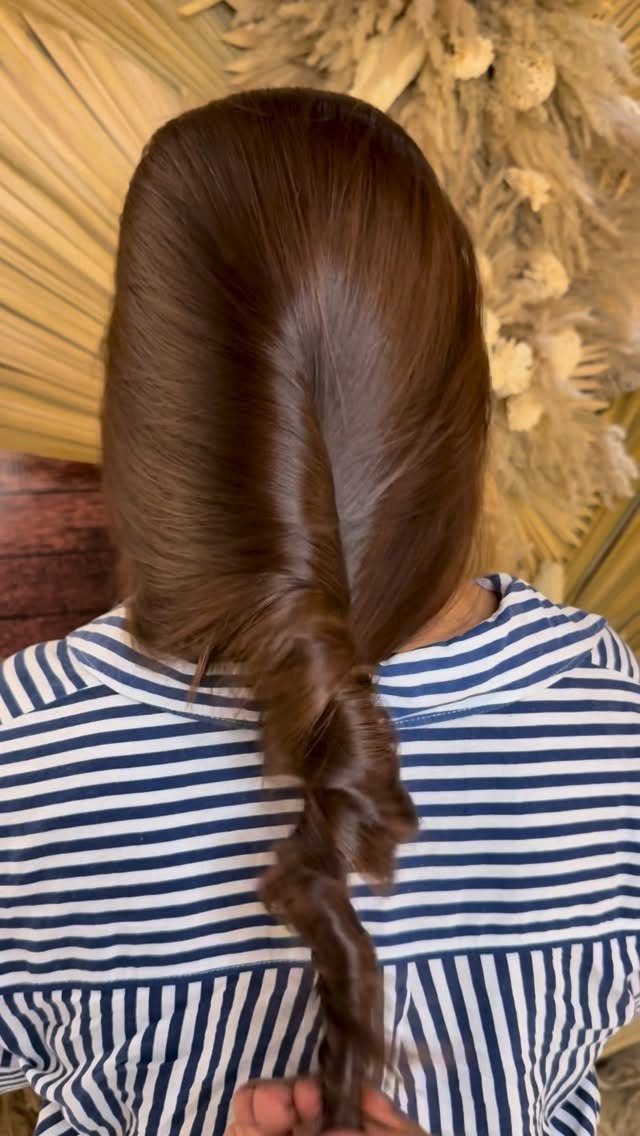
Sienna brown is an earthy, rich brunette, and a long braid shows it off by gathering the whole length into one dense line of color. Dark brown with a warm undertone is how I’d describe it.
Ask for sienna by name and bring a photo, because the shade sits near other warm browns and the name alone is easy to misread. Braids and twists suit it, since they keep the depth visible from every angle.
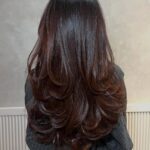
19. Walnut Brown
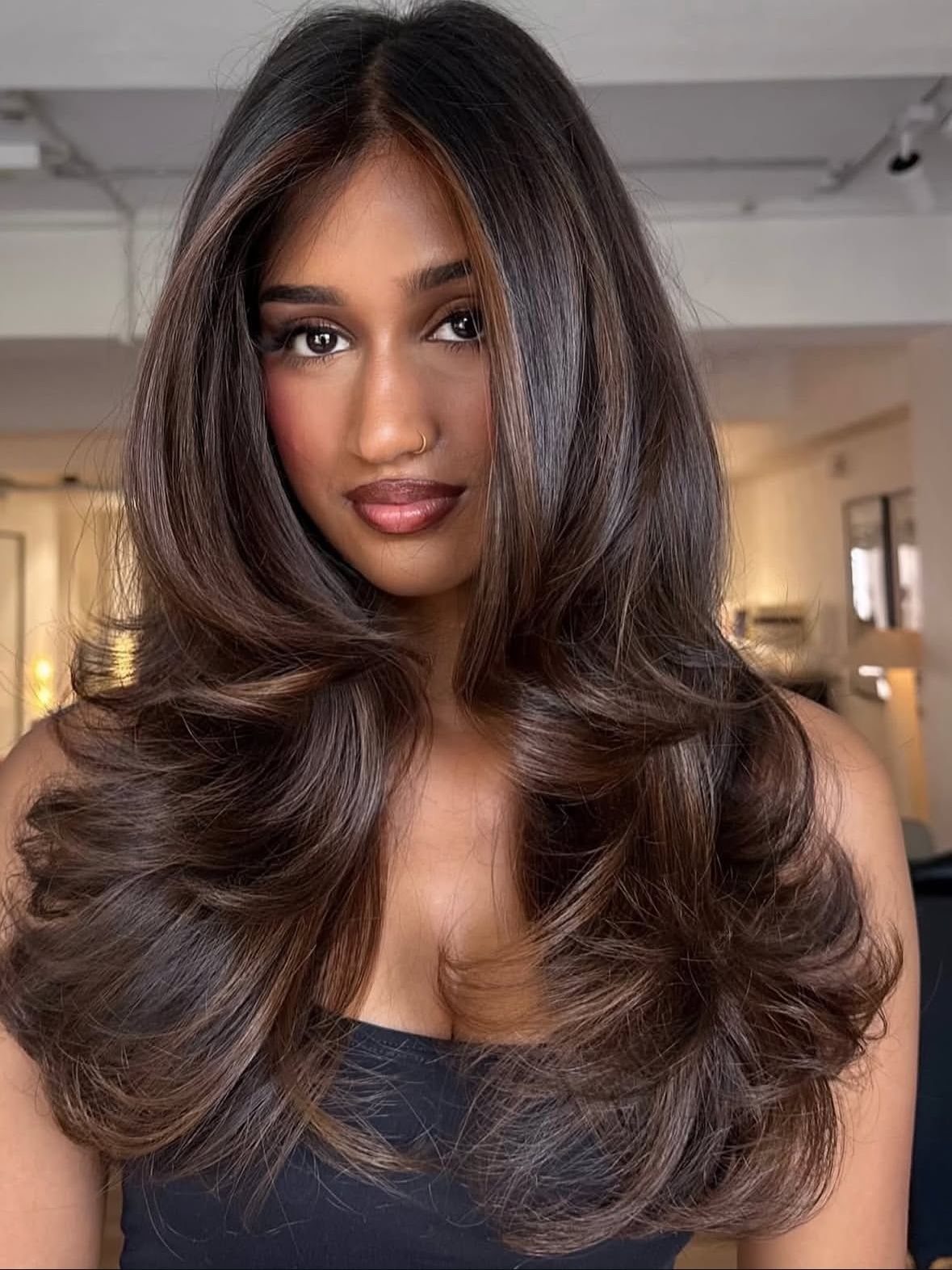
Walnut brown is a deep, dark brunette, and long layers with softly curled ends like these give it body that a blunt cut would flatten. The layering lets the color shift from darker to slightly lighter as it moves.
Walnut sits right beside several other dark browns, so the word alone can land you on the wrong one; say the name and show the photo together. I’d choose it if you want depth with volume.
20. Mahogany Brown
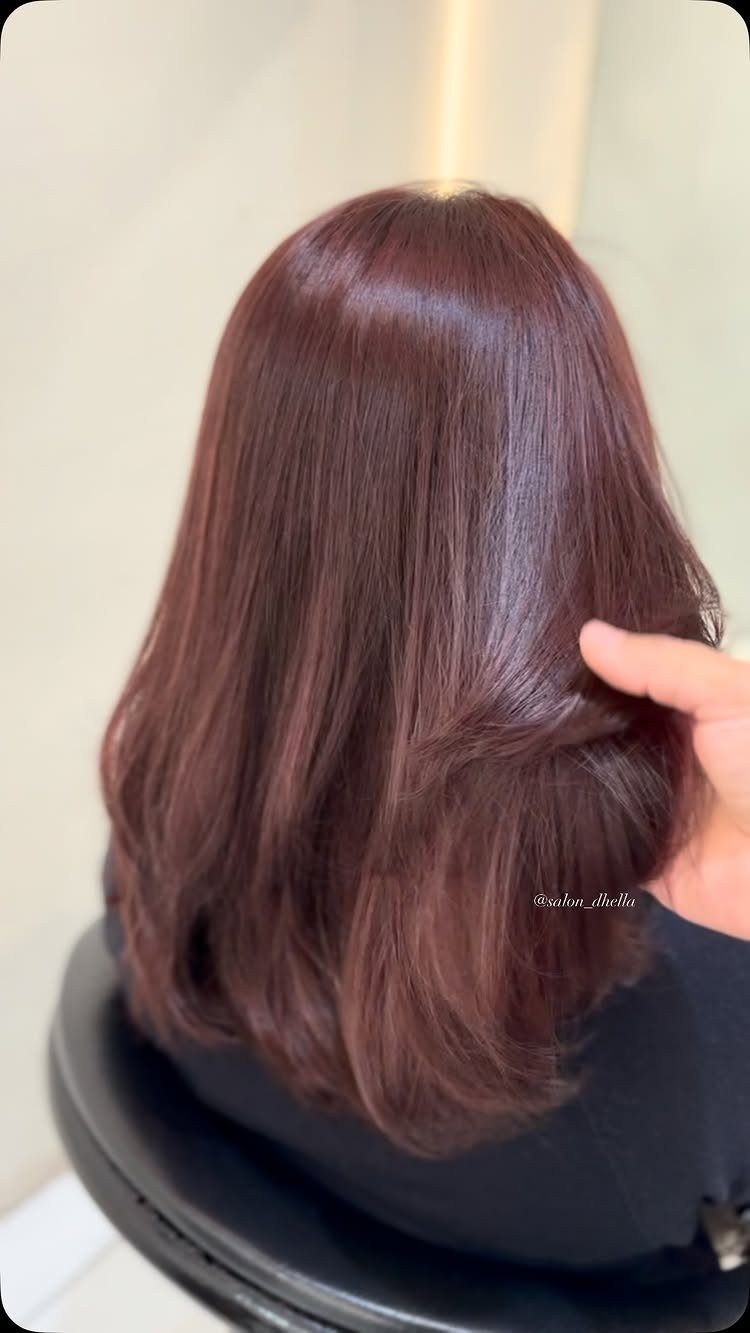
Mahogany brown carries a reddish cast over a dark base, and on glossy, soft waves it reads as polished rather than loud. Shine matters more here than with most browns, since the red shows best when the surface is smooth.
Say "mahogany brown" and show the photo so the stylist keeps the red subtle. I’d ask for it with a gloss finish, and I’d keep it clearly brown rather than drifting toward a true red.
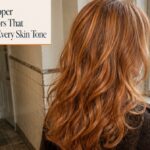
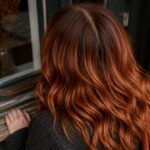
21. Copper Brown
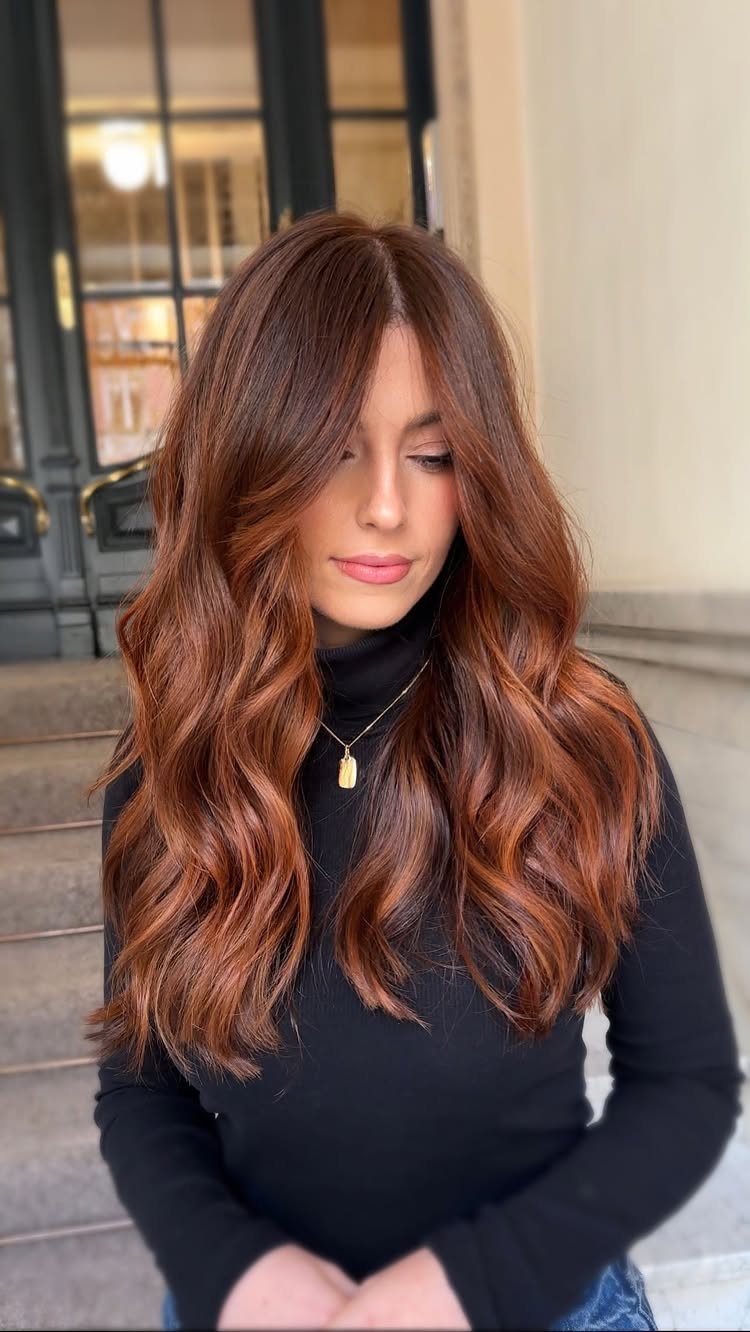
Copper brown mixes a brunette base with a bright, metallic orange-red, and long waves with curtain bangs spread that warmth around the face. The bangs put the color right where people look first.
Say "copper brown" in full when you book, since a bare "copper" can come out far brighter and more orange than this softer shade.
I’d bring the photo and ask for the brown to stay in charge, with the copper as the glow.
22. Mushroom Brown
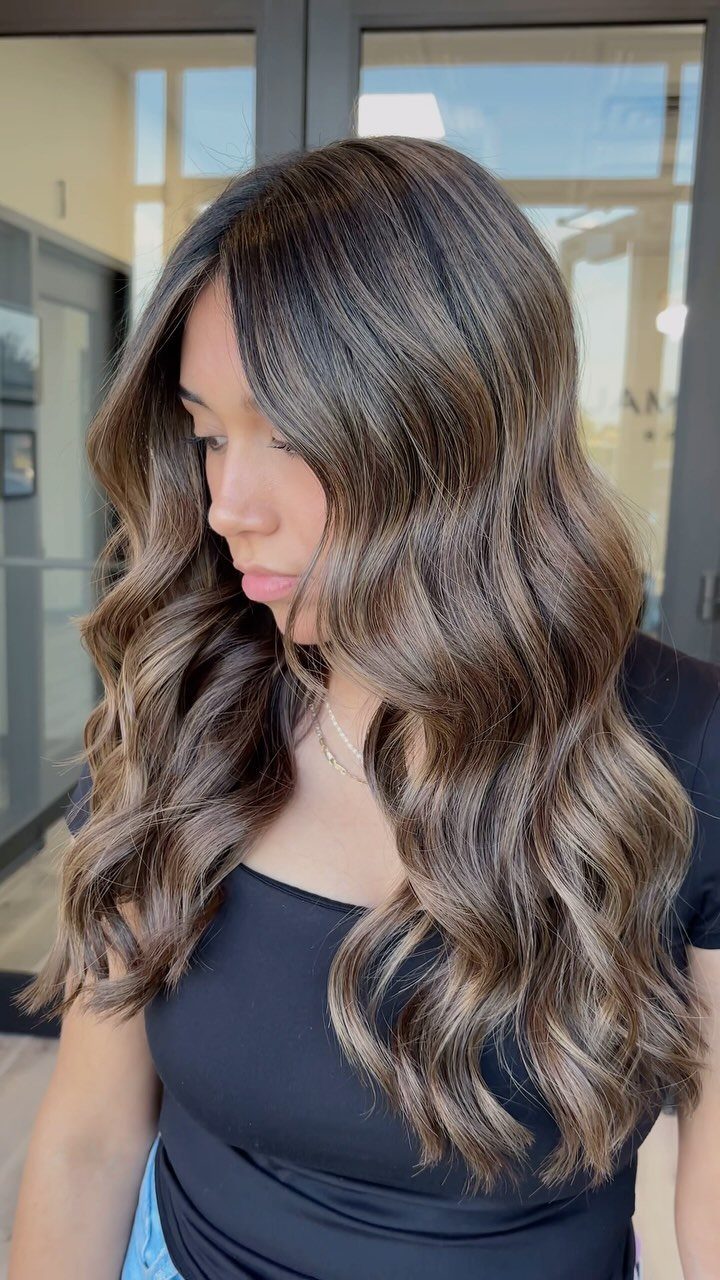
Mushroom brown is a cool, muted brunette with a gray-taupe cast, and long waves with subtle taupe highlights give it dimension without any warmth creeping in. It’s quiet by design.
Ask for "mushroom brown" and bring the photo, since the name is easy to confuse with ash or other cool browns.
I’d request fine taupe pieces rather than heavy ones. Expect the shade to look flat if the stylist skips the highlights.
23. Espresso Brown
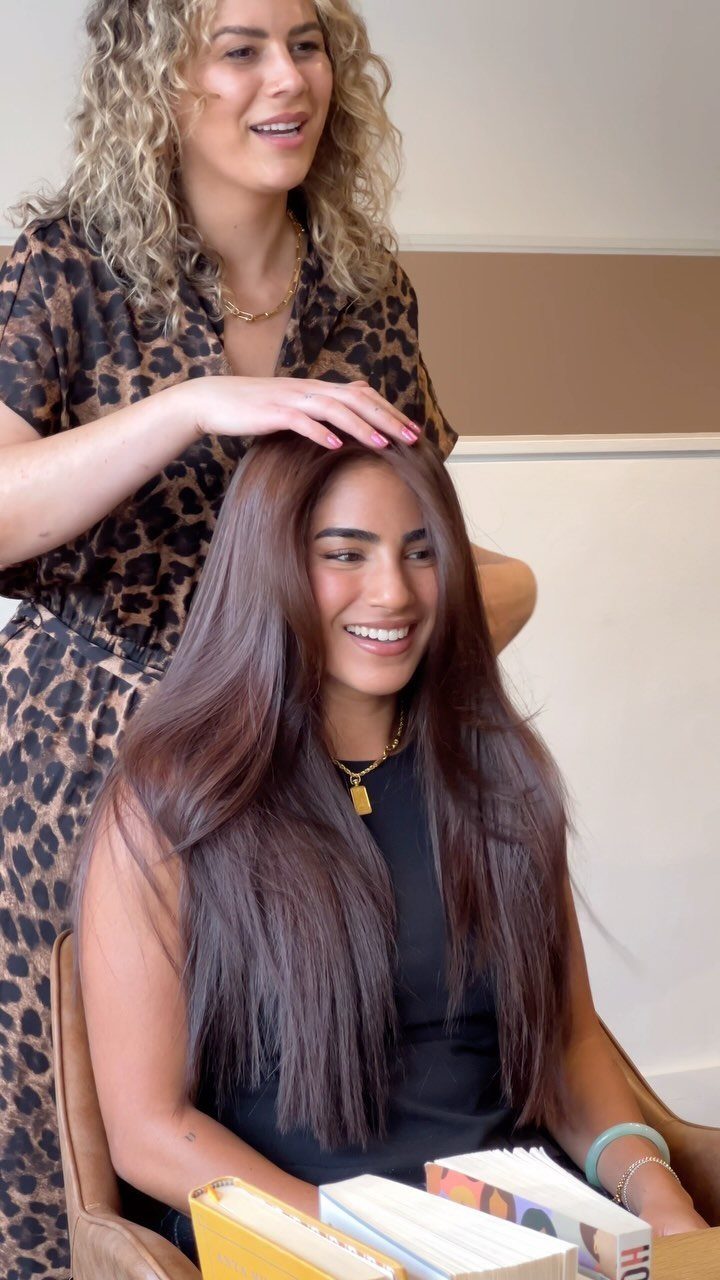
Espresso brown is about as dark as brunette gets, a deep, near-black brown, and sleek straight lengths like these make it look mirror-smooth. Straight hair lets the shine do the work.
Book espresso as a single all-over shade, and hand over the photo so your stylist can see just how deep you want it.
I’d choose it for a clean, high-contrast look, though a shade this deep leaves little room for dimension.
24. Violet Brown
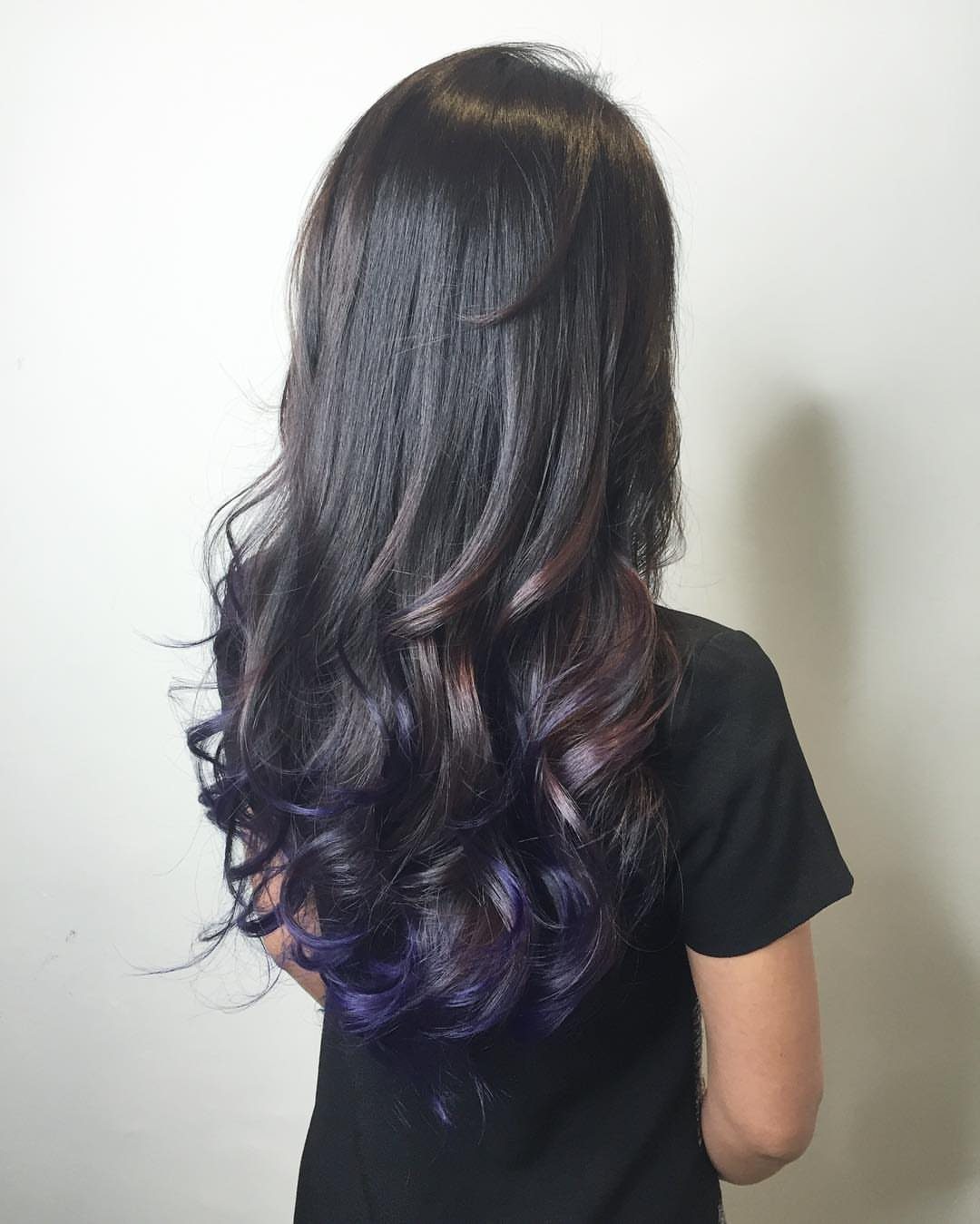
Violet brown starts as dark brunette and fades into purple at the ends, so waves and curled tips show the shift best. The brown keeps it wearable; the violet is the surprise at the bottom.
Request a dark brown base with violet only through the ends, and show the photo so the stylist can judge how strong the purple should be. I’d pick it if you want color you can pull back by trimming.
25. Red Brown
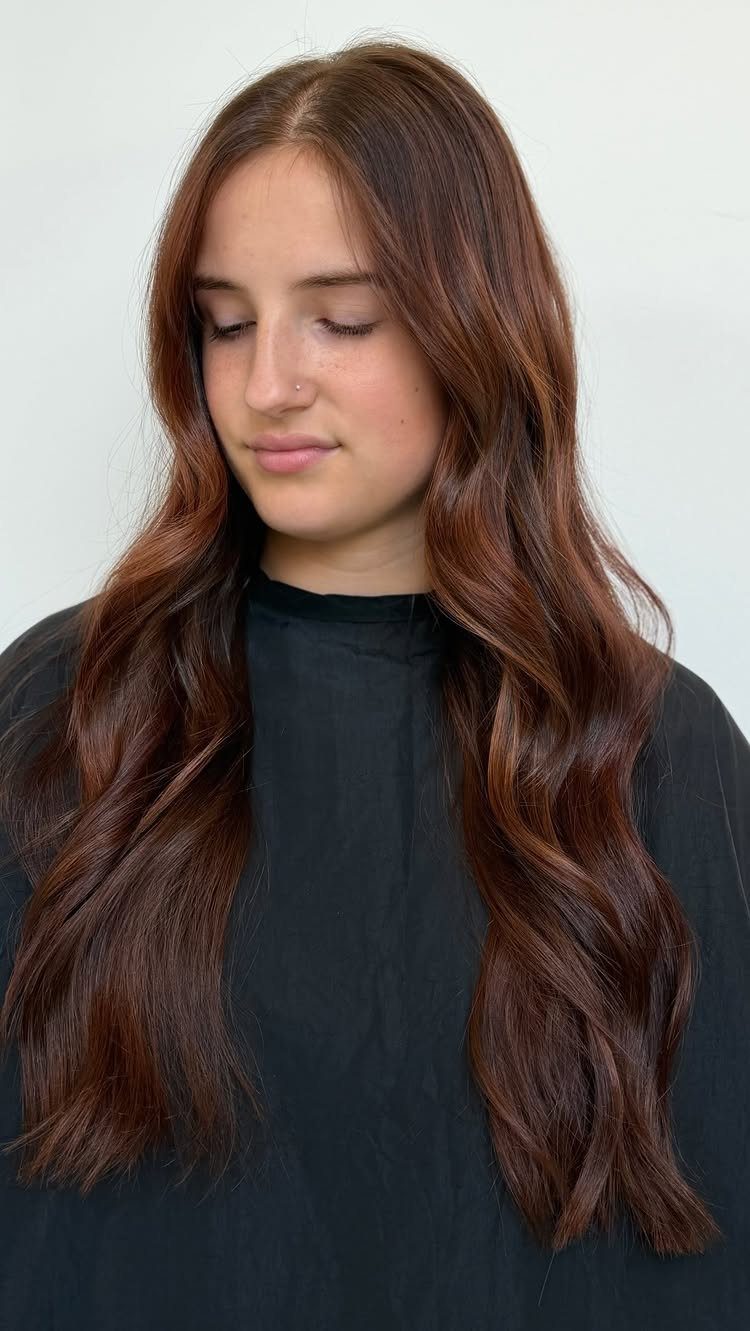
Red brown is a brunette base with a reddish tint running through it, and on long, loose waves the red shows up in the bends and fades back into brown between them.
It reads warmer than plain brown without tipping into a true red.
Book it as "red brown" and bring the photo, since a stylist who hears only "red" may mix something much brighter. I’d ask for the brown to lead and the red to stay a tint.
26. Sandy Brown
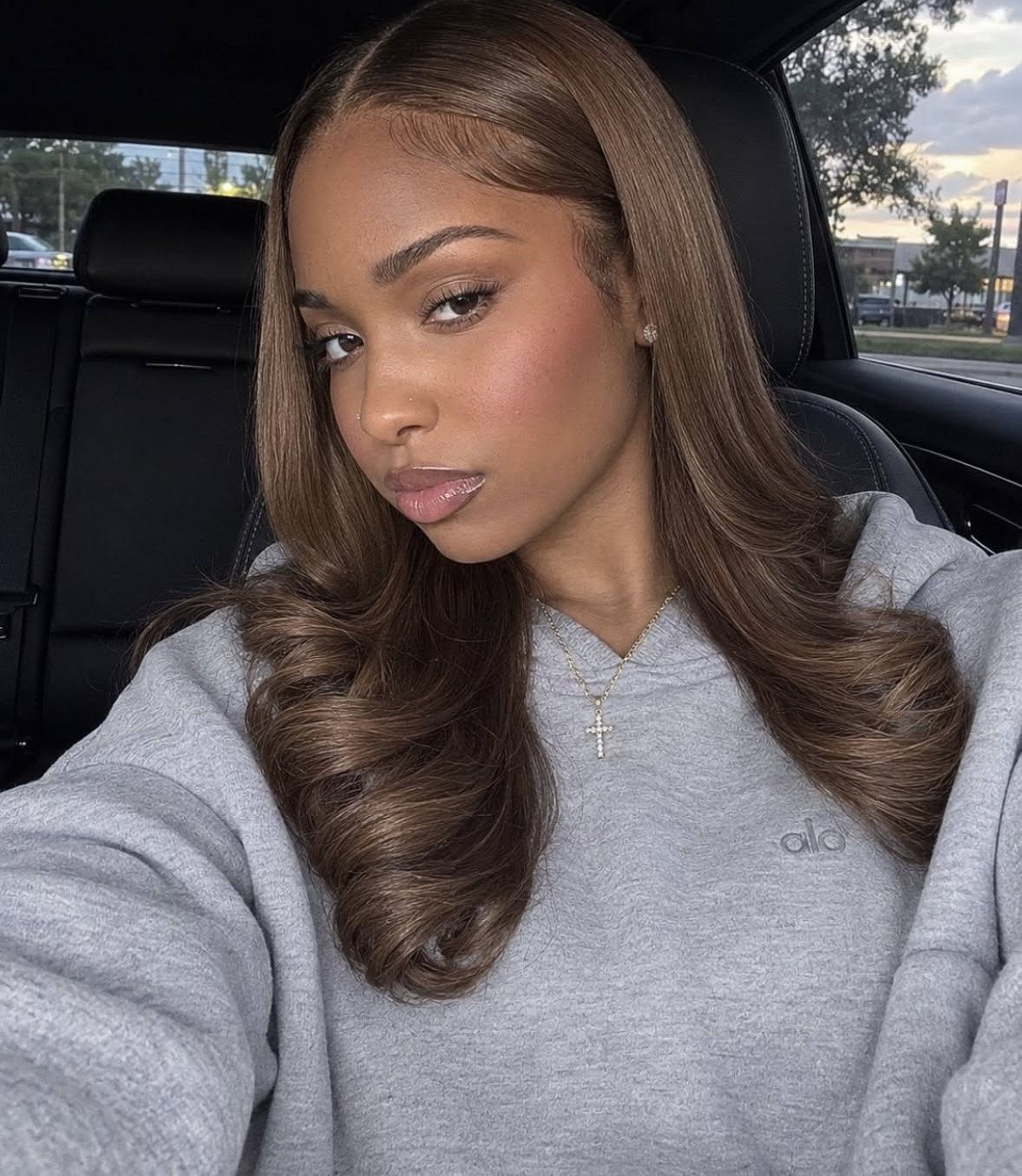
Sandy brown is a light, soft brown with a muted, beachy cast, and curls like these spread the tone so it looks even rather than striped. It’s gentle enough that it never feels like a big color commitment.
Say "sandy brown" and show the photo, because the name sits close to light brown and beige and can land in either place. Of the lighter browns, sandy brown is the one I’d pick for an easygoing, low-contrast look.
Choosing Shades by Skin Tone
Sort browns by undertone before you sort them by name.
Brown shades fall into families: cool, warm, red and violet. Choosing the family first cuts a long list down fast.
Warm skin tends to look best in golden, honey, caramel and bronze.
Cool skin usually does better with ash and the muted, cooler browns. If both gold and silver jewelry flatter you, you’re probably neutral, and either column is open to you.
Red and violet browns are the boldest families, so I’d test them last, after you know which base family suits you.
Check any swatch or photo against your face in daylight, not under bulbs. Indoor light shifts how warm or cool a brown reads, and the shade that looked right in a bathroom mirror can surprise you outside.
Frequently Asked Questions
What are the different shades of brown hair?
Brown hair sorts into 4 families: cool, warm, red and violet.
Ash and mushroom are the cool ones, golden, honey, caramel and bronze are the warm ones, and auburn, mahogany, cinnamon and copper brown lean red. Chocolate, mocha, walnut and espresso cover the deeper end, with espresso nearly black.
Violet brown is a dark base that fades to purple at the ends. Start by choosing your group, and the long list of names shrinks to a handful you can actually compare.
What are the trendy brown hair colors for 2026?
For 2026 the range stretches from smoky ash and mushroom browns on the cool side to richer, warmer picks like chocolate, caramel and mocha, with espresso anchoring the darkest end.
Chocolate gets its own round of 2026 ideas too. Mushroom is a muted gray-taupe, and it needs fine taupe highlights for dimension or it can look flat.