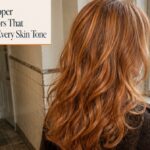
Shades in this list range from a chestnut wash that only shows red in sunlight to a vivid ginger bob that gets noticed in any room.
Your skin undertone decides where you land: cool undertones pair with the plum-leaning reds like merlot and chocolate cherry, while warm undertones suit copper and auburn.
Red brown looks best when its undertone echoes your skin’s: golden-leaning coppery browns flatter warm complexions, while cooler, cherry-leaning ones sit better on pink or olive-neutral skin.
1. Chocolate Cherry
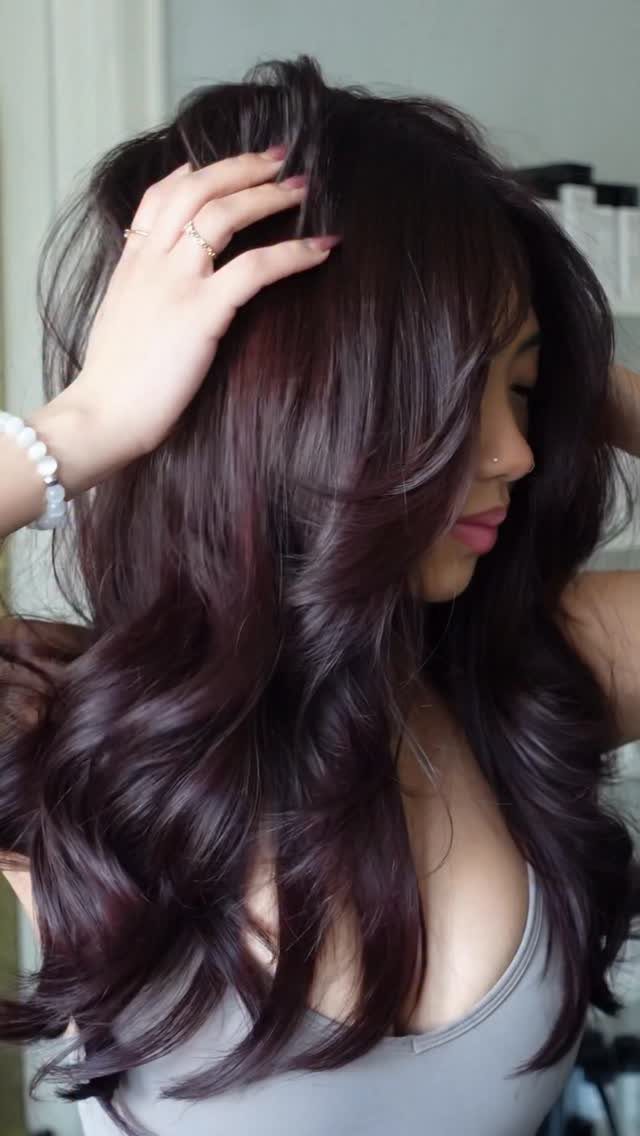
Cool plum-red running through a deep brown pushes this shade toward cherry and away from copper. It suits anyone who wants red without the orange warmth, and the dark base keeps it quiet enough for daily wear.
Ask your stylist for a cool, violet-leaning red over brown, and say "not copper" out loud so the tone lands where you want it.
2. Classic Auburn
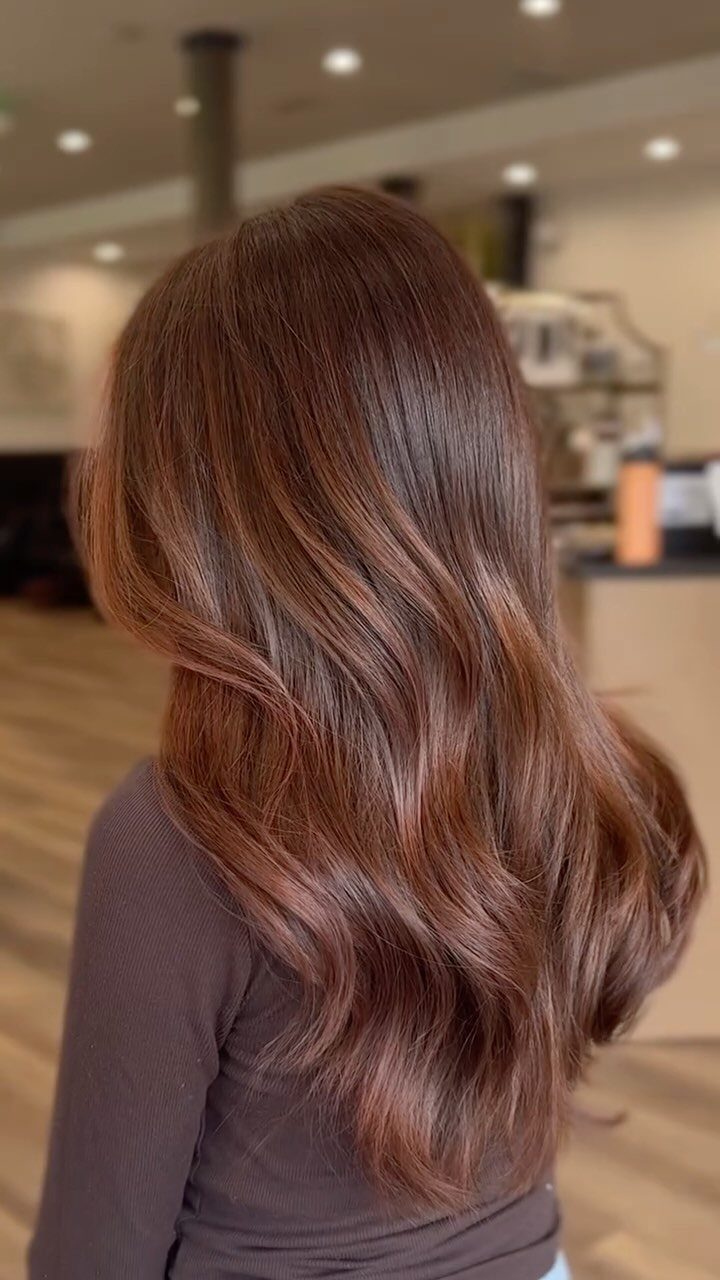
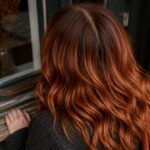
Auburn on a deep brown base is the red-brown I’d point most people toward first. The red sits inside the brown instead of on top of it, so the color looks like your own hair on a very good day.
Walk in with a saved picture and request auburn depth, not brightness. Long hair shows it best: waves pick up the red in the light, and a glossy finish does the rest.
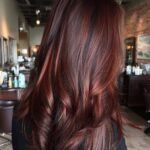
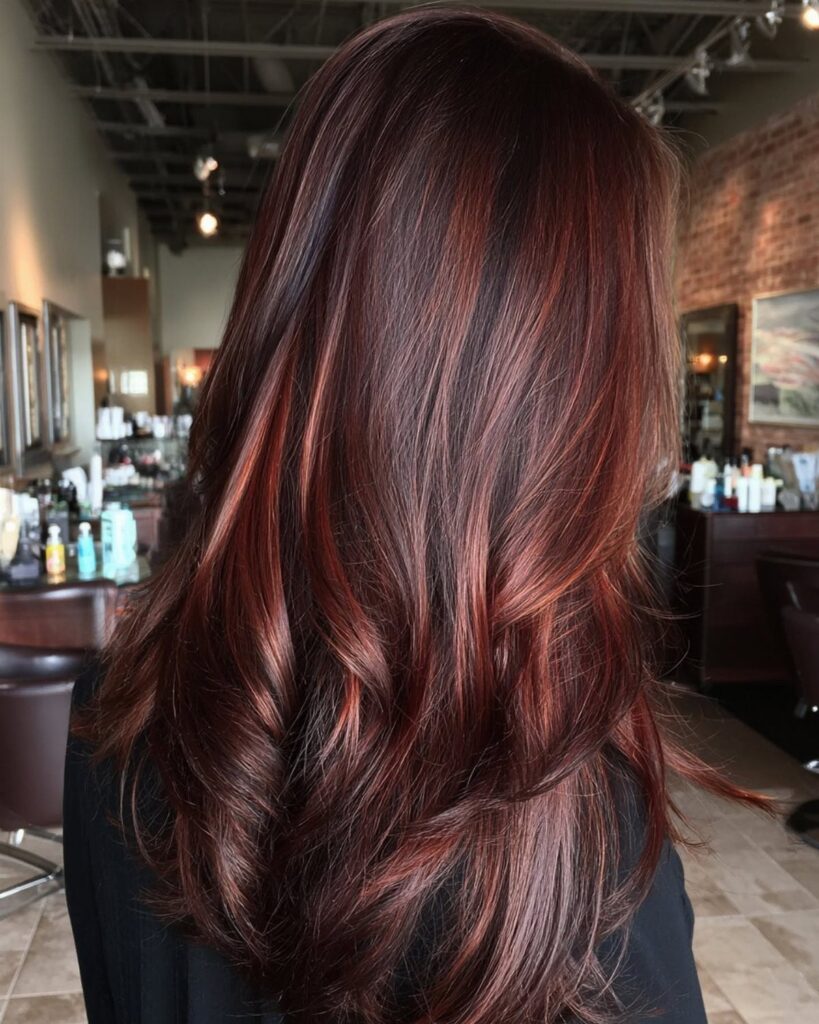
3. Glossy Mahogany Hair
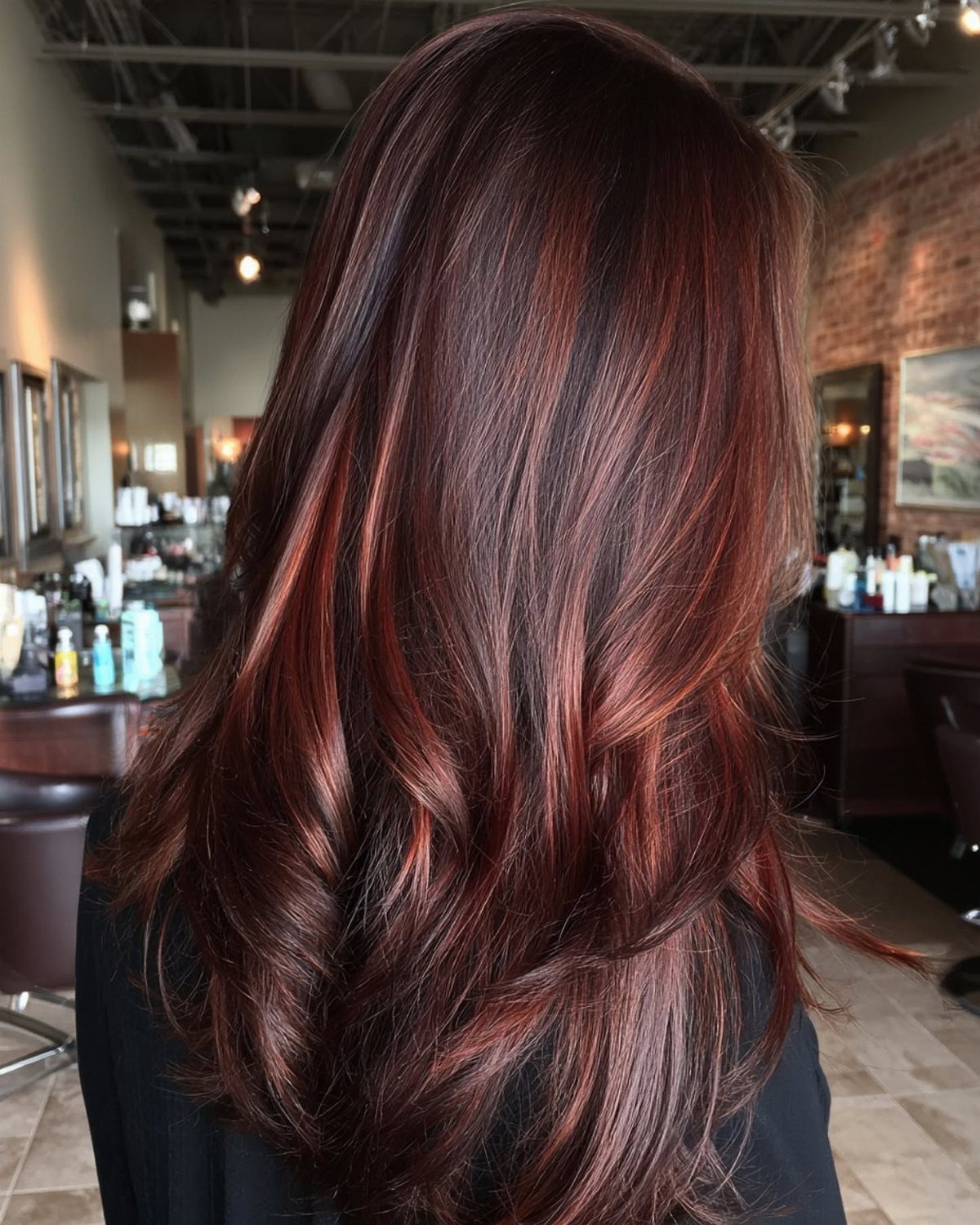
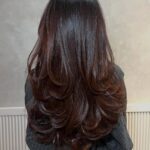
Mahogany leans deeper and cooler than auburn: brown with a dark red cast you notice mostly in movement. Layers matter here, since each one reflects a little shine and stops long hair from falling flat.
Name it as "mahogany red-brown" at the salon, because a stylist hearing only "red" may go brighter than you want. A gloss finish gives it the wet-glass look.
4. Chestnut Auburn
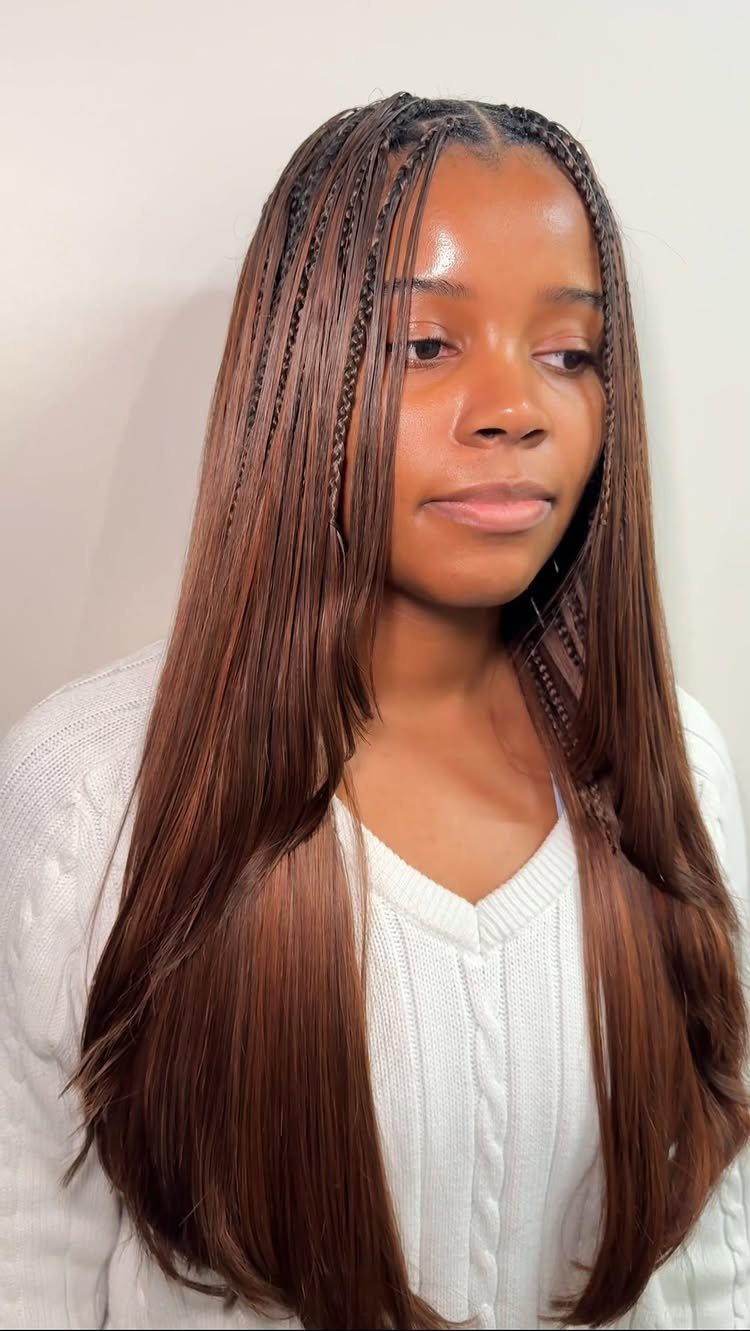
Straight hair gets some movement from a few reddish-gold highlights laid over mid-toned brown, and none of it is a big commitment. Since the brown underneath never changes, only the gold-red accents need upkeep.
Small braids at the crown, as styled here, are an easy extra that costs nothing and keeps the front tidy. I like this one for anyone moving from brunette toward red slowly.
5. Copper Brown Balayage
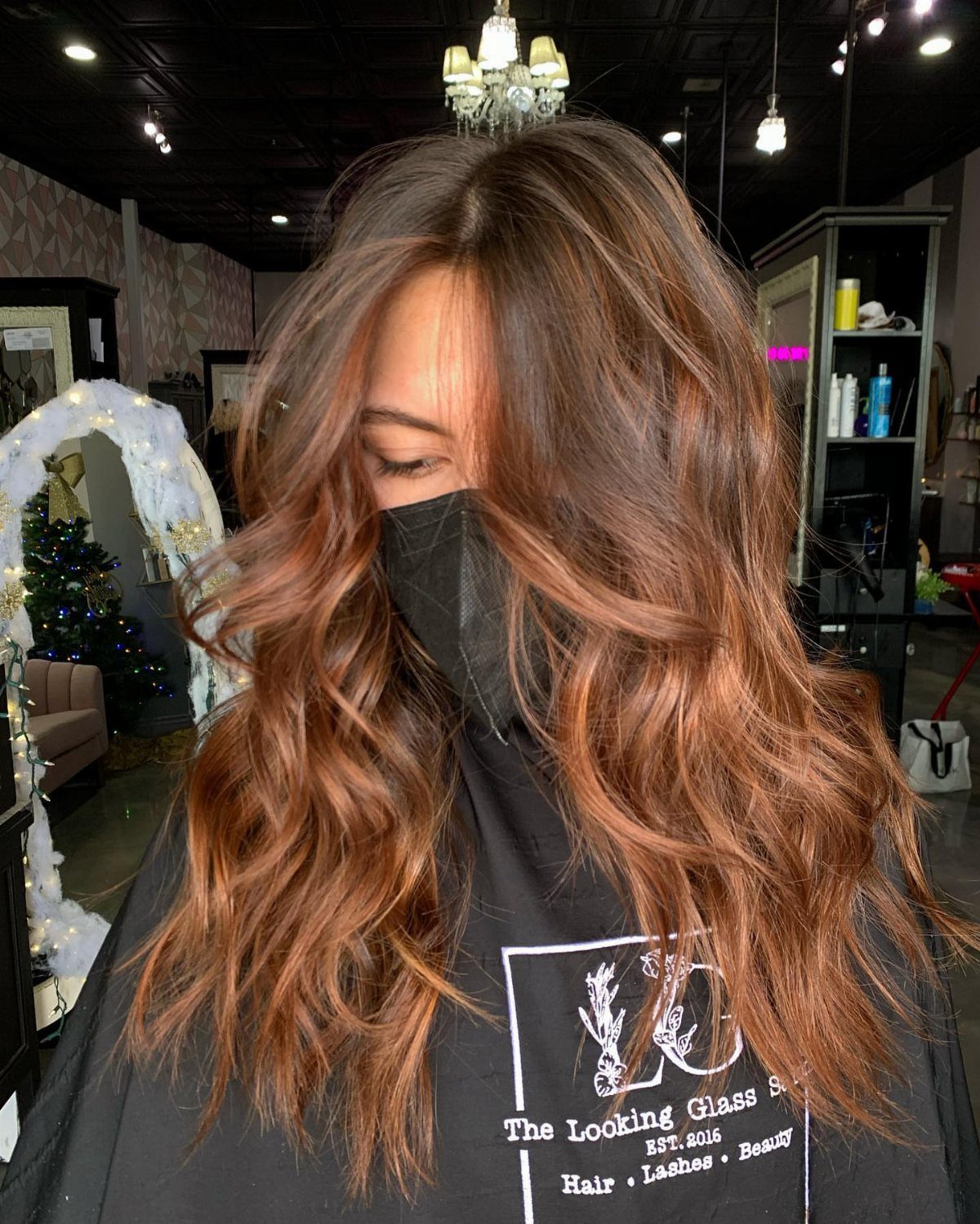
Copper ribbons woven through brown are the most visible way to add warmth without coloring everything. Balayage is painted on by hand, so the coppery pieces can be placed where you want them and left to fade softly.
Ask for ribbons rather than chunky stripes, and keep the roots brown. That root shadow is what makes the grow-out look planned, so touch-ups can wait.
6. Red Brown Balayage
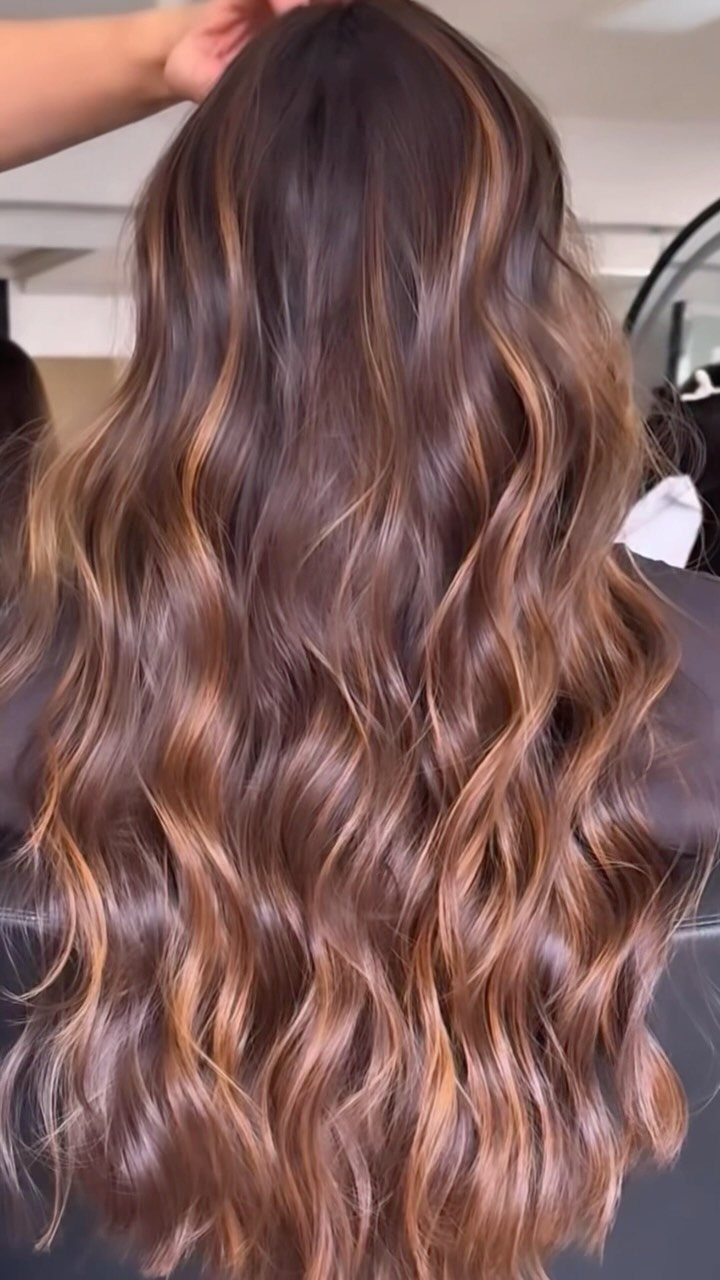
Here the red and the brown are blended together, not stacked in separate layers. Placement is the whole idea: the stylist paints the red-brown through the hair, so no single band of color reads as a line.
That makes it a good pick if you dislike uniform, flat color. Tell your stylist you want blended coppery tones through brown, not one solid shade, and show the photo so they see the softness you mean.
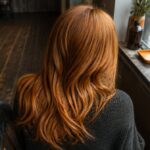
7. Warm Chestnut Red
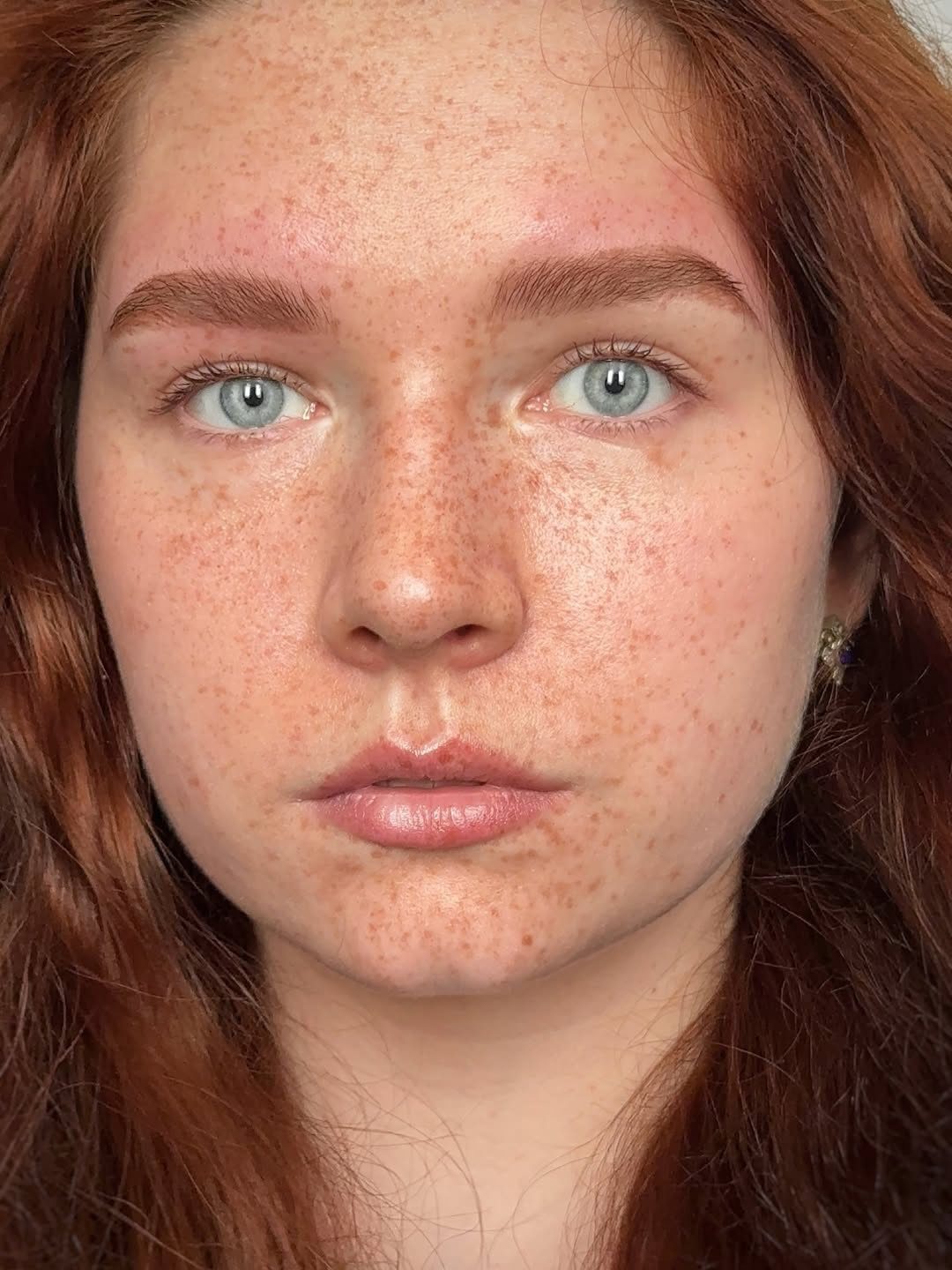
Chestnut brown with a red wash is the gentlest way into red hair. The red shows up in sunlight and stays quiet indoors, which suits anyone who wants warmth without a big change.
Ask for "warm chestnut with red tones" and show the photo, because "red" alone can send a stylist brighter than you want. Light eyes and freckles pair nicely with it, though I’d call it flattering on most complexions.
8. Dark Red Balayage
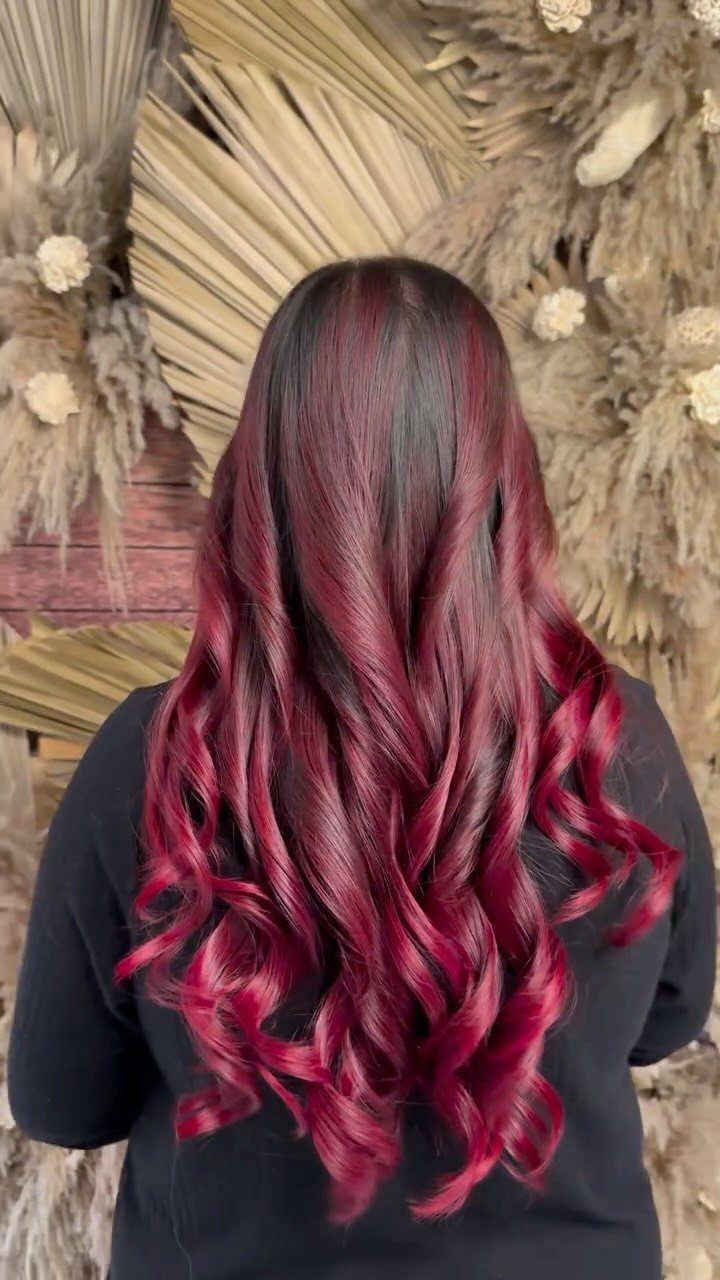
Burgundy ribbons are what make this balayage more than a standard red-brown. Painted by hand through a reddish-brown base, they catch light in curls and waves and read as dimension, not stripes.
Ask your stylist to keep the burgundy to thin pieces and to blend them into the base so no hard line forms.
Curly and wavy hair shows the effect best, since every curl turns the color a little. I’d choose this over a full burgundy if you want to keep your options open.
9. Chestnut Ombre
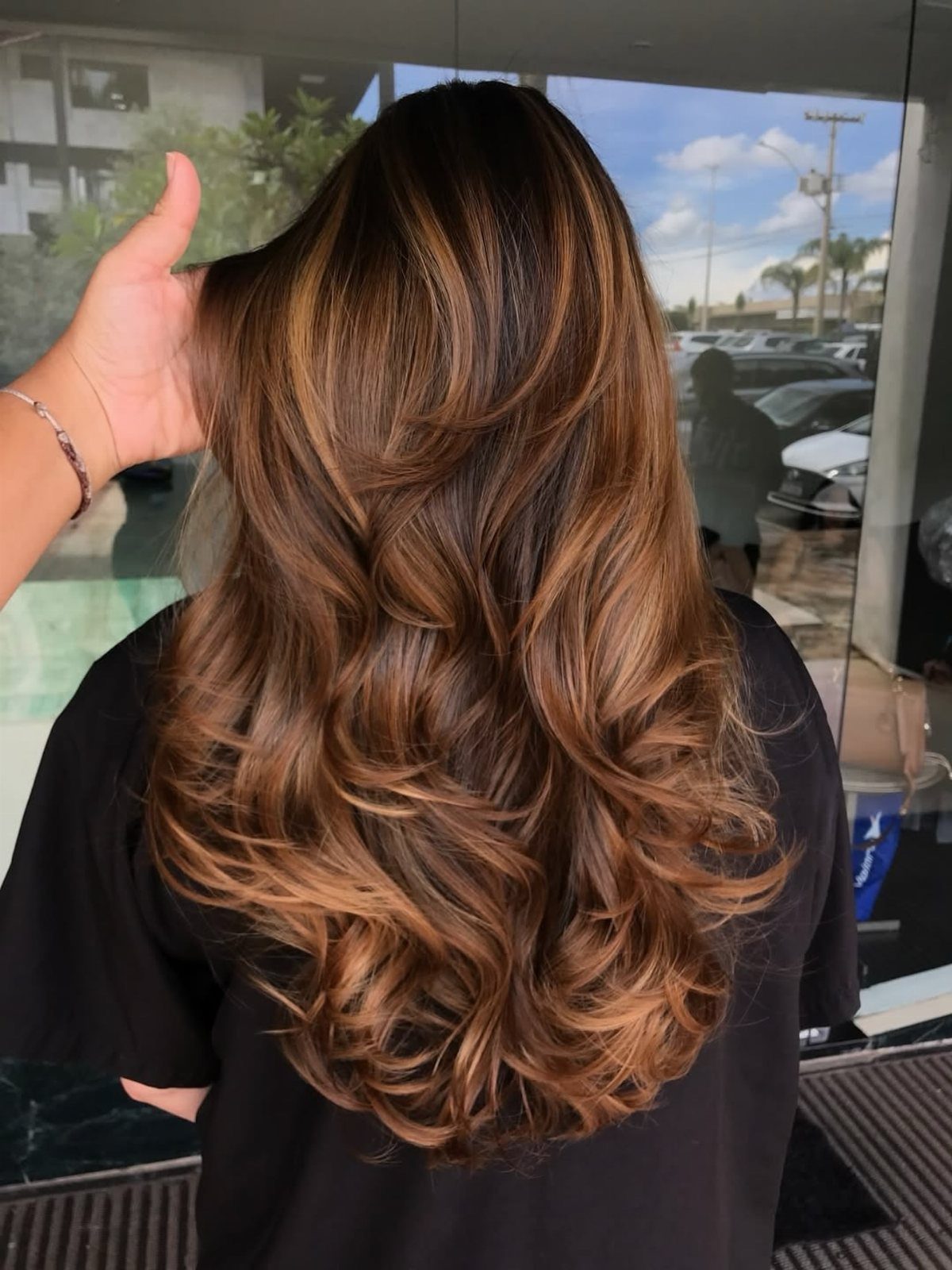
Dark roots melting into warm chestnut ends give this ombre its reddish-brown glow. The gradient is built from several brown shades, not one jump from dark to light, and that layering is why the grow-out looks soft instead of striped.
Tell the stylist you want a gradual blend in browns with a reddish cast at the ends, not a high-contrast fade.
Loose waves or curled ends show the gradient well. It’s one of the easier red-brown looks to live with between visits.
10. Burgundy Brunette
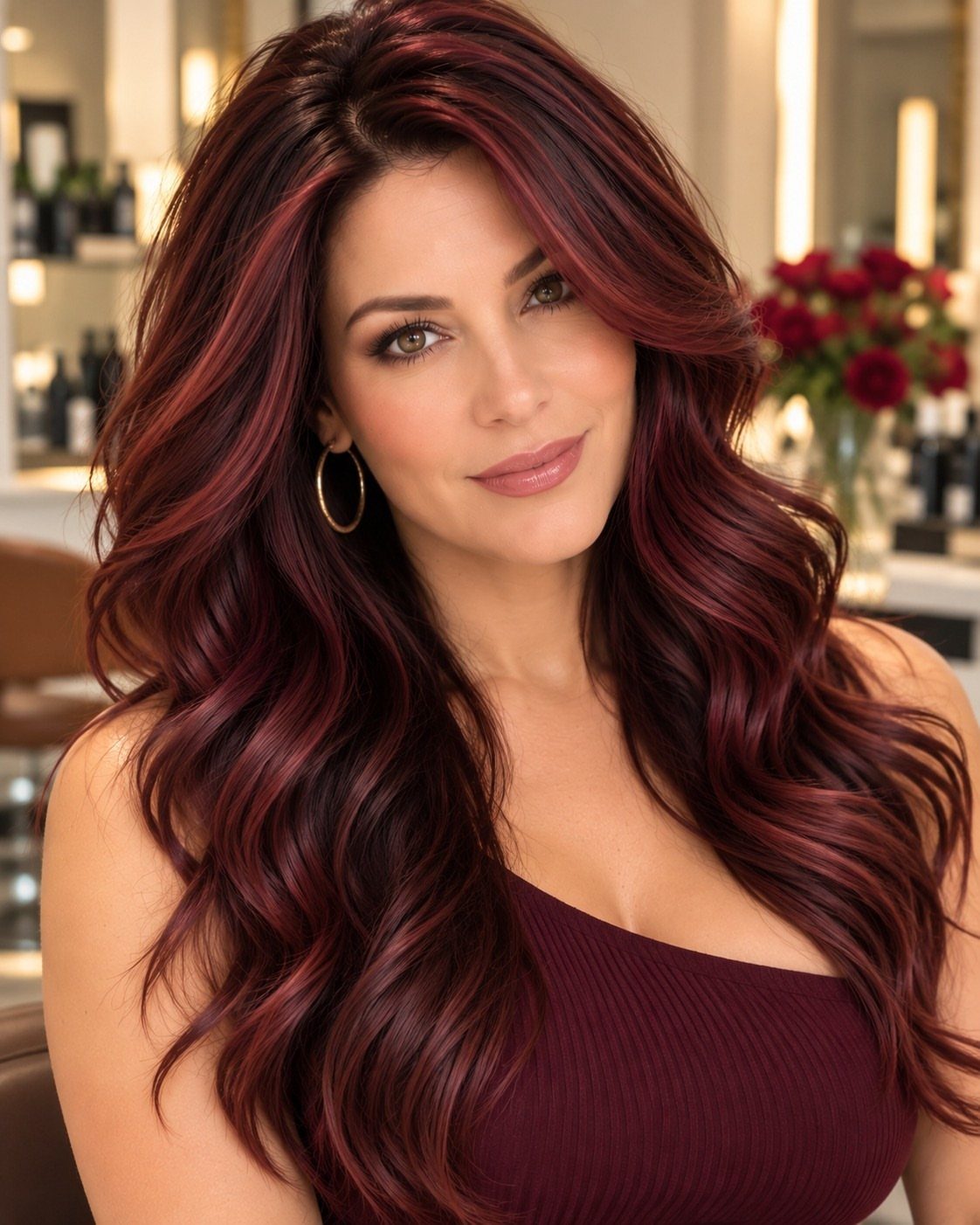
Wine and plum tones laid over a dark brown base make burgundy brunette. The red leans purple, so it reads richer and cooler than copper or auburn, and in low light it can pass for plain dark brown.
Ask for "subtle wine-red highlights through dark brown," and bring a photo so your stylist can see exactly how much purple you want.
Long waves display the dimension well, and a maroon or deep berry top echoes the color nicely. My pick for anyone who wants a quiet change.
11. Dark Red Brown
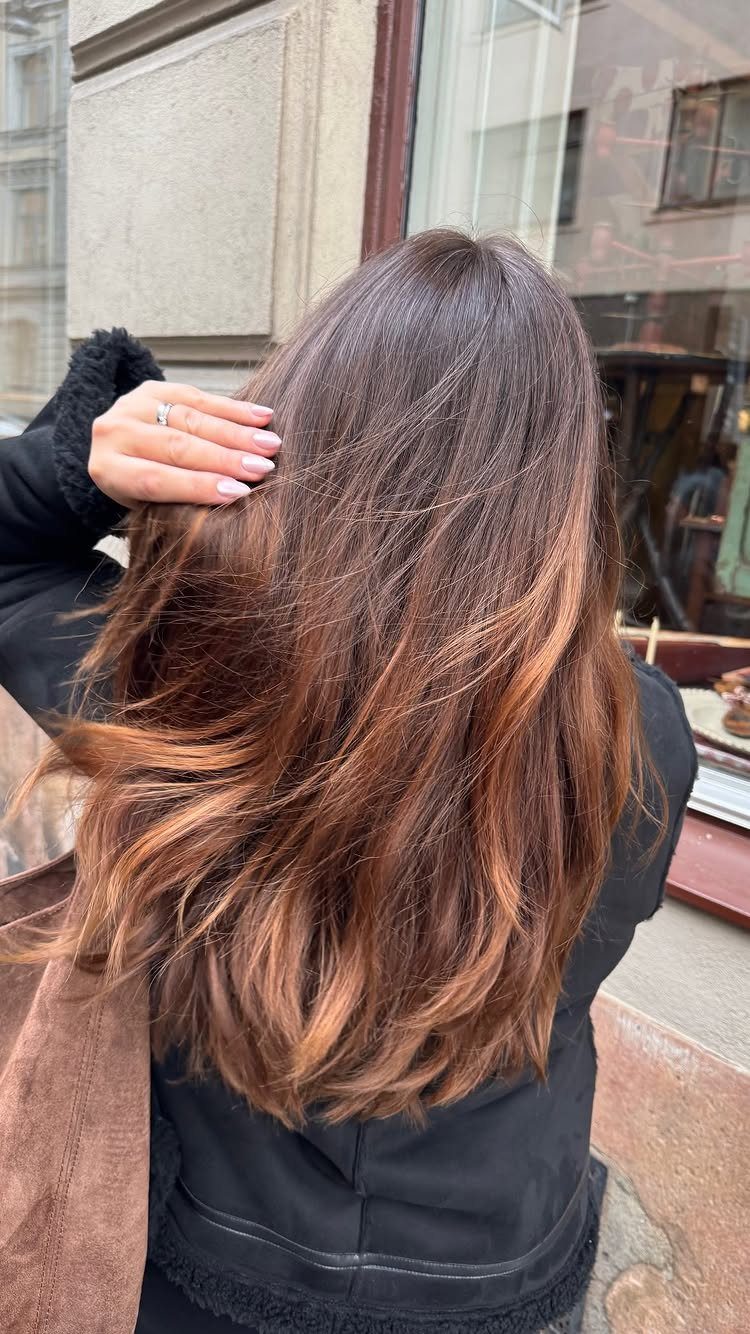
Deep brown with a reddish undertone, this shade changes with the person wearing it: lighter or cooler complexions may see the red stand out, while deeper skin tones often see it as a rich glow.
That variability is its charm, and also the reason to test it on yourself before committing.
Layered waves keep the color from looking flat. Ask for "dark red-brown" and show the photo, since the shade sits close to plain brown and the red needs to be named.
12. Copper Auburn
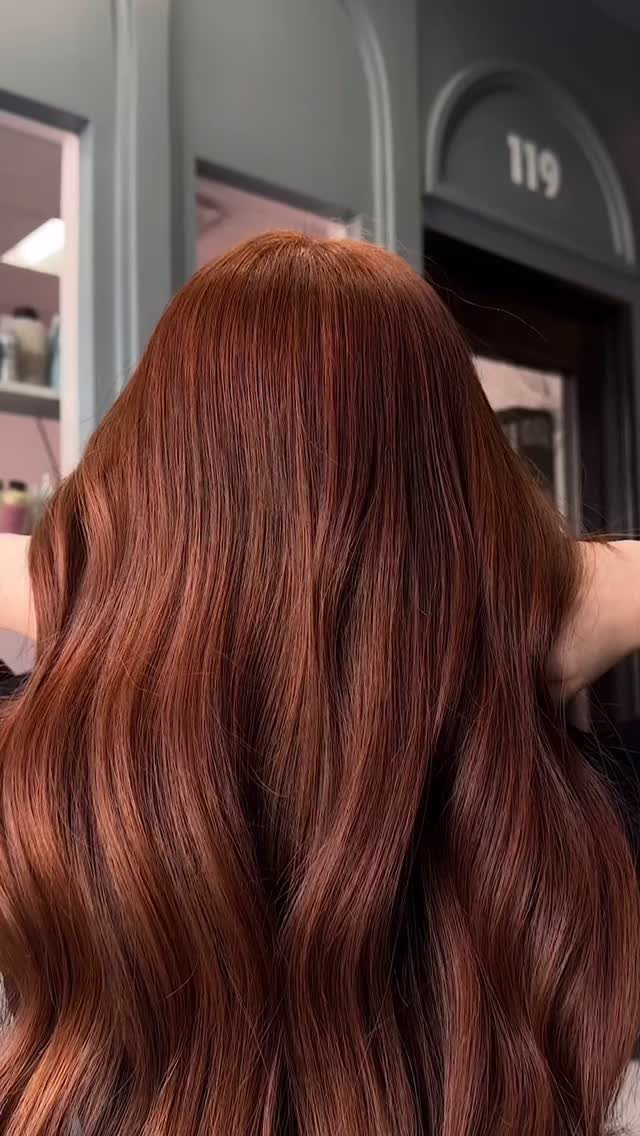
Copper auburn runs darker and deeper in saturation than a standard auburn, with a finish like a polished penny. Copper auburn is brighter than mahogany or cherry, so expect it to get noticed.
Ask for "copper auburn," not "red," and mention penny tones so the warmth lands.
Glossy reddish highlights through long waves give it depth. I’d choose this if you want a clear step toward red but still want brown underneath.
13. Braided Ombré
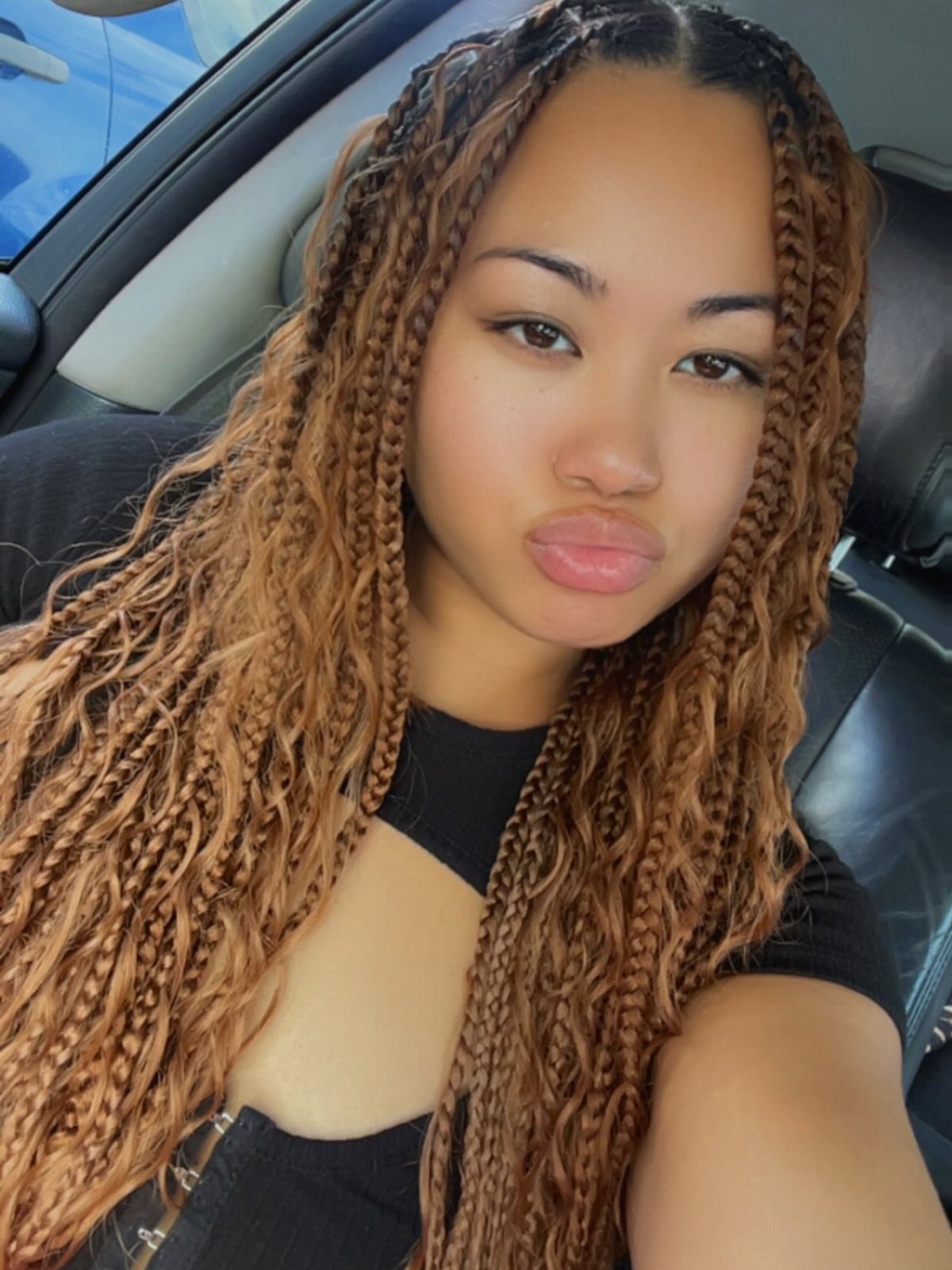
Long braids show off an ombré better than loose hair does, because the weave stacks dark roots against warm caramel lengths in a repeating pattern.
The red or auburn version works the same way and blends into a natural brunette base.
Ask for a gradual shift from your own brown into the warmer ends, so no line shows where the color starts. Keep the braids loose enough that the lighter lengths stay visible.
14. Hot Reddish Brown
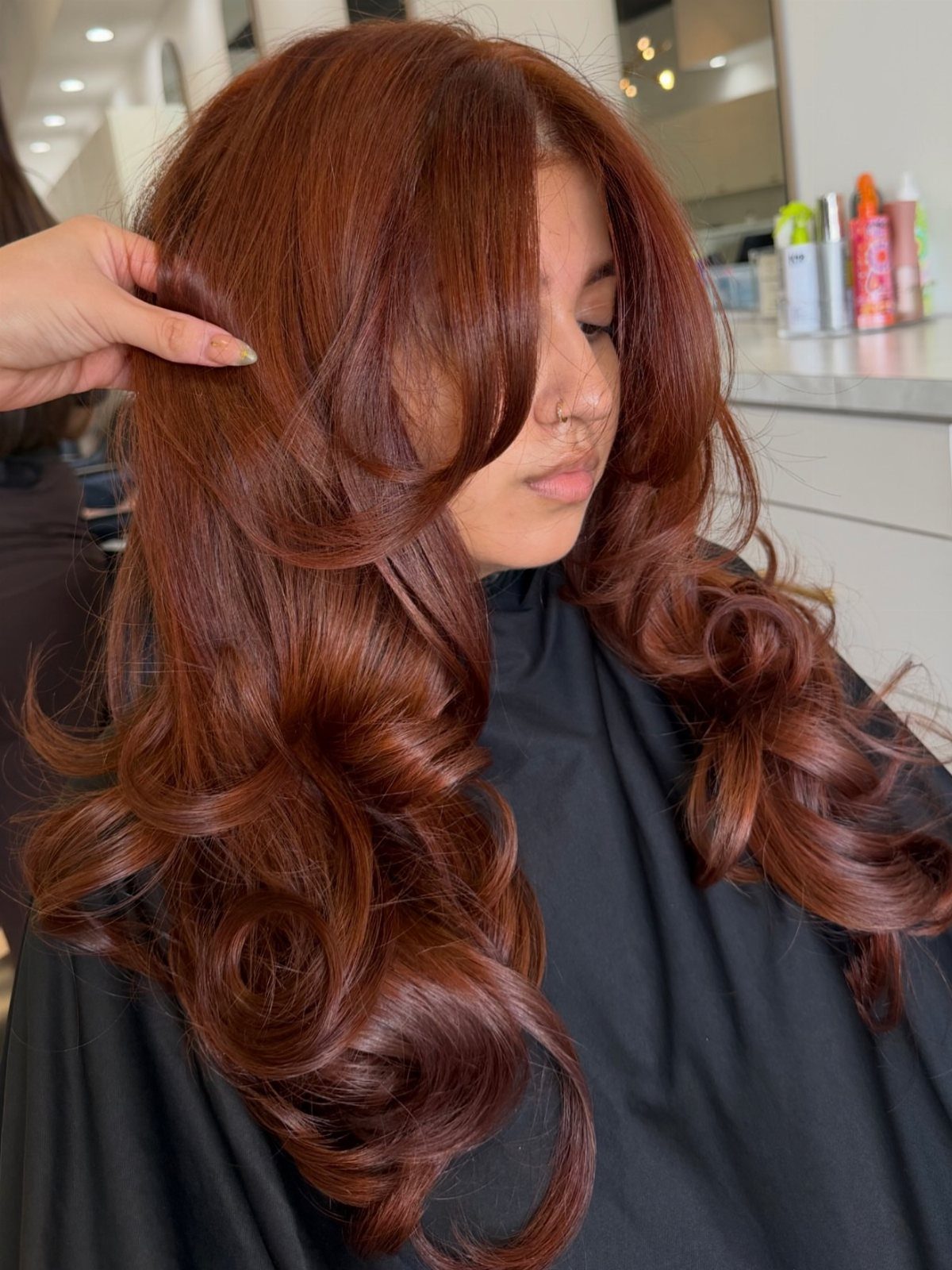
Layered curls with warm reddish highlights give dark brown hair a lot of depth. Each curl turns the color a little as it moves, so the dimension comes from the cut and the color working together.
Ask for warm red-brown highlights on a dark base and bring the photo, since "reddish" can land anywhere from copper to wine.
Long layers keep the curls from stacking into a heavy triangle. I’d pick this for anyone with curls who wants red without losing the brown.
15. Short Ginger Hair
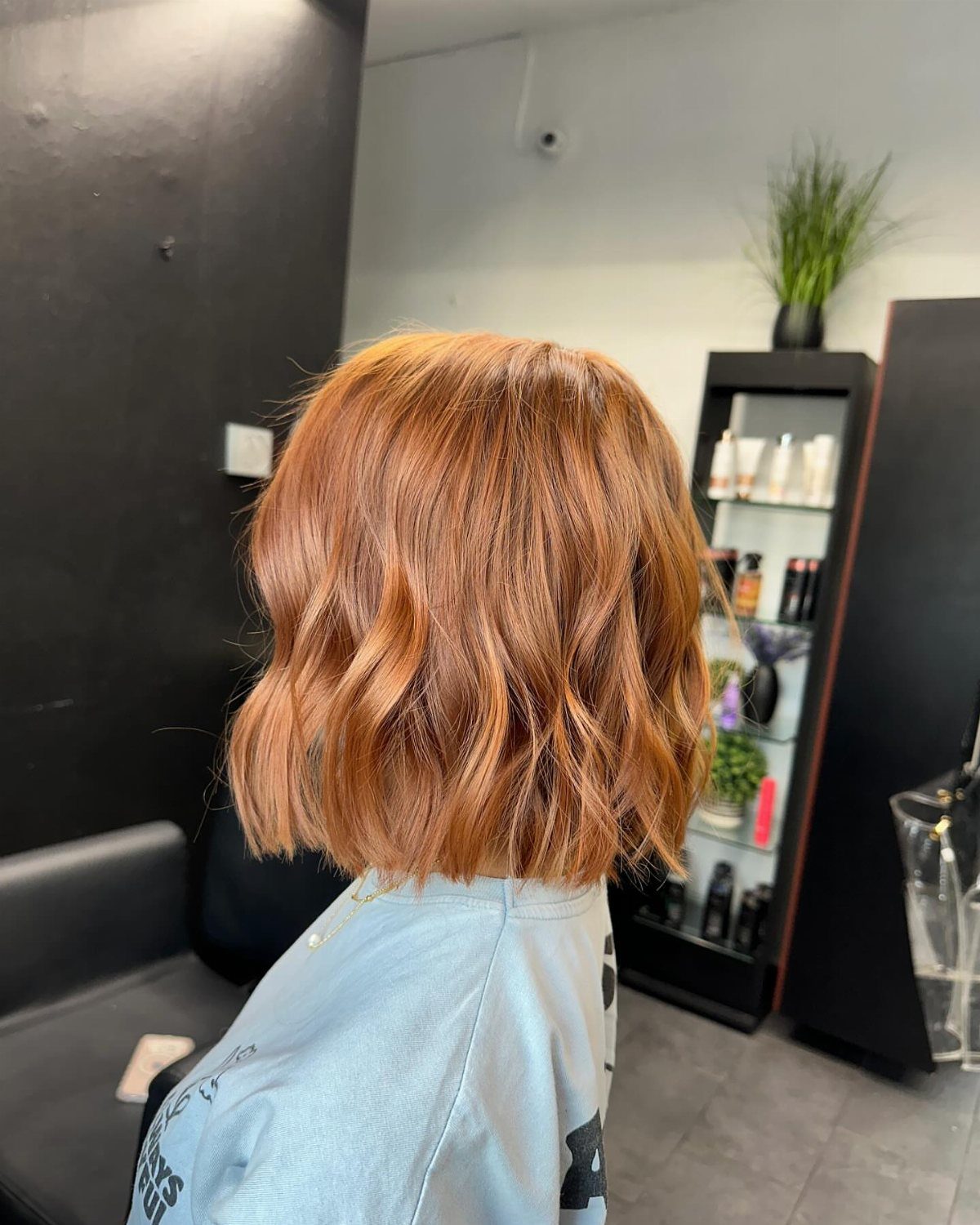
Bright ginger in a short wavy bob is a bolder move than any long red-brown shade. The cut is short and edgy, and the shade is vivid, so both parts get noticed.
Bring a photo and say "ginger" outright, since "red" alone can send a stylist toward something deeper or darker than you pictured.
Waves keep the bob from looking blunt. This is a big step from brown, and I’d only choose it if you want people to notice.
16. Auburn Streaks
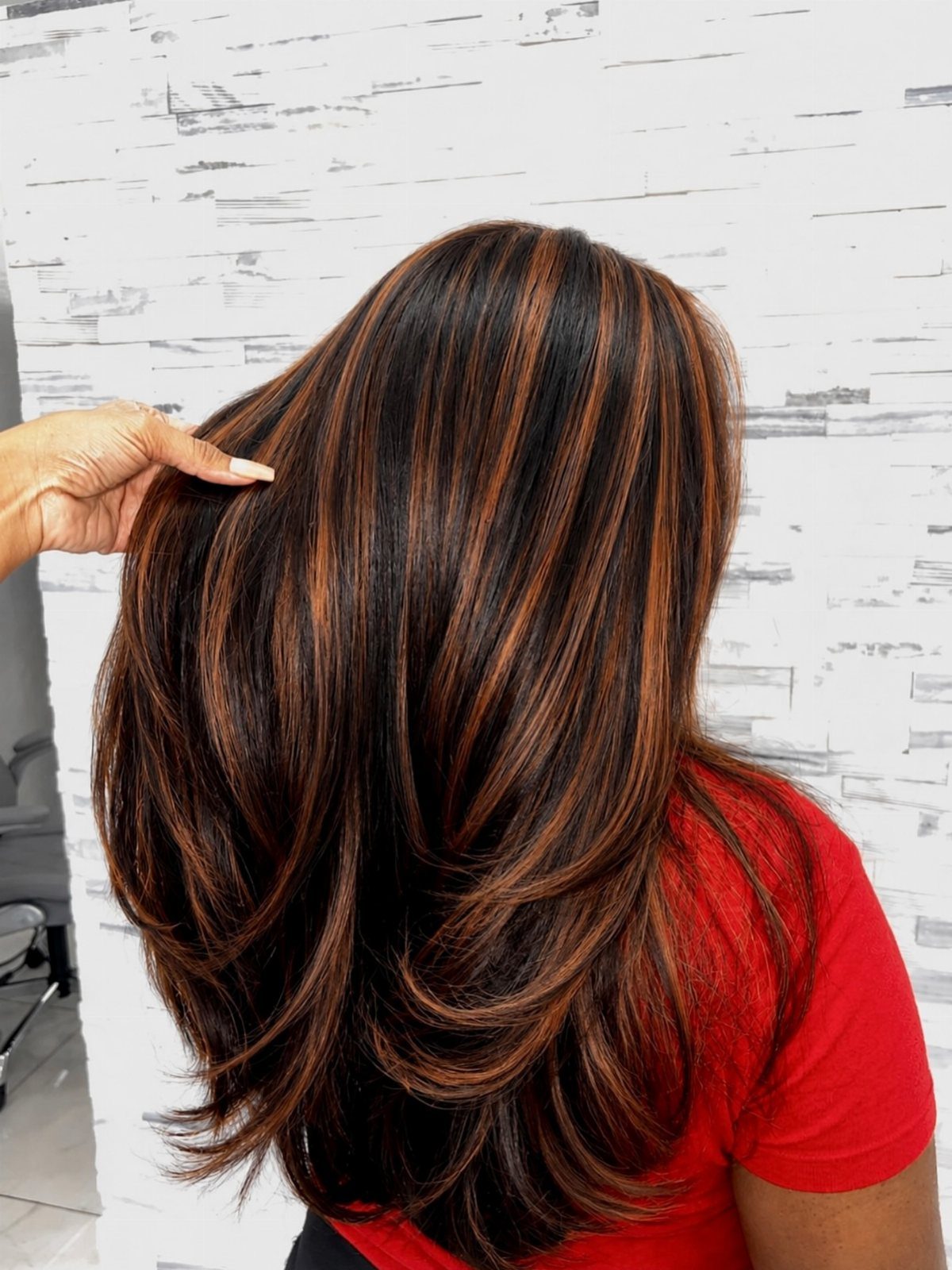
Auburn streaks through long dark brown hair are the lighter commitment here. Only the pieces that get color change, so most of your natural brown stays untouched.
Ask for thin streaks placed through the layers, not heavy stripes, and curl the lengths so the red shows as it catches light.
If you’re unsure about red, this is where I’d start. The streaks can be added to or grown out without a full recolor.
17. Merlot Hair
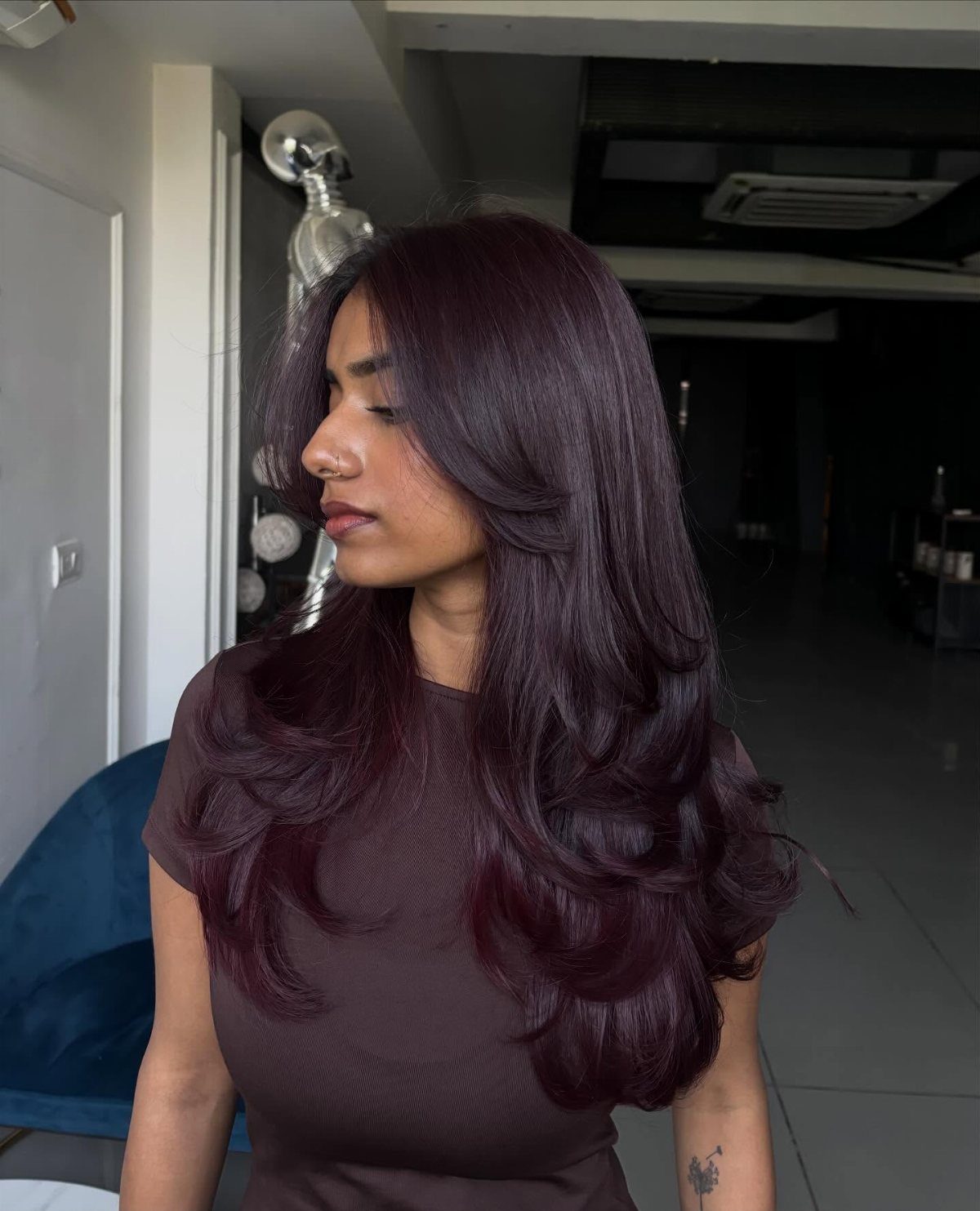
Merlot is a wine-inspired red set deep into brunette, so it reads as dark brown at first glance and turns red in better light.
Length with layers and curls gives merlot more surface to catch light, and that is where the shift between red and brown shows.
Say "merlot red-brown" at the salon and bring a photo, because "burgundy" can go purple and "red" can go bright.
Regular glossing keeps merlot looking rich instead of flat. It’s a good choice if you want color that feels rich without being loud.
18. Red Brown Highlights
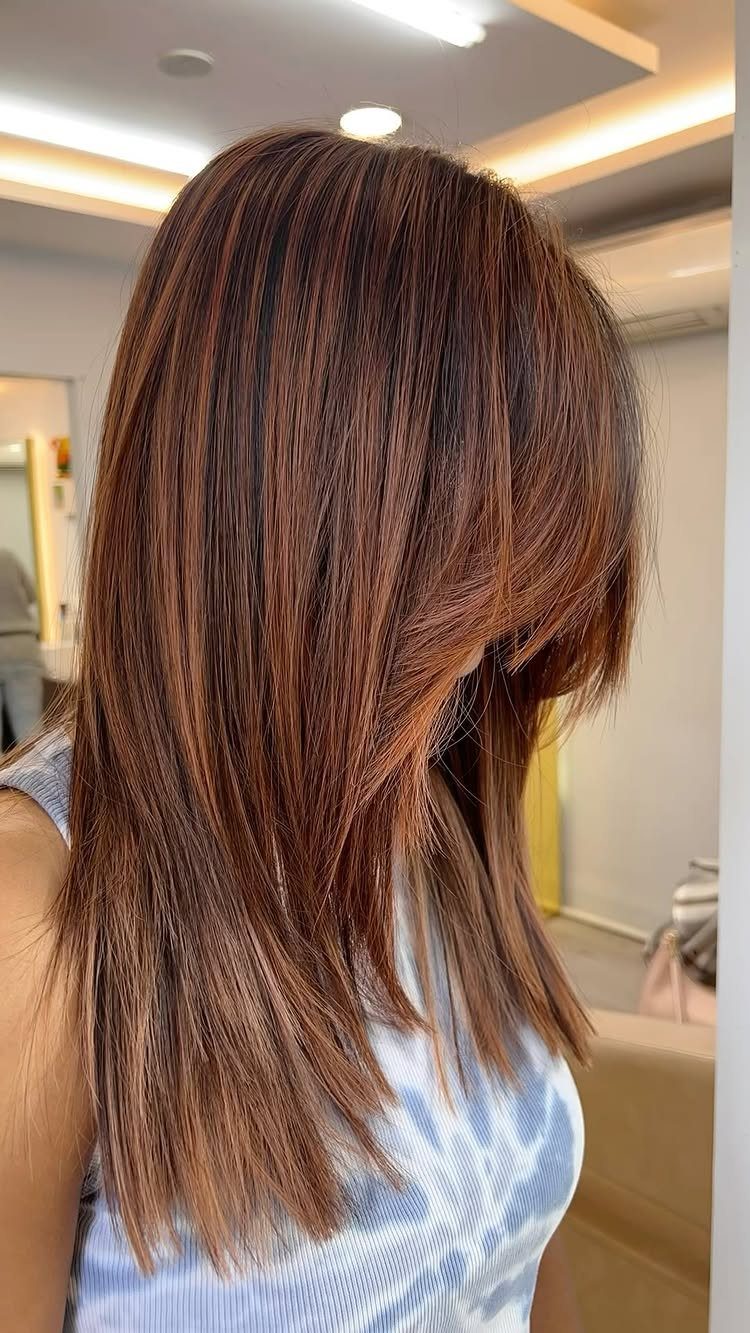
Red-brown highlights on straight brown hair add dimension without changing the base. Auburn pieces catch the light against the brown, which gives flat, straight lengths more movement than a single color would.
Ask for reddish auburn highlights spread through the hair, not clustered at the front, and show a photo of the warmth you want.
Straight hair shows every placement choice, so thin, even pieces look best. I’d choose this over a full dye job if you want to test red first.
19. Red Velvet
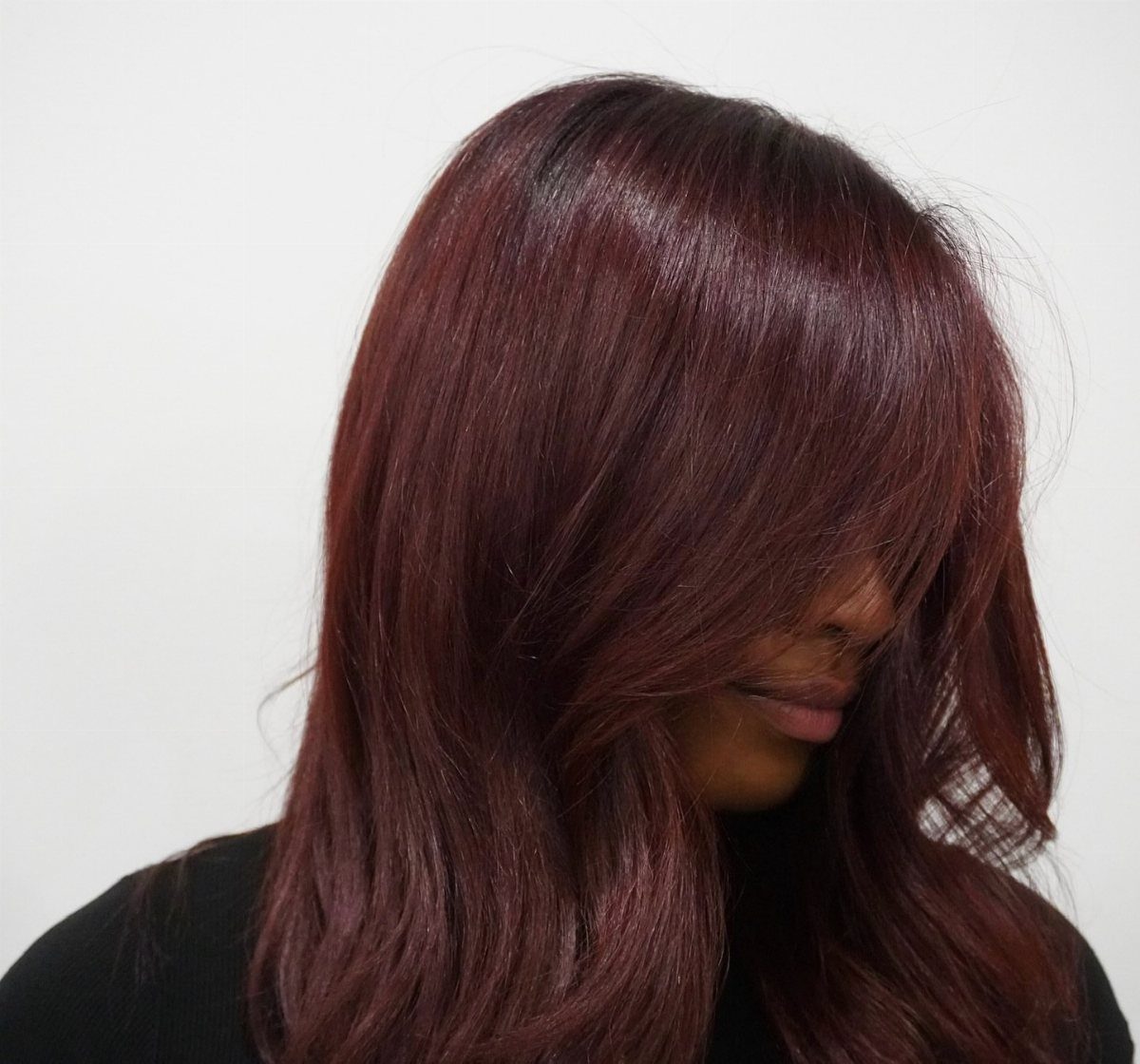
Deep glossy red layered through brown creates the velvet effect: polished, rich, and built for light to move through.
Long layers give it the shine you need, since flat, one-length hair loses the reflective surface that makes the color read as velvet instead of plain red.
Ask for "deep red-brown with gloss" and show the photo.
Regular glossing treatments keep the finish smooth. I’d pick this if you want red that feels luxe without going bright.
20. Espresso Red
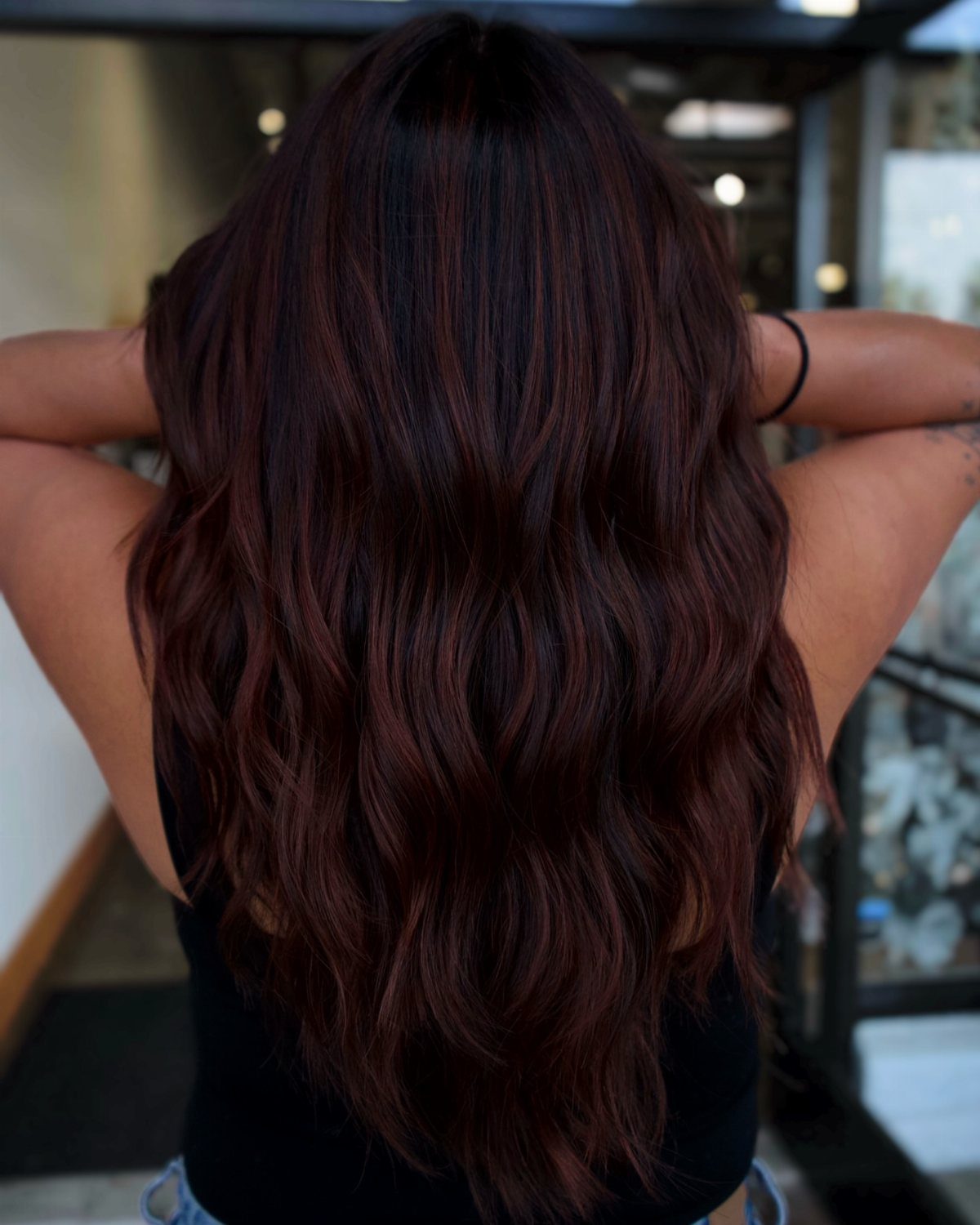
Dark cherry tones mixed into espresso brown stay invisible in low light and turn red when the sun hits.
The red never sits on top, it runs through the brown, so the color reads as one shade instead of brown with red added.
Request "espresso brown with dark cherry undertones" and clarify you want the red subtle.
Waves pull the cherry tones forward. A good choice if you want a rich red tint without leaving brunette territory.
21. Cherry Red Highlights
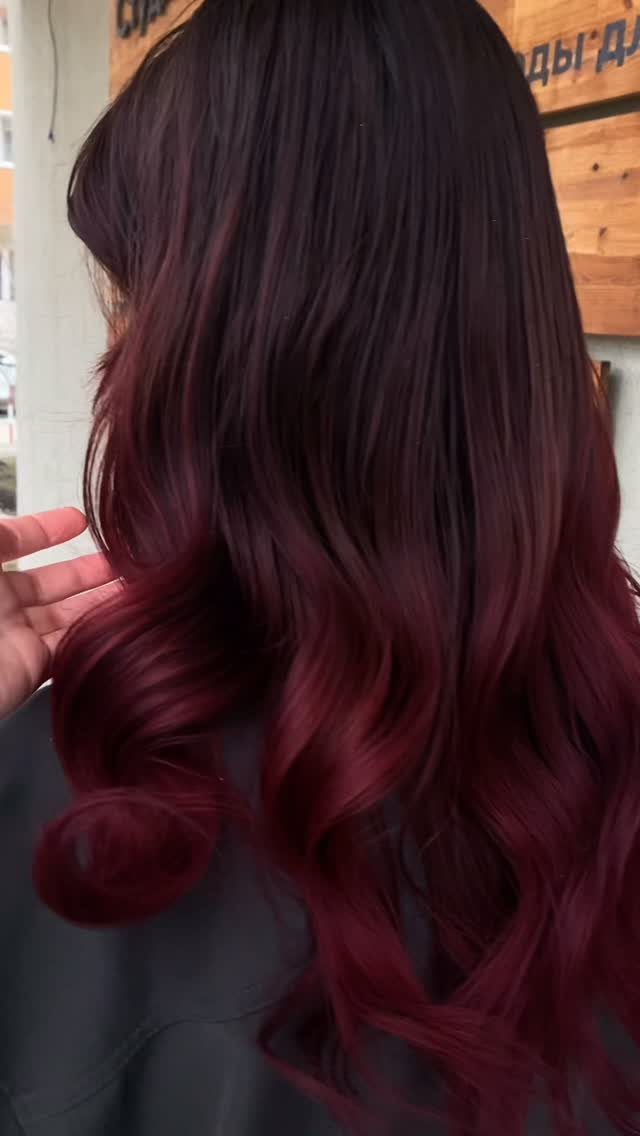
Bright cherry pieces through dark brown give red where you want it and leave the base alone. Loose curls separate the cherry from the brown, so each color gets its own moment instead of blending into one muddy tone.
Ask for cherry-red highlights placed through the layers, not clustered at the crown.
Set against a brown base, cherry reads louder than auburn or copper, and people will comment on it. I’d choose this if you want red as an accent, not a takeover.
22. Layered Wavy Natural Red Brown Hair
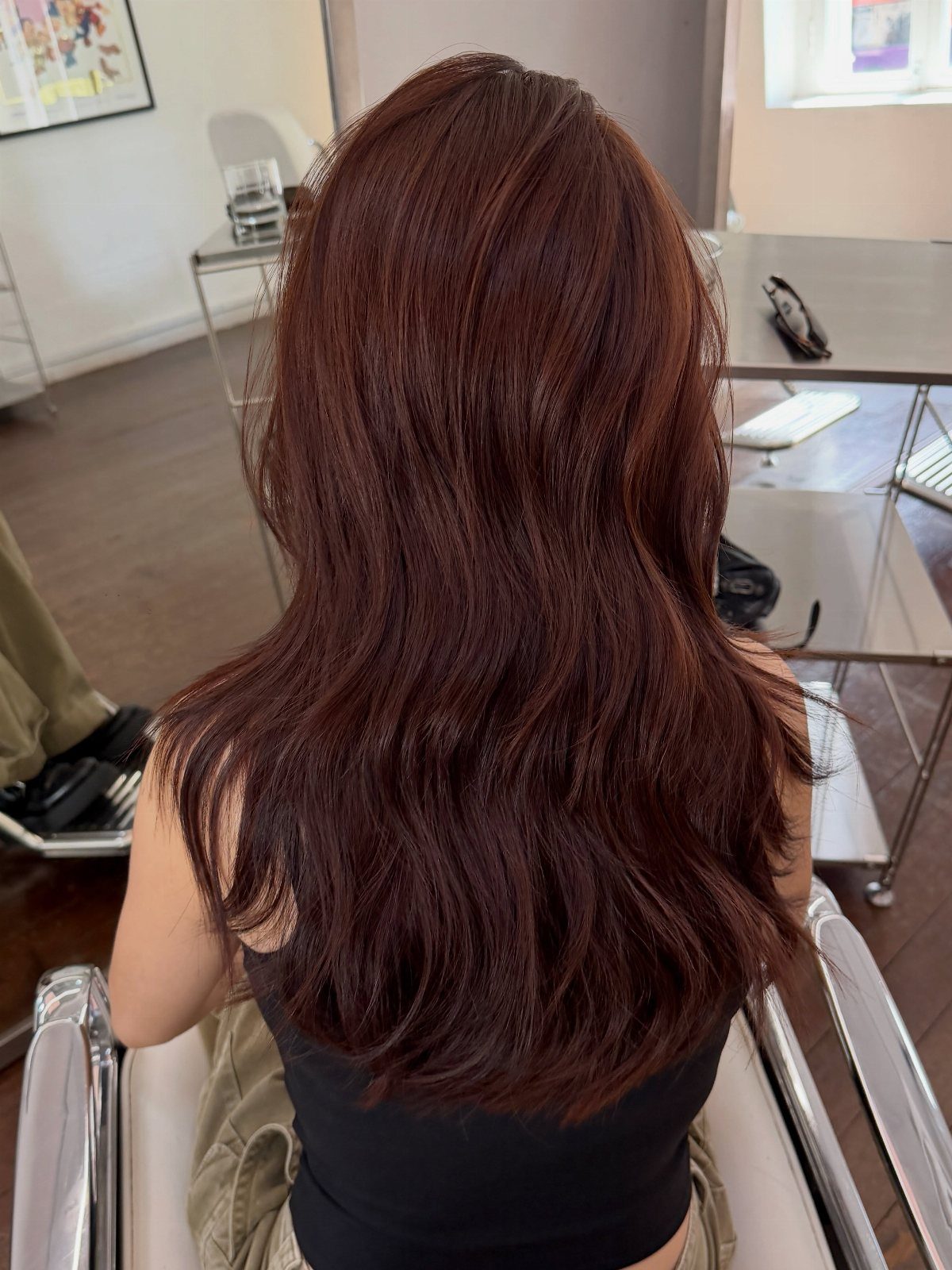
Reddish brown that looks like it grew that way depends on the blend: red and brown sit side by side in the color, not layered on top of each other.
Cutting length through the ends lets each wave sit on its own instead of piling up, so the depth you see owes as much to the layers as to the dye.
Say "natural red-brown blend" at the chair and hand over the photo, since that soft, undone finish is hard to describe in words alone. It’s a quieter red-brown than copper or cherry, and the grow-out stays smooth.
23. Dark Copper Curls
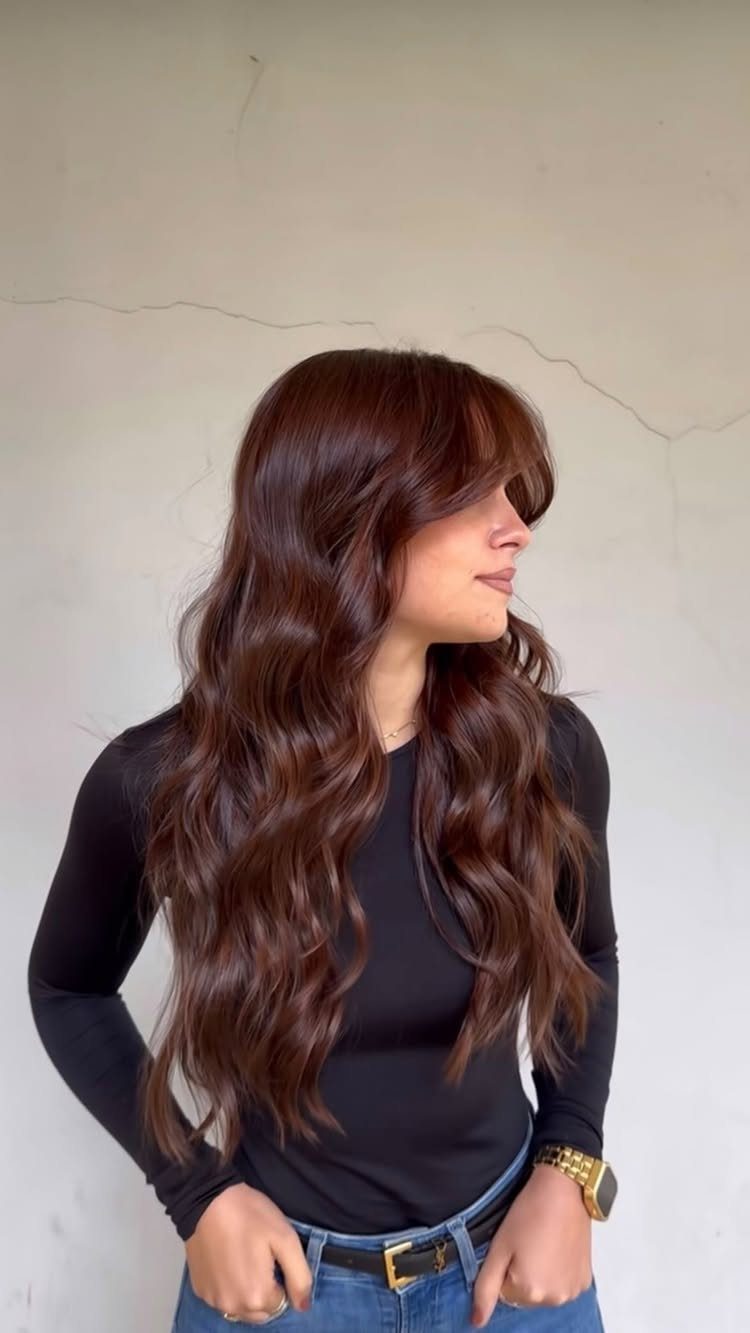
Copper on a dark brown base gives curls a warm glow without turning them orange. Each curl catches light differently, so the copper reads as depth rather than a single flat color.
Ask for "dark copper over brown" and mention you want warmth, not brightness.
Long curls show the color best, since the curl turns the copper in and out of the light. I’d pick this if you want copper that stays grounded in brown.
24. Lily Collins Hair
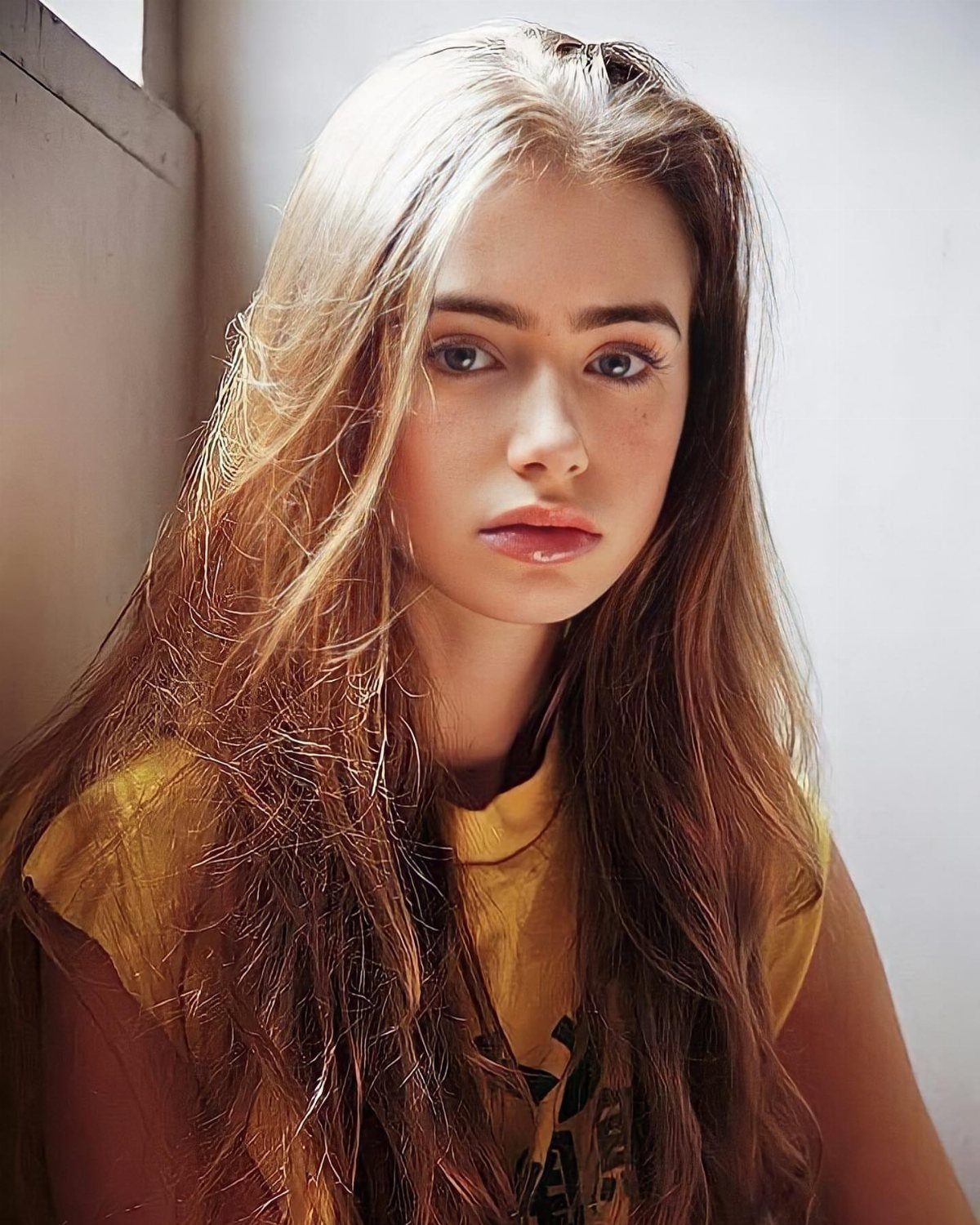
Reddish brown with a warm chestnut base and soft waves is the look Lily Collins wears often: natural, polished, and easy to live with.
The red stays quiet enough for any setting, and the waves give it movement without styling effort.
Ask for "warm red-brown like Lily Collins" and show a saved photo.
Layering through the lengths adds lift near the roots and movement in the ends, so the waves keep their shape. A reliable choice if you want red-brown that looks put together without much work.
Choosing Shades by Undertone
The warmth in the color matches the warmth in your skin, so the whole thing reads as balanced instead of fighting itself.
Cool undertones pair best with red browns that pull toward purple or plum, like burgundy brunette, merlot and chocolate cherry, where the depth reads rich instead of brassy.
Those cooler reds won’t clash with pink or blue undertones the way a copper-based shade might.
Neutral skin can go either direction. If you’re not sure which you are, look at what jewelry suits you: gold usually means warm, silver usually means cool.
One other thing: skip ashy browns with red mixed in.
The ash can wash you out, and the red won’t do enough to pull you back. Stick with rich tones, since red-brown depends on saturation to work.
Color Fading and Upkeep
Red tones fade faster than any other color, so upkeep matters more here than it would for plain brown.
A color-maintaining shampoo slows the washout between appointments, and at-home glosses keep the shine and vibrancy up without needing a salon trip every time.
A weekly mask or a conditioner left on for 3–5 minutes in the shower keeps strands supple between appointments, and hair that holds moisture reflects light, so the shade looks brighter even as the pigment slowly fades.
Salon touch-ups sit somewhere between every 4 and 8 weeks, depending on how fast your hair grows and how much fade you’re willing to live with.
If you’re glossing at home, you can stretch it toward 8 weeks. If you’re not, plan for closer to 4 or 6.
Frequently Asked Questions
What is brownish reddish hair called?
Most people call it red-brown or reddish-brown hair, and stylists name specific shades within it: auburn, mahogany, chestnut, cherry and copper brown.
Reddish brown sits mostly on the brown side with a touch of red, while brownish red looks more obviously red over chocolate or chestnut tones.
What is the best brownish red hair color?
For most people I’d start with auburn over a deep brown base. The red is worked into the base rather than painted over it, so the color reads as your own hair on a very good day.
If auburn looks like too much red, warm chestnut with a red tint mostly shows in sunlight and stays muted indoors.
Which red-brown shade is right for me?
Match the shade to your skin undertone. Cool undertones look best in plum-leaning reds such as burgundy brunette, merlot or chocolate cherry; warm undertones pull toward deeper, warmer red-browns; neutral skin works with either.
If you can’t tell which you are, check whether gold jewelry (warm) or silver (cool) looks better on you.
Ashy browns with red stirred in are a poor bet: the ash can flatten your complexion, and the red won’t rescue it.
How much maintenance does red-brown hair need?
Plan on a salon touch-up every 4–8 weeks, because red fades faster than any other color. A color-safe shampoo slows fading, and a gloss at home restores shine between appointments, so you can stretch visits out to 8 weeks.
Leave a weekly mask or conditioner on for 3–5 minutes as well; hydrated hair bounces back more light, which makes the shade look brighter. Without glossing, expect closer to 4–6 weeks.
How do you create red-brown hair?
At the salon, bring a saved photo and name the tone you want, such as ‘warm chestnut with red tones,’ and know that dark hair may need pre-lightening where the red is wanted.
At home, a boxed dye kit or a red gloss over brown hair can do it: section dry hair, mix and apply the color, process for the time on the box, then rinse and condition.
Read the directions fully, since every box differs. If you’re unsure about committing, thin auburn streaks add red without a full recolor and can grow out or be added to later.