Your skin’s undertone decides which red is yours, and the quickest check is the veins on your wrists in natural light: green points warm, blue or purple points cool, and if you can’t tell, you likely sit neutral and can wear any red.
The range runs from soft strawberry blonde and auburn to saturated ruby red and scarlet red, with magenta red highlights at the loudest end.
Plum and violet reds sit well on cool skin, much like a blue-based red lipstick does, so the old rule that red belongs only to warm tones doesn’t hold up.
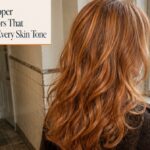
1. Copper
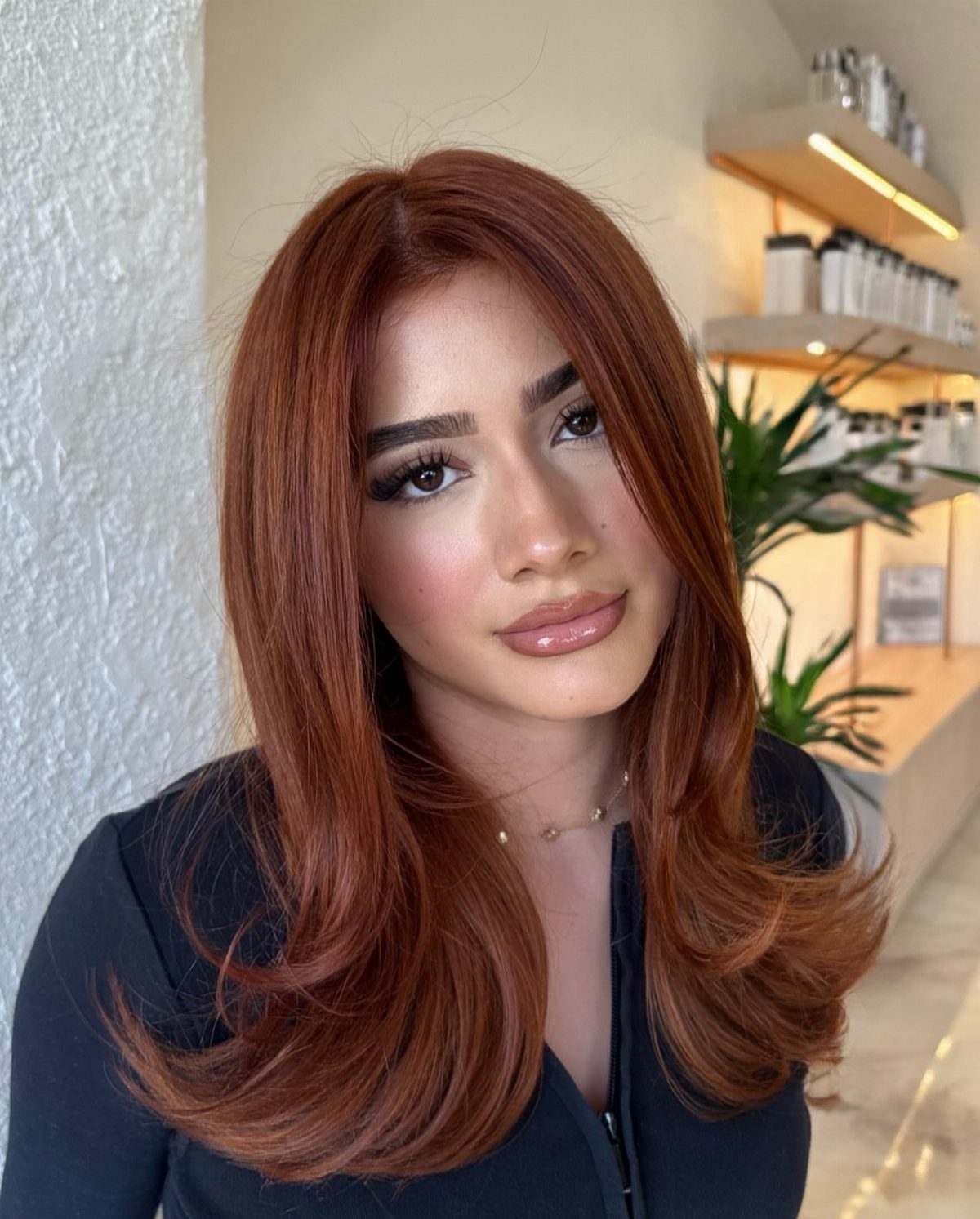
Gold and rust are what make copper copper. They keep it warm and bright instead of a flat red.
Loose waves suit it, since copper swings from golden to rust as the hair moves.
When you show a stylist, say "copper" and name which side you want. I lean rust.
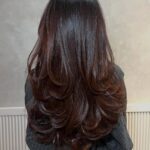
2. Black Cherry
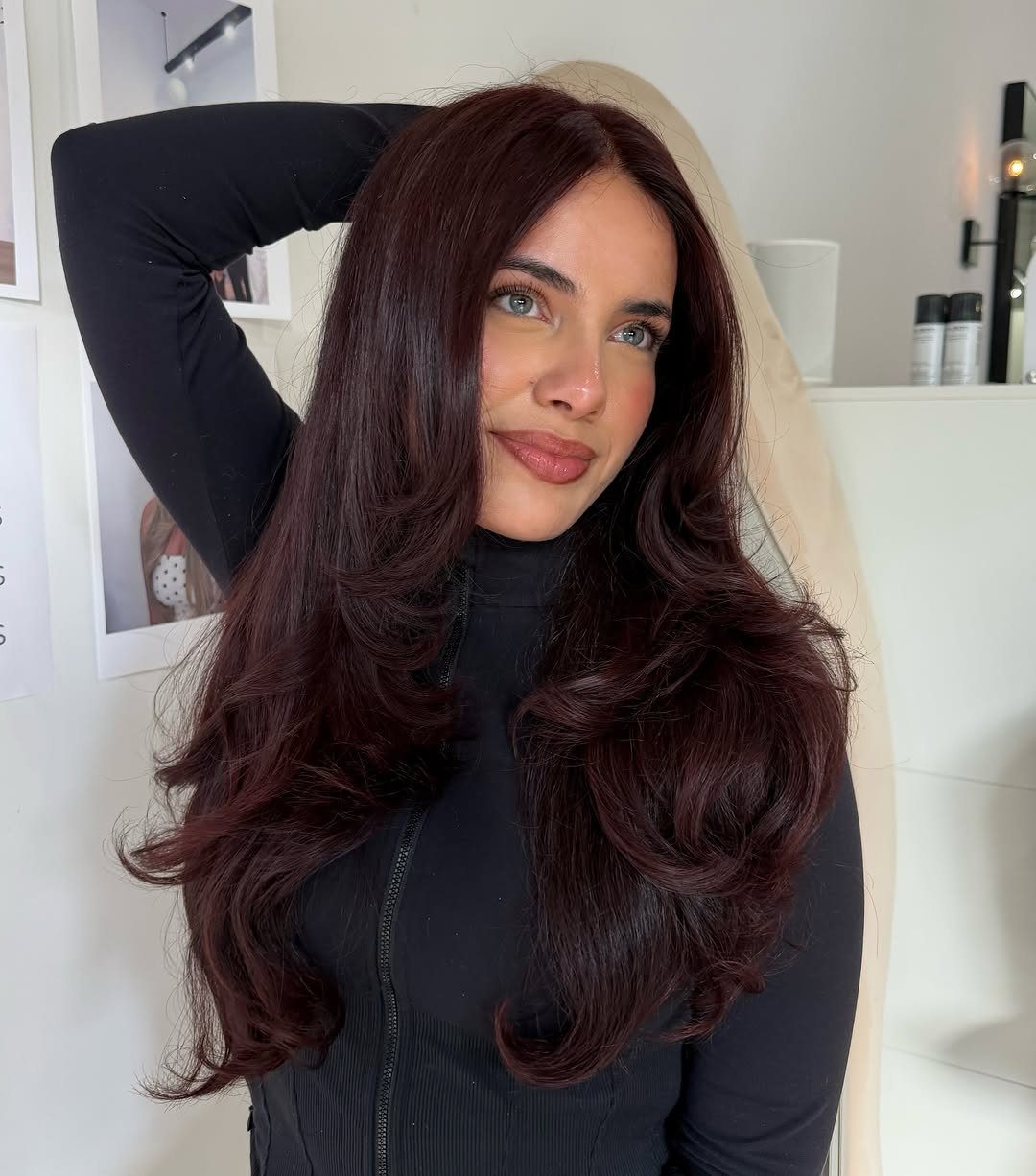
Under the red in black cherry sit brown and purple tones, which give it a deep, wine-dark look instead of a bright one.
Name both undertones when you ask for it, so the shade doesn’t land on a plain red. On long, wavy hair, black cherry shows its depth best, and that’s where I’d wear it.
3. Strawberry Blonde Hair
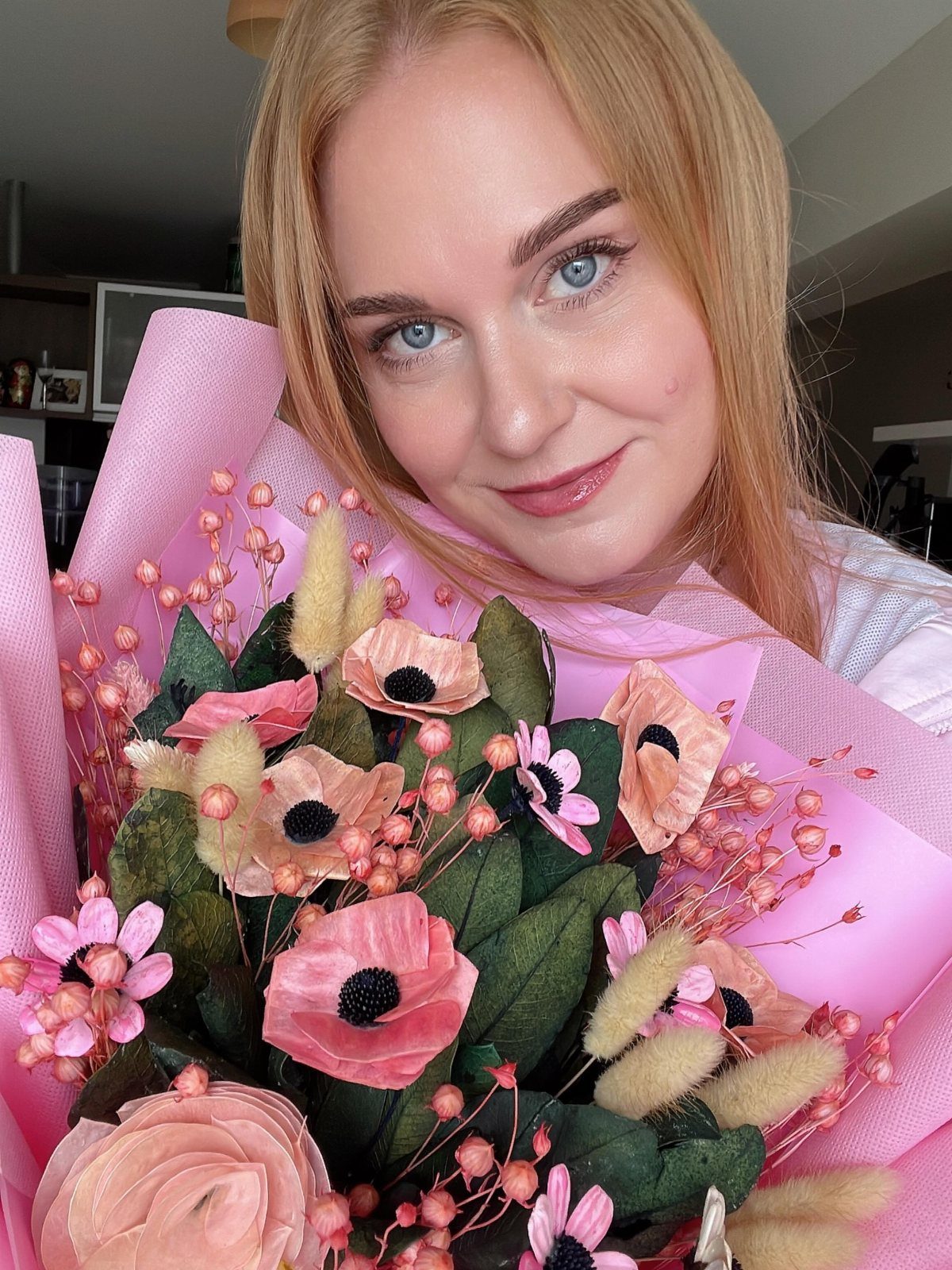
Part blonde, part red, strawberry blonde is the softest of the reds. Neither color shouts.
It fits a reader who wants red without going bold.
Before booking, decide which way you lean: more blonde with a red tint, or more red with blonde softening it. Telling the stylist that ratio will do more than the name alone.
4. Auburn
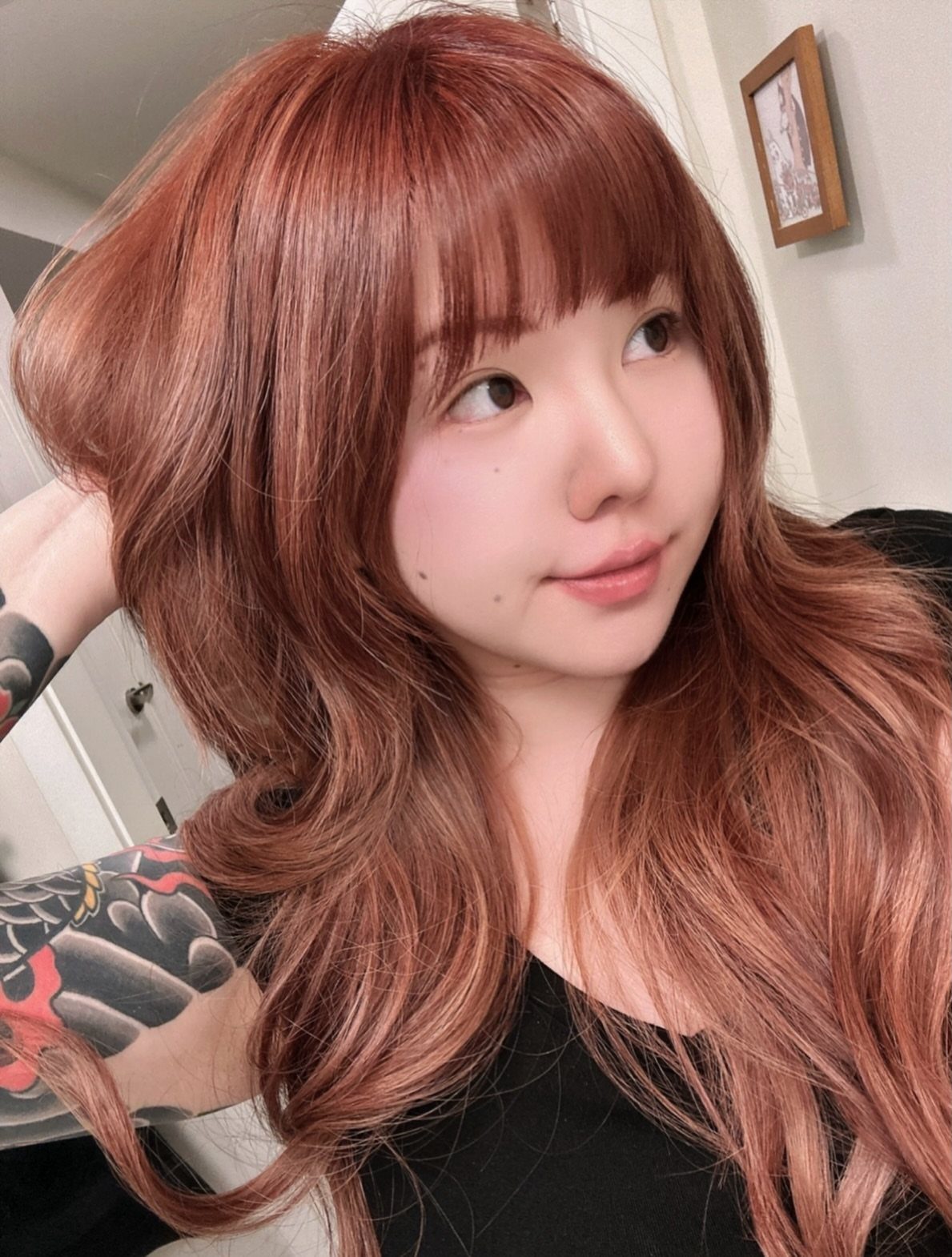
For a red that passes as natural, auburn is my pick. The brown undertones keep it grounded, closer to a shade someone could be born with.
Straight bangs put that color right at face level, which I like. Ask for auburn and mention the brown base so the red doesn’t drift brighter.
5. Ginger Hair
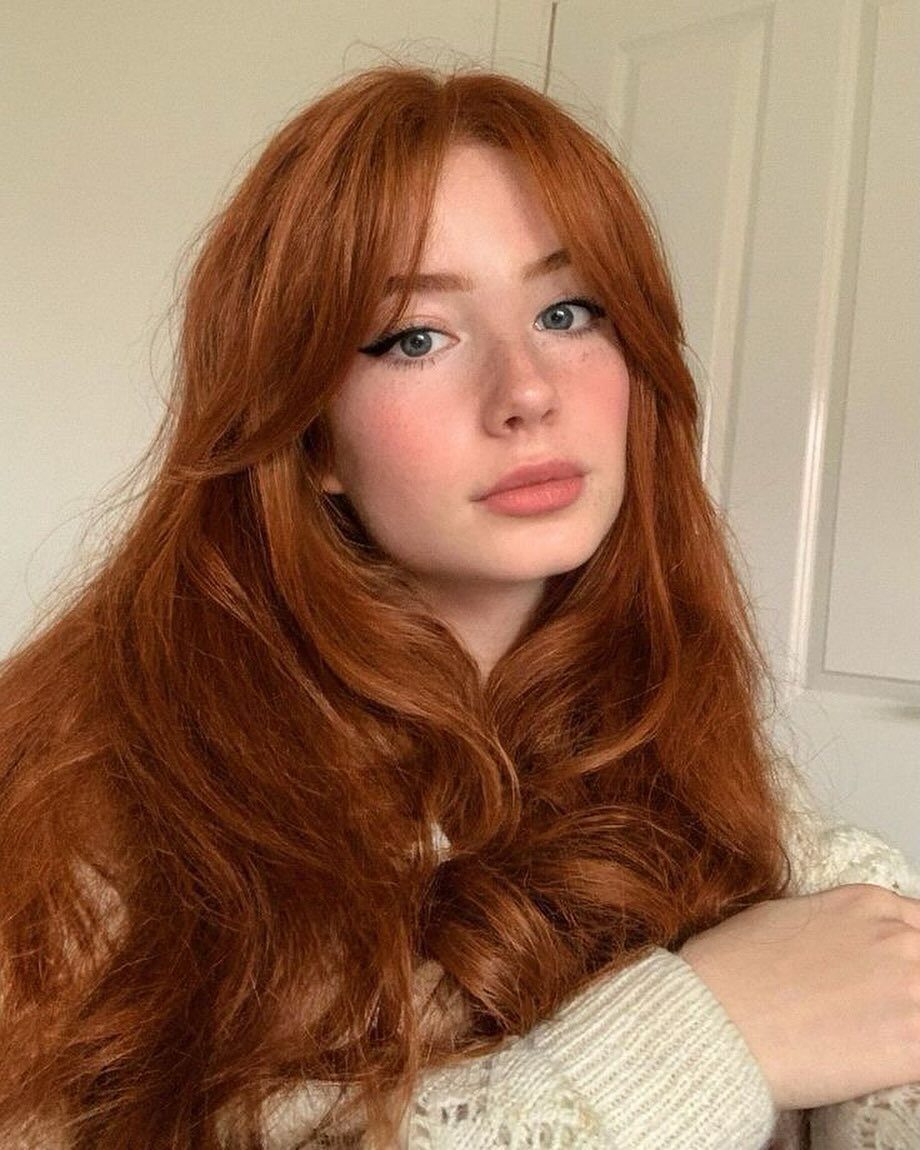
Ginger is a name before it is a formula, so bring a reference photo to the chair or the color aisle.
That is the version I would save.
6. Classic Red Hair
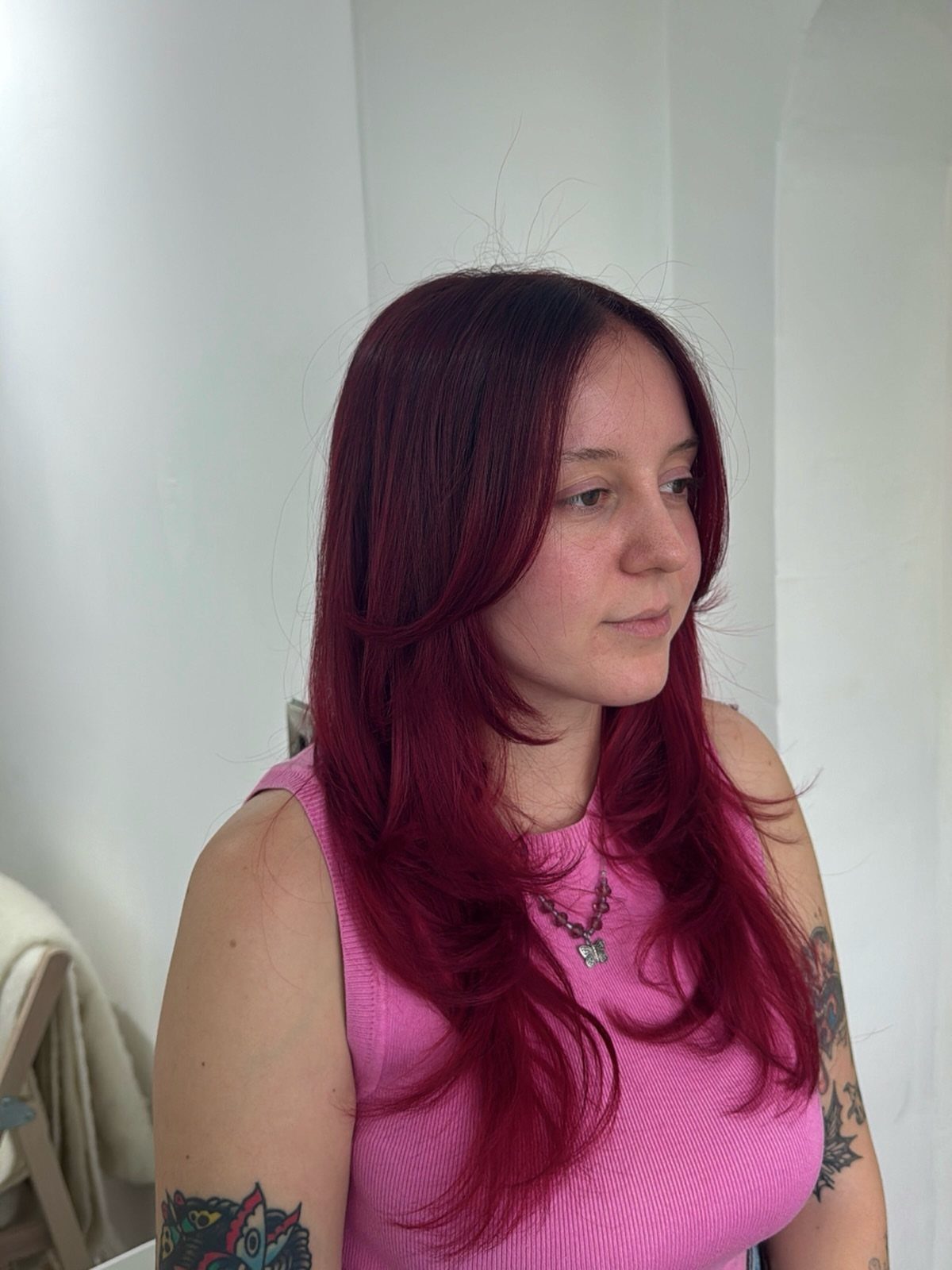
Deep and instantly recognizable, classic red is the shade most people picture when they hear "redhead."
Its depth is what I like most. It reads as a real statement without tipping into fantasy color.
Long waves give it room to show. If the shade you want is brighter or more orange, look at copper instead.
7. Violet Red
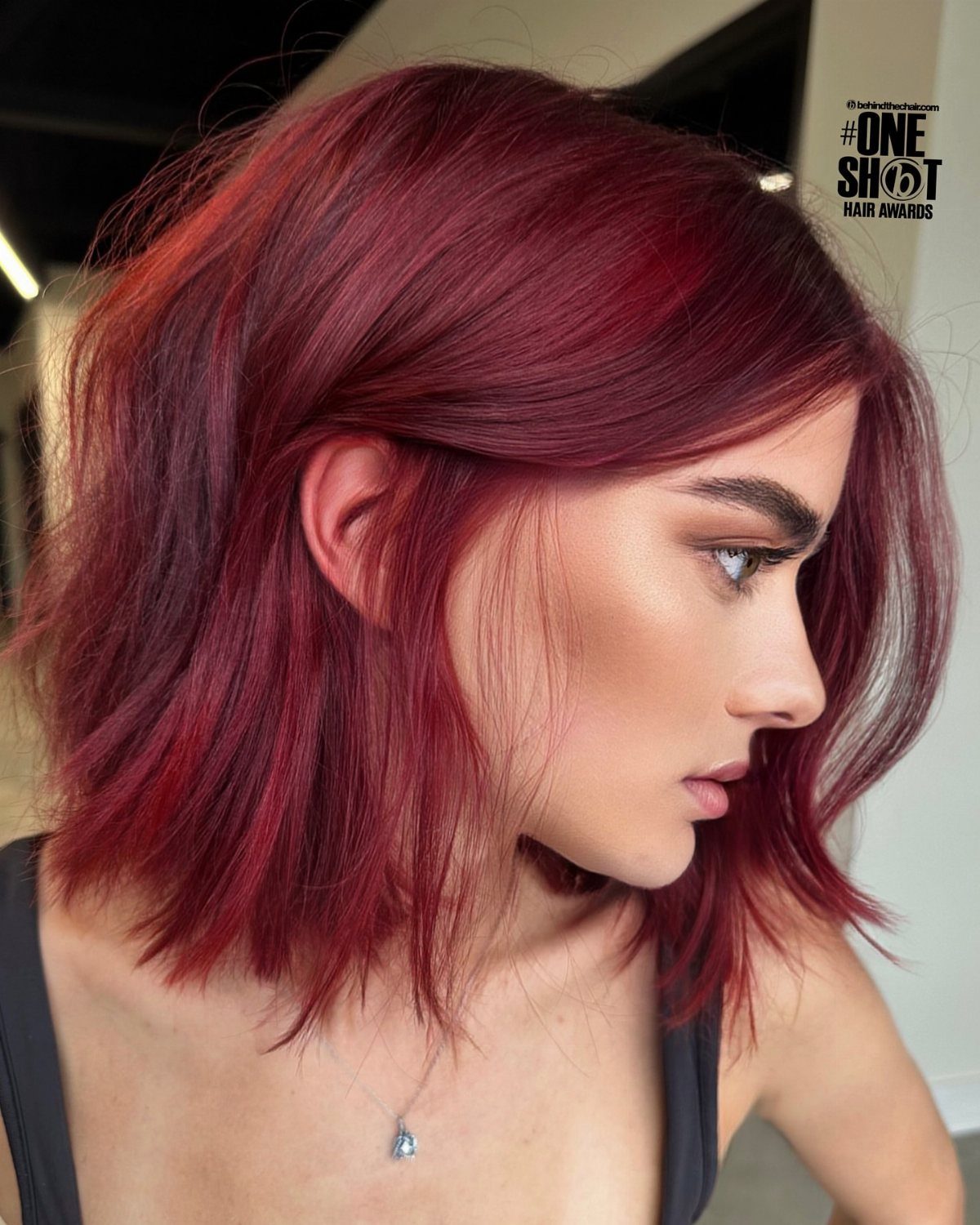
Plum undertones are what pull violet red away from a plain red and toward something cooler and deeper. Because the color sits close to dark, it reads as rich rather than loud.
Shine is what shows off the depth in this shade, so I’d pick a sleek, glossy cut like a bob over anything choppy or heavily textured.
Ask for the shade as violet red and add plum to the request, which keeps the stylist from drifting toward something brighter.
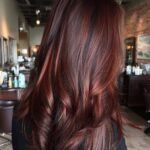
8. Burgundy
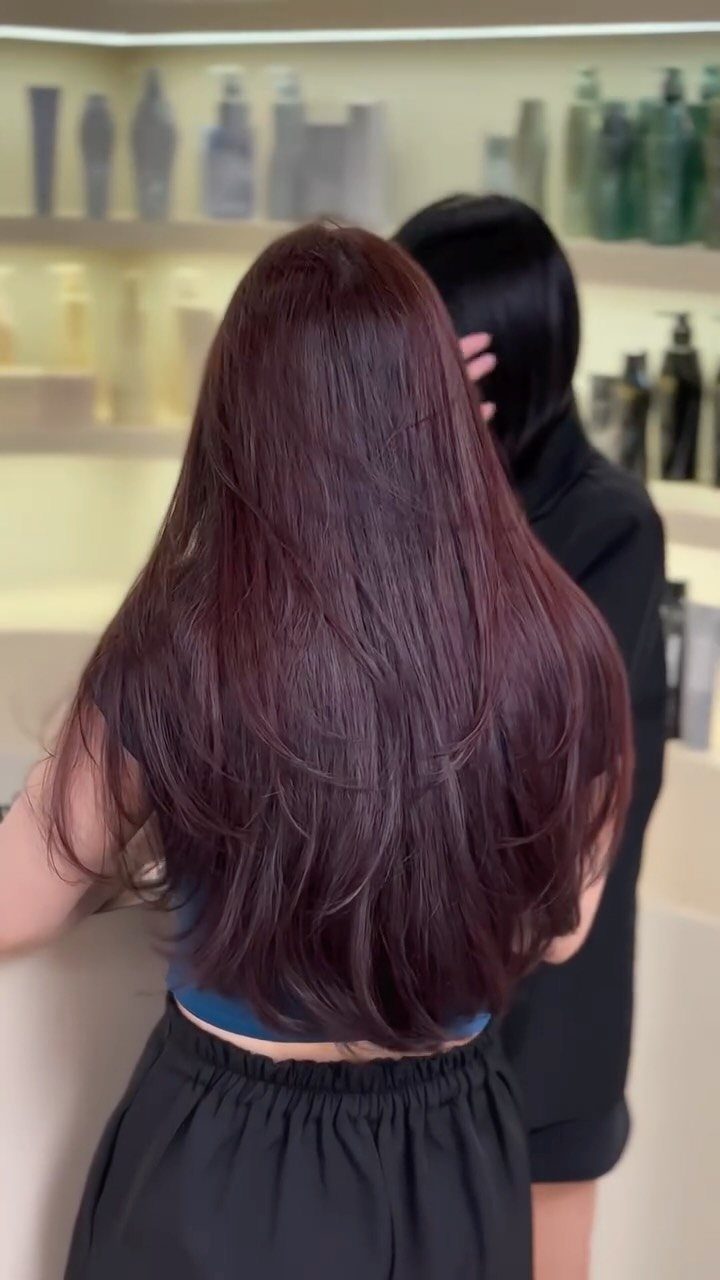
Burgundy borrows from wine: a deep red with violet or maroon tones running through it. Pick the violet side for something cooler, the maroon side for something warmer.
Long, straight lengths keep the shade moving as one dark sheet, which is how I like it best. Tell your stylist which tone you lean toward and bring a reference photo, since "burgundy" alone can mean either.
9. Mahogany
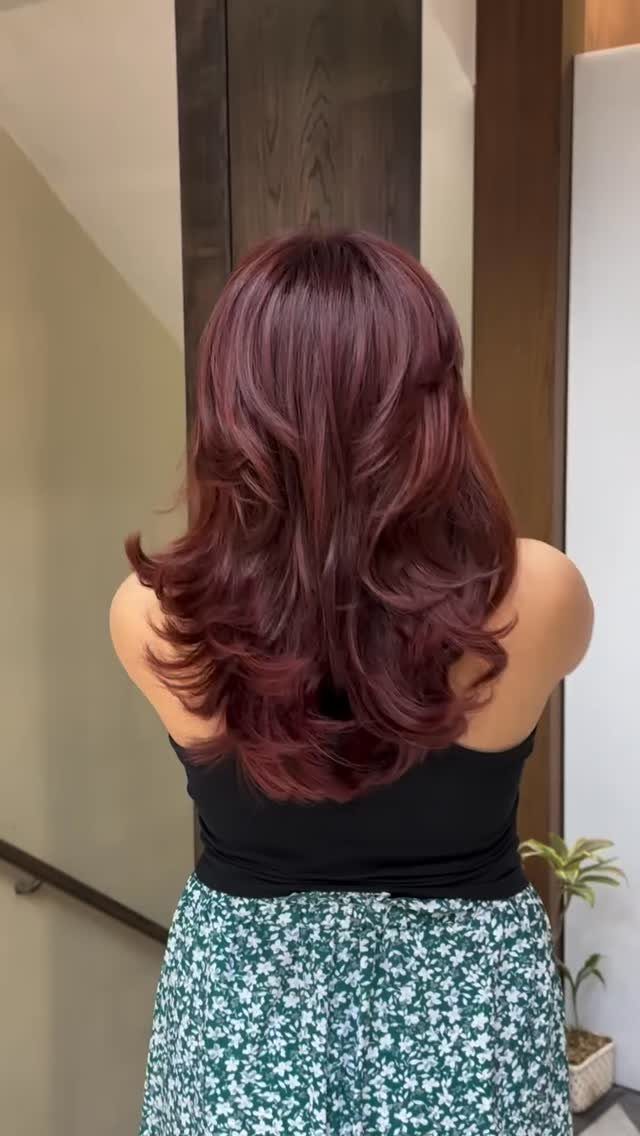
Mahogany is the balanced one: brown and red in even measure, so it never turns bright and never goes flat. That makes it an easy red to live with.
Layers and curls give it the most to do, because the red catches the light at the bends and the brown holds steady between them.
Ask for mahogany and name both halves, a rich brownish red, so the result lands in the middle.
10. Ruby Red
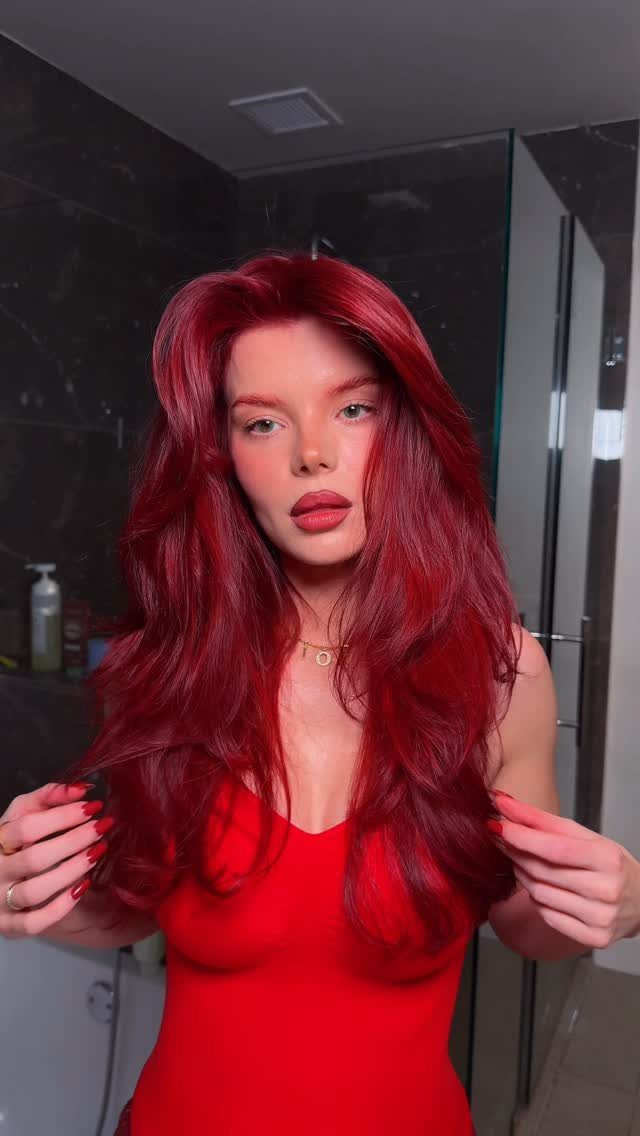
Ruby is a saturated, true red with little brown to soften it, so it gets noticed from across a room. Nothing about it is muted.
Long waves give that intensity room, and I’d go this way if you want a real statement.
Ask for ruby by name and bring a photo, because a vivid red like this has a lot of near neighbors, from deeper wine to brighter scarlet.
11. Carrot Top
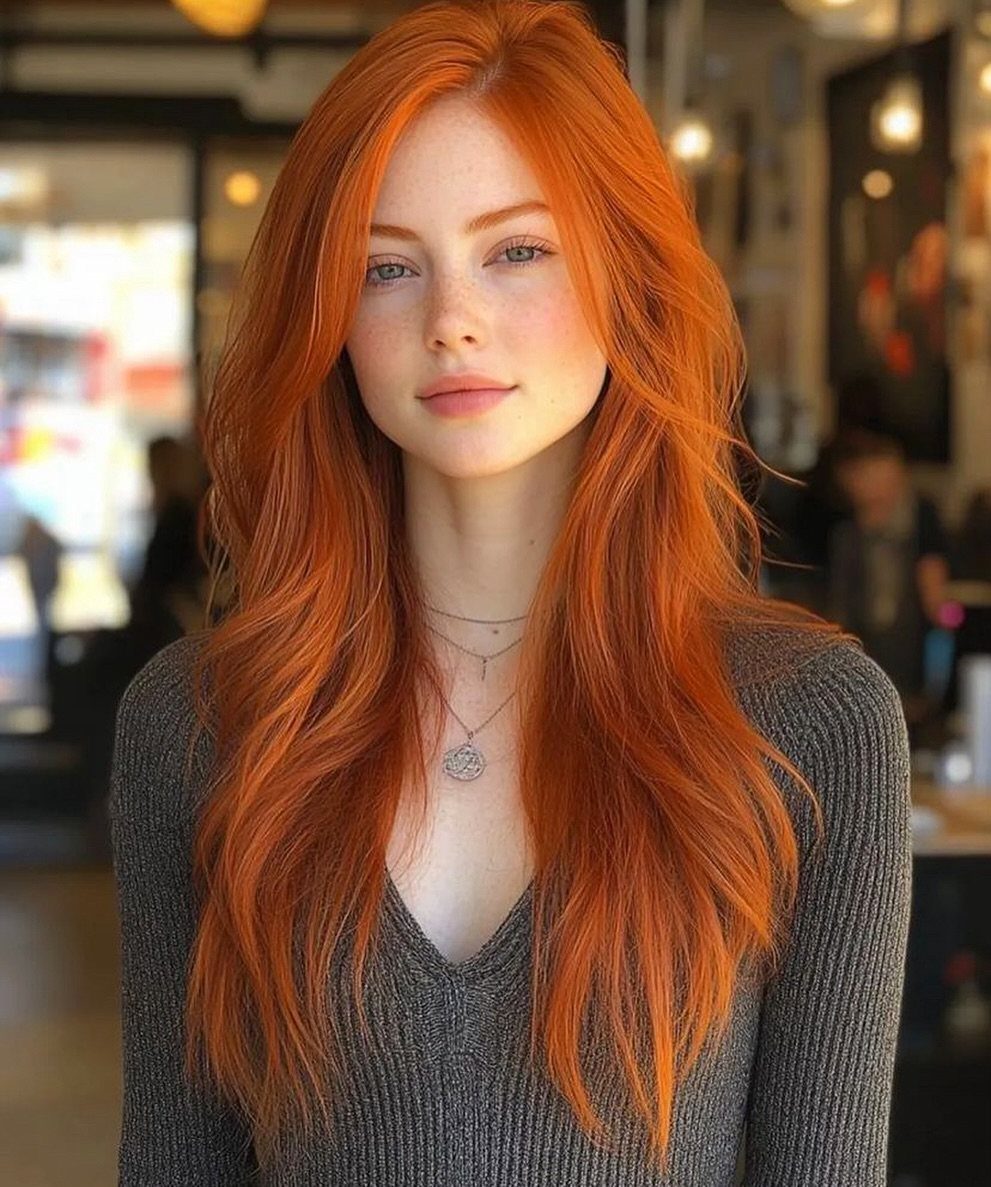
Carrot top is orange-red turned nearly fluorescent, and it’s meant to be playful. If you want a red that stays quiet, this isn’t it; try copper instead.
Freckles and a neutral wardrobe let the color stand alone. The name is casual, so show a stylist a photo and say how orange you want it, since "carrot top" covers a wide stretch of brightness.
12. Scarlet Red
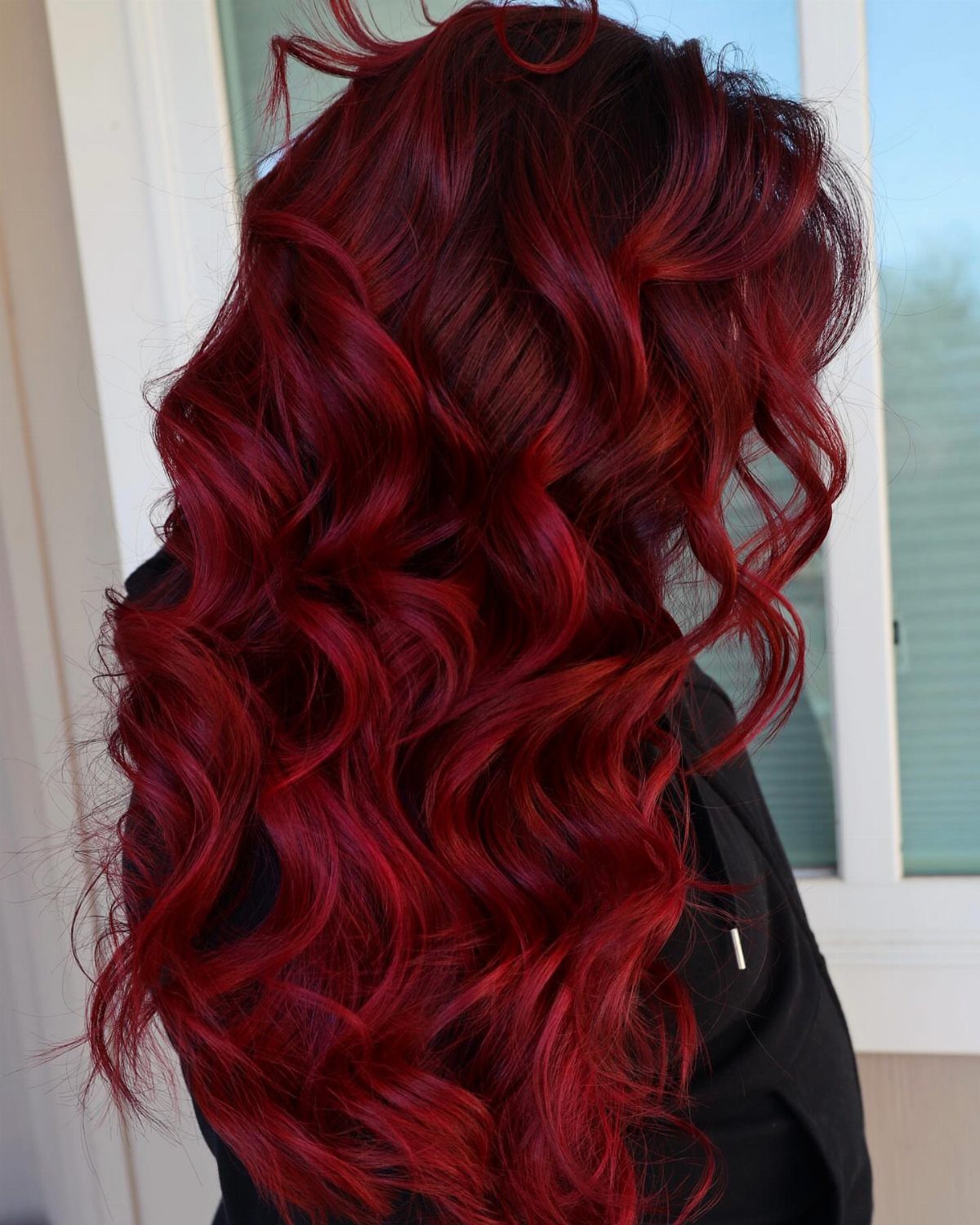
Scarlet red is saturated and bright, chosen for impact. Where ruby leans deep, scarlet stays vivid and clear.
Curls suit it well, since each turn catches a different strip of brightness. I’d ask for "scarlet" along with a photo, and say plainly that you want it bright rather than dark, so it doesn’t drift toward burgundy.
13. Dark Red with Black
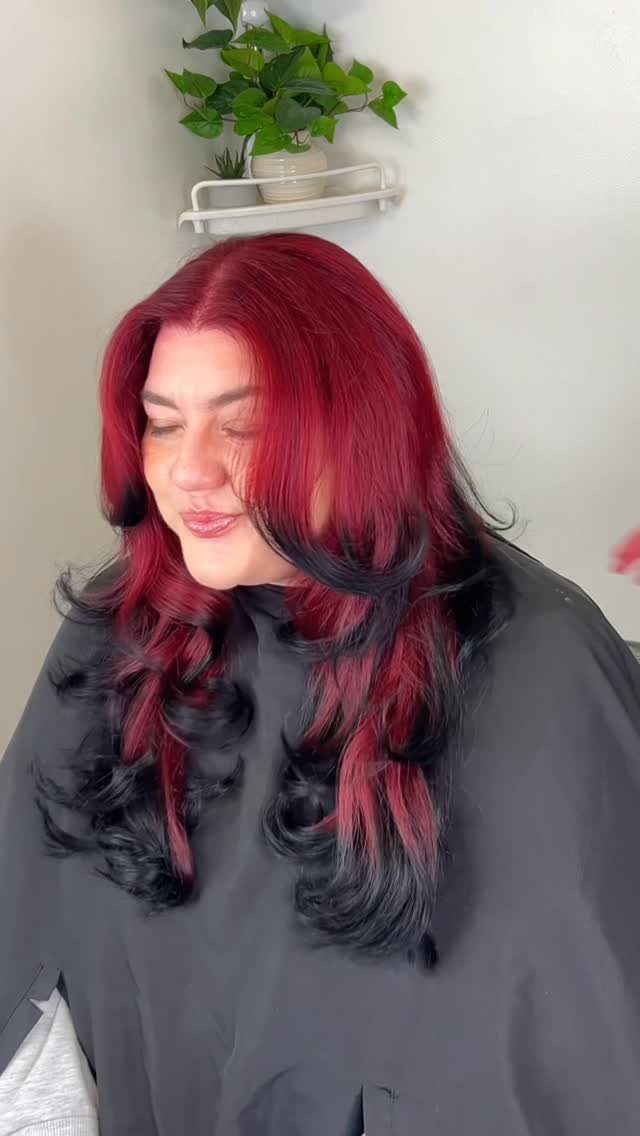
The black sections sit at the ends and mixed through the lengths, so the red stays on top and the black holds the depth. That contrast is the point.
Long layers let both colors move separately, which is how the split reads clearest.
Tell your stylist where you want the black: at the tips, underneath, or threaded through. A reference photo will do more than the description alone.
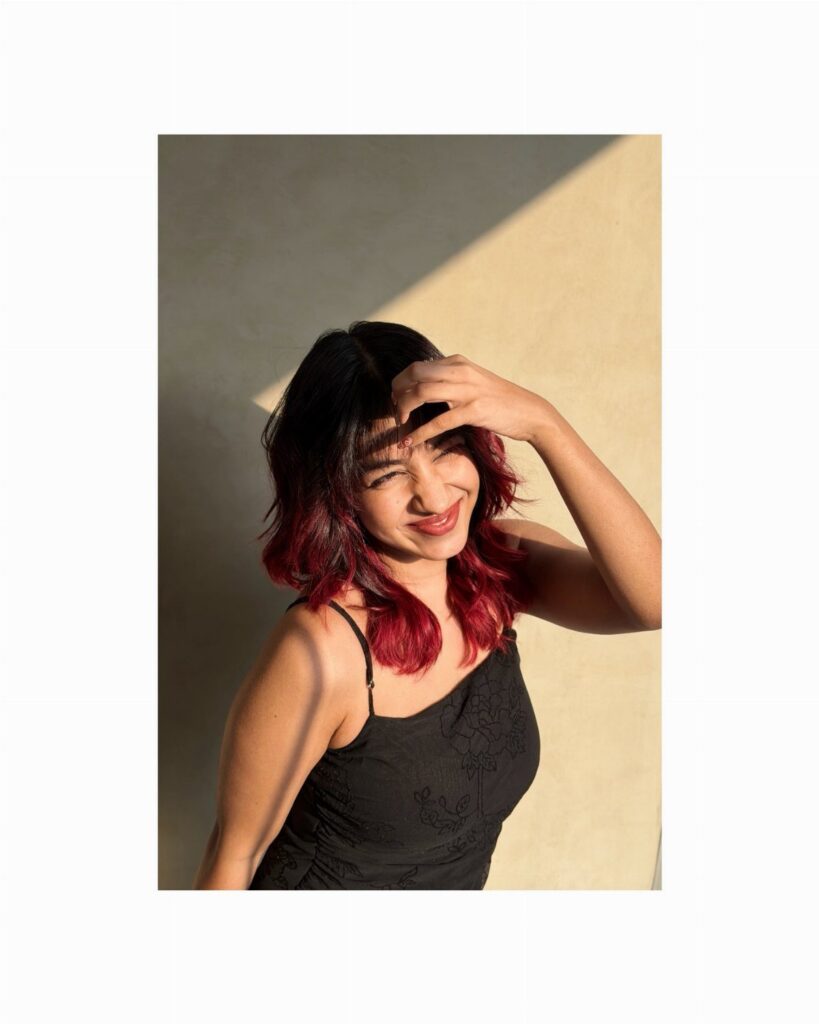
14. Magenta Red Highlights
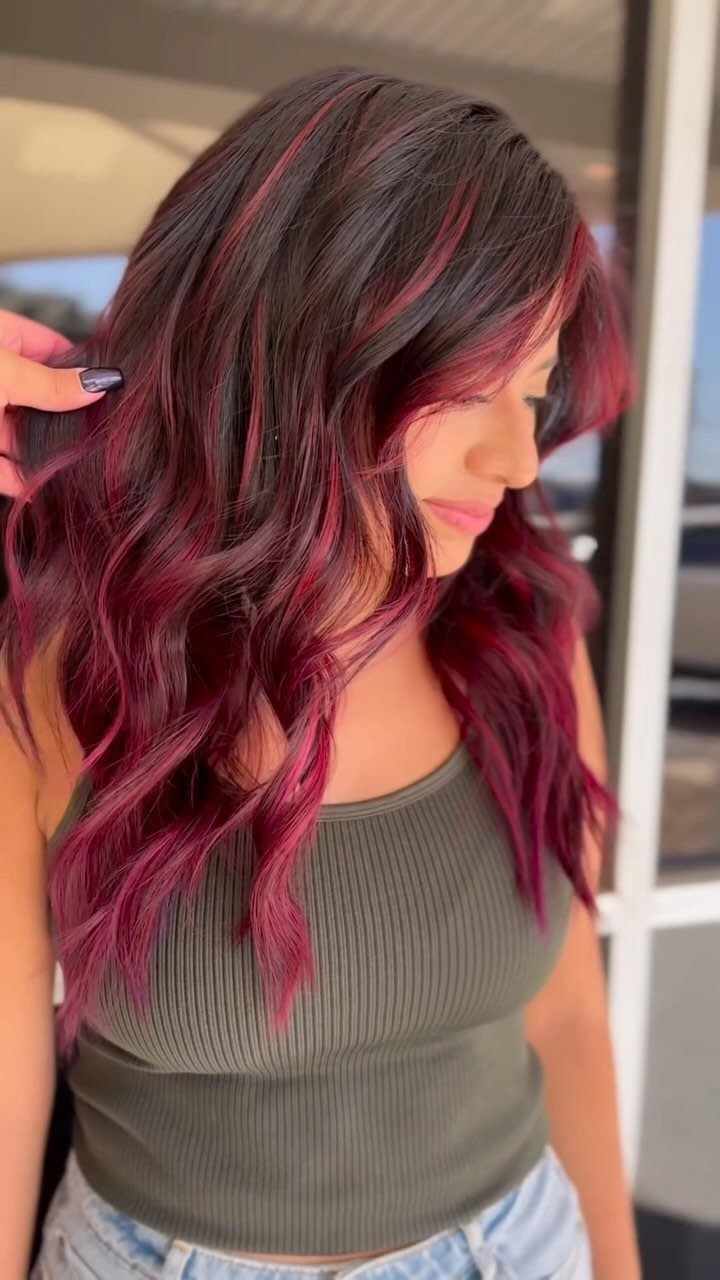
The pink side of magenta is what separates it from every other red on this page. The highlights sit on dark hair, so the contrast is high.
Waves and loose texture give each magenta section room to catch separately.
If you want red that reads warm, go back to copper or auburn. This one is cool and loud, and meant to be.
15. Plum Red Hair
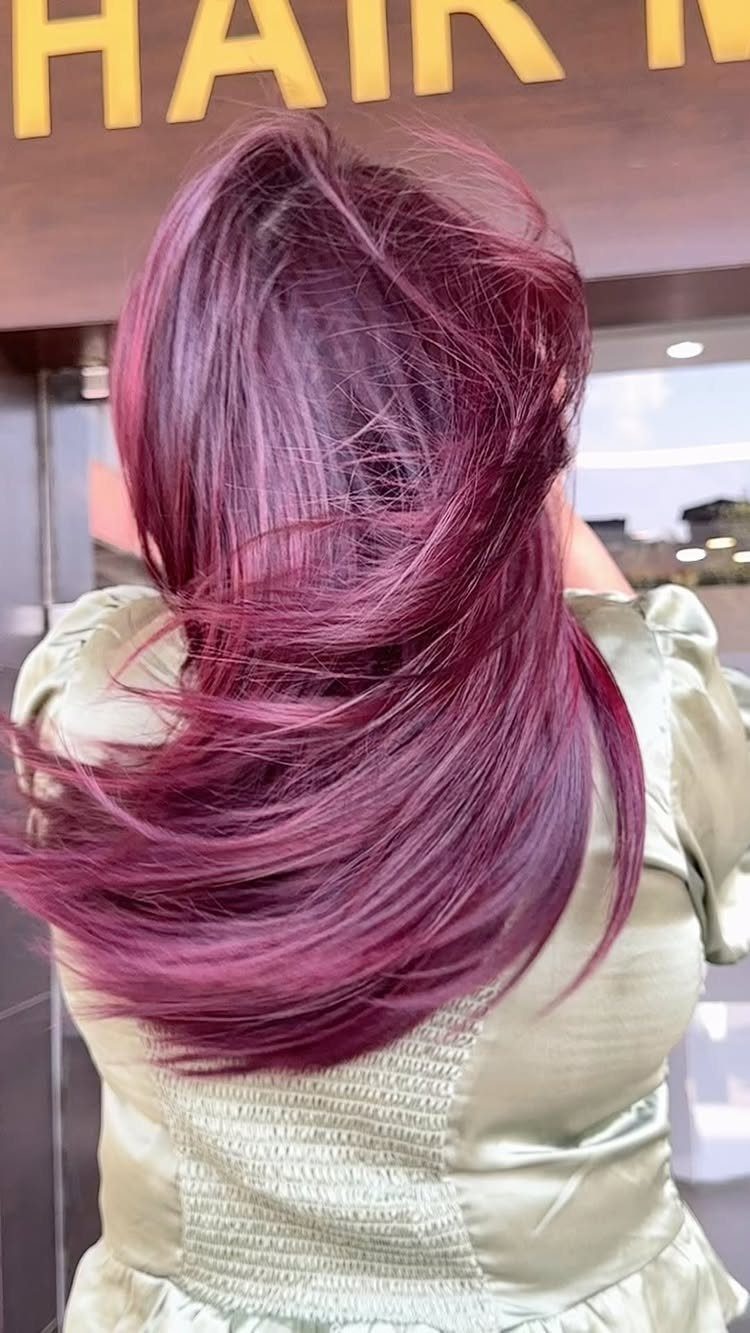
Purple is the undertone doing the work here, pulling the red toward plum and keeping it from going bright. The result is a deep, glossy color that stays rich instead of vivid.
Length and shine both matter. The more hair you have, the more that plum depth shows, and a glossy finish is what makes the color read as one smooth sheet.
Red Color Care and Fading
Red fades faster than other colors because it oxidizes quickly. Washing less often slows the loss.
Twice a week is the goal, though every other day works if your hair runs oily or fine. On the days between, rinse with lukewarm water or use dry shampoo at the roots.
Hot water accelerates fading, so keep the temperature down. Most dandruff shampoos are too harsh for color, and they strip red weeks ahead of schedule.
Ask your colorist to mix a small vial of your exact formula, then apply it at home around the 2-week mark; that quick refresh keeps the shade looking salon-new until your next appointment. Expect to pay around $45 for the kit.
Sun speeds the fade, so on long days outside I reach for a leave-in or styling product with UV filters, or I put on a hat or tie a scarf over my hair.
Heat protectant matters every time you style with hot tools.
Johnson loves this shade but points out that, in many cases, you may be in the salon chair more (and potentially stocking up on at-home care products to keep your color in-between appointments) should you go with a fiery hue.
Choosing Red for Undertones
Cool-toned reds suit cool undertones, and you can check yours by looking at the veins on your wrists in natural light.
Green veins signal warm undertones, blue or purple veins indicate cool, and if you can’t tell which yours are, you likely sit neutral and can wear any red.
Red sits best on cool or pink-leaning skin, and pinkish complexions pair with it especially well.
Golden or olive skin can have a harder time finding a flattering shade, so testing a few options or asking a colorist for guidance makes sense.
Reds with cooler notes, plum or violet undertones, work on readers with cool skin the same way a cool red lipstick does. The idea that red only suits warm tones is outdated.
Frequently Asked Questions
Are there girls with natural red hair?
Yes.
Julianne Moore and Jessica Chastain are the names usually held up for natural, classic ginger-toned red. Julia Roberts and Emma Stone have worn a natural-looking red that came from a bottle, which shows how convincing a dyed version can be.
Is red hair color hard to maintain?
It takes more effort than brown or black, because red oxidizes quickly and fades faster.
Cap washing at 2 times a week, stretching to every other day only if your hair is oily or fine, and keep the water lukewarm with a little dry shampoo at the roots between washes.
Anti-dandruff shampoos can strip red weeks early and hard sun fades it faster, so reach for a styling product with a UV filter or put on a hat or scarf outdoors.
A take-home vial of your exact formula, used around week 2, runs about $45 and holds the shade steady until your next appointment.
Which shade of red hair color lasts the longest?
Deeper reds last longest: burgundy (a deep, wine-like red), dark auburn and cherry red.
Lighter shades such as copper (golden-rust) and strawberry blonde (part blonde, part red) fade sooner. Color-safe shampoo and conditioner make a real difference whichever shade you choose.
Can I try red hair without committing to a permanent color?
Yes. Semi-permanent color lets you test a red without a long-term commitment, including bold ones like scarlet (bright and saturated) or copper.
It fades gradually with each wash, so you can see how the shade sits on you before deciding on anything permanent.
Is red right for you?
If 2 or more of these fit you, red is a reasonable bet: pink-leaning skin, comfort with attention, and hair in decent shape.
Red sits best on cool or pink-leaning skin, while golden and olive complexions have to hunt a bit harder for a flattering one. Red dye washes out quickly, and dry or damaged strands hold on to it even less.
What shade of red hair should I choose?
Check your undertone first, using the veins on your wrist in natural light. Cool skin pairs well with plum or violet-leaning reds, much like a cool red lipstick.