Ash brown runs from dark ash that reads close to black in low light to light ash that stops just short of blonde, with warmer detours like chocolate balayage and bronzed chocolate at the edges.
Whatever warmth already sits in your strands will fight the ash, since red and orange pigment drag brown toward copper, and only a densely pigmented cool tone can hold against that pull.
Babylights on a dark mocha base show how little lift it takes to add dimension without going bright.
1. Mushroom Brown
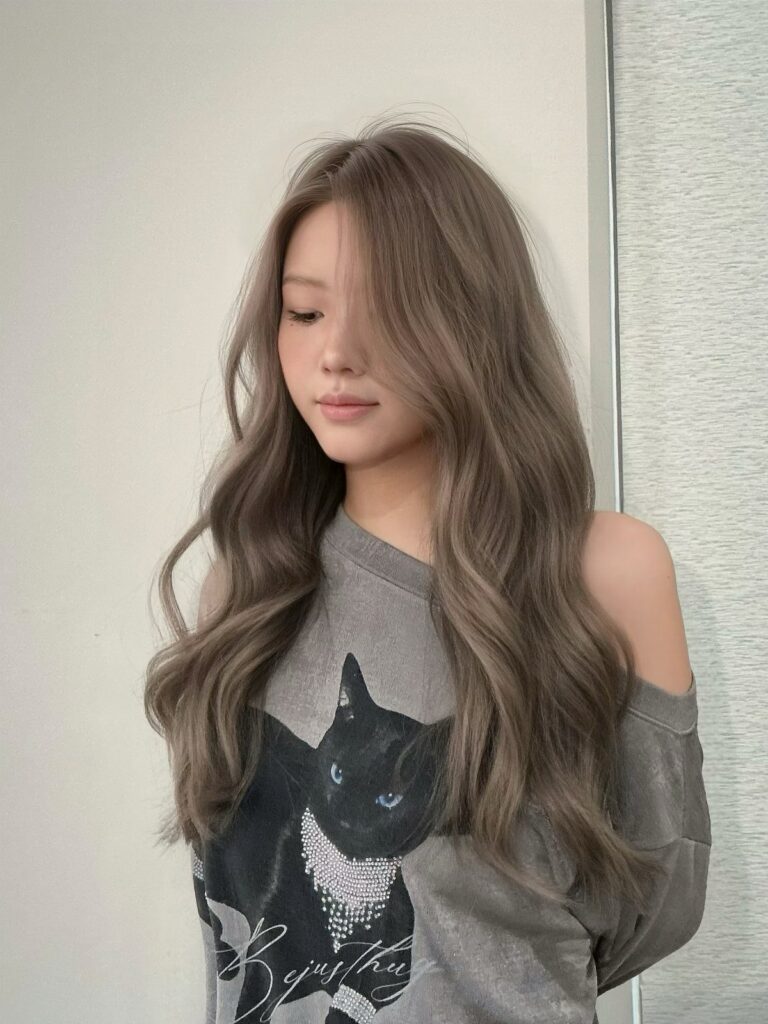
Smoky and earthy, mushroom brown sits right where cool gray meets soft brown, and it looks best when the color stays even from midlength to ends.
Lighter strands around the face brighten the skin without turning the whole head blonde, and they keep the mushroom tone muted instead of golden.
If you save this one, ask for "mushroom brown" by name and bring the photo; the word alone can mean a few different depths. I would pick it for long, wavy hair, since the waves show off the shifting tones.
2. Face-Framing Ash Brown Balayage
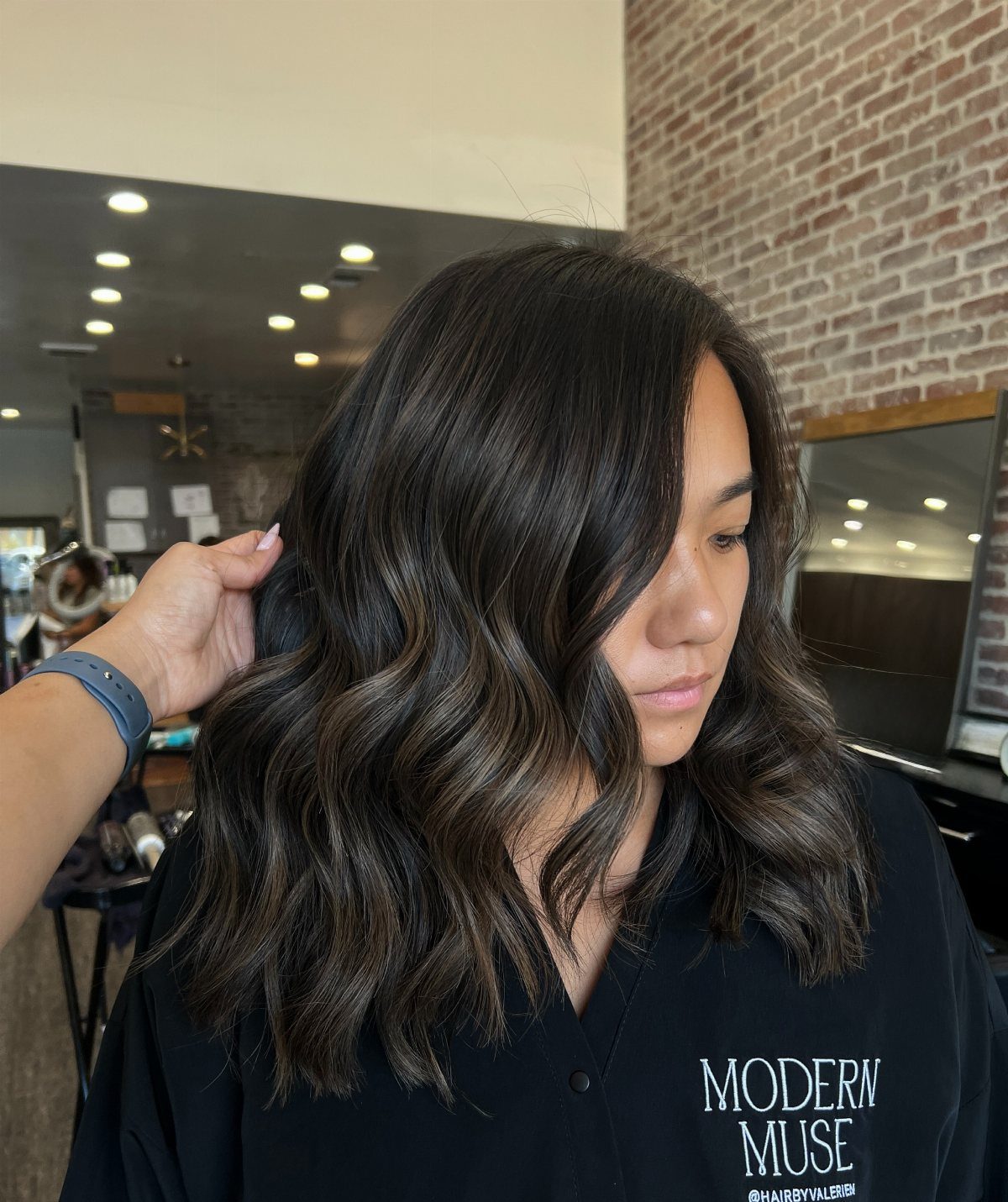
Balayage placed around the face does the most visible work for the least commitment. Dark ash brown waves stay dark through the back, and the lighter pieces up front frame the cheekbones and jaw.
Ask for the brightness to be concentrated at the face and kept soft toward the root, so the grow-out stays easy to live with.
I like it on wavy hair, where the lighter ribbons catch on the curve of each wave. Bring a photo, because "ash" can drift warm or gray depending on who is mixing.
3. Dark Ash Brown
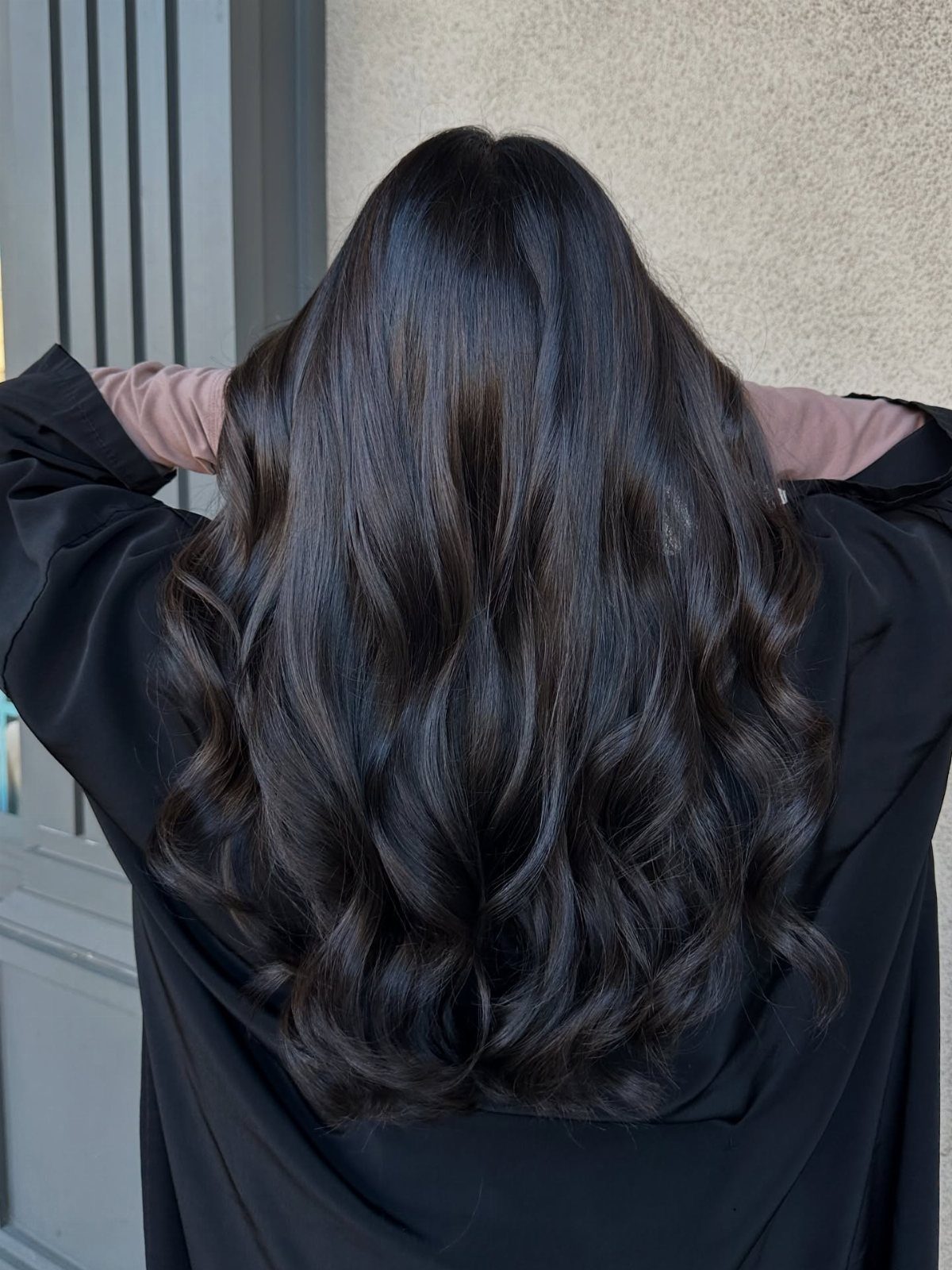
Deep brunette with a smoky, gray cast is the version of ash brown that reads closest to black in low light and clearly cool in daylight. That makes it a good first step for anyone nervous about going lighter.
Glossy waves suit it best, since shine keeps a dark ash from looking flat or dull.
If you ask for it, use the words "dark ash brown" and mention you want a cool or gray cast, not a warm espresso. I would keep a gloss-friendly routine, because dark cool shades show dullness fast.
4. Light Ash Brown
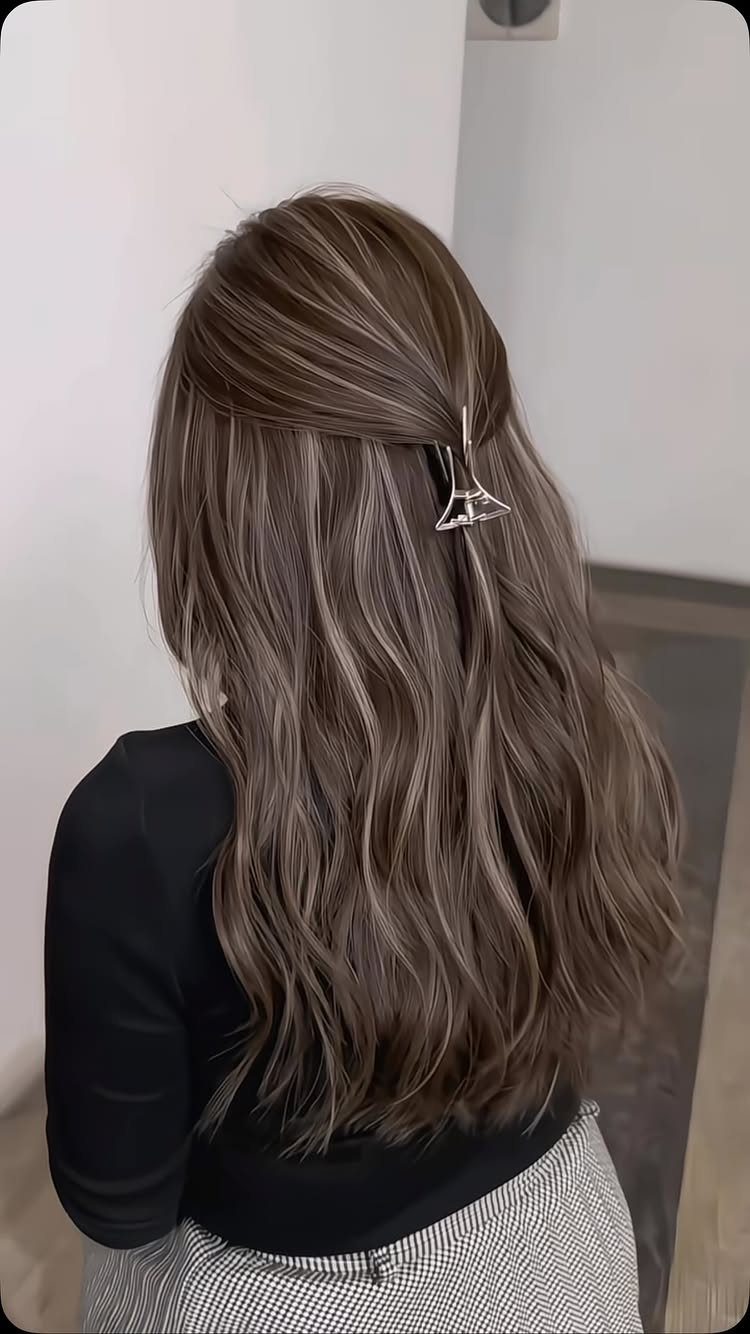
Airy and light, this shade stops short of blonde while still reading brighter than most brunettes dare. The cool gray tones keep it from pulling golden, which is the usual risk when brown lightens.
Fine highlights give it the layered, dimensional look you can see in long waves.
I would choose it if you want a visible change but still want to be called a brunette. Ask for "light ash brown," and tell your colorist you do not want it to drift toward blonde.
5. Ash Brown Ombre
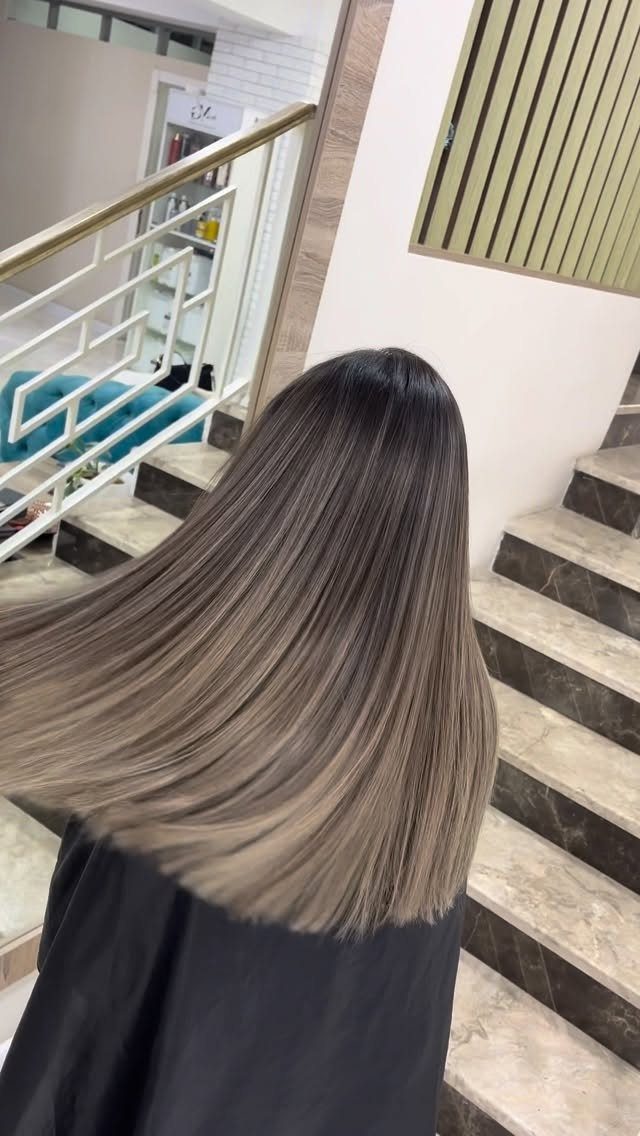
Dark roots melting into lighter ends make ombre one of the easier ash looks to wear, because the root never needs a rush appointment. On straight hair the fade is especially clean; every inch of the gradient shows.
Ask for a gradual transition, not a stripe, and name the shade you want at the ends: ash brown, not gold.
I would pick this over full highlights if you want low fuss, since the dark root grows out without a visible line. Straight hair shows the blend best.
6. Ash Brown with Highlights
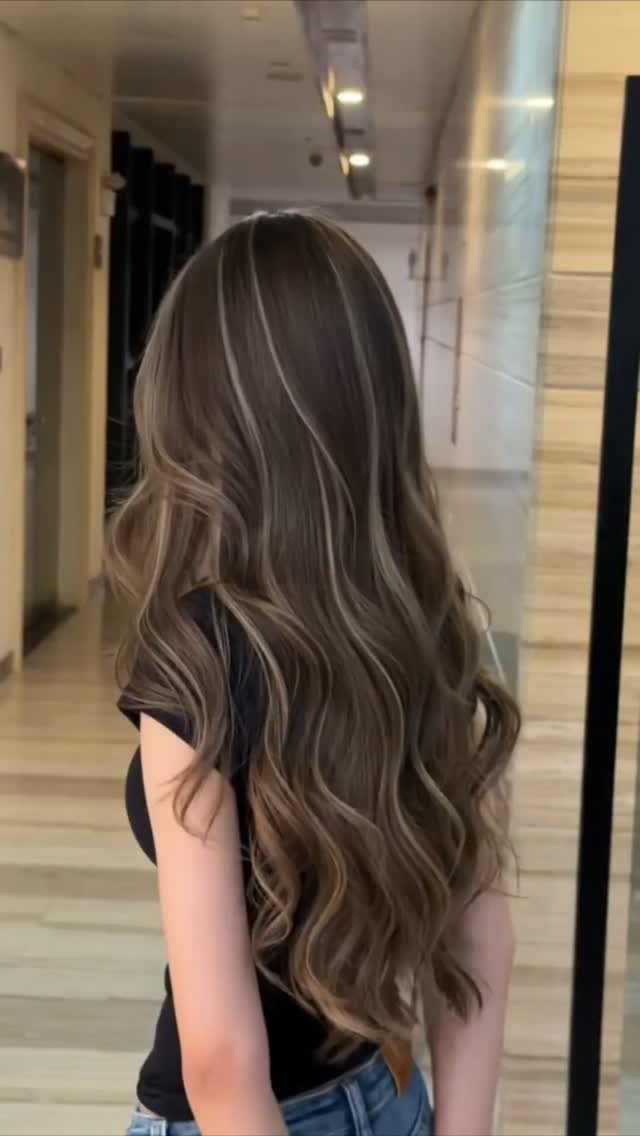
A few thin, light pieces threaded through an ash brown base give the color some depth, and the cool cast stays intact. The blonde here is thin and scattered, so the result reads as dimension instead of stripes.
Ask for slim highlights, and say clearly that you want them cool, not golden. Long waves help, since movement keeps the lighter pieces showing at different angles.
I prefer this to a heavy highlight because the base stays the star. If a look reads blonder than you want, ask your colorist to keep the lightest pieces softer and fewer, so they sit closer to the base.
7. Ash Brown Bob
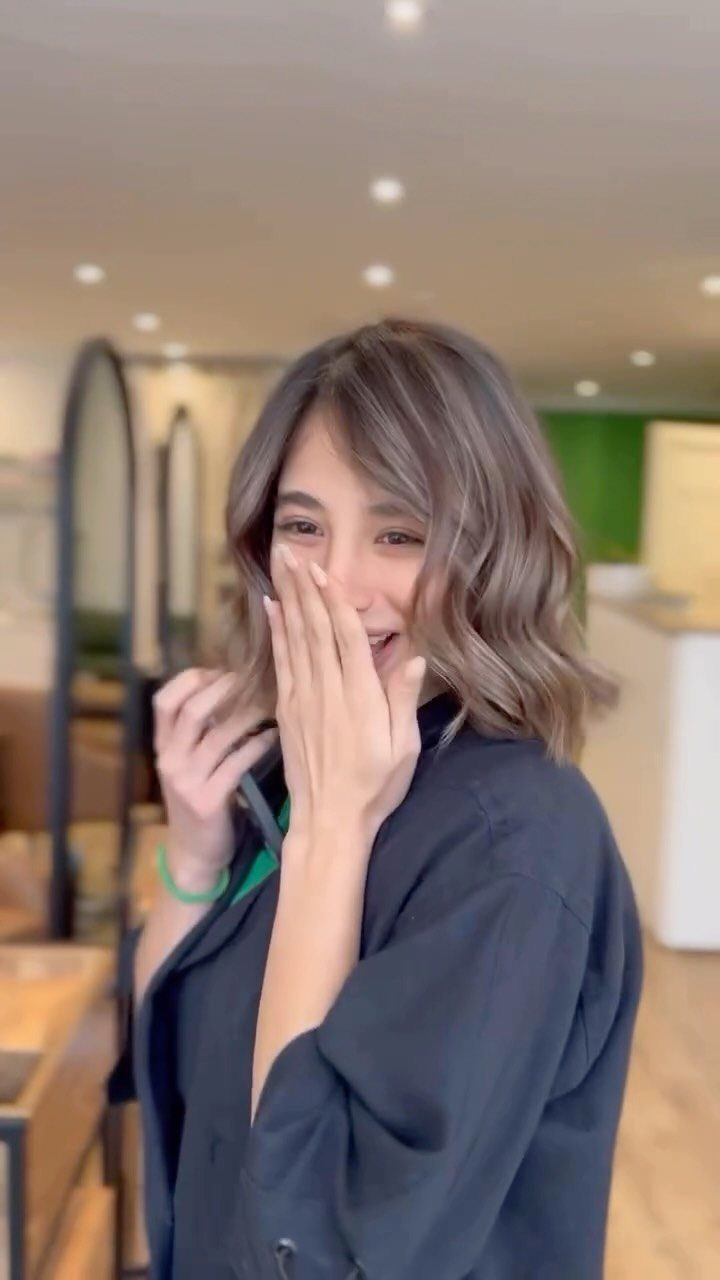
Short hair puts every strand on display, so a bob in ash brown needs an even, polished tone from top to ends. Here the waves add movement and the side-swept bangs soften the forehead.
Bring the photo and ask for ash brown by name, with the bangs cut to sweep to one side. I would pick this for the shape as much as the shade, since the cut makes the color look finished.
8. Pearly Face-Framing Highlights
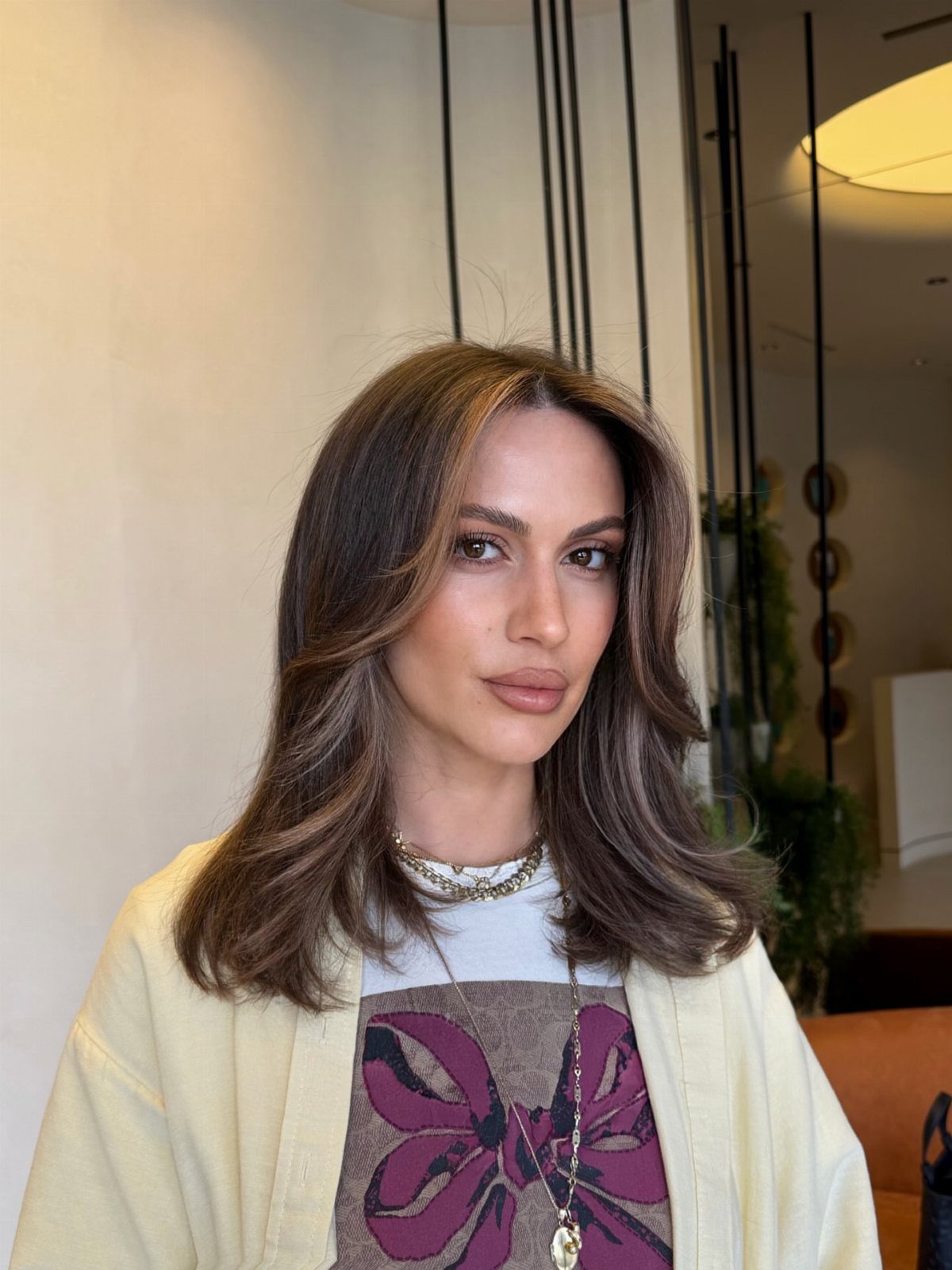
Lighter pieces placed at the front brighten the face and add contour, while the rest of the layered ash brown stays deeper. I like that the pale strands sit where the eye lands first.
Tell your stylist to put the lightest pieces in the front sections that sit against your cheeks and jawline, and to tone them pearly and cool so they never drift toward brass.
Layers help the highlights fall in separate ribbons. If you want less contrast, ask for the face pieces only one or two steps lighter than your base.
9. Ash Brown Root Melt
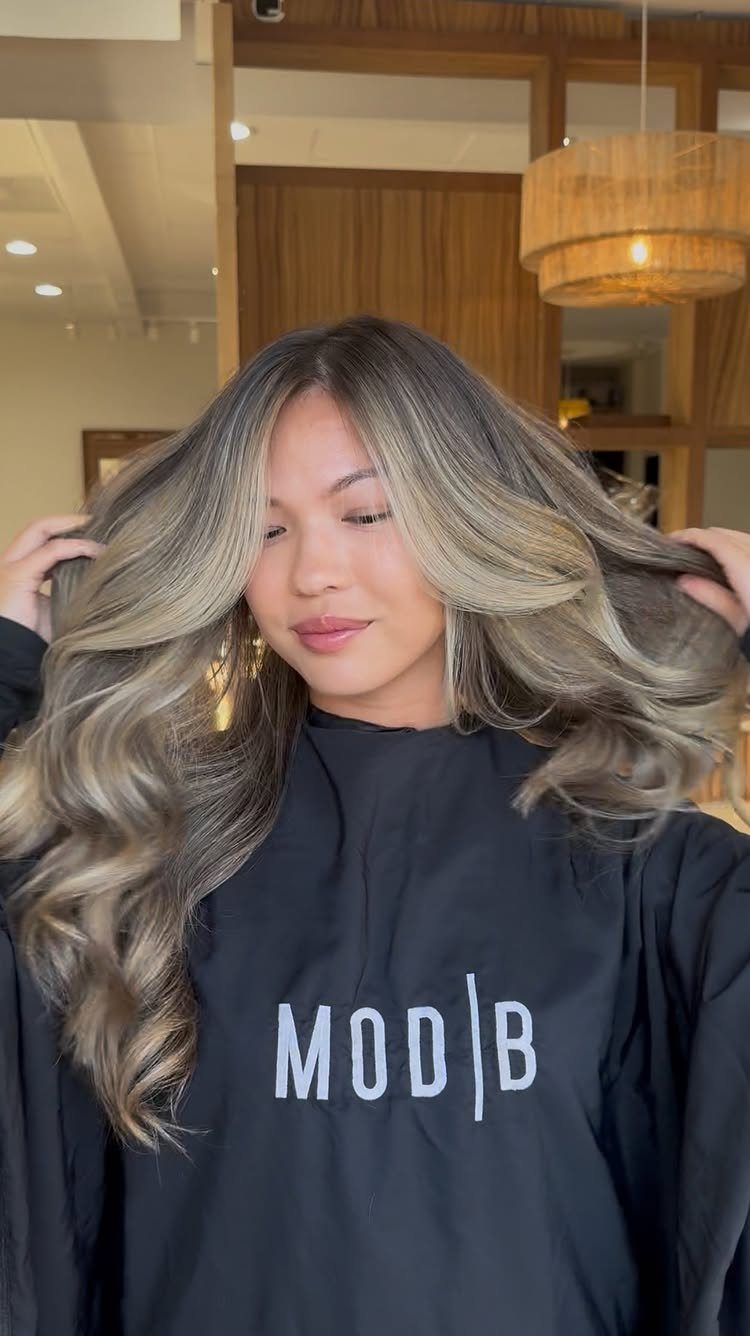
Darker roots that blend into long, lighter ash brown waves are the whole look, and the blend matters more than the shade. Waves show it off well, since the color shifts as the hair moves.
Use the words "root melt" and ask for the root color to blend into the length with no visible band.
Name the cool tone you want through the lengths so the melt stays ash, not warm. Bring the photo along.
10. Ash Brown for Curly Hair
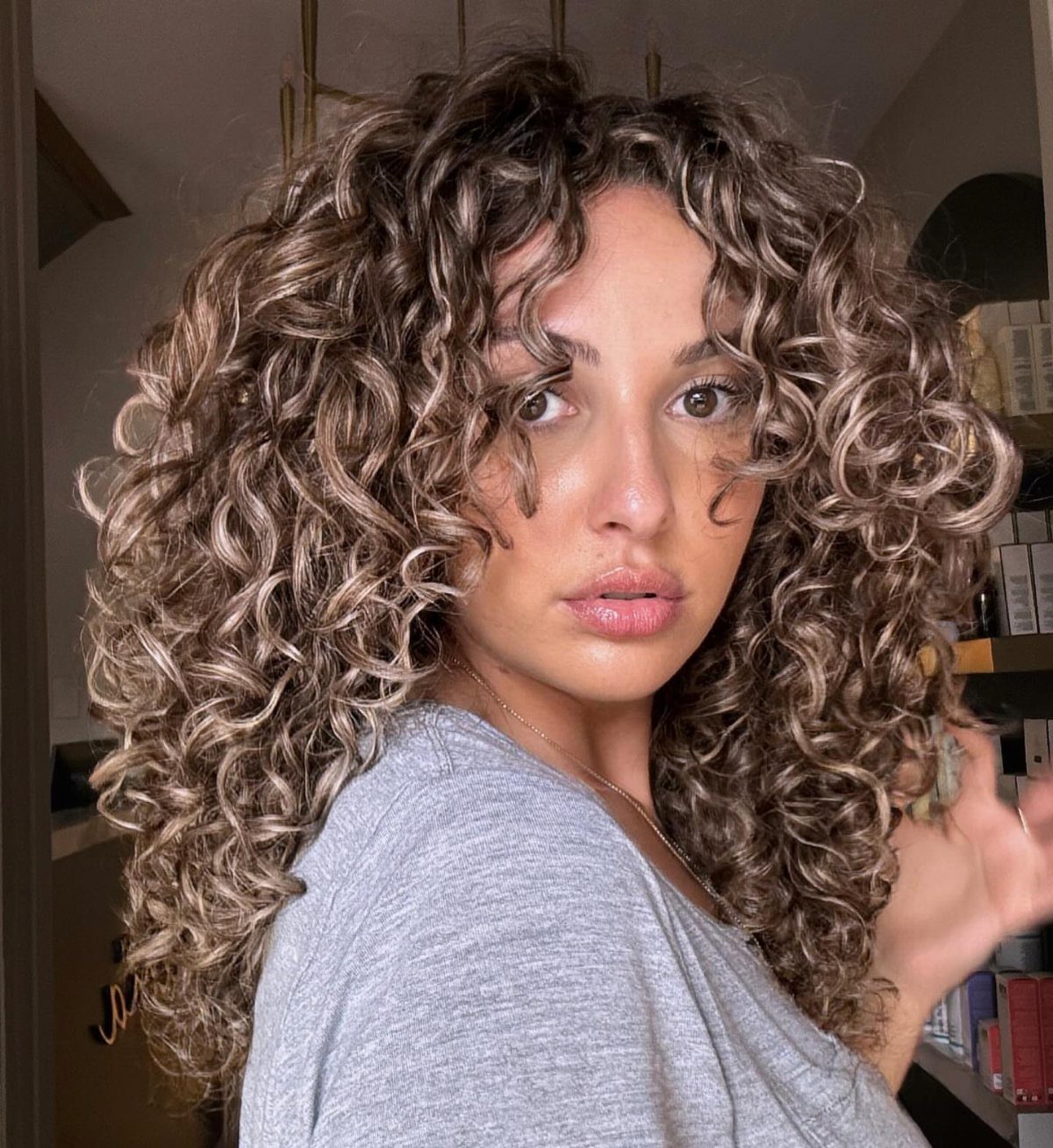
Curls give ash brown more surface to catch light, which makes the subtle cool-toned highlights read as soft dimension through all that volume. I would choose this over a heavy highlight on curly hair.
Show your colorist a photo of curls, not straight hair, since a shade can look different once it coils. Ask for ash brown with a few cool, fine highlights, and say you want the volume kept as it is.
11. Classic Ash Brown
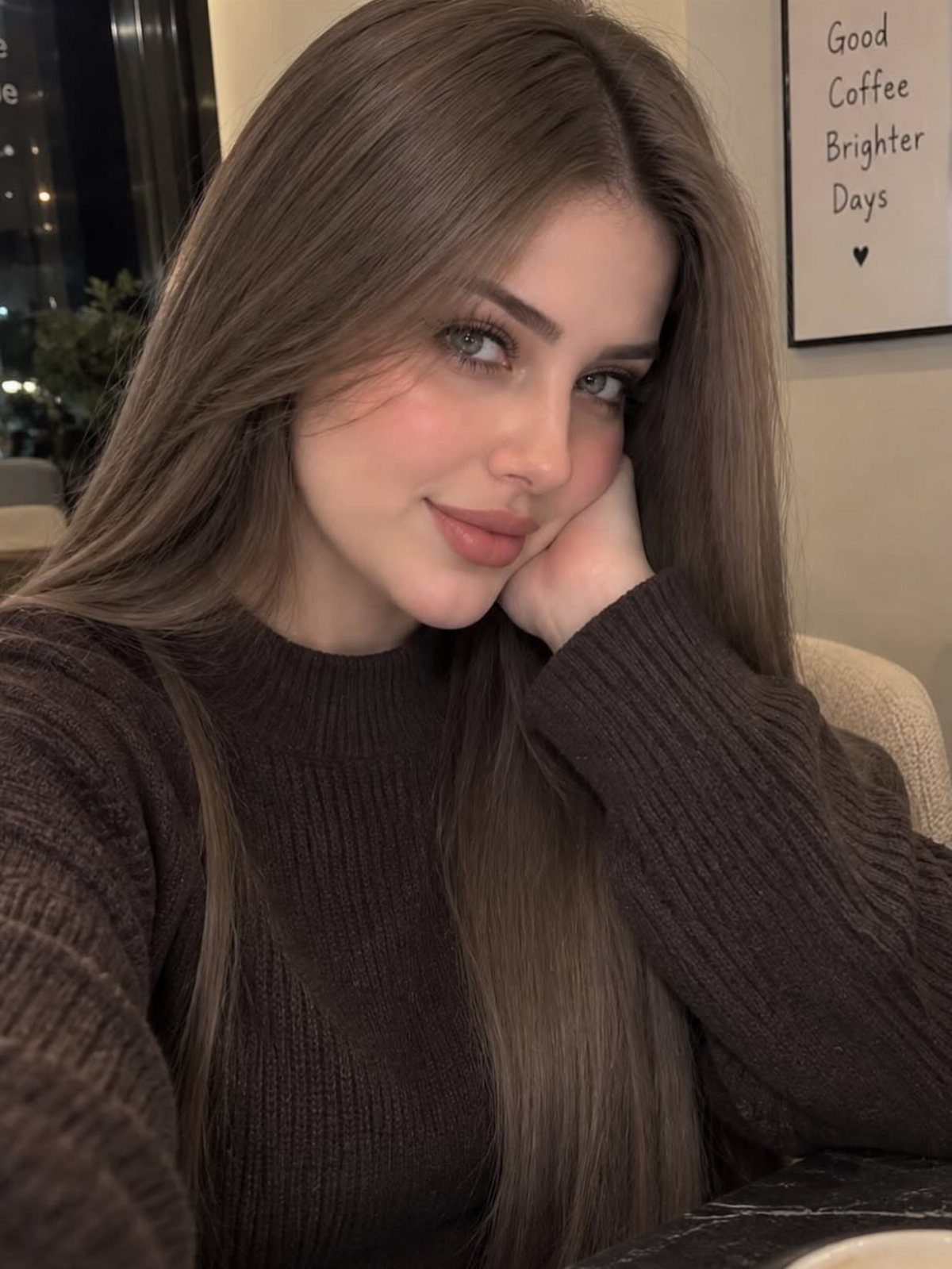
A neutral brown with a gray undertone cancels warmth, and that is what makes classic ash brown work. It looks calm and clean, never golden or red.
Long, straight hair shows the finish best, because an even tone has nowhere to hide.
Ask for "classic ash brown" and say you want a gray undertone with no warmth. I would pick this if you want the most wearable version on the list.
Ash brown hair typically looks best when it matches your skin tone.
— AOL
12. Cool-Toned Ash Brown
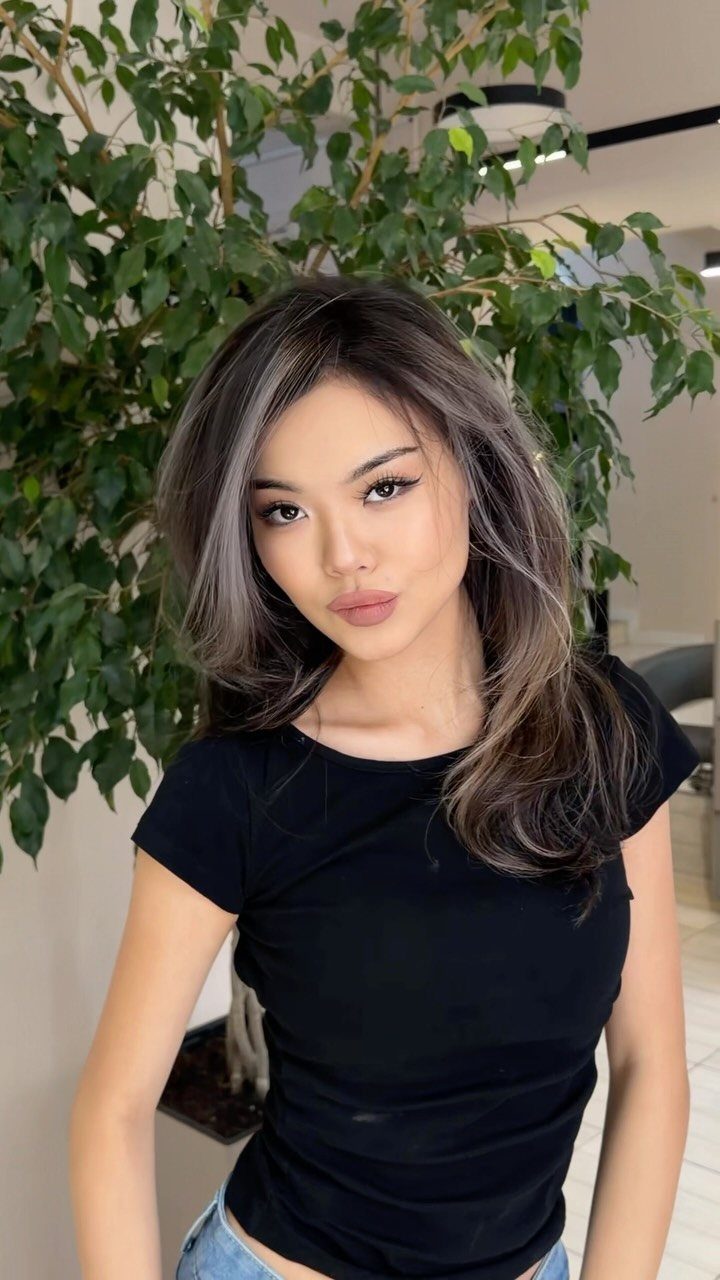
Orange and red undertones are what pull brown hair warm, and a deeply pigmented cool shade is made to push back against them. This long, dark brown with cool taupe highlights keeps the tone rich instead of pale.
Tell your colorist that your hair pulls orange or red, and ask for a cool shade with strong pigment.
Taupe highlights are an add-on you can request if you want a little lift. I prefer the depth here to a lighter ash.
13. Ash Brown Babylights
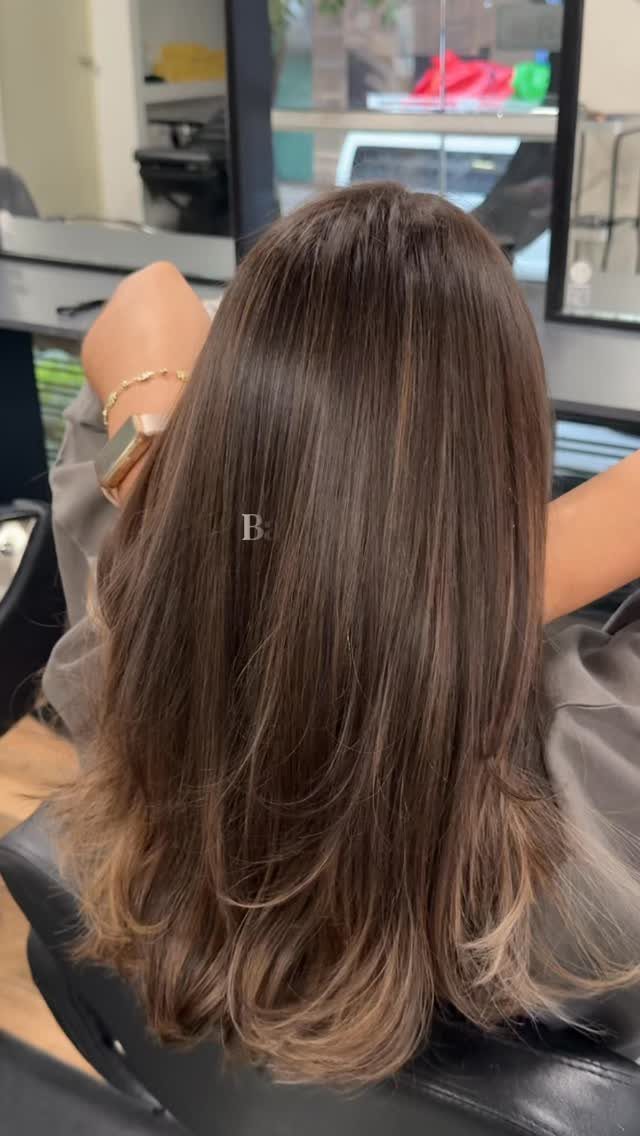
Babylights are the finest highlights a colorist can weave, and on a dark mocha base they lift the color a shade or two without ever looking bright.
Babylights are so fine that they show up as small glints rather than stripes, and a loose wave or curl at the ends scatters that light around.
Use the word babylights with your colorist and specify an ash tone, since golden is where lifted brown tends to drift.
I would choose this over chunkier foils if you want people to ask what you changed but not be able to say. Bring the photo, since "subtle" means different things to different colorists.
14. Smoky Shadow Root
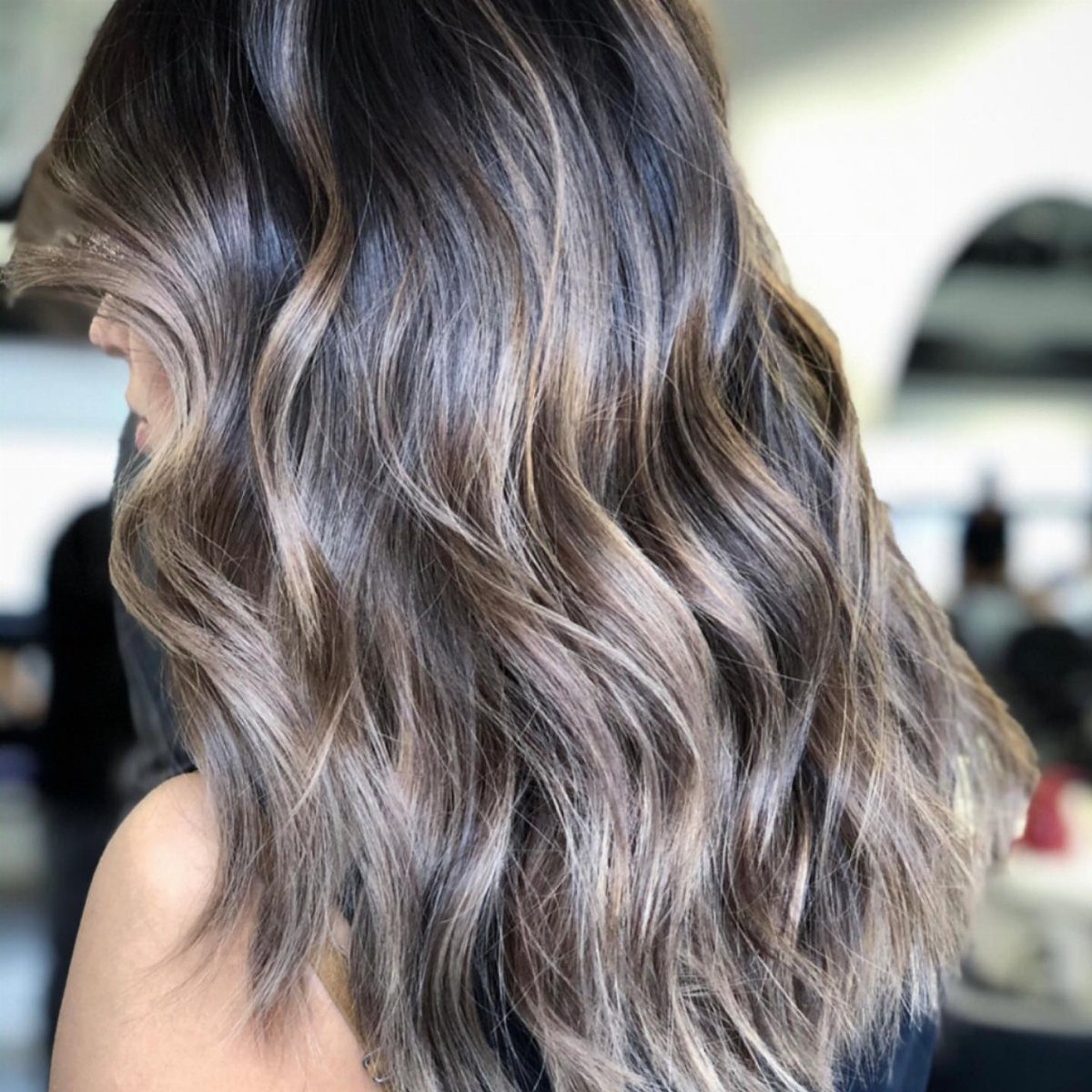
Dark roots smudged into the length are what keep this wavy ash brown looking lived-in, and the silvery highlights read softer against that shadow. A hard line at the part would spoil it.
Ask for a "smoky shadow root" or "smudged root," and have your colorist blend the dark down into the lighter lengths with no band.
Because the root is already darker, the grow-out is gentler than with a solid light color. I prefer this on waves, where the blend moves with the hair.
15. Ash Brown with Beige Balayage
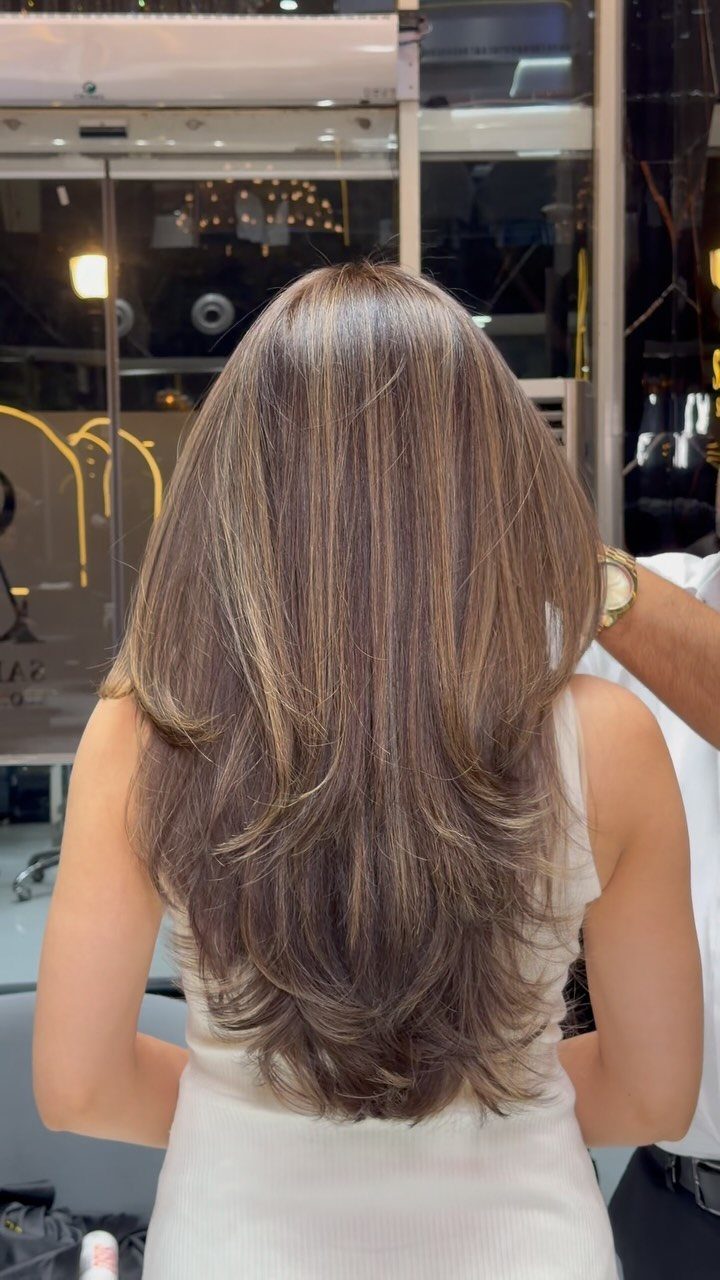
Beige is a neutral, and set against ash brown it takes away some of the grayness without adding gold. In long layers, the balayage shows as soft, painted pieces instead of stripes.
Say balayage with a beige finish, and tell your colorist to keep the beige neutral, because a yellow lean is the thing to avoid.
Cutting in some layers gives the lighter pieces room to move apart, so the beige reads as ribbons instead of blending into the base.
I would pick this if straight-up ash feels a little flat on you. Bring the photo, because beige can slide warm if the toner is off.
16. Charcoal Brunette
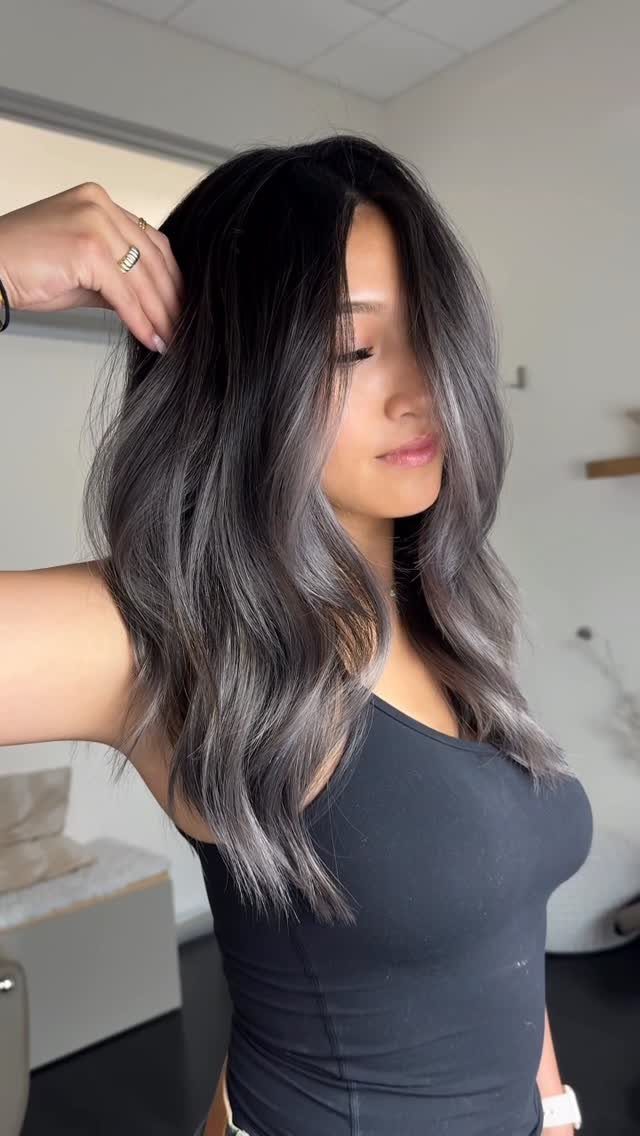
Charcoal brunette is a dark base with a gray cast, and silver accents through the mid-lengths and ends add light without breaking the mood. On long waves the silver flashes in and out as the hair moves.
Ask for a charcoal base and silver placed from the mid-lengths down, not at the root.
Next to the other ash browns here, this one looks deeper and a little brooding, which is why I lean toward it. Mention that you want the silver soft, so it blends instead of striping.
17. Chocolate Balayage
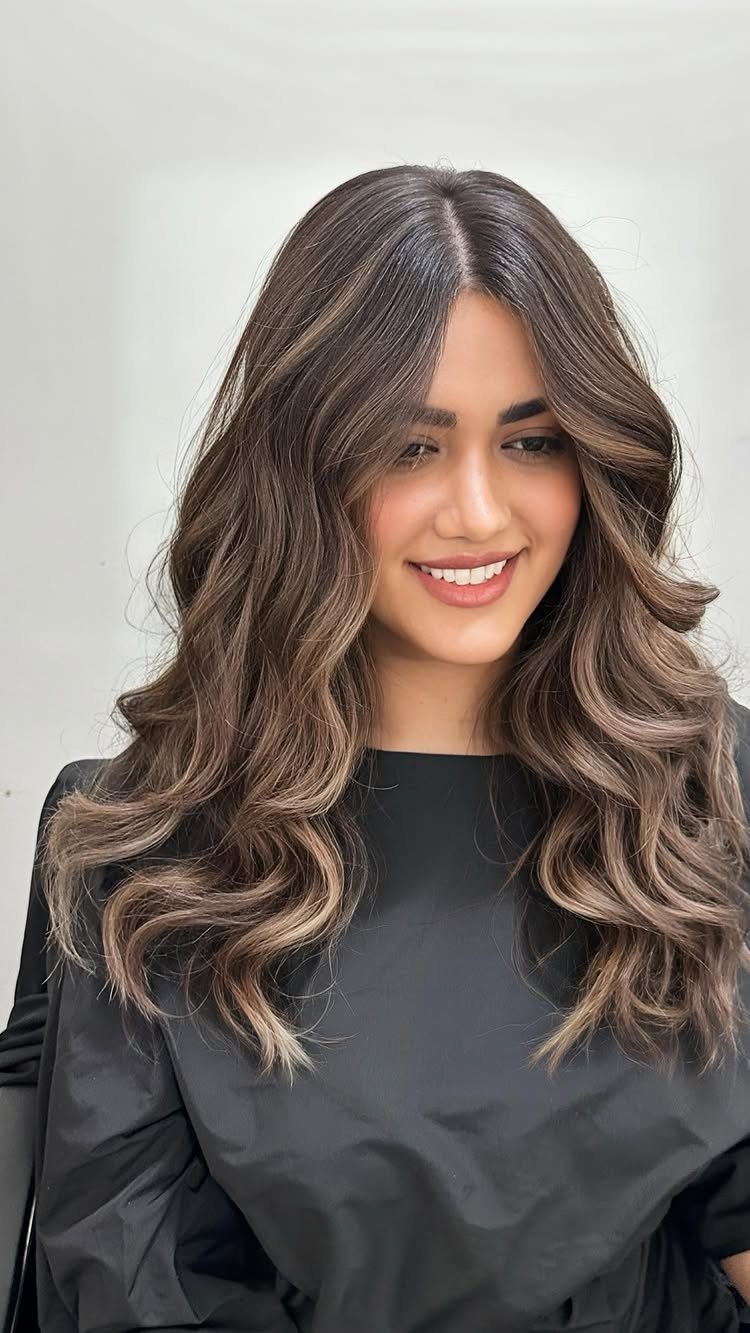
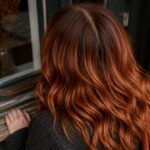
Chocolate balayage keeps the base dark and brushes lighter chocolate streaks through the waves, so the color stays rich and the highlights read as warm dimension. It is a gentler step than going ash all the way.
Ask for "chocolate balayage" and name how many shades lighter you want the streaks. If you are after a cool finish, say so, since chocolate leans warm by nature.
I like it on long waves, where the streaks follow each curve. Bring the photo.
18. Bronzed Chocolate
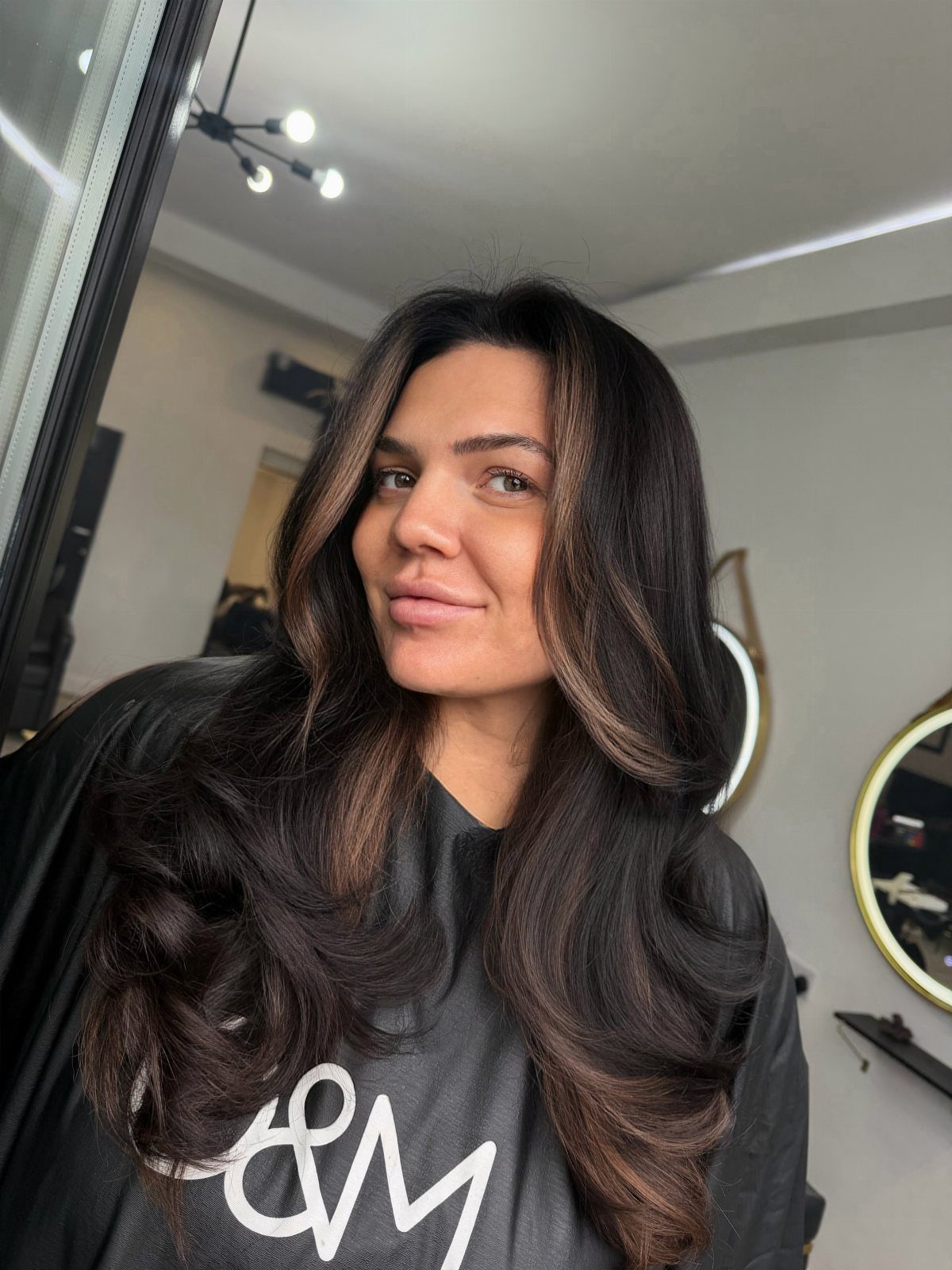
Soft bronze balayage over a black base adds a glow through the ends without lightening the whole head. The curled ends make the bronze flash only where the hair turns.
Ask for "bronzed chocolate" and have the bronze kept soft and concentrated toward the ends, so the black base stays the anchor.
I would choose this if you want warmth in a list that mostly runs cool. Tell your colorist how bronze you want it before they start mixing.
19. Iced Espresso Waves
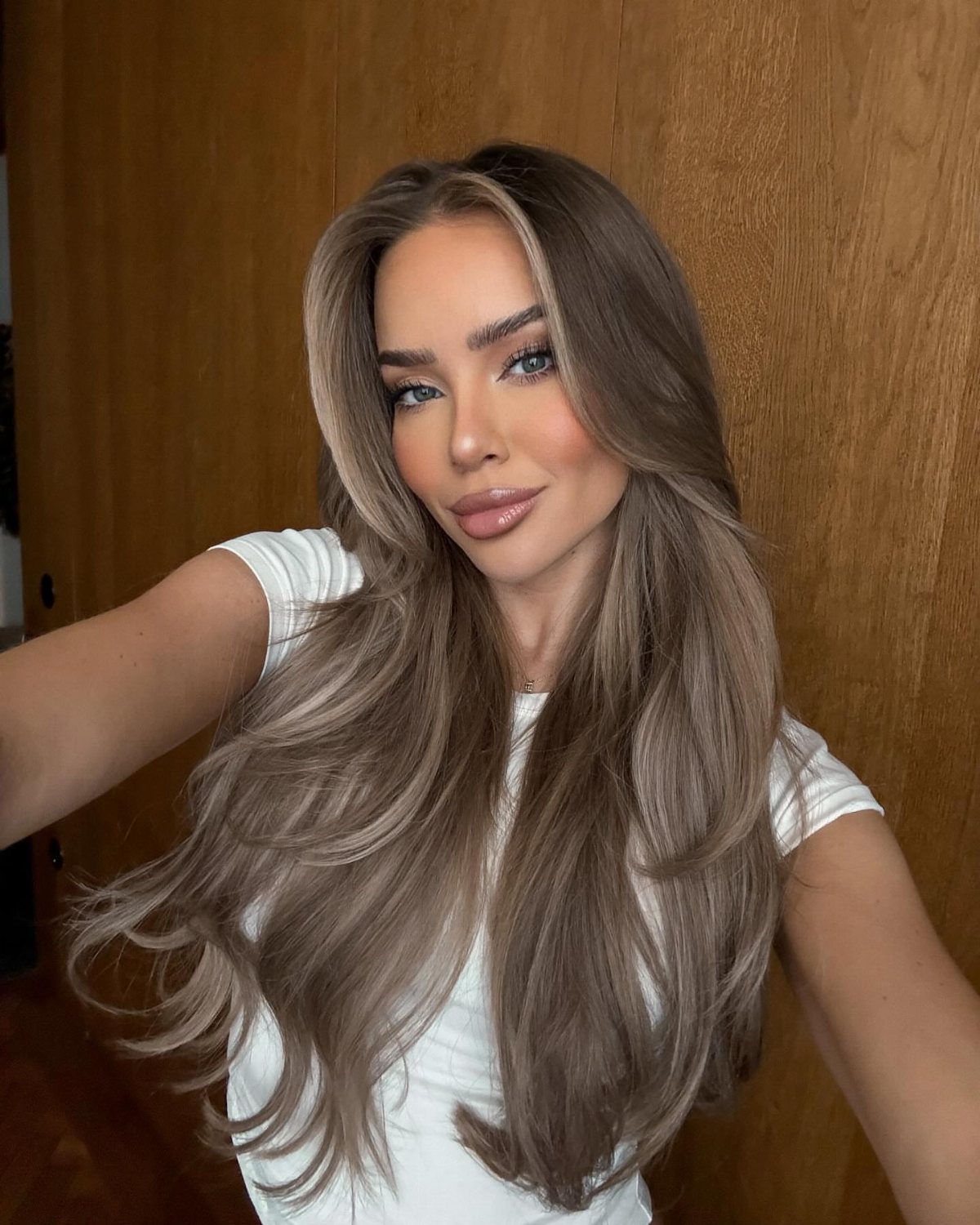
Espresso waves with cool, light highlights get their drama from contrast: the dark base stays deep while the pale pieces catch the light on every curve. Long hair gives that contrast room to show.
Ask for "espresso brown with dimensional ash highlights" and say the highlights should stay cool.
I would keep the lightest pieces few, so the dark base remains the anchor. A saved photo settles what "icy" means, since colorists can land on very different levels of brightness for that one word.
20. Dirty Blonde Highlights
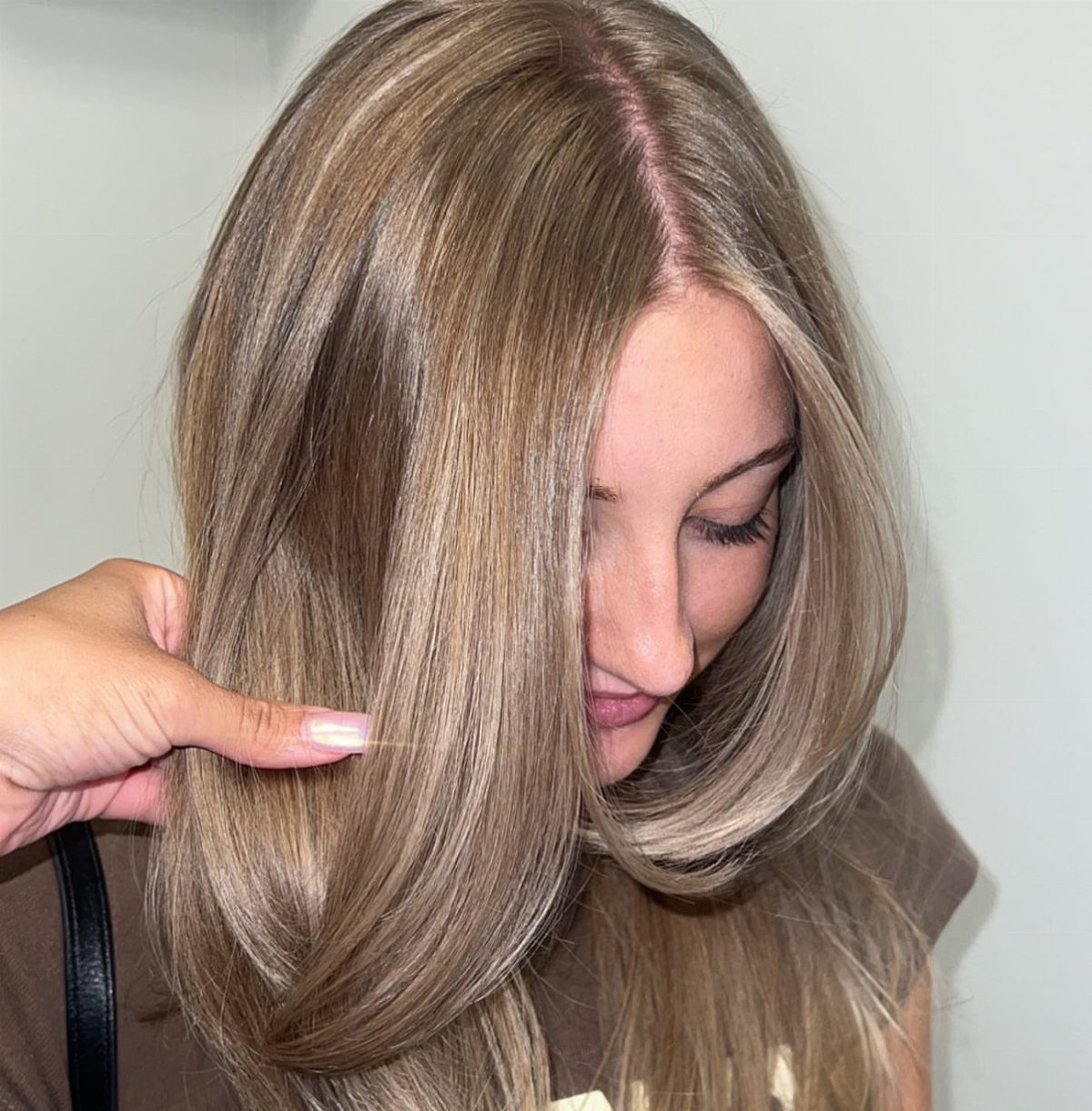
Gray and silver undertones are what keep dirty blonde highlights from turning yellow against dark hair.
Pale pieces over a darker root read softer than solid blonde, and they look best on smooth, even layers where each strand catches the light.
Ask for dirty blonde highlights toned gray or silver, and say you want the roots left darker.
I prefer that shadow at the top, because it makes the grow-out easy. If you do not want to go full blonde, ask for fewer, finer pieces.
21. Cappuccino Color Melt
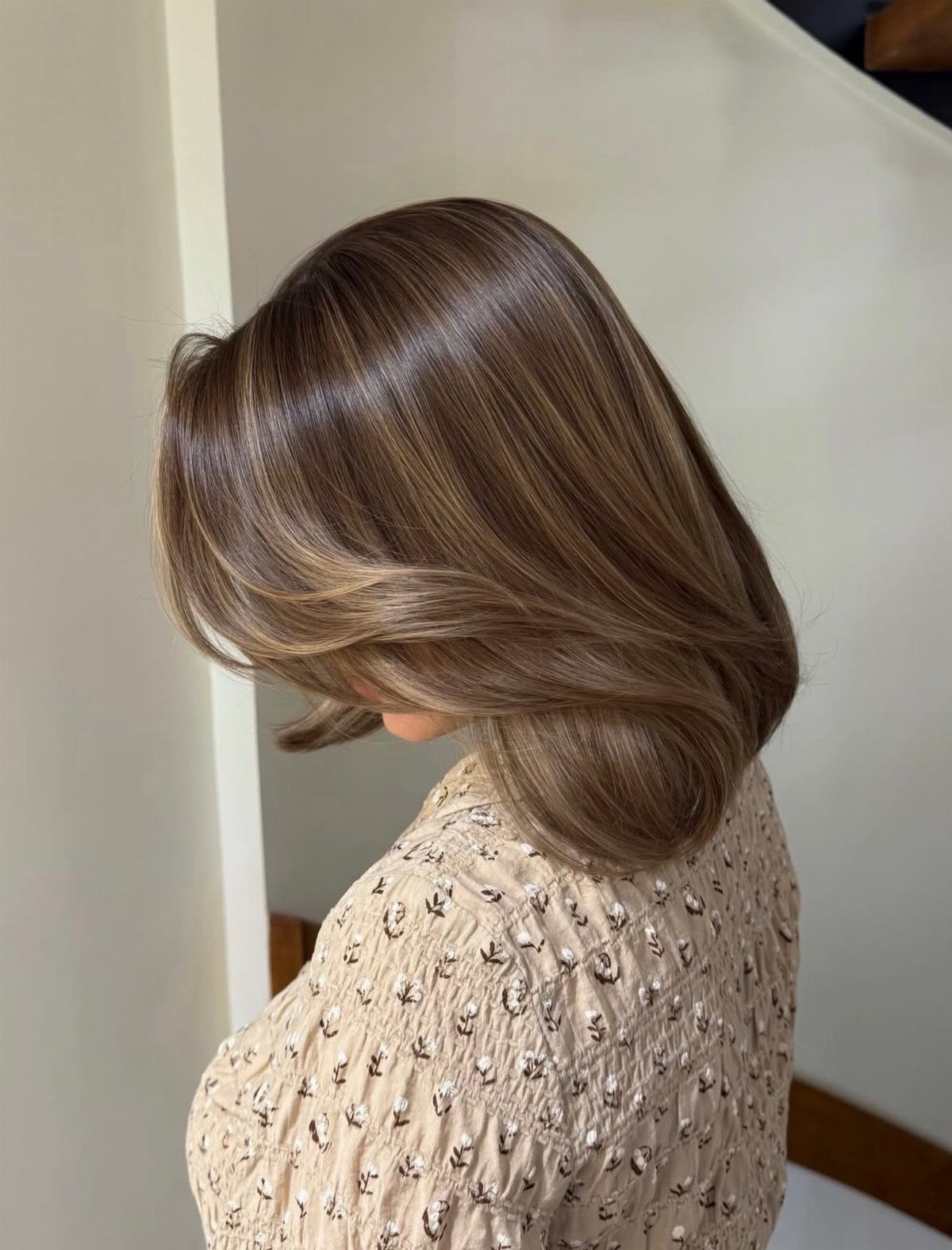
A color melt means the tones are hand-painted into one another, so brunette hair turns cappuccino with no line where one shade stops.
Ask for a "cappuccino color melt" and tell your colorist you want the shades to blend softly through the length.
I would choose this on medium-length hair with a smooth finish, where the blend is easy to see. Cappuccino can land warmer or cooler depending on the toner, so a photo gives your colorist a clear target.
22. Metallic Taupe Balayage
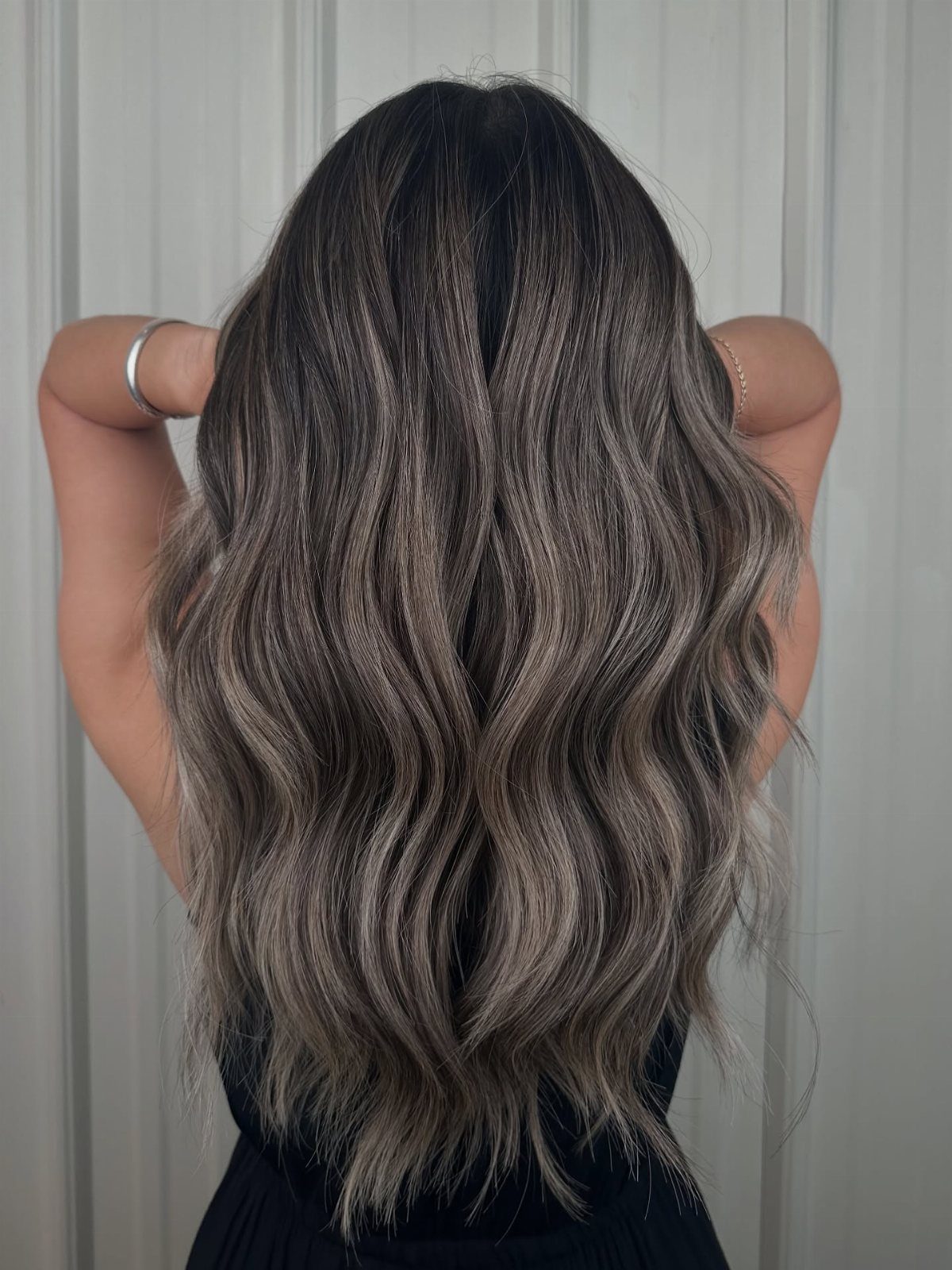
Metallic taupe ribbons make brunette waves look lighter without turning them blonde. The cool, slightly silvery tone shows best from behind, where the balayage runs down the length.
Name the service as balayage and the shade as metallic taupe, then add that it should stay cool, with no gold or beige creeping in.
Loose waves give the color room to move, so the lighter ribbons flash in and out as the hair shifts.
I like this for anyone who wants dimension but does not want a bright highlight. Bring the photo to avoid any guesswork on shade.
23. Smoky Color Melt
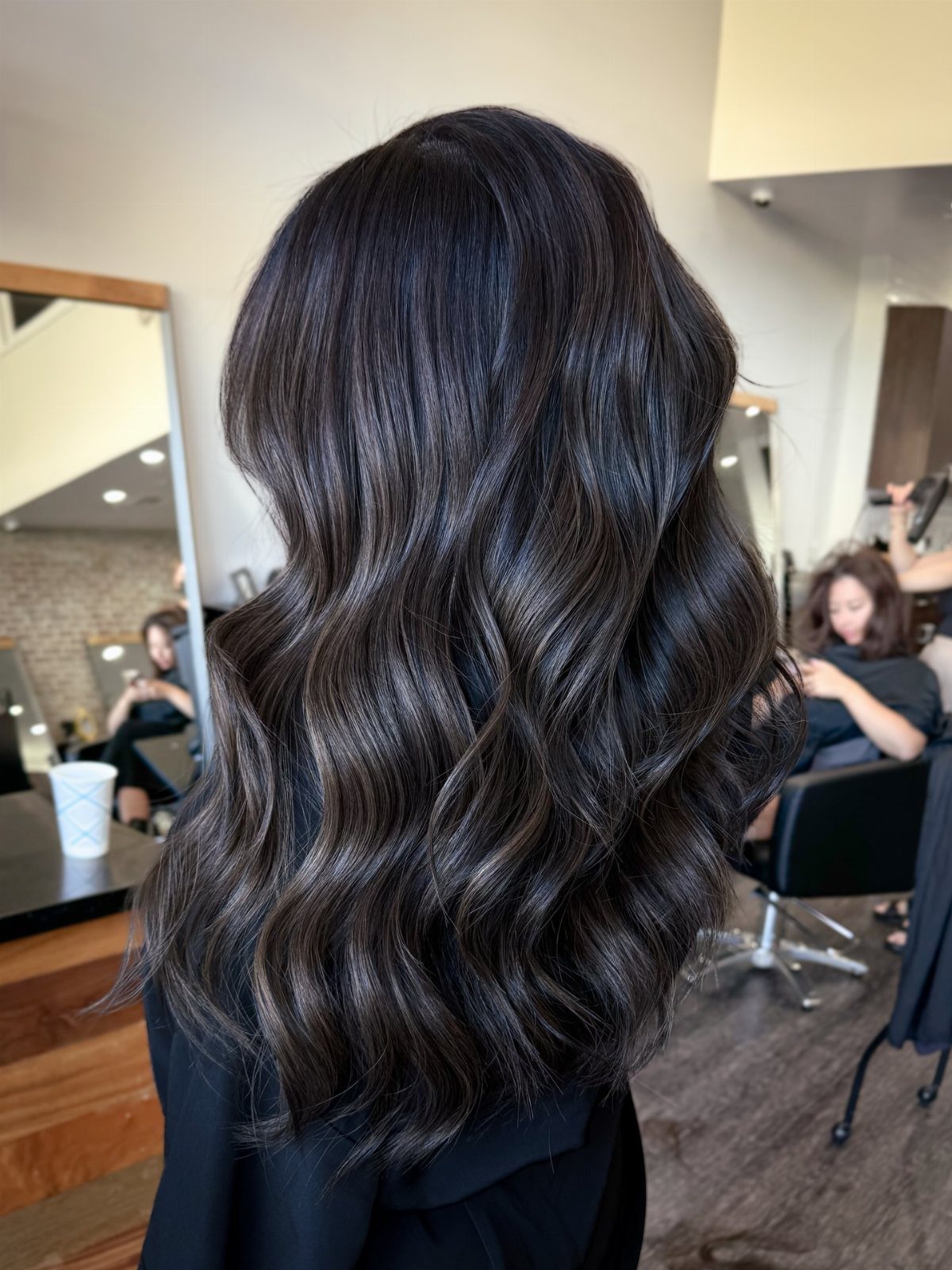
Dark hair melted into smoky gray and silver reads as depth first and color second.
The gray sits inside the dark waves instead of on top of them, which gives a silvery effect that is easy to miss until the hair moves.
Ask for a smoky color melt by name, with gray-silver tones that fade into a dark base and no visible lines where they meet.
I would pick this if you want a cool shift without much brightness. Long waves show the blend best.
24. Gray Ribbons
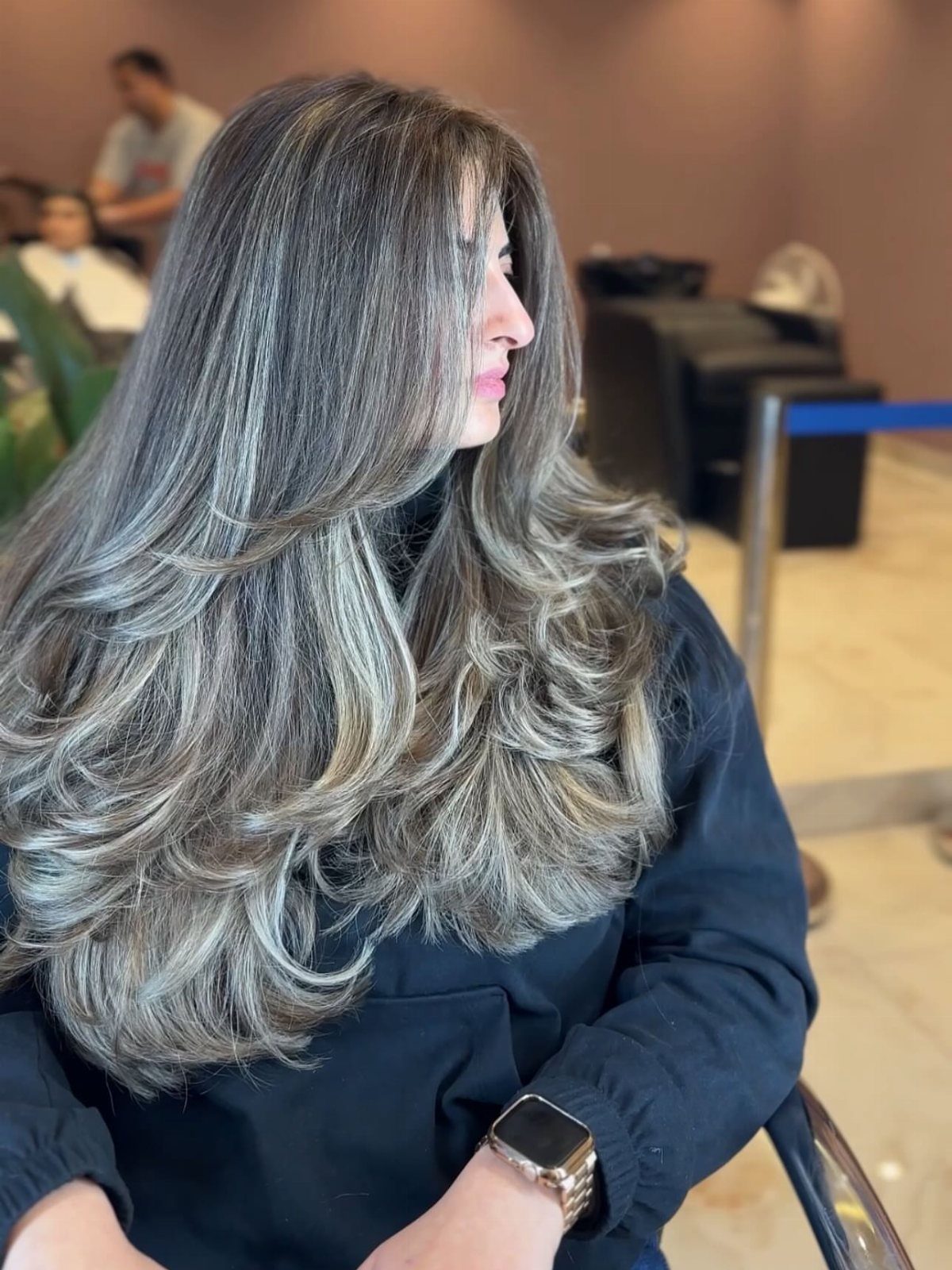
Medium-gray highlights over a mushroom base give layered hair a stone-like, muted look, and loose curls spread the gray in soft strips. The dark roots keep it from looking washed out.
Ask for "gray ribbons" in a medium gray, blended with a mushroom brown, and keep the roots dark. I would choose this over a pale silver because the mid-tone gray looks more natural against brown.
Layers give the ribbons room to separate. Bring the photo, since gray can drift lighter than you expect.
25. Icy Sheen Brunette
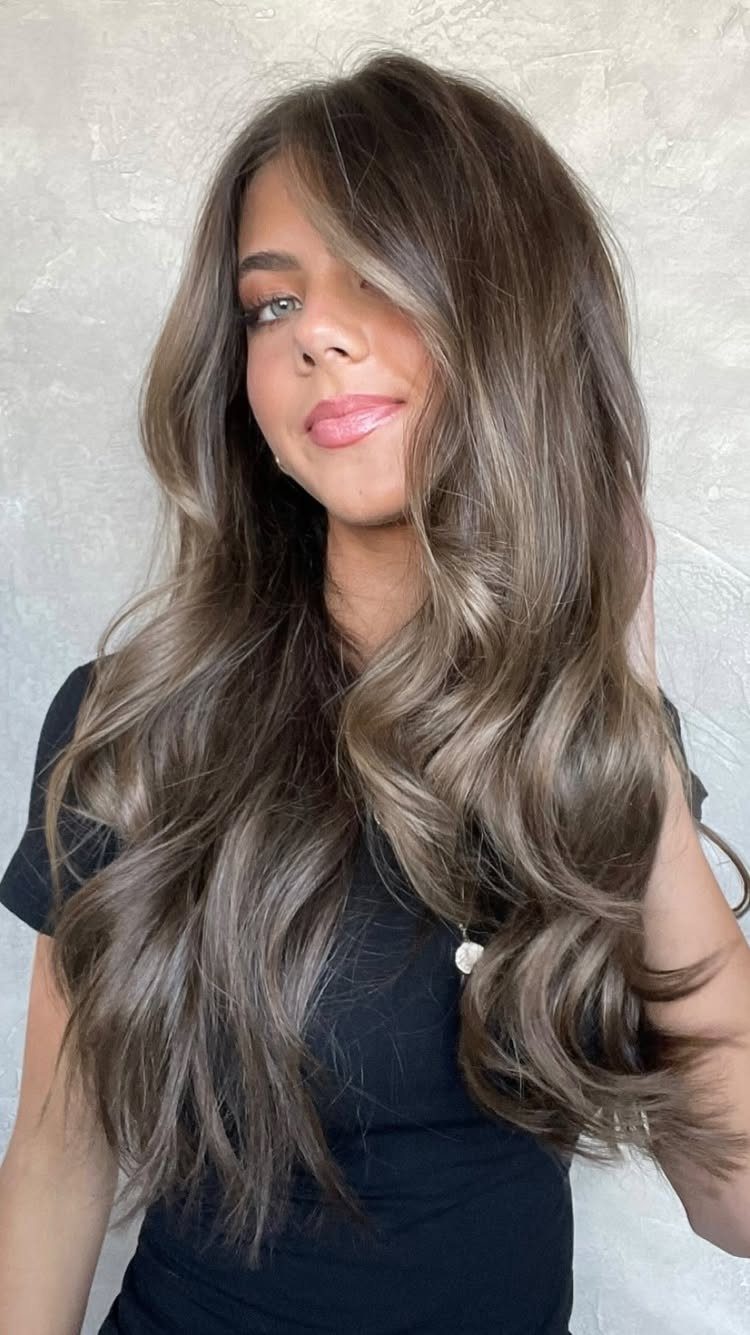
A brunette base with a cool, silvery sheen on top reads as brighter without turning into a highlight. On long waves, the pale glints sit between the darker pieces and catch light as the hair moves.
On a brunette base, name the finish as an "icy sheen" and tell your stylist you want it cool-toned and low-key, not a visible silver wash. I would keep the brightness light, so the brunette stays the main color.
26. Gray Undertone Balayage
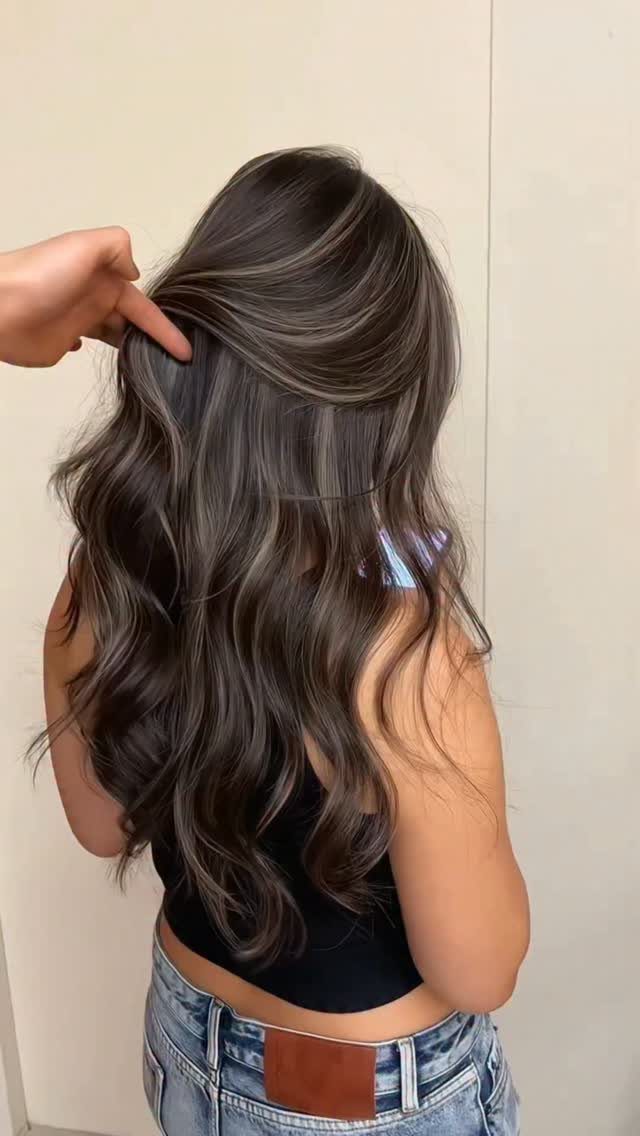
Long layers keep the color from stacking in one place.
Ask for balayage with gray undertones and a natural brown base, and say the blend should have no hard lines. Cut in layers so the lighter pieces can separate and show.
I prefer this to a bold highlight because it looks like the hair’s own color. Taupe can swing warmer or grayer than the name suggests, so a reference photo keeps you and your stylist aiming at the same shade.
27. Mushroom Dirty Blonde
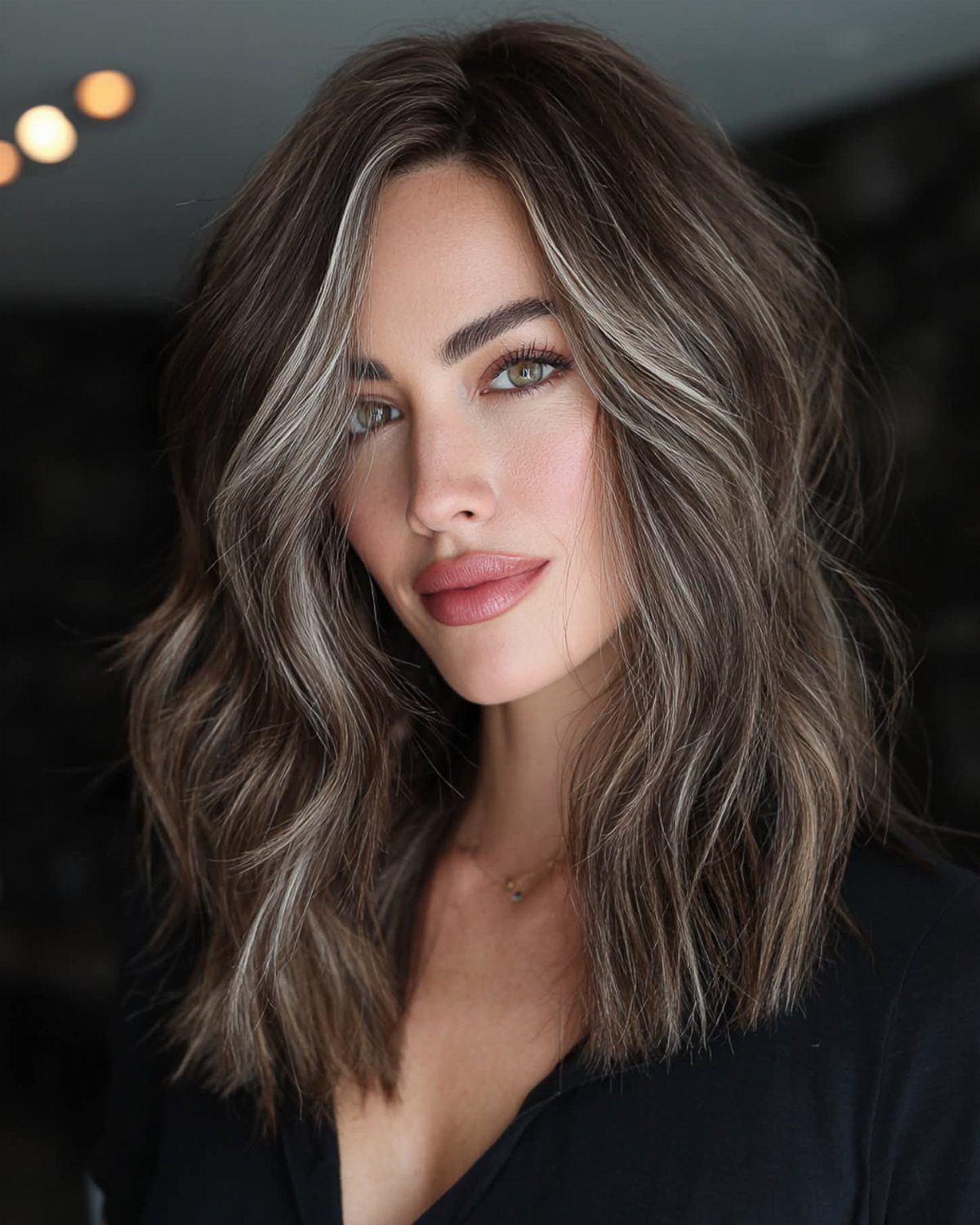
Mushroom brown with dirty blonde pieces gives you two temperatures in one head of hair: a few warm strands and a few cool ones, set over a muted base. Soft waves let both tones show without either taking over.
Ask for a mushroom blend with dirty blonde highlights, and tell your colorist exactly how much warmth you will accept, since the cool tones are what keep this from turning golden.
I would choose this over a plain ash if you want some softness near the face. A photo helps your colorist match the balance.
Frequently Asked Questions
How to color your hair ash brown?
Bring a photo to your colorist and ask for ash brown by name, with a cool or gray cast and no warmth, because "ash" can drift warm or gray depending on who mixes it.
Dark hair has to be lightened with bleach first to reach the smoky look, while hair already lighter than your target shade skips that step.
Hair that pulls orange or red needs a mention at the chair, and a cool, high-pigment shade is what cancels that warmth.
What is ash brown hair?
Ash brown is a cool-toned brunette with a smoky, gray or almost silvery cast and a glossy, dimensional finish.
The gray undertone cancels warmth, so the color reads calm and clean instead of golden or red. It runs from dark, near-black versions to light ones that stop short of blonde.
What skin tone suits ash brown hair?
Pink or rosy undertones get calmed by the cool cast of ash brown, which is why I point cool and neutral skin tones toward it first.
Warm skin can wear it too if the shade is softer or slightly lighter, or if the ash comes through balayage or ombre over a rich brunette base.
That placement keeps the color subtle so it does not wash you out.
Does ash brown hair need bleaching?
It depends on where you start. Going from dark hair to smoky ash means bleach first, because dark pigment has to lift before a cool tone will show; hair already lighter than your target can skip it.
Since bleaching can damage hair, a deep conditioning treatment or hair gloss helps keep it soft and shiny.
Is ash brown hair good for gray hair?
Yes, it suits gray well. Gray strands blend into ash brown because the shade already leans smoky, so regrowth looks soft instead of striped, and the tone stays cool as it fades.
Gray strands lose color faster than pigmented ones, so a touch-up every 4–6 weeks keeps the shade from slipping.