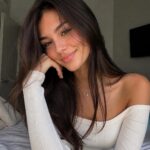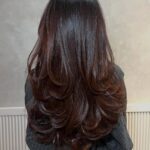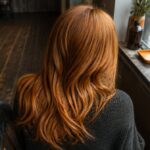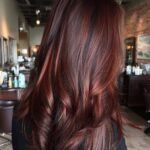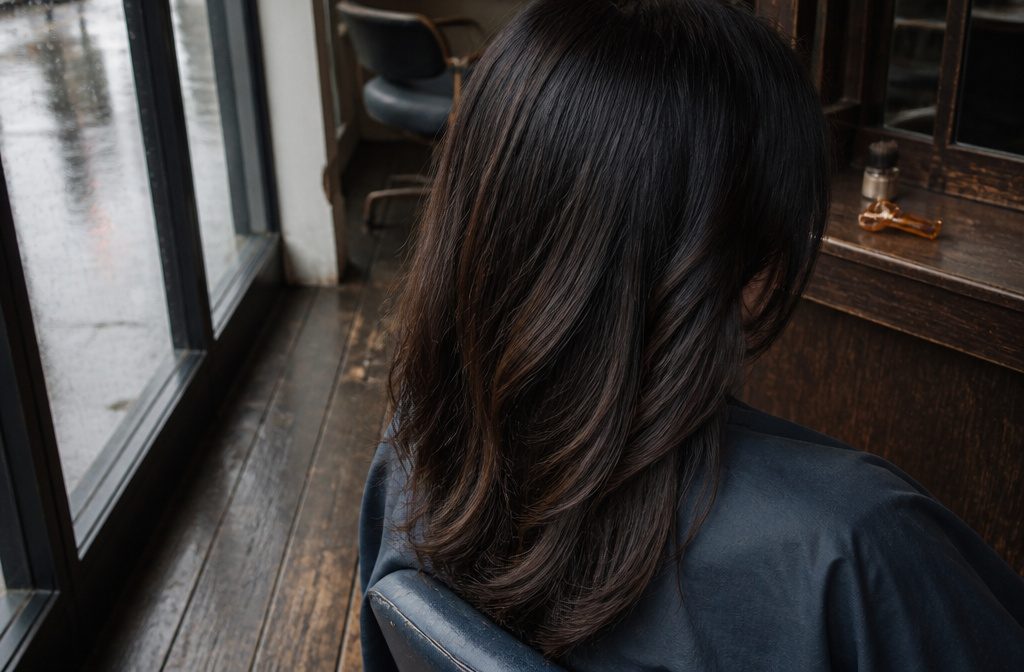
Espresso sits darker than mocha, cooler than chocolate, and just brown enough to hold dimension that solid black can’t.
The name only works when the color reads nearly black in dim light but shows unmistakable brown richness in daylight, which means the balance between the two matters more than the label you ask for at the salon.
L’Oréal Paris Cool Darkest Brown lands there without bleach, and a dimensional version weaves lighter brown ribbons through the base using color alone if your hair hasn’t been dyed before.
What Espresso Hair Color Actually Looks Like
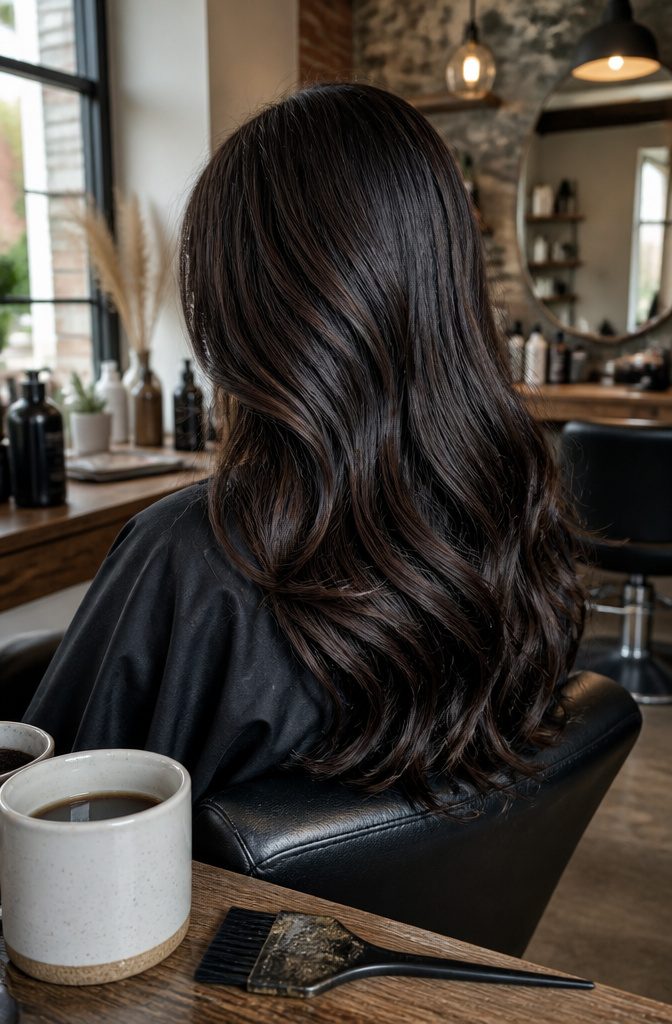
Espresso hair color sits between jet black and medium brown, with a cool, ashy depth that keeps it firmly in brunette territory.
The shade takes its name from the drink: dark, glossy, rich enough to read almost black in low light but unmistakably brown in daylight. Think freshly ground coffee beans rather than midnight.
What separates espresso from actual black hair is dimension. Black is solid and intense, a single flat color.
Espresso brown shows subtle variation, with cool undertones that prevent it from looking flat or one-dimensional. It’s smoky rather than warm, which is why it works on every skin tone without pulling red or brassy.
The term covers two approaches.
A solid espresso shade gives you that glossy, all-over depth with no variation. A dimensional espresso brunette keeps the same deep brown base but weaves in slightly lighter ribbons of color for movement and texture.
The lighter pieces are still brown, just a step up from the base, so the overall effect stays dark and chocolatey with flashes of warmth where light hits.
Espresso Against Mocha, Black, and Butterscotch
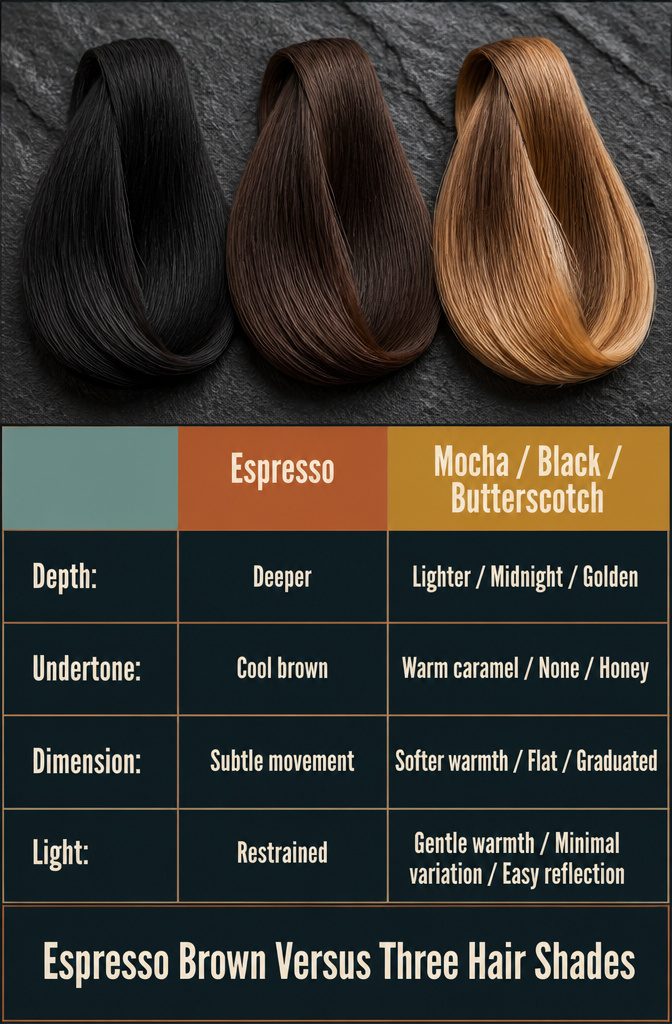
Espresso sits darker and cooler than mocha, which reads as a lighter, warmer brown with more milk mixed in.
Mocha has that softer, caramel-leaning warmth; espresso is bolder, deeper, closer to the cup before anything dilutes it. Against black hair, espresso still holds brown undertones and dimension where black goes solid and flat.
Black is midnight with no variation. Espresso keeps subtle movement, a multidimensional finish that catches light differently than a single flat tone.
Butterscotch runs the other direction entirely: warm, golden, and often graduated from root to end.
The color reflects light easily and gets lighter as it moves down the hair, blending caramel and honey tones for a sun-warmed effect. Espresso skips that shimmer and stays grounded in cool, deep brown.
If you want warmth and glow, butterscotch delivers it. If you want richness without leaning into gold or caramel, espresso holds that cooler, more restrained register.
All-Over Espresso or Dimensional Brunette
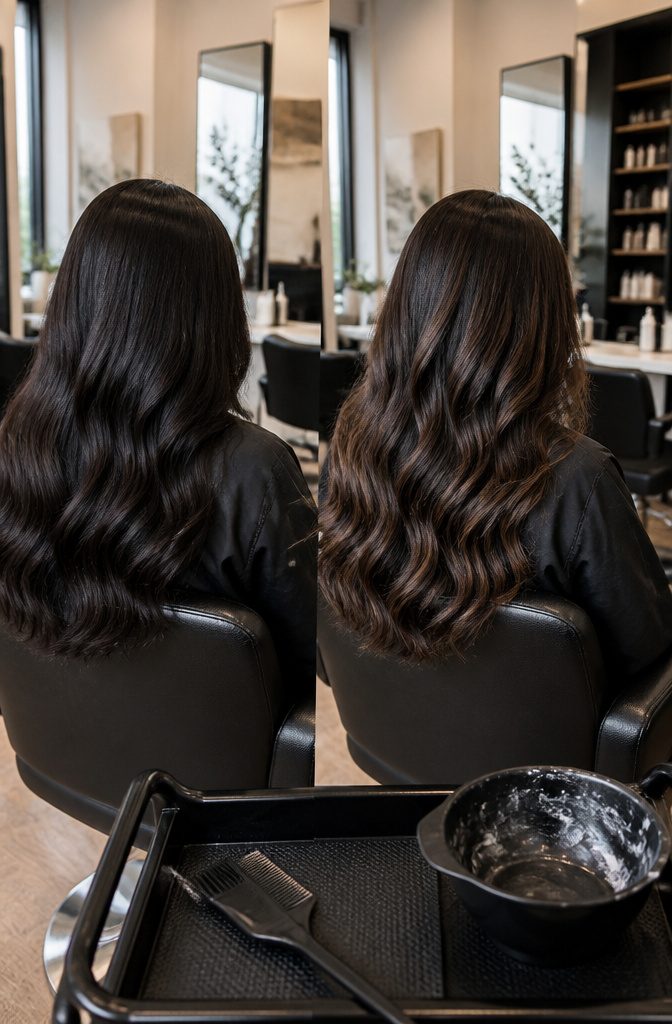
All-Over Espresso or Dimensional Brunette
Espresso splits into two approaches. The first is a solid, glossy shade applied throughout, reading nearly black but still firmly brunette with subtle brown warmth underneath.
The second is dimensional: a deep brown base with slightly lighter brown ribbons woven through to create movement without going dramatically lighter.
The dimensional version keeps you in dark territory but adds flashes of lighter brown that catch the light differently.
One colorist lifted pieces of virgin brown hair using color instead of bleach, creating ribbons just a shade or two brighter than the base. The result still reads chocolatey overall, but the lighter pieces break up flatness and add texture.
All-over espresso delivers that velvety, glossy finish you see on a fresh cup of coffee. Dimensional espresso trades some of that richness for depth you notice when hair moves.
Salon Color or At-Home Dye
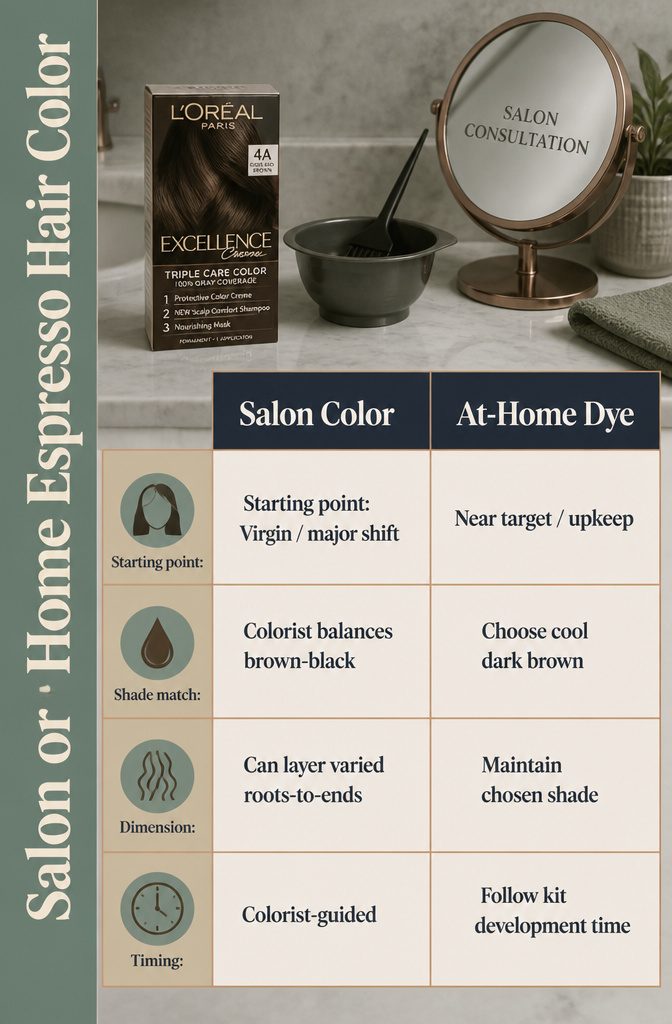
The route you take depends on where your hair sits now and whether color has touched it before.
If you’re starting from virgin hair or trying to shift more than a couple of shades, a salon colorist can match the brown-to-black balance that makes espresso read right under your specific lighting and skin tone.
Working with a professional means you’re not guessing which cool brown will land where you want it, and they can layer dimension if your natural color varies from roots to ends.
At-home permanent color works when you’re close to the target already or maintaining a shade you’ve dialed in.
L’Oréal Paris Superior Preference in Cool Darkest Brown or Cool Dark Brown, and Excellence Crème in Dark Ash Brown all sit in the espresso range.
Follow the kit directions exactly, especially the development times, because the difference between twenty minutes and thirty can shift the result from warm brown to the deeper tone you’re after.
What to Ask for at the Salon
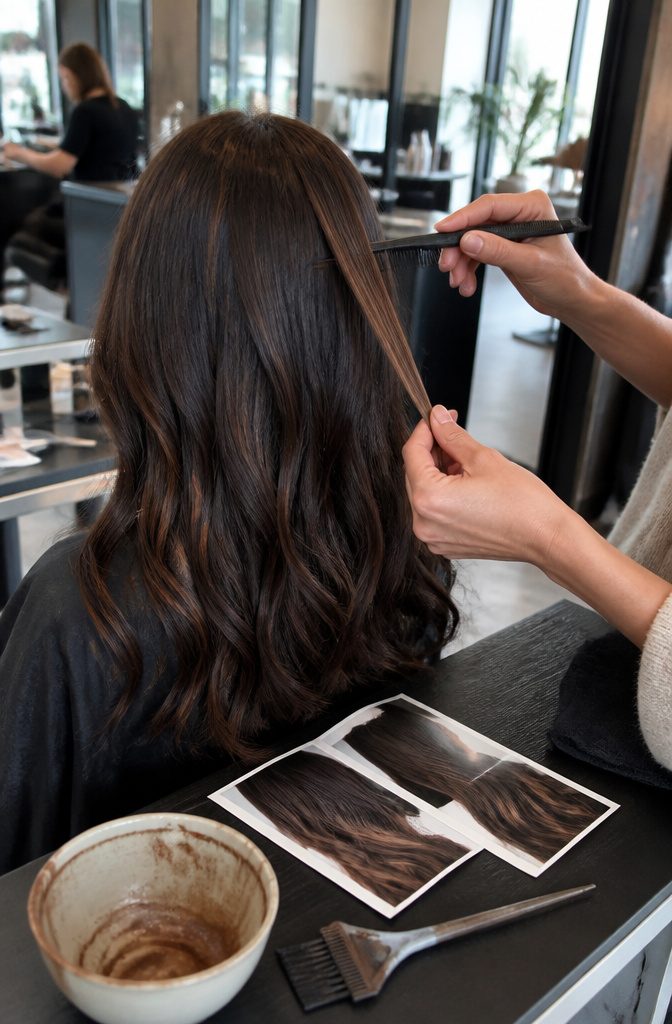
The phrase that gets you closest is "a soft brown dimensional highlight using hair color," and from there your colorist tailors how much brightness to add and where to place it based on your natural shade and how noticeable you want the change.
That phrasing tells them you’re after subtle lighter brown pieces woven through deep brown hair, not a dramatic shift.
This exact technique only works if the hair being lifted hasn’t already been colored. "Color cannot lift color."
If you’ve colored your hair before, the same soft dimensional effect is still possible, but your stylist will need a different lightening method rather than relying on color alone to lift.
Bring reference photos instead of depending on the name espresso brunette by itself. Hair color trends shift meaning depending on who you ask, and a photo grounds the conversation in what you actually want.
The consultation becomes about matching that reference to your starting shade, not interpreting a trend term that could mean three different things.
At-Home Application for 3.0 Espresso Brown
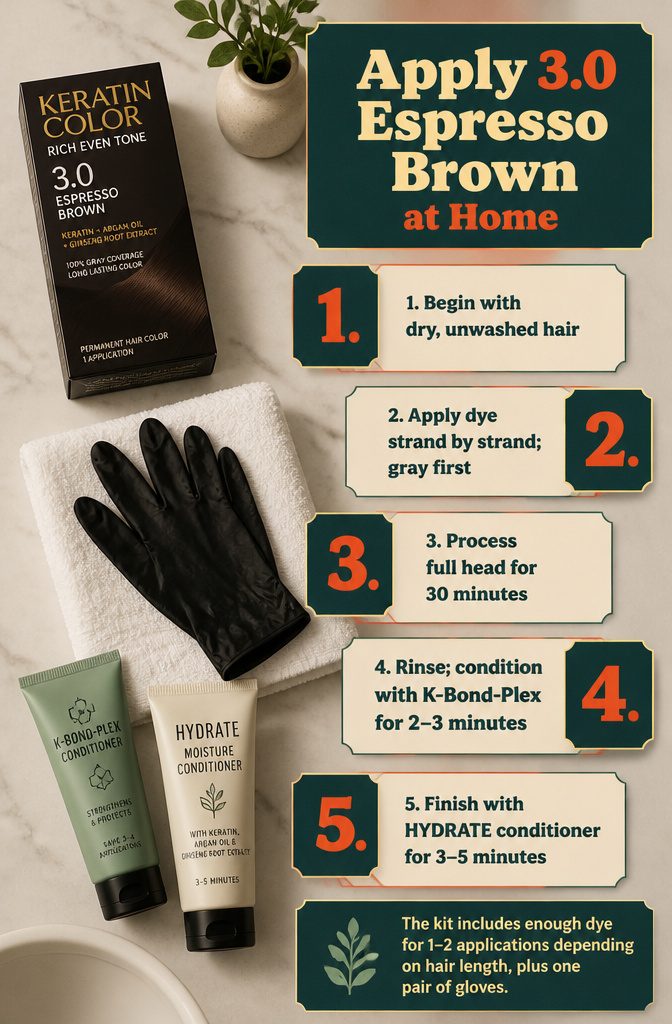
- Start with dry, unwashed hair. Keratin Color 3.0 Espresso Brown works best when natural oils are still present.
- For a full-head application, apply the entire mixture strand by strand, massaging it into your fingertips. Gray areas go first. Processing time is 30 minutes for most shades (10.0, 12.0, and 12.4 need 30–45 minutes depending on how intense you want the result).
- For regrowth, apply two-thirds of the mixture to the regrowth area only, parting sections with the applicator tip and working it into the roots. Leave that on for 20 minutes, then apply the remaining mixture to the ends and leave for an additional 10 minutes.
- Rinse, then work the K-Bond-Plex Conditioner through your hair. Leave it in for 2–3 minutes. The tube contains enough for 3–4 applications, so save the rest.
- Follow with HYDRATE Moisture Conditioner for 3–5 minutes. This step seals in the keratin, argan oil, and ginseng root extract that leave hair 5X stronger against combing breakage on damaged hair compared to untreated strands.
The kit includes enough dye for 1–2 applications depending on hair length, plus one pair of gloves.
L’Oréal Paris Permanent Color Options
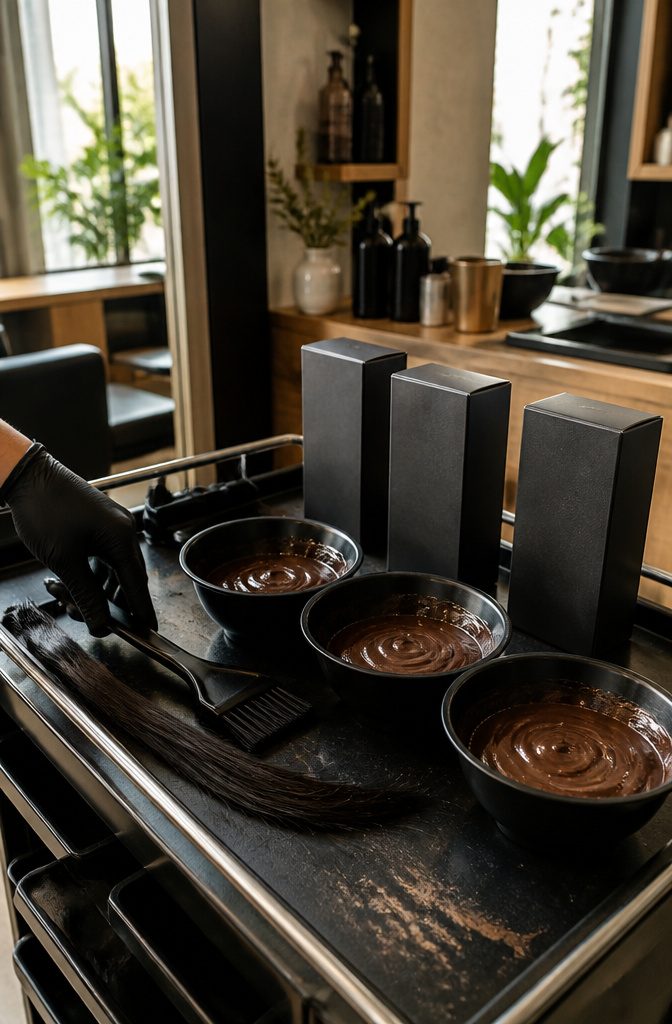
L’Oréal Paris runs three cool-toned permanent kits that land right where espresso sits, at the cusp of black and brown:
- Superior Preference Fade-Defying Shine Permanent Hair Color in Cool Darkest Brown — the deepest option, reads almost black in low light but shows brown richness in sun
- Superior Preference Fade-Defying Shine Permanent Hair Color in Cool Dark Brown — sits one step lighter, more clearly brown but still cool and concentrated
- Excellence Crème Permanent Triple Protection Hair Color in Dark Ash Brown — ash-toned formula that keeps warmth out as fade begins
All three avoid the red or gold base that pulls a dark brown away from espresso territory. Follow the kit directions exactly; skipping a step or cutting the timing short changes the depth you see when it dries.
Gray Coverage and Root Strategy
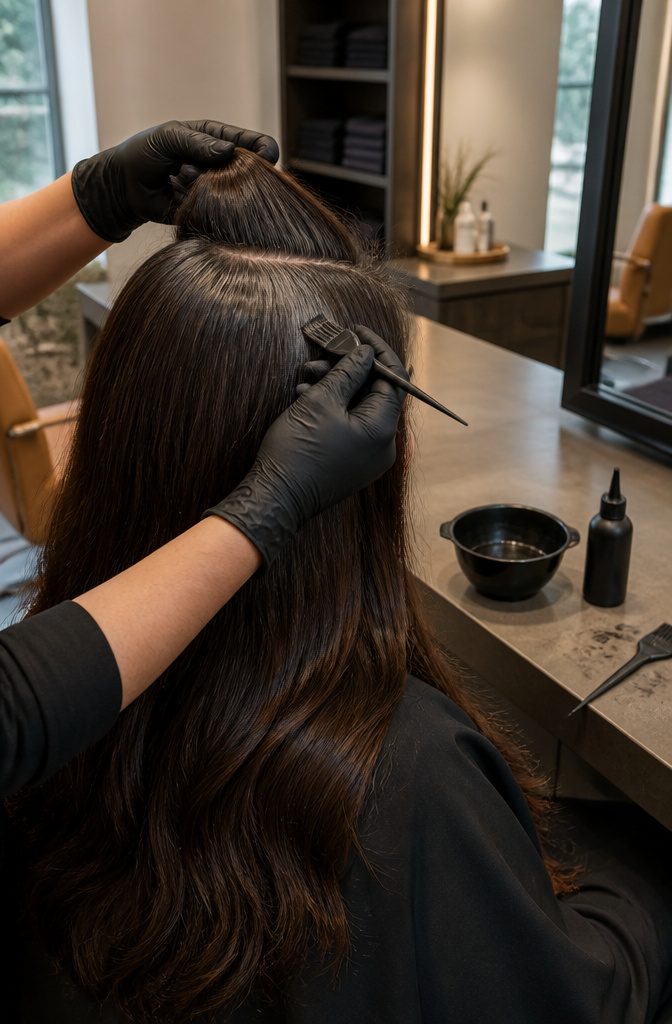
Madison Reed’s Le Color Gloss in Espresso ($25, rated 3.4 out of 5 stars across 507 reviews) is a semi-permanent option that does not cover gray.
The gloss washes out in 6–8 shampoos and works best as a shine treatment over lengths and ends, with permanent color applied at the roots where gray shows.
If you want full gray coverage in espresso, a colorist can load more pigment into the formula and you’ll need to retouch roots every 3–5 weeks to keep new growth from showing.
Between salon visits, L’Oréal Paris Magic Root Cover Up and Magic Root Precision Pen in Dark Brown hide regrowth temporarily without committing to a full dye session.
Both rinse out at your next shampoo, which makes them useful for stretching appointments when your schedule won’t cooperate.
Cool Skin Tones or Any Tone
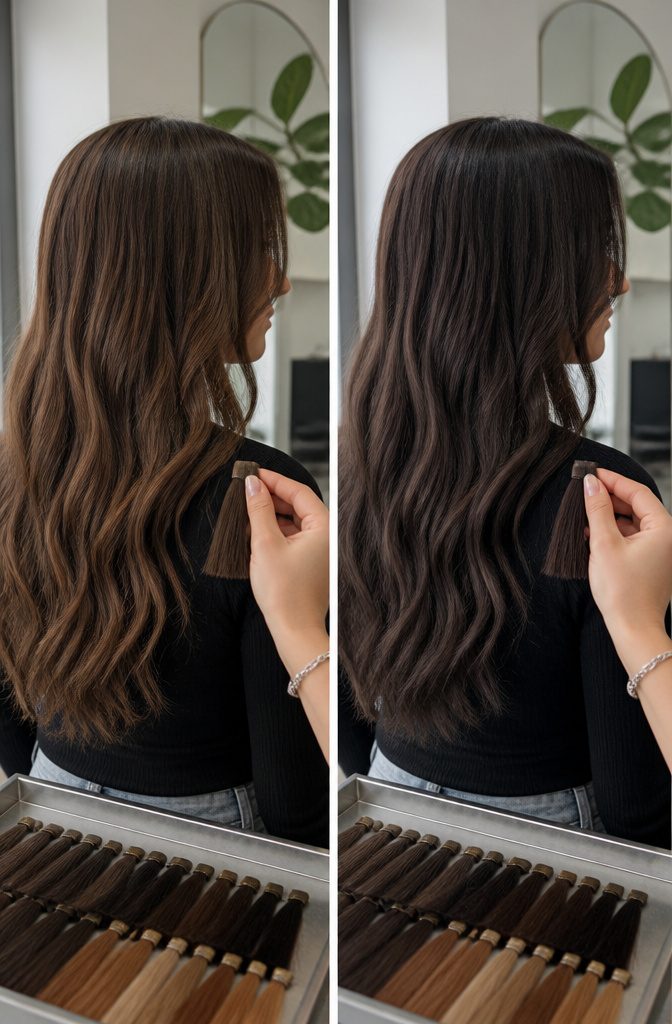
You’ll see espresso described two ways depending on where you look. Some colorists treat it as a cooler-toned shade that flatters skin with pink or blue undertones, the way any ashy brunette does.
Others frame it as universally wearable across every skin tone and eye color, calling out its naturally grounded quality as the reason it works so broadly.
The difference matters if you’re choosing between espresso and a warmer brown.
If your skin reads cool and you’ve always gravitated toward silver jewelry, the cooler camp gives you confidence to go ahead. If you’re warm-toned or neutral and worried espresso might look too flat, the universal claim says otherwise.
My read: espresso sits dark enough that it doesn’t clash the way a lighter cool brown might on warm skin, but it still leans cooler than mocha or chocolate. Worth a strand test if you’re not sure.
Color-Safe Shampoo and Conditioner
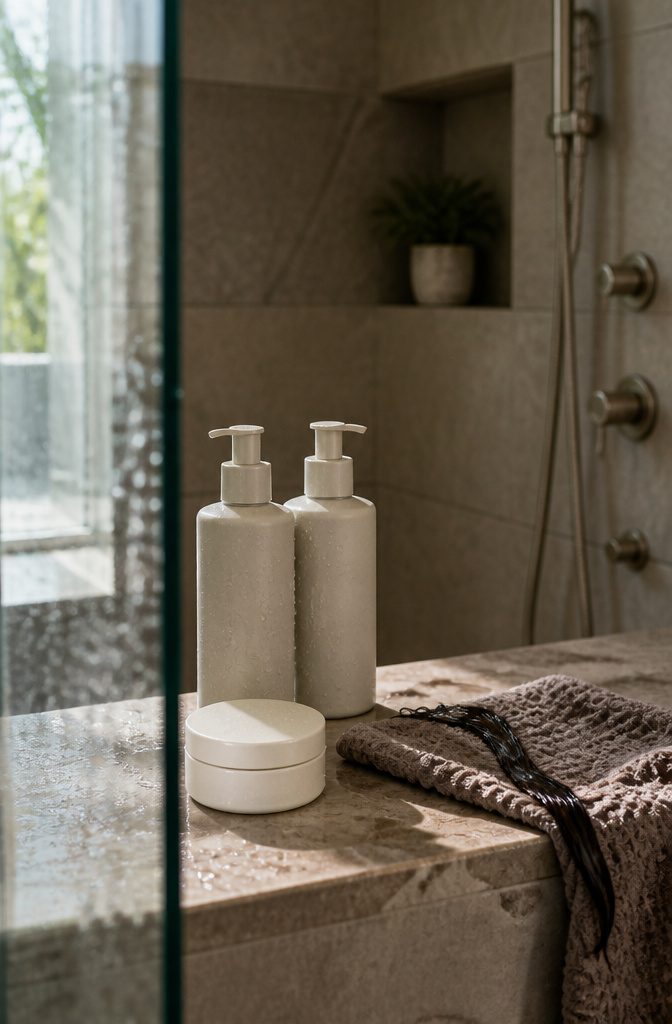
Switch to sulfate-free formulas the day you bring espresso home from the salon.
L’Oréal Paris EverPure Sulfate-Free Glossing Shampoo and Conditioner are pH-balanced to hold color without stripping pigment, and the matching Sulfate-Free Signature Masque steps in once or twice a week in place of the conditioner for deeper hydration and shine.
A few other options worth keeping on the list:
- eSalon Cream CoWash combines shampoo and conditioner in one step, made with essential oils that lock moisture in and stretch time between washes to two or three days a week.
- Milbon Moisture Replenishing Shampoo holds onto color while adding deep hydration, which helps most if your hair feels drier after coloring.
- Iles Formula Shampoo & Conditioner Set works well for fine hair that needs softness and shine without weight.
Gloss and Toner to Neutralize Brassiness
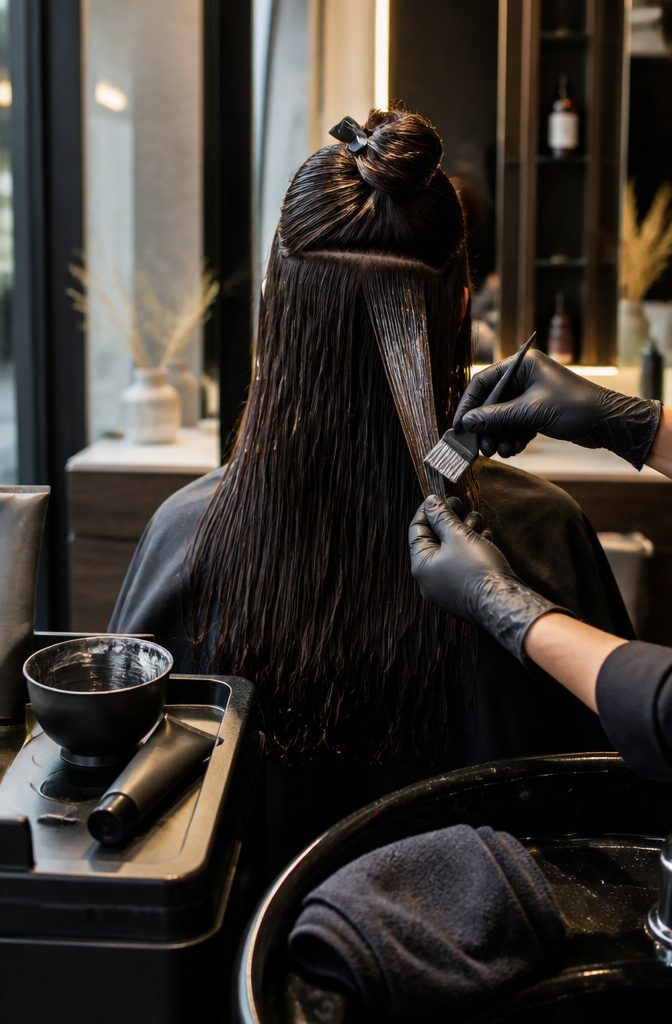
Cool-toned gloss or toner neutralizes the warm, brassy tones that can creep into espresso after a few washes.
L’Oréal Paris Le Color Gloss One Step In-Shower Toning Gloss processes in 35 minutes and keeps the formula clean—no ammonia, parabens, or sulfates.
One tube covers one or two applications depending on length. If you want to lean warmer instead, eSalon Tint Rinse in Gold adds richness without going orange, and their Soft Red Neutralizer handles lighter sections that pull brassy.
Kérastase Chroma Absolu High Shine Gloss Treatment deposits tone while smoothing the cuticle, so the color reads truer under different light.
For precision, GLAZE True Demi Toner is what colorists reach for in the salon—it lets them dial in exact neutralization rather than guessing with a home rinse.
Heat Protection and Styling Products
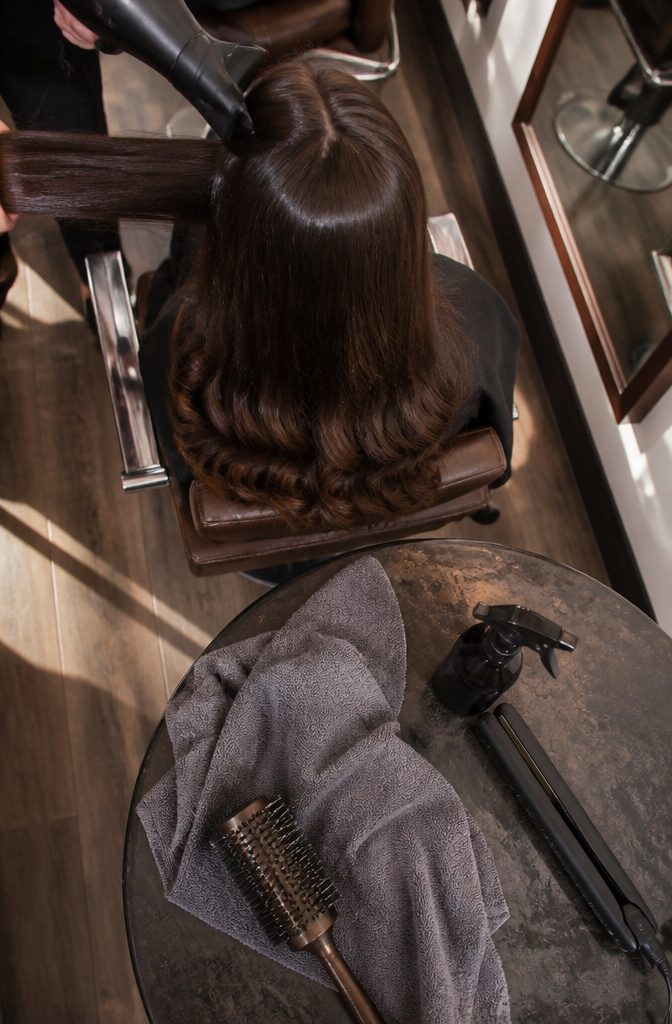
Before turning on heat tools, the L’Oréal Paris Sulfate-Free Weightless Blow Dry Primer protects strands while sealing in shine and calming frizz.
If time matters, MIRACLE Rapid Blow-Dry Mist speeds drying by up to 50%. A few other moves to protect espresso color:
- Give hair a rest from the straightener at least 2–3 days a week. A good blowout lasts several days, so cycle in Batiste Hint of Color Dry Shampoo between washes to absorb oil without white residue.
- Skip heat entirely on some days. For wavy or curly hair, add an egg-sized amount of L’Oréal Paris Advanced Hairstyle CURVE IT Elastic Curl Mousse to damp hair, scrunch from roots to ends, and let it air dry.
- For dimensional espresso at home, eSalon’s Light Set in Light to Medium or Dark Brunette adds depth without needing a salon visit.
Deep Conditioning and Hydration
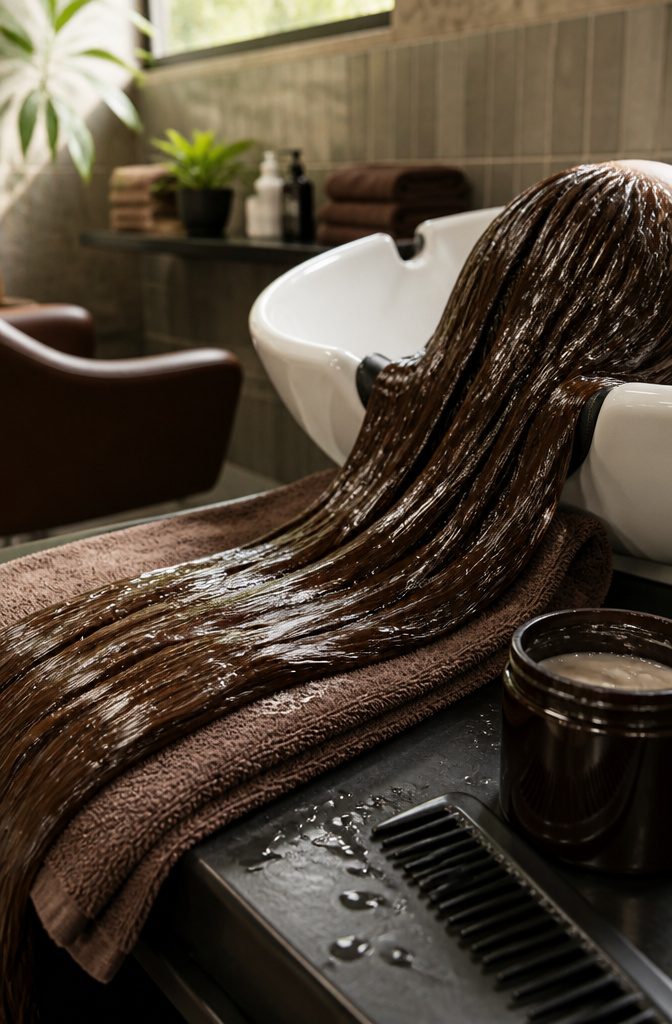
Espresso color holds that depth longer when the cuticle stays smooth and hydrated. Dark pigment clings better to hair that isn’t porous or rough, so conditioning treatments between washes keep the shade from looking dull or patchy as it fades.
I reach for a mask once a week and rinse cooler than I’d like, because hot water lifts the cuticle and lets color molecules slip out faster.
Color-safe conditioner after every shampoo helps, but a deeper mask gives the kind of slip and softness that reflects light the way espresso is supposed to.
Heat styling pulls moisture out along with color, so I let my hair air-dry when I can and keep the flat iron on a lower setting.
The fewer times you open the cuticle with heat or alkaline water, the longer that rich brown stays rich instead of turning muddy.
Frequently Asked Questions
What is espresso hair color?
Espresso is a deep, cool-toned brown that sits between medium brown and jet black.
It can be one solid glossy shade all over, or a dark base with slightly lighter brown ribbons for movement. Either way it stays in brunette territory.
Is espresso hair color brown or black?
It’s brown, though it can look nearly black in low light. Black is one flat, intense tone, while espresso keeps subtle brown undertones and dimension that show in daylight.
What is the difference between brunette and espresso?
Espresso is one shade within the brunette family. It runs bolder and deeper than a typical brunette, but it’s less intense than jet black.
What is darker, mocha or espresso?
Espresso is darker. Mocha is a lighter, milkier brown with warm, caramel-leaning undertones, while espresso is cooler, bolder and closer to black, so the two are not the same color.
Is espresso brown warm or cool?
Cool.
It leans smoky and ashy rather than red or golden. Some colorists call it flattering on every skin tone, and a strand test will show how it looks on you.
Should I choose butterscotch or espresso?
Pick butterscotch if you want warmth and glow, since it’s golden and usually graduates from darker roots to lighter ends. Pick espresso if you want deep, restrained richness without gold or caramel tones.
Can you get espresso hair color at home?
Yes. Choose a cool-toned permanent color that sits on the line between black and brown, such as L’Oréal Paris Superior Preference in Cool Darkest Brown or Cool Dark Brown, or Excellence Crème in Dark Ash Brown.
Follow the kit directions exactly, because timing changes the depth of the result.
What should I ask for at the salon to get espresso brunette?
Ask for "a soft brown dimensional highlight using hair color," then let your colorist tailor the brightness and placement.
This lifts with color rather than bleach, so it only works on hair that hasn’t been colored before. Previously colored hair needs a different lightening method, and reference photos help your stylist see what you mean.
How do you maintain espresso hair color?
Switch to sulfate-free, color-safe shampoo and conditioner right after coloring, and use a cool-toned gloss or toner when brassiness creeps in.
Rinse with cooler water, use a deep conditioning mask about once a week, and apply heat protectant before styling. Taking a break from hot tools 2–3 days a week also keeps the shade rich.