Your starting point sets the result: virgin dark brown hair usually takes a box black fine at home, but blonde, bleached or already-dyed strands go better in a colorist’s chair.
The ideas here run from classic jet black to blue black, black cherry and midnight violet black, then on to glossy finishes, natural curls, braids, a short crop and locs.
Getting out of permanent black is slow, because the pigment resists lightening and a return to a lighter shade usually spans several sessions.
1. Jet Black
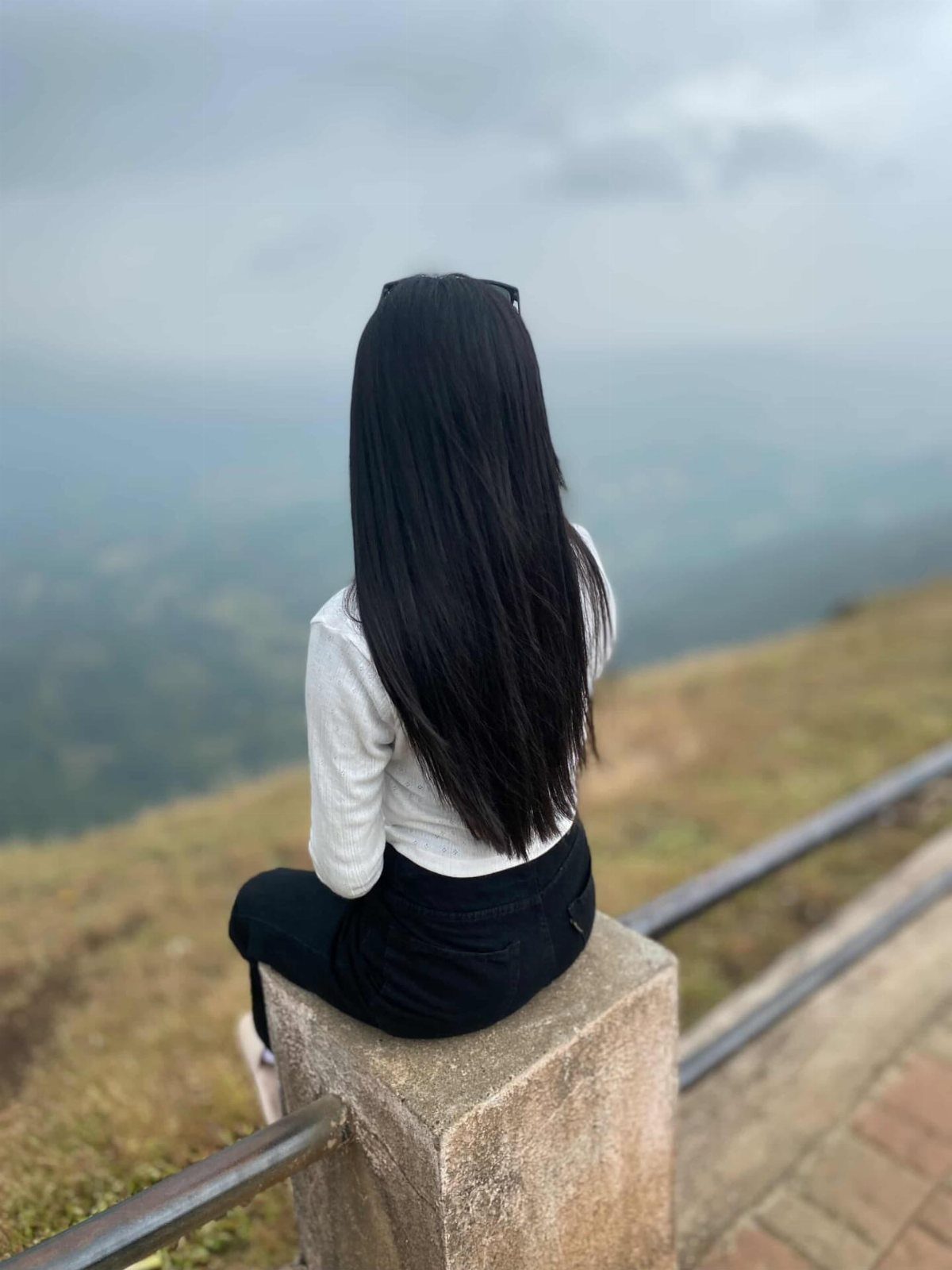
Level 1 is the darkest point on the color scale, black with no brown or warm undertone showing through. Ask for it by that name, because plain "black" can land anywhere from soft off-black to deep ink.
On long, straight hair like this, the color does nearly all the work. For the most dramatic result rather than a hint of reflection, this is my pick, though first-timers should have a colorist handle it.
2. Blue Black
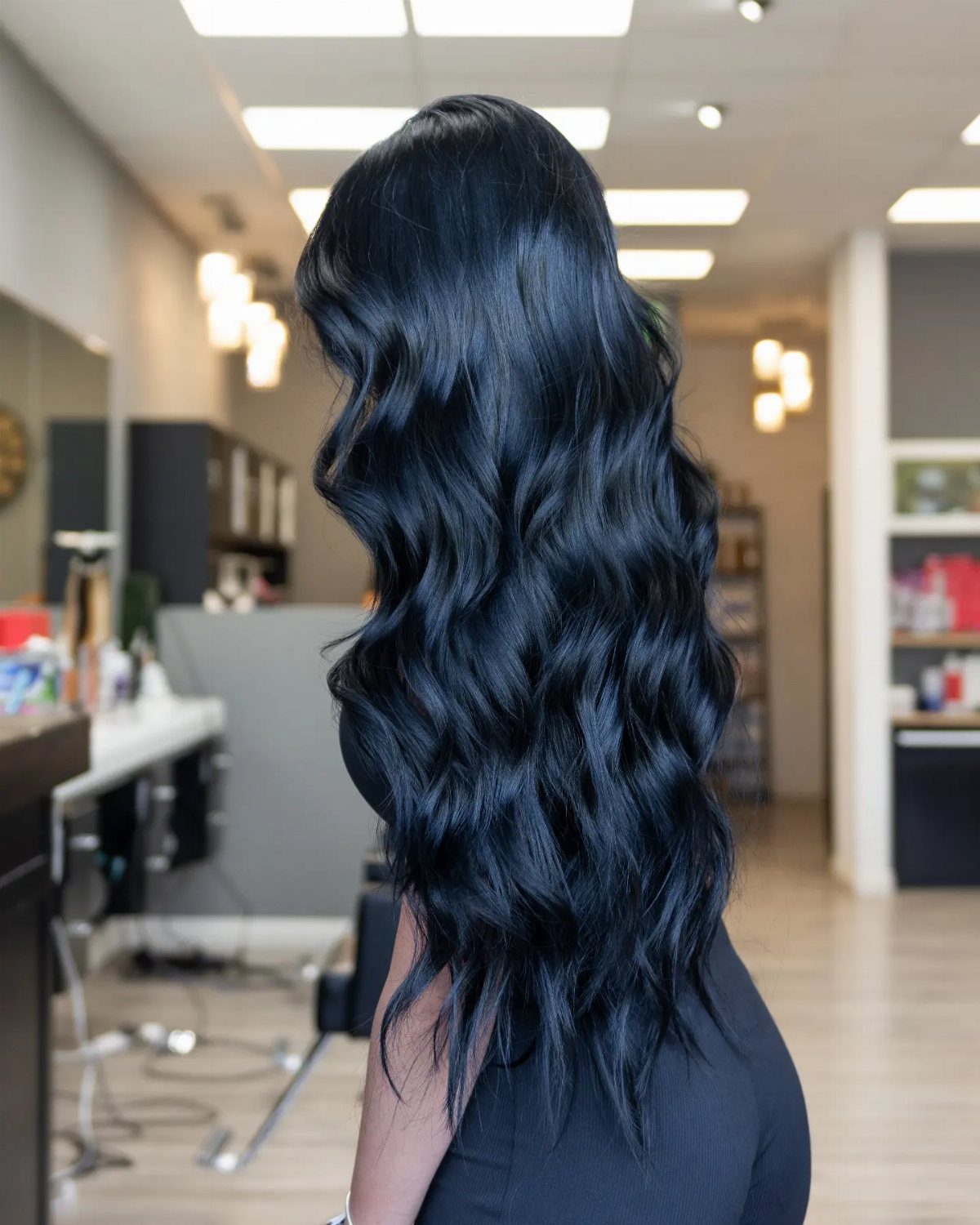
Light decides how blue this one looks. Indoors and in shade, blue black reads as plain black; under a lamp or window, a cool-blue reflection shows up along the hair.
Loose waves give that reflection more places to land, so wavy lengths are where this shade looks best to me.
Ask for it as "blue black" rather than "black with blue," so the colorist aims for a black base with a cool finish, not a visibly blue head of hair.
3. Black Cherry
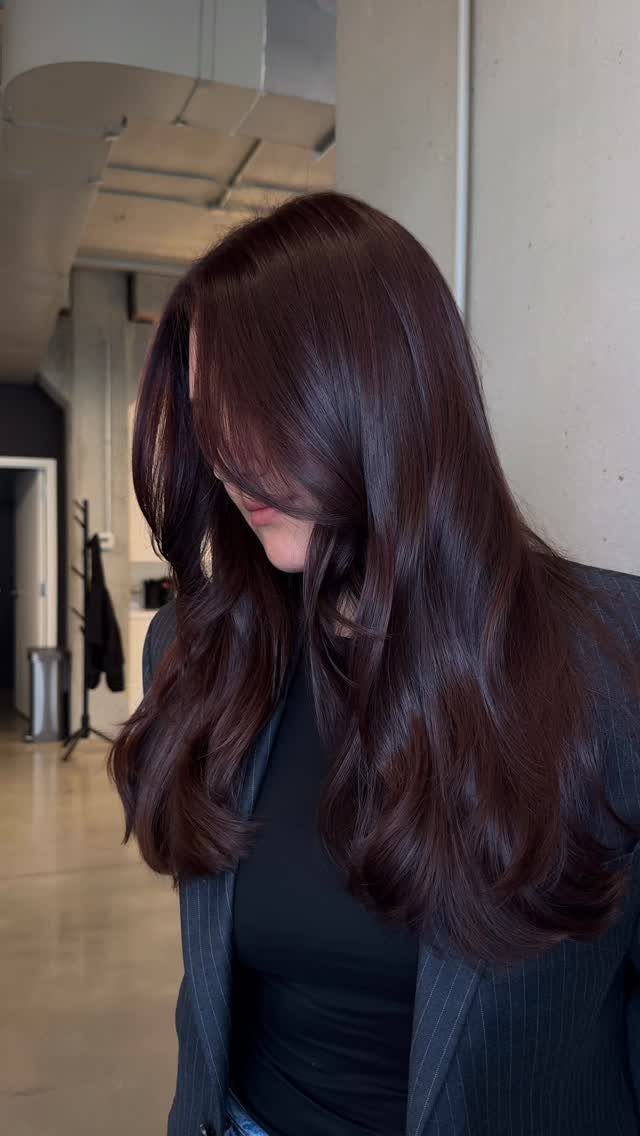
Somewhere between black and burgundy sits black cherry, a dark shade leaning red-violet instead of staying neutral. Use the name itself when you book or shop, since "dark red" can come out much brighter than this.
Anyone after dark hair with a little warmth in it will find this one fits. I’d keep it glossy, because a red-violet sheen is the whole reason to choose it over flat black.
4. Midnight Violet Black
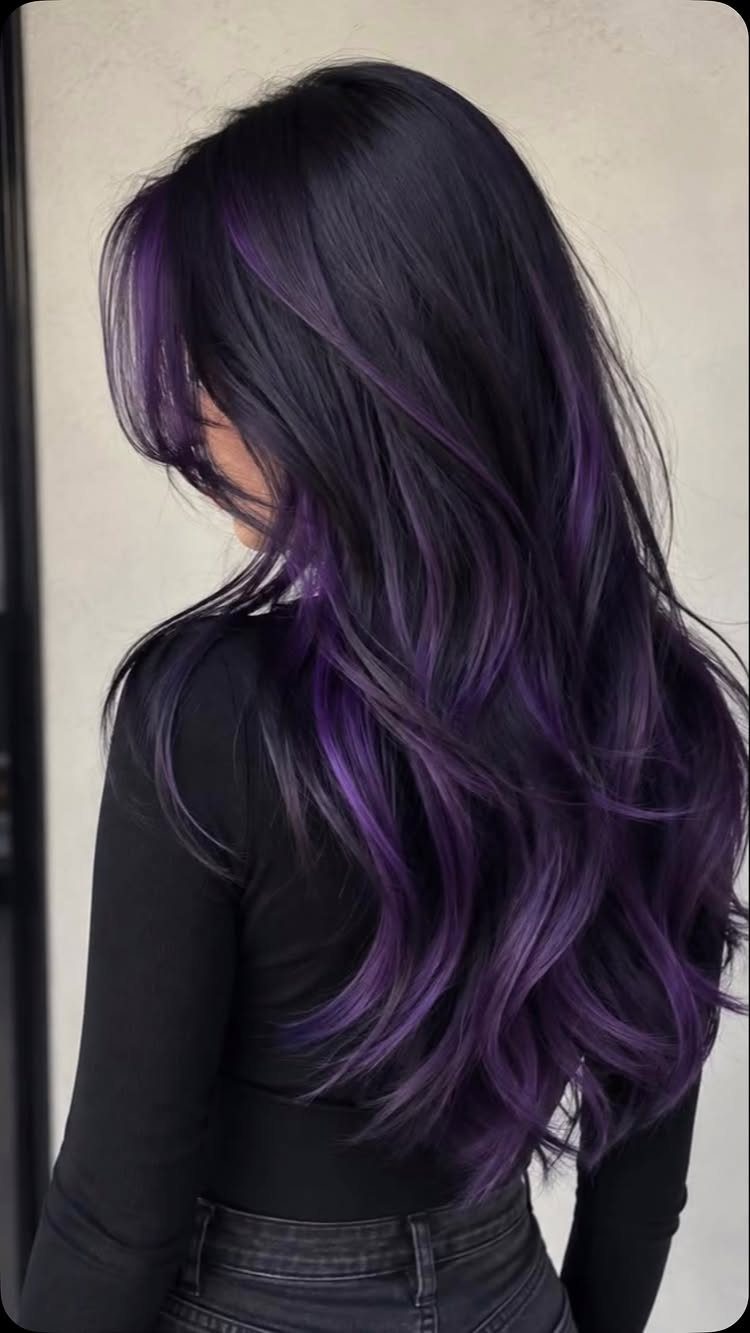
Black stays the base here, and violet is the accent. That makes midnight violet black a gentler way into color than a full purple, since the streaks only show as the waves move.
For a softer effect, request fewer violet pieces, or have them placed toward the ends. For the first round, I’d leave the placement to a colorist.
5. Glossy Jet Black
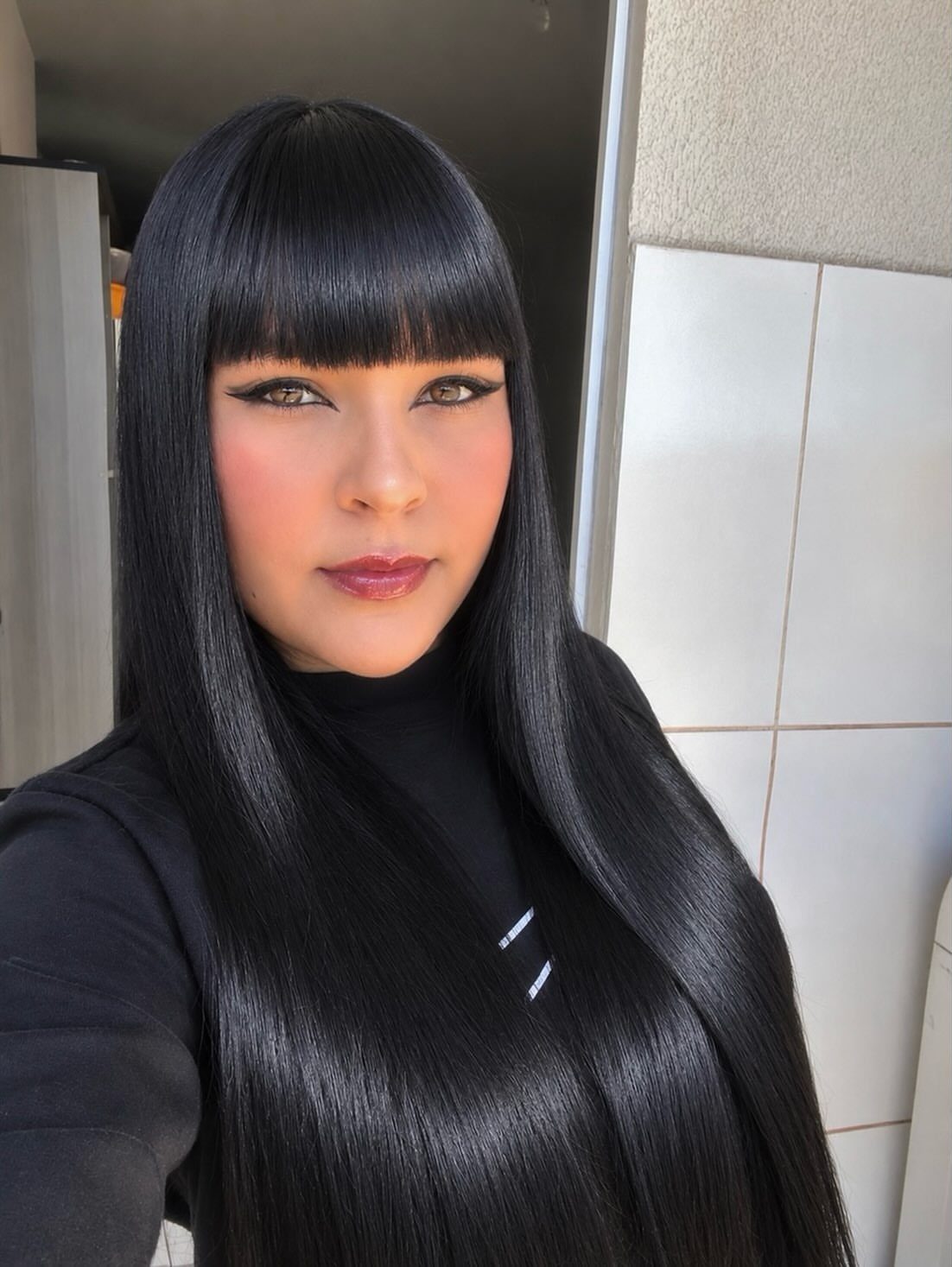
Finish matters as much as shade with this one. A high-shine, reflective surface makes deep black look rich, where the same color without gloss can look dull and flat.
Blunt bangs and long, even lengths show shine well. With jet black, request a glossy finish as well, and if you must choose, pick a shine-boosting step over the darkest possible dye.
6. Natural Black Curls
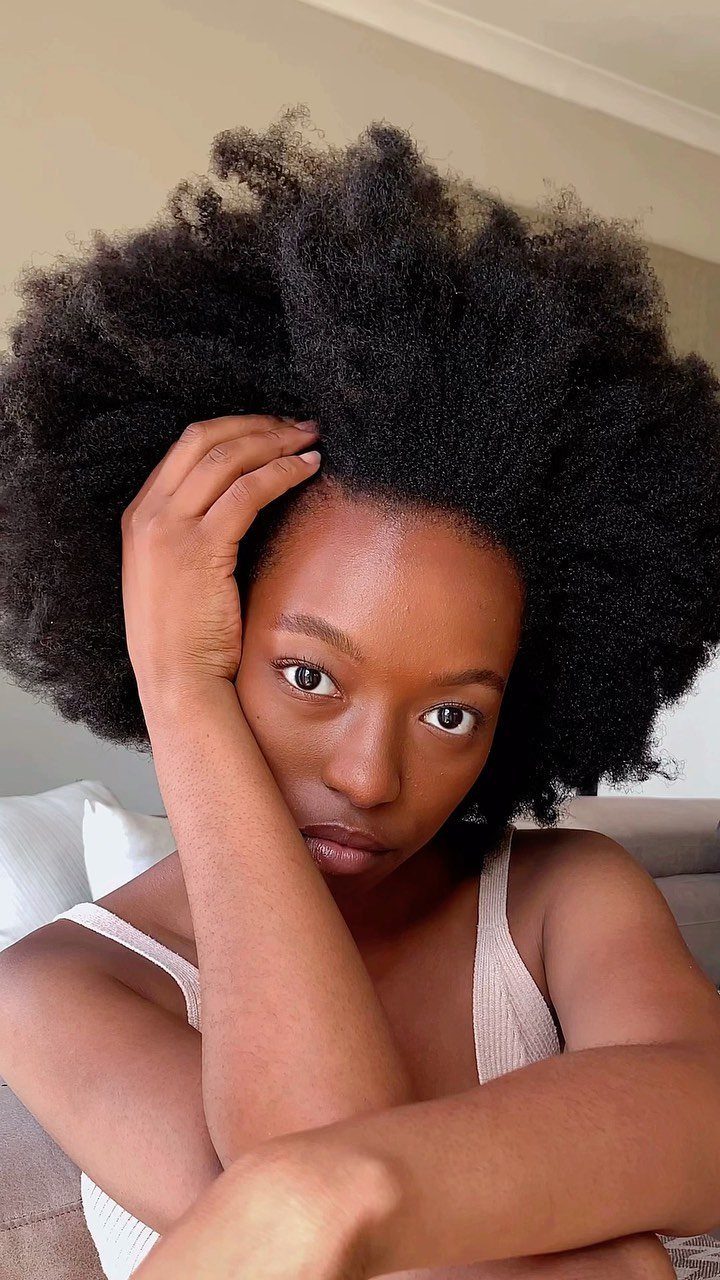
Texture changes how black reads. On voluminous, natural-looking curls, jet black looks soft and full rather than sleek, and the depth comes from the shape of the hair as much as the dye.
If your hair is already naturally dark, this is the easiest version to try at home. Lighter or previously colored hair is a job for a colorist.
7. Jet-Black Curls with Braids
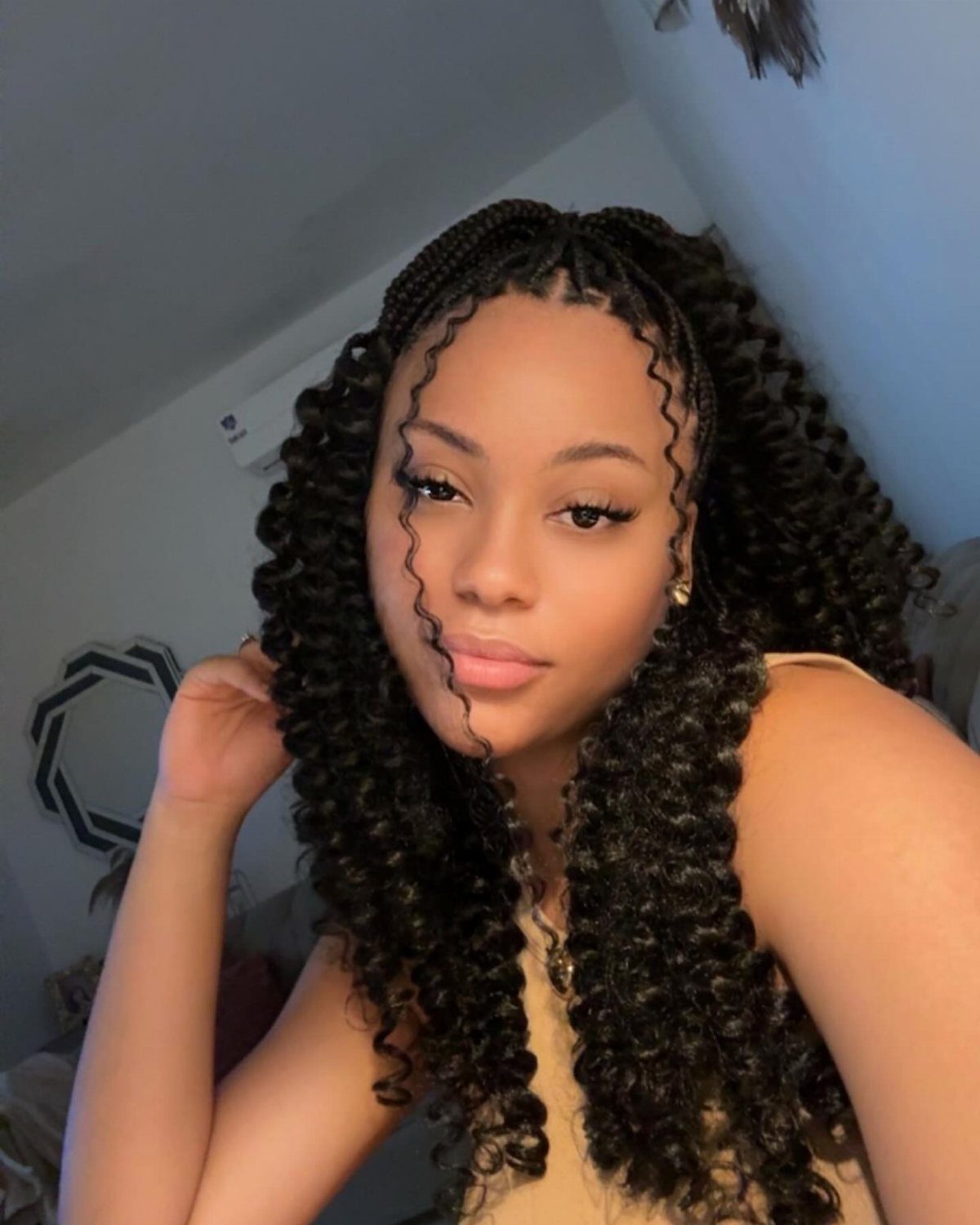
Small braids at the crown pull curls off the face and give long jet-black hair a defined, styled shape. Jet-black curls with braids look dressed up, and I like the pairing because the braids add structure without cutting any length.
Dark color makes the braid pattern easy to see, so neat sections matter. If your hair is naturally dark, a black dye is a reasonable home project; lighter hair should go to a colorist first.
8. Short Jet-Black Crop
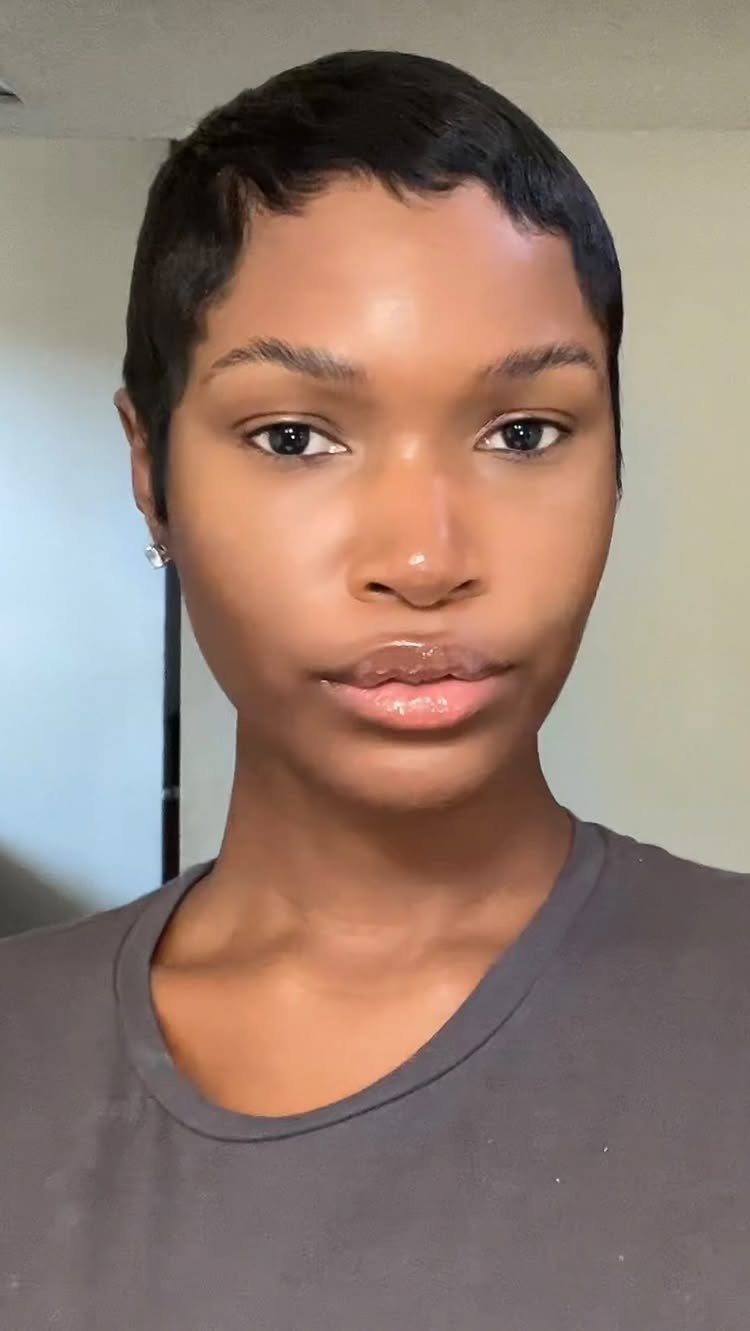
Short hair gives jet black its cleanest outline. A close crop shows the color edge to edge, with no length to hide uneven coverage, so the dye job has to be even from the start.
Color on a crop also grows in noticeably at the roots, which is worth planning for before you commit.
For gray blending, I’d pick a crop over longer lengths, since less hair means less to color. A colorist should do the first round.
9. Jet-Black Locs
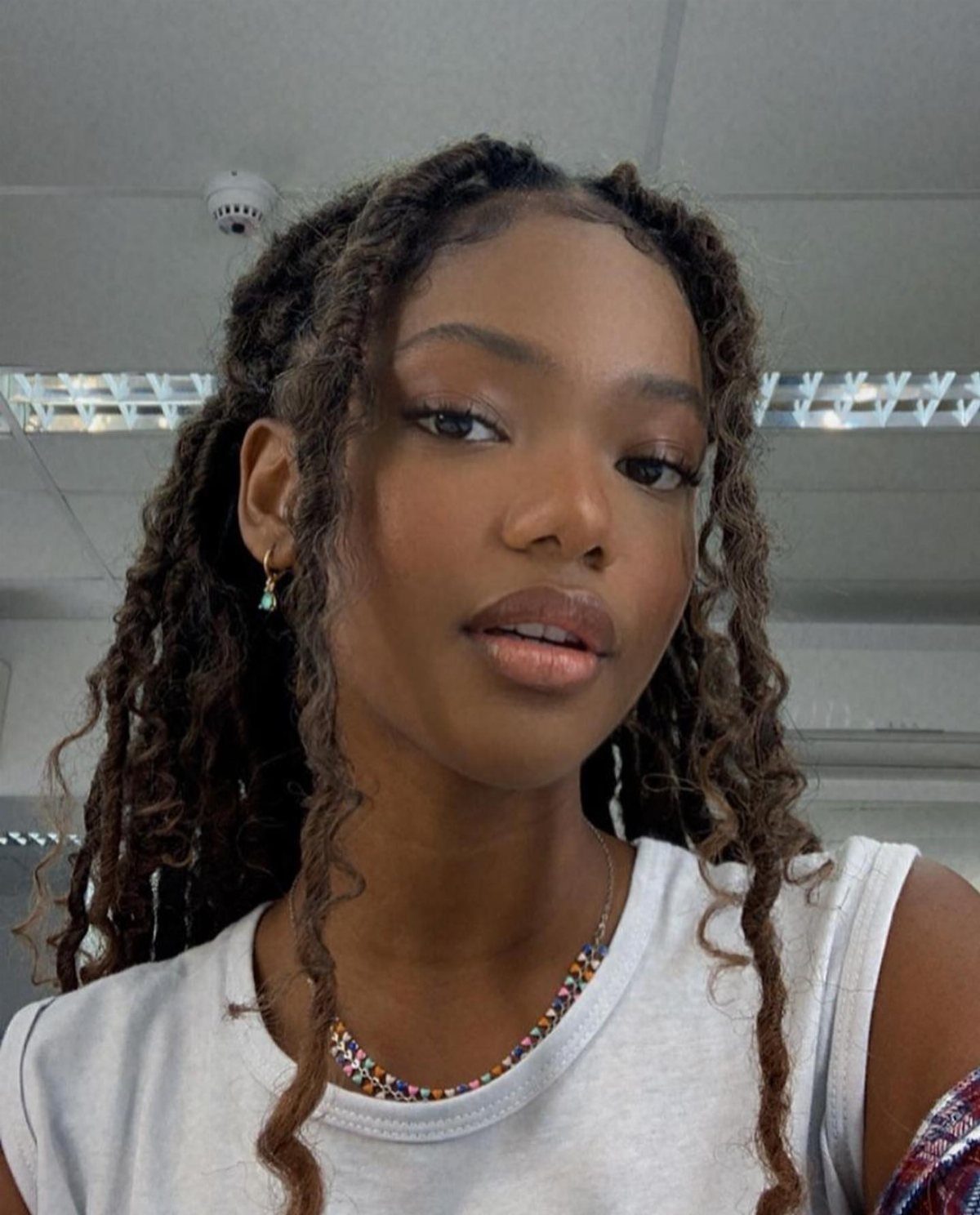
Near-black locs can look brown-black rather than true jet, and that is a shade worth asking for by name. Level 1 black is the deepest option, while a softer dark brown-black reads warmer in bright light.
I’d have a colorist handle locs the first time, because dye has to reach every section evenly and thick locs make that harder at home. Naturally dark hair is the easiest starting point.
10. Parting Hair for Dye
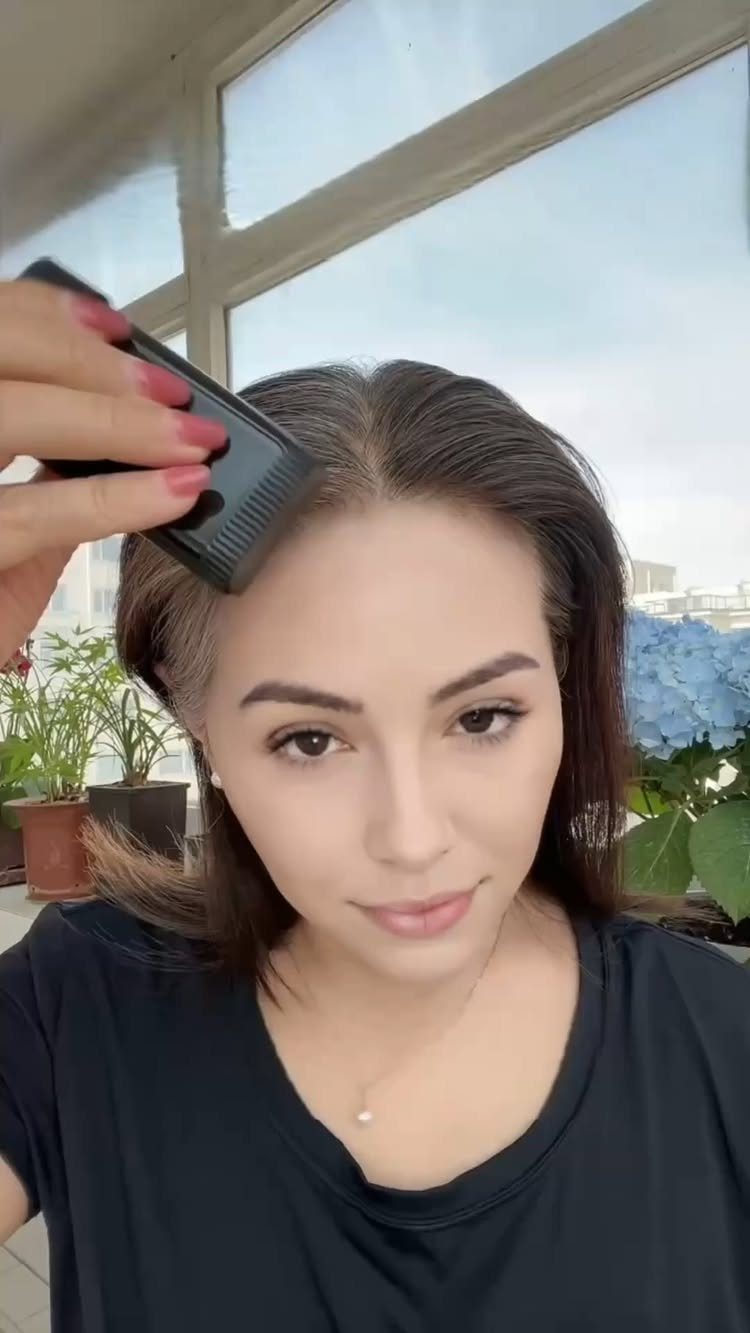
Clean parting decides how even the color goes on. Use a comb to split the hair into sections at the roots, so the dye reaches the scalp line instead of skipping spots.
A black comb is a smart choice for dark dye, since it won’t show stains.
Work in small, tidy sections, and don’t rush the roots, because that is where coverage tends to fail. This step suits anyone coloring at home, especially if gray coverage is the goal.
Commitment and Color Removal
Permanent black dye doesn’t lift easily, even after it fades a little. Going lighter later is a process of several steps rather than one appointment, and it may need a professional.
If you think a change is coming soon, start with a softer shade or a temporary color. Wearing it for a while tells you more than a swatch can.
Dryness shows up fast on ultra-dark hair, since rough texture and frizz read loudly next to such a deep color.
If your ends feel stressed, I’d spend time smoothing and strengthening them before the dye goes on, so the result looks sleek instead of flat.
Keep in mind, though, that black can be very intense for most people and can wash out certain skin tones. Plus, it’s hard to come back from permanently dyeing your hair black.
— Glamour
Color Care and Shine
Wait at least 3 days after coloring before the first shampoo, then wash less often.
Cool rinse water and a shampoo and conditioner made for colored hair keep both the shade and the gloss from fading early.
Moisture decides whether black looks glossy or flat.
Once a week, or as needed, swap in a post-coloring conditioner: L’Oréal Paris Superior Preference Shine Protect Ultra Care leans toward shine and smoothness, while Excellence Moisture Lock Ultra Care goes for deep hydration.
A smoothing product on top keeps the finish from turning dull.
Choosing Shade for Complexion
Undertone matters as much as depth. On fair, cool skin I’d go with a neutral black that has a hint of warm brown; on warmer skin, a blue-black tends to look best.
Contrast is the other thing to weigh.
Colorists often say jet black with blue undertones suits warmer skin best, so if your skin runs cool, I’d lean toward the softer black.
A virtual try-on tool is a low-risk way to test a shade before you buy a box.
Frequently Asked Questions
Is it good to dye your hair jet black?
It can be, if you want a bold, high-contrast look and accept the commitment. Permanent black resists lifting even once it fades, so getting back to a lighter shade means several steps instead of a single visit.
Ultra-dark color also makes dryness and frizz easier to see, so I’d smooth and strengthen stressed ends before coloring.
Which is the best black hair dye for women?
Glamour’s overall pick is Vidal Sassoon Ultra Vibrant Color, with Revlon Colorsilk as its drugstore choice and Garnier Olia for damaged hair.
The best box for you depends on the shade you want, your hair type and how much gray coverage you need. Whatever you buy, look for jet black or blue black in the shade name, not just "black."
How long does jet black hair dye last?
Some permanent blacks fade after roughly 8 weeks, while a demi-permanent like Madison Reed’s Jetset Black holds for as many as 25 washes.
You can stretch the color by waiting at least 3 days before the first shampoo, washing less often and rinsing with cool water. Roots show up quickly on a short crop, so plan for touch-ups if you go that route.
Who looks best with jet black hair?
Nearly every skin tone can carry it, and deeper or olive complexions get the strongest contrast.
The contrast is strong, though, and can feel intense on very fair skin with soft features. Makeup, brow color and what you wear can soften the contrast too.
What is the best black hair color, and which looks most natural?
No black is wrong; the best one depends on the look you want and which undertone flatters your skin. Jet black is the pure, high-drama option, and blue black cools it down with a glossy sheen.
For the most natural result, pick a soft or natural black that matches your complexion with a complementary undertone, since those run gentler and warmer than jet.
Does black hair dye make you look younger?
It can, but the answer depends on your skin tone, hair condition and features.
Black covers gray and reflects light, and that glossy shine reads as youthful. The risk is very fair skin with soft features, where the strong contrast can look harsh, and dry black hair looks flat instead of sleek.