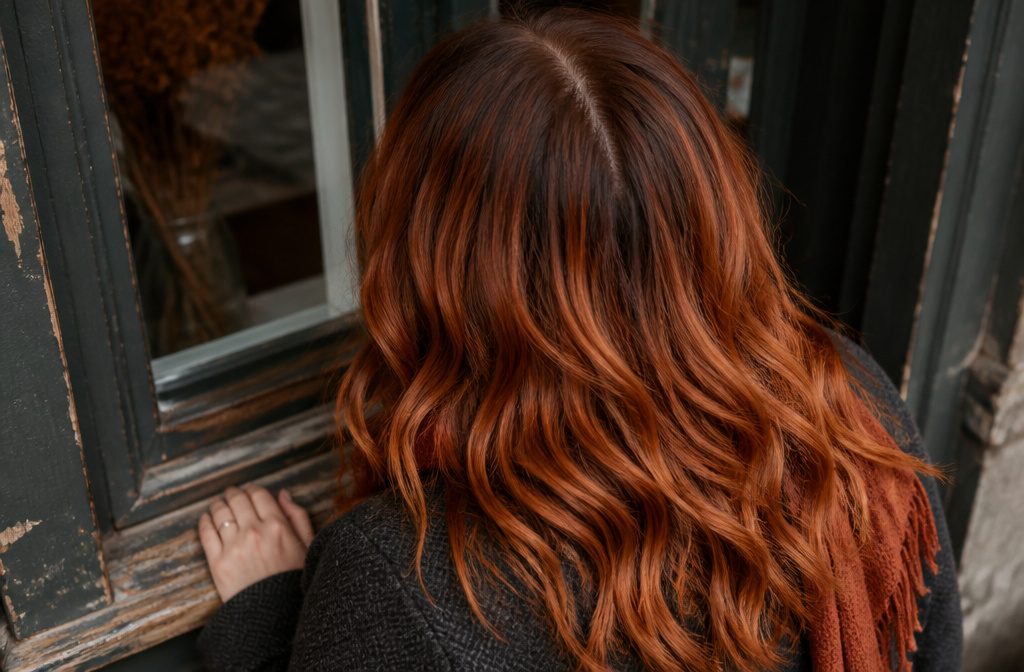
The range runs from two face-framing money-piece streaks to a permanent, fiery red, and what sorts them is how much root regrowth you’ll tolerate.
Bright red shows new growth fast and needs touch-ups every 6–8 weeks. Ombré leaves the roots alone, so there’s no line and no appointment to schedule.
1. Cinnamon Spice
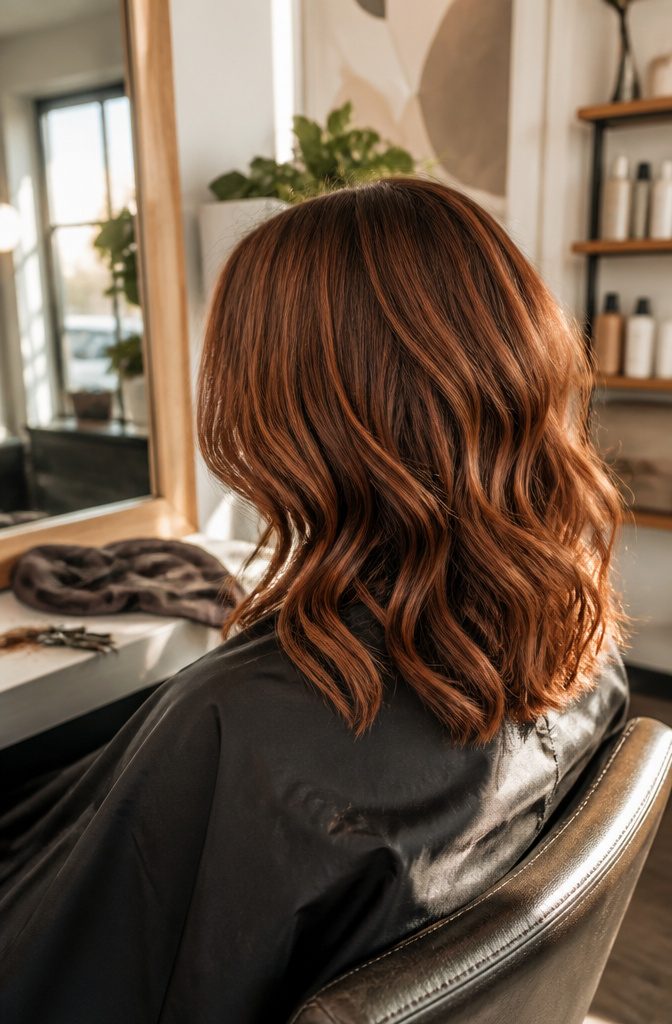
Cinnamon spice is the shade most people picture when they hear "cinnamon hair": a mid-toned reddish brown that stays toward the red end of the spectrum.
Dimensional highlights and lowlights bring it to life, giving the red depth and movement instead of one flat tone.
It suits brunettes who want visible red without going fully red. The base stays brown, so the change reads as warmth rather than a statement.
For home color, my pick is L’Oréal Paris Excellence Creme Créme Permanent Triple Protection Hair Color in Light Auburn. Judge the shade by the color chart on the back of the box, not the model on the front.
A single box color won’t give you the highlight and lowlight effect, so book a stylist if that dimension is what you’re after.
2. Cinnamon Brown
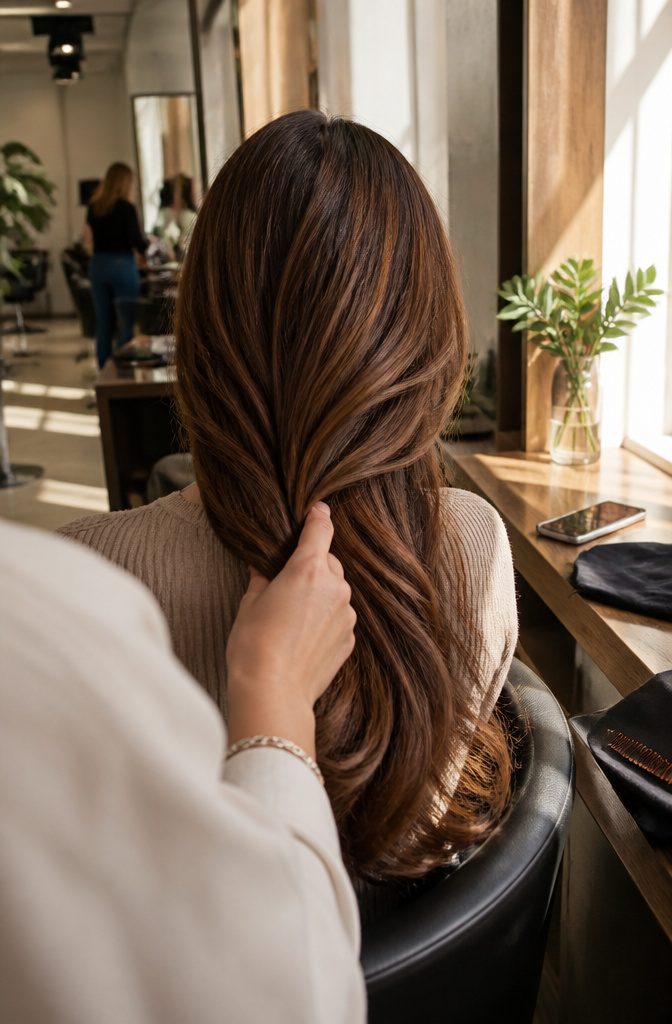
Cinnamon brown leans brown first and red second. The base is a medium, warm brown with maple, nutmeg and coffee tones woven through it, which makes it much subtler than true cinnamon.
For a natural brunette who wants warmth without going full redhead, it’s the easiest step I know.
At home, L’Oréal Paris Superior Preference Fade-Defying Shine in Medium Copper Brown is the pick, since it sits right between brunette and copper.
The shade reads autumnal, but it doesn’t have to stay there.
Add ribbons of gold, wheat and champagne blonde as strawberry highlights, and the same brown turns beachy while keeping its dimension. The exact shade varies from head to head, so I’d take a photo along.
3. Chocolate Cinnamon
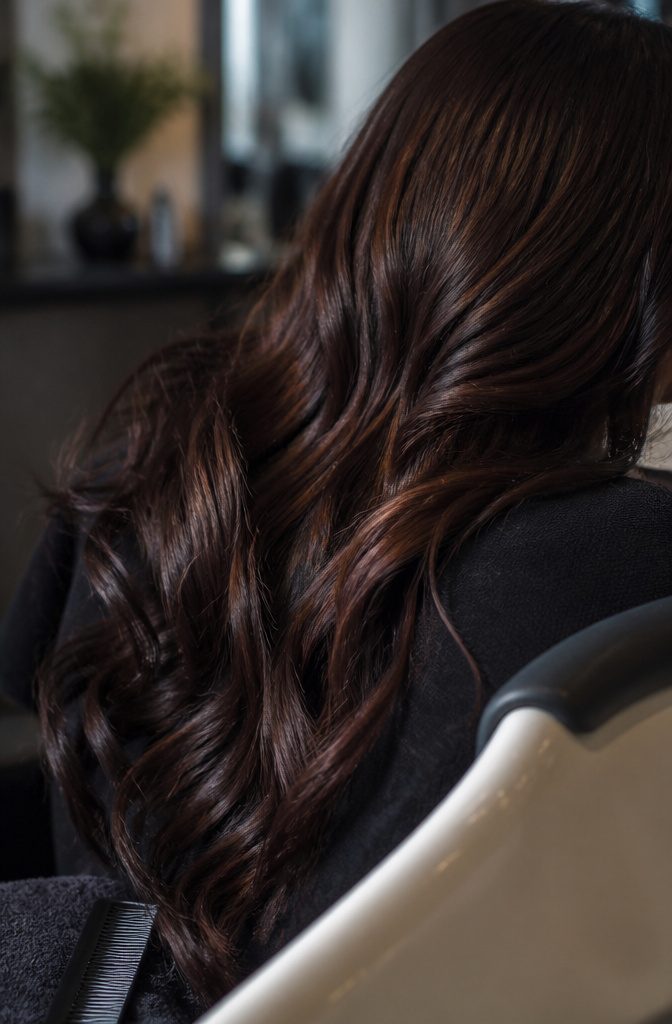
Chocolate cinnamon is the shade I point naturally dark hair toward first, because it adds reddish-brown warmth without any bleach.
The cinnamon side supplies the warmth and the chocolate side cools it, so the color lands close to neutral instead of tipping too red.
That balance is what gives it depth on a dark base rather than a flat, painted look.
For a home version, I’d reach for L’Oréal Paris Superior Preference Fade-Defying Shine Permanent Hair Color in Dark Mahogany Brown.
It’s a permanent formula, so you’re committing to the shade, but starting from dark hair means you skip the lightening step and the damage that comes with it.
4. Golden Cinnamon Brown

Golden cinnamon brown is cinnamon with the red turned down.
The shade reads as reddish-gold and sun-kissed rather than fiery, so you keep the warmth without the obvious red. If you love warm brown but flinch at anything that looks copper in daylight, this is the version I’d ask for.
For a box at home, I’d reach for L’Oréal Preference Superior Preference Fade-Defying Shine Permanent Hair Color in Lightest Golden Brown.
Judge it by the color chart on the back of the box, not the model photo on the front.
The photo is there to sell the box, and the chart is a more honest preview of what your hair will actually do.
5. Light Cinnamon Brown
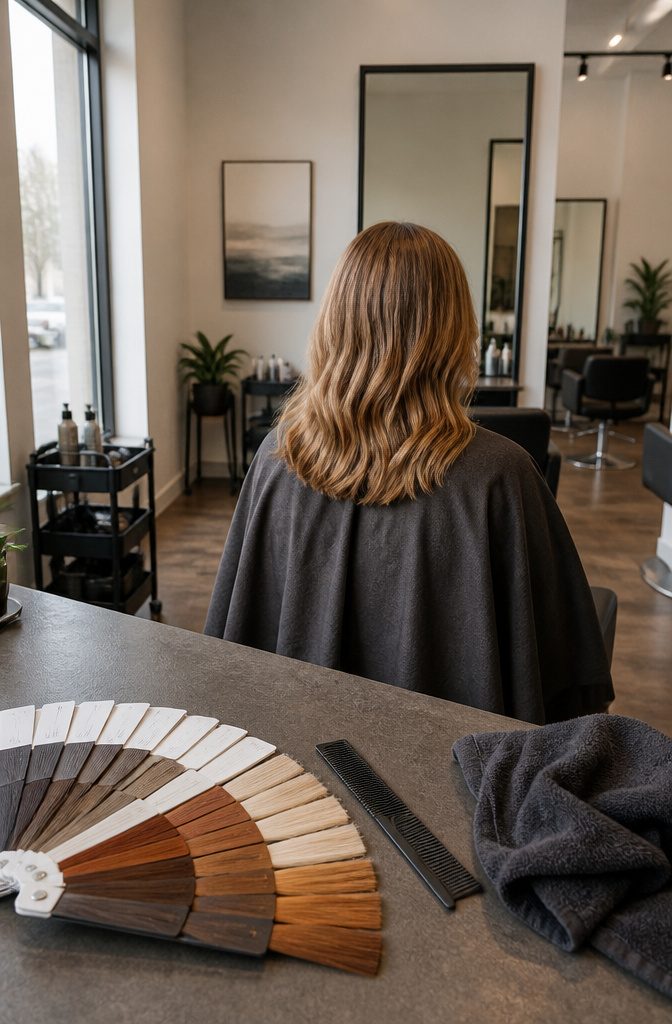
Light cinnamon brown flips the logic of the darker shades. The base stays light brown or dark blonde, and copper, honey and maple highlights carry the cinnamon.
The warmth lives in the accents rather than in the base color, so the overall look is a warm light brown with a red-gold glow.
I’d steer anyone here who finds dark cinnamon or nutmeg too big a jump from their natural color. Your base barely changes, yet the highlights still give you the appeal of a classic cinnamon brown.
When you take a photo to your stylist, name all three tones. Copper, honey and maple each push the color a slightly different way, and asking for them together keeps the result from tipping into plain blonde.
6. Vibrant Cinnamon Red
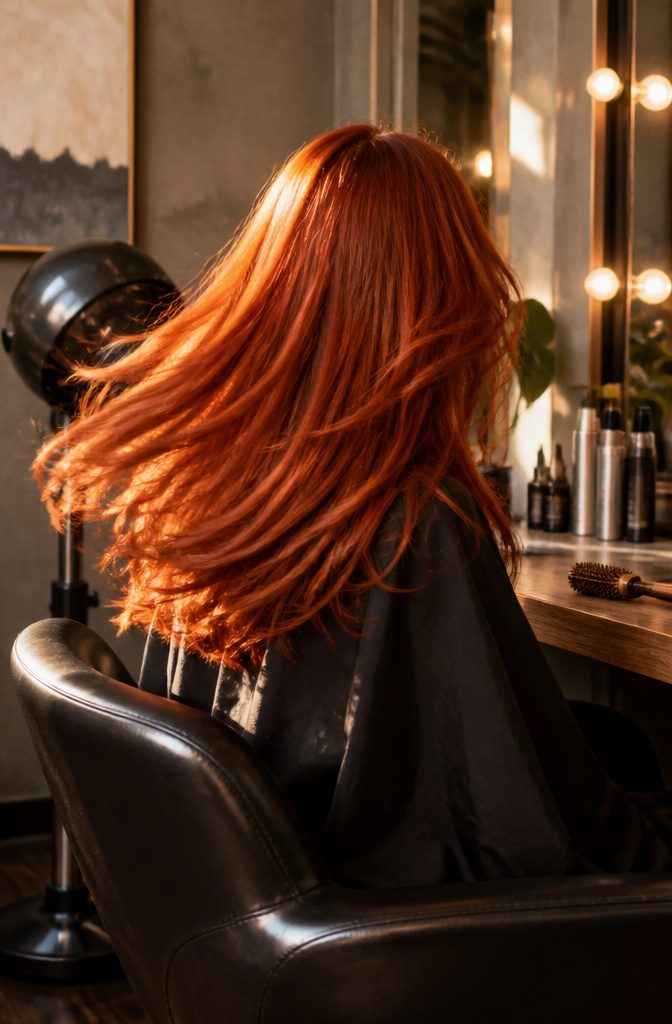
Think spicy cinnamon candy, not warm pie.
This is the bold, bright, vivid end of the range, and it’s a different look from cinnamon spice, which stays a dimensional, mid-toned reddish brown. Nothing about this one blends into brown.
For a box at home, I’d reach for L’Oréal Paris Féria Multi-Faceted Shimmering Permanent Hair Color in Copper Crave. It gets you the head-turning version without a salon appointment.
It also asks the most commitment of the 11. A permanent, fiery red is the loudest shade on this list, and regrowth at the roots will be easy to spot.
Choose it if you want to be noticed, and skip it if you want a color you can forget about.
7. Cinnamon Highlights on Brown Hair
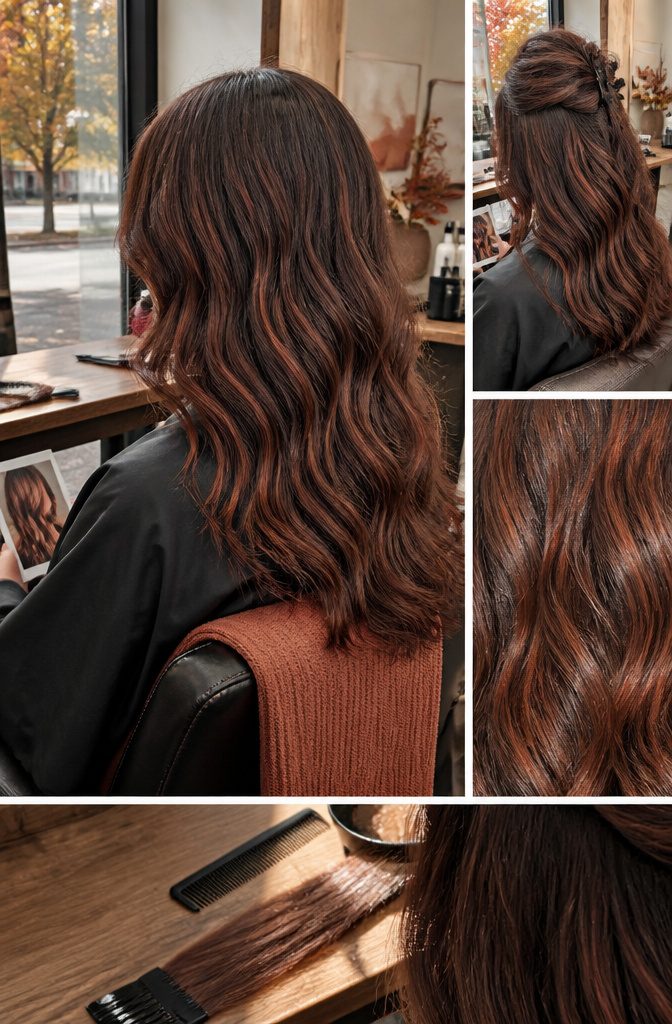
Cinnamon highlights woven through a mid-toned brunette base are the lowest-commitment way into red. The streaks add warmth and dimension while the rest of your hair stays its natural color, so your base never has to change.
For anyone curious about red but unsure about wearing it everywhere, I’d pick this over a full color.
Ask for the cinnamon to be woven throughout rather than placed in a few heavy stripes, because spread-out reddish strands look like warmth catching the light instead of a pattern.
The look suits autumn especially well. Bring a photo to the appointment and point to how much red shows against the brown, since that ratio sets how bold the result feels.
8. Cinnamon Lowlights on Red Hair
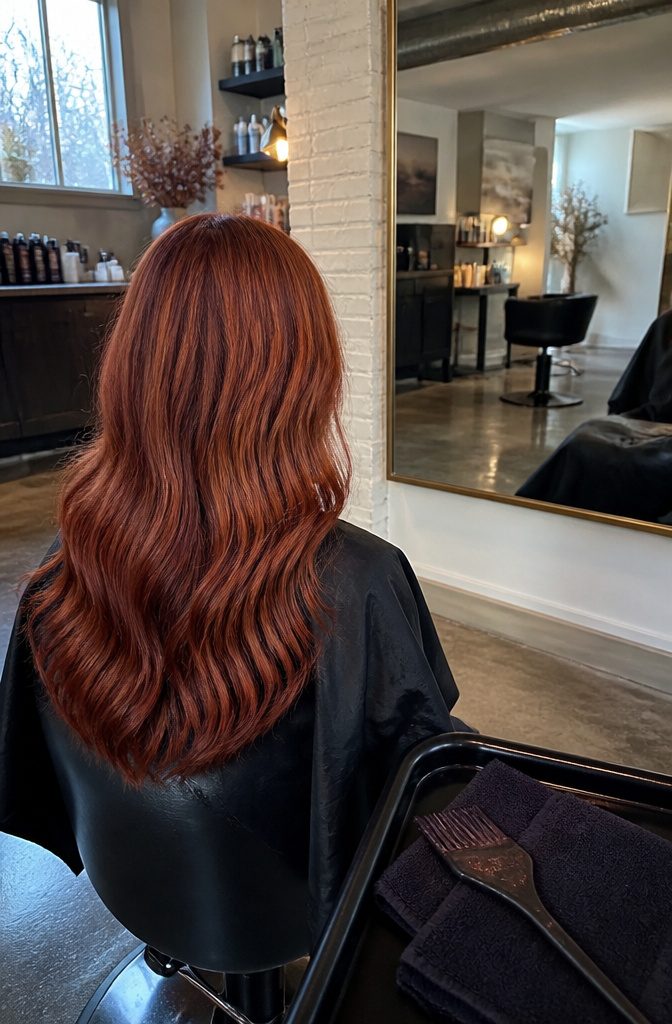
Lowlights add depth where highlights add brightness, and on red hair that difference matters.
Dark cinnamon brown threaded through the red gives the color shadow and dimension without making it any lighter overall. This is the pick for redheads who want more depth, not more brightness.
At the salon, ask for dark cinnamon brown highlights placed through red hair. "Highlights" sounds backward for a darker result, but I’d use that exact wording, because the brown is what creates the dimension.
It also works as a seasonal move: a brighter summer red can shift toward a darker, moodier shade for winter.
9. Cinnamon Balayage
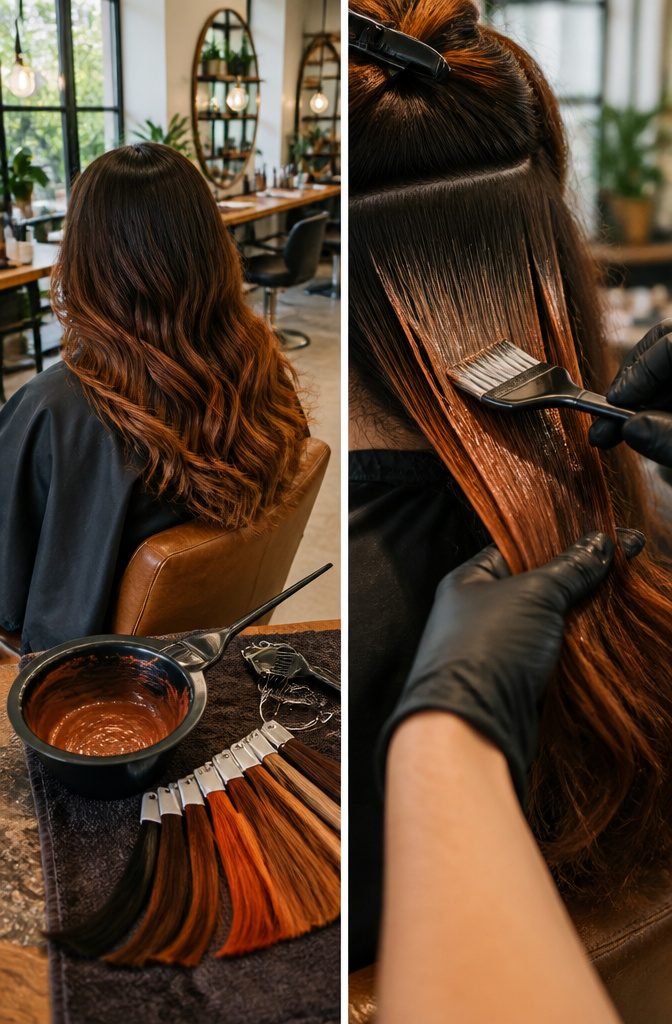
Balayage is painted on by hand, starting a few inches below the root, so the color fades in gradually and regrowth doesn’t draw a hard line.
That’s why it needs less upkeep than traditional highlights, and why it suits cinnamon red hair on a medium brunette base.
In the salon, plan on about 2 hours, give or take. Ask the colorist for swatches and hold them against your face, and keep the tones within 4 shades of each other so the color blends and moves with your hair.
Whether to go lighter or darker depends on your base color and skin tone.
For a DIY route, I’d go with the L’Oréal Paris Superior Preference Balayage At-Home Highlighting Kit in Medium to Dark Brown, which comes with an applicator built for precise placement.
10. Cinnamon Money Pieces
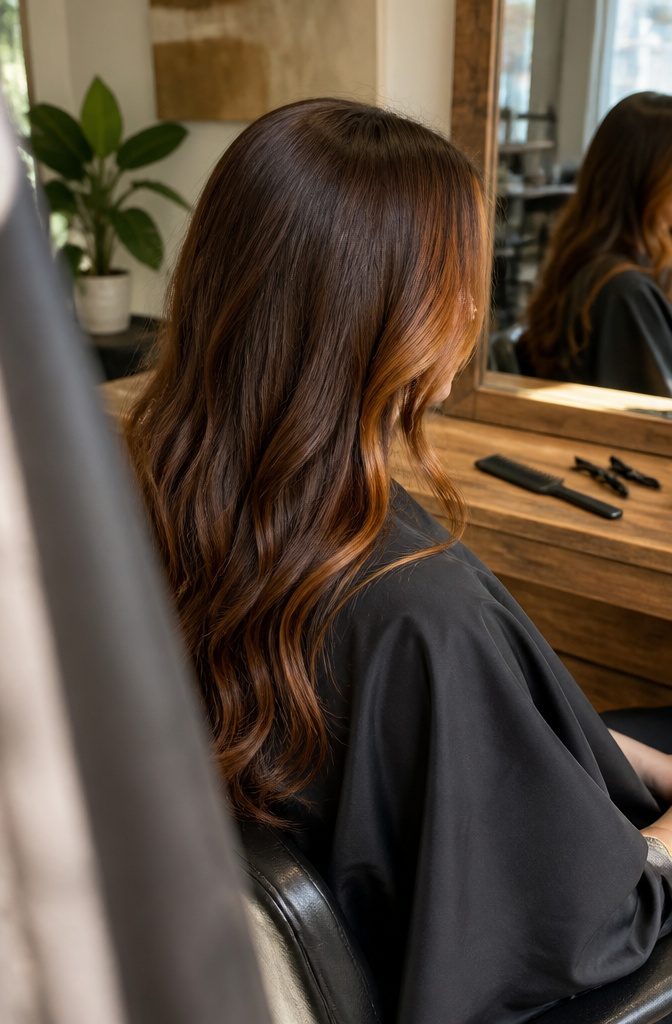
Two streaks are all a money piece asks you to color: one on each side, right where the hair falls against your face.
Set against a cinnamon brown base, that brighter pair brightens the face and adds warmth to your complexion, a bit like holding a reflector under your chin.
You get the glow without a full head of highlights or an all-over color.
It’s the smallest commitment on this list, and with only two streaks colored, damage is typically minimal. For anyone nervous about trying cinnamon, or wanting to test it before going deeper, I’d start here.
11. Cinnamon Brown Ombré
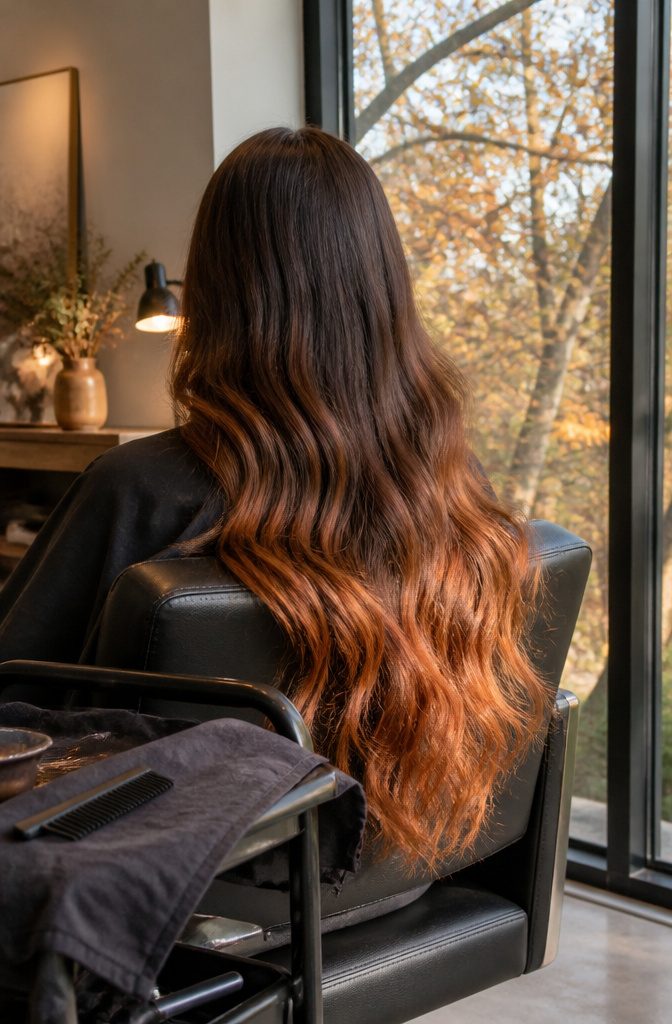
Cinnamon brown ombré keeps your natural root and builds color from the mid-lengths down, so the ends carry the brightest cinnamon while the top stays your own shade.
Nothing touches the roots, which means no regrowth line and no root appointment on the calendar. The bleaching commitment is lighter too, since only the lower lengths take color.
Growout is where it beats the other partial-color options. Highlights and money pieces start closer to the scalp, so new growth shows up as a visible stripe.
With ombré, regrowth just lengthens the natural stretch at the top. I’d pick it for anyone who wants warm cinnamon ends without a root-touch schedule, and the autumnal tone sits especially well over a brown base.
Match the Shade to Your Skin Tone
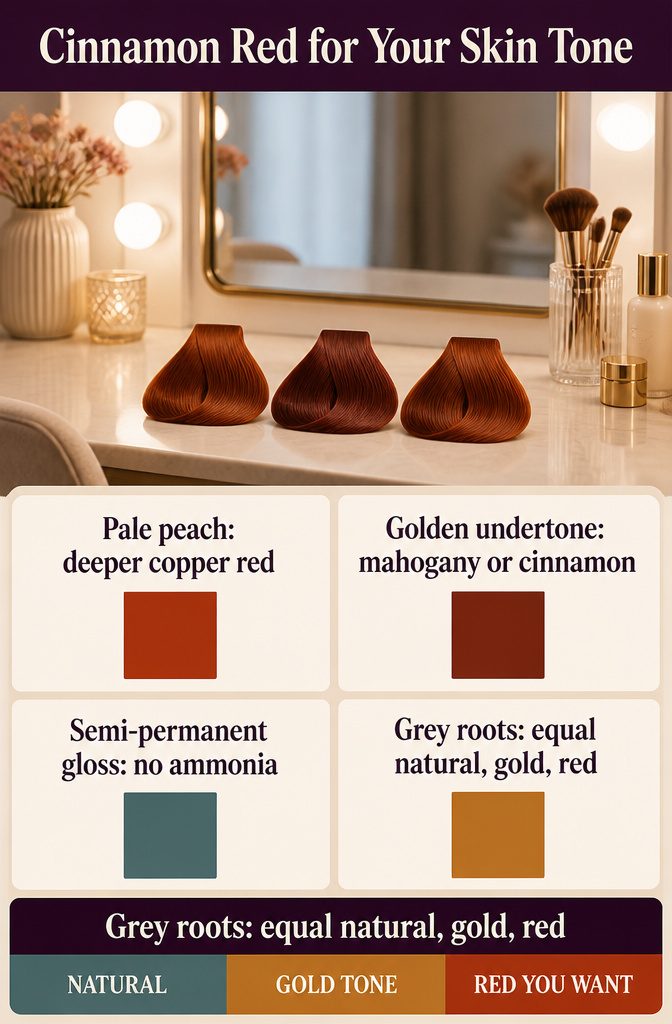
Base color, skin tone and the result you want all steer the shade, so have your colorist hold swatches against your face before anything gets mixed.
Very pale, peachy skin looks best in a deeper copper red. A more yellow undertone pairs better with mahogany or cinnamon red, and that’s the direction I’d push if your skin leans golden.
For the formula, a semi-permanent red or gloss over the whole head makes highlights pop and reads as a natural red.
It contains no ammonia and fades less than permanent dye. Grey roots need equal parts natural shade, gold tone and the red you want, which keeps the regrowth from looking messy.
Keep Red From Fading
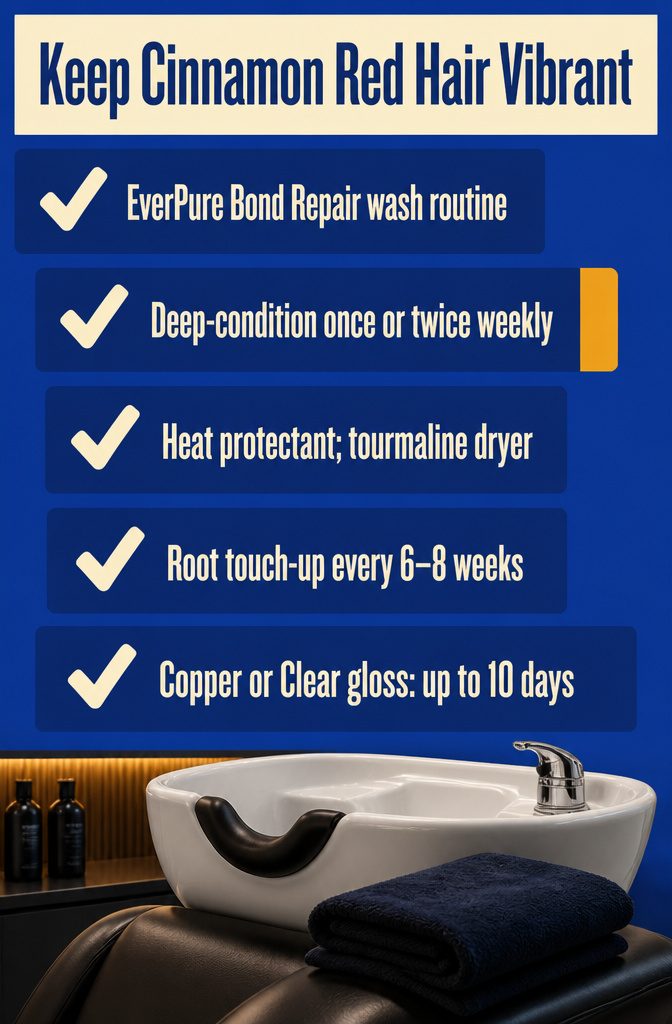
Red is the most sensitive pigment, so I’d lock in these habits:
- Wash with L’Oréal Paris EverPure Sulfate-Free Bond Repair Shampoo and Conditioner; add the Pre-Shampoo Treatment.
- Deep condition once or twice a week with the EverPure Sulfate-Free Simply Clean Fiber Masque.
- Use heat protectant before styling, and blow-dry with a tourmaline dryer.
- Touch up roots every 6–8 weeks; a colorist says 4–8.
- Between visits, L’Oréal Le Color Gloss in Copper or Clear lasts up to 10 days.
Dryness is the culprit:
It is important to keep conditioning your hair to fight the color fade because dry hair loses pigment faster.
— Allure
Skip the masque and the rest of the routine fights uphill.
Frequently Asked Questions
What color is cinnamon red hair?
Cinnamon red hair is a warm, medium-toned reddish brown, close to the color of ground cinnamon in a jar.
The range runs from cinnamon brown, which leans brown before red, to a bright cinnamon-candy red at the loud end. Depending on the shade, the red cast can read slightly orangey.
How hard is it to get cinnamon red hair?
It depends mostly on your starting color. Brunettes have the easiest route, since a shade like chocolate cinnamon adds reddish-brown warmth to dark hair without any bleach.
Dimensional looks such as balayage or highlights are salon work, and balayage takes about 2 hours, so book a consultation and bring a photo.