Hair thickness decides how much layering you can carry: thick hair takes longer layers that remove bulk without leaving puffy ends, while fine hair keeps its length with fewer layers.
The range runs from soft shoulder-length layers with no visible steps to the wolf cut, with its short, stacked crown and wispy bangs.
1. Textured Layers
Separation is what this cut buys you. Layers are broken up with texture, so medium hair stops lying in one flat sheet and starts showing dimension and volume, with feathered ends adding movement at the bottom.
Fine hair gets the most from it, since the choppiness fakes body. Ask your stylist for texturized layers using that exact term, and keep this photo on your phone, because "layers" alone can mean a dozen different cuts.
2. Modern Shag
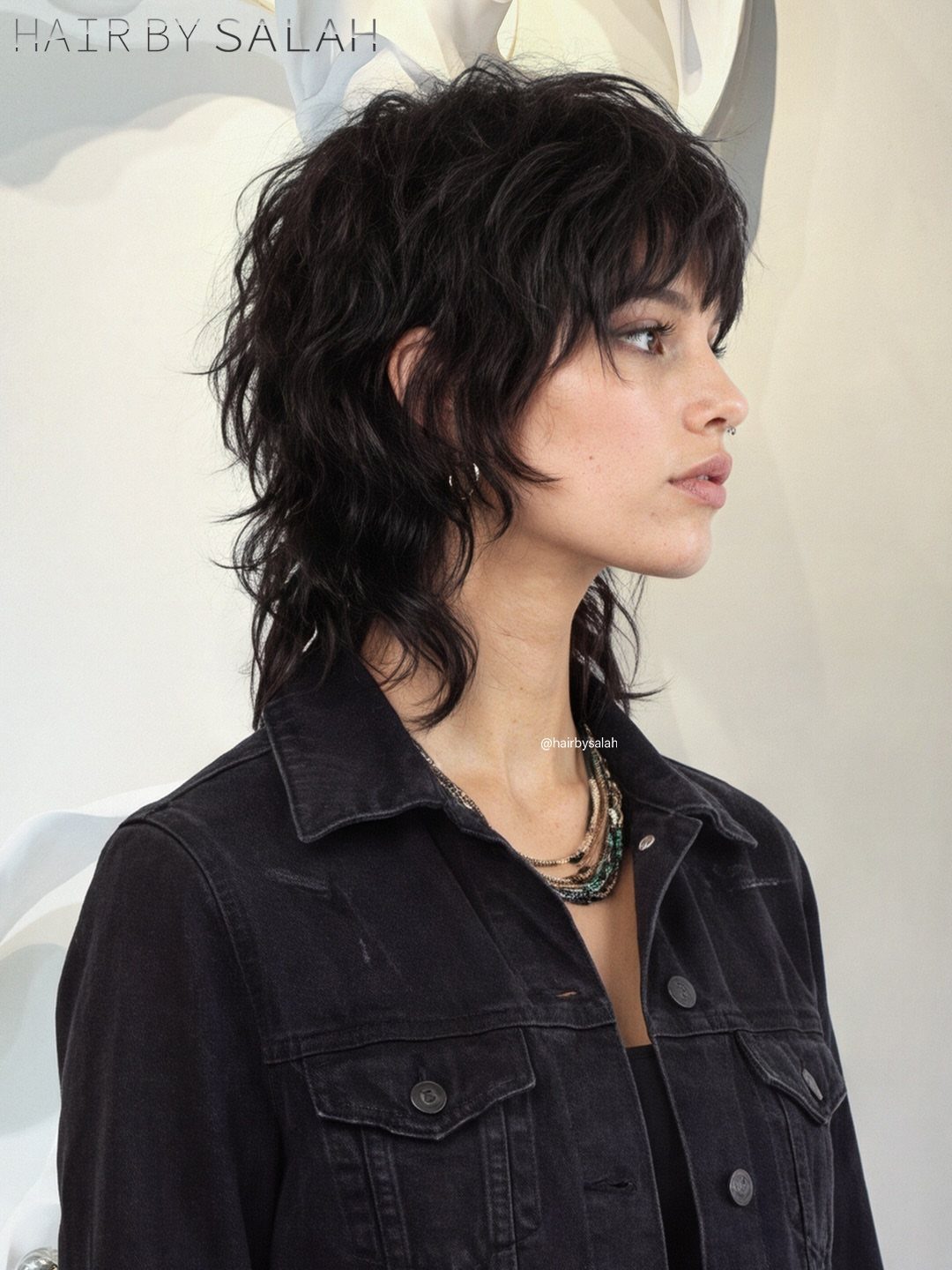
A shag at shoulder length keeps the rock attitude without the commitment of a very short crop. The layers are what give it movement, and choppy bangs finish it with a slightly undone, refined edge.
Dark hair is where this cut looks best to me, since the shape reads clearly. Ask for a shag with choppy bangs instead of a general layered cut, and expect tousled styling to suit it better than a polished blowout.
3. Butterfly Cut
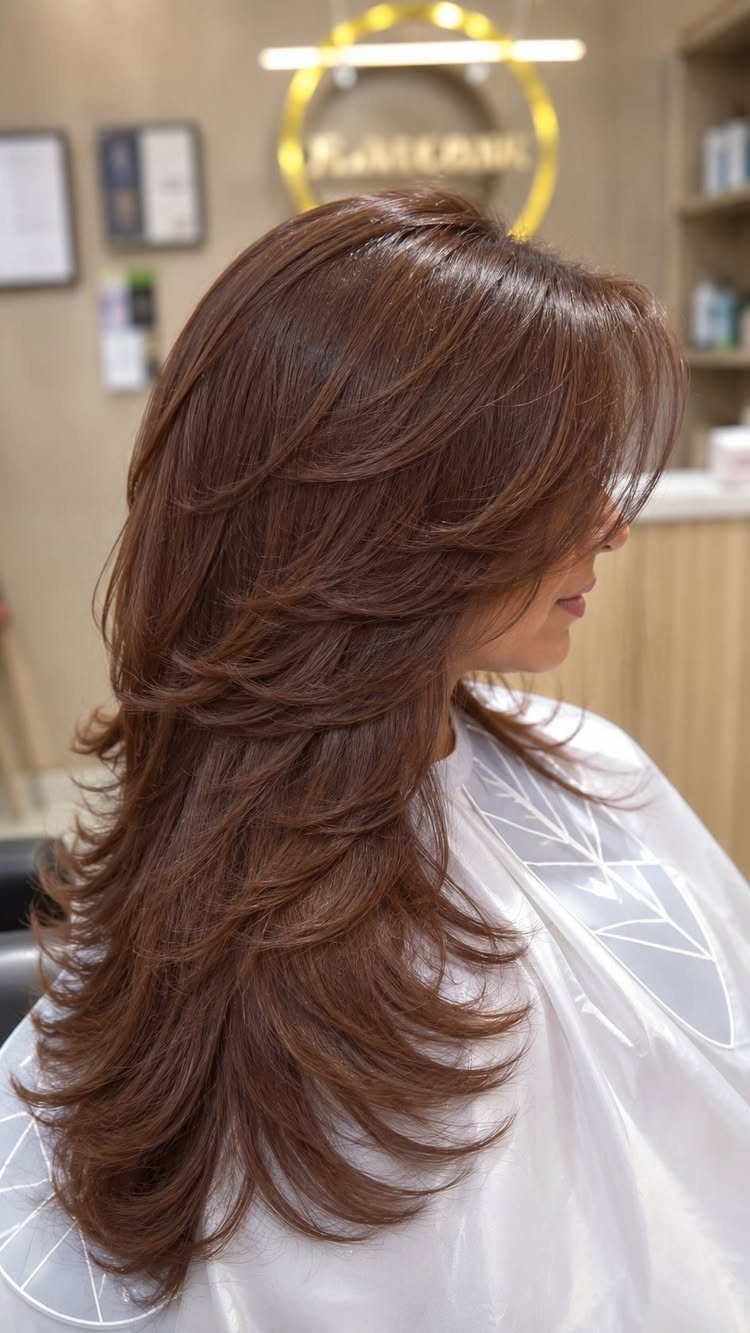
Short layers up front, longer layers through the back: that contrast is the whole design. The shorter face-framing pieces lift at the crown and cheeks, while the long back sections make the length look fuller than it is.
For a medium cut, I’d choose this when hair feels heavy or flat.
Curl the ends away from the face to get the lifted, bouncy shape. Name it "butterfly cut" when you book.
4. Medium Layers
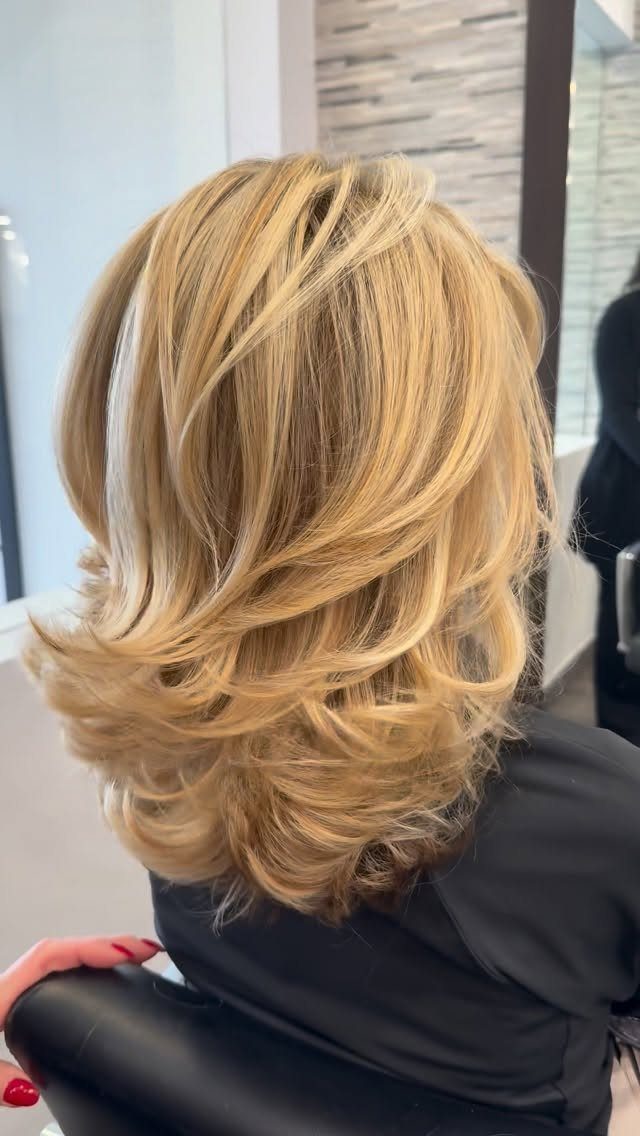
Plain medium layers are the safest place to start for movement without a big change. Layering through the length adds dimension and volume, and the ends can take feathered waves or curls depending on your mood.
Because it asks so little, this cut suits nearly anyone growing out a one-length style. Be clear about how much volume you want, since that sets how short the top layers go.
5. Shoulder-Length Tight Curls
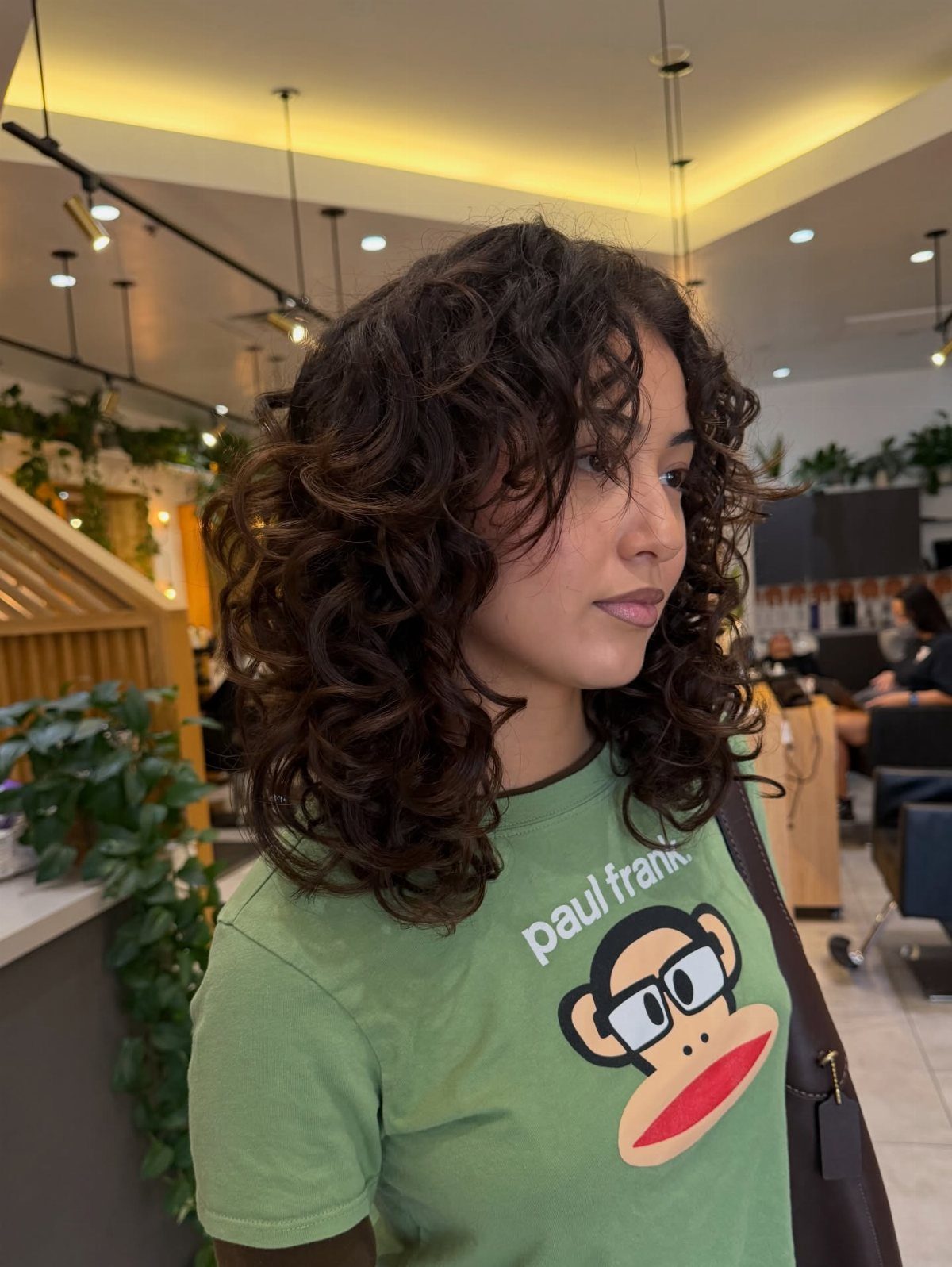
Tight curls at shoulder length spring up and show every coil, which is exactly why this length works. The curls get room to bounce and display their texture instead of being pulled down by extra weight.
If your hair is naturally curly, I’d keep the cut simple and let the curl pattern do the work. Find a stylist comfortable cutting curls, and show a photo of tight curls rather than loose waves.
6. Fairy Cut
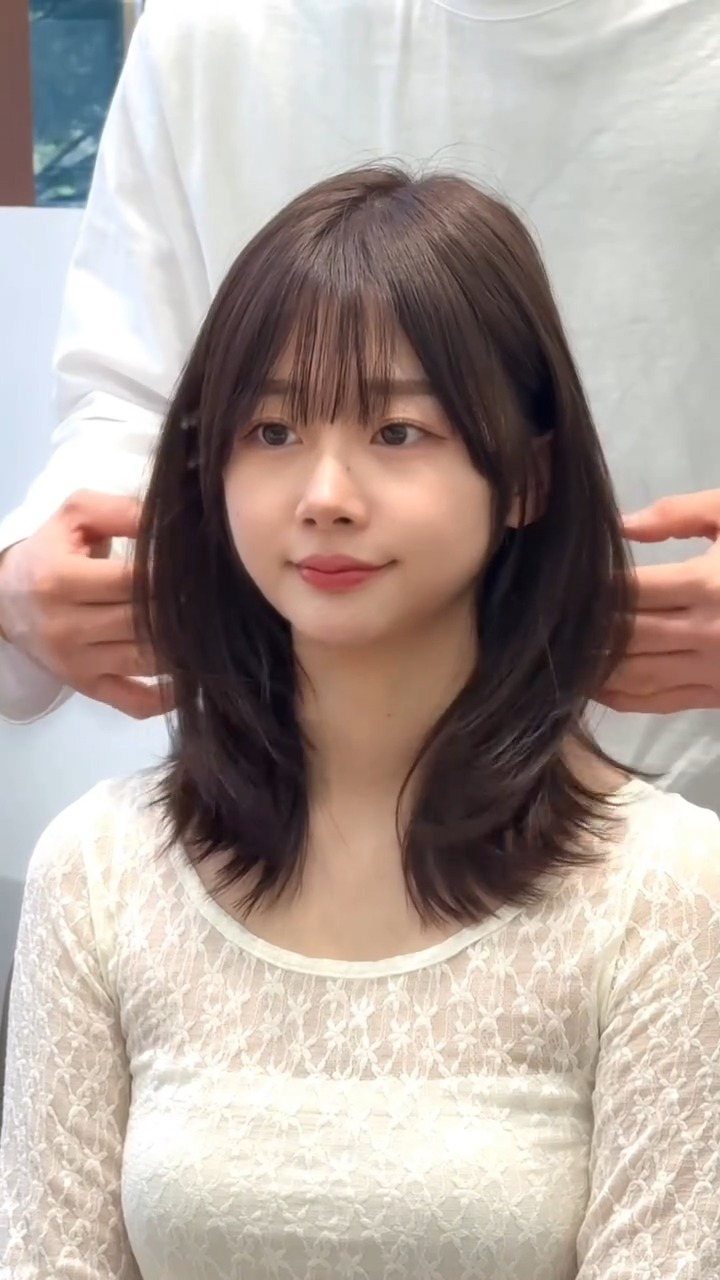
Abundant layers framing the face, wispy bangs, and midlength hair: that is the fairy cut. The face-framing pieces soften the cheeks and jaw, and the bangs add a light, airy finish.
It asks for some commitment to the fringe, which can fall into your eyes as it grows.
I’d pick it if you like a soft, romantic shape. Request face-framing layers and wispy bangs together so the stylist blends them.
7. Face-Framing Layers
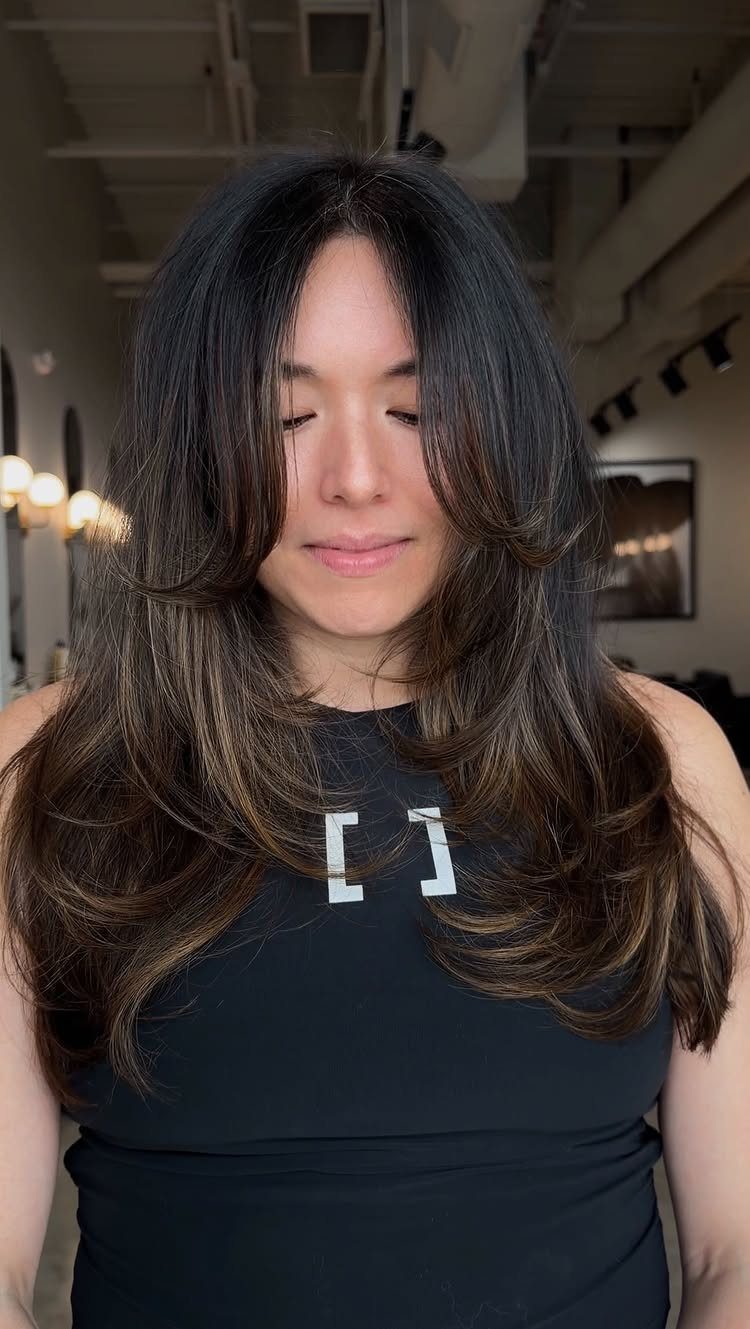
Layers cut near your cheekbones and jaw pull the eye toward your features, and on dark hair the curve shows up clearly. Soft waves follow that shape instead of fighting it.
The decision to make is where the shortest piece lands, since that is where attention goes. Ask for face-framing layers by name, so the stylist doesn’t just trim the ends.
8. Feathered Layers
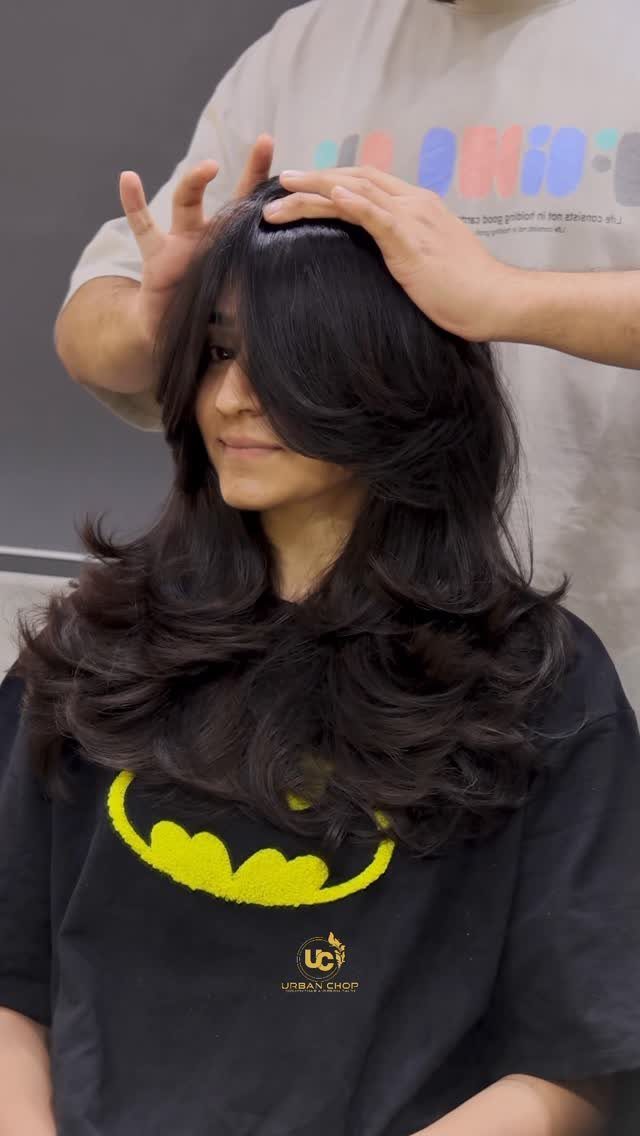
Fine, feathered ends are what give this shoulder-length cut its softness, and they replace the blunt line at the bottom with movement. Sweeping bangs carry that same light shape up to the face.
I’d pick it over a heavier layered cut if a hard edge looks stiff on you. At the salon, ask for feathered ends and sweeping bangs together, and say you want them blended into the layers.
9. ’90s Layers
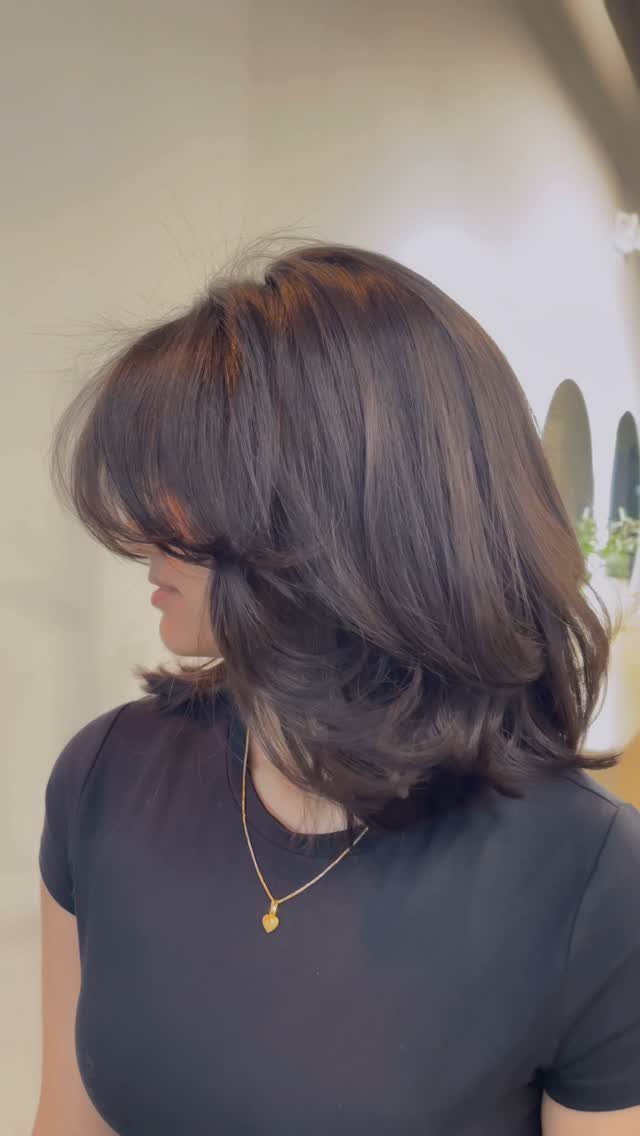
Think of it as the Rachel brought up to shoulder length: heavy, textured layers that frame the face and build volume around it.
Name the Rachel when you book, then add "shoulder length" so the cut stops where you want it.
Bring a reference photo, because "heavy layers" can mean very different things from one stylist to the next. Voluminous is the point, so I’d skip this one if you want a flat, sleek finish.
Jennifer Aniston may have since adopted a longer version of “the Rachel,” but the original ’90s shoulder-length cut (made legendary by stylist Chris McMillan) will never go out of style. Give your hair the Rachel Greene treatment with heavy, textured layers that frame your face.
— Glamour
10. Asymmetrical Bob
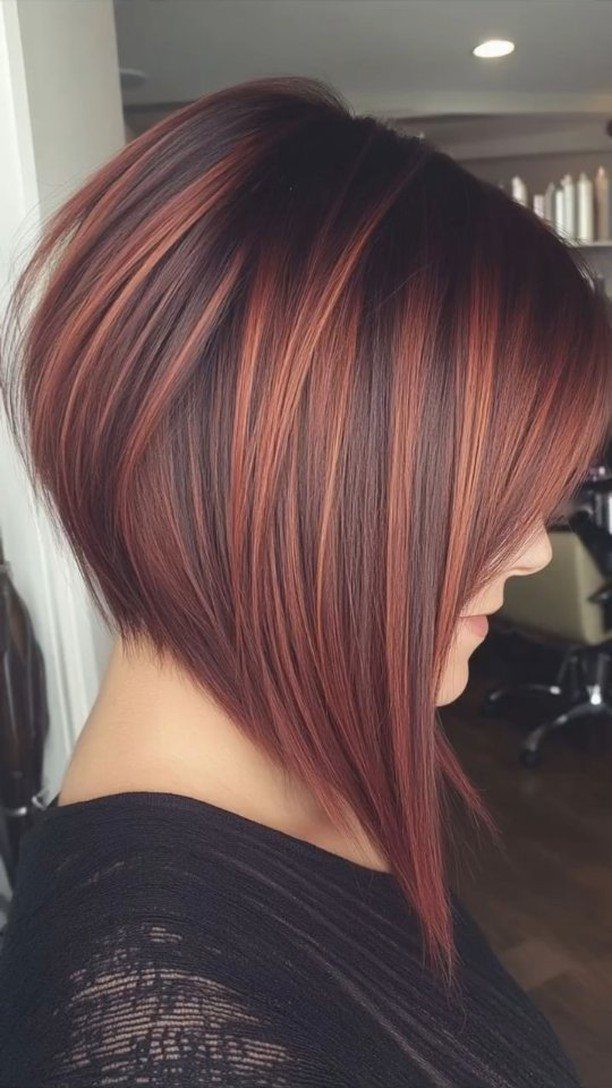
A medium bob picks up an angle and plenty of movement when one side sits noticeably longer than the other. In this version the front falls longer than the back.
Decide how dramatic the difference should be before you sit down; a slight angle and a sharp one are very different cuts.
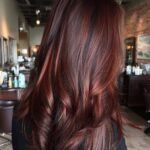
I like the reddish tone against the line, since the color makes the angle easy to read. Bring a photo and point to the longest point.
11. Wolf Cut
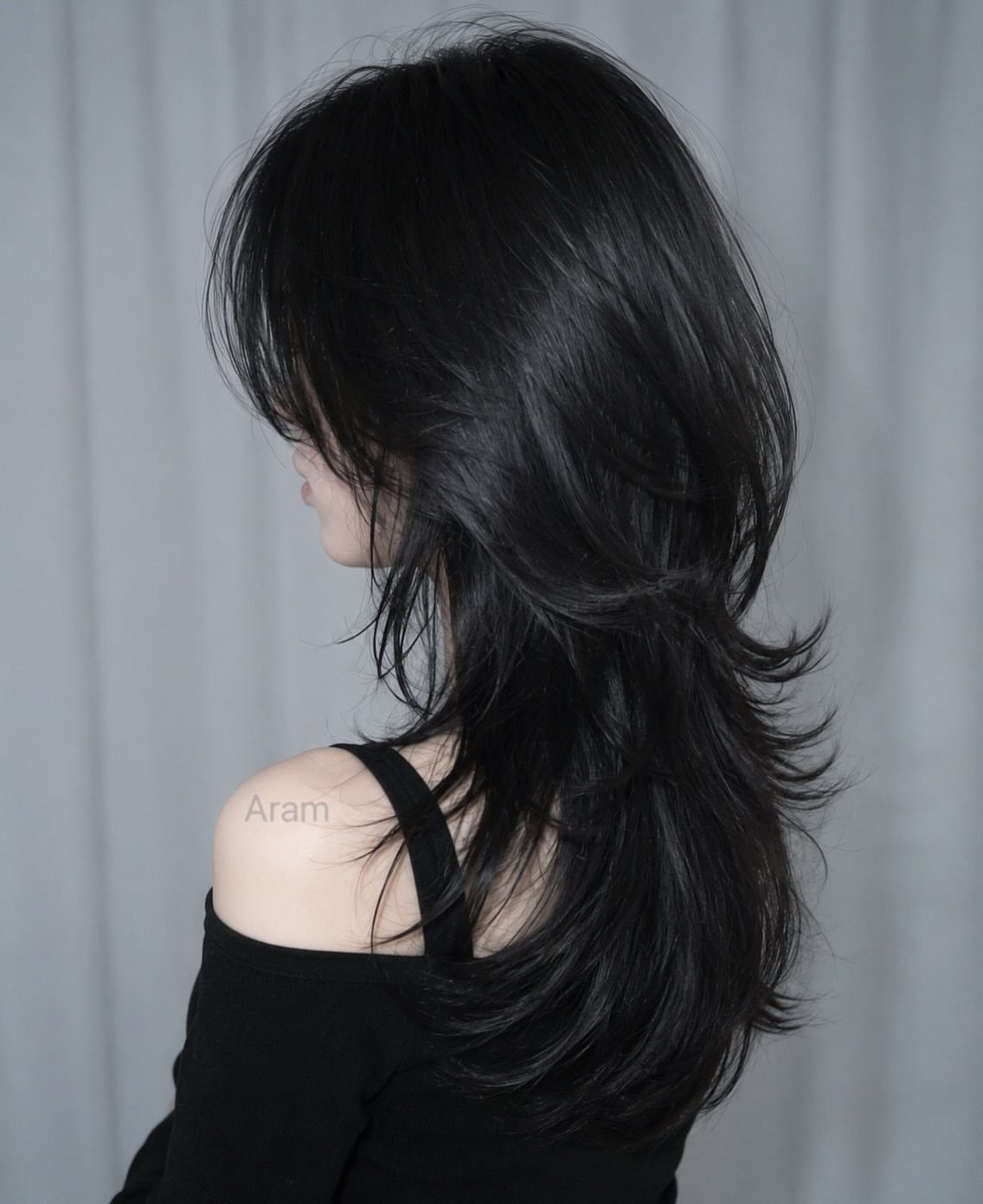
The wolf cut blends a shag with a mullet: short, stacked layers at the crown, longer lengths underneath, and wispy bangs that frame the face. Long black hair shows the feathered layers well.
Ask for crown layers and wispy face-framing bangs in the same request, and use the words "wolf cut" so the stylist knows which shape you mean. The fringe will need trims as it grows, so plan on that.
12. Lob
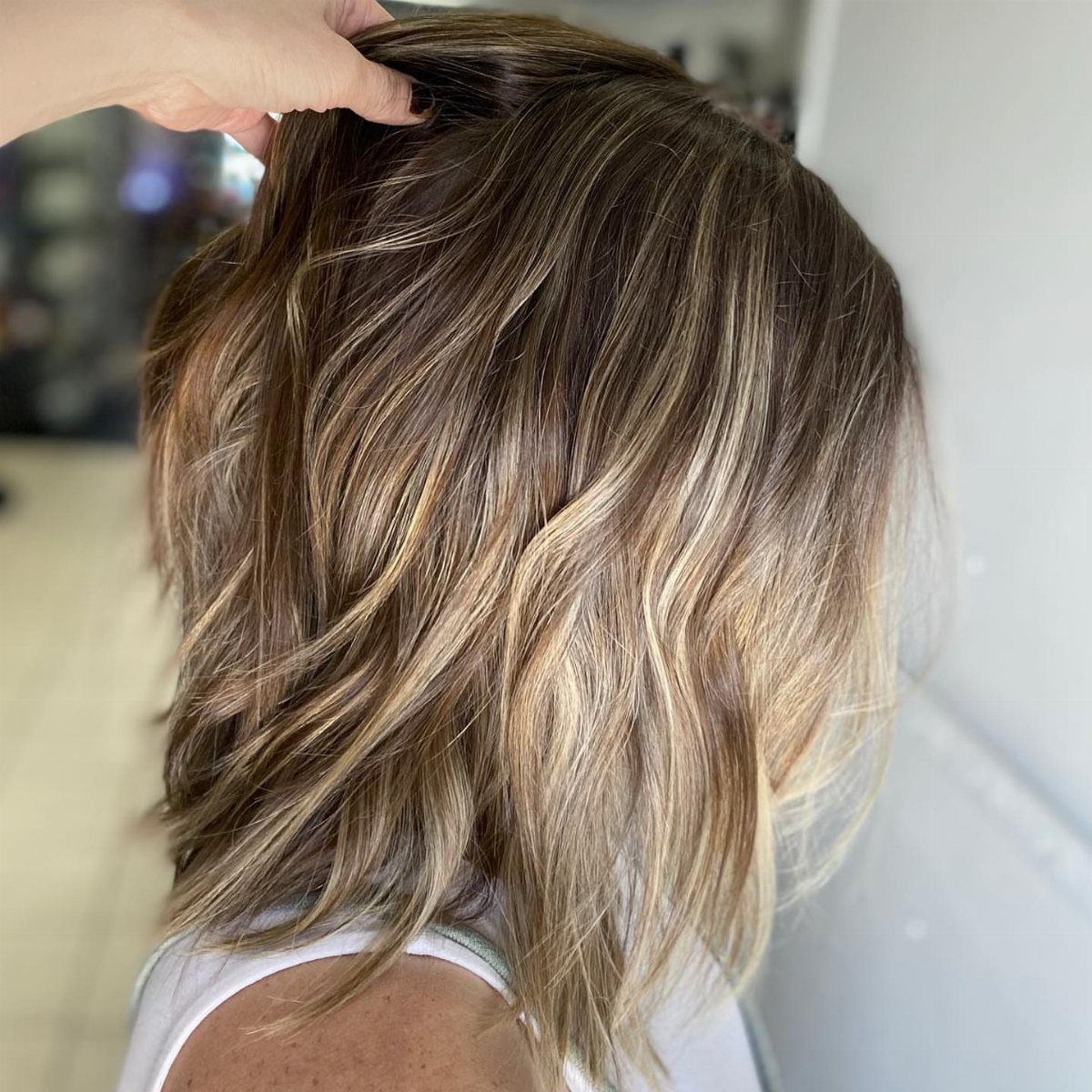
A lob is a longer bob that sits past the jaw and skims the collarbone or shoulders, and where exactly it lands is yours to choose.
I lean toward shoulder-skimming when hair is layered, because the length leaves room for more ways to style it.
Waves make layers and balayage highlights easier to see than straight hair does.
Worn straight, the same cut looks cleaner and more polished. Decide on jaw or shoulder before you book.
13. Beach Bob
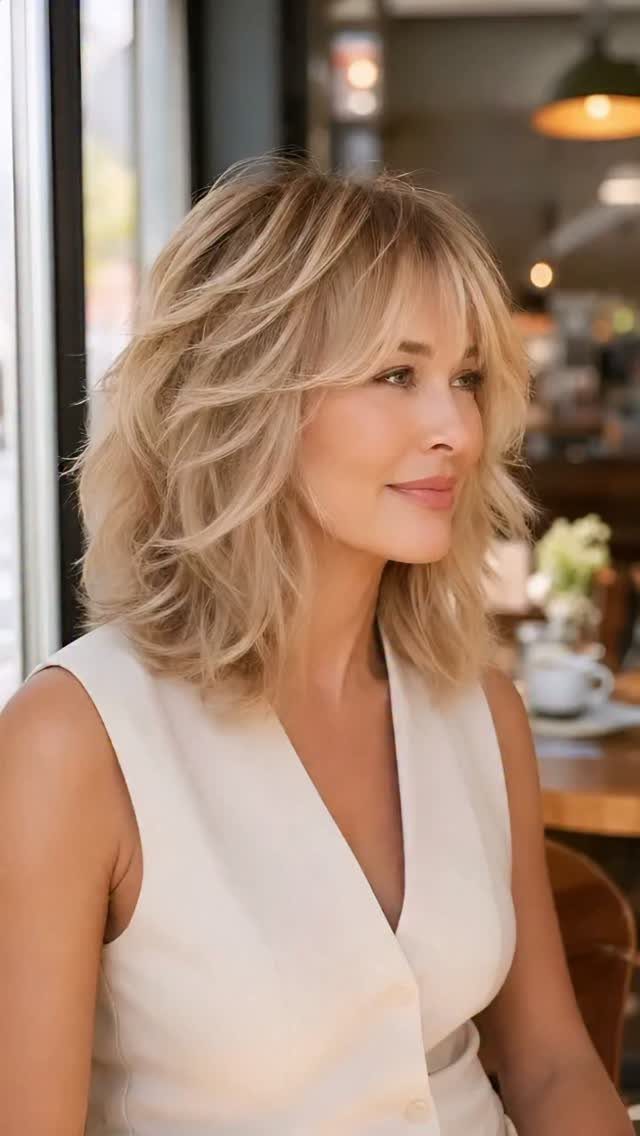
A beach bob is a lob with the polish taken off. Waves are left loose, ends stay slightly uneven, and the whole shape looks finished without much work.
That ease is the reason I’d pick it if your mornings are short.
Ask for a lob with light layers and say you want a lived-in, tousled finish, not a smooth one. Wispy bangs soften it further, though they need regular trims to stay out of your eyes.
14. Feathered Shag
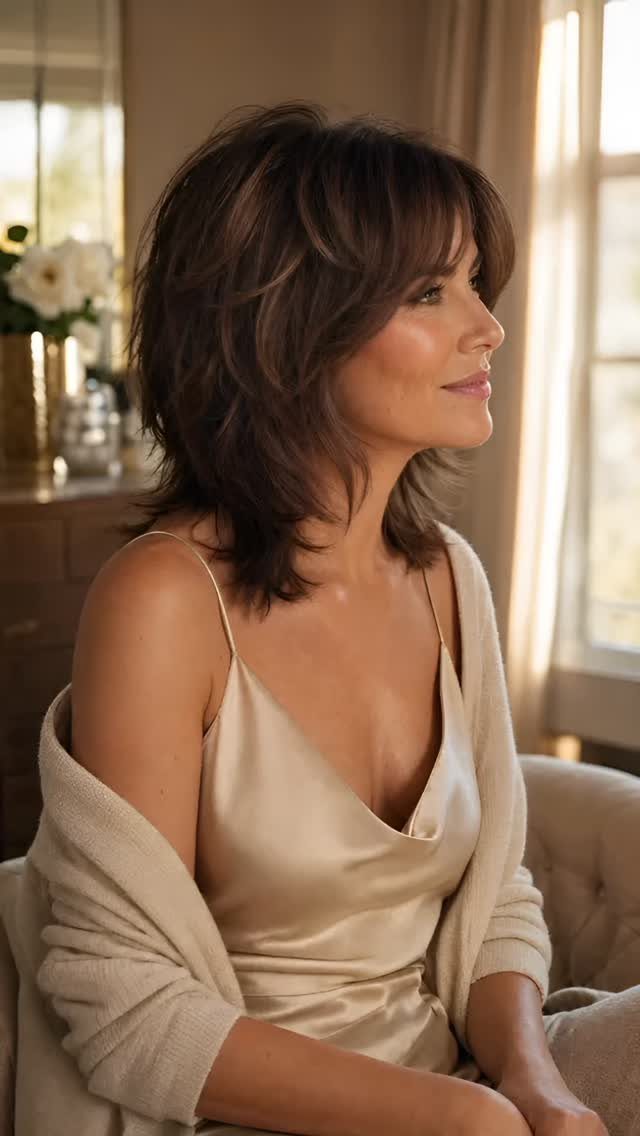
Heavy layers and feathered shaping are what separate a feathered shag from a basic layered cut. The ends turn wispy instead of blunt, and the weight sits in the layers rather than at the hem.
On medium dark hair I find the shape shows up well, especially with wispy bangs blended into the sides. Book it as a "feathered shag" and bring a photo, since "shag" alone can land anywhere from soft to very choppy.
15. Shoulder-Length Layered Hair
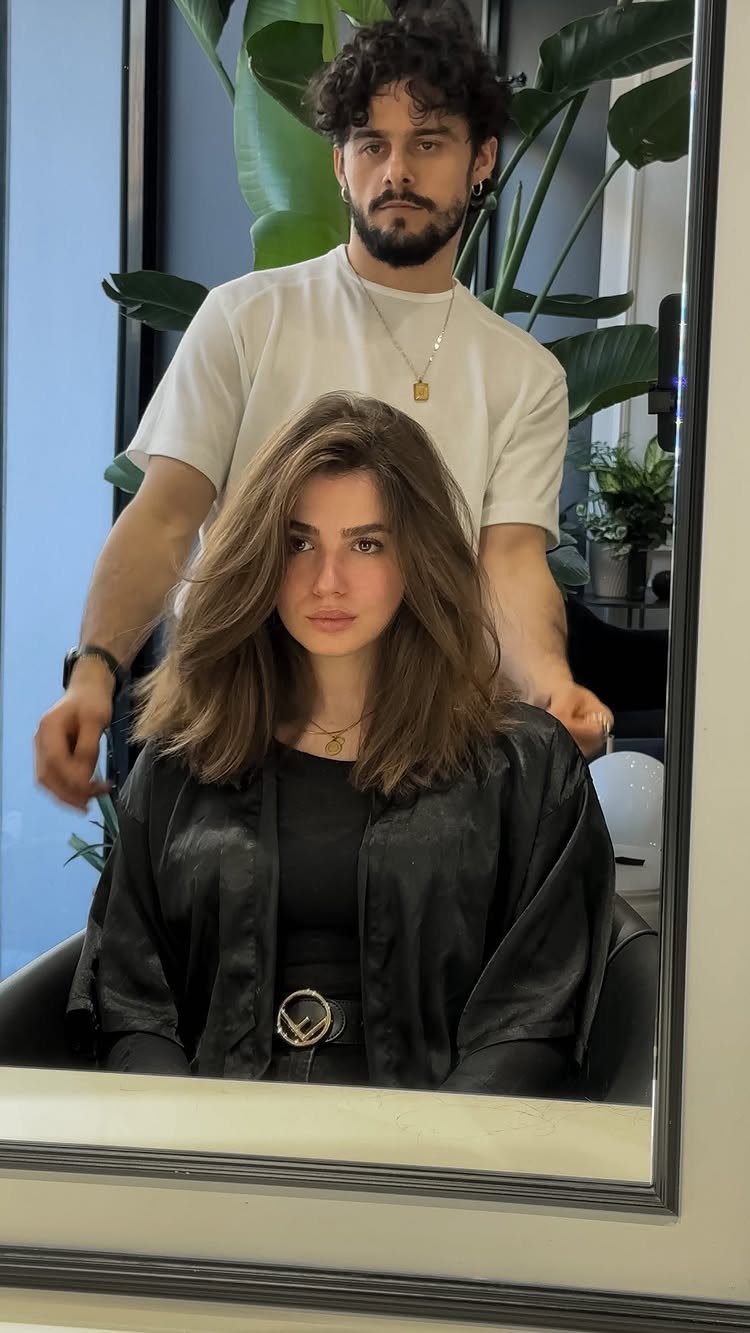
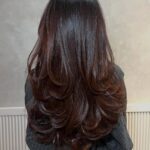
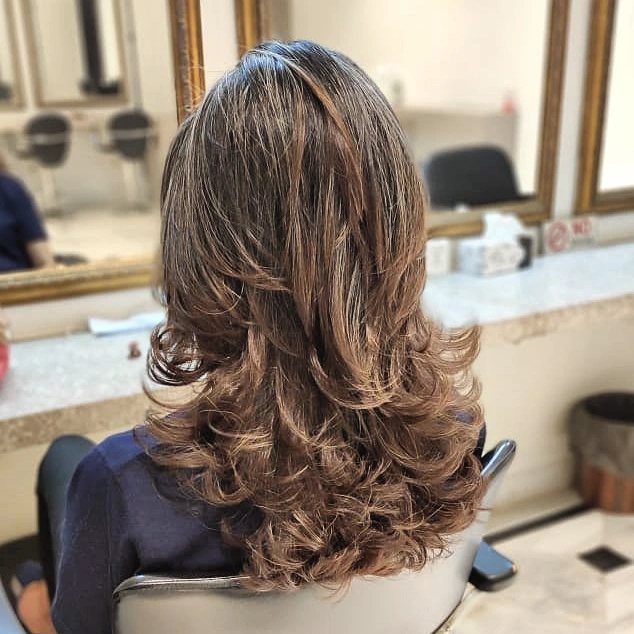
Soft, subtle layers keep shoulder-length brown hair moving without breaking up the outline. The shape stays polished, which makes this the gentler option next to a shag or a wolf cut.
If you want a change that still looks office-ready, I’d choose it.
Tell your stylist you want layers that blend, with no obvious steps, and name shoulder length so the cut doesn’t creep shorter. Bring a photo to the chair, because "subtle" means different things to different people.
16. Wispy-Bang Layers

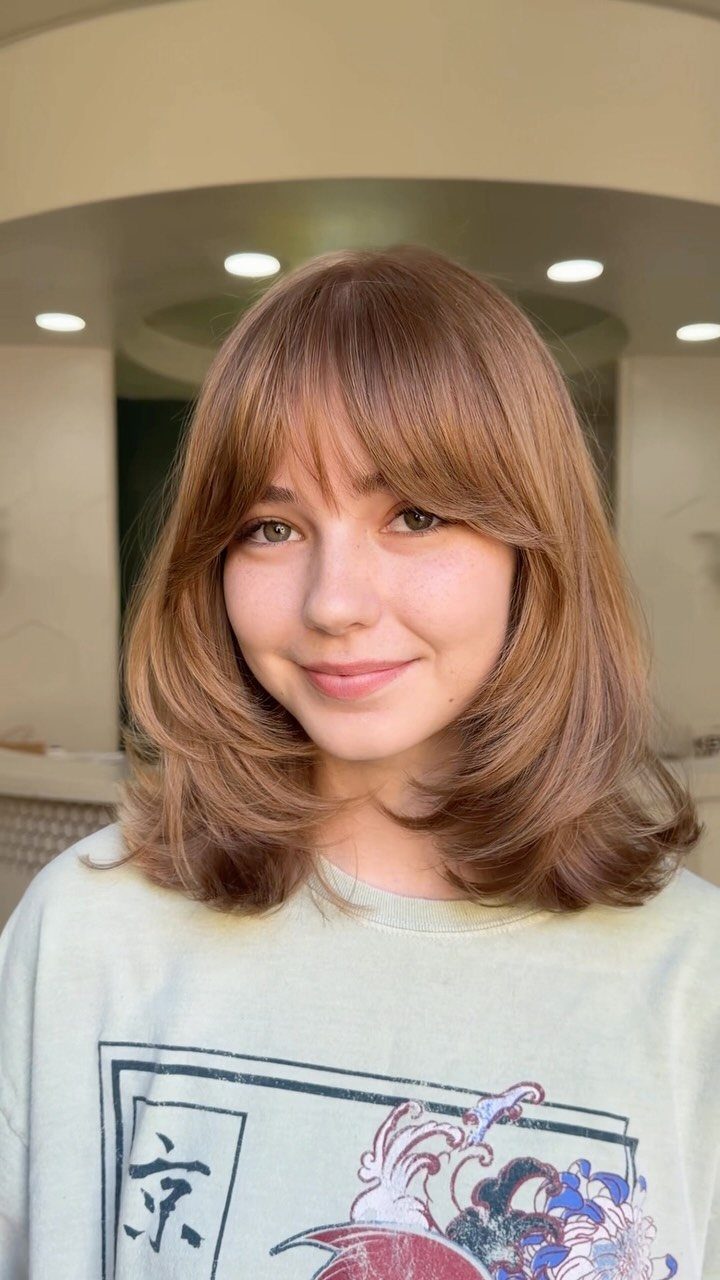
Medium layers plus light, wispy bangs give the face a soft frame. The bangs are thin enough to see through, so they read as a hint of fringe rather than a full curtain.
I like this on brown hair because the airy ends show clearly.
Ask for wispy bangs blended into the face-framing layers, and expect small trims between full cuts to keep the fringe from reaching your eyes. A flat iron or round brush gives it a smooth finish.
17. Side-Swept Bang Layers
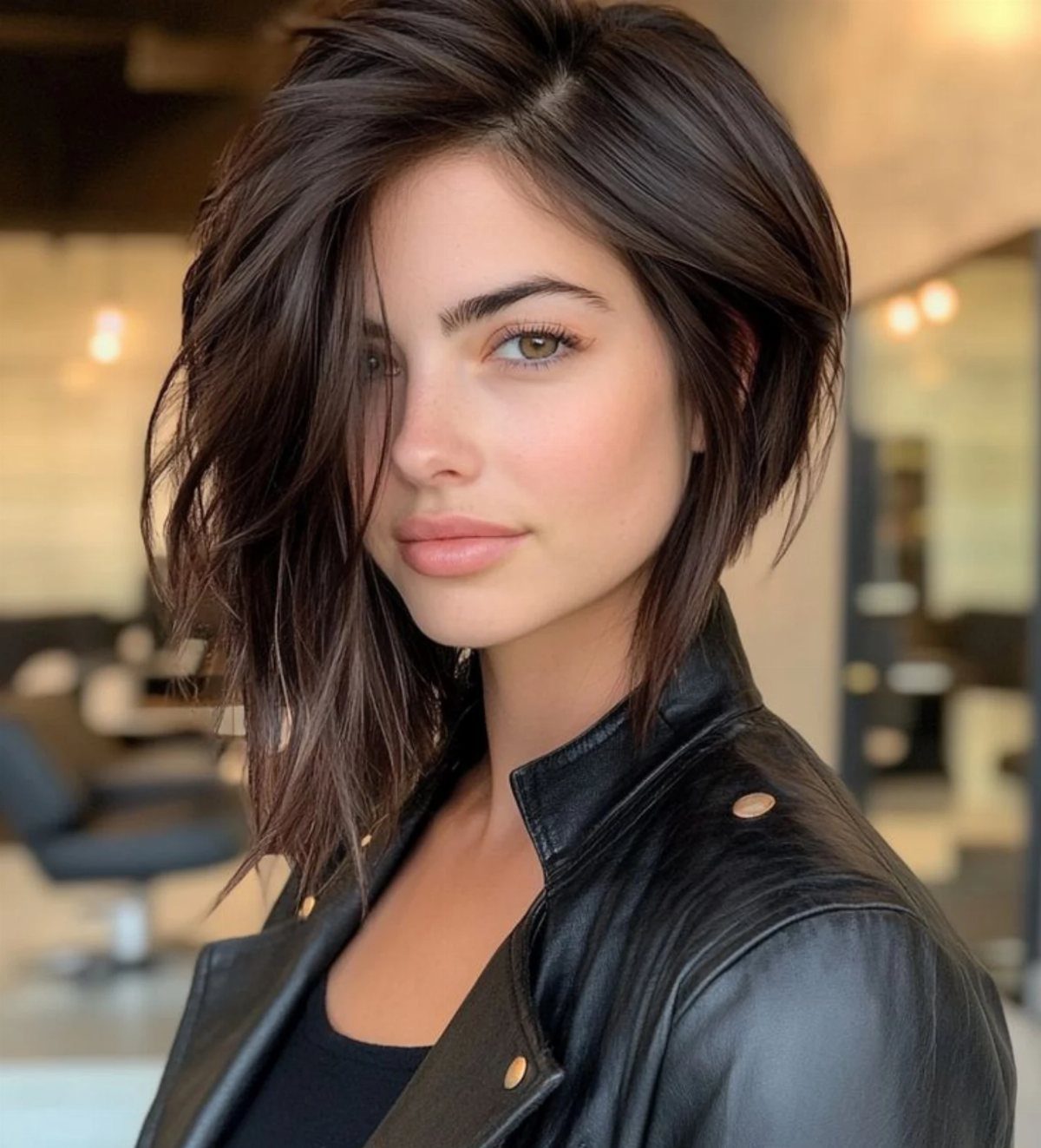
Long bangs swept to one side give medium layers an angled line across the face, and on dark brown hair that diagonal reads sharply.
Choose this over short fringe if you want bangs you can tuck behind your ear on days you’d rather not wear them.
Ask for side-swept bangs cut long and blended into the layers, and tell your stylist which side you part on, since the sweep follows it. Blow-dry the bangs sideways while they’re damp.
18. Layered Waves
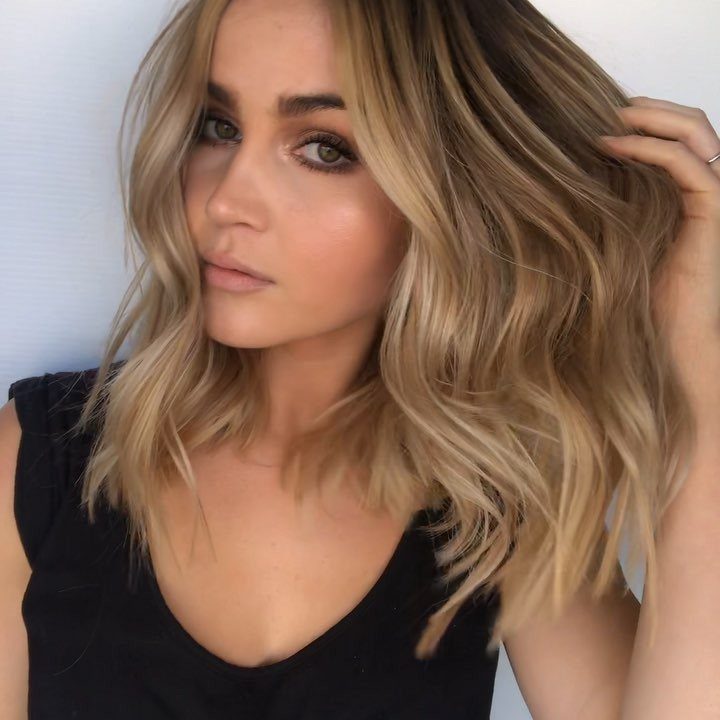
Waves are what make layers visible. Straight hair hides the stepped lengths, while soft waves show where each one falls and give the ends a tousled look.
On medium blonde hair, I’d keep the waves loose rather than tight, so the layers stay readable.
Ask your stylist for layers cut to wear wavy, and mention that you plan to style them with a curling iron or by air-drying. Bring a photo of the finished waves, since that is the look you’re asking for.
19. Curled Layers
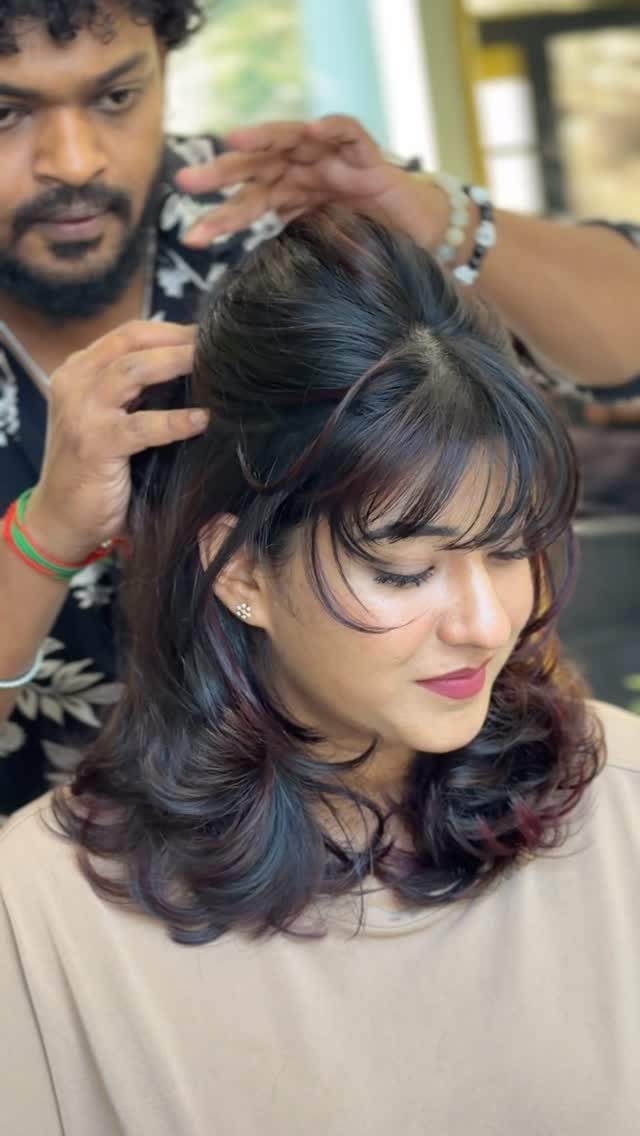
Curling the ends of a layered cut brings volume without keeping all the length, and the bounce shows where each layer falls. Deep brown and black strands keep a curl defined, and wispy bangs take the edge off the front.
If your hair is thick, layers take out weight while curls add the fullness back in a lighter shape. Ask for layers cut to style curly, and use a medium-barrel curling iron or hot rollers to set the ends.
20. Flipped Ends
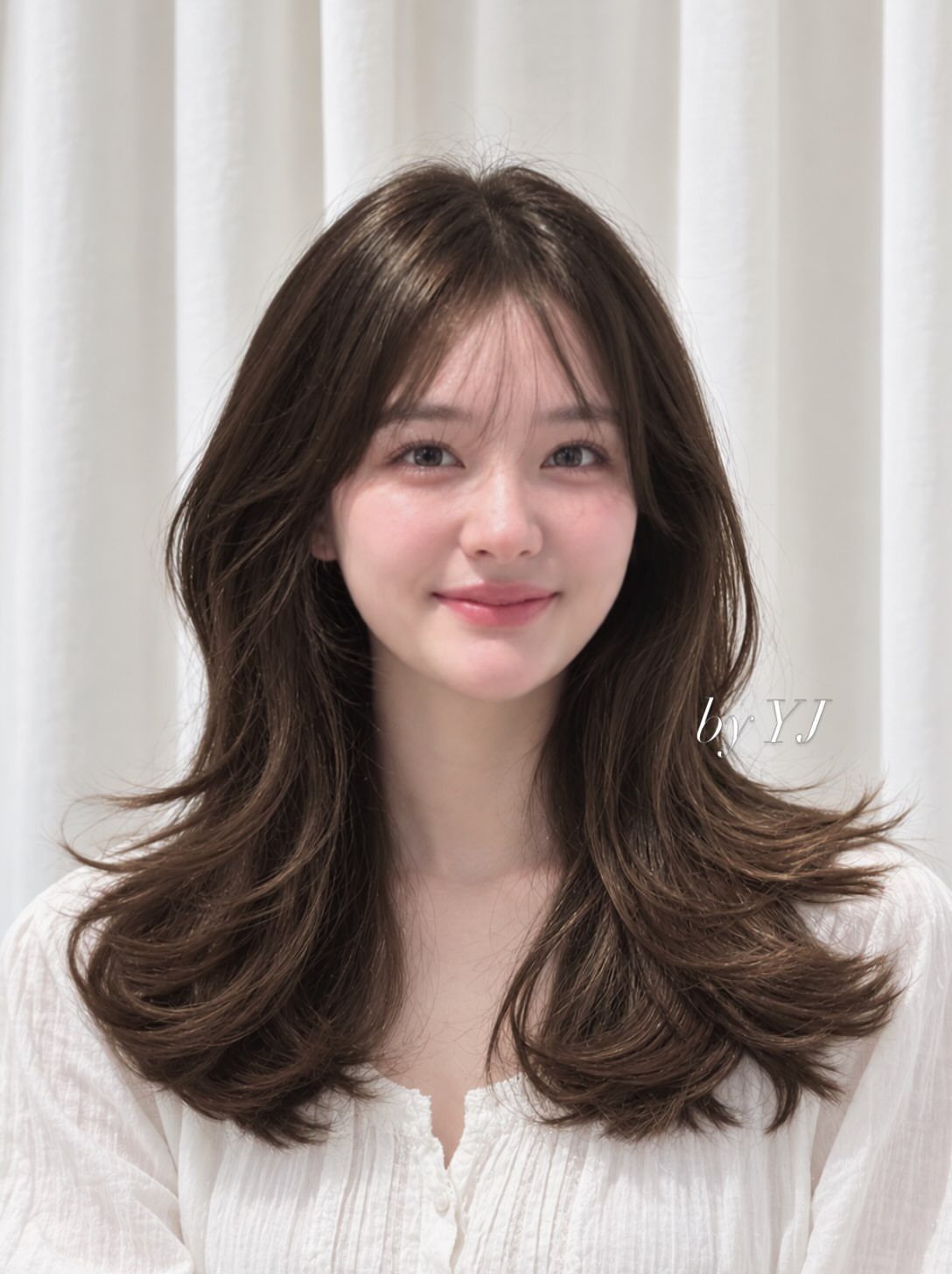
Flipping the ends outward or inward gives medium layered hair a retro curve at the bottom, and the direction changes the whole feel. Out reads playful, in reads polished.
A round brush and a blow-dryer are what you need to set the flip while the hair is still warm. The flick holds longer on hair with some texture, and wispy bangs keep the shape from looking stiff.
21. Voluminous Blowout
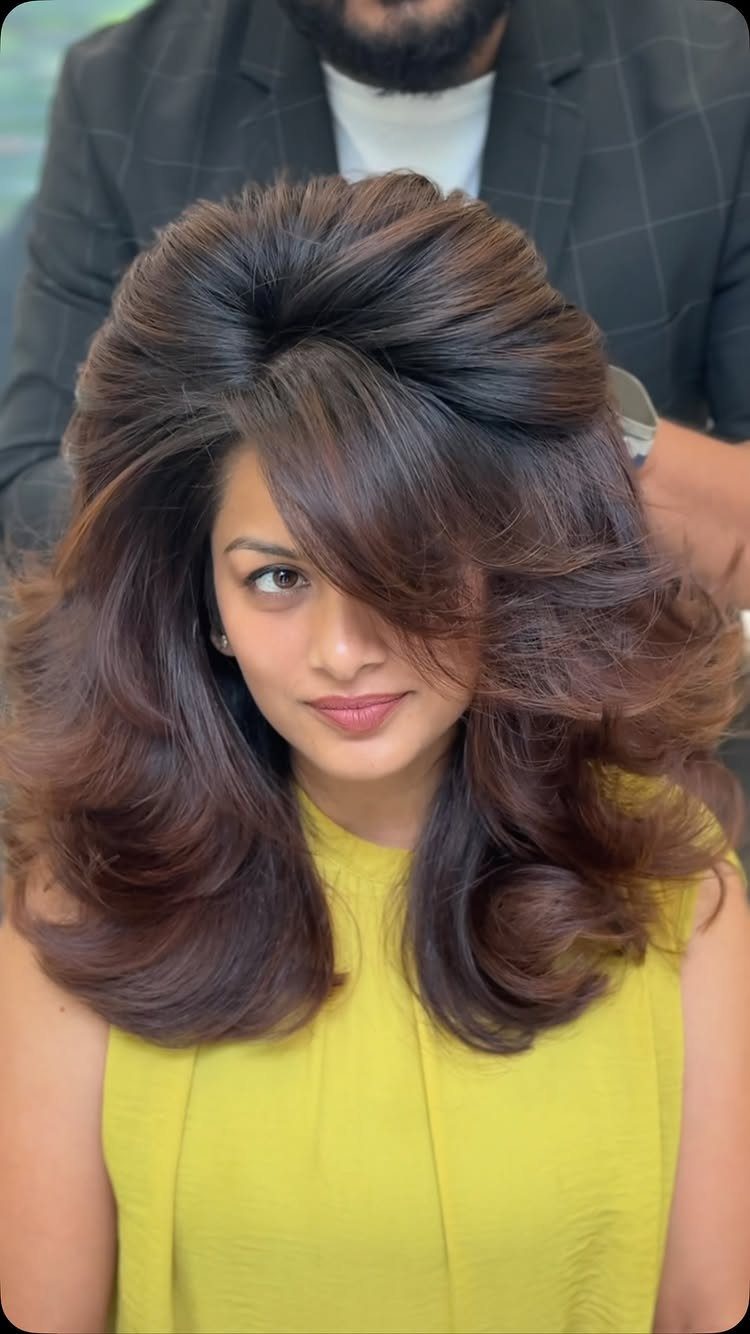
A round-brush blowout lifts the roots and curls the ends away from the face, so layered hair gets body and bounce instead of lying flat. The shape reads full without hairspray holding it in place.
Blow-dry in sections, rolling the brush outward at the ends.
I’d pick this over loose waves if you want polish with volume. A silk pillowcase helps the blowout hold its smoothness overnight, so the shape carries further into the week.
22. Side-Parted Layered Hair
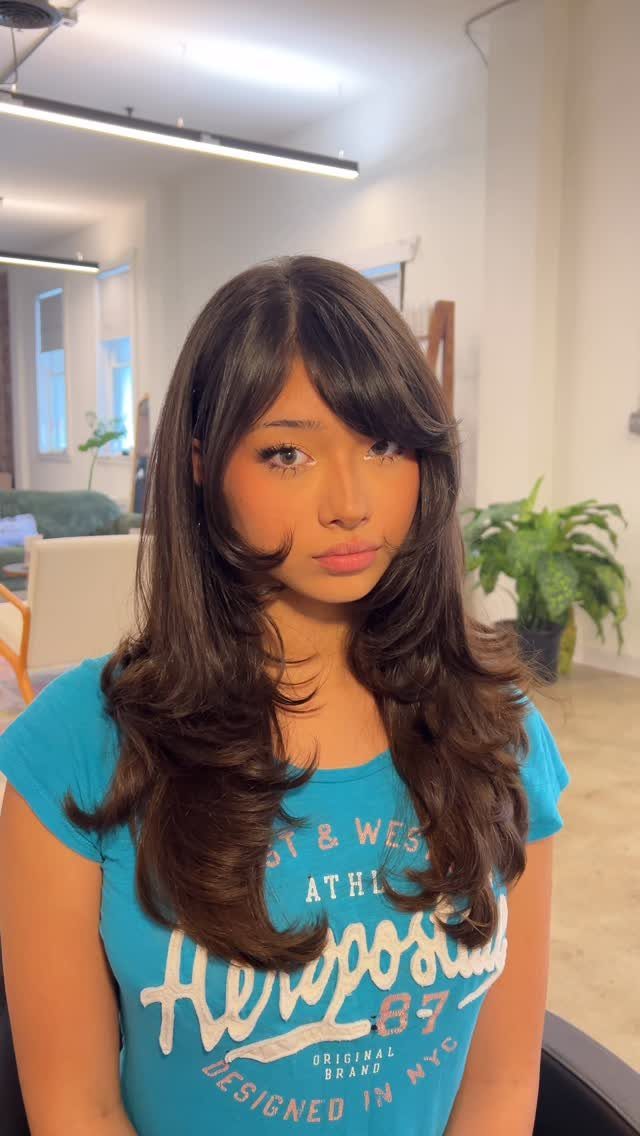
A deep side part shifts the weight to one side and gives the roots lift, so medium layered hair gains volume without adding product. Softly curled ends finish the shape.
Move the part an inch or two off-center if you want subtle lift, or shift it near the temple for a dramatic sweep. I’d pick a side part over a center one if hair falls flat at the crown.
23. Soft Romantic Lob
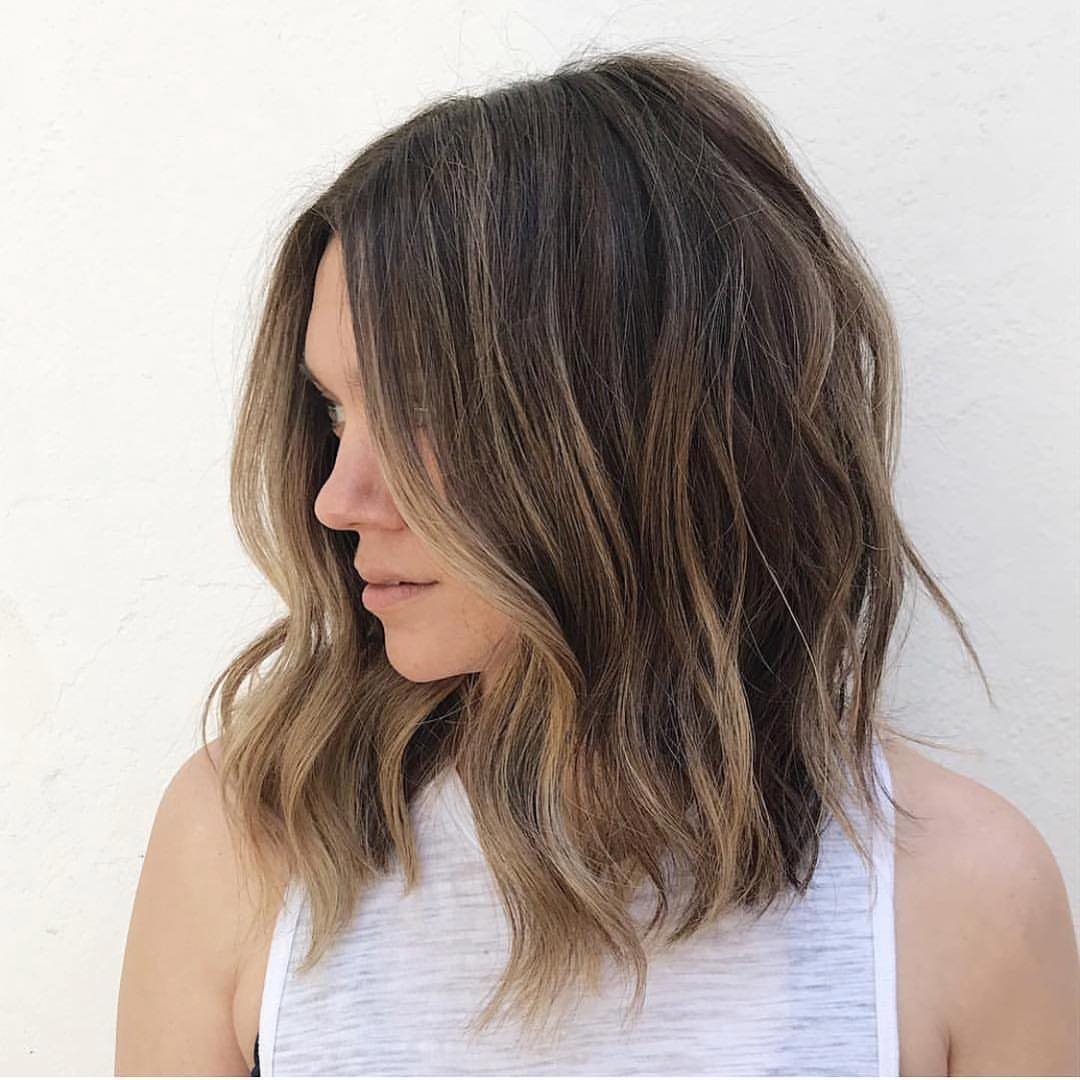
Honey tones warm up a lob, and loose waves through the layers give it a soft, romantic finish. The color catches light at the ends, which makes the waves easier to read.
Ask for a lob with subtle layers and honey highlights blended through the mid-lengths and ends.
Curl the lengths, then brush through for a looser wave. A toner keeps the warmth from fading, so book one as soon as the color starts to look flat.
24. Blonde Layers
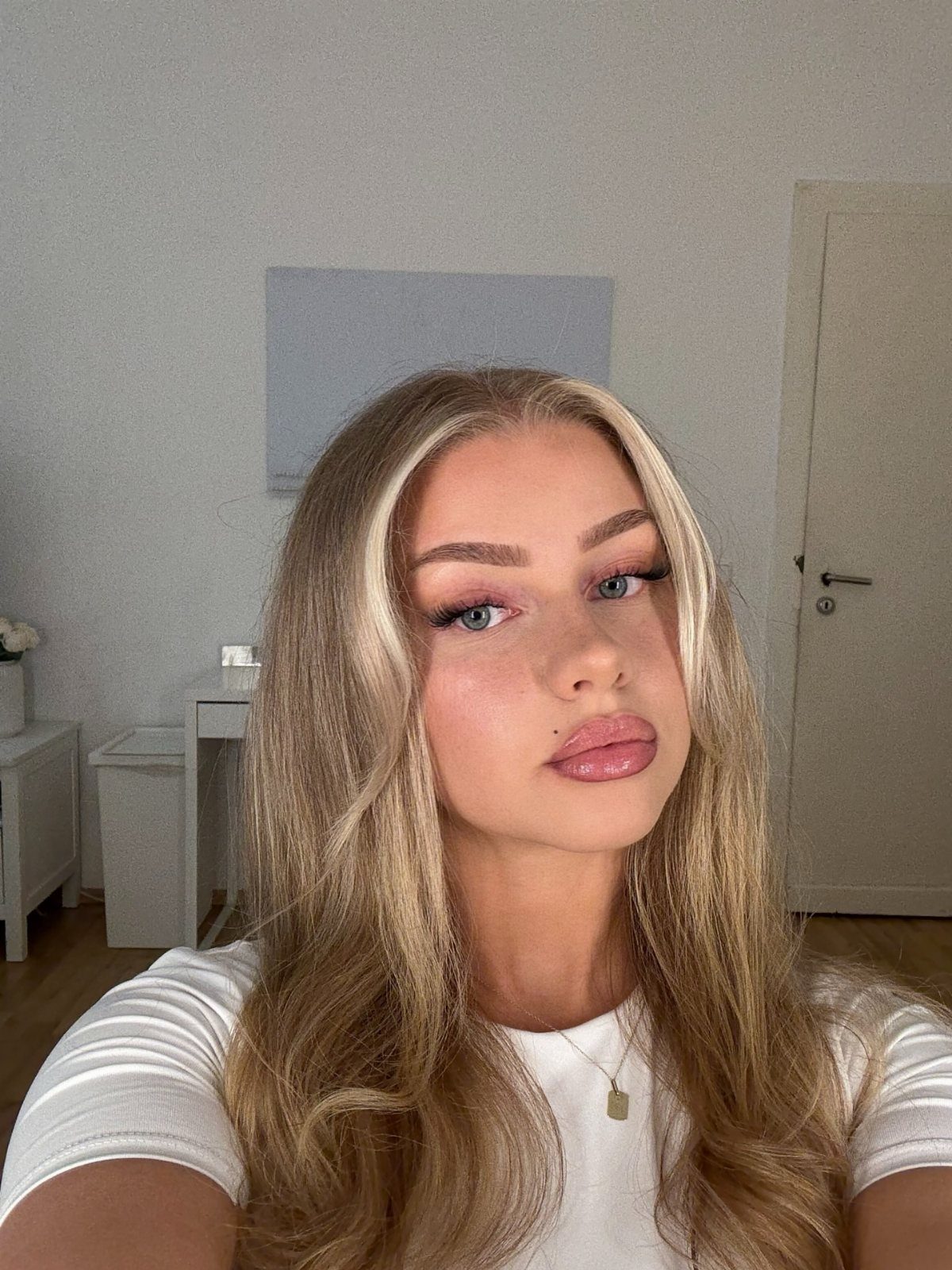
Blonde lifts every layer into view, since the lighter color catches more light and shows where the stepped lengths fall. Face-framing highlights brighten the front and pull attention toward your features.
Loose waves give blonde layers more dimension than straight hair does.
Ask for highlights placed near the face and through the top layers, not all over, so the color stays natural. Purple shampoo once a week keeps blonde from turning brassy.
25. Gorgeous Balayage Layers
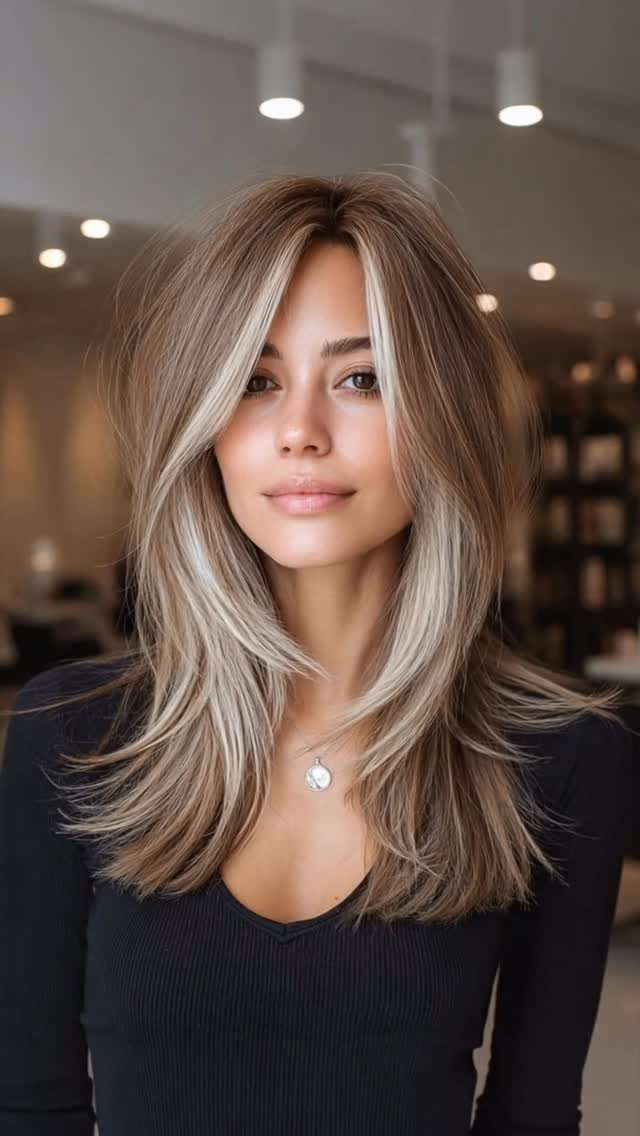
Balayage sweeps lighter color through the mid-lengths and ends, so the gradient moves when the layers do. On medium brown hair, blonde painted through the layers catches light and makes each one easier to read.
Tell your colorist to hand-paint the balayage into the layers instead of across the whole head; that puts the lightest pieces right where the cut swings.
Straight hair hides the fade from root to ends, while loose waves spread it out where the eye can follow it.
Blonde warms up as it ages, and a toner pulls it back to a cooler shade, so book one as soon as you spot the shift.
26. Natural Grey Hair
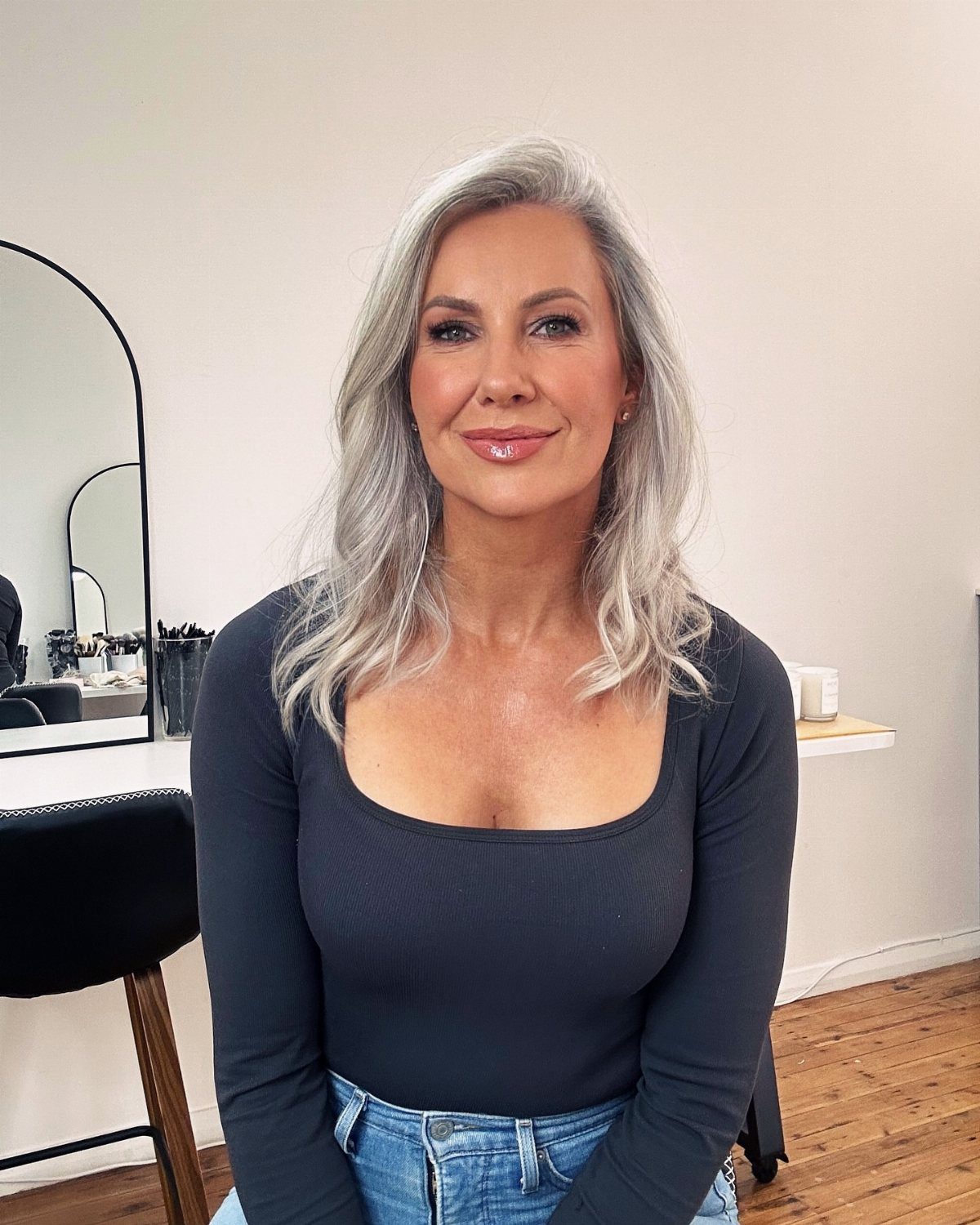
Silver-grey hair gains lift and shape when layers are cut through the crown and sides. The color reads clearly against dark clothing, and the layers keep the weight from pulling the style flat.
If your hair is naturally grey, layers add movement without altering the color.
Ask for crown layers and face-framing pieces, and bring a photo so the stylist knows how much volume you want. Silver drifts yellow without help, so work a purple shampoo into your routine 1–2 times a week.
27. See-Through Fringe
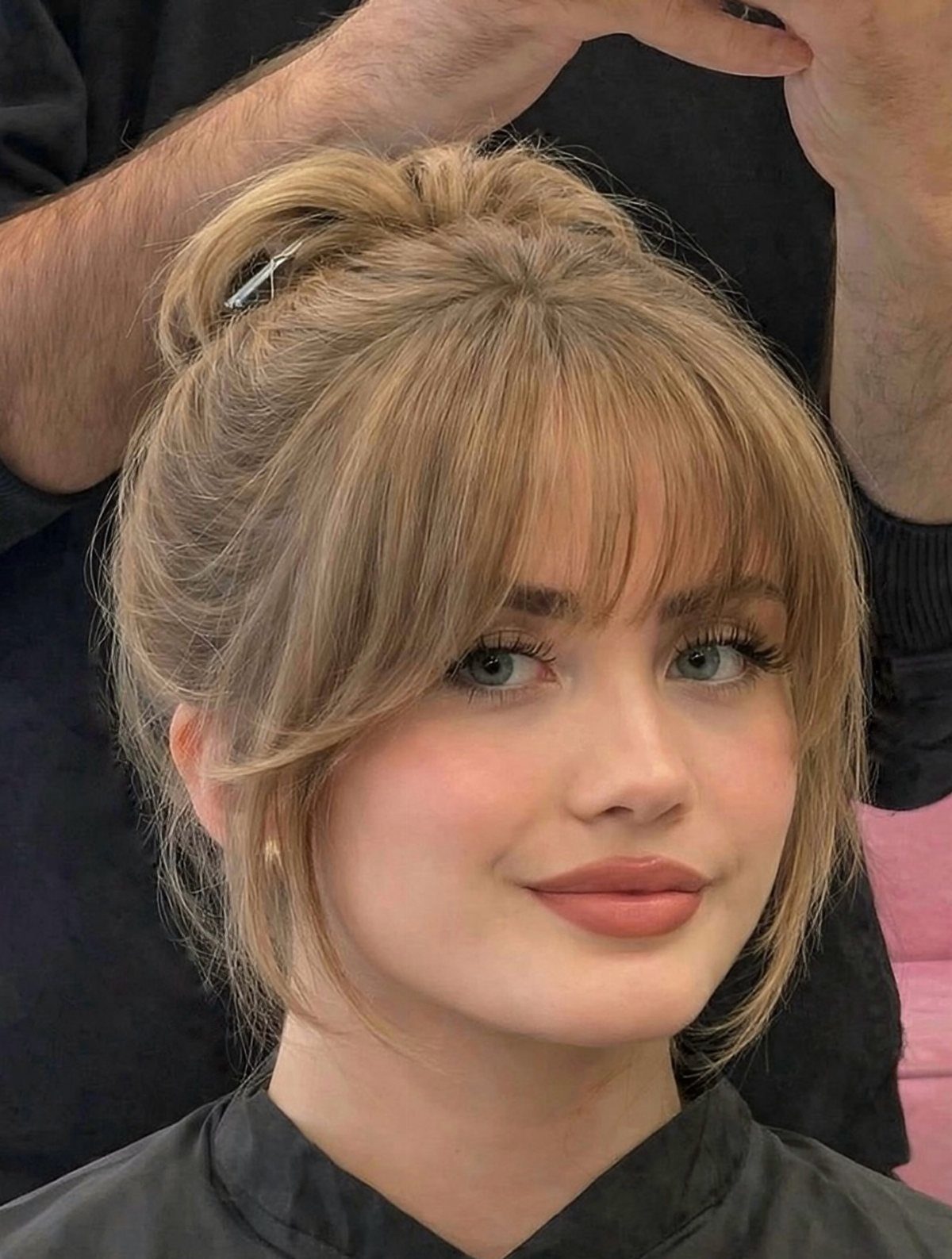
A see-through fringe sits lightly across the forehead, thin enough to show skin underneath, and pairs well with medium layered hair. The texture keeps it from looking heavy or dated.
Request a see-through fringe by name, and tell your stylist you want it wispy and light, not thick.
It grows out faster than a full fringe, so plan on trims every few weeks. On blonde or light brown hair the fringe reads softer than it does on darker shades.
28. Ginger Curled Layers
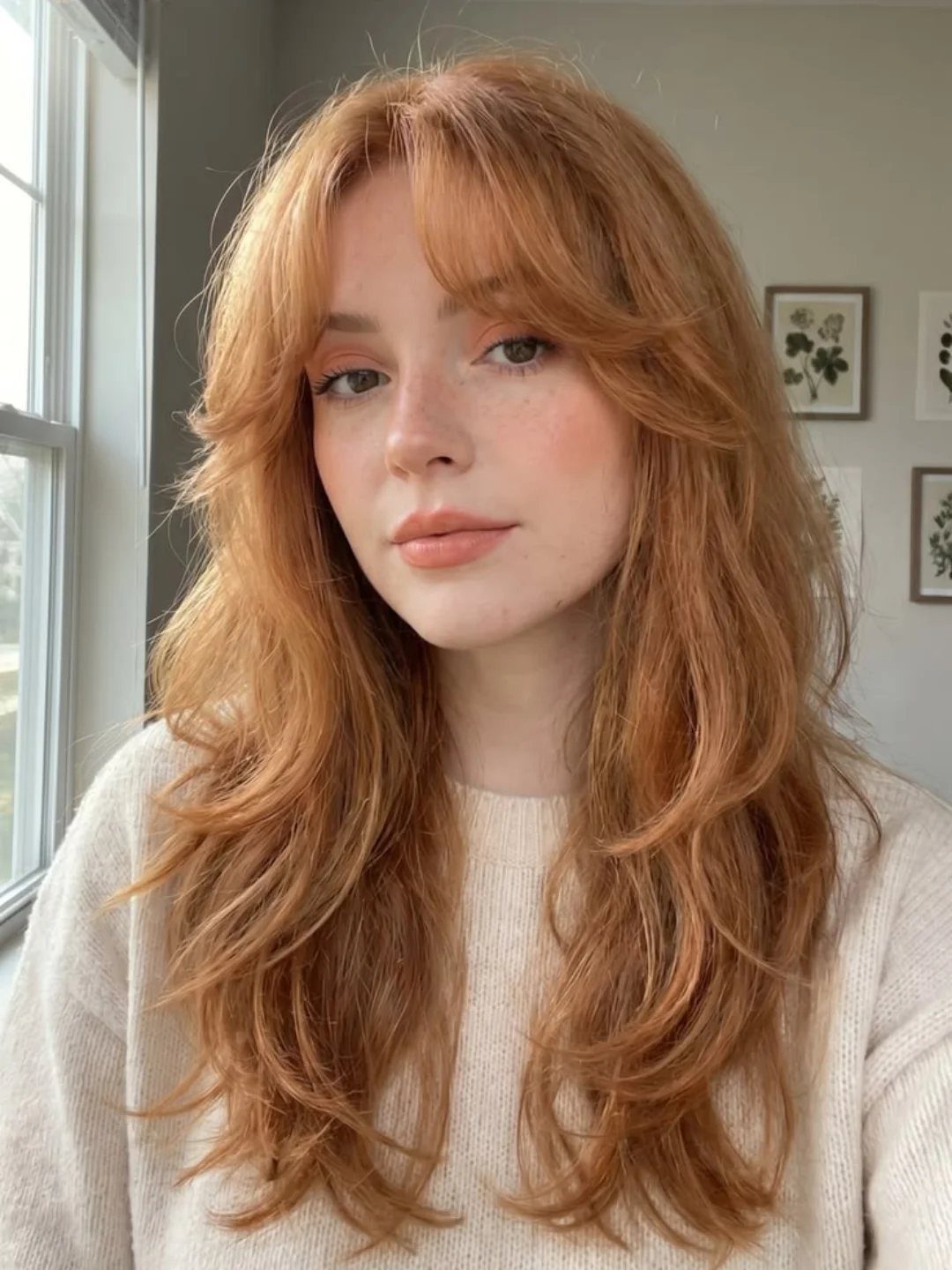
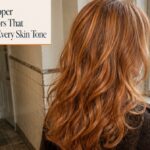
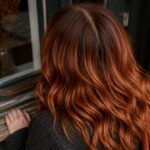
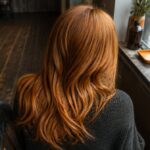
Ginger color paired with fluffy curled layers brings warmth and texture together. The curls lift the layers and show where each one falls, and the color makes the shape easy to read.
Curl the layers with a medium-barrel curling iron, then separate the curls with your fingers for a fuller finish.
Color-safe shampoo and fewer hot-tool days between curling sessions keep ginger bright for longer. I like this on naturally red or auburn hair, since the color holds without constant upkeep.
Choosing Layers for Texture
Thick hair usually calls for longer layers, so ask your stylist to keep the cut long enough to remove bulk without leaving the ends puffy.
Fine hair goes the other way. Fewer layers preserve length and keep the strands from looking worn down at the bottom, and a few well-placed ones still give the illusion of fullness.
Every layer is a separate length, so a layered cut asks for more shaping and more trims than a blunt one. A hydrating shampoo and conditioner tames flyaways and frizz, which show up fast on cut-in texture.
Styling and Upkeep Expectations
Layered hair typically dries faster than one-length hair, so expect your blow-dry time to drop.
Shoulder-length layers can be the exception. If the ends flip out in a way you didn’t plan, blow-dry and flat-iron them smooth.
Growing layers out is slower than getting them. Going back to one length takes a while because the shorter pieces have to catch up, and that stretch can look uneven.
To keep the bounce in the meantime, book regular shaping appointments instead of waiting for the shape to collapse. Straight, curled or left natural, a layered cut stays easy to style as long as it’s kept up.
Face Shape and Parting
For a longer face, shorter angles that land at the cheekbones add balance and draw the eye to them. For a rounder face, longer layers paired with a side bang create the angles that the face shape lacks.
An off-center part works across face shapes, so it’s the easiest adjustment to try. If you part your hair the same way every day, have it cut to that side so the layers sit balanced.
If you like switching sides, ask for the cut to be done from a center part, and you can flip it either way.
Growing out a fringe?
Frequently Asked Questions
What is a good layered cut for medium hair?
Plain medium layers are the safest place to start: they run through the length for movement and volume without a big change, and the ends can go feathered, wavy or curly.
Thick hair does better with longer layers that take out bulk. Tell your stylist how much volume you want, because that decides how short the top layers go.
Is a shoulder-length haircut good for every hair type and texture?
Yes, shoulder length adapts to almost any hair type if you style it the way your hair wants to move.
On fine hair it adds volume, and textured layers fake extra body. On tight curls it gives each coil room to bounce and show its pattern instead of dragging it down.
Do shoulder-length hairstyles work on every face shape?
Mostly yes, as long as the layers are adjusted to the face.
An off-center part works across face shapes, so it’s the easiest tweak to try; if you part your hair the same way daily, have the cut done to that side.