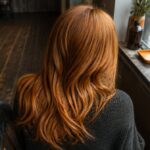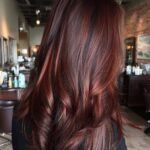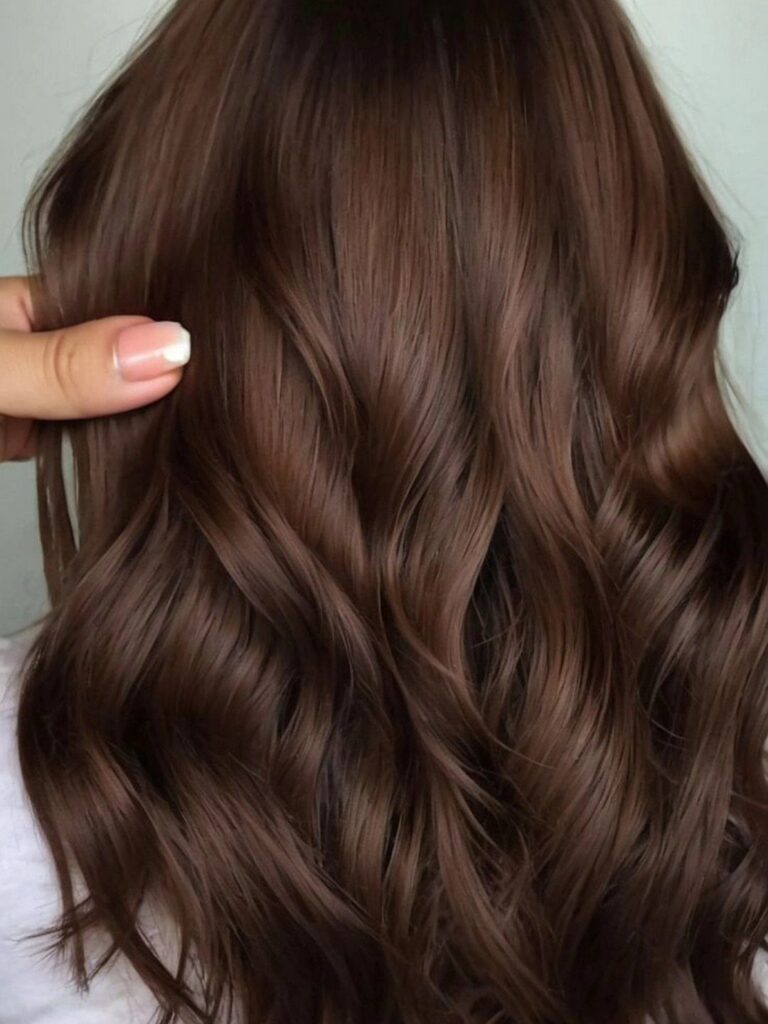
On black hair, chocolate brown barely registers, and any shade lighter than your current one needs a stylist to lift the hair first.
Dark Chocolate Brown and Warm Espresso sit at the low-maintenance end because they have no lightened color to fade, while Chocolate Balayage, Chocolate with Caramel Ribbons and Honey Glaze all depend on lightening.
A few of the looks have names worth saying out loud in the chair, like "invisible layers," "sombre" and "bronde."
1. Chocolate Balayage
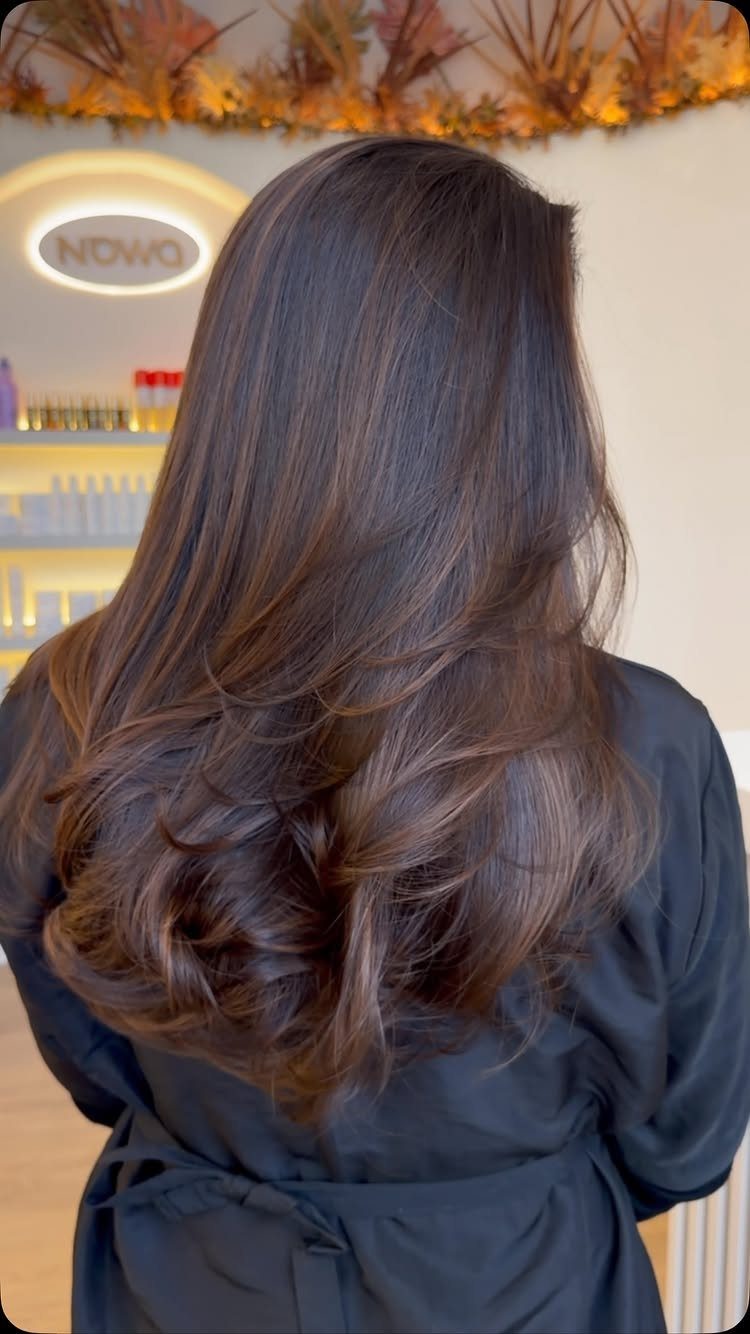
Soft, blended lighter pieces melting into a long chocolate base give this look its movement, and the wavy finish shows it off well.
Because the lightness is painted in rather than applied root to tip, the grow-out is gentler than with all-over color, so touch-ups can wait longer.
Ask for caramel or lighter chocolate tones and say you want a blend, not stripes.
2. Dark Chocolate Brown
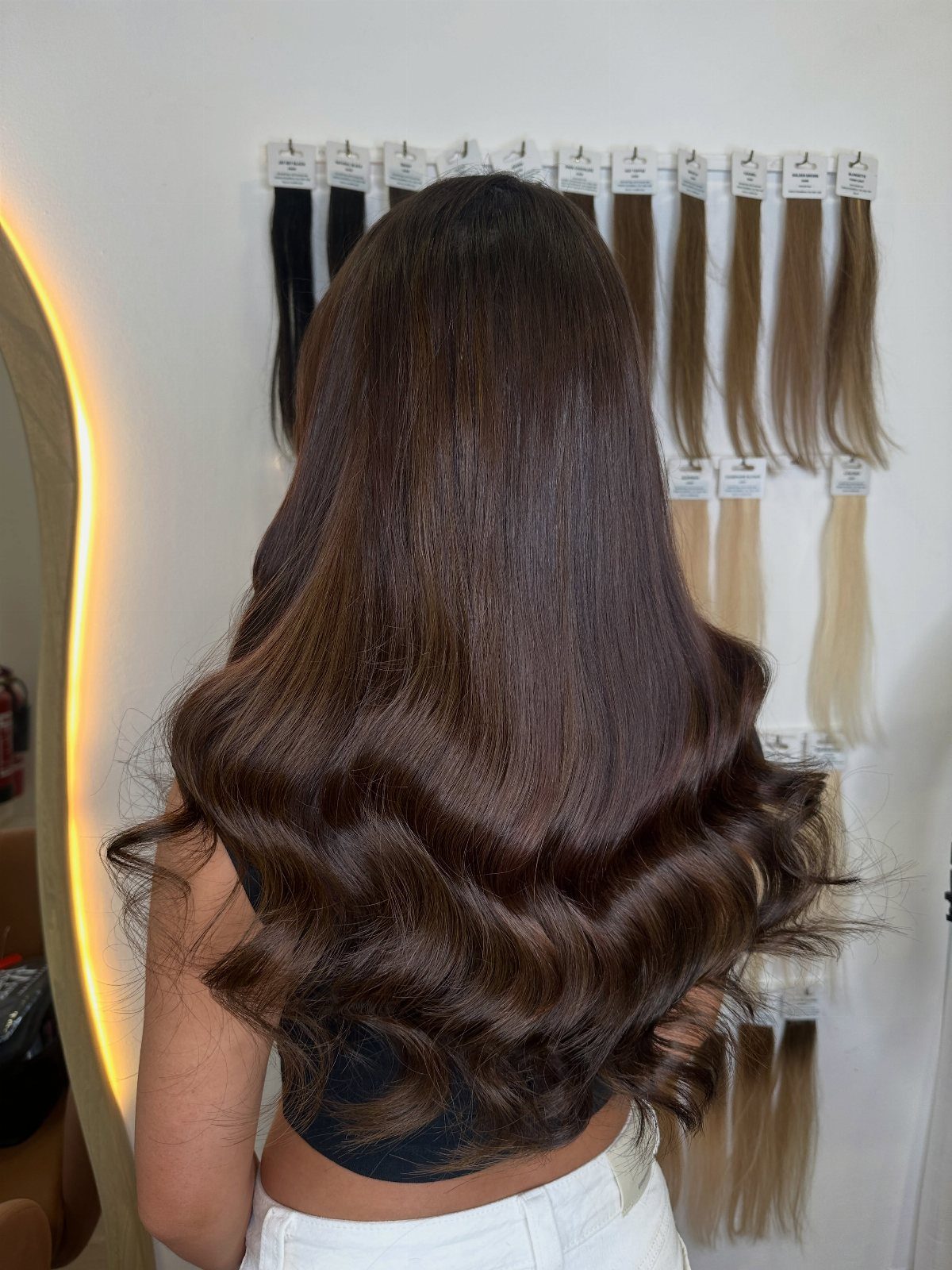
Depth does the work here: a rich, glossy brunette that reads nearly black in low light and warm brown near a window.
It’s usually easier to live with than lighter chocolates, since there’s no lifted color to fade or turn brassy.
This is the shade I’d pick for a color that looks expensive with almost no styling. Loose waves are enough to show off the depth of this shade.
3. Smooth Dark Chocolate
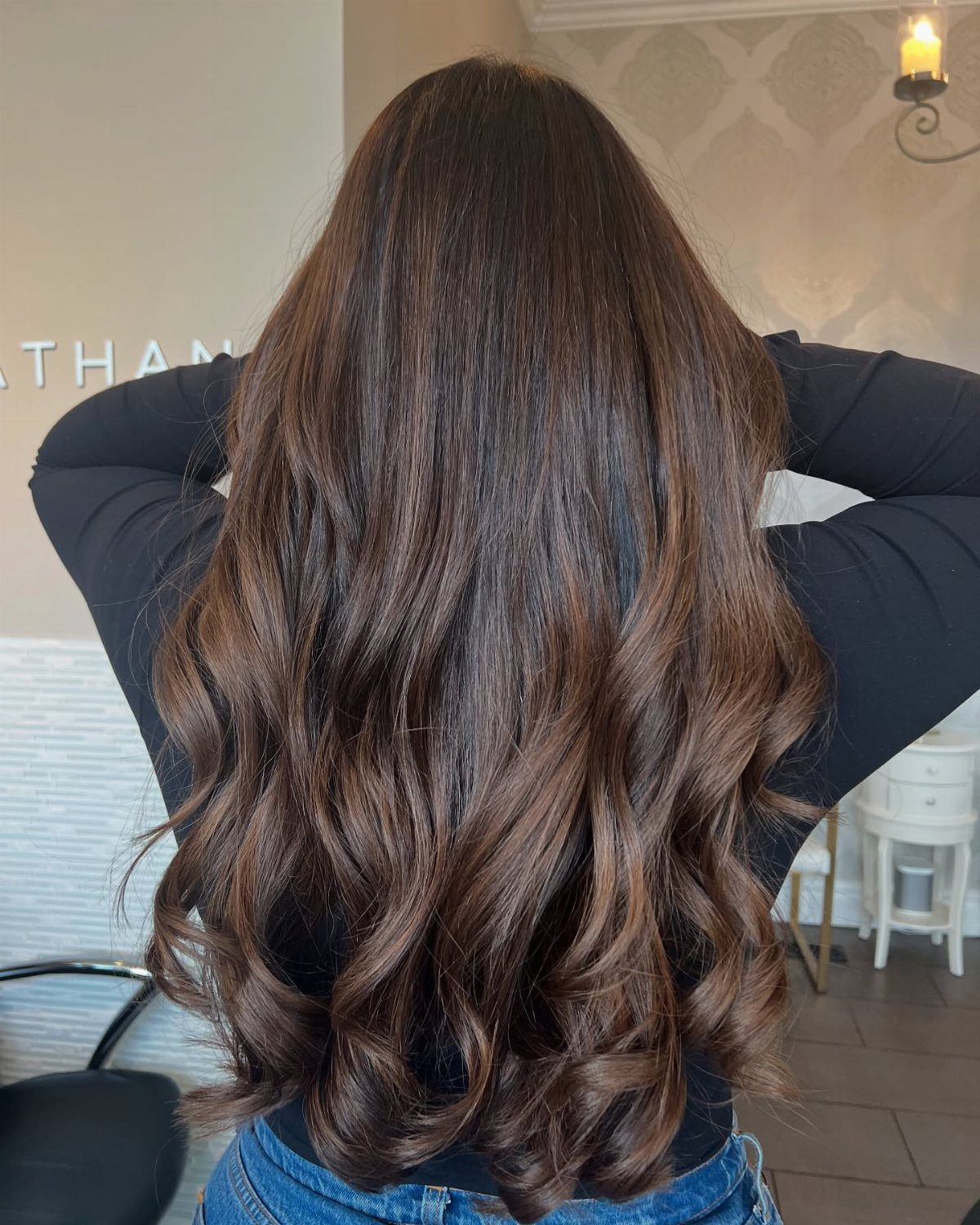
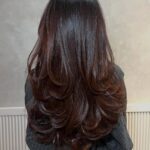
One tone, top to bottom, and the cut does the rest. Layers cut so they don’t show let smooth, glossy texture carry the look, so a single dark chocolate shade looks dimensional without any highlights.
"Invisible layers" is the term to use for this finish, and a photo of the result you’re after saves a lot of explaining. Loose waves keep the shine front and center.
4. Mocha Mahogany Brunette
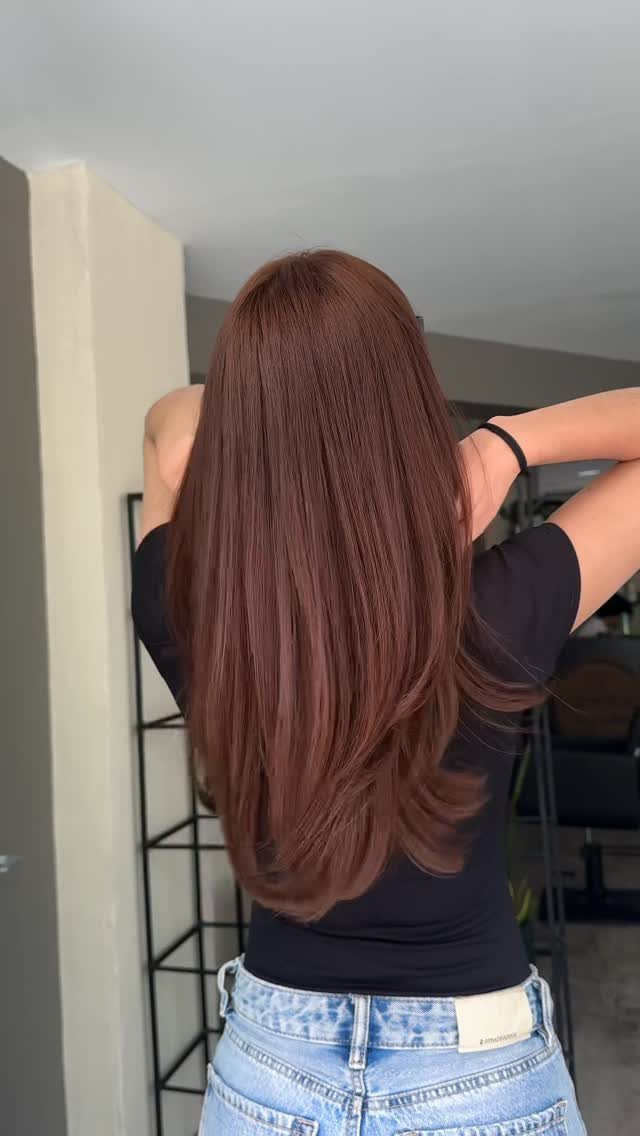
Mocha brown with a faint mahogany red running underneath: indoors it looks like a deep brunette, and in sunlight the red surfaces. That quiet warmth is why I’d choose it over a flat dark brown.
Ask your stylist for mocha with subtle mahogany undertones, not a visible red. Worn straight and sleek, the color gets all the attention.
5. Chocolate Highlights
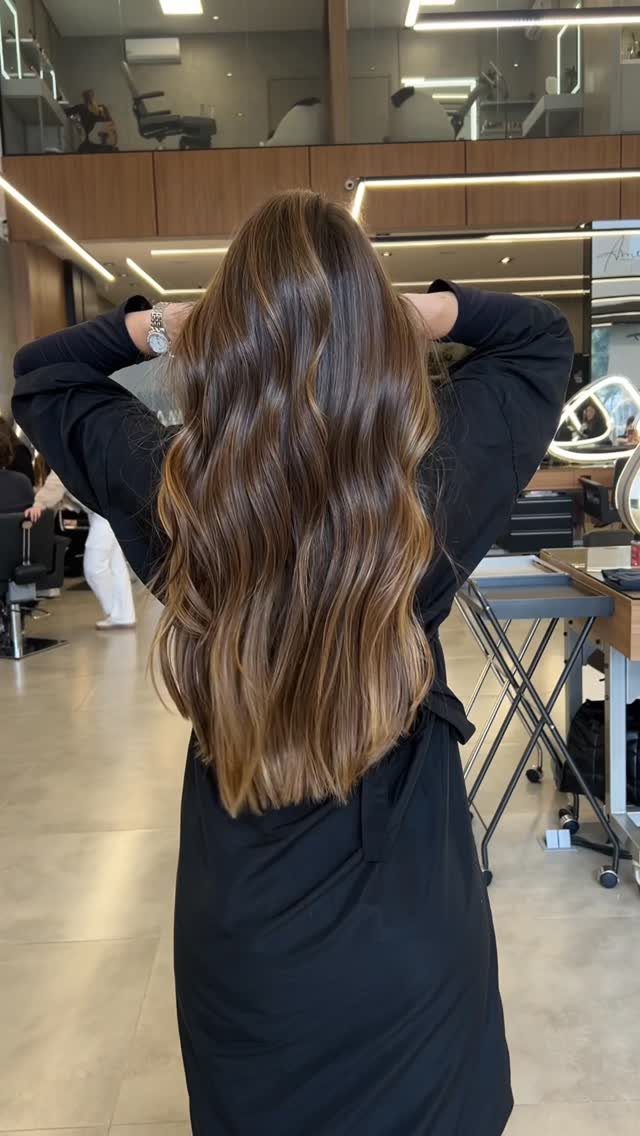
Lighter chocolate or milky strands layered through a darker base add dimension fast, and the technique works on curls and coils as well as waves.
Highlights look most natural within a shade or two of the base, and they work best placed where the curl catches light. Wavy hair like the example shows the contrast well.
6. Chocolate with Caramel Ribbons
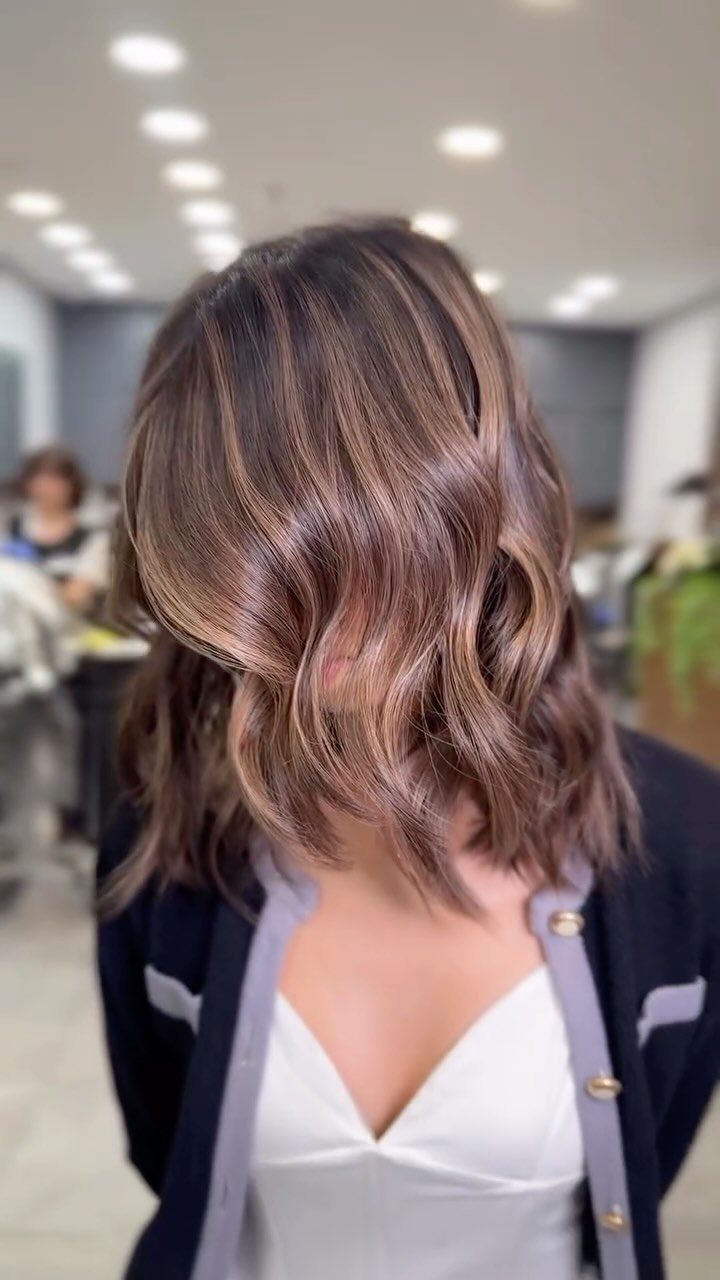
Caramel ribbons are hand-painted, which means your colorist chooses exactly where the light pieces fall. Against a chocolate base they create visible movement, especially in wavy hair at shoulder length.
Ribbons give a very different result from an all-over lightening, so name the technique and describe how bold the contrast should be. I like them fewer and wider, since a few clear caramel pieces read better than many thin ones.
7. Honey Brown Hair
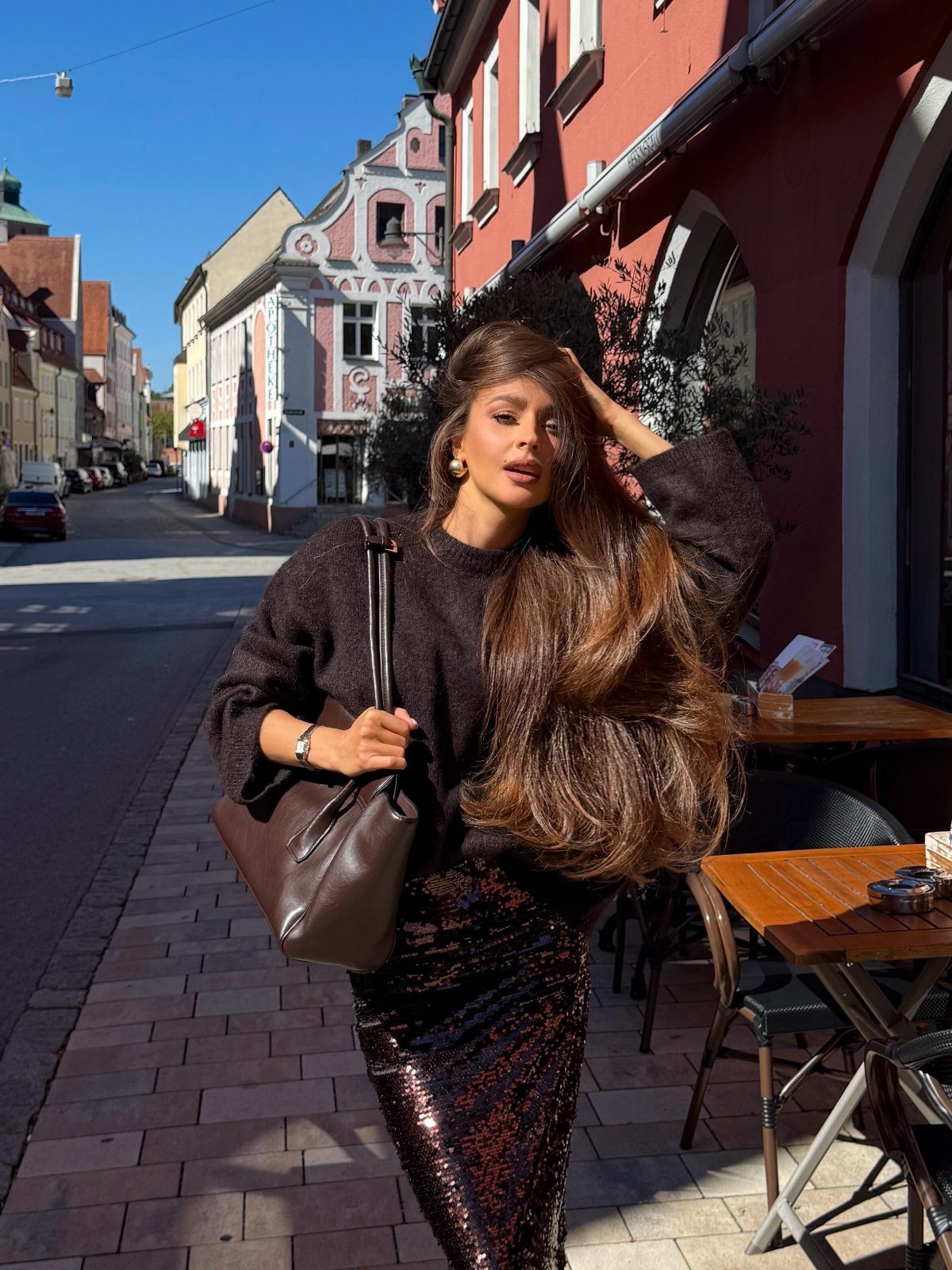
Honey strands against a chocolate base give a sun-kissed contrast that looks brightest in daylight. On long hair like this, the warm pieces sit well through the lengths and catch the light with every movement.
I’d keep the honey toned and golden rather than pale, so the base still reads as chocolate. Bring a photo and ask for honey highlights on chocolate brown.
8. Milk Chocolate
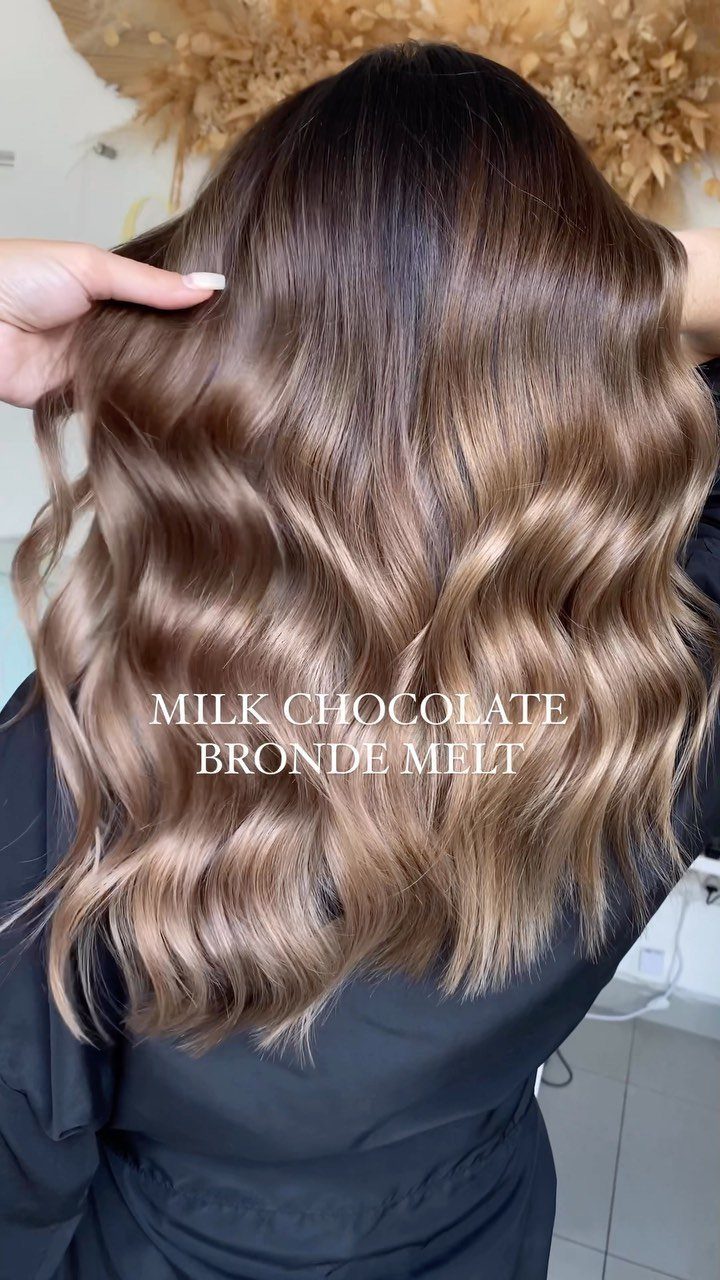
Light brown that melts into a creamy, softer color is the idea behind milk chocolate, and the "bronde" label is the word to give your stylist.
Wavy hair suits it, because the bends show the shift from brown to cream as a gradual blend rather than a hard line.
Ask for a melt, not a block of color. Choose a creamy tone over a stark blonde and the transition stays soft.
9. Copper Highlights
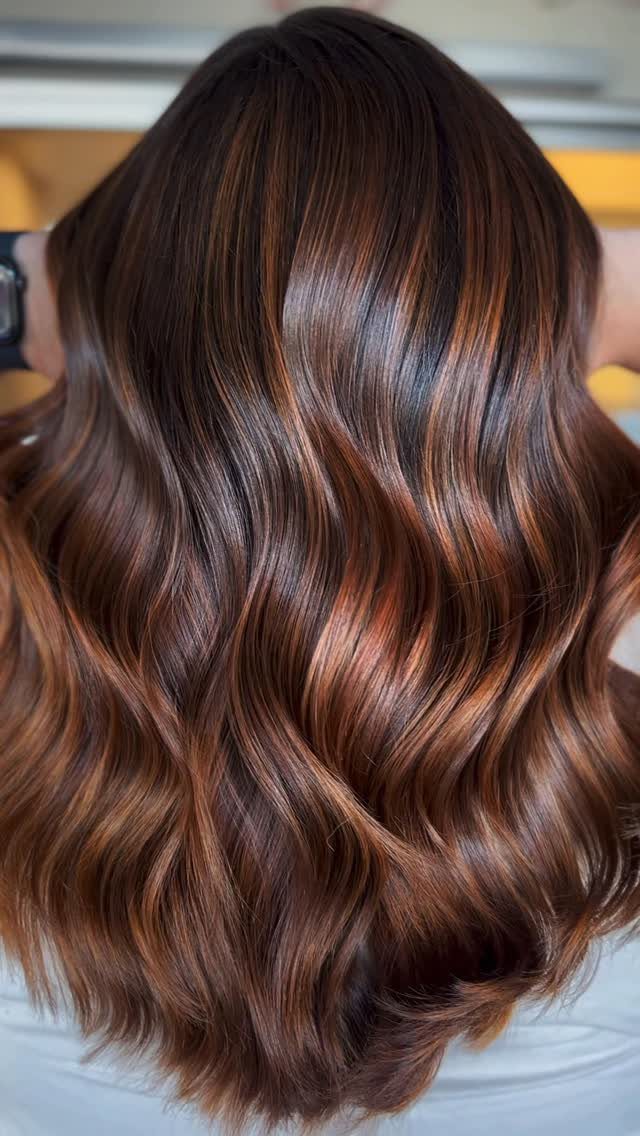
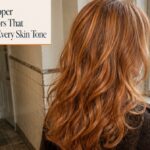
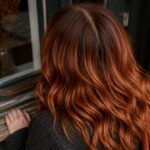
Copper in small doses is my favorite way to warm up chocolate brown. Fine, blended pieces add a glint of warmth without turning the whole head red, which keeps the base looking like chocolate.
Ask for small copper highlights blended into the base, and say you want them subtle. Wavy hair spreads the warmth around nicely, so the color shows up in flashes instead of stripes.
10. Chocolate Chestnut Blend
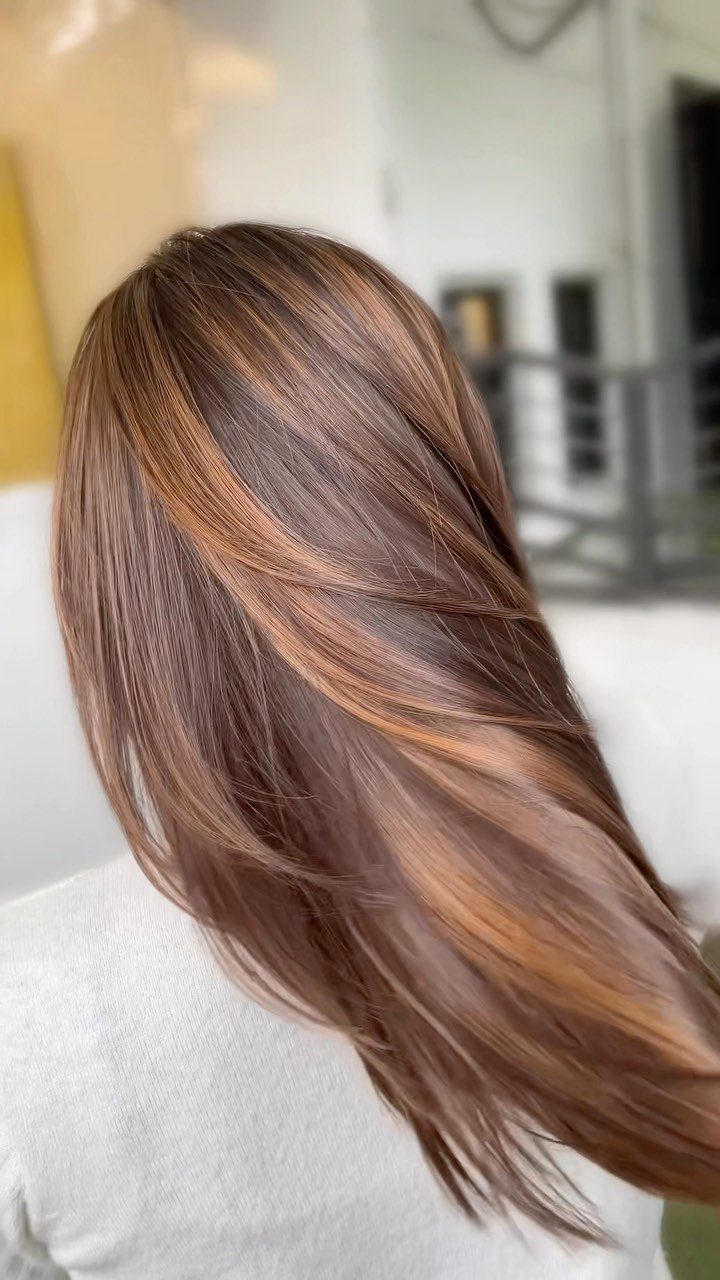
2 browns do the work here: chocolate and chestnut woven together, with dark lowlights underneath for depth. Straight, long hair shows the layering of tones clearly, since nothing breaks up the color from crown to ends.
Ask for chestnut and chocolate with darker lowlights, and keep the contrast gentle. I like this for anyone who wants more dimension than one flat brown but nothing that reads as highlights from across the room.
11. Brunette Sombre
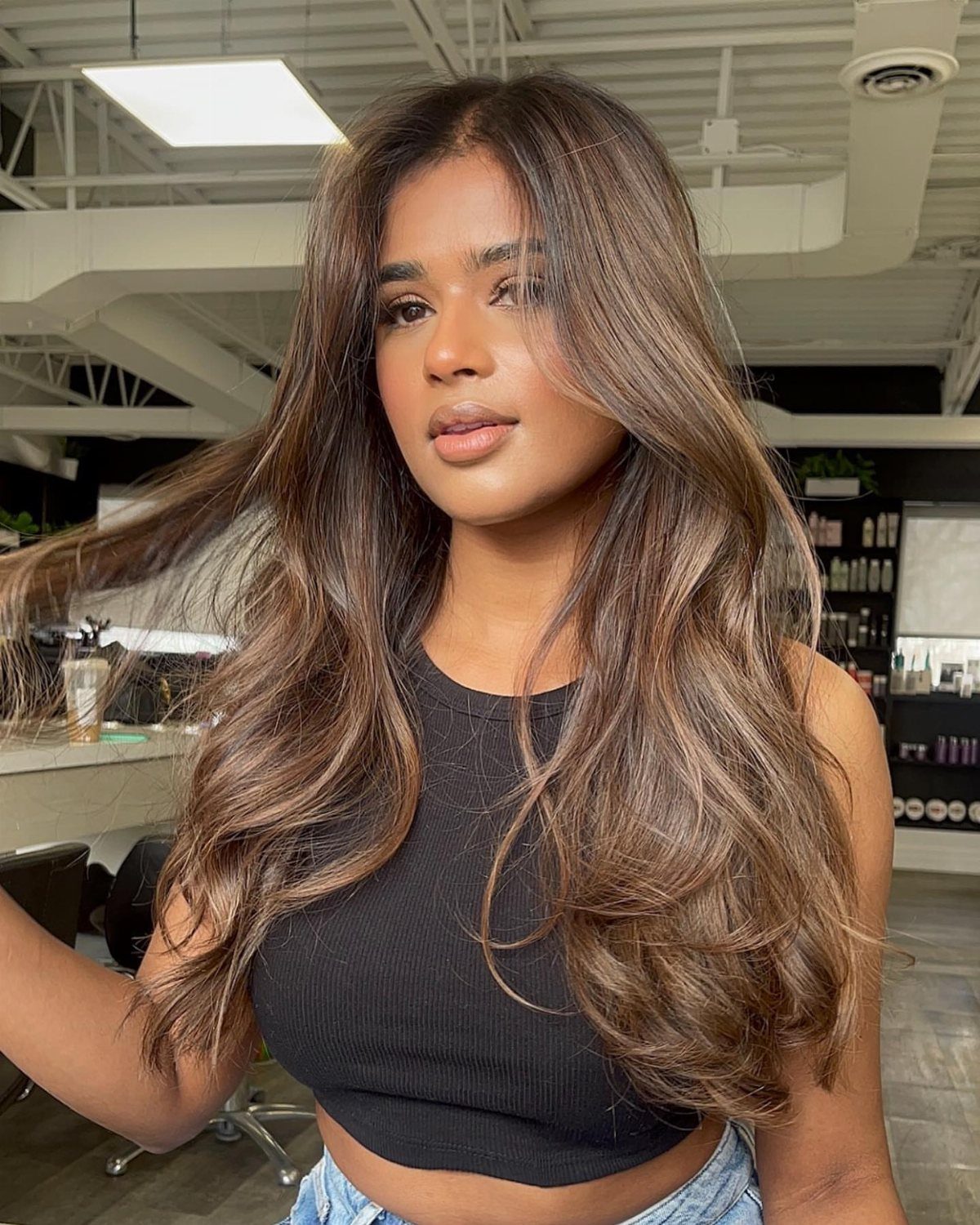
A sombre is an ombré turned down: the shift from dark roots to lighter lengths is soft and gradual, with no visible line. On long, wavy chocolate brown hair it reads as sunlit ends rather than a deliberate two-tone.
Use the word "sombre" with your stylist, not ombré, and ask for a subtle transition. Waves help blur the blend, which is why I’d choose this look for textured hair.
12. Honey Glaze
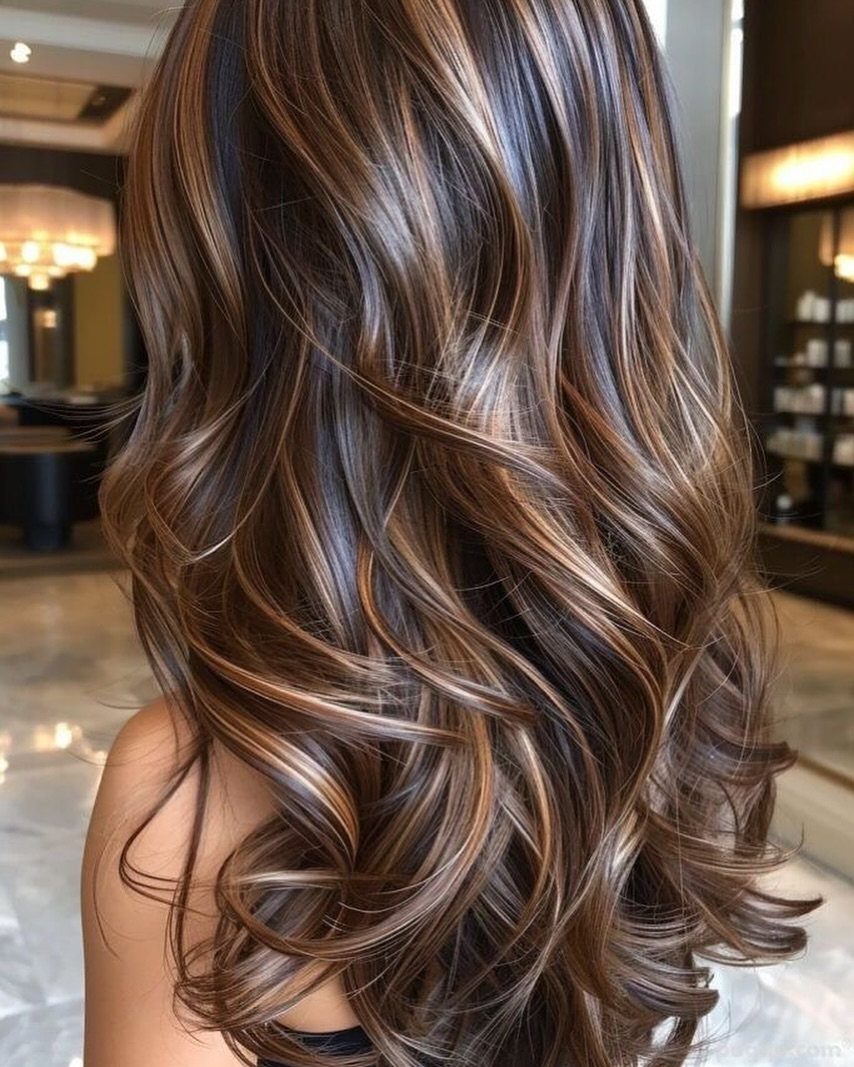
A honey glaze lays warm, golden-blonde color over chocolate brunette hair, and on curls it spills down the back like light catching syrup. It reads warmer and softer than a high-contrast highlight.
Ask for honey highlights on a chocolate base and mention that you want a glazed, warm finish. Curls give the color plenty of surface to show off, so I’d pick this if your hair has natural bounce.
13. Warm Espresso
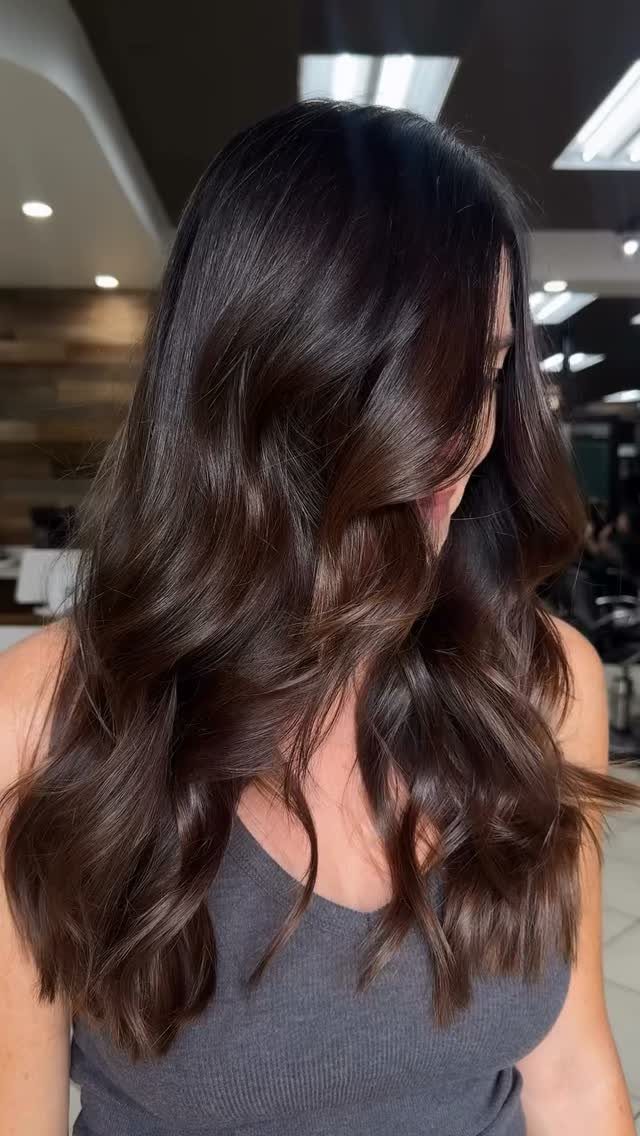
Espresso that leans warm rather than cool is the color I’d pick for anyone who wants deep brunette hair without the flat, neutral tone of true black.
The warmth shows in direct light and keeps the shade looking rich instead of stark.
Straight or wavy, the depth reads the same.
Tell your stylist you want a rich, warm dark brown with no cool or ashy tint. The built-in warmth takes the edge off such a deep shade, so it flatters fair, olive and deep complexions alike.
14. Light Chocolate Brown
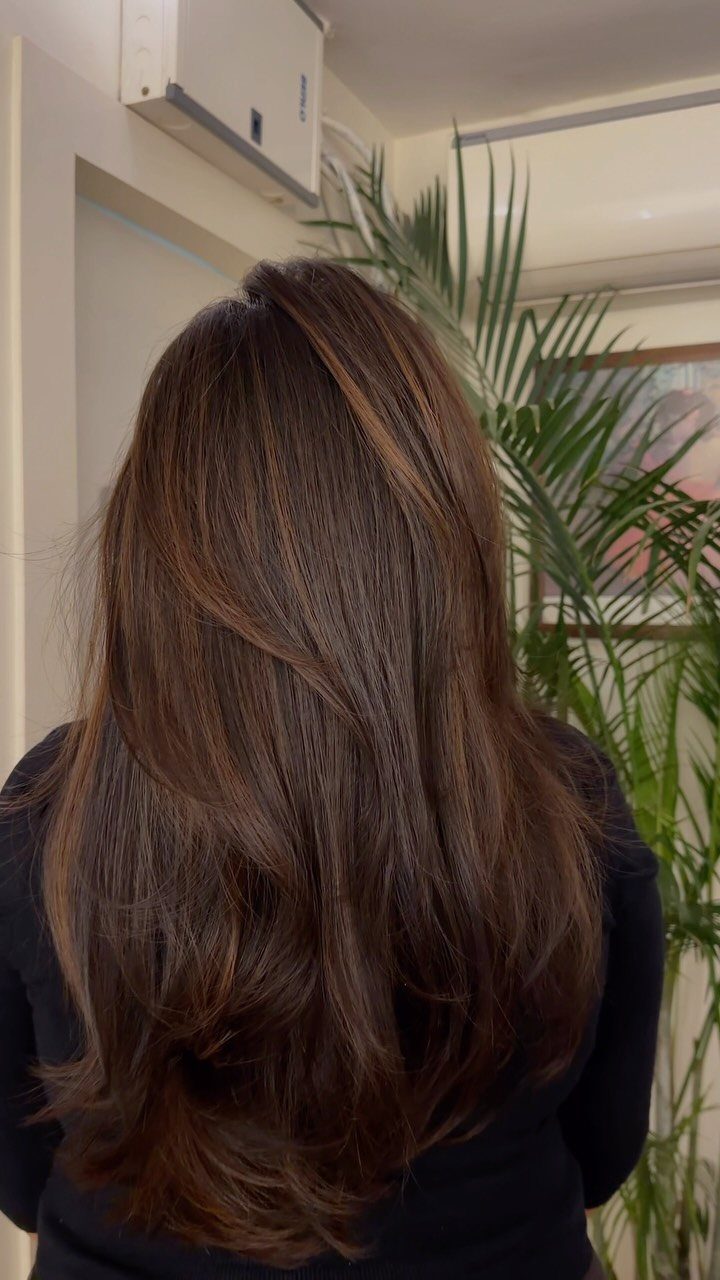
Lighter chocolate walks the line between brunette and blonde, and the layered lighter pieces through the lengths keep it from reading as one flat color. On long hair the dimension shows best, since the layers travel from mid-lengths to ends.
Ask for light chocolate with soft highlights and bring a photo that shows the level of lightness you want. The warmth here keeps it from turning ashy, which is my main reason to choose it over a cooler light brown.
15. Cocoa Goodness
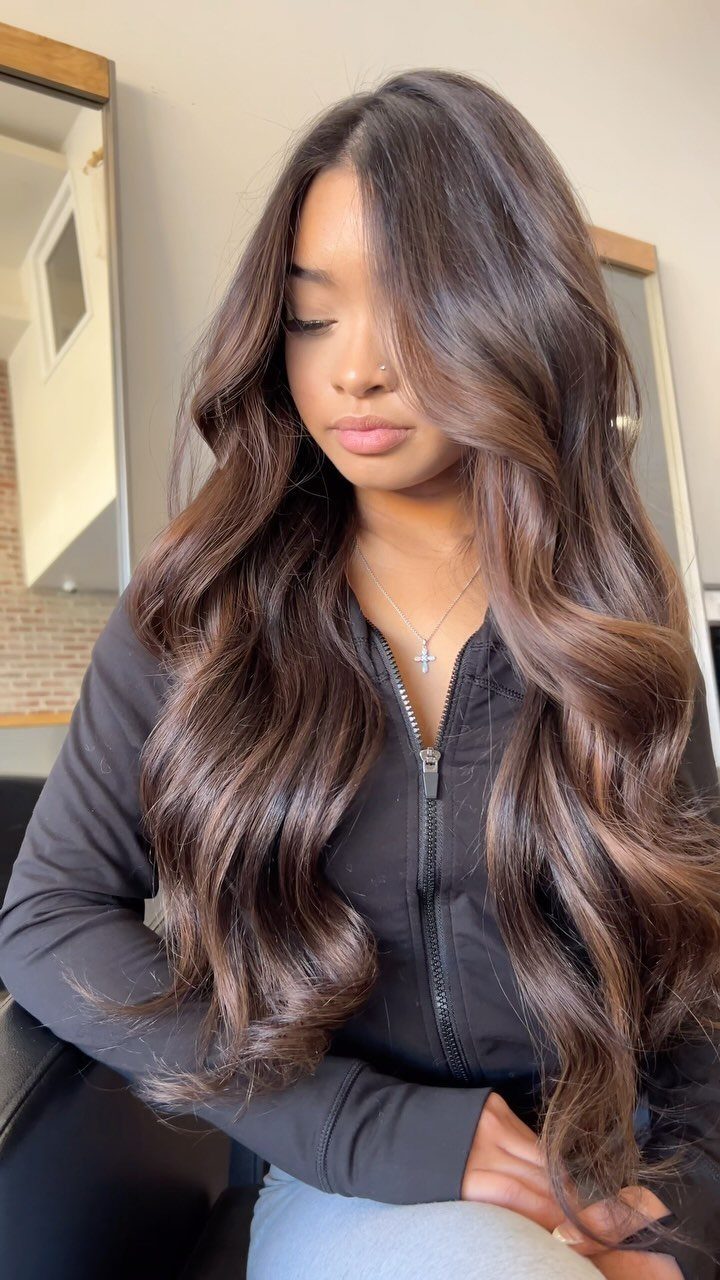
Deep cocoa brown with subtle lighter pieces woven through gives this look its warmth without turning it red or caramel. The waves show the dimension well, and the depth means the color stays looking rich between salon visits.
Ask for deep cocoa with subtle dimension and say you want warmth, not red. Wavy or curly hair gives the best surface to show the depth, so if your hair is naturally textured this is a good match.
16. Dimensional Brunette
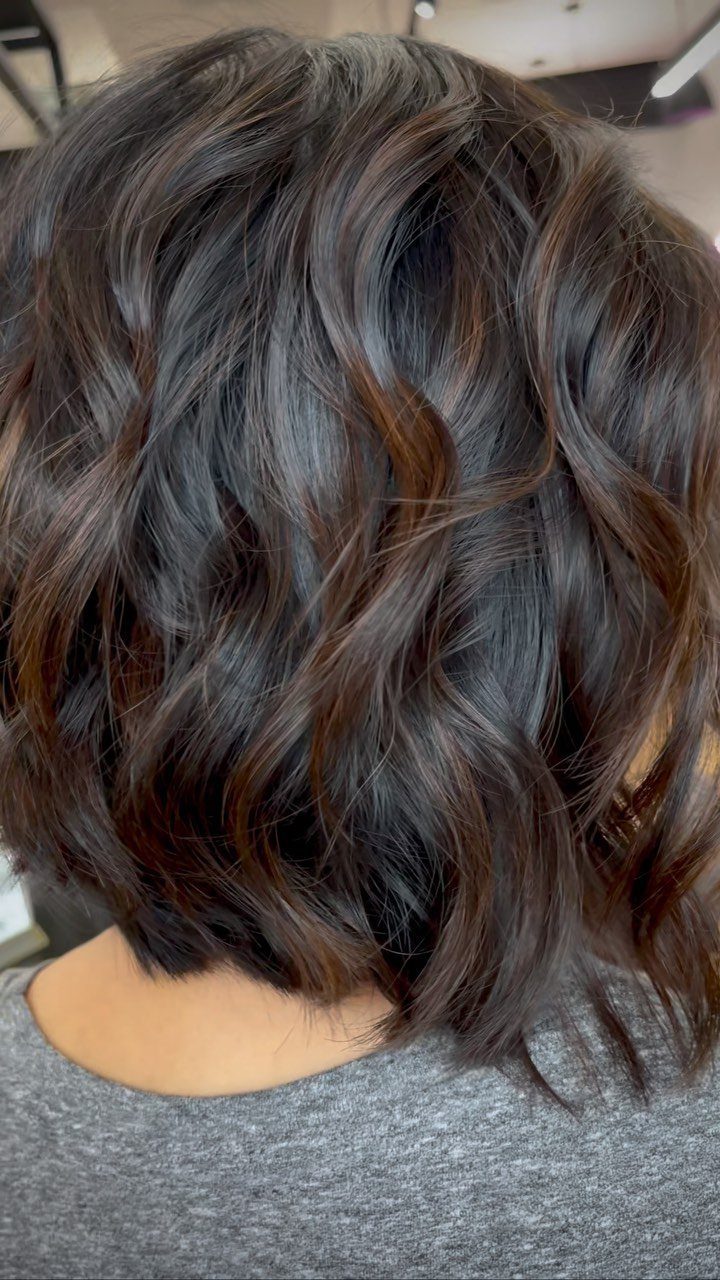
Two shades of chocolate, one darker at the roots and one lighter through the mid-lengths and ends, give a lob the dimension it needs to look finished without any styling.
The waves are loose and undone, which keeps the focus on the color shift rather than the curl.
Ask for a dimensional brunette with dark roots and lighter lengths, and name balayage or a melt technique. For a low-maintenance color that still looks planned, this is my pick.
17. Chocolate Cinnamon Balayage
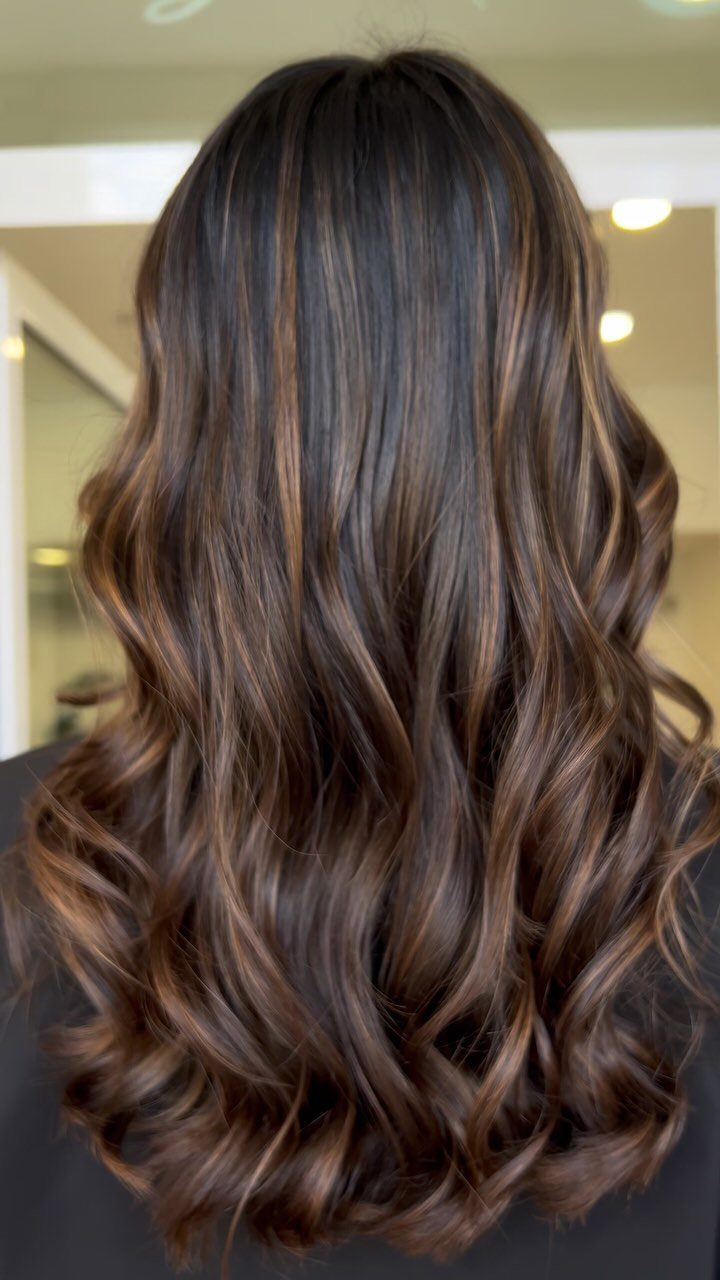
Cinnamon balayage starts dark at the roots and moves into a cooler, spiced tone through the lengths. The contrast is visible but not stark, and the cool cinnamon keeps the lightness from reading as caramel or blonde.
Name the technique, a cinnamon balayage over a chocolate base, and tell your stylist how light you want the ends to land.
Wavy hair blurs the transition nicely, so if your hair takes a wave this is a good option for adding movement through color.
18. Textured Chocolate Brown
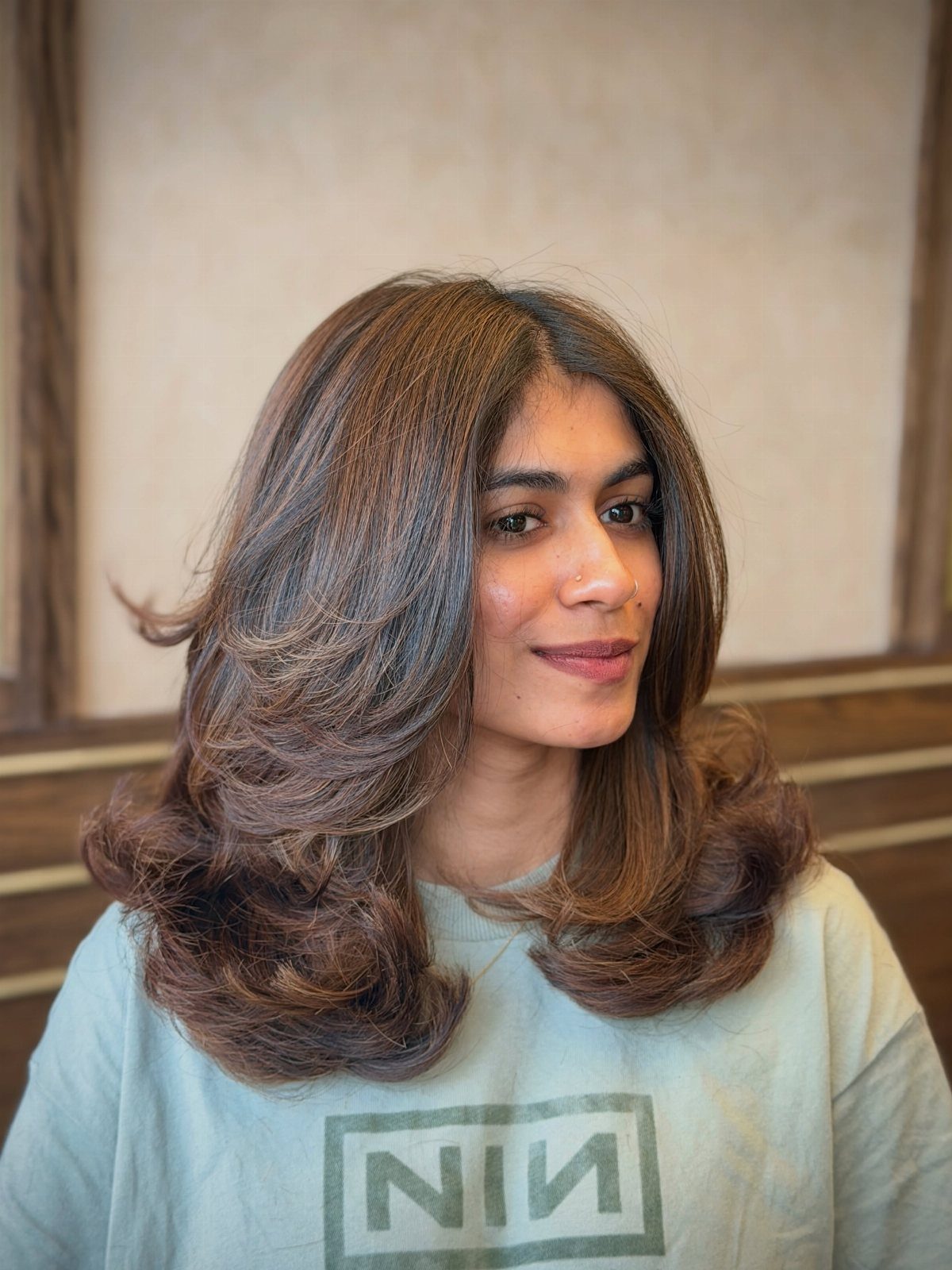
Volume and layers give chocolate brown hair the texture it needs to look full and dimensional, even with a single-tone color. The curled ends add movement, and the layering through the crown lifts the hair away from the head.
Volume layers is the term to use, and a photo of the shape you’re after will do the rest.
Blow-dry with a round brush or use a large-barrel curling iron to get the lift, and the color will look richer when the hair has body.
19. Cool Brown Ribbons
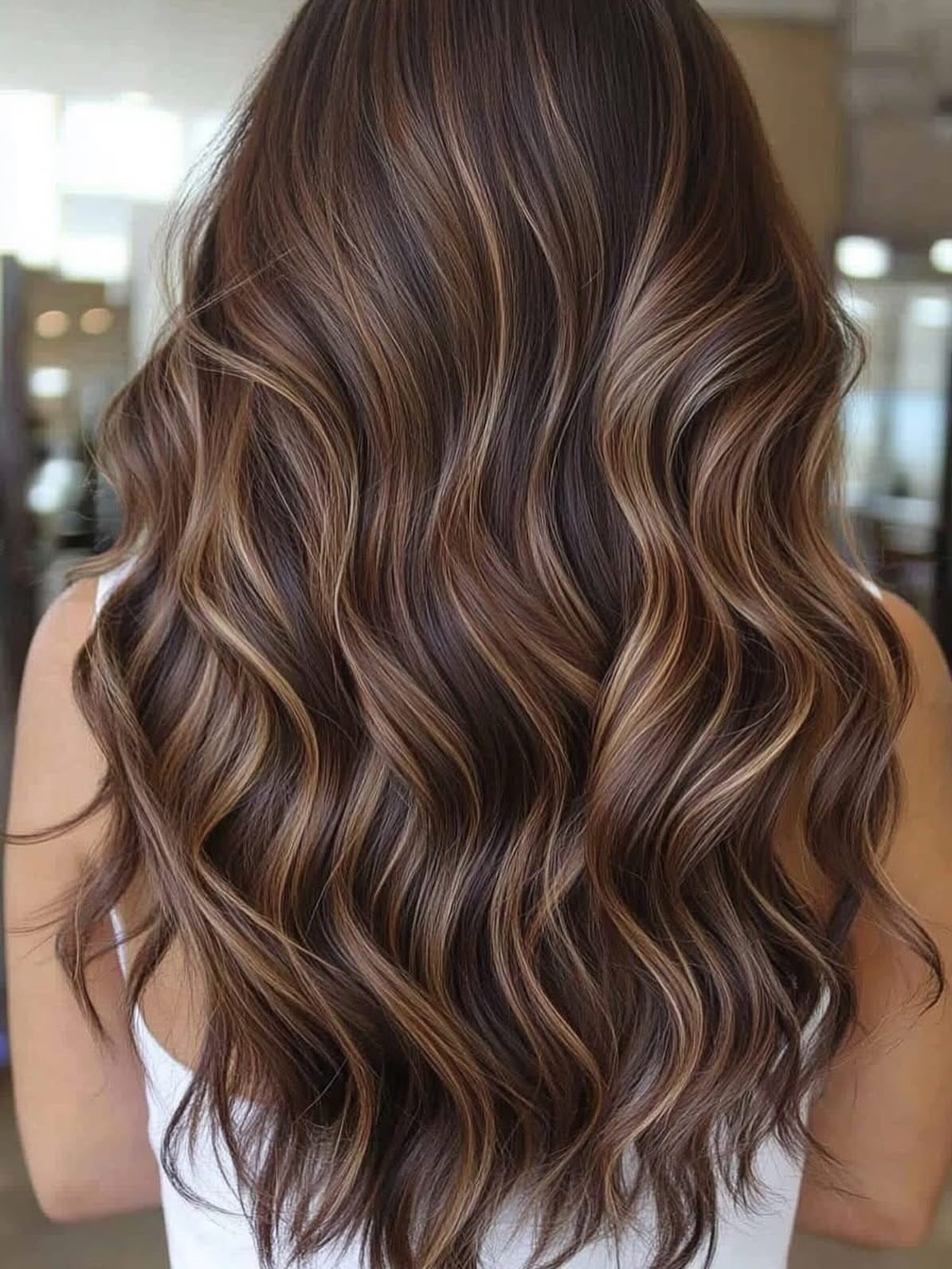
On long waves, the ribbons show up as soft bands that move as the hair does.
Ask for cool-toned light brown ribbons over a chocolate base, and bring a photo so your stylist can match the tone.
I’d keep them fine enough to blend, since the dark root is what makes the lighter pieces read as dimension.
20. Subtle Brown Streaks
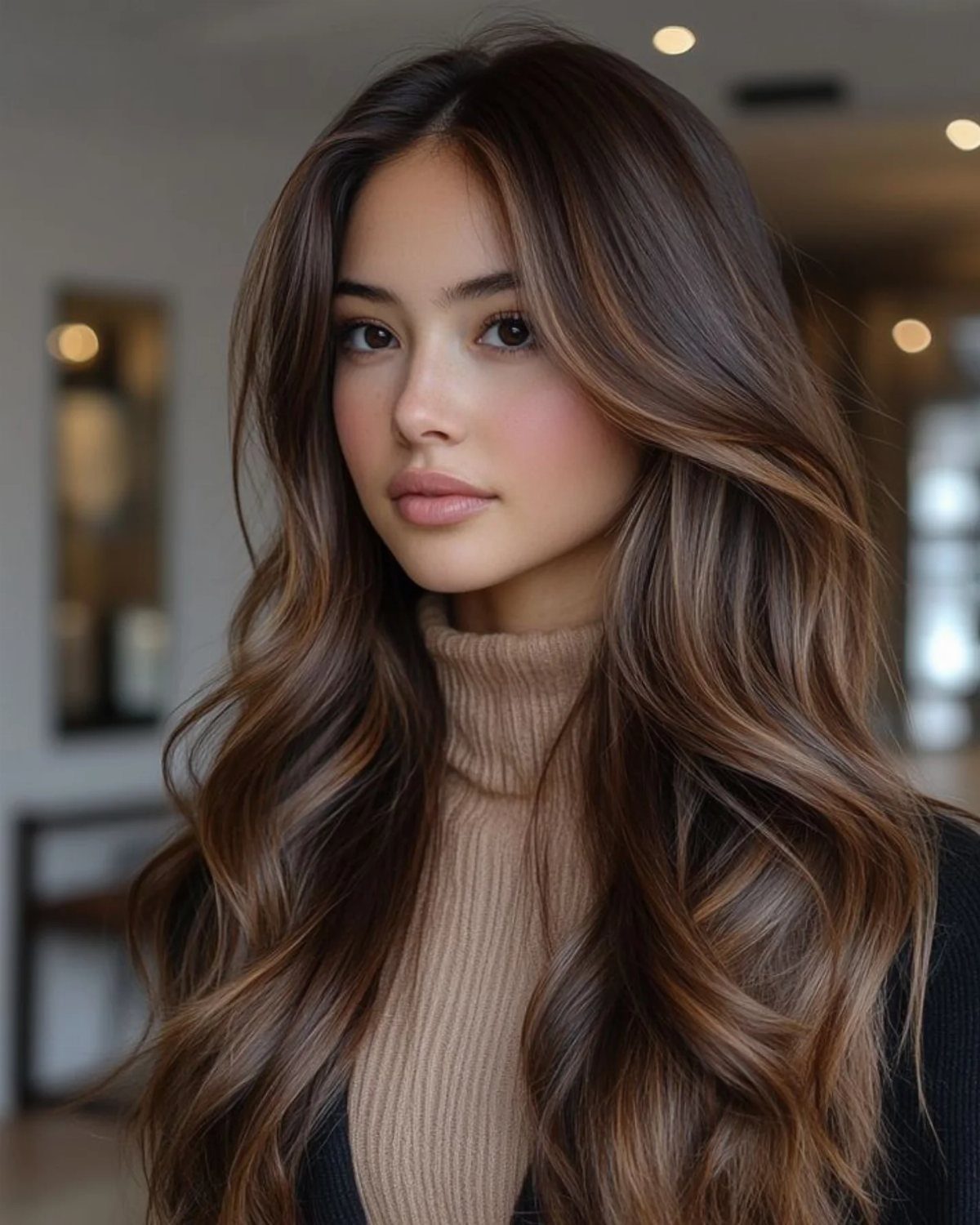
Low contrast is the whole appeal: long, dark brown waves with lighter brown streaks that sit only a step or two above the base.
From a distance the hair reads as one rich shade, and the streaks surface when the light hits.
Ask for subtle, understated streaks and say you want a soft finish rather than visible highlights.
Waves help here, because the bends scatter the lighter pieces instead of lining them up. This is the version I’d pick if you’re wary of highlights.
21. Chocolate Brown Bob
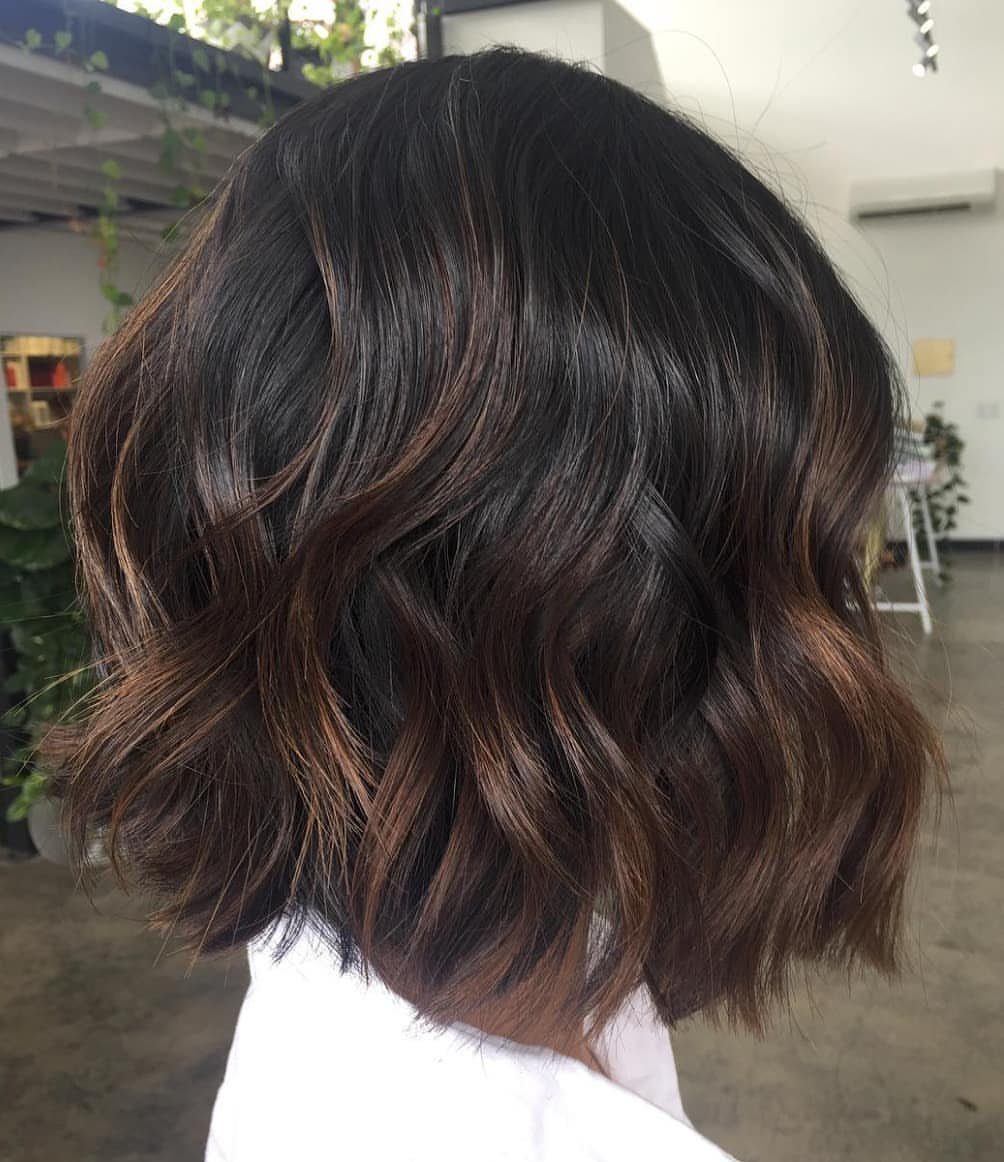
A short, wavy bob in dark chocolate with lighter brown highlights placed around the shape gives a small cut a lot of definition. The highlights trace the outline, so the waves catch color wherever the hair bends.
Ask for subtle highlights through the bob and keep them close to the base shade. Highlights on a short cut sit near the face, so I’d keep them fine and soft instead of chunky.
22. Layered Curled Chocolate
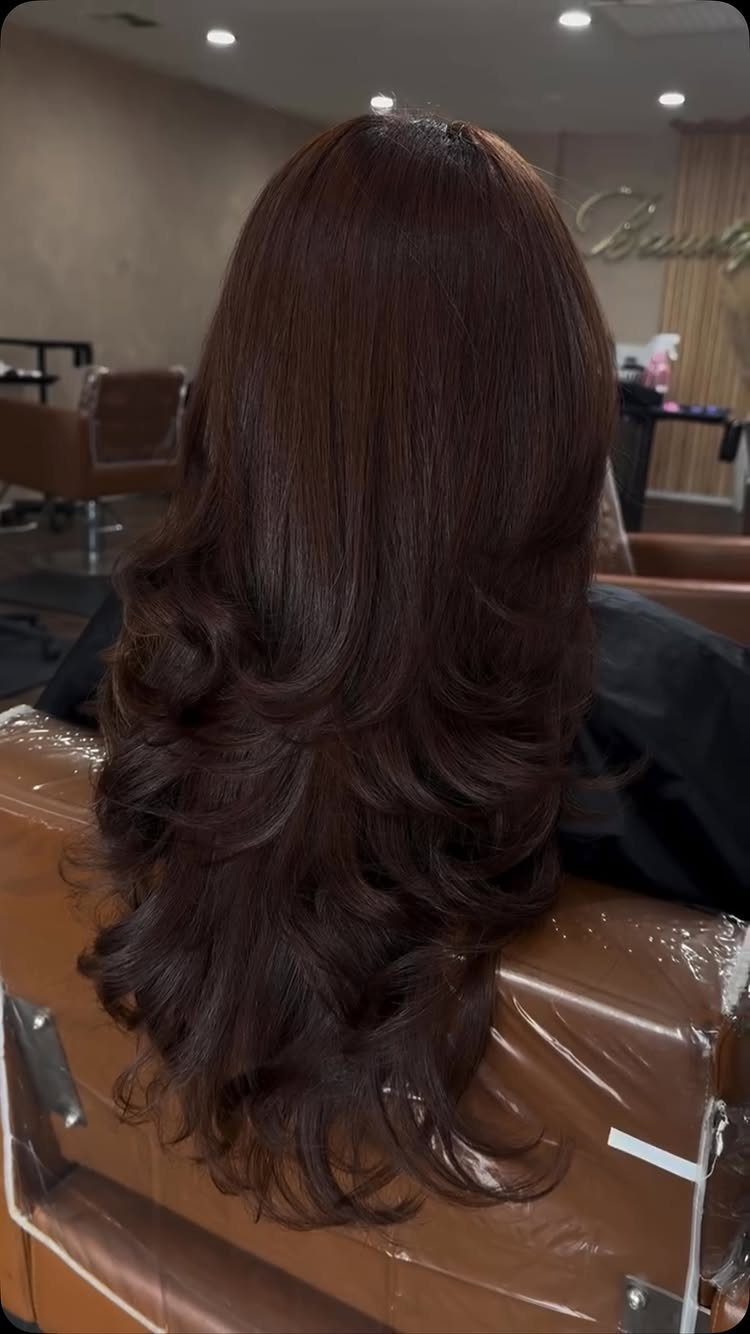
Long layers with curled ends give chocolate brown a polished shape, and the curl turns each layer into its own band of light and shadow. That is where the dimension comes from, even on a single-tone color.
Ask for long layers and tell your stylist you plan to curl the ends, so they cut with that finish in mind.
Bring a photo of the length and curl you want. I like keeping the curl on the ends only, since it leaves the lengths smooth and the color glossy.
Color Care and Fading
Sulfates strip pigment and natural oil fast, so a sulfate-free, color-safe shampoo is the first swap. A formula with UV protection is a bonus.
Wash in cool or lukewarm water.
Hot water pries the cuticle open and lets pigment slip out with every wash, so I rinse with cool water at the end, which closes the cuticle and gives the strands a smoother surface to bounce light off.
Washing 2–3 times a week is plenty for chocolate brown, and a dry shampoo can cover the days in between. Once a week, a deep conditioning mask is what keeps chocolate looking glossy rather than flat and dull.
A pigmented brunette gloss or tinted mask every 3–4 weeks restores the lost undertones, and a heat protectant before blow-drying or styling slows the dullness and brassiness that heat causes.
If you’re naturally blonde or have substantial gray, plan on root retouching every 6–8 weeks.
Use color-safe, sulfate-free shampoos and incorporate deep conditioning treatments into your hair routine to maintain the vibrancy of the chocolate brown hair color. Schedule root-touch-ups and refresh the color every 6 weeks to prevent fading.
Choosing by Skin Undertone
Skin tone and undertone are 2 different things. Tone is how deep your skin is (fair, medium or deep), while undertone is its temperature: cool, warm or neutral.
Tone can shift with the seasons, but undertone stays the same for life, and if you’ve ever matched a foundation you already have a head start.
Cool undertones pair well with ash, mocha and other cooler browns. If your skin runs warm, golden, caramel and reddish browns will flatter you most.
Neutral undertones have the most freedom, and the hair’s undertone matters much less. Light to medium skin can wear classic chocolate brown in a warm, cool or neutral version, so pick the temperature that matches your skin.
Starting Color and Lightening
Your starting shade decides how much of the color you’ll see. Over black hair, chocolate tends to show up as only a faint shift.
Going lighter than where you are now means the stylist has to lift your hair before the chocolate goes on. Dye alone won’t get there.
Before any major change, tell your stylist about every color you’ve used and let them check the condition of your hair. Prior color and damage affect how evenly new color takes.
For going deeper, avoid a flat, matte finish. A toner or gloss over the dark chocolate base brings back light reflection, so the shade looks rich and not one-dimensional.
Frequently Asked Questions
What are some different shades of chocolate brown hair color?
Think of it as a ladder: deep cocoa and dark chocolate at the bottom, creamy milk chocolate near the top, and mocha or mahogany tones filling the steps between.
Dark chocolate can read almost black in low light, while light chocolate sits close to blonde and milk chocolate melts into a soft "bronde." Warm espresso, chestnut blends and honey or copper accents shift the tone further.
What are the different types of brown hair?
The common types are chocolate, espresso, chestnut, mocha, ash, milk chocolate, caramel and bronde.
Espresso is the deepest of the group, ash and mocha are cooler browns, and caramel is a warmer, lighter one. Bronde sits between brown and blonde.
What are the trendy brown hair colors for 2026?
Glossy shine is the biggest draw in chocolate browns, along with mixed tones in balayage or ombré versions.
A sombre, a chocolate balayage, or a dimensional brunette with darker roots and brighter ends all lean toward that softer look. A gloss on top keeps any of them from looking flat.
How do I choose the best chocolate brown hair color for my skin?
Start with your undertone, the cast beneath your skin’s surface color, which reads as cool, warm or neutral.
Ash and mocha browns flatter cool undertones, while golden, caramel and red-leaning browns suit warm skin best. Neutral undertones can wear either, so chocolate suits many skin tones as long as you pick the right version.
Will chocolate brown show on dark hair, and does it need bleach?
Usually not, as long as you stay near your current depth or go darker. Over dark brown hair, chocolate mostly adds shine and depth, and over black hair the change barely registers.
Is chocolate brown hair low maintenance?
Mostly yes.
Shampooing 2–3 times a week with a sulfate-free formula, plus a gloss every 3–4 weeks, keeps the richness in. If you’re naturally blonde or have substantial gray, plan on root retouching every 6–8 weeks.
Why does chocolate brown hair sometimes turn red or brassy?
Brown shades often carry warm pigment underneath, so as the color fades, red and orange tones come forward. Sun, heat and hot water speed this up, and hair that was lightened before is the most prone to it.
Rinse with cool water, use a heat protectant, and add a pigmented brunette gloss every 3–4 weeks to put back the undertones that wash out.
What should I ask my stylist for if I want chocolate brown hair?
Name the tone and finish instead of just saying "chocolate brown": warm, cool, glossy, or a low-maintenance chocolate balayage.
Say what you want to avoid, such as too red, too dark or too flat, and bring a photo that shows how light you want the result.
Technique words help too: "sombre" for a soft dark-to-light shift and "invisible layers" for a smooth cut.