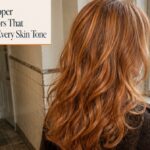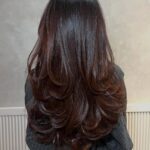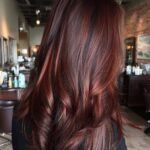
Red runs from red sand, a strawberry blonde so light it reads as blonde with a blush of copper, to dark auburn and cherry cola, which read as brunette until the light catches them.
How visible the red is depends on the shade: ginger and bright orange balayage announce themselves, while dark auburn, burgundy and cherry cola stay quiet until the light hits.
Each one needs its own upkeep, and most ask for a gloss every 4–6 weeks since red fades faster than brown or blonde.
1. Sun-Kissed Strawberry Blonde Waves
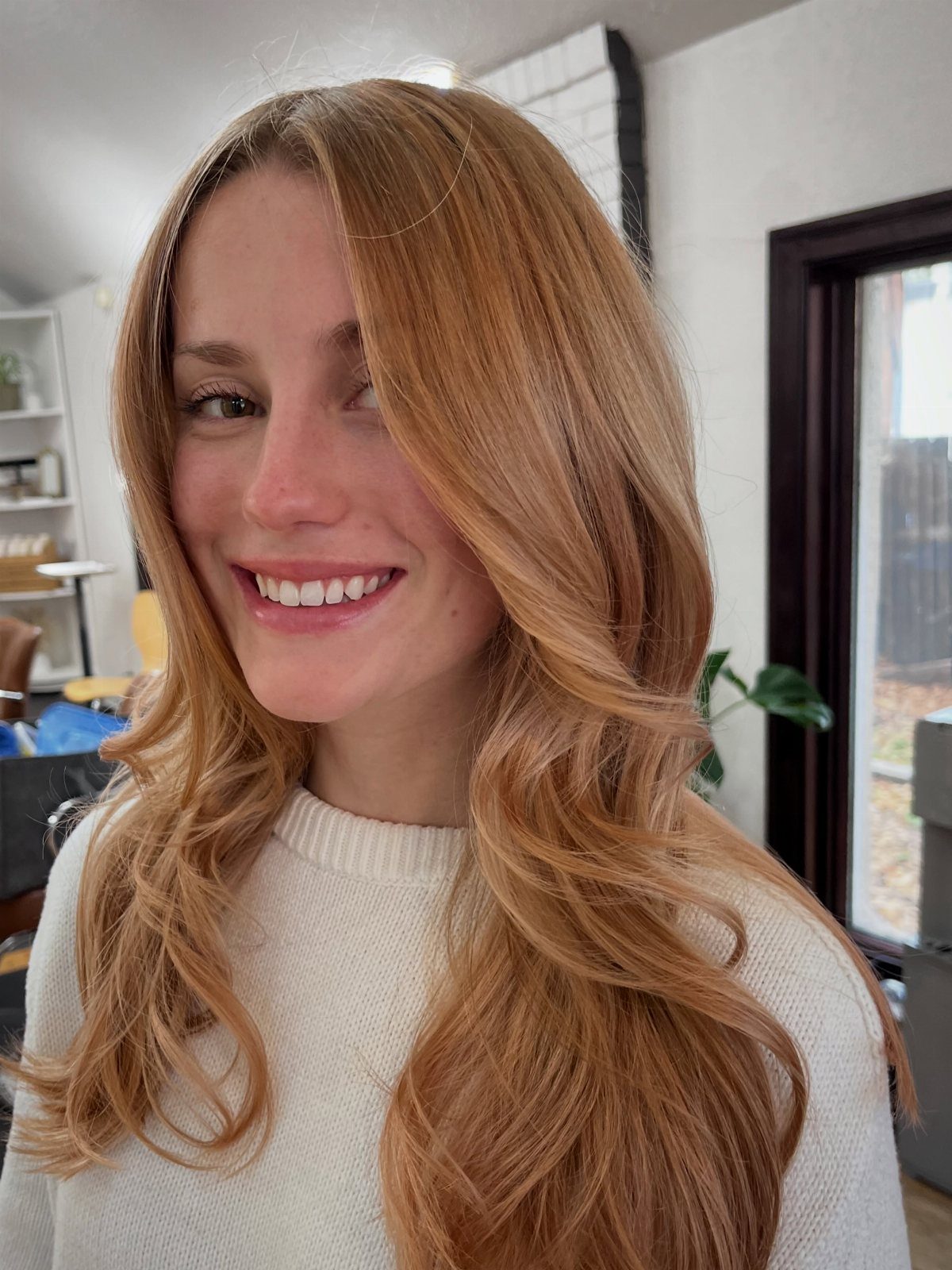
Red sand is the softest way into red: a strawberry blonde so light it reads as blonde with a blush of copper. Loose waves suit it because movement lets the 2 tones shift against each other.
If you’ve never worn red, this is where I’d start.
It’s easy to ask for by name, and the low intensity keeps the commitment small. Bring a photo and say "red sand" so your stylist doesn’t push it toward orange.
2. Bright Auburn Hair
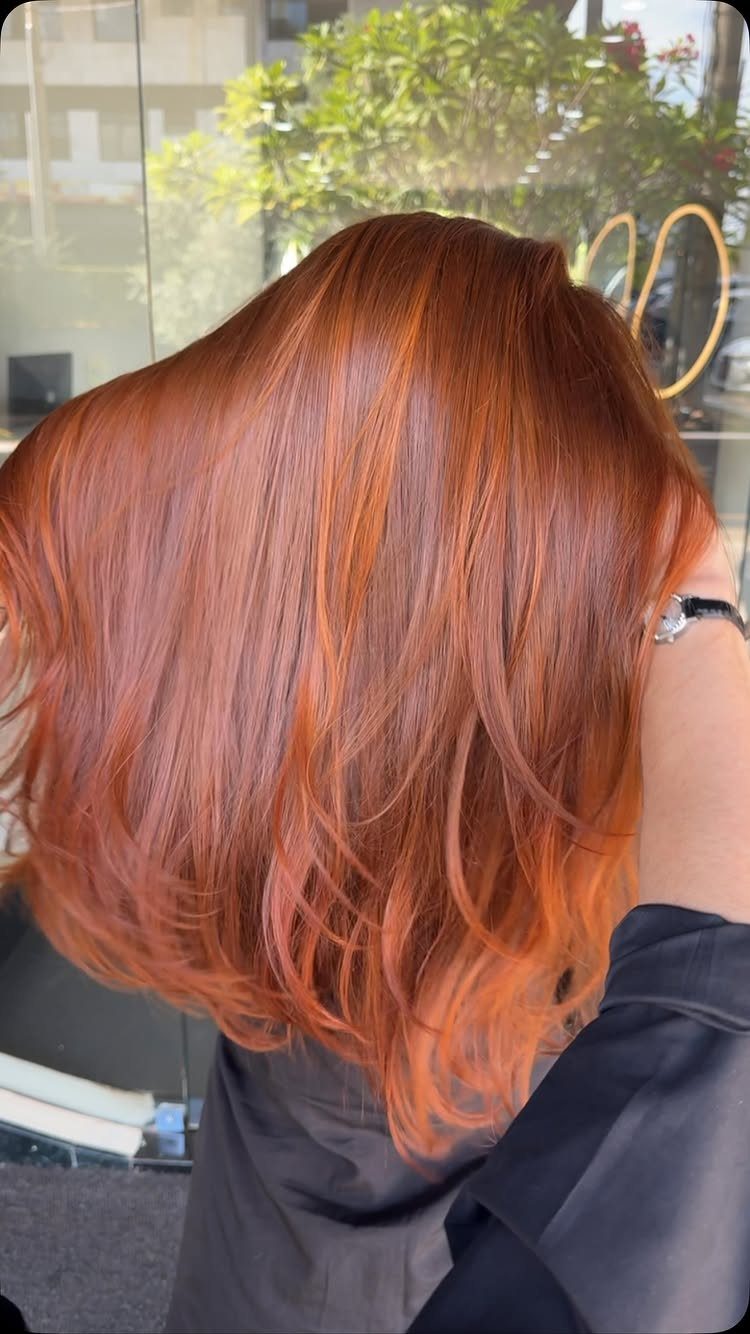
Auburn that leans orange sits right between warm and cool, which is why it flatters more complexions than most reds.
Long layers with soft waves suit bright auburn because the cut gives the color room to catch light, and shine is what makes this shade look rich instead of flat.
I’d pick this over a straight copper if you want red without going full ginger. Ask for "bright auburn" and point to the orange-red side of the range, since plain auburn can drift brown.
3. Ginger
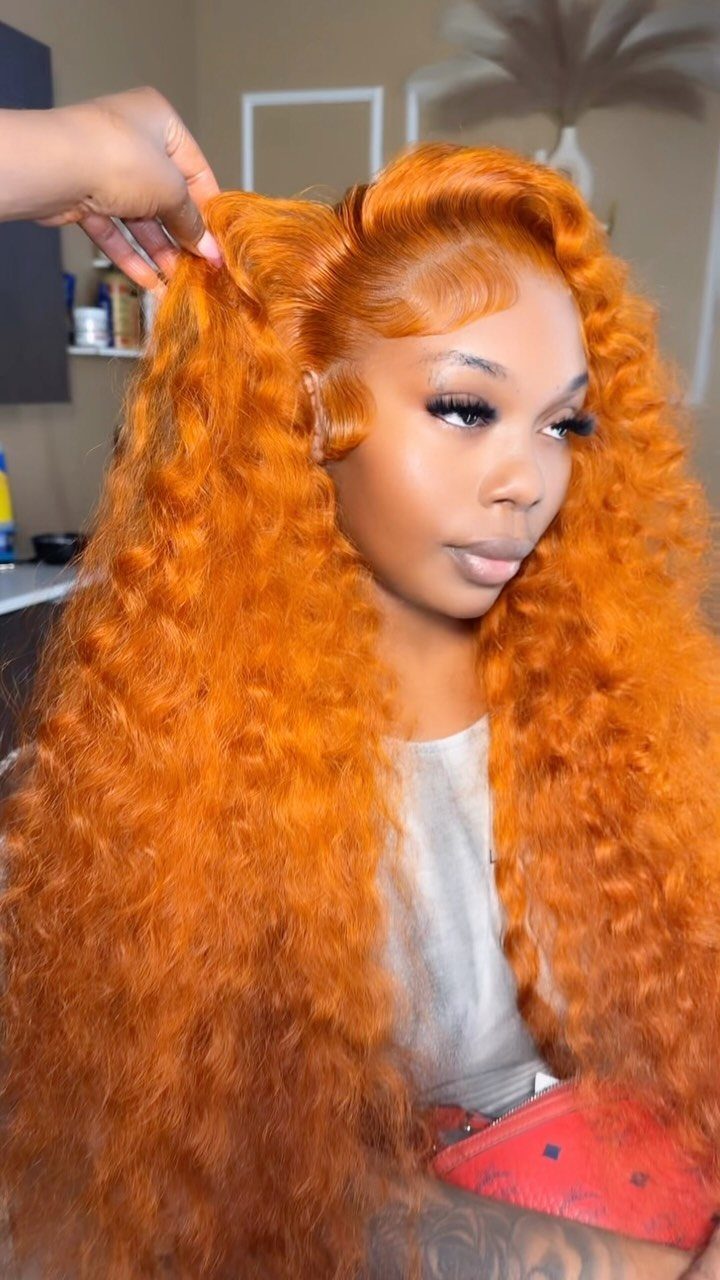
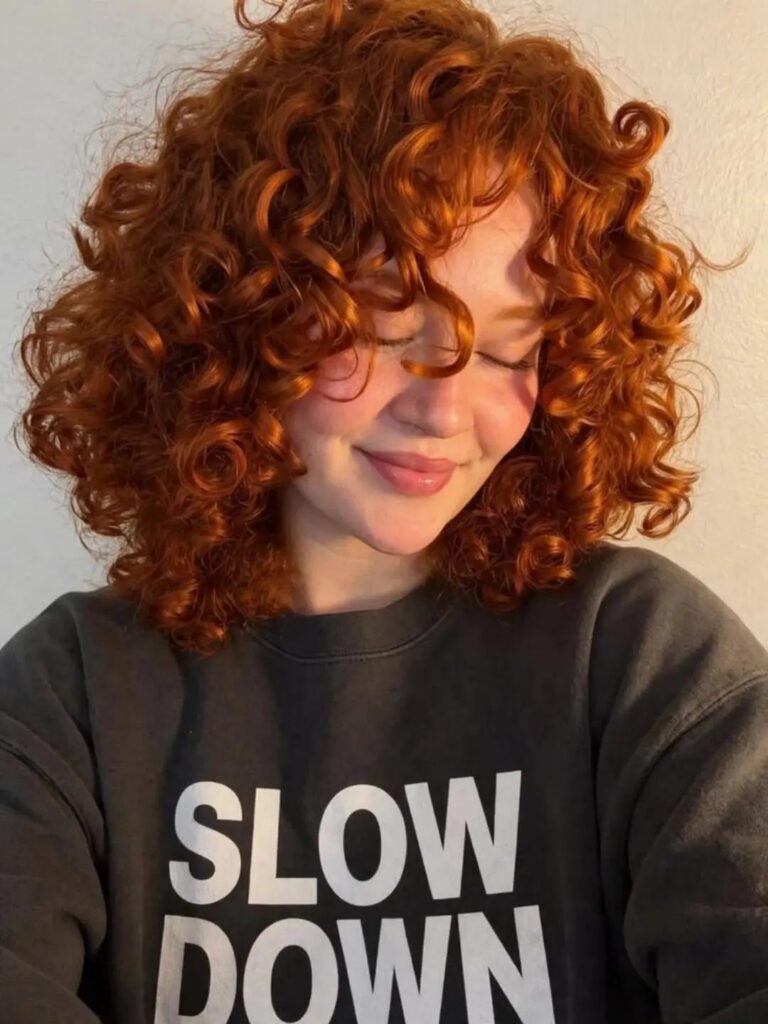
Ginger is the lightest, most coppery red, and its orange base is what separates it from auburn and burgundy. Curls give it volume and make the color look even brighter.
Shoppers and stylists both say "ginger" loosely, so name the orange base and ask for a coppery finish. If you want something deeper, skip ahead to the darker reds below.
4. Dark Auburn
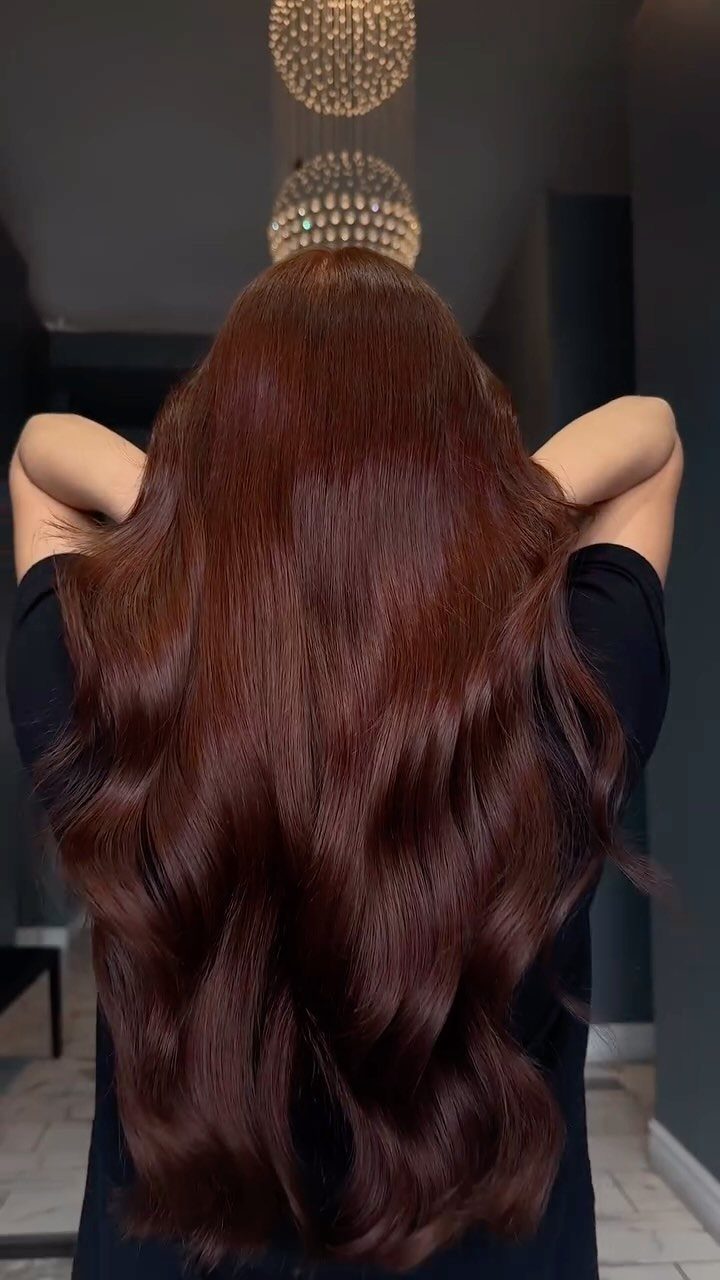
Dark auburn is red-brown with weight: deep, rich and quiet in low light. Long waves show off the gloss, and the shade reads as brunette until the light catches it.
My pick for anyone who wants red but not a head-turning one. Ask for a deep red-brown and keep the lengths glossy, because dullness flattens this shade fast.
5. Copper Hair with Golden Highlights
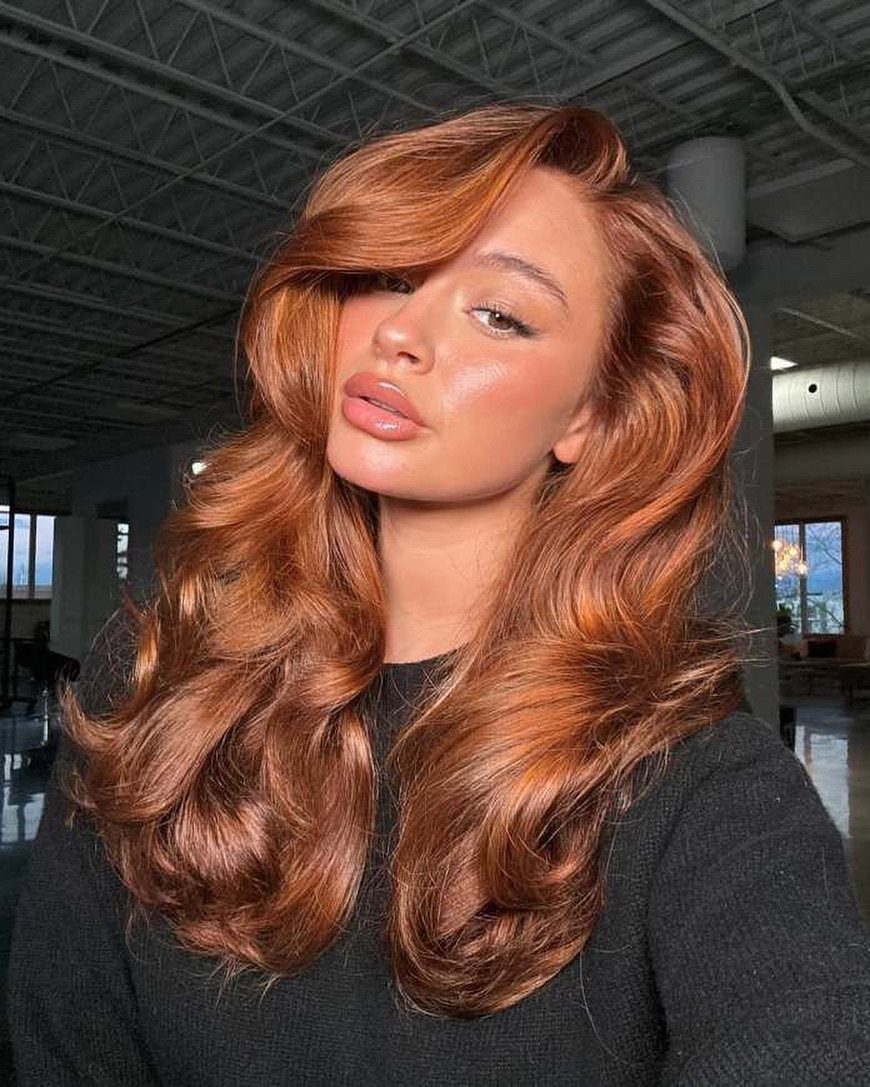
Copper hair with golden highlights gives a flat red some dimension, since the gold threads break up the solid color and catch light through every wave.
Ask for gold placed around the face and through the mid-lengths rather than an even sweep. I like it best in loose waves, where the highlights have room to show.
6. Dark Burgundy
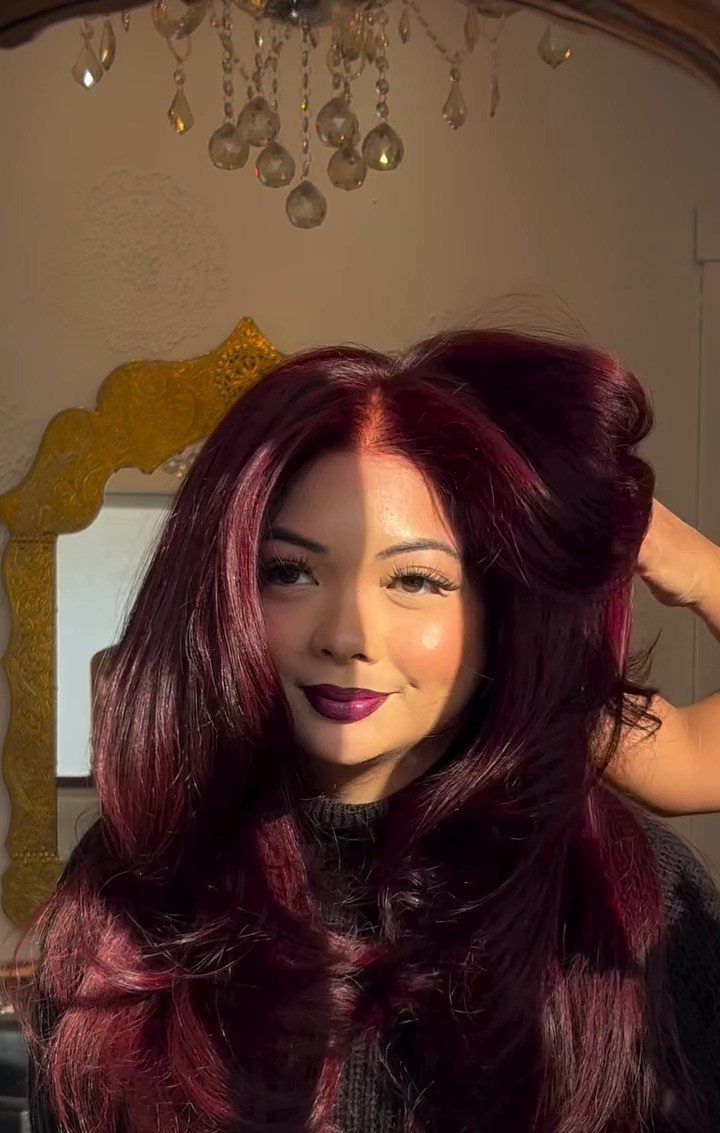
Burgundy is dark red with a violet cast, close to merlot, and it looks richest on glossy curls or a styled updo. The violet is what sets it apart from auburn.
Tell your stylist you want merlot with violet in it, not brown-red. Pair it with a berry lip if you want the whole look to match.
7. Bright Orange Balayage
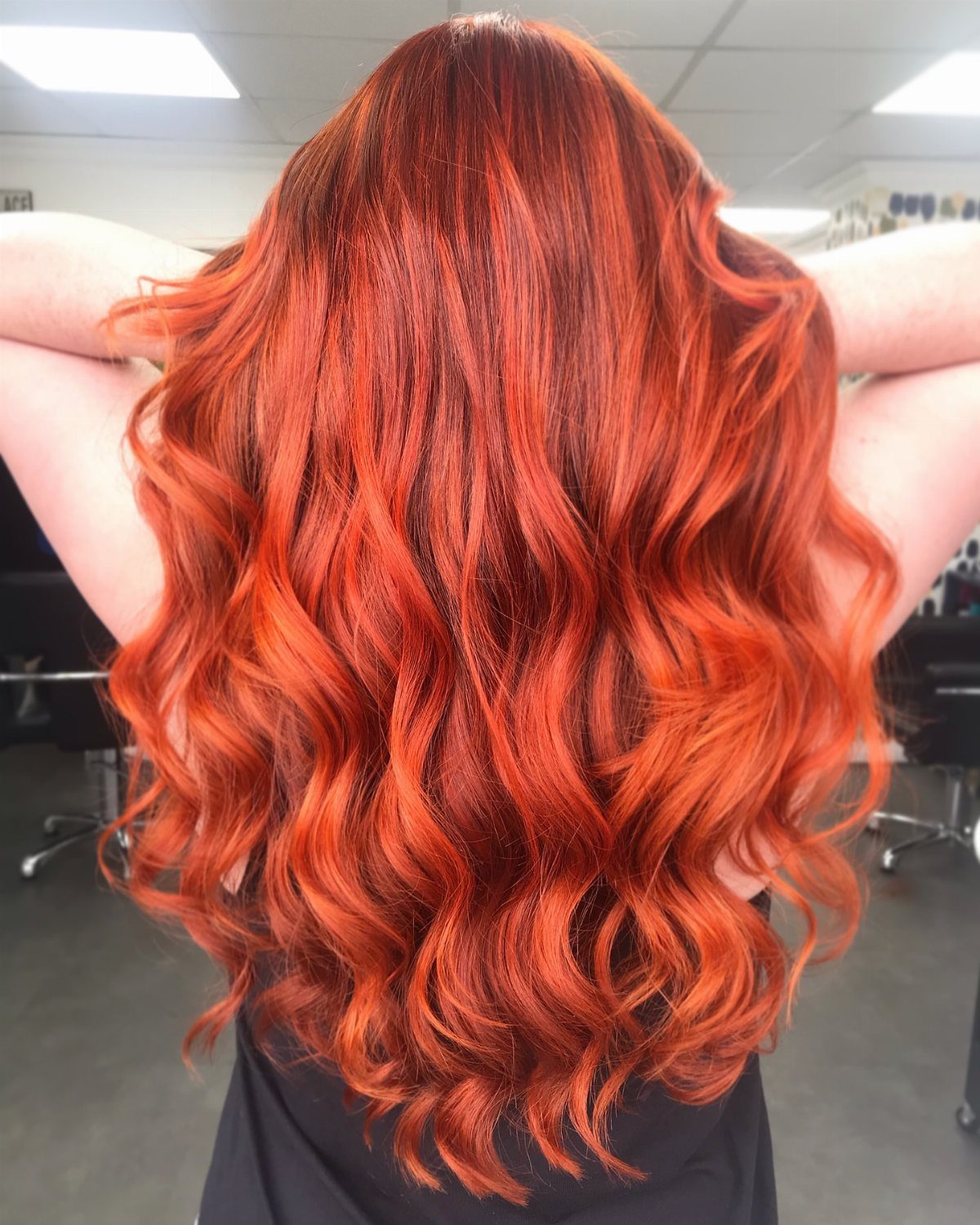
Bright orange balayage keeps the roots darker and lets the ends burn, so the color grows in without a harsh line.
That fiery orange-red adds a pop to copper, and long waves spread it across the lengths where it catches the eye.
I’d pick it for anyone who finds plain copper too tame. Ask for "bright orange-red balayage with darker roots" and bring a photo, because orange can read very different from one stylist’s eye to the next.
8. Brick Red Hair
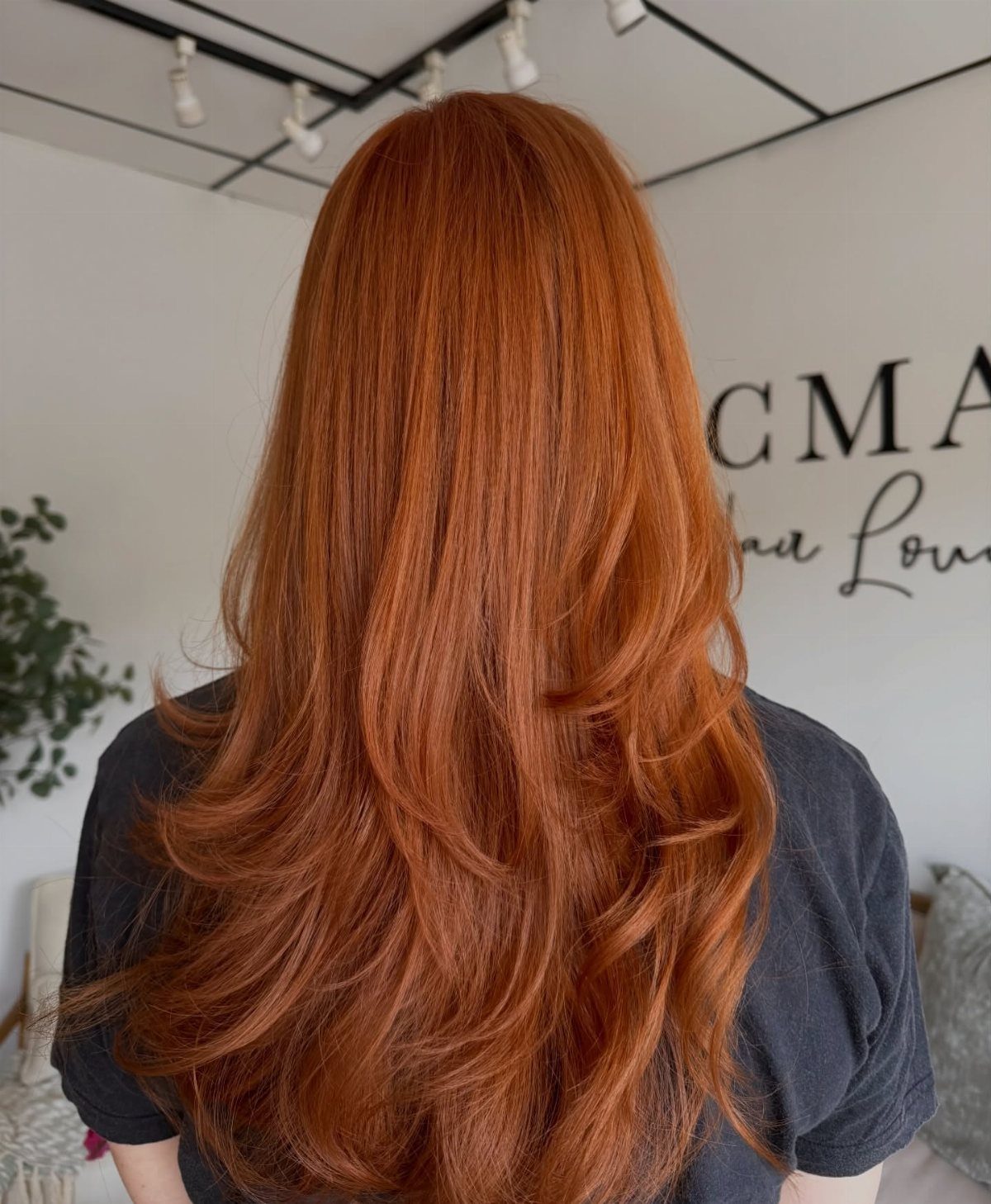
Brick red sits in the copper-red family, earthy and a little muted next to a true ginger. Layers with curled ends give it movement, and the curl shows off the shade’s depth.
My advice is to say "brick red" and then describe it as a copper-red, since the name alone can land anywhere from rust to burgundy.
If you want a red that looks lived-in rather than loud, this is a good one to bring to the chair.
9. Natural Red Hair

Natural red hair is the real thing: color that grows from the root, not one applied at the chair. It’s linked to MC1R gene variants, which is why no 2 natural redheads look quite alike.
Long curls like these show the shade at its fullest.
If you want to match it with dye, bring a photo and ask for a "natural ginger-red" so your stylist works from the warm, coppery side rather than a flat box red.
Both parents must be carriers of the mutated MC1R gene to be able to produce redhead offspring, of which there is a 25% chance if they don’t have red hair themselves.
10. Dyed Red Hair
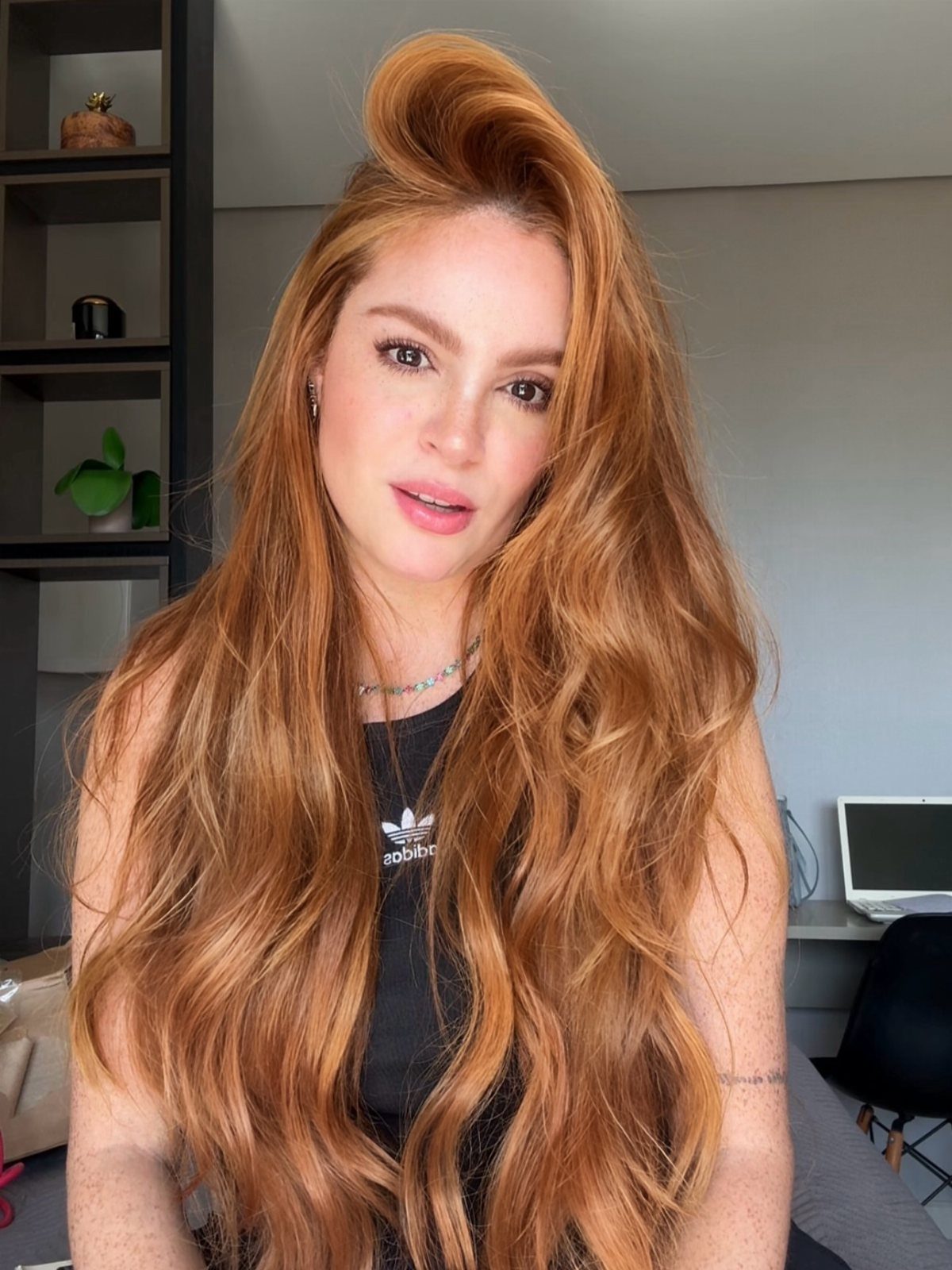
Dyed red hair gives you the freedom to choose, and a copper-red like this one is a flattering place to land on long, loose waves.
Skip the vague request for "red" and name the family you want: copper, auburn, or something deeper.
I’d always take a photo of the exact tone. Red is the shade where a single word never pins down the color, and a picture settles it.
11. Cherry Cola
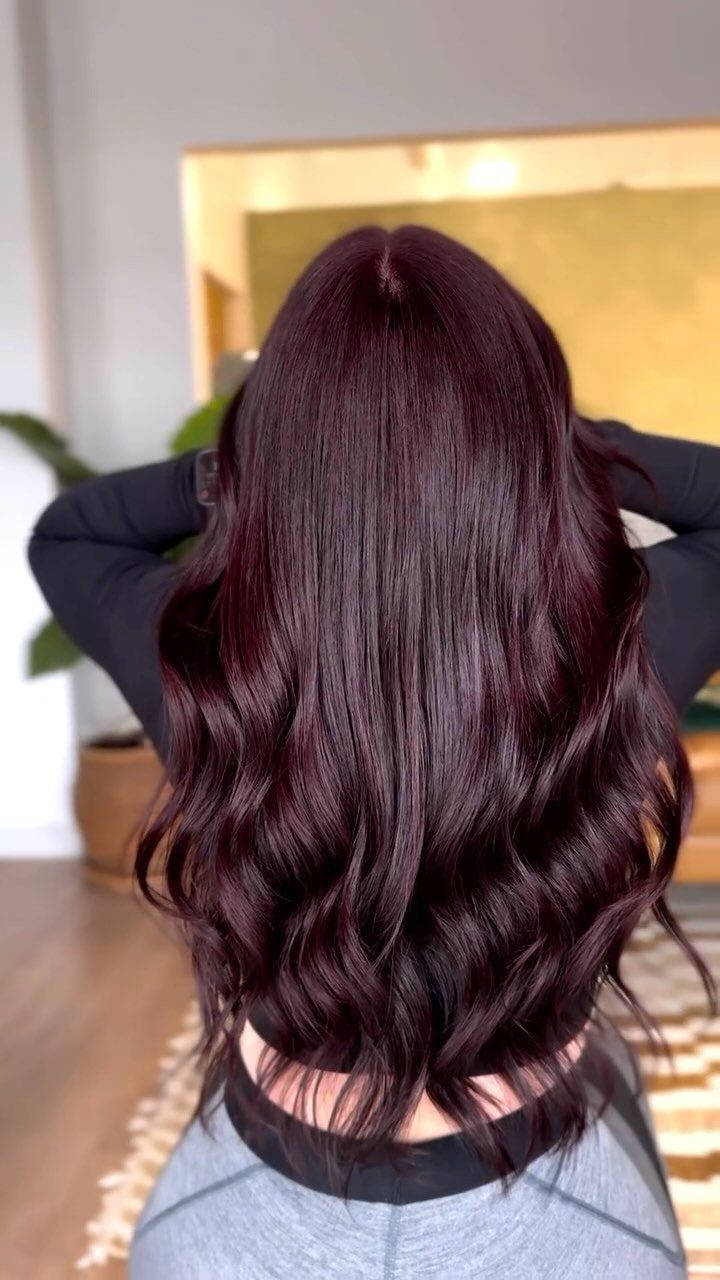
Cherry cola is brunette with a quiet red-burgundy glow, the kind of color you notice only when the light moves across it. It borrows from cherry red but keeps the depth of a dark base.
I like it for anyone who wants red without a big announcement. Ask for "dark brunette with cherry-burgundy tones" and keep the waves smooth, since shine is what lets the red show.
Prevent Red Colour Fading
Red pigment fades faster than most other colors, so the first few weeks decide how long the shade lasts.
Wait at least 3 days after coloring before you shampoo. That gives the cuticle time to close and the color time to settle.
Heat pulls red pigment out faster than almost anything else, so I’d keep the flat iron, curling iron and blow dryer on a short leash for the first 2–3 weeks after coloring.
When you can’t skip them, spray a heat protectant first.
Switch to a color-protecting shampoo and conditioner, and look for a sulfate-free formula, since harsh cleansers strip pigment. Add UV protection when you’re in strong sun.
A gloss or small touch-up every 4–6 weeks is what holds a red at its true tone before it slides toward orange or brassy copper.
Ginger and Redhead Terms
"Redhead" is the wider label. It covers natural or dyed hair anywhere in the reddish-brown to red range, so it’s the safer word for a color you chose at the salon.
"Ginger" is narrower. It usually means orange-toned hair someone was born with, a copper or orange-based subtype of red.
Be careful using it about other people. Some find "ginger" insulting, so I’d ask first and stick with "red" or "redhead" until they say it’s fine.
For your own hair, use whichever word you like, but describe the tone in the same breath: copper, orange-based, bright. The word alone won’t tell a stylist which shade you mean.
Frequently Asked Questions
What is red ginger hair called?
Ginger is the usual name, and copper or orange-based red describe the same shade. Because people use the word loosely, I’d tell a stylist you want an orange base with a coppery finish.
What makes gingers so special?
Ginger is a rare, bright, orange-based red with coppery undertones, and it reflects light so well that it looks glowing and youthful. You’ll see it most often in people with Celtic or Northern European ancestry.
What’s the best red hair shade for my skin tone?
Fair skin suits lighter natural reds and golden-orange ginger, medium skin does well with auburn and other warm hues, olive skin with copper or deep blue-purple reds, and dark skin with deeper or brighter shades like dark burgundy.
Red hair vs ginger hair: which one looks better?
Neither wins; skin tone, personal style and preference decide it. Ginger is the narrower label, meaning the bright, coppery, orange-based end of red, while redhead covers anything from reddish-brown to red, natural or dyed.
Fair skin wears that golden-orange warmth well, while medium skin tones often look better in deeper reds like auburn or burgundy.
Is it okay to call someone a ginger or a redhead?
Redhead is neutral and usually fine. Ginger carries more risk: plenty of people with red hair find it irritating because it’s been used as an insult for long enough that the word itself feels loaded.
I’d stick with redhead or red until the person says ginger is fine, and ask first if you want to use it.