Light brown here runs from a single solid shade with no highlights to ombre that fades from dark brown roots to pale blonde ends, and the effort runs just as wide, from a box color at home to a stylist visit you book around trims.
What decides your pick is how often you’ll sit in a salon chair: color that leaves your own roots in the design, like ombre or a dark root under caramel, grows out gently, while color applied all the way to the scalp draws a regrowth line within weeks.
1. Long Honey Brown Hair
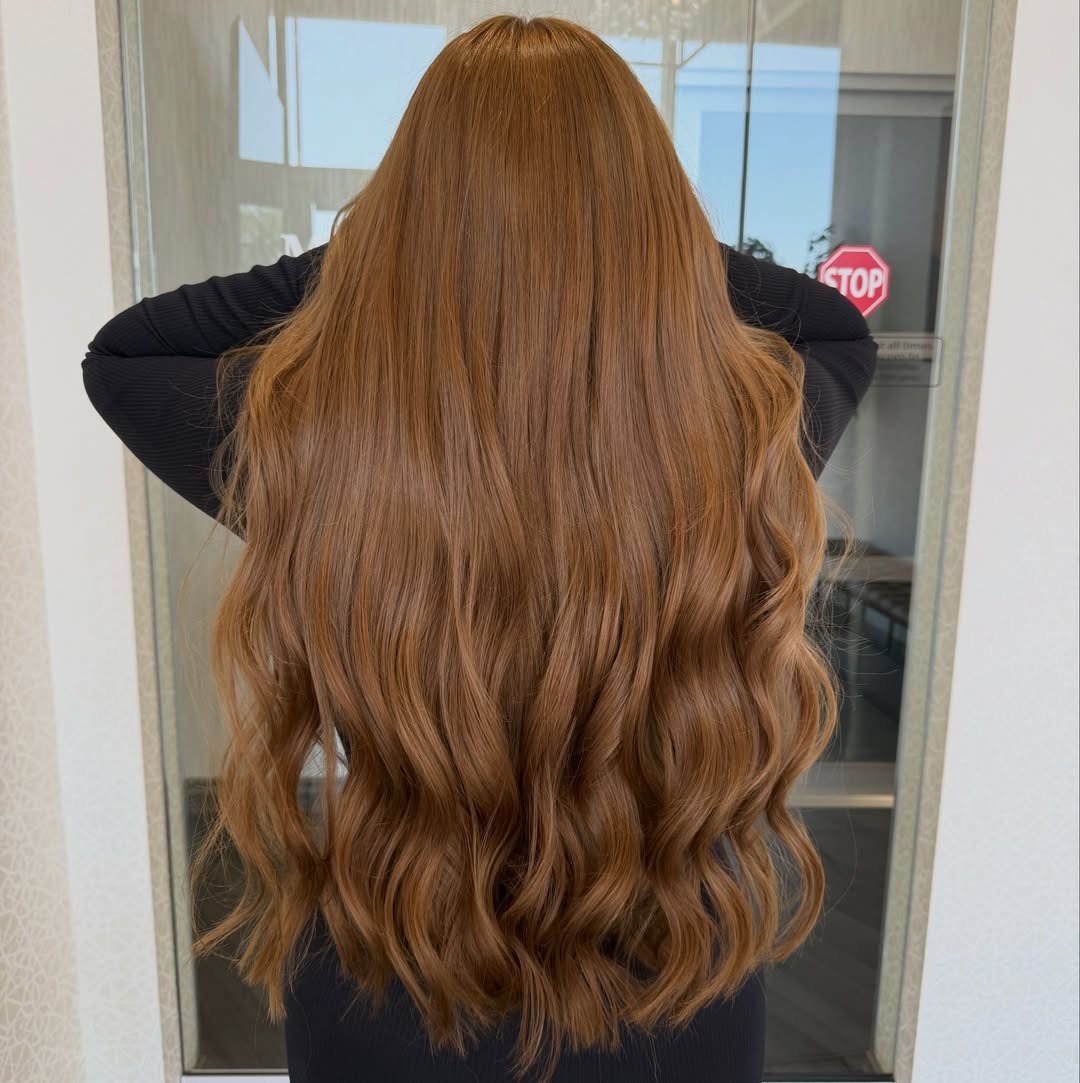
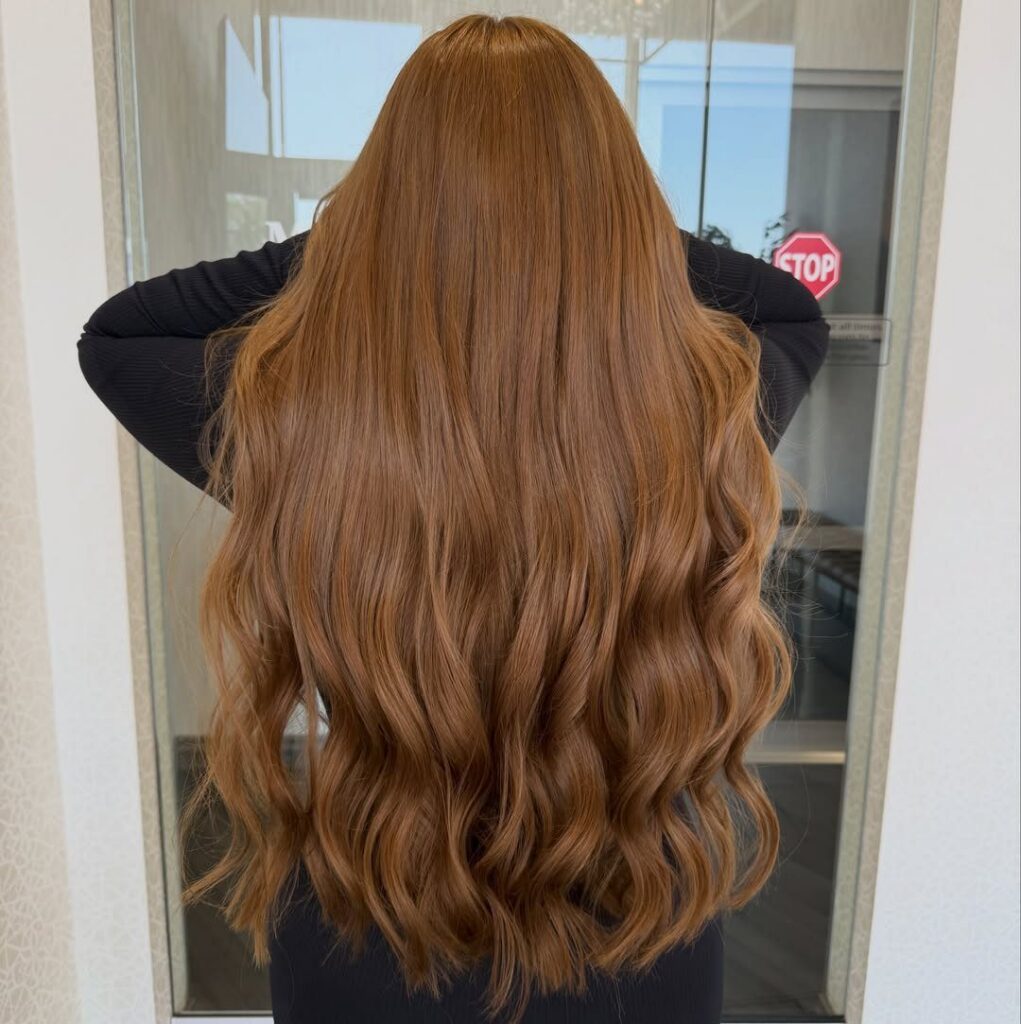
Honey brown sits where light brown meets amber, and the warmth is the whole appeal.
On long hair, honey brown looks like soft gold in the light and plain brown in the shade, which makes it an easy shade to wear every day.
Loose waves suit it well, since the bends catch the glow along the length. For a stylist, ask for "honey brown" and mention you want amber warmth, not blonde.
2. Caramel Brown
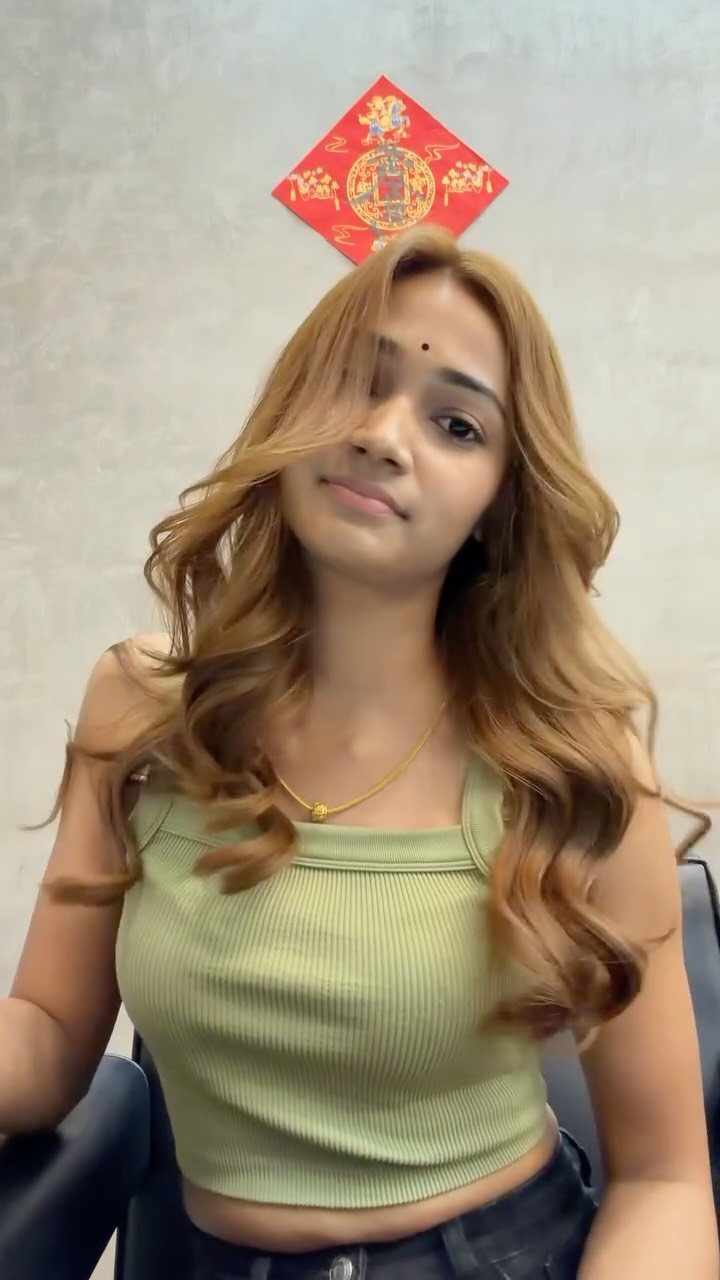
Caramel is the choice for brown hair that looks flat in a single shade. Warm, lighter strands woven through the brown add the dimension, so the color moves as the hair does.
Anyone who likes warmth but doesn’t want to commit to a full change is who I’d point toward this one.
Show a stylist a photo and say "caramel brown with dimension" so they know you want depth, not one even tone.
A sun-kissed shade of brunette will shine bright in the summer but also works with all of the sweaters, turtlenecks, and autumn accessories you’re planning to rock when fall rolls around. In short, light brown is the perfect transitional color.
3. Ash Brown
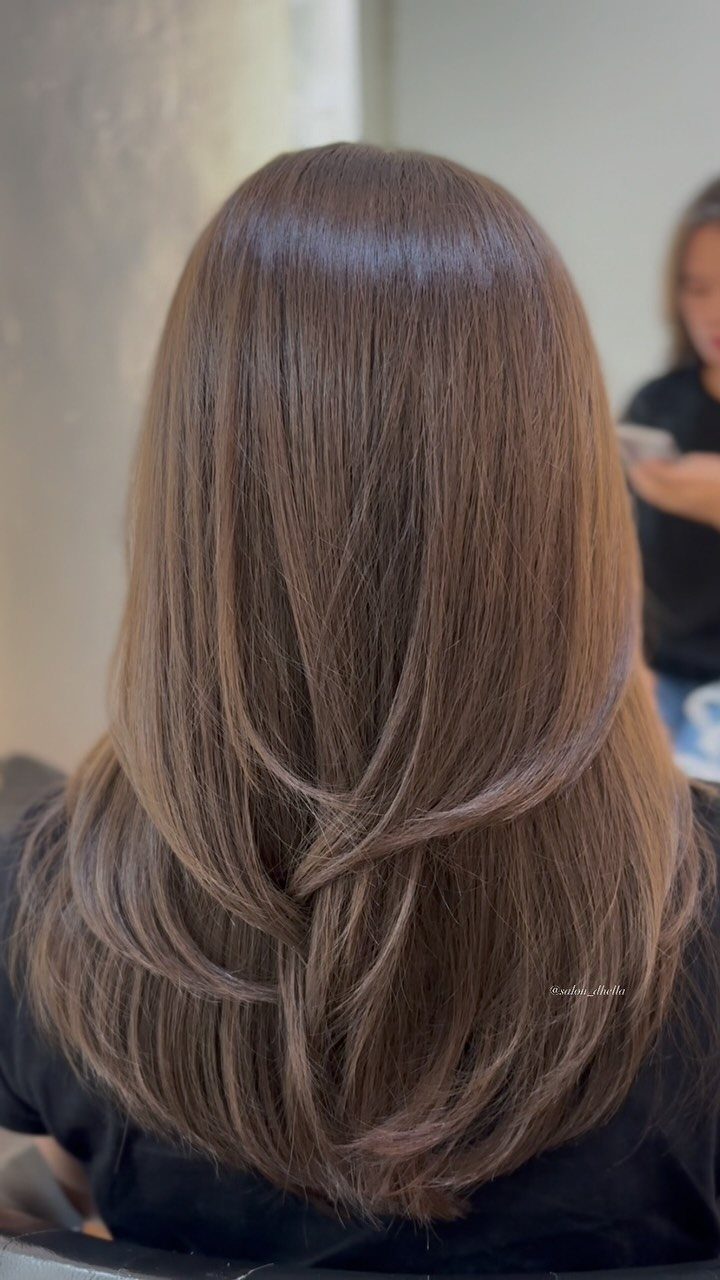
Cool tones are what separate ash brown from every other light brown here: it cancels warmth instead of adding it. Smooth layers show that off, because sleek hair reflects the cool shade cleanly.
If your hair pulls golden or brassy, ash is the shade I’d ask about first. Tell your stylist you want a "cool-toned brown" and say plainly that you want no warmth showing.
4. Face-Framing Highlights
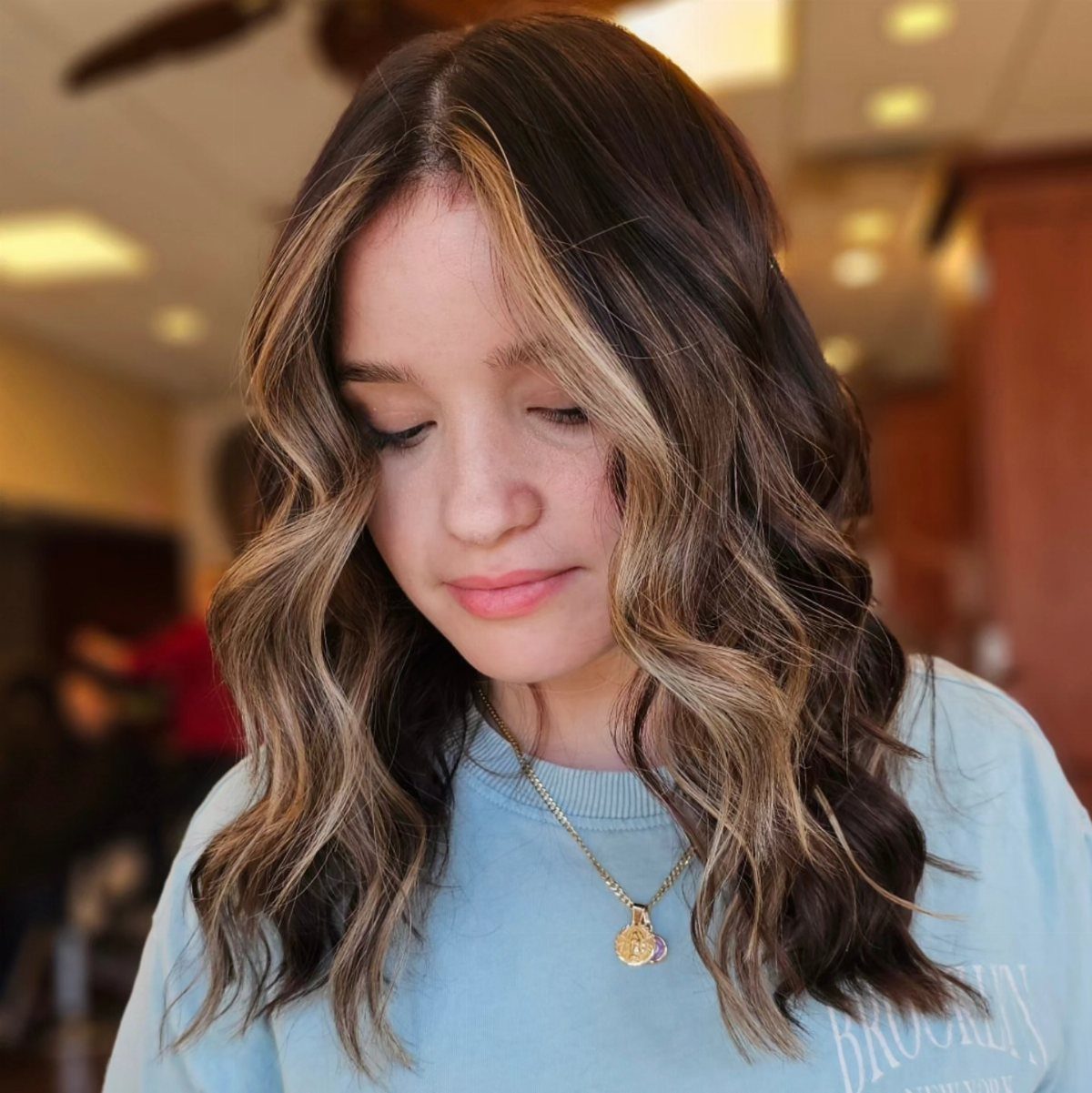
Lighter pieces placed right at the front, where the hair falls beside your cheeks and jaw, do more than a full head of highlights, and I like that they’re easy to ask for.
Brightness lands where the eye goes first, so the face looks lit without much color overall.
Ask for "face-framing highlights" and pick caramel if your base is light brown. Wavy hair shows the contrast nicely.
5. Chocolate Brown with Copper Highlights
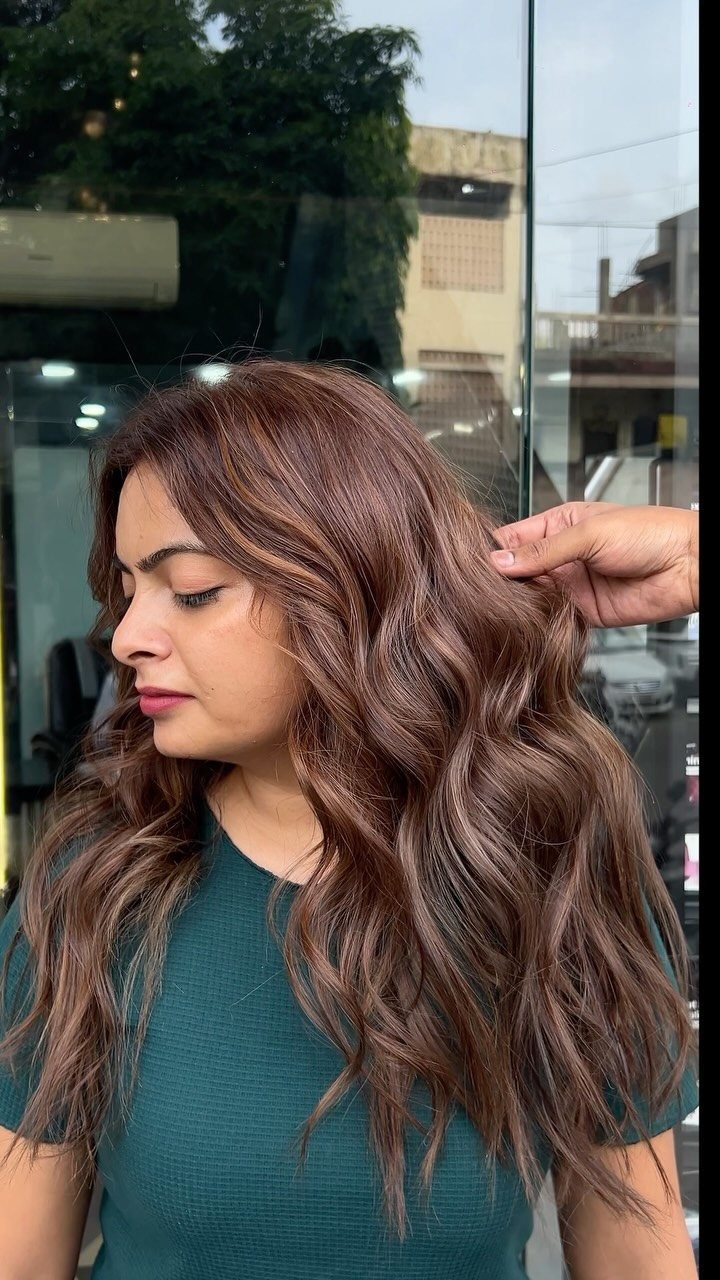
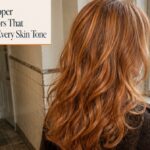
Copper warms a chocolate base without turning it red, which is why I’d use it as an accent rather than an all-over shade. Fine copper pieces show up in sunlight and nearly disappear indoors.
Ask for "chocolate brown with copper highlights" and keep them subtle for an easier grow-out. Long waves give the copper room to show.
6. Light Reddish Brown Hair
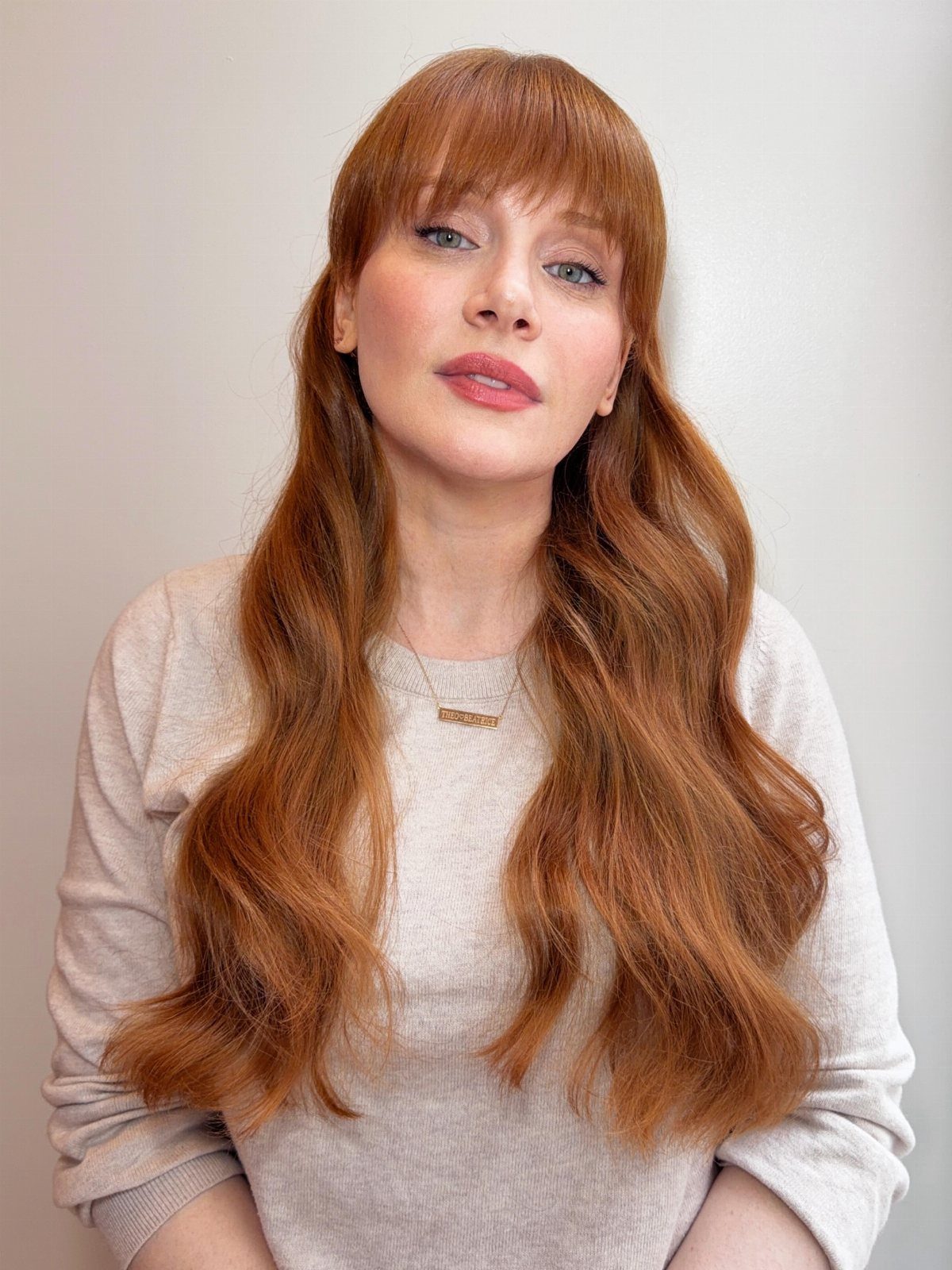
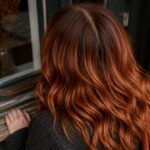
Red-leaning brown is the warmest of the light browns, and on long waves with bangs it looks rich without being loud. The red stays soft, so brown comes through first.
Bring a photo and say "light reddish brown," because "red" alone can send a stylist too bright. Bangs frame the face, though they need regular trims to keep their shape.
7. Caramel Ponytail
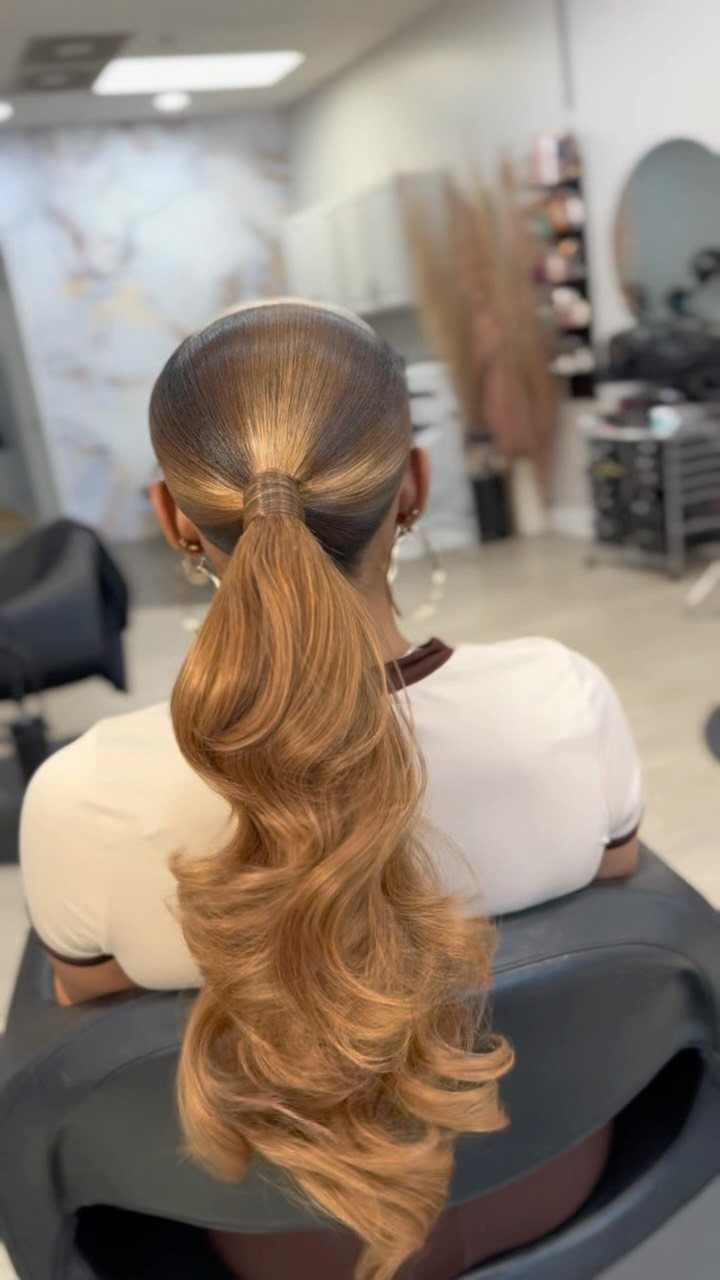
Dark roots melting into caramel make a ponytail look like it has depth built in, and the gloss is what sells it. A smooth pull-back shows the whole gradient from crown to ends, so none of the color gets hidden.
I like that the root stays dark, because grow-out is gentle and nobody sees a hard line. Ask for "caramel with a dark root" so the stylist blends the shift instead of starting the lighter shade at the scalp.
8. Cool Rose Gold Brown
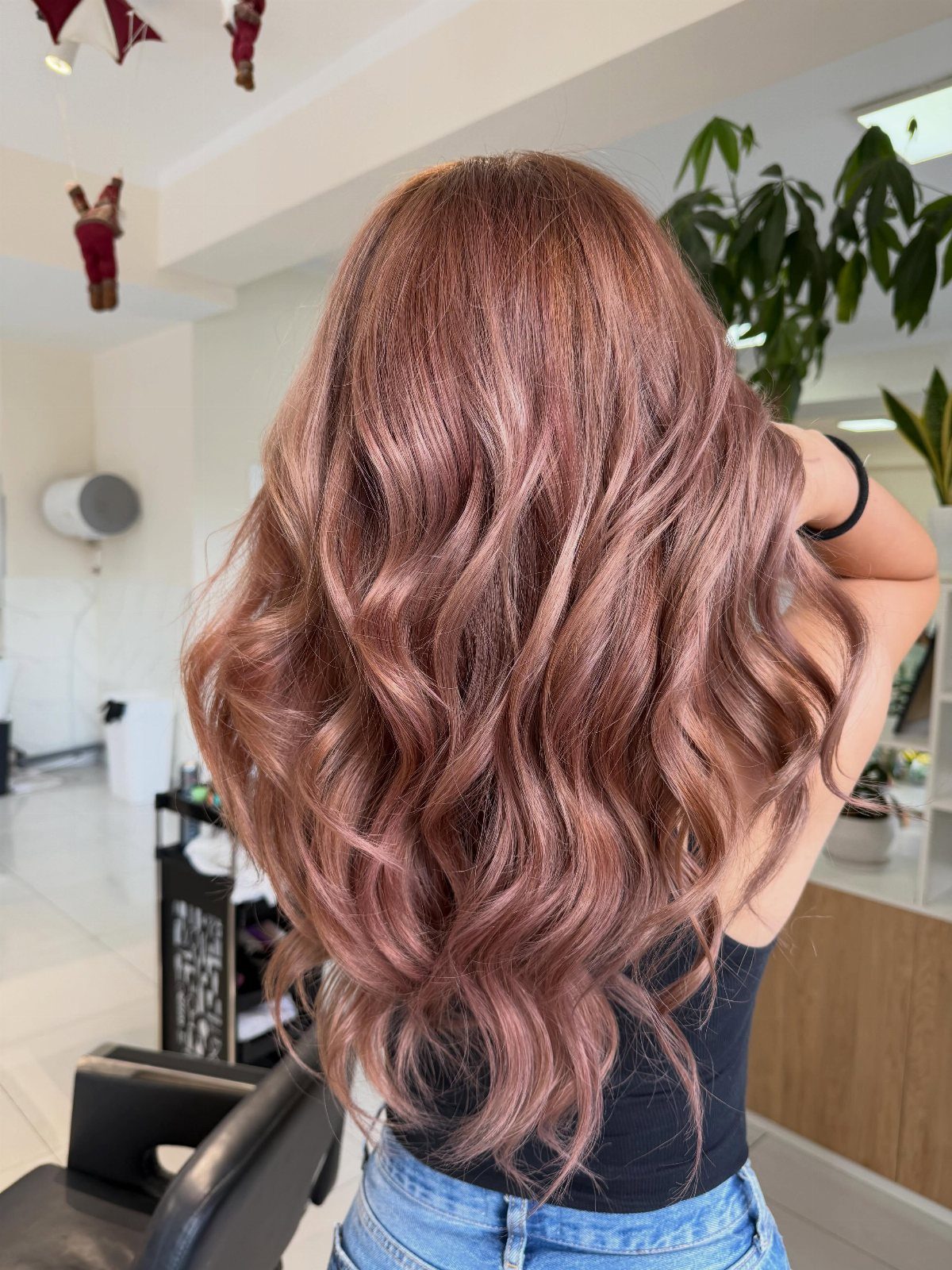
Rose gold on brown only works when it leans cool, and that’s the version I’d pick. A cool rose tone gives light brown a soft pink-beige cast instead of the orange warmth that copper and honey carry.
Loose, long waves let the tint shift in the light.
Bring a photo to your stylist and say "light brown with a cool rose gold tone," then add that you don’t want it to read copper. Pink tones fade faster than plain brown, so expect touch-ups.
9. Light Brown with Highlights
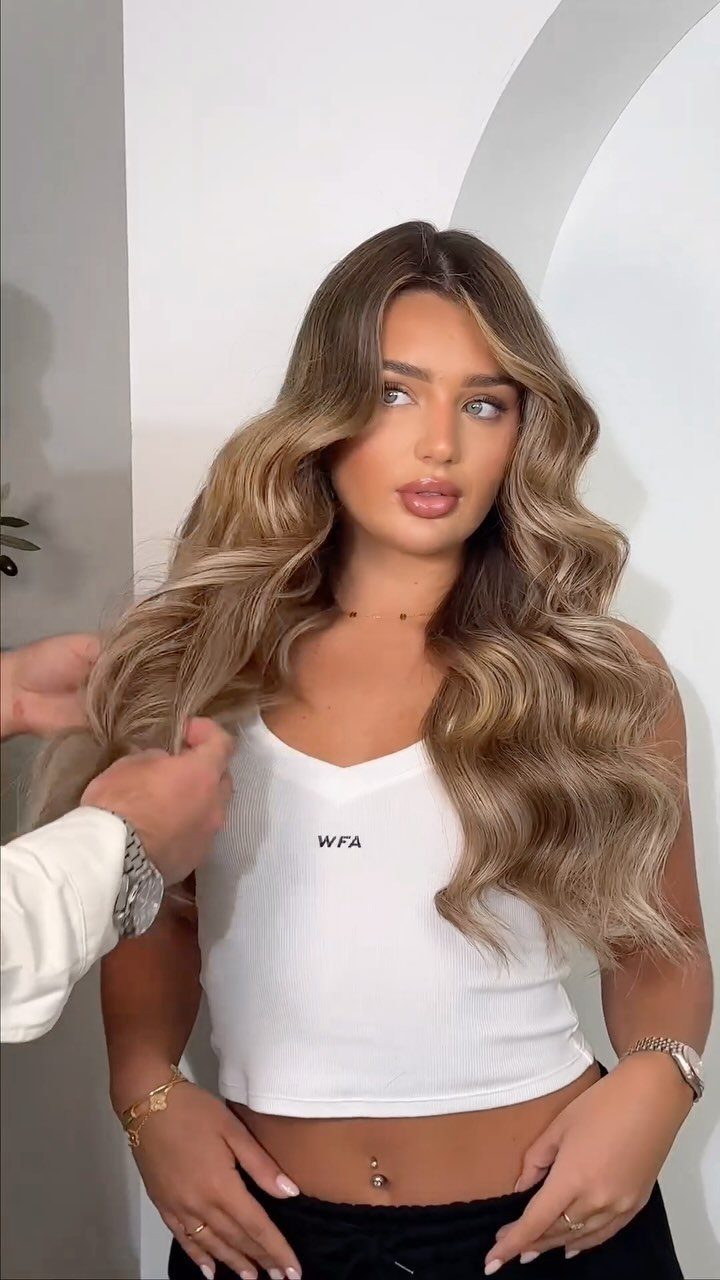
Plain "highlights" can mean almost anything, so I’d pin down how light you want them before you book. Light brown is a forgiving base, because lighter strands stay close enough to the base to look natural.
Long waves show the contrast best, since every bend catches a different strand.
Show a stylist a photo, and say whether you want soft, fine pieces or bolder ones. Fine pieces grow out more quietly.
10. Chestnut Brown
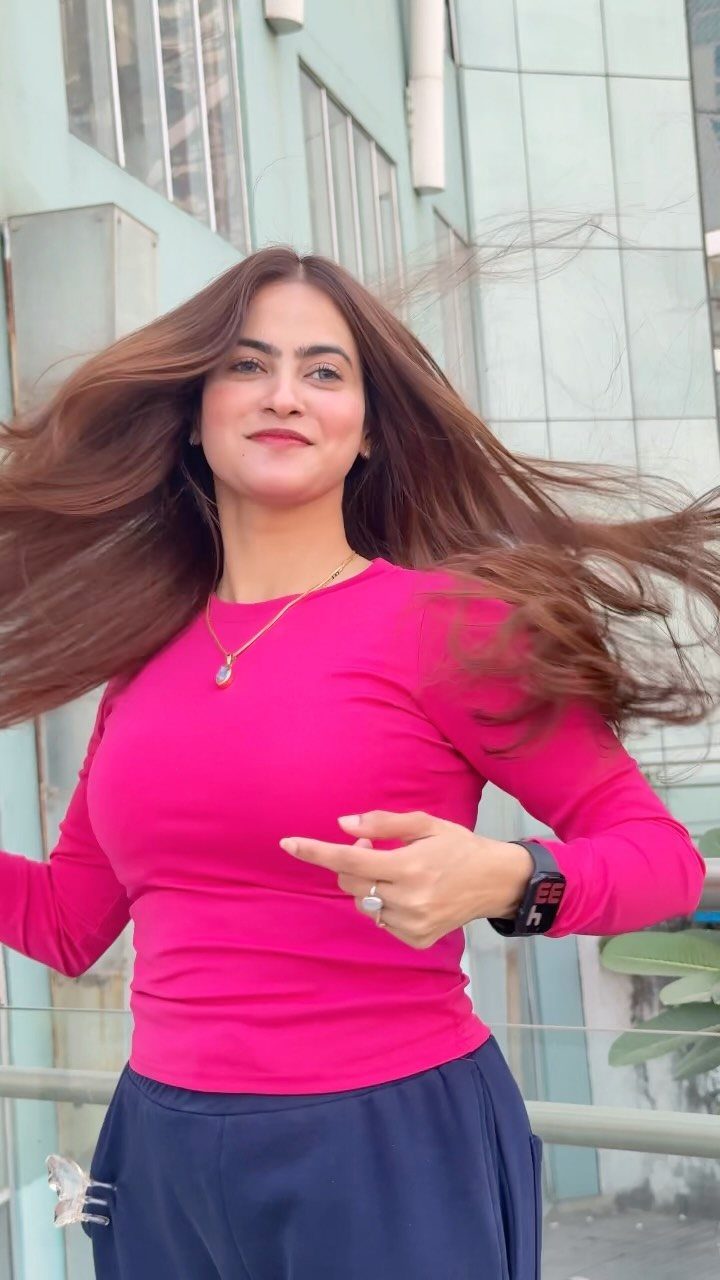
Chestnut sits between light and dark brown, which makes it the shade I’d suggest if you can’t decide which way to go.
It carries a little red warmth, so it looks rich outdoors and settles into a calm, deep brown indoors.
Long, flowing hair gives the mix room to show.
Ask for "chestnut brown" and tell your stylist whether you want to lean lighter or darker. That one detail changes the result more than anything else.
11. Caramel Highlights
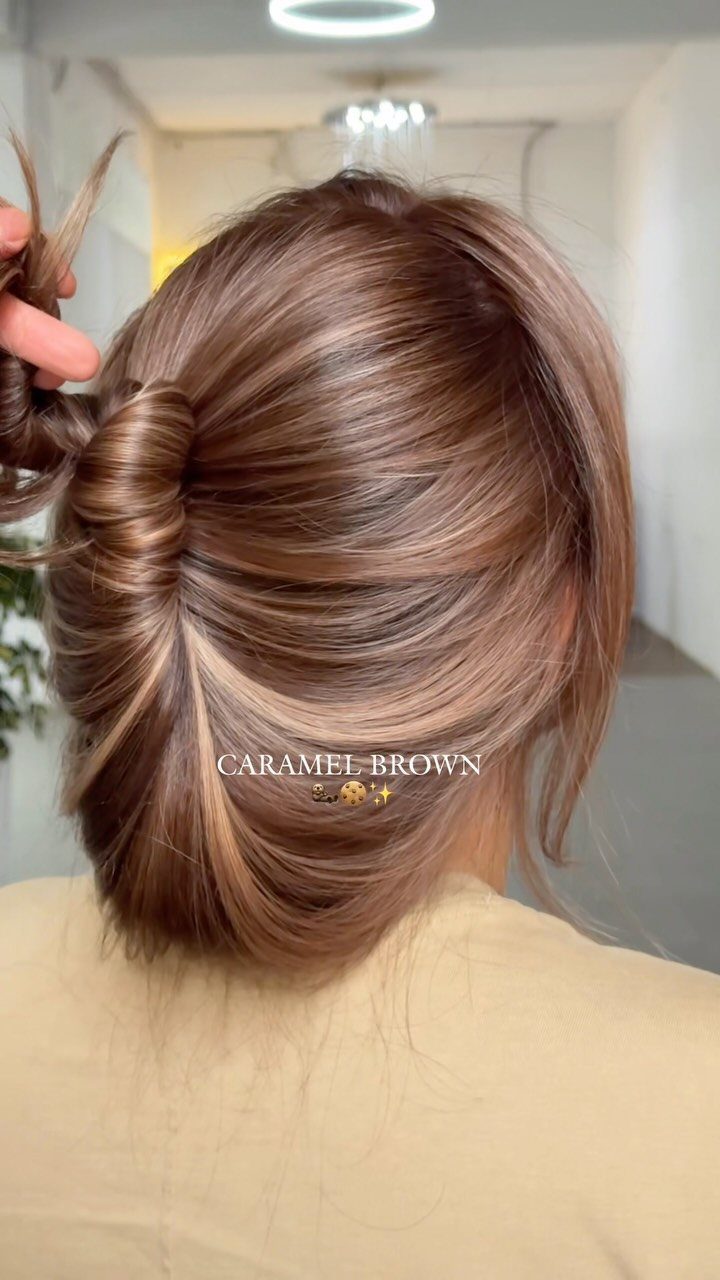
A smooth, twisted updo is the best place to show caramel, because the lighter pieces get wrapped into the shape and read as depth instead of stripes. The highlights make a plain brown bun look dimensional.
If you wear your hair up often, this is a smart color to choose. Ask for "caramel highlights on brown," and keep them close to your base shade so the bun still looks polished.
12. Wavy Light Brown
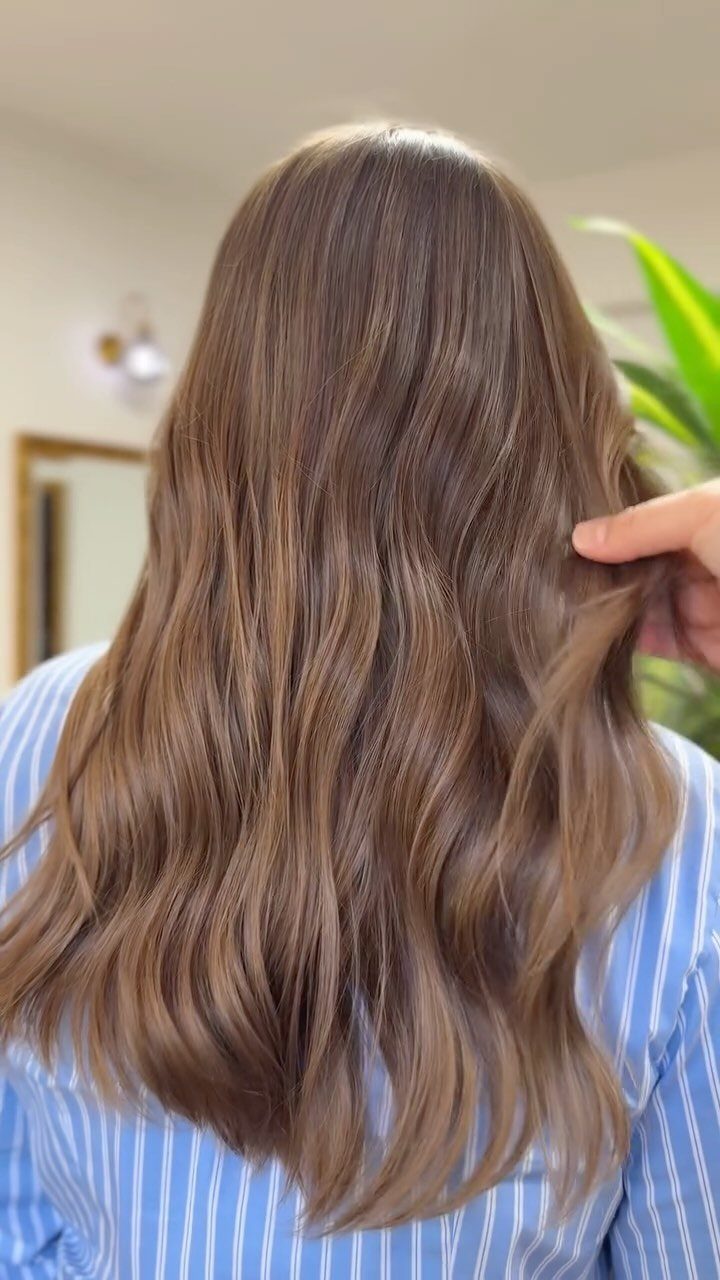
Waves do the work here. Light brown hair with a few fine, soft highlights looks fuller when it bends, because each curve catches light differently and the color seems to move.
I’d keep the highlights thin and close to the base so the waves stay the focus.
Tell your stylist you want "wavy light brown with fine highlights." Wearing it loose is the easiest way to show it off.
13. Solid Light Brown
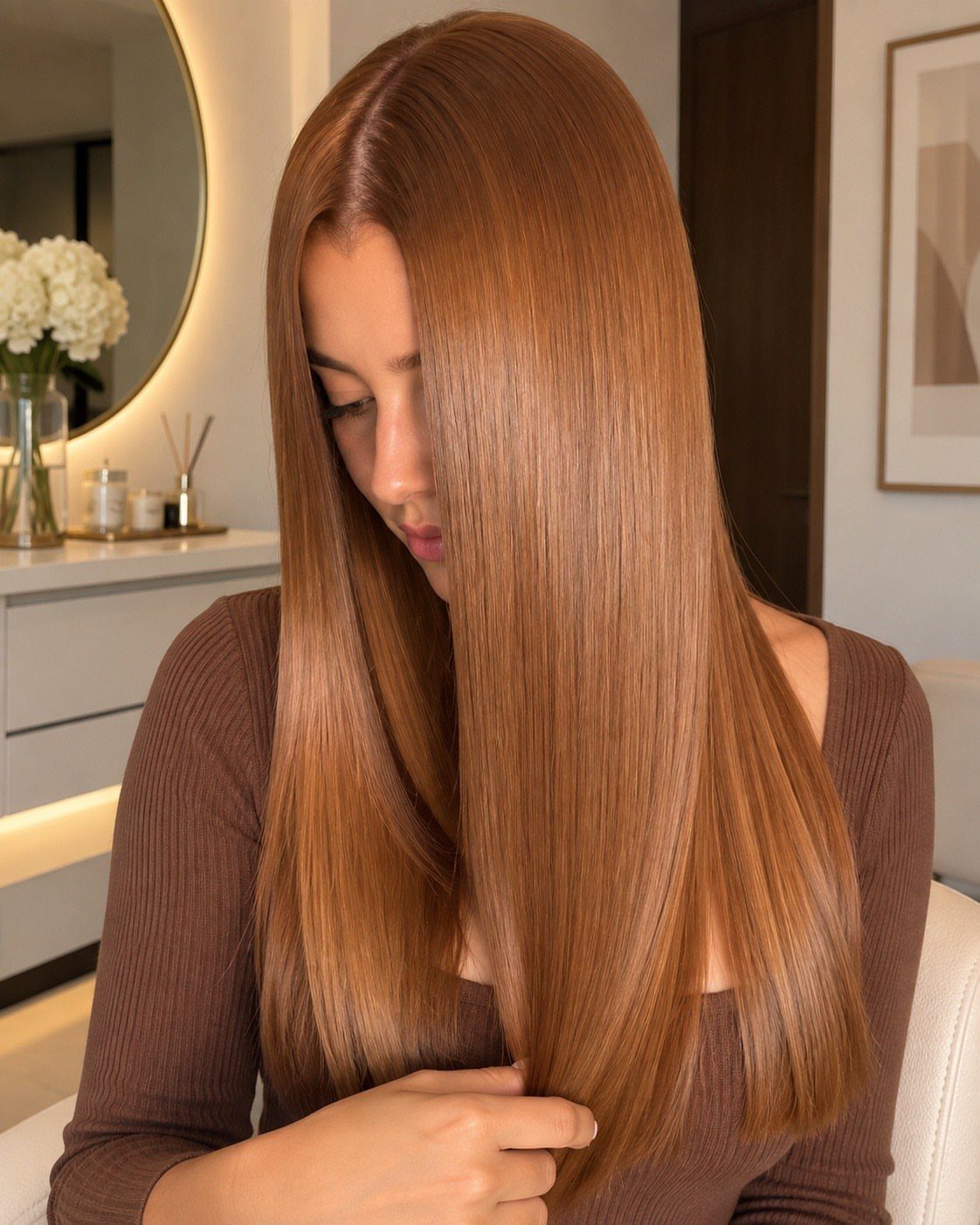
One even shade from root to end is the whole idea, and straight hair shows it best because nothing interrupts the smooth surface. I’d choose it if you want light brown with no highlights to describe or explain.
Ask for it by name: solid light brown, a single even tone from root to end, with no highlights. Bring a photo so the exact depth is clear.
14. Ombre
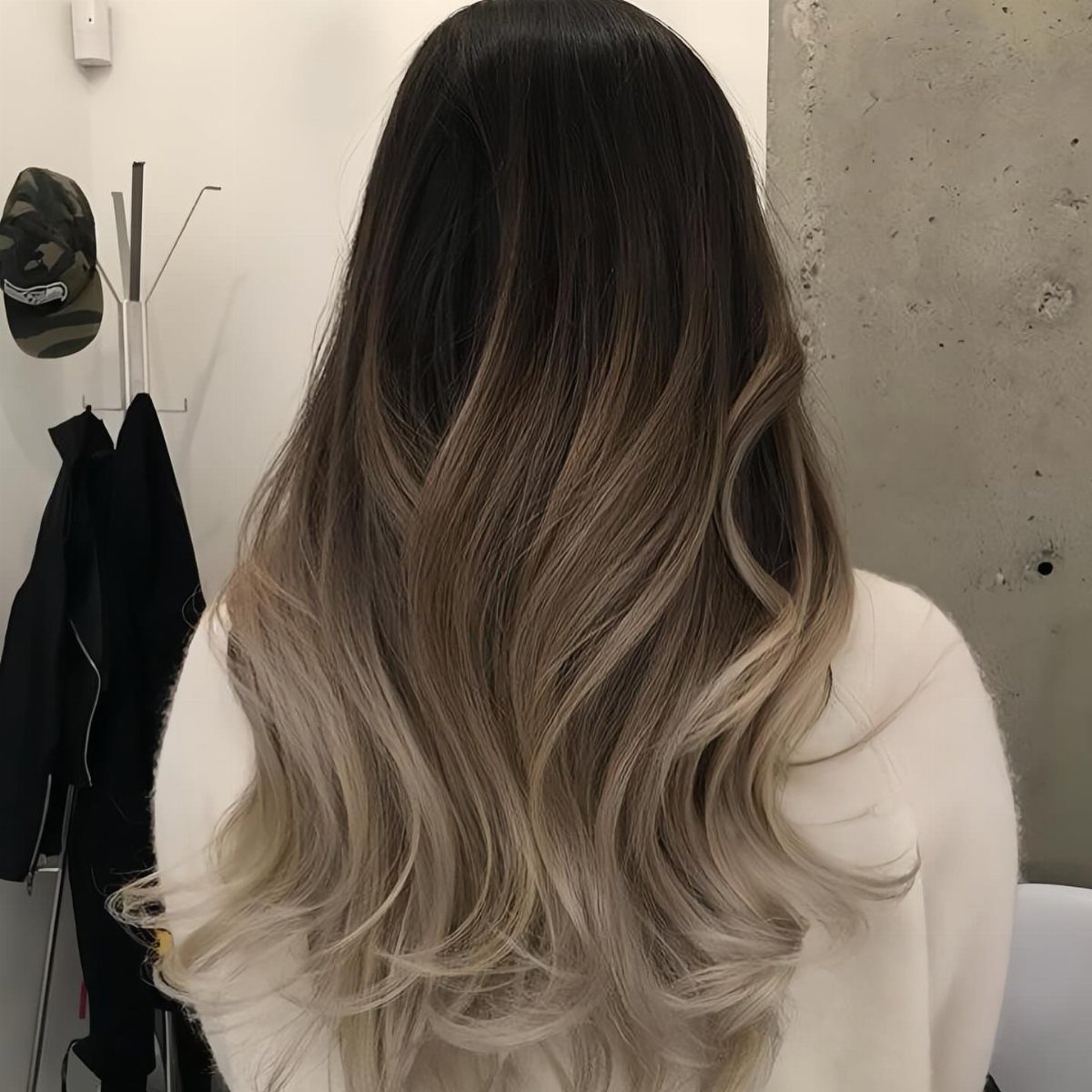
Dark brown roots that fade into pale blonde ends make a big contrast, and wavy lengths let the fade stretch out across the hair.
Ask for "ombre, dark brown to pale blonde" and say you want a gradual blend with no visible line where the shades meet.
Agree on how high the lightening starts before you sit down. That one decision sets how much of the dark brown shows.
15. Blonde Balayage
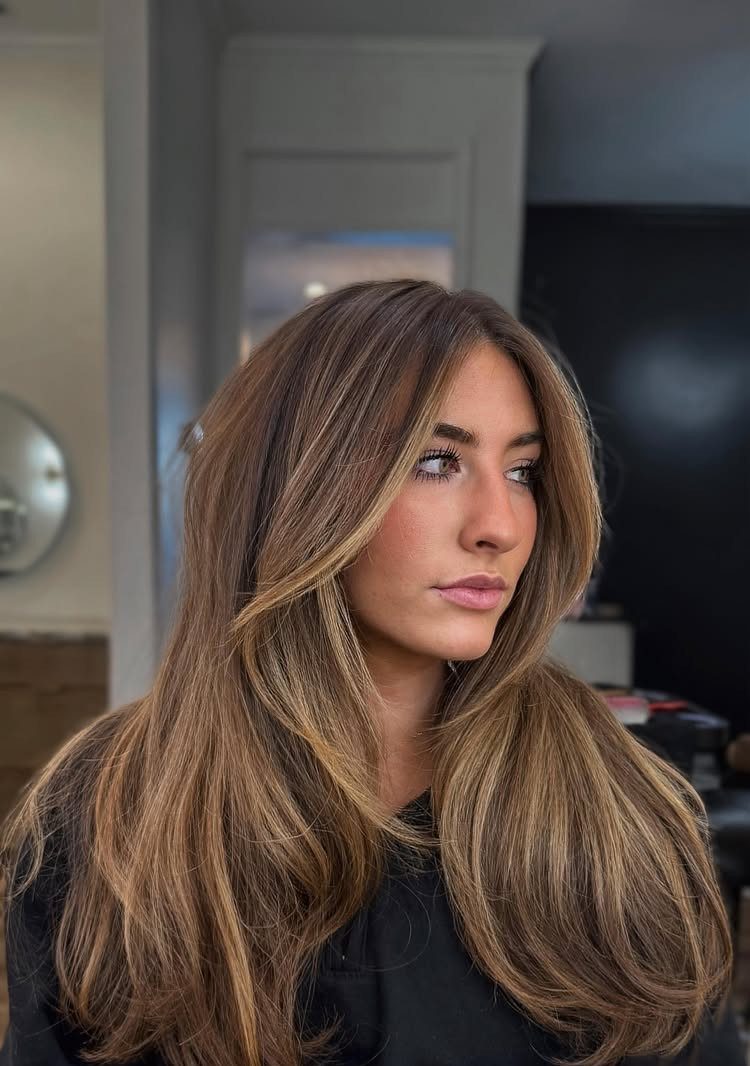
Hand-painted blonde on a light brown base gives balayage its soft, brushed-on look, and where the color sits matters as much as the shade.
The stylist behind this one placed a 90s-style face frame starting around the cheekbone, a detail I’d borrow.
Ask for "blonde balayage on light brown, face frame from the cheekbone." Loose waves show the painted pieces best.
16. Sun-Kissed Bronde
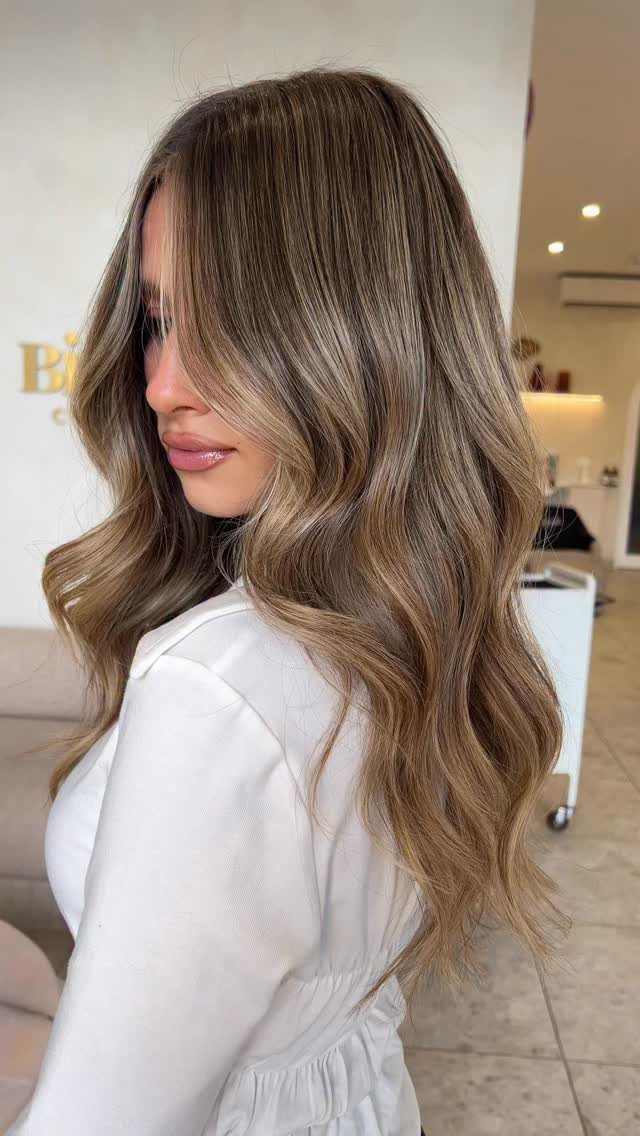
Bronde is the word for anyone who can’t pick between brown and blonde.
Light brown stays the base, and brighter reflects sit on top like sunlight caught in the hair. I’d choose it over full blonde for the depth it keeps.
Wavy lengths scatter those brighter pieces nicely. Ask for "sun-kissed bronde, light brown base with soft, brighter reflects," and say you don’t want stark stripes.
17. Highlights and Lowlights
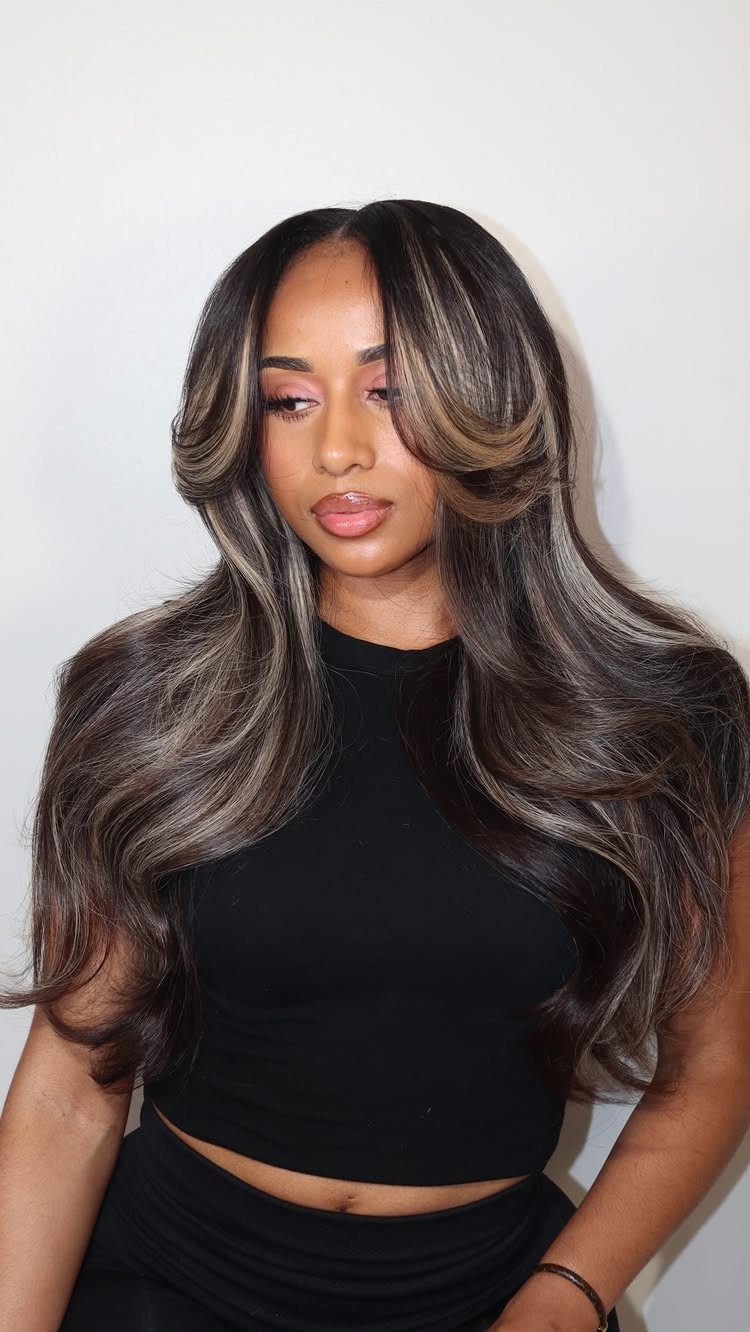
Lighter strands add brightness and darker ones add depth, and the pairing is what keeps color from looking flat. Loose waves also do some of the work, because each bend catches the light on a different strand.
Name both when you book: "highlights and lowlights."
Then say which you want more of, because that ratio sets whether the hair reads lighter or deeper overall. I’d lean toward more lowlights if you want a calmer look.
18. Walnut Brown
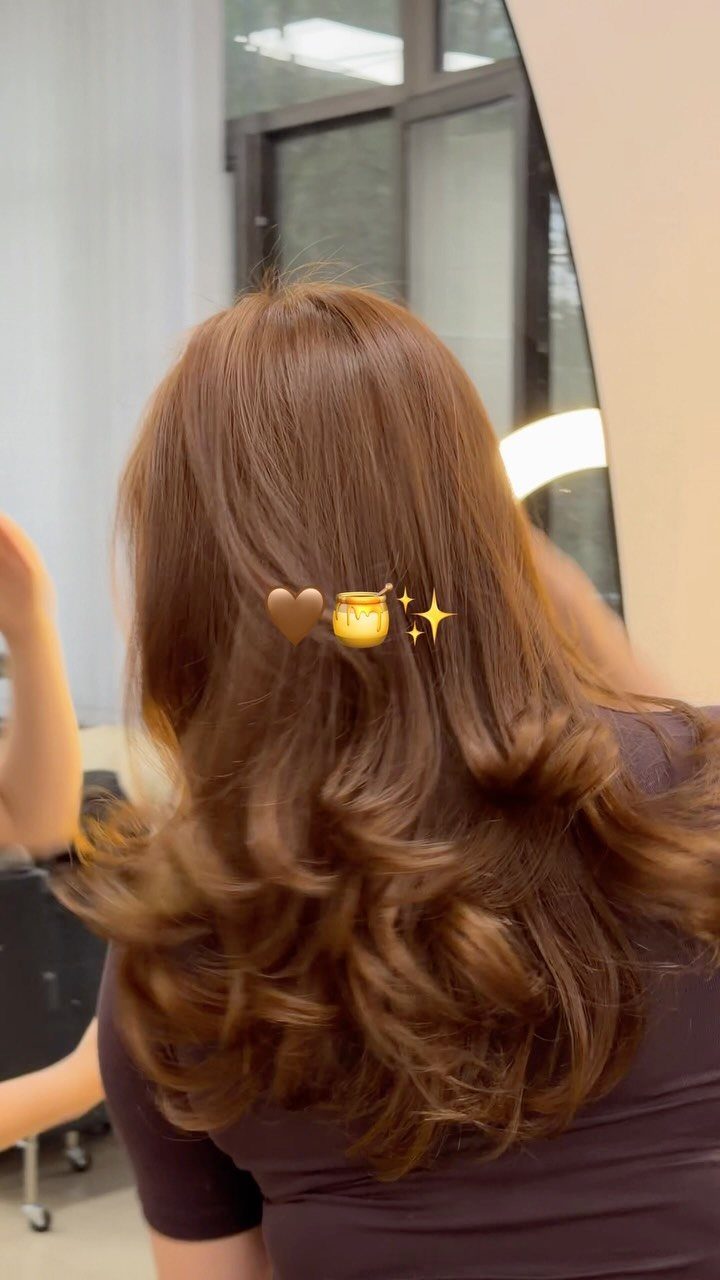
Walnut brown is a warm shade that falls between chestnut and light amber, and glossy, loose curls give it the shine it needs. Next to chestnut, I find it a little softer and more golden.
Ask for "walnut brown, warm, between chestnut and light amber," and bring a photo so the stylist lands on the same shade you have in mind.
19. Hazelnut Brown Hair
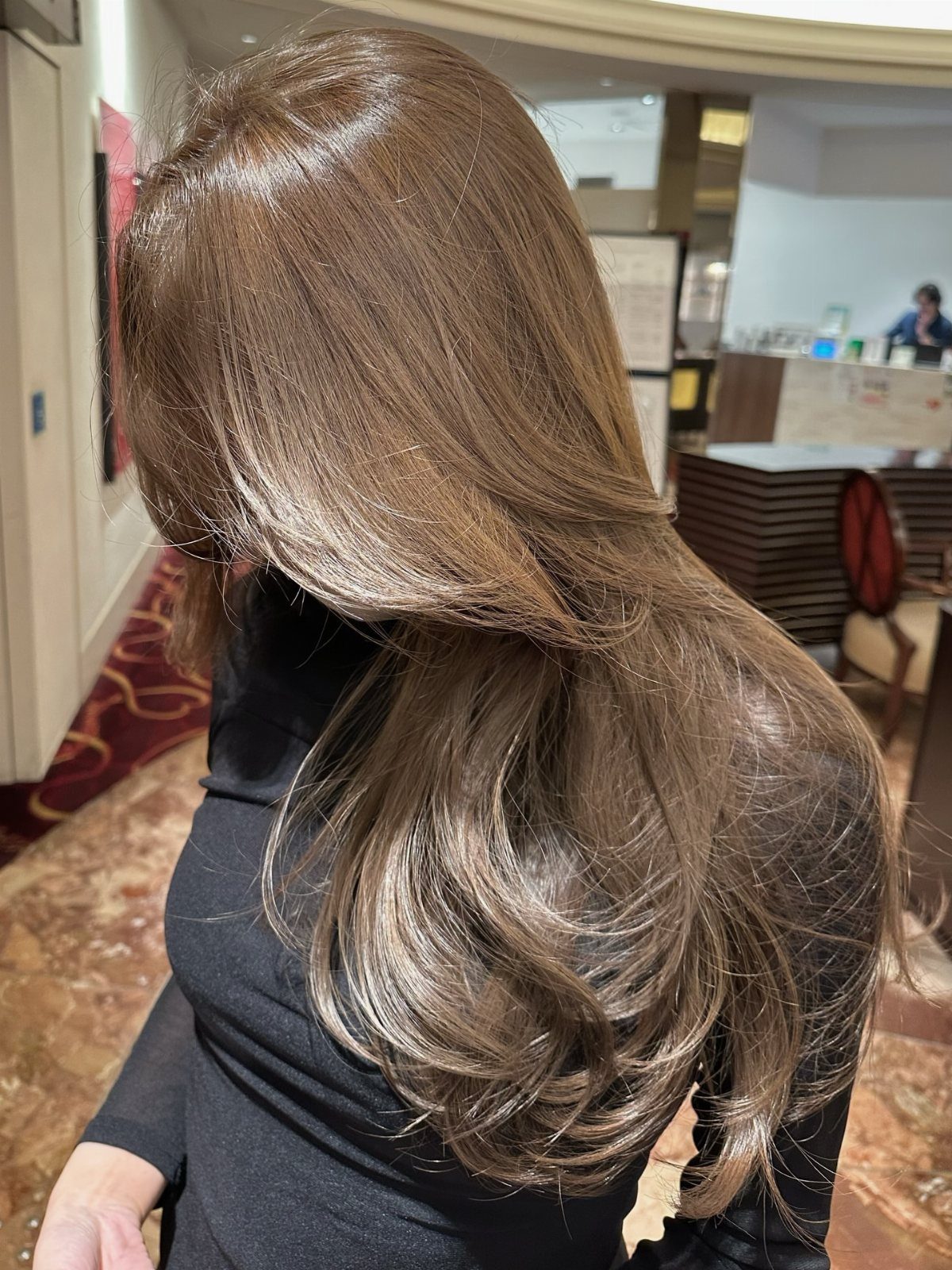
Hazelnut sits in the middle of light brown: soft gold and a little green-tan, never red. Glossy, loose layered curls suit it, since each curl catches light and shows the shade shifting.
Ask for "hazelnut brown" and bring a photo, because the name can land anywhere from honey to chestnut. Layers add movement, though curls need shine to keep the color looking rich.
20. Peekaboo Color
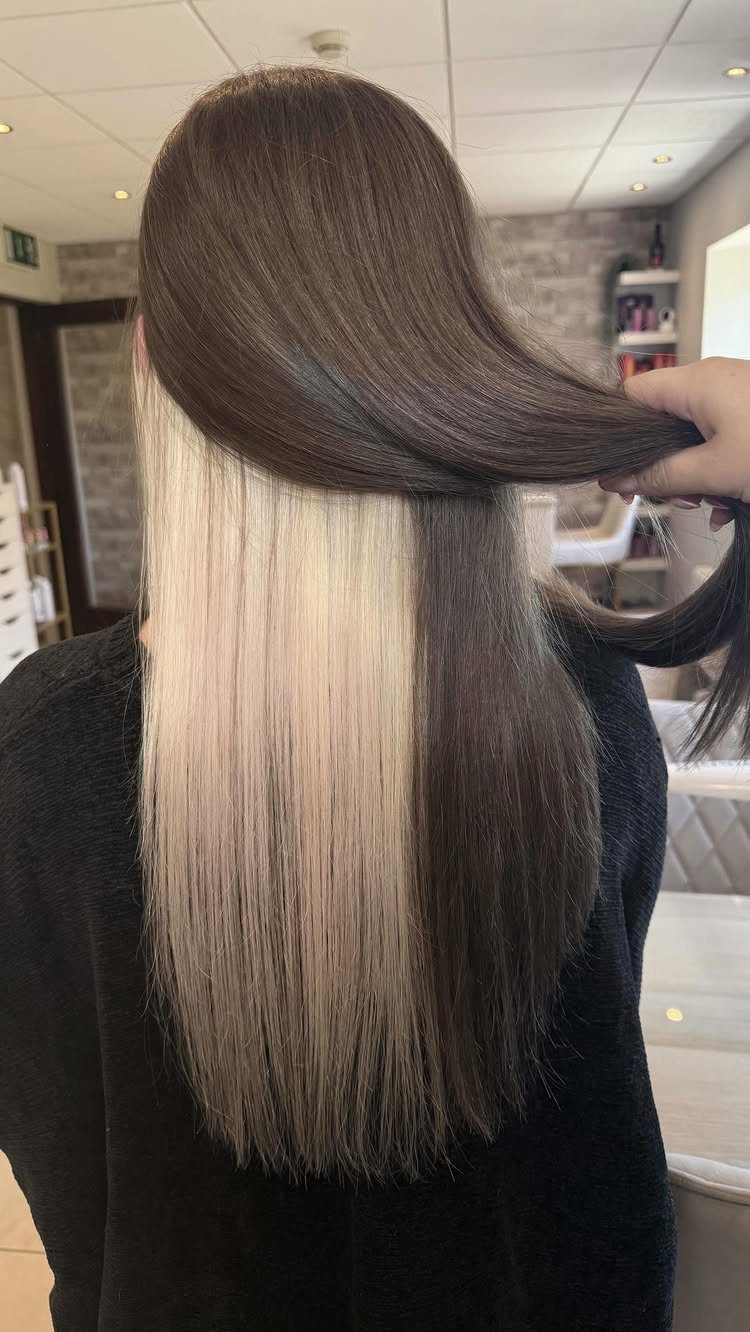
Peekaboo color keeps the top layer a plain light brown and hides a pale blonde panel underneath, so the blonde only flashes when the hair swings, parts or gets pinned up.
That makes it a good first step if full highlights feel like too much.
Ask for a "peekaboo blonde underlayer on light brown."
Straight hair lifts cleanly to reveal it, and I’d pick it for anyone who wants a quiet surprise rather than a loud change. Tie your hair up and the blonde is on display.
21. Chocolate Brown
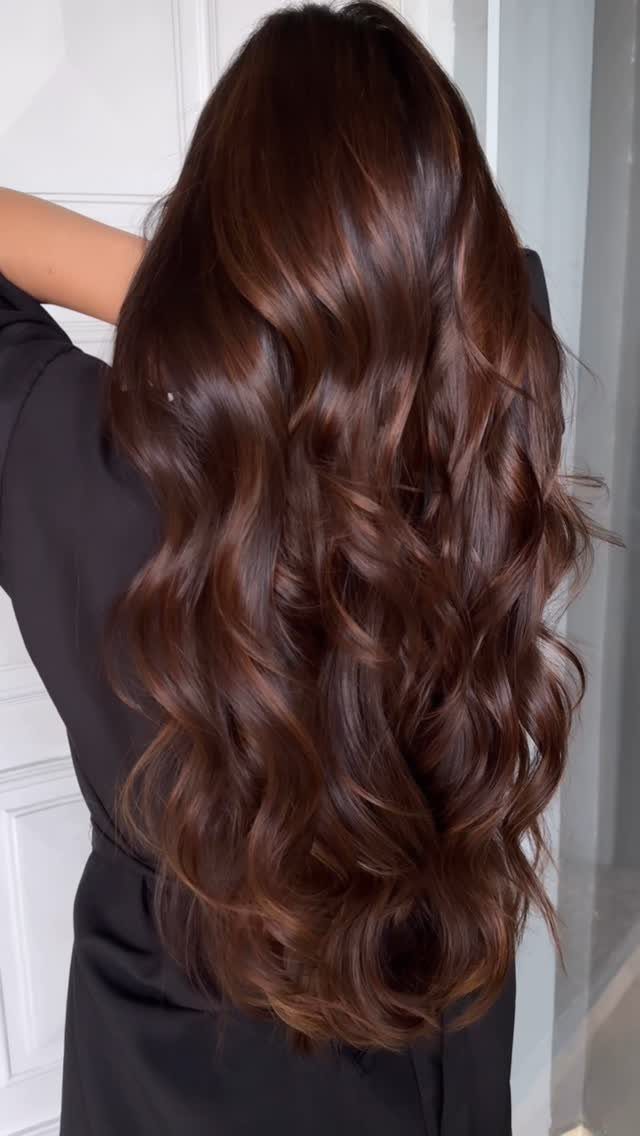
A balanced brunette with soft light brown notes is what I’d call chocolate done well: deep enough to look rich, with lighter warmth that keeps it from going flat. Long waves help, because the glossy bends show those lighter notes.
Ask for "chocolate brown with soft light brown notes" so the stylist doesn’t take it to a dark espresso.
Bring a photo. I’d skip heavy contrast and let the gloss carry it.
22. Beige-Blonde Streaks
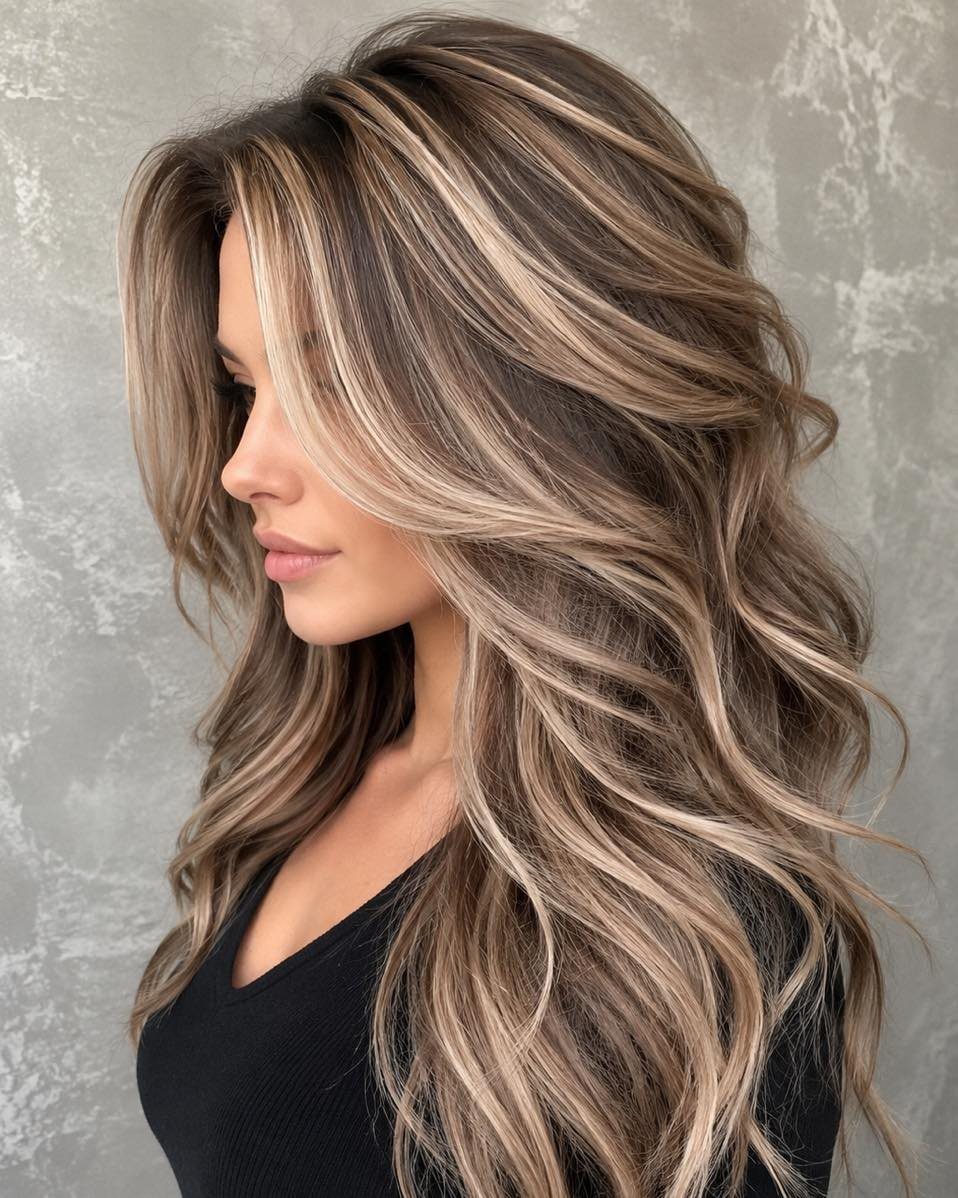
Paler, beige-leaning blonde streaks on light brown give bronde a natural look, because beige stays soft where bright blonde jumps out. I’d pick this for hair that looks too golden or yellow in warm tones.
Ask for "beige-blonde streaks on light brown" and say you want a creamy tone, not yellow.
Long waves spread the streaks so they read as dimension. Keep them thin if you’d like an easier grow-out.
23. Blonde and Brown Ribbons
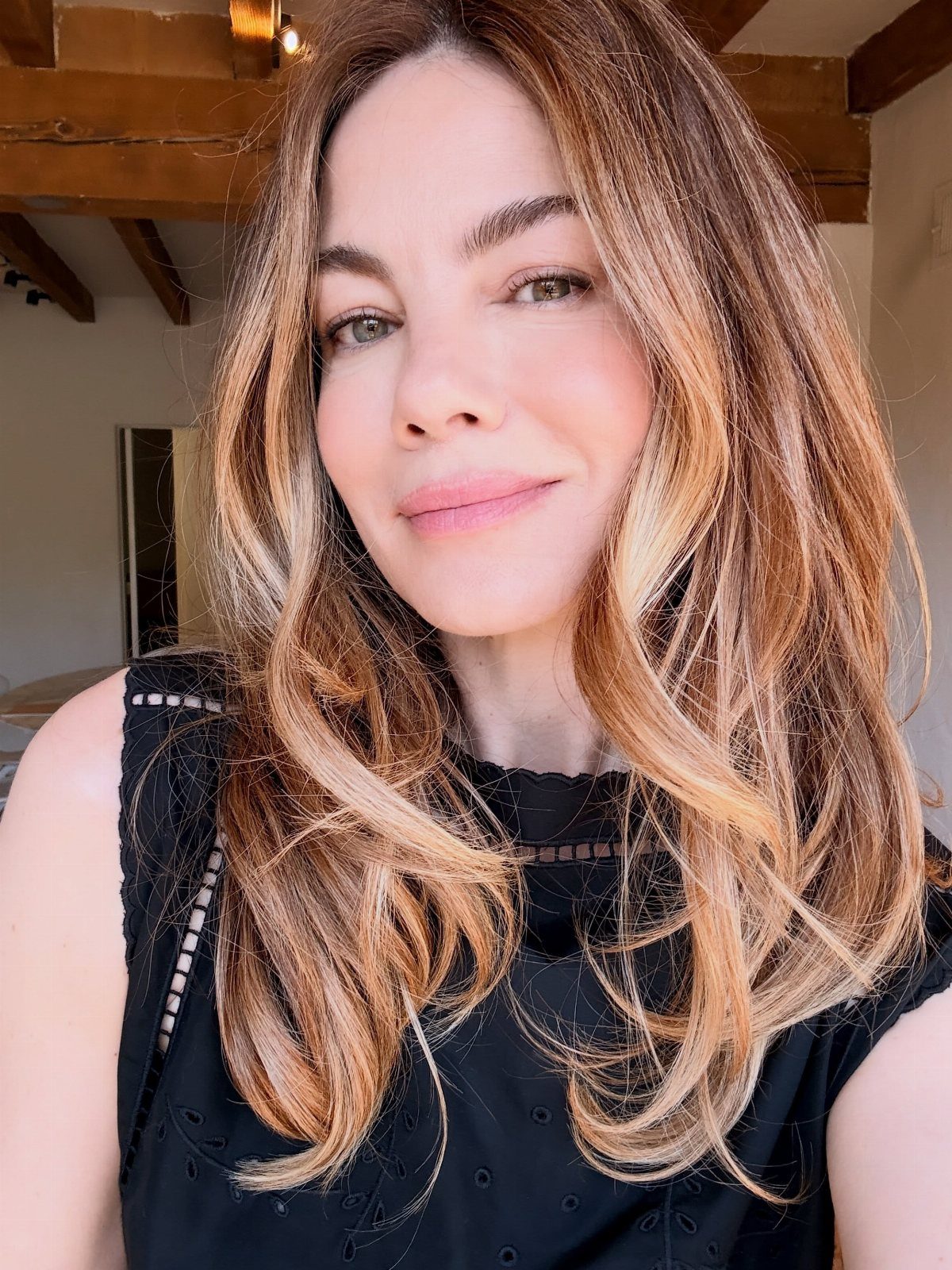
Ribbons are wide, soft bands of blonde laid against brown, and placing them around the face is what gives the cool effect. Blonde that leans cool beside light brown looks crisp rather than warm.
Say "blonde and brown ribbons, cool-toned" when you book, and bring a photo.
Long waves show the bands best. Ask your stylist how wide to go, because broader ribbons read bolder and need more regular touch-ups.
24. Brown Bob Highlights
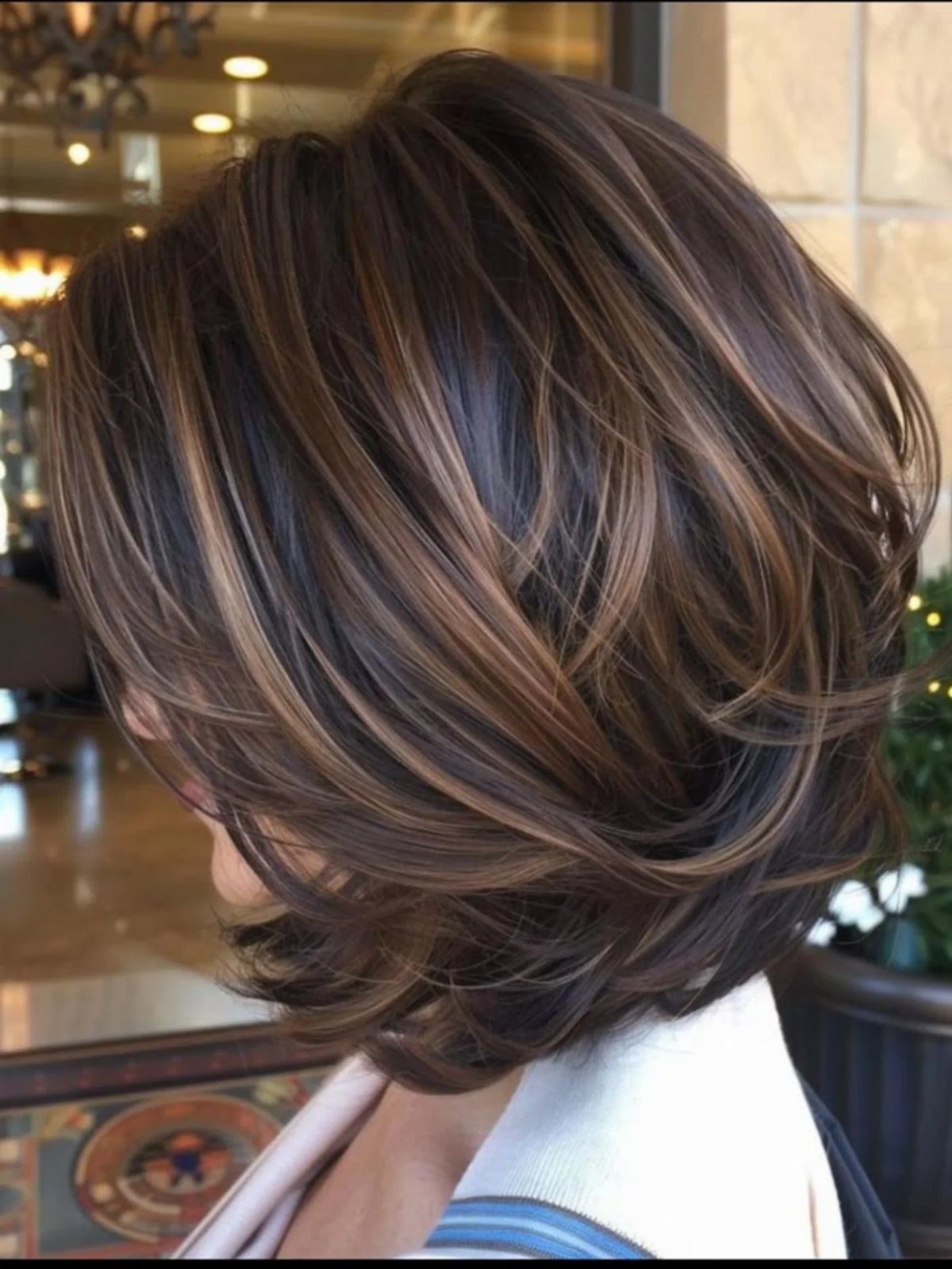
On a choppy bob, highlights follow the cut, so sweeping caramel-blonde pieces and layered ends make the shape look textured. Short hair shows every placement, which means fewer highlights go a long way.
Ask for a "choppy brown bob with caramel-blonde highlights and layered ends."
Mention that you want the lighter pieces to sweep along the layers. A bob needs regular trims to keep its shape, and I’d book those with the color.
25. Straight Light Brown Hair
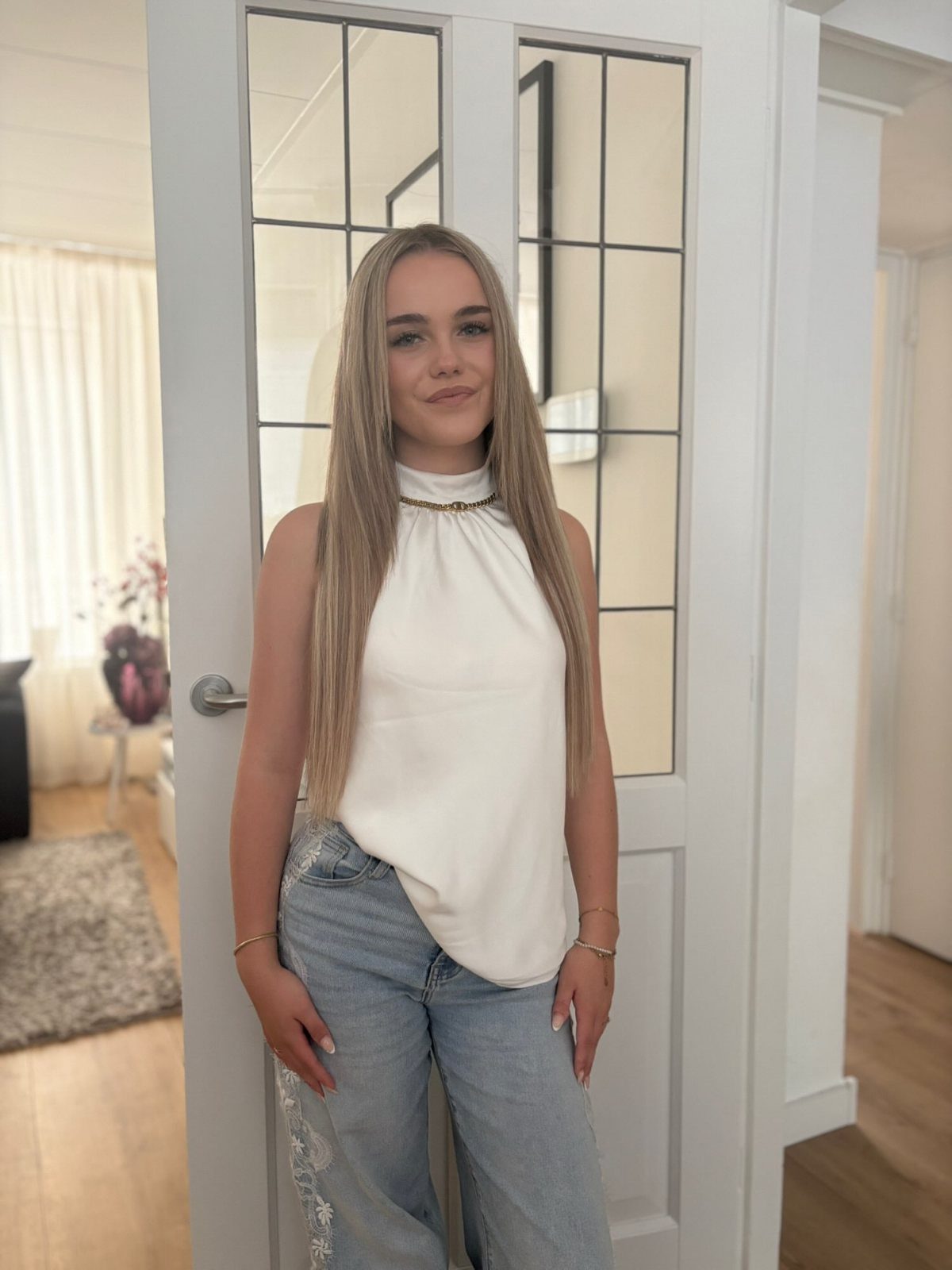
Straight hair shows one thing clearly: the color itself. With no waves to break up the surface, light brown reads as a single smooth sheet, so any uneven tone or dull patch would show, and I like that honesty.
Name the length and finish when you book, "long, straight, light brown", and show a photo so your stylist can match the depth. It’s an easy shade to wear down every day.
26. Layered Light Brown Hair
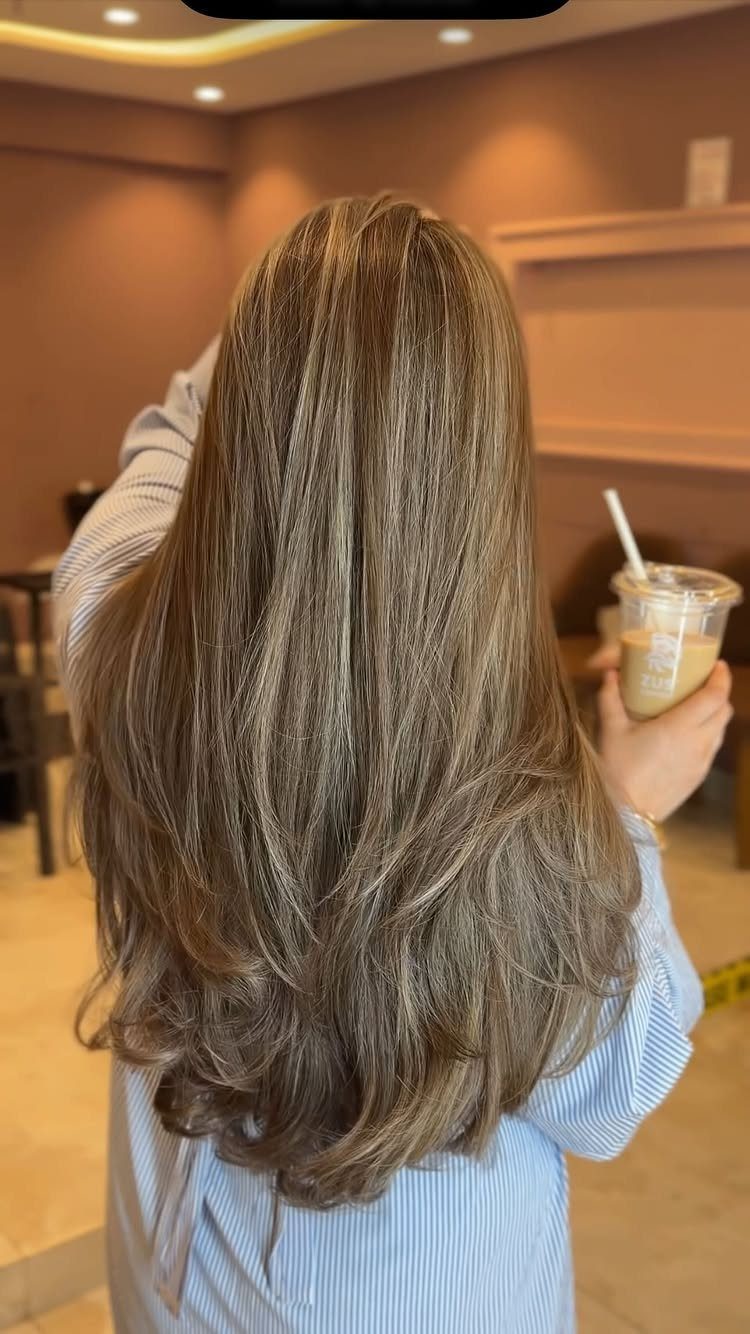
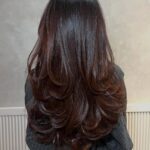
Soft layers do something a blunt cut can’t: they let the light brown shift slightly from section to section, so the length looks lived-in rather than flat.
Even hanging straight, the ends separate a little and the tone seems to vary.
I’d ask for "long, soft layers" and keep them gentle, because heavy layers can thin out the ends. Bring a photo of the back view, since that’s where layers show.
27. Light Brown Bob
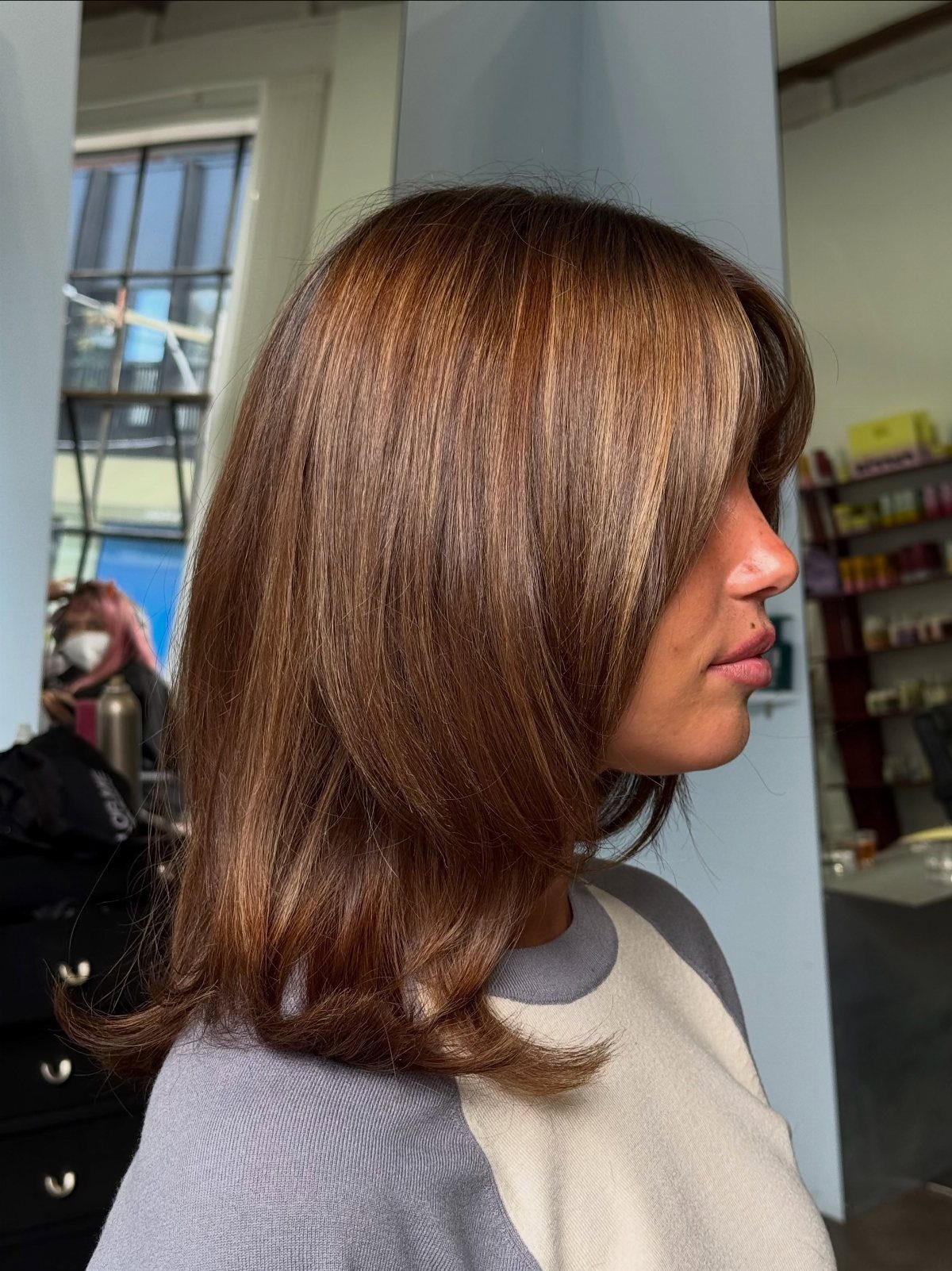
Ends that curl inward turn a shoulder-length bob into a tidy, rounded shape, and light brown with a few lighter and darker tones keeps it from looking flat.
A light brown bob reads as one of the most polished cuts you can wear, with a blunt edge that makes the color look deliberate.
Say "shoulder-length light brown bob, softly curled under, with subtle tonal variation." Bring a photo, and book trims regularly, since a bob loses its curve as it grows.
28. Light Brown Ponytail
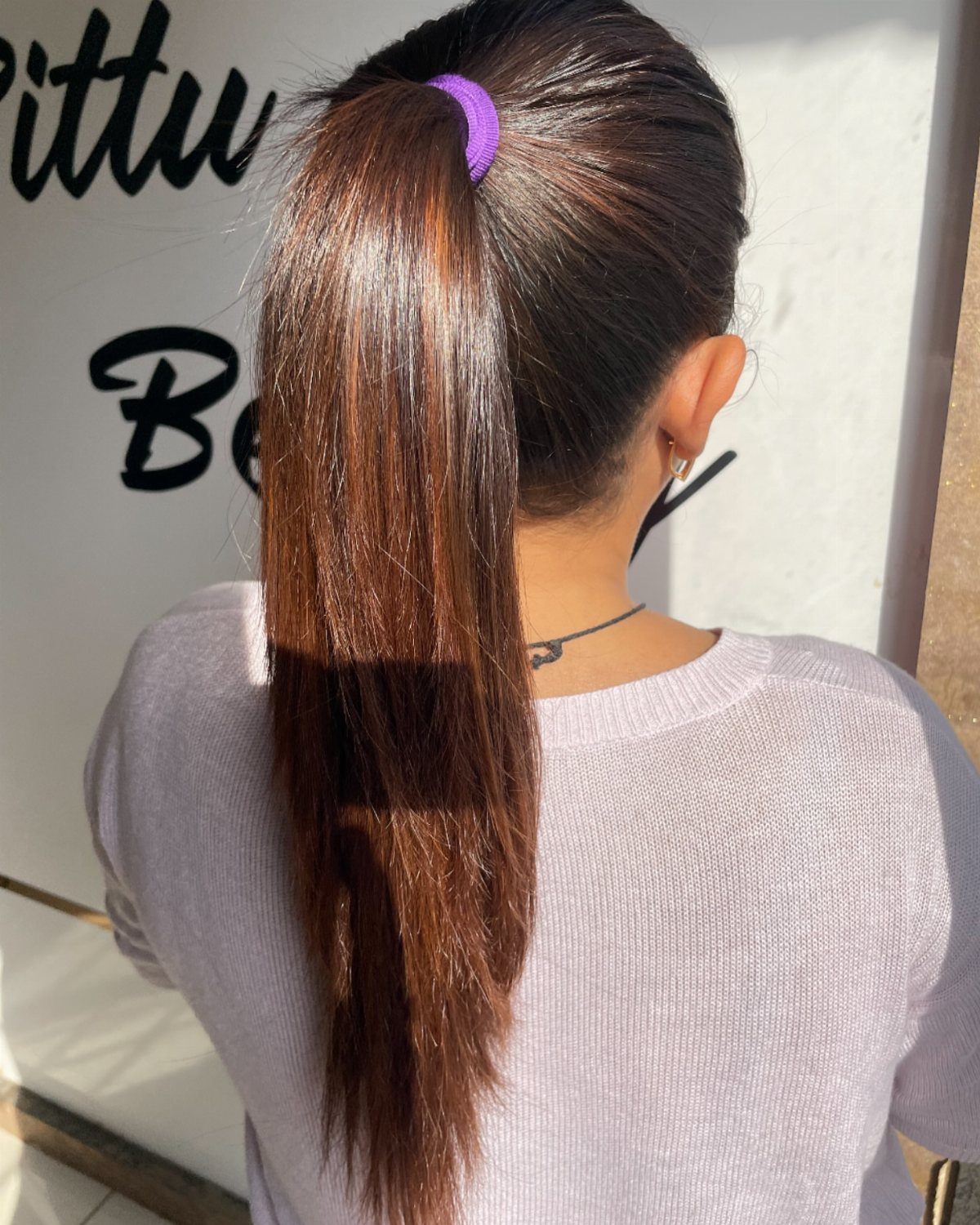
A high ponytail pulls every strand of light brown into one long fall, so the color and length are on full display. Tie it at the crown and the tail swings freely down the back.
I’d pick a hair tie that stands out against the brown, like the purple one here, because it adds a color accent for free. Ask your stylist for an even light brown so the pull-back looks smooth from every angle.
At-home Color Application
Pick a shade within a level or two of your natural color, and apply it to dry, unwashed hair so the dye grabs evenly. Then follow 4 steps:
- Do a strand test first, so you see the real result before it touches your whole head.
- Before any dye touches your head, split dry hair into 4 equal quarters and clip each one out of the way.
- Apply color from roots toward ends, one section at a time.
- Process for exactly the time on the box instructions.
Doing it yourself is a real choice, not a given. If you have colored at home before, a box is reasonable; if you haven’t, I’d book a stylist rather than gamble on a first attempt.
Low-maintenance Color Grow-out
If you want to see a stylist as rarely as possible, pick a color where your own roots are part of the design.
Ombre shows this best, since the color fades in gradually and never leaves a hard regrowth line, which lets you wait much longer between salon visits.
A neutral brown root under golden mid-lengths works on the same logic. The darker top adds depth, and new growth blends in instead of showing as a band, so grow-out stays low-maintenance.
Color applied all the way to the scalp is the opposite, since regrowth draws a line you will see within weeks.
Frequently Asked Questions
What are some good hair colors for light brown hair?
Honey brown, caramel and ash brown are where I’d start, and the right one depends on the warmth you want. Honey brown gives amber warmth that reads as soft gold in the light.
Brown that reads flat picks up depth from caramel, and an ash brown tone neutralizes hair that pulls golden or brassy. If you can’t decide between lighter and darker, chestnut splits the difference.
What are some shades of golden hair color?
Golden brown, honey brown, caramel and hazelnut are the main golden-leaning browns.
Golden brown carries notes of red and honey, and honey brown leans amber. Caramel is warm, lighter strands woven through brown, while hazelnut is soft gold with a little green-tan and never red.
What are the different shades of brown hair called?
Common names include chocolate, chestnut, walnut, hazelnut, honey brown, caramel and ash brown.
Chocolate is a deep, rich brunette, and chestnut sits between light and dark brown with a little red warmth. Walnut lands midway between chestnut and light amber, softer and warmer than chestnut, while ash brown is the cool-toned option.
Brands and stylists use these names inconsistently, so a hazelnut can look like honey in one place and chestnut in another; a saved photo beats a name every time.
What color is light brown hair?
Light brown sits at levels 5 and 6 on the professional hair color scale. That is enough brown pigment to look natural and grounded, while the hair still reflects golden, reddish or ash tones in the light.
What is the difference between light brown, bronde, dark blonde, honey brown and golden brown?
Bronde is the blend: brighter, blonde-leaning pieces laid over a light brown base, where plain light brown stays one even brunette color from root to end.
Dark blonde leans golden-yellow rather than brown. Warmth defines honey brown and golden brown alike, and honey is the one that shows amber.
How do I dye my hair light brown at home?
Choose a shade within 1–2 levels of your natural color, and test a single strand before committing your whole head.
Start with dry, unwashed hair parted into 4 even sections, work from roots to ends, and keep the dye on for exactly the time printed on the box.
How do I keep light brown hair glossy?
Keep the cuticle, the outer layer of each strand, smooth, because light brown reflects light best that way.
A glossing treatment with glycolic acid works because this mild exfoliating acid flattens the cuticle, so light bounces off evenly and color holds longer.