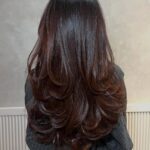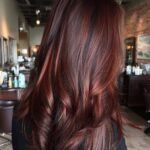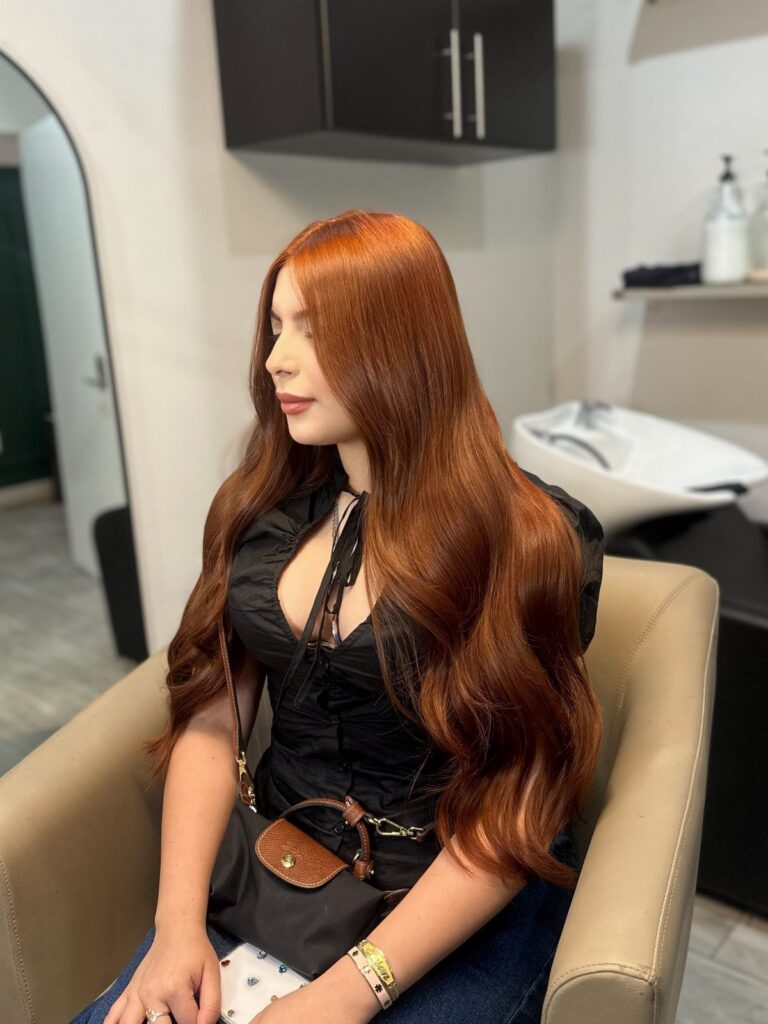
Your starting color decides how far copper can go: brunettes reach dark copper or a copper-brown tint in the fewest steps, while blondes land on strawberry-leaning shades and darker bases need extra time for anything bright.
The list runs from soft Copper Blonde to Fiery Copper, from a Copper Bob to Short Copper Curls, and from Copper Highlights to Monochromatic Copper.
Copper loses its glow faster than most shades, so I’d plan on a root visit every 4 to 6 weeks from the very first month.
1. Copper Blonde

Blonde as the base is what makes this copper read soft and light, closer to strawberry than to penny.
Long waves show it best, because the lighter golden strands catch between the copper ones and keep the color from looking flat.
If you start from blonde, you are already part of the way there. Ask for the copper to be kept light so the gold stays visible.
2. True Copper
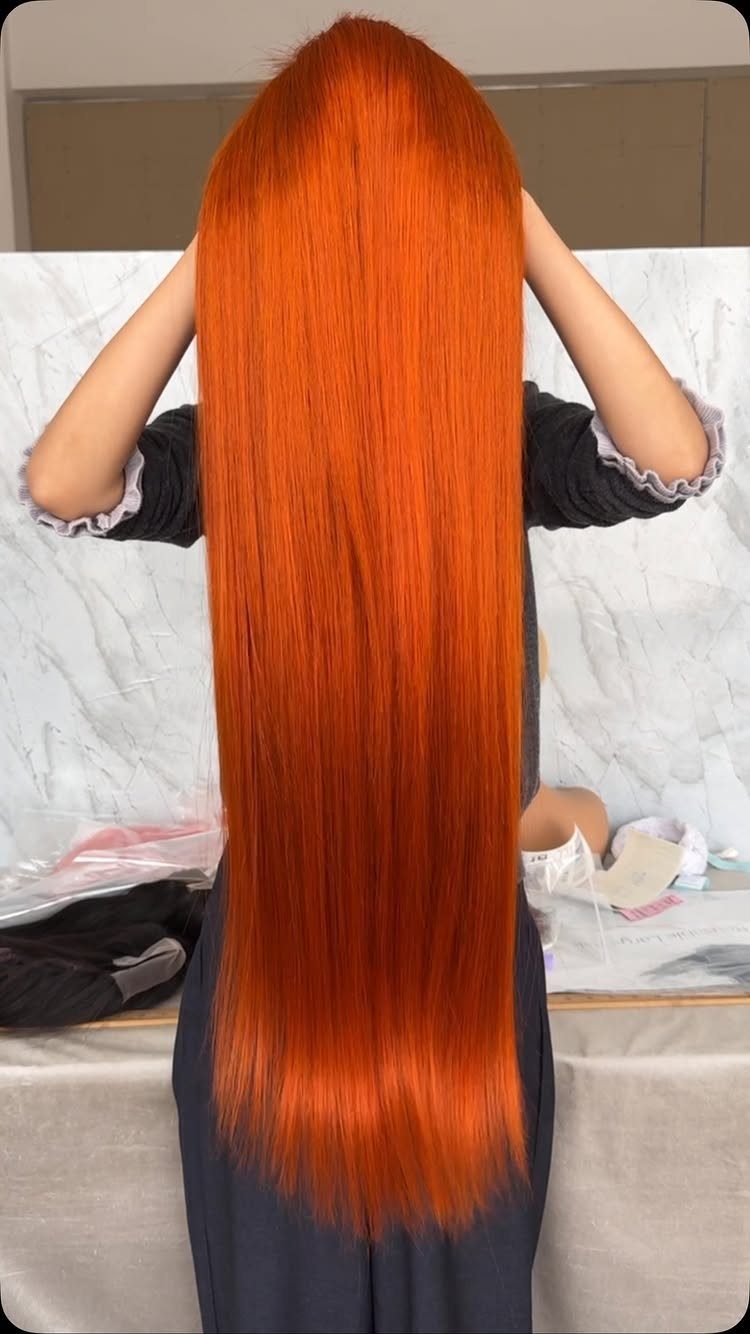
Nothing about this shade is shy: a vivid orange-red copper that reads as bright from across a room. On very long, straight hair it gets even more attention, since a smooth surface reflects the color back as shine.
I like it best when the hair is kept glossy, because a dull finish turns this much saturation muddy. Bring a photo to the stylist and say "orange-red," not just "copper," so you land on this version.
“Copper hair is a shade of reddish brown that resembles the color of a copper penny,” says Abby Haliti, founder of Abby Haliti Color Studio. “It has warm orange undertones and is often described as a vivid, vibrant shade of red.”
— Glamour
3. Copper Brown

Brunettes get the easiest route into copper here: the base stays brown and a warm copper or red tint sits on top.
Waves and curtain bangs soften the effect, so the color looks like richer brown in low light and turns coppery near a window.
I would choose this over a full copper if you want to test the water first. Ask for the warmth to be added through the brown instead of replacing it.
4. Cherry Red Copper
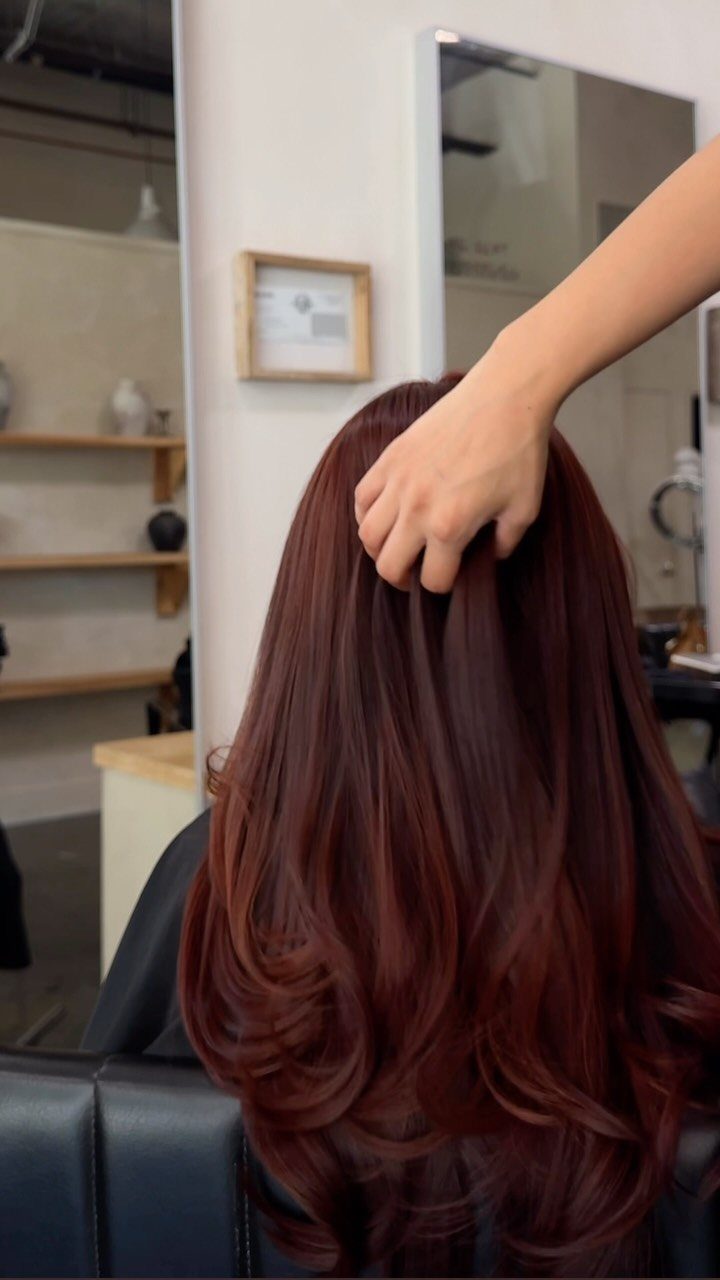
Cherry red copper pulls the shade deeper, with a red undertone that makes it feel more like a gemstone than a penny. Long, wavy lengths give that red room to move and shift in the light.
Cooler skin tones tend to sit better with the redder end of copper, and that is why I would pick this over a brighter orange. Tell your stylist you want copper with subtle red, not red with a copper hint.
5. Bright Copper
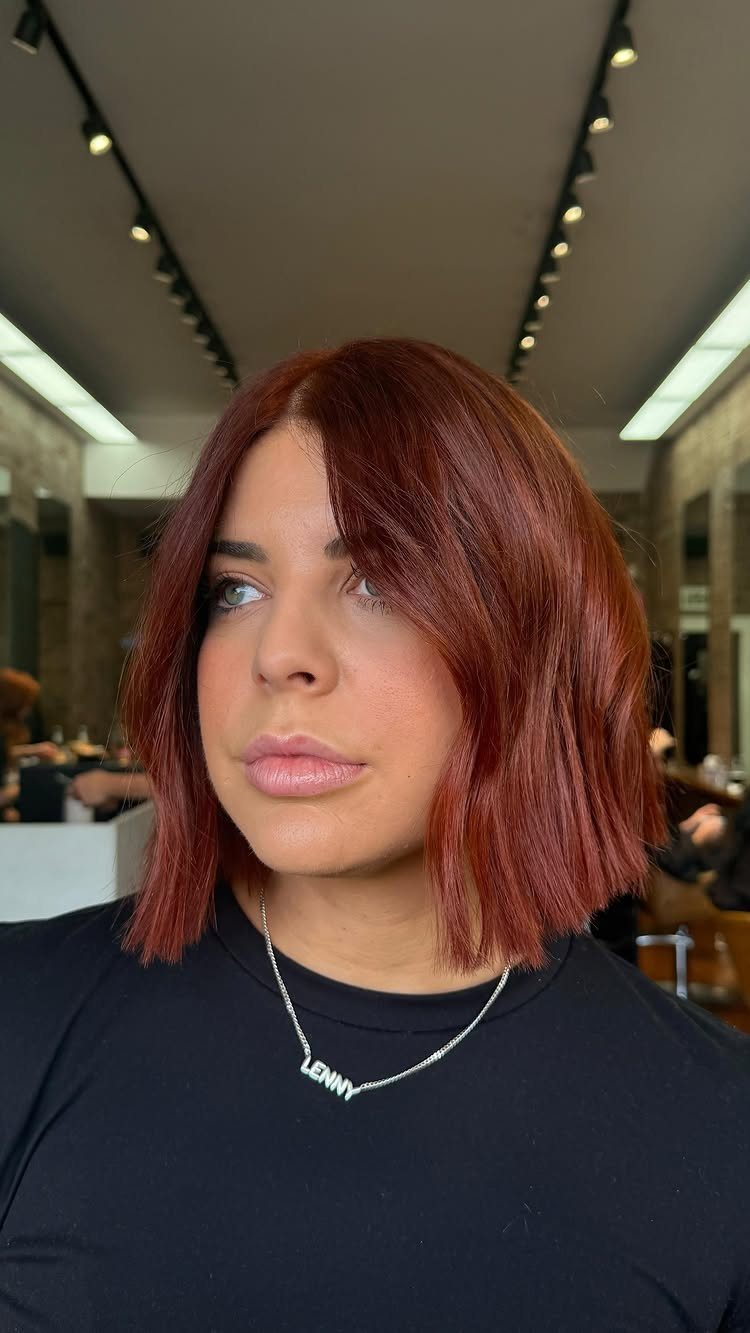
Bright copper stays wearable when the cut is soft, and a shoulder-length bob with curtain bangs keeps the color lively without overpowering the face. Shorter hair means less color to maintain from root to end, so touch-ups stay simpler.
Bright copper sits comfortably at an office or a family dinner as long as the shade stays warm and natural-looking rather than neon. Keep the cut blunt and tidy, and let the color do the talking.
6. Red Velvet Copper
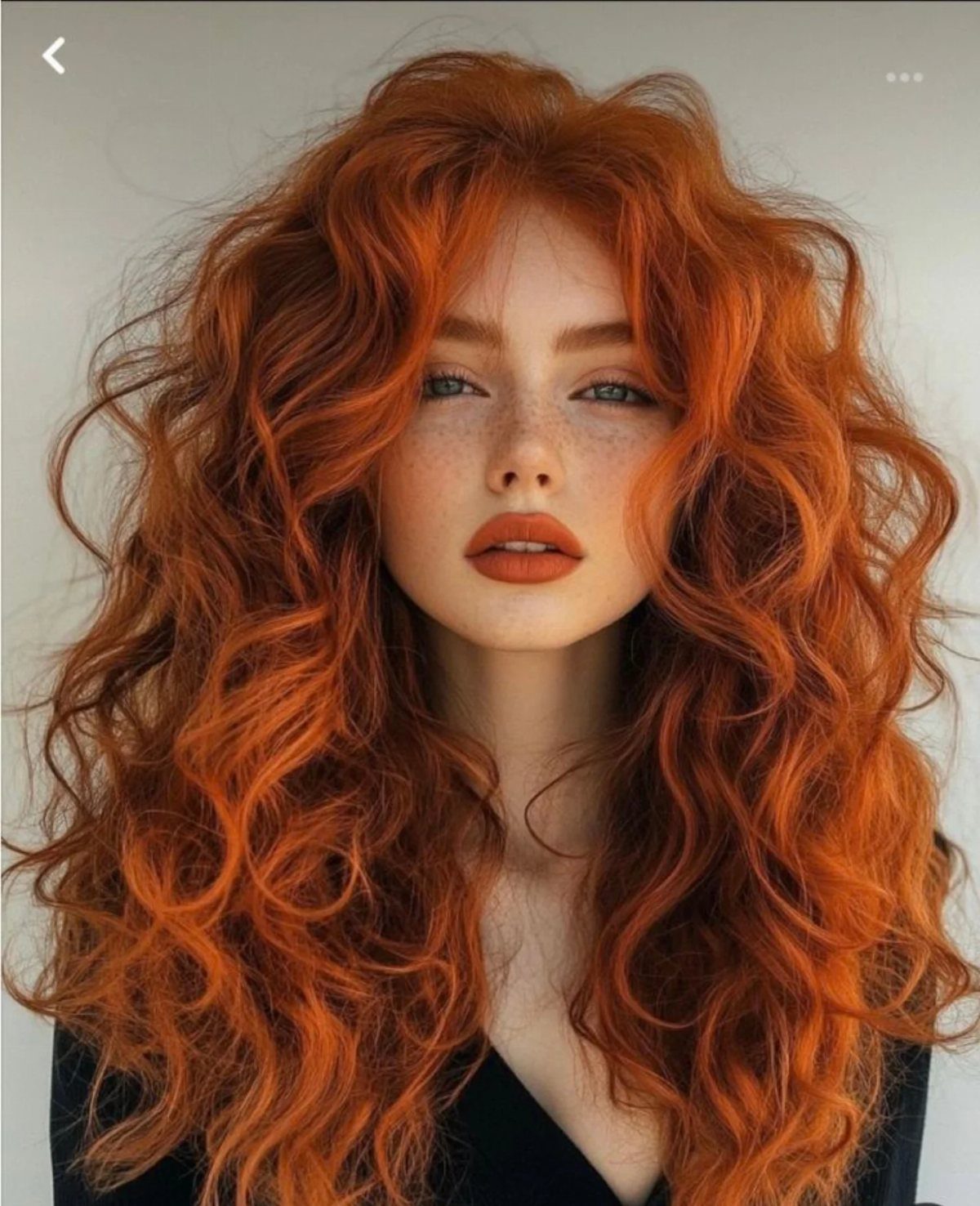
Red velvet is copper pushed toward red, and big curls are the right frame for it. Volume gives the color depth, with darker pockets inside each curl and brighter red on the outer surface.
Freckles and red-copper hair go together well, so if you have them, this shade will flatter them.
Without a clear brief, a stylist might read "red velvet" as plain red, so show a photo and ask for the copper to stay in it.
7. Copper Highlights
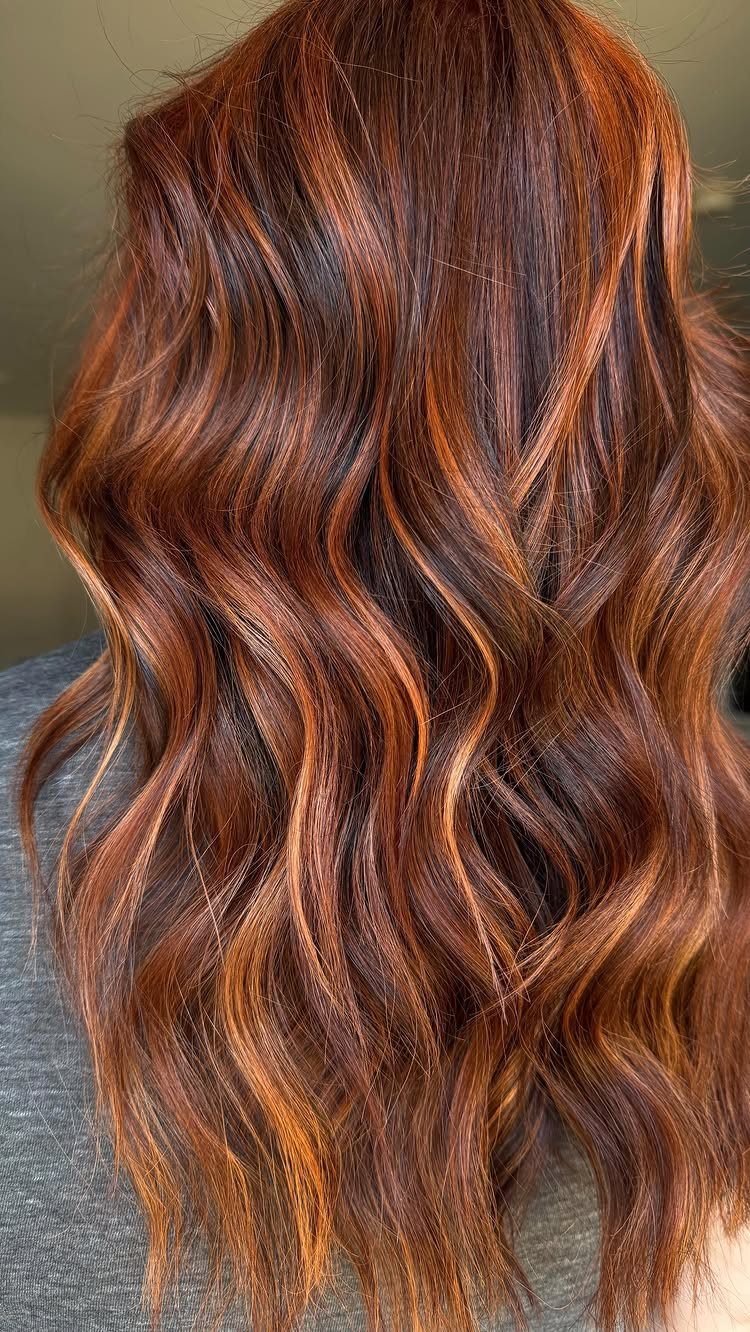
Copper does its work in pieces here, laid through a brown base that never changes. Long waves are the right cut for it, since the bends in the hair catch light on the copper strands and make them look reflective.
If you like your brown and only want warmth, I would pick this over any all-over color. Ask for copper highlights on your natural base, and say you want the brown left as the main color.
8. Golden Copper
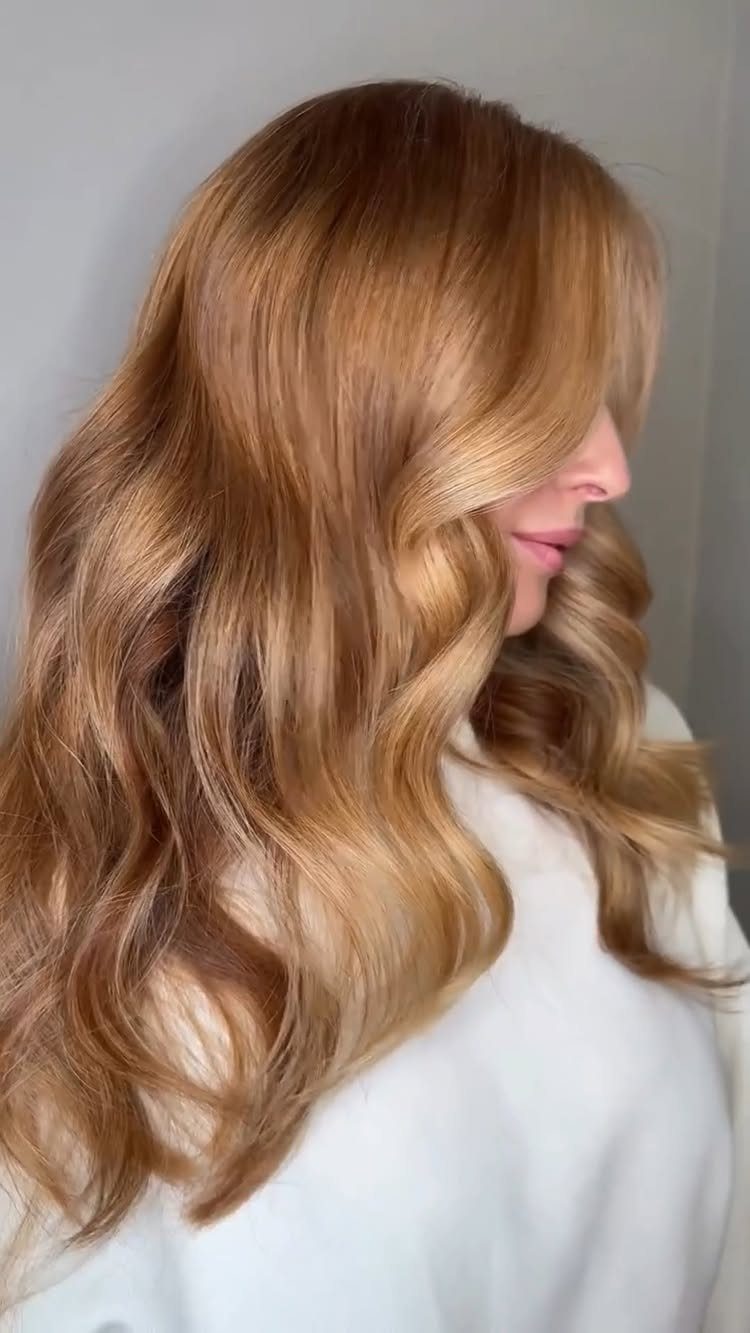
Honey comes first in this shade, with orange and red running underneath to keep it unmistakably copper. Loose curls suit it, and the slightly darker roots add depth at the top.
Use the word "honey" with your stylist, along with a photo, so the color doesn’t swing toward a harder orange or a deeper red.
A golden lean also makes it a friendly place to start if full-strength copper feels like too much.
9. Natural-Look Copper
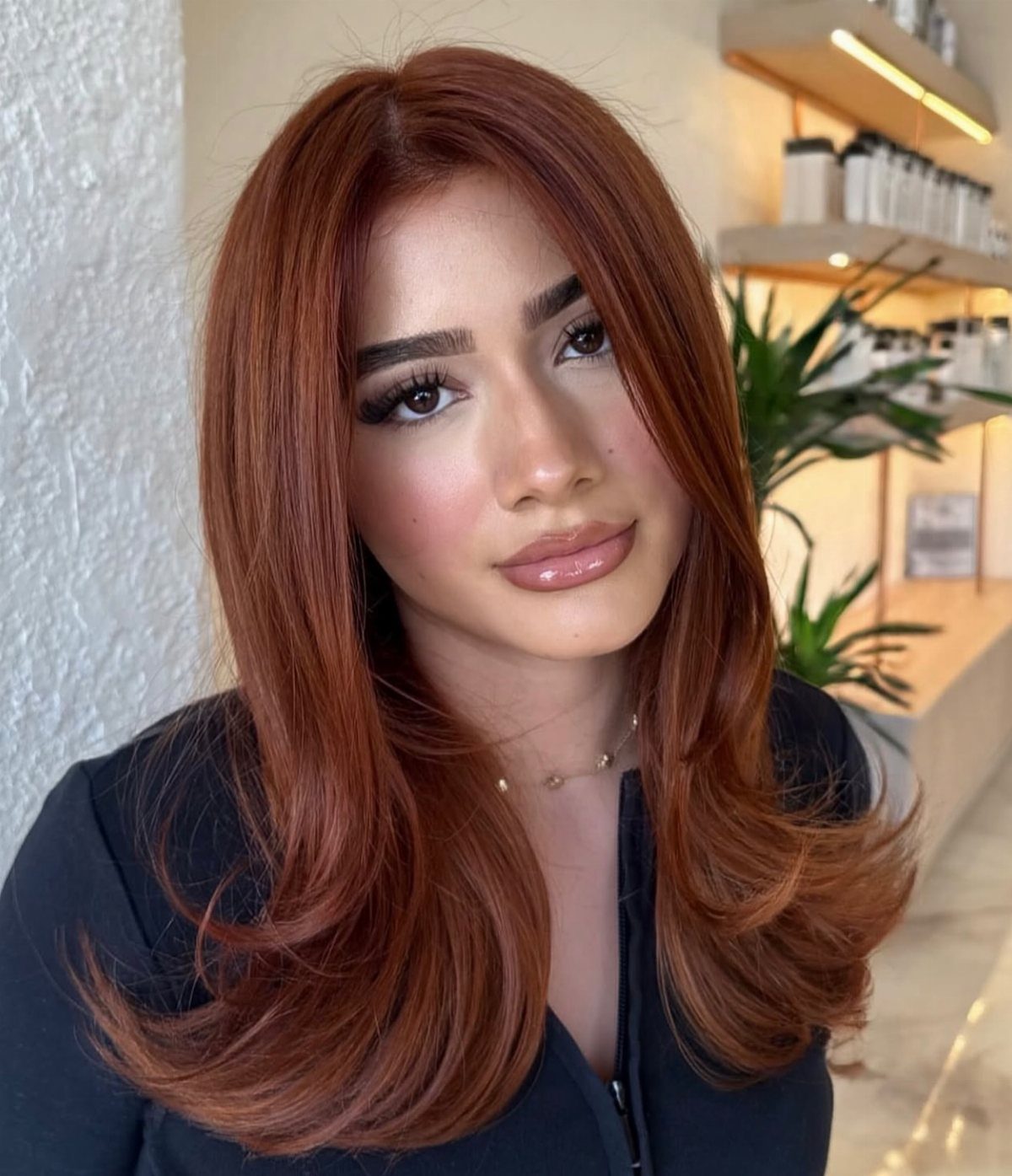
Plenty of people want copper that looks like they were born with it, and this is that version: a true copper close to natural copper or auburn hair.
Smooth, curled layers and a middle part keep the look polished without drawing attention to the dye.
Ask for "natural copper" or "auburn-leaning copper," and skip the words "bright" and "vivid." I would bring a photo, because the line between auburn and copper is blurry.
10. Dark Copper
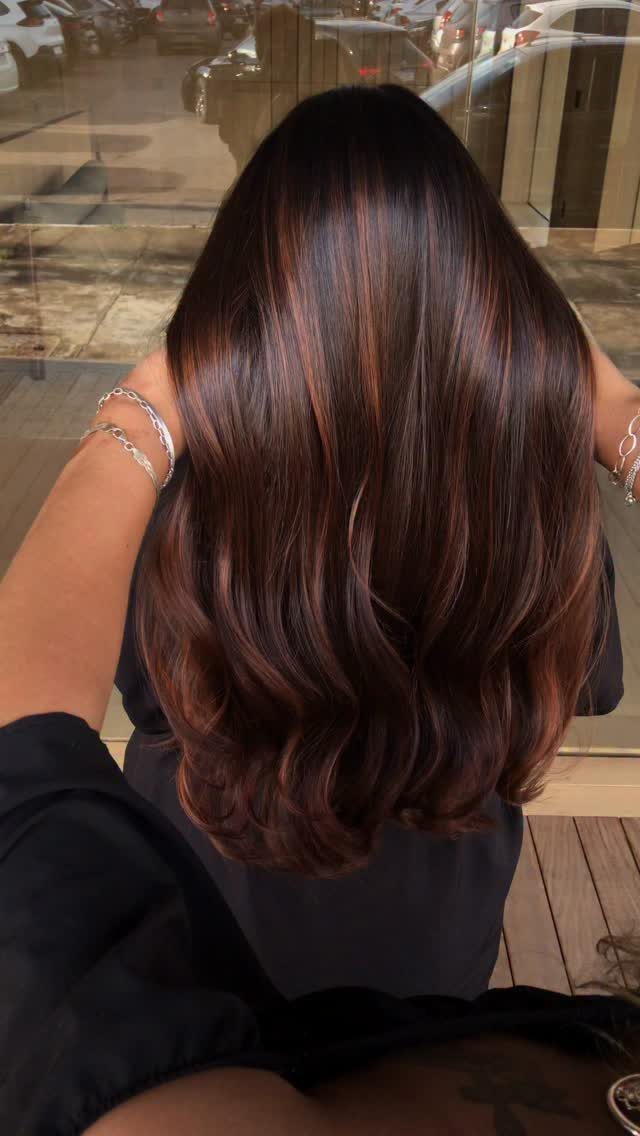
Think of true copper with the brightness turned down: darker, richer, and still clearly warm. Glossy, softly curled waves suit it best, since shine is what shows the copper tone inside the depth.
Brunettes have the shortest trip to get here. Ask for dark copper and put it beside a photo of true copper, so you and your stylist agree how far down to go.
11. Copper Sombre
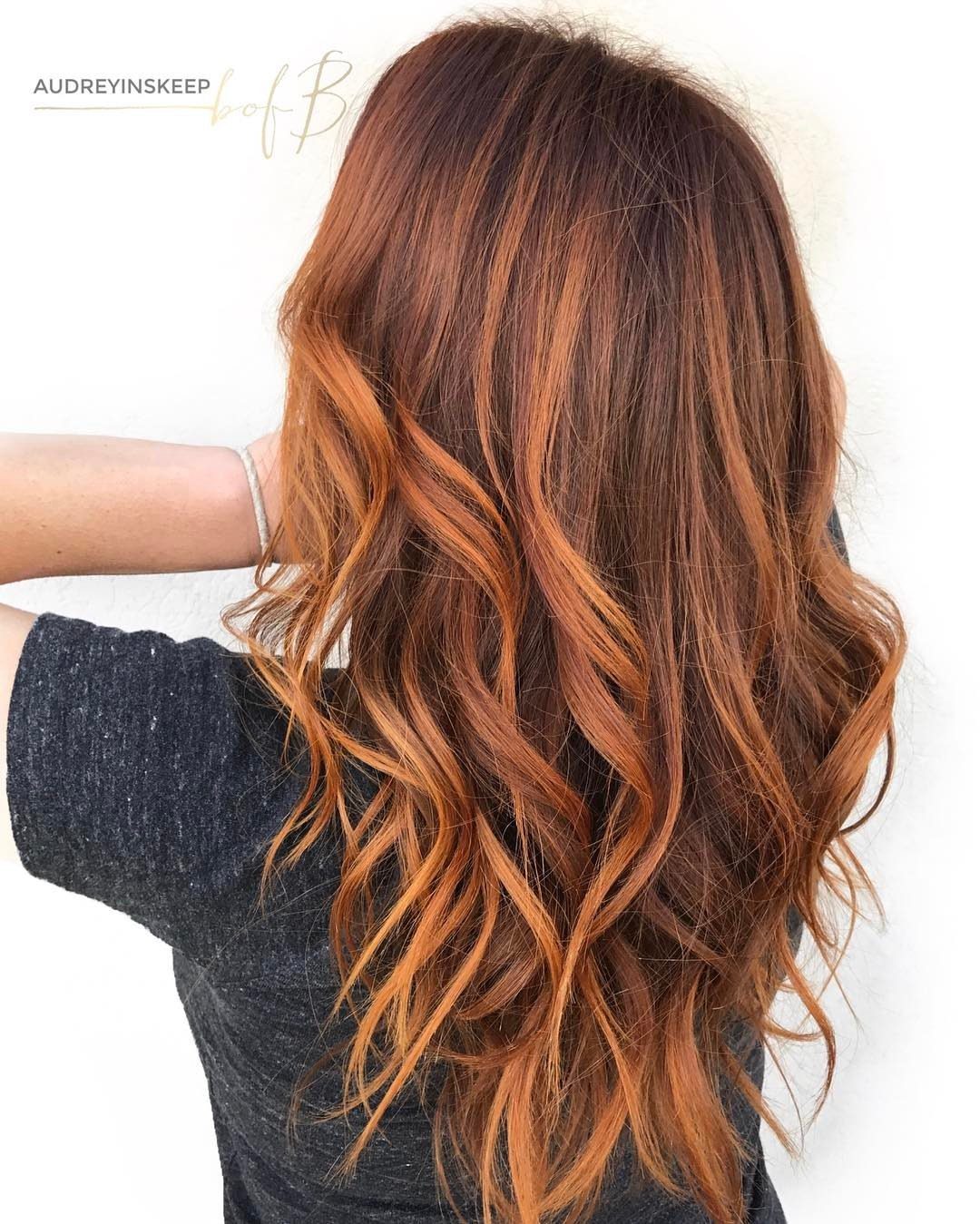
Brown at the top, copper at the ends, and no visible line where one becomes the other. That soft blend is why a sombre looks natural, and long waves give the copper room to show up gradually.
Ask for the copper to be blended into your base instead of placed in a band. I like this for anyone who wants copper but isn’t ready for it at the roots.
12. Burnished Copper
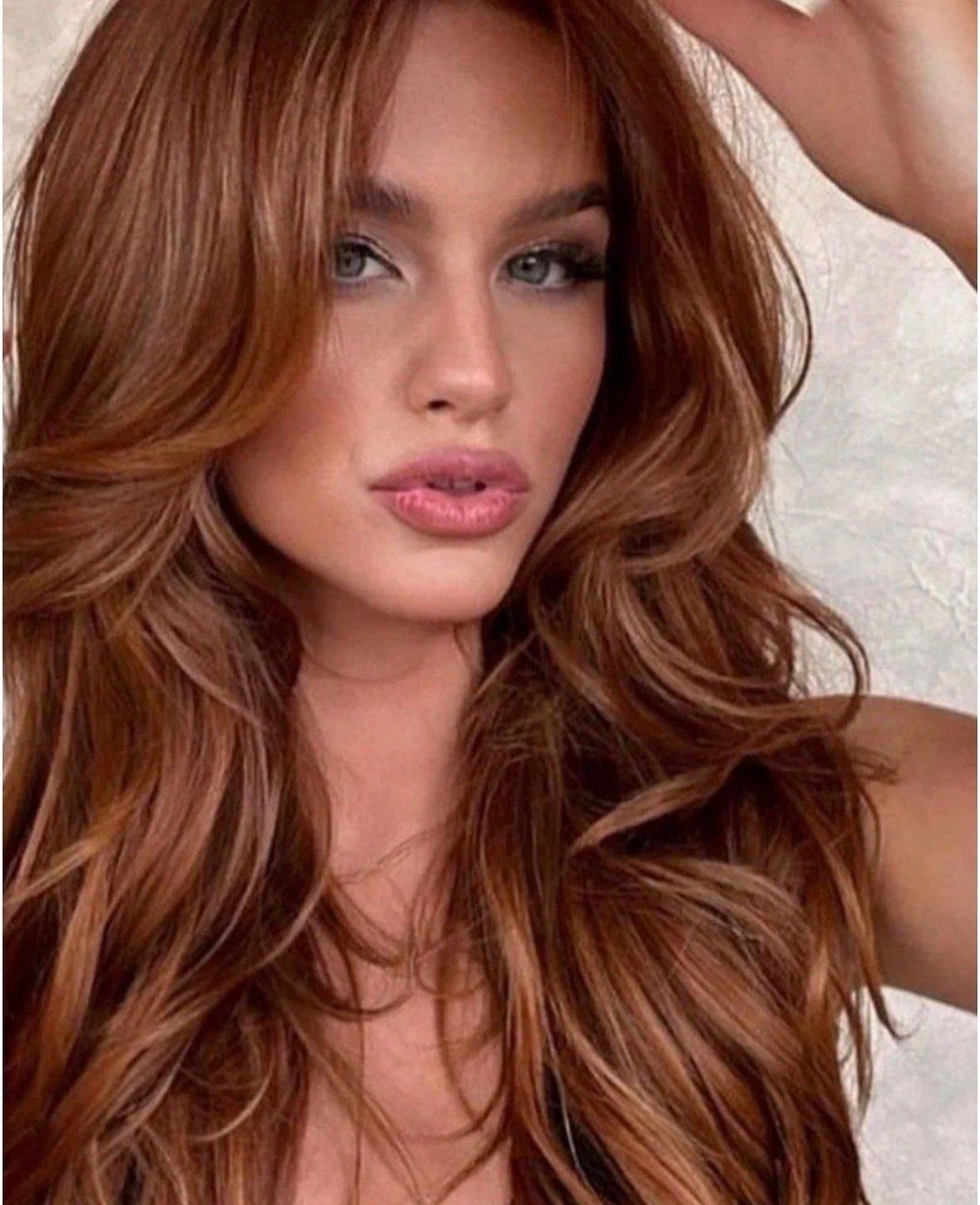
Layering does most of the work in this shade, because a deep copper-brown base lets brighter, rusty-red strands flash through each time the hair swings. The mix gives it more dimension than a single flat shade.
For the salon, describe 2 things, a deep warm copper as the main color and rusty red as the brighter accent.
Without that second note, a stylist may give you one even tone, and the accents are the part I would not want to lose.
13. Monochromatic Copper
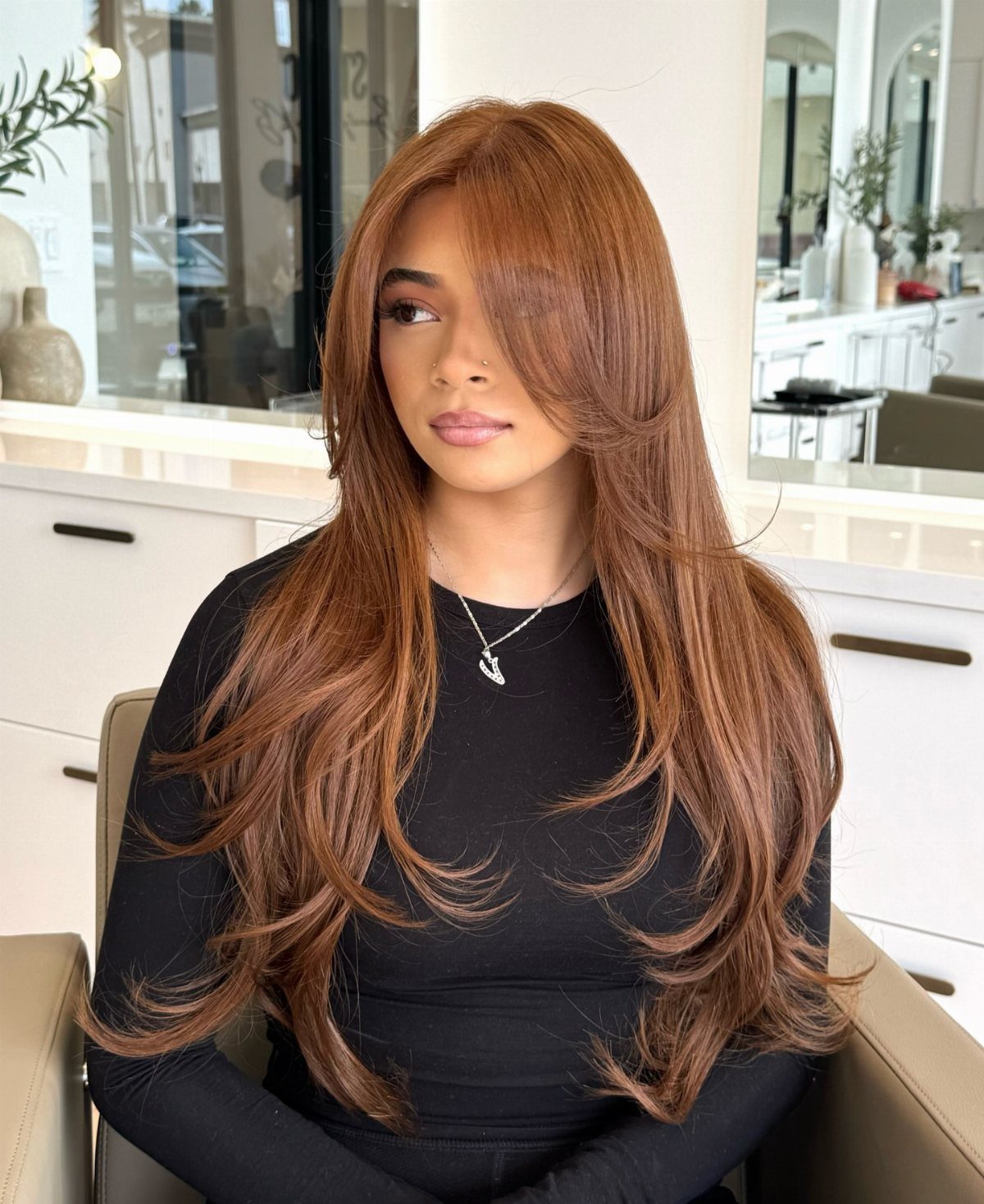
Low contrast is the whole idea here: copper-brown, a little red, a little gold, all within a shade or two of each other.
Long layers keep it from looking flat, since the cut gives the color movement that the dye deliberately skips.
I like it for anyone who wants copper without strong streaks or a visible grow-out line. Ask for a tone-on-tone blend of warm reds, and say you don’t want highlights.
14. Spiced Copper
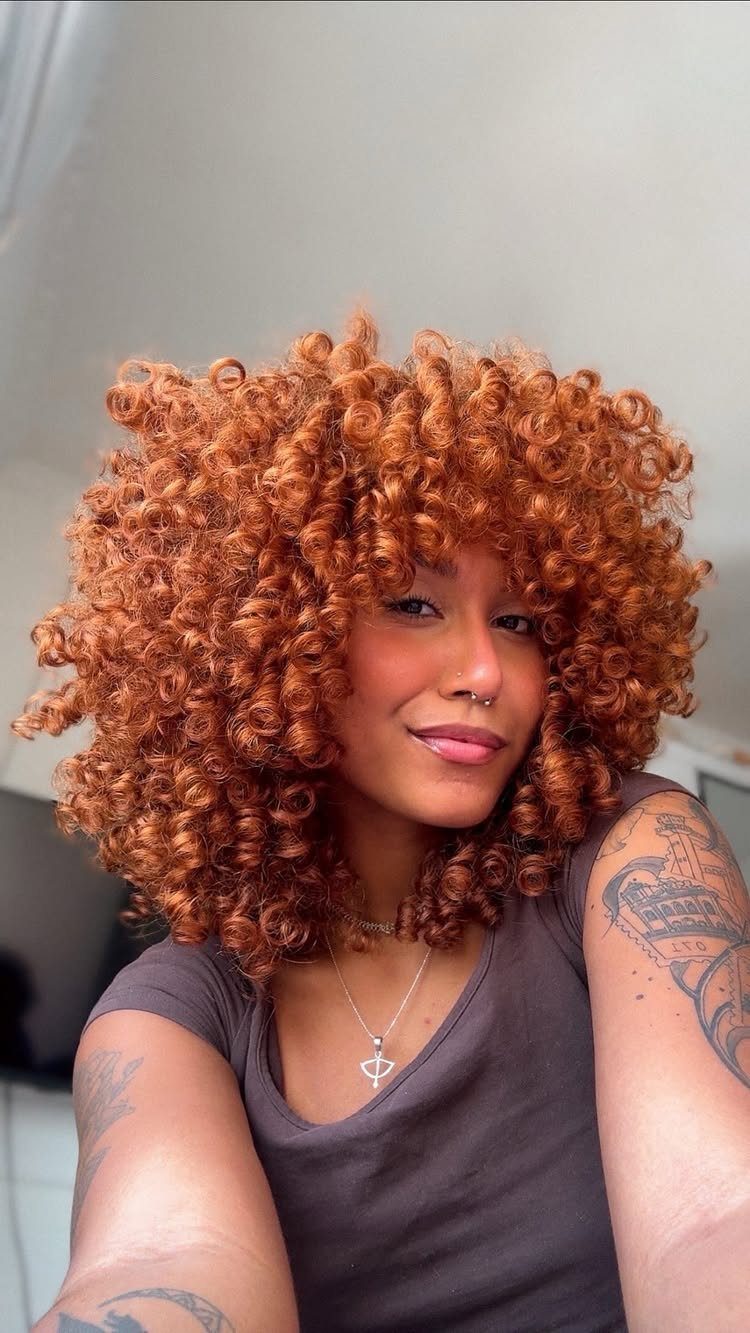
Cinnamon is the reference point: copper with a brown, spiced edge instead of a bright orange one. Voluminous curls suit it, because the color shifts from deeper to lighter as each curl turns.
Ask for "cinnamon copper" and bring a photo, since spice names mean different things to different stylists. I would keep it glossy and give the curls room, as volume is what makes the warmth look rich.
15. Orange Macaron
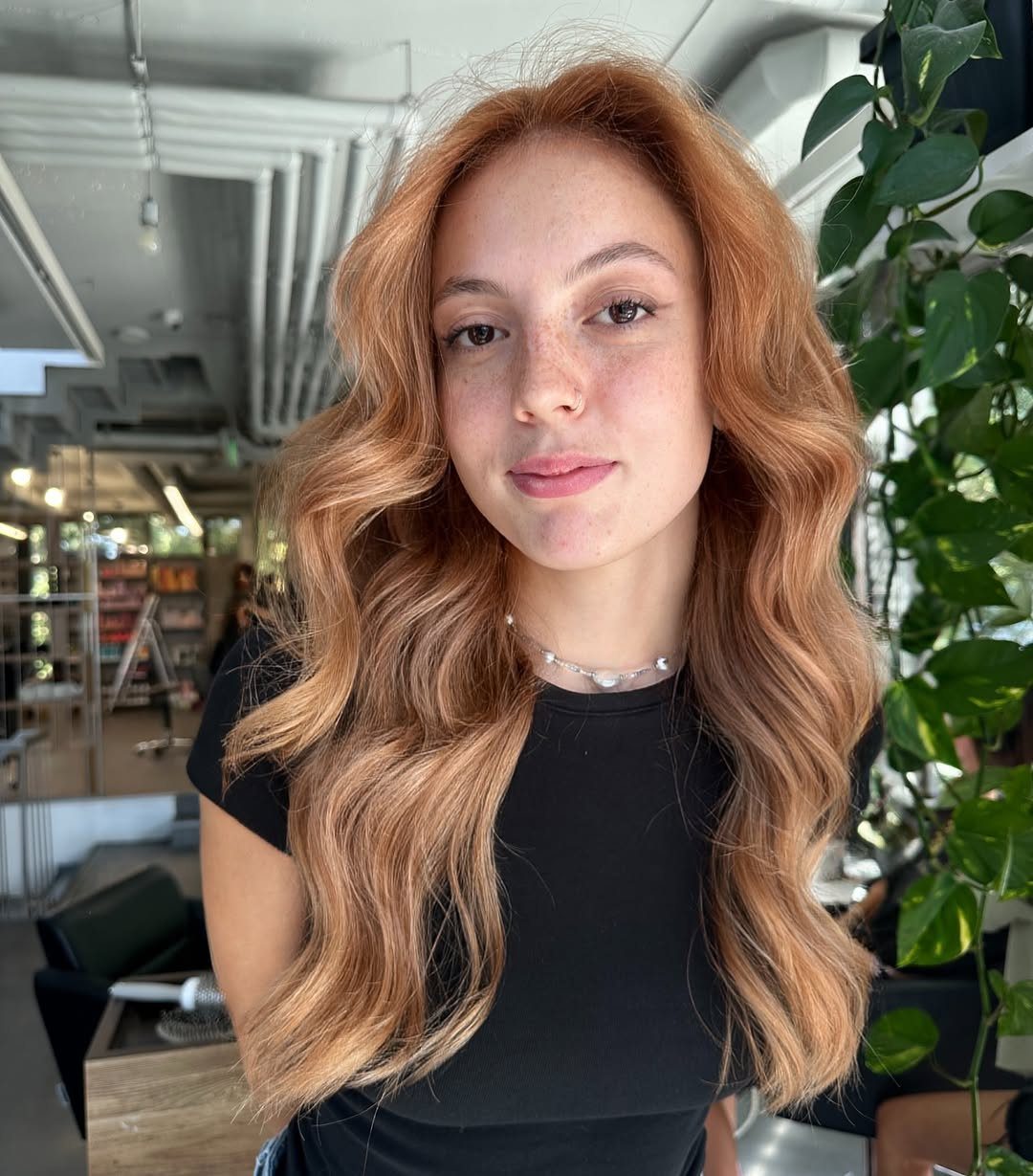
Light, warm and a little sweet: this is copper lifted toward a soft orange, closer to a pastel treat than a penny. Long waves keep it airy, and that lightness is why it feels playful instead of heavy.
A brighter shade like this asks for regular glossing, and I would plan on it before committing. Tell your stylist you want "light copper-orange," not true copper, so the color doesn’t come back deeper than you pictured.
16. Fiery Copper
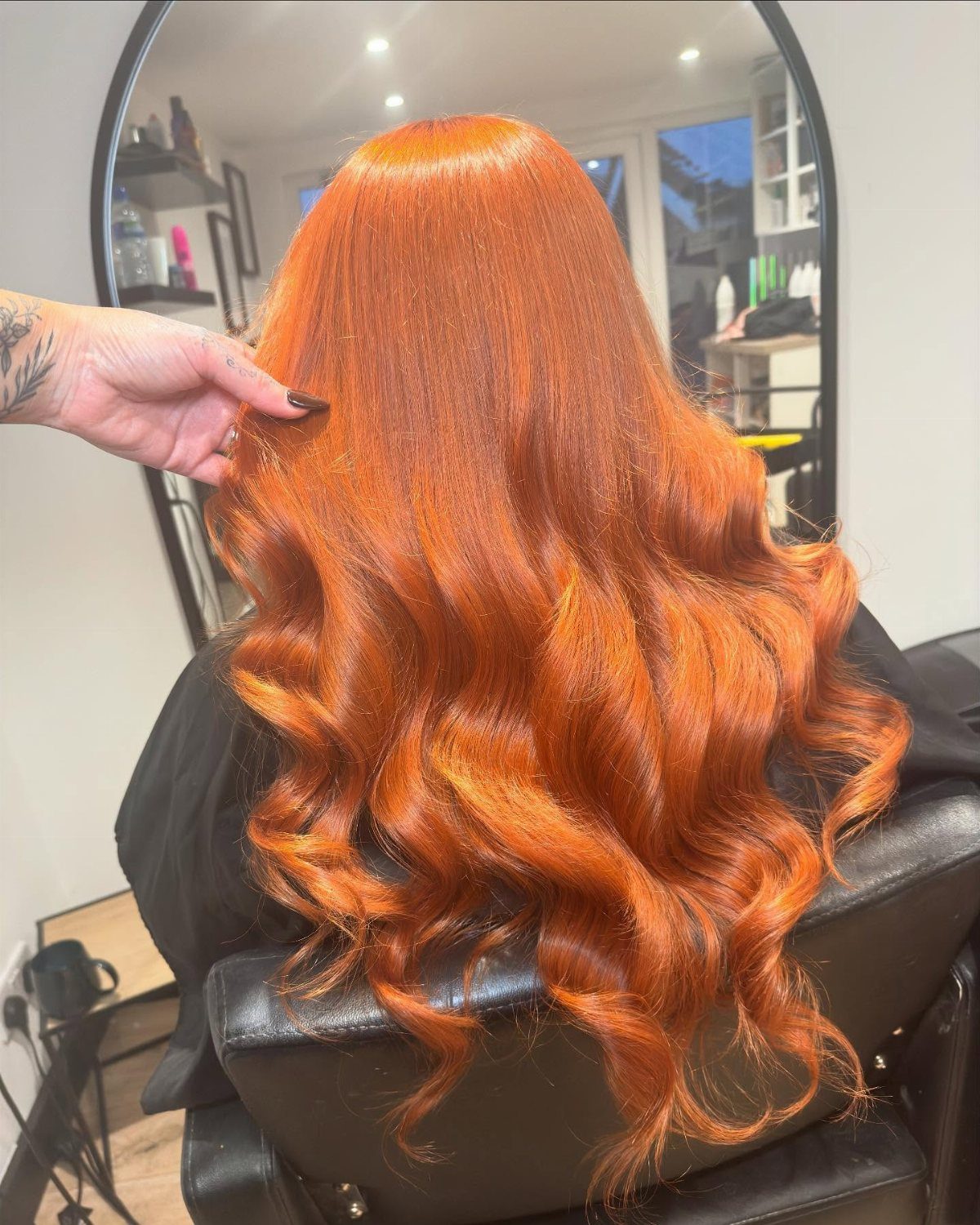
Vivid orange-copper at full strength, and long wavy lengths are what let it flare. Because the color is so saturated, shine does most of the work, so a gloss finish is worth asking for.
I would choose this only if you’re comfortable being looked at. Bring a photo and use the word "fiery" with your stylist, so the result lands bright instead of settling into a subtle auburn.
17. Rusty Copper
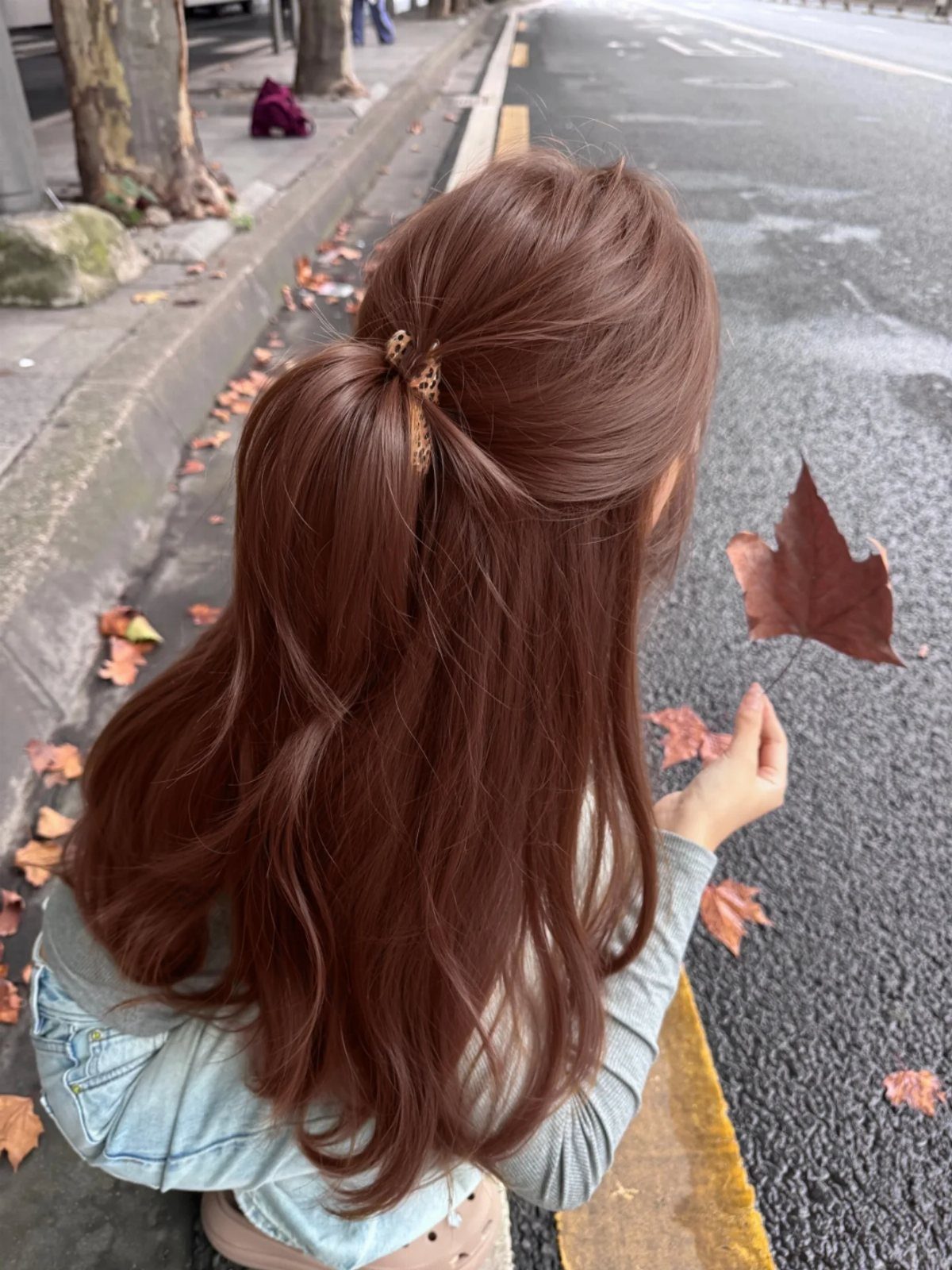
Rust sits a step quieter than bright copper: an earthy, slightly muted orange-brown that looks right with long waves. Gold-toned accessories, like a gold clip holding the hair partly back, pick up the warmth in rusty copper.
Ask for "rusty copper" and mention that you want it softer than a bright orange. I like this for fall, but it works any time you want copper that feels grounded.
18. Copper Bob
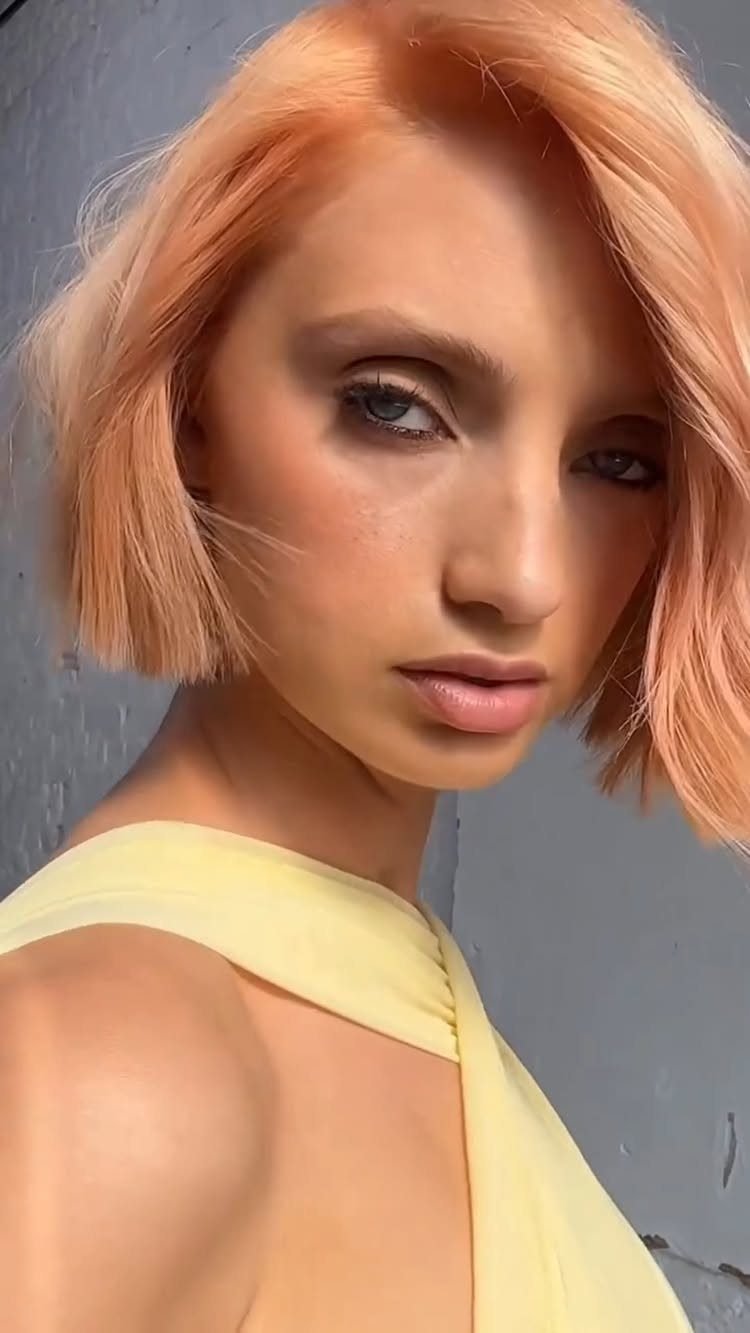
A chin-length, side-parted bob is the short route for copper, and it suits anyone who wants the color without long hair to manage. A blunt edge at the chin makes the copper look clean and deliberate.
With fewer inches to cover, a gloss or color refresh takes less product and less time, and that matters because copper fades faster than most shades.
If you want a change that is easy to style, I would pick this one. Ask for a side part so the color falls along the face.
19. Copper Curls with Bangs
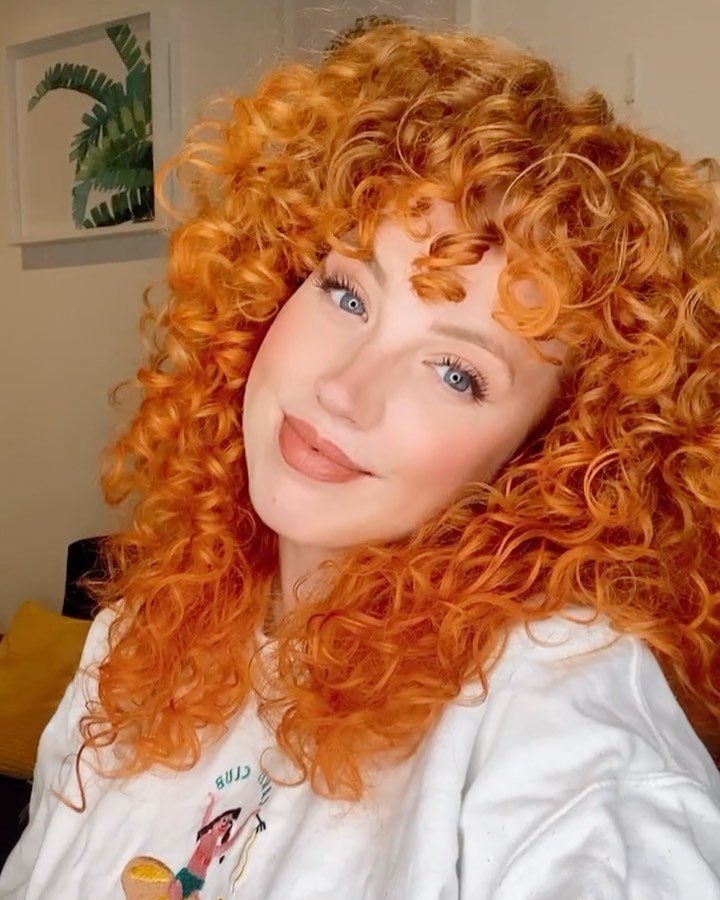
Round is the word for this shape: copper-orange curls at full volume, with bangs that sit inside the curl pattern instead of cutting across it. The bangs add to the halo, and the curls keep the color from looking flat.
Curly bangs shrink as they dry, so ask your stylist to cut them while the hair is dry or to leave extra length. I would pick this for anyone who loves volume and doesn’t mind a copper that announces itself.
20. Short Copper Curls
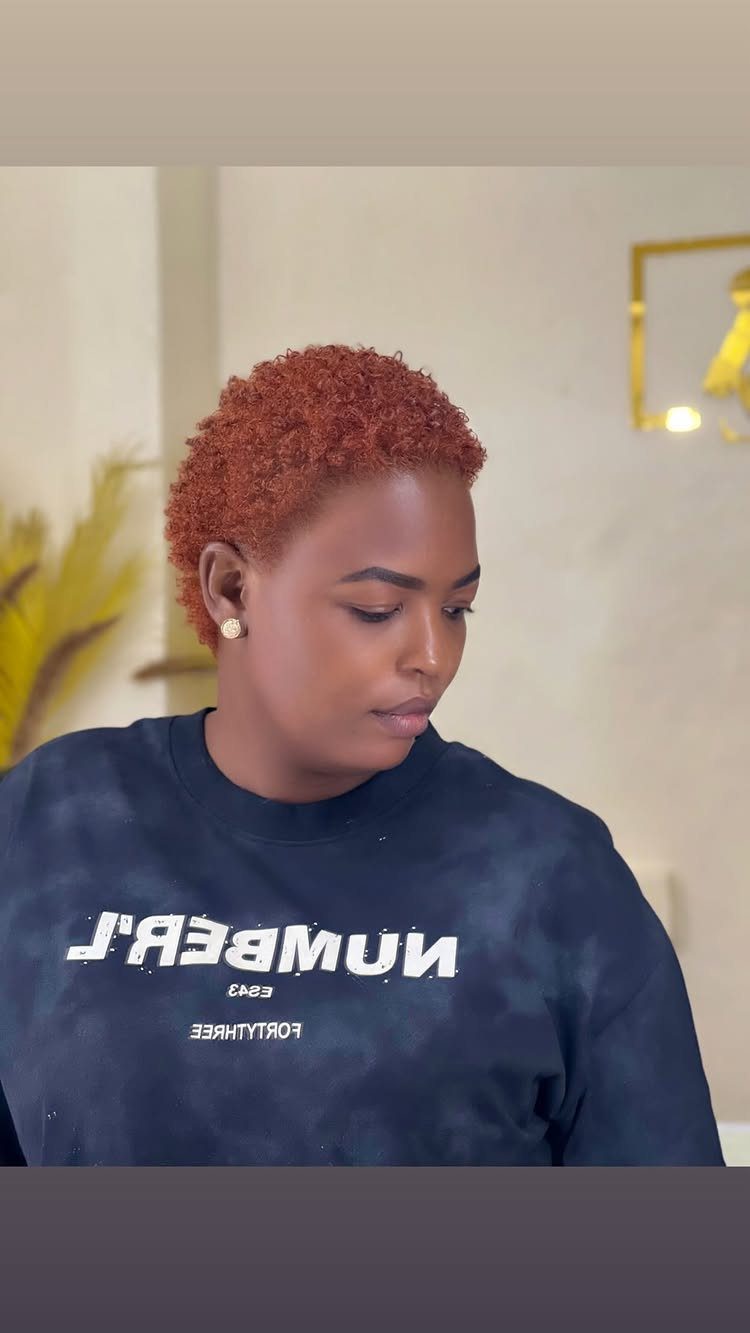
A cropped cut puts all the color in a small space, so tight curls in copper-red read as rich and dense, with no length to dilute them.
Short hair also means a quick color job and very little to carry around.
Because the curls are small, the shade shows mostly on the surface, so a red-leaning copper holds up better than a pale one.
Ask your stylist for copper-red on a short curly cut and bring a photo for the exact depth.
21. Copper Hair with Bangs

Bangs and long waves make a soft frame here: the layers fall around the face, and the copper-red picks up light along every bend.
It suits anyone who wants a color that looks lively without a harsh edge near the skin.
I would ask for the bangs to blend into the side layers rather than stop short, which keeps the whole shape gentle.
Ask for copper-red by that name, since a bare "copper" can land closer to orange, and "auburn" will pull the color deeper and browner.
22. Copper Face-Framing Highlights
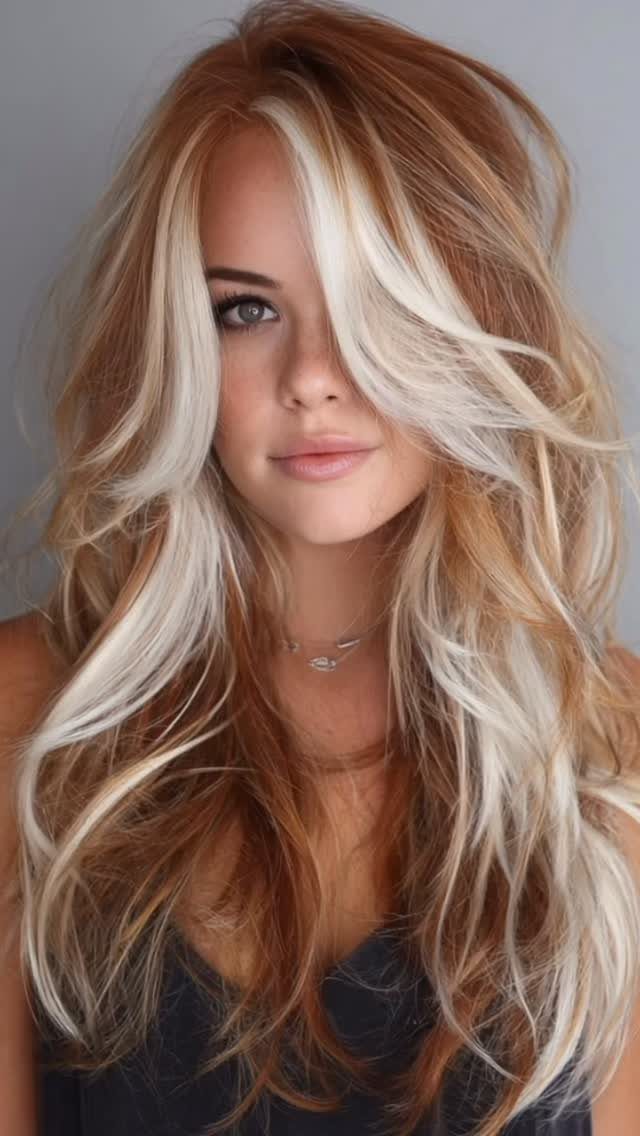
Pale blonde pieces around the face against copper-brown waves give the look a bright, deliberate contrast, and the lighter strands lift the skin right where the eye lands.
The brown stays the main color, so the grow-out stays easy to live with.
Ask for the blonde only in the face-framing sections and the copper-brown left untouched through the rest. I would bring a photo, since "pale blonde" can drift toward yellow or toward white depending on who reads it.
Copper Color Upkeep
Fading is the main upkeep job with copper, and most of the fix happens in the shower.
Copper fades fast, so stick to shampoo, conditioner and stylers labeled for color-treated hair, wash less often, and rinse with cool or lukewarm water. Clarifying shampoos strip color, so I would limit them.
Heat and sun do the rest of the damage.
Cut back on hot tools, wear a hat or scarf outdoors, and add a hair sunscreen. Chlorinated water is hard on strands, so a swim cap is worth wearing.
For the calendar, book root touch-ups every 4 to 6 weeks, before the line between roots and copper gets obvious. Toner appointments run about every 8 weeks.
Between visits, a color-protecting mask keeps fade from showing. Plan on a copper gloss about every 4 weeks: apply it to clean, dry hair, leave it on for 20–30 minutes, and follow the label for exact timing.
Choosing Copper for Skin Tone
Undertone should steer the shade more than the word "copper" does. Treat what follows as guidelines, not rules, because a colorist can adjust any of it.
Traditional copper flatters warm and neutral skin most easily. If your undertones run cool, copper still works when it leans toward red, rose or berry, while neutral skin can go warm or cool.
Fair or peach skin looks softest when light brown and gold are mixed in, somewhere between strawberry blonde and apricot. Medium or olive skin tends to do well with a muted copper or auburn.
Deeper skin often glows when copper is blended with a true red or a mahogany-violet tone. A touch of cool in the mix stops the copper from drifting orange.
At-home and Salon Color Decisions
A colorist can tune undertone and depth to your skin and eye color, and the more specific the consultation, the closer you land.
Your starting depth changes the plan. On darker hair, redder tones show up more once the copper goes on, and reaching a brighter copper can take extra steps, so budget more time.
If you’re a brunette who isn’t sure yet, test the idea first. Try a virtual shade tool, a medium red-brown boxed dye at home, or gradual highlights or ombre.
For a permanent switch, I would book a professional. They can pick hues for your skin tone and build the copper around the colors already in your hair.
Frequently Asked Questions
What skin tone does copper hair look best on?
Warm and neutral undertones wear classic copper with the least effort, and on fair or peach skin a copper with light brown and gold mixed in reads softest.
None of this is a hard rule, since a colorist can shift any of it to suit you.
What is the copper hair color trend for 2026?
Copper is having a strong run right now, and red is being called the hair color of the year.
The trend covers a wide span, from soft copper blonde to deep copper brown, so you can choose how bold you want to go.
Can you put copper over brown hair?
Yes. On darker hair, redder tones show up more and a brighter copper can take extra steps, so allow more time.
For a lasting switch, a colorist who builds the copper around your existing shades is the safer bet, and it’s the route I’d take.
Is copper hair hard to maintain?
It takes steady upkeep because copper fades fast.
Plan root touch-ups every 4–6 weeks and a copper gloss roughly every 4 weeks. A hat, hair sunscreen and a swim cap protect the color from sun and chlorine.