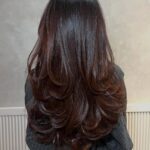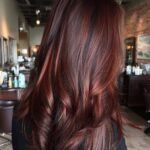
Gingerbread hair color is a warm, light to medium brown with copper and golden undertones that reads softer and more natural than the bright reds it followed.
The brown base mutes the copper enough that the shade fades gradually instead of turning brassy, which buys you 2 to 3 extra weeks between salon visits compared to pure red tones.
What Gingerbread Hair Color Looks Like
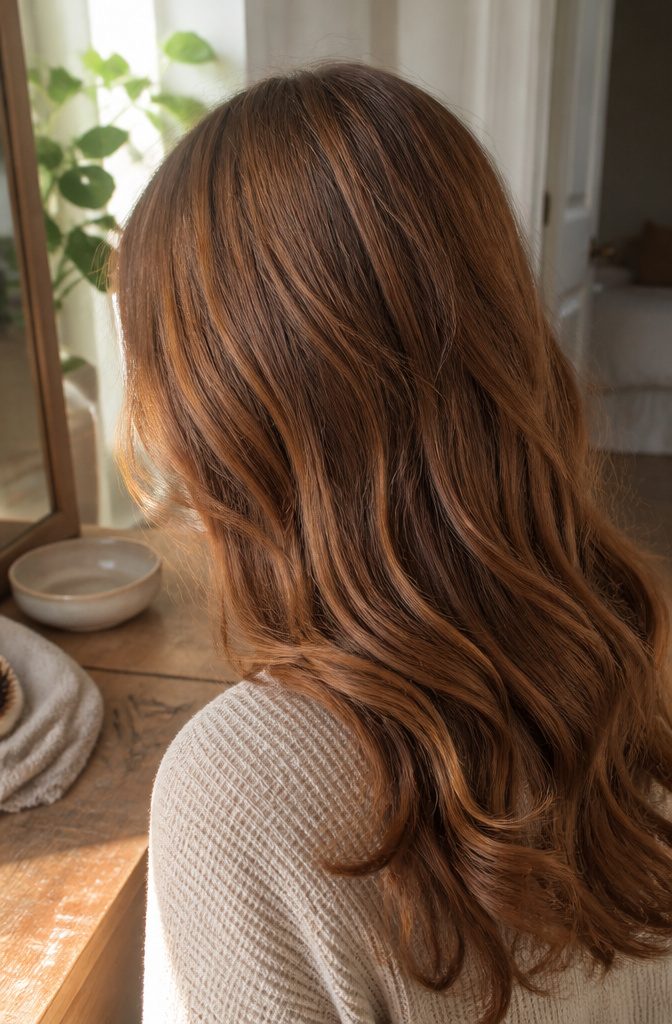
Gingerbread red sits between the brighter glow of cowboy copper and the cool, wine-dark pull of bordeaux. Cowboy copper throws light and bordeaux leans purple-red, but gingerbread reads as a warm, light to medium brown with copper and golden undertones.
The copper shows, but it’s muted by the brown base, which means the color looks softer and more natural than the vivid reds that came before it.
The golden undertones keep it from reading flat. It can look like it’s growing right out of your actual roots, rather than sitting on top of them the way a bright copper panel does.
That warmth is what separates it from bordeaux red, which runs cooler and deeper. Gingerbread stays in the light-to-medium range and holds onto enough brown that it doesn’t shout when you walk into a room.
How to Ask for It at the Salon
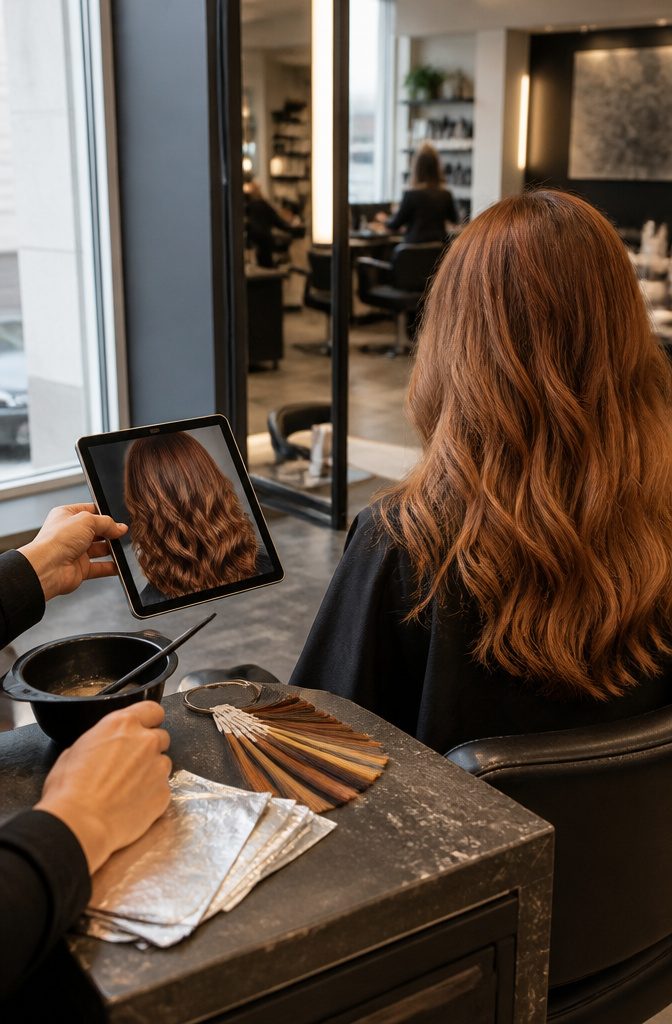
The photos do the heavy lifting here. I pull up a few images of Zendaya, Megan Fox or Riley Keough before the appointment so the stylist can see exactly what I mean by gingerbread.
Names like copper-brown or auburn cover too much ground, and bringing a screen shot removes the guesswork.
When describing the shade out loud, natural and copper-brown with golden undertones lands closest to what gingerbread actually looks like. That phrasing steers away from anything too red or too flat, keeping the color muted and warm rather than candy-bright.
When trying to nail this look at the salon, it’s super important to have reference photos of what you want.
— Bustle
Worth asking during the consultation whether one session will be enough. Some shades need multiple visits to build the color gradually without frying the hair, and gingerbread can fall into that category depending on where the hair starts.
The upside: gingerbread red can sometimes be achieved with color alone, skipping bleach entirely. That keeps the hair healthier and the upkeep simpler than looks that need lifting first.
How to Keep the Shade from Fading
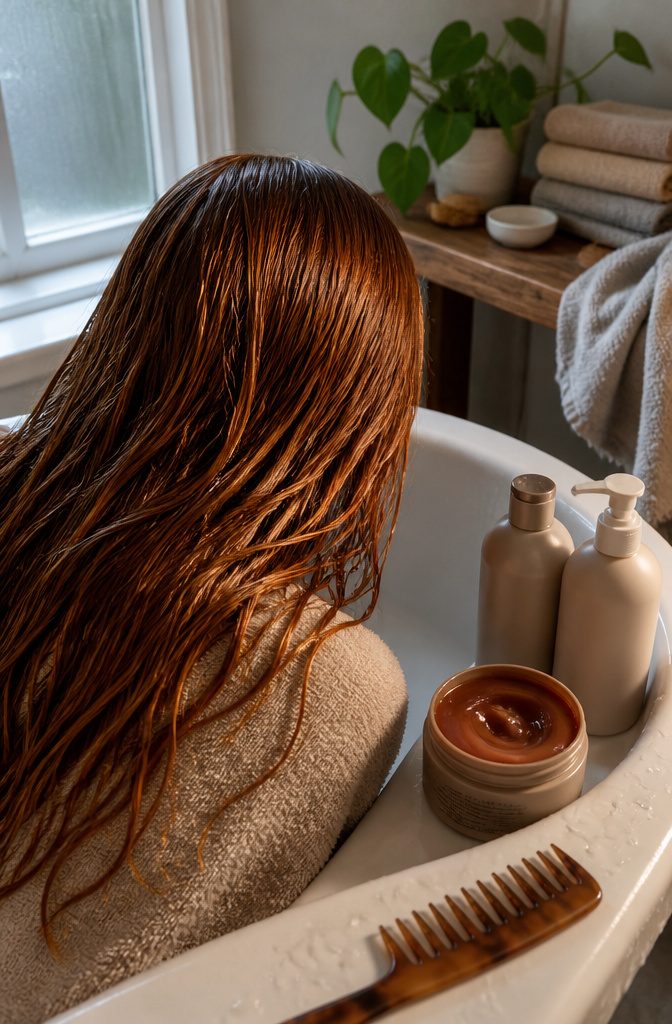
The shade is warm but it does lean copper, and color-safe shampoo and conditioner are the baseline.
Sulfates strip red faster than almost any other family, so switching those two products buys you an extra week or two before the color starts pulling dull or brassy.
I’d add a color-depositing conditioning mask once or twice a week to keep the warmth vivid instead of letting it fade toward strawberry blonde.
Olivia Casanova, a colorist at IGK Salon in New York City, recommends IGK Hair’s On The Money for exactly that reason.
It deposits just enough pigment to refresh the tone between salon visits without overdoing it, and you use it the same way you would any deep conditioner.
That keeps the gingerbread spice intact rather than watching it wash out into something pale and forgettable.
Why Gingerbread Red Needs Fewer Touch-Ups
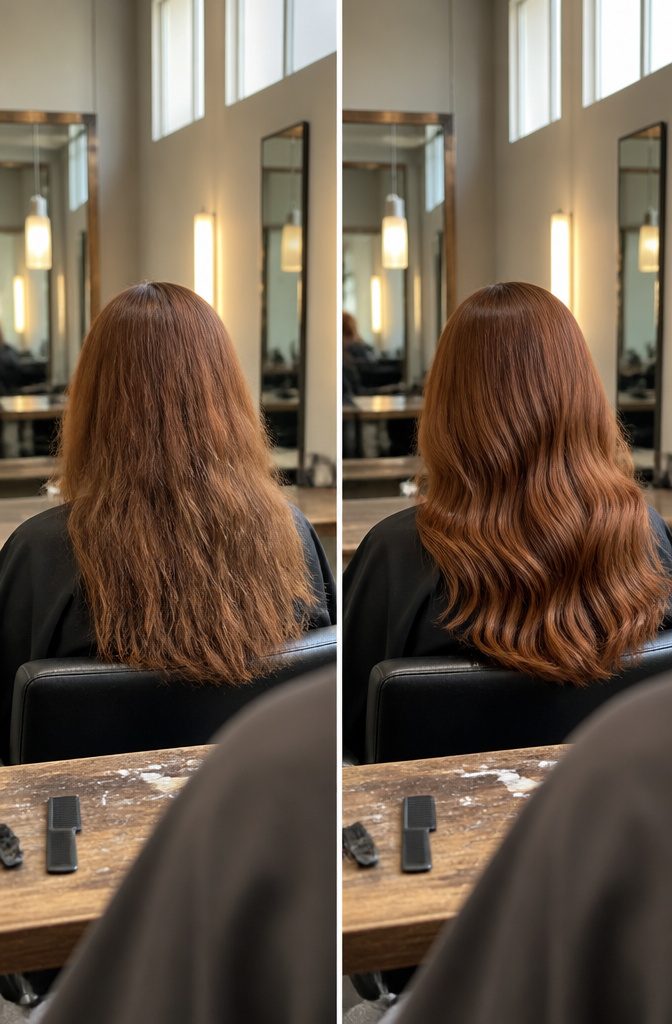
Gingerbread red holds on better than most reds because the brown and golden tones fade in a way that looks intentional rather than patchy.
Bright copper or cherry reds turn brassy or orange as they wash out, which means you’re back in the chair every four to six weeks just to keep them looking clean.
Gingerbread starts warmer and deeper, so when the red lightens it still reads as a deliberate choice rather than a color that got away from you.
The fade path matters more than the starting point. A pure red loses its dimension fast and leaves you with flat, warm blonde underneath.
Gingerbread keeps some depth because the brown undertones don’t lift out at the same rate, so what you see three weeks later is a softer version of what you walked out with.
That difference buys you an extra two to three weeks between salon visits, which adds up over the year in both time and cost.
Planning for Multiple Salon Visits
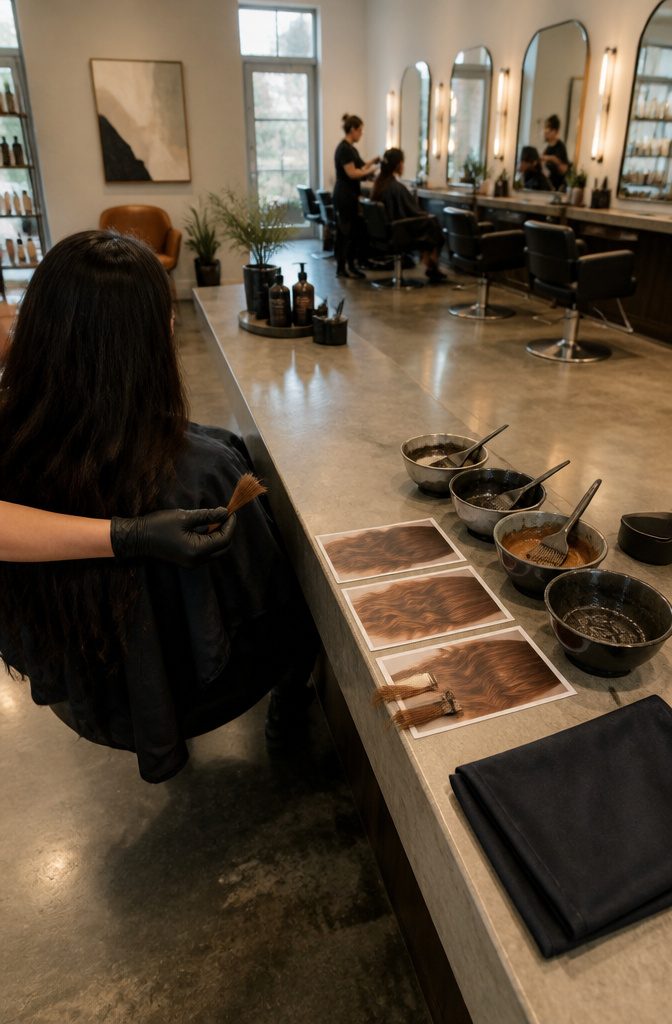
Some color trends are not achievable in one sitting, and gingerbread is often one of them.
If your starting point is very dark or previously colored hair, expect multiple salon visits to lift and layer the copper-brown tones without turning brassy.
A colorist working toward a natural, muted result will pace the process rather than push too far at once.
Reference photos help more than descriptions alone. Bringing a few images of the exact tone you want gives the colorist a visual target.
Pairing those with clear color words matters too: natural, copper-brown, golden undertones. Those descriptors steer toward the warm, subdued version of copper rather than one that reads too red or too bright.
Plan for upkeep beyond the initial appointments. Gingerbread needs maintenance to hold that balance between red and brown, and the first session is rarely the last.
Frequently Asked Questions
What hair dye goes best with ginger hair?
For a gingerbread shade, ask your colorist for a natural, copper-brown color with golden undertones. That wording lands closest to the look and steers away from anything too red or too flat.
Bring a few reference photos, because words like auburn cover too much ground. Depending on your starting point, it can sometimes be done with color alone and no bleach, but very dark or previously colored hair may need multiple visits.