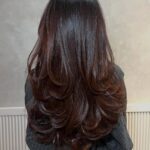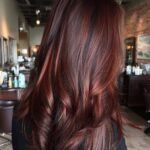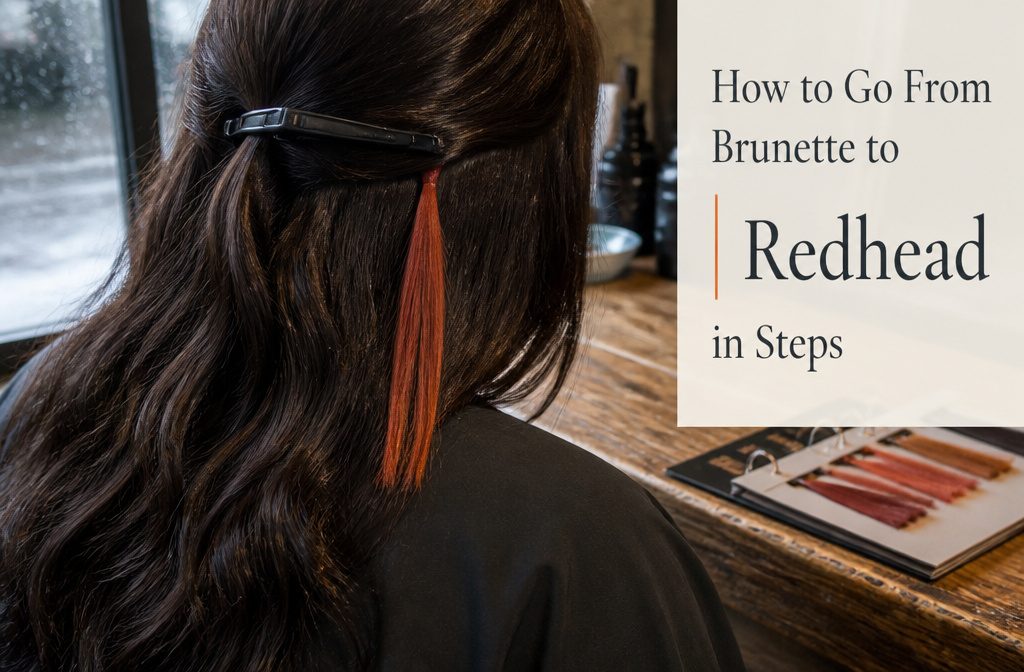
A medium chestnut can step straight to auburn, but espresso brown going bright copper has to be lightened first.
Lightening is the stage to get right: if your red is lighter or more vivid than your starting brunette, color alone won’t show. Red also fades faster than any other color, so your brown-hair routine won’t hold it.
1. Choose a Red Shade That Suits Your Skin Undertones
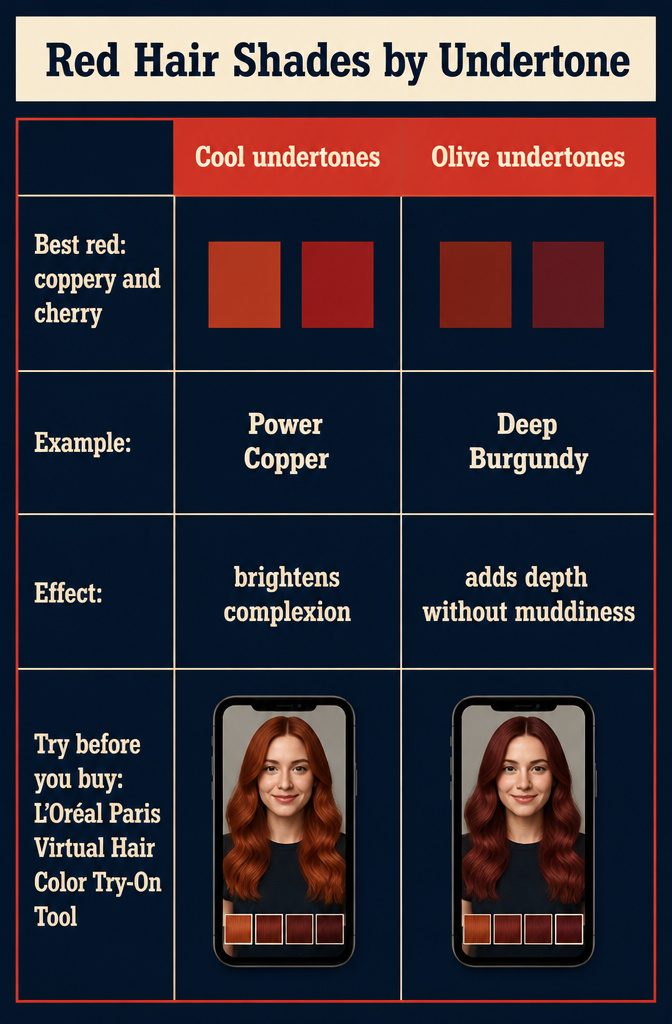
The starting point is your skin undertone, because a red that clashes with it reads flat or brassy no matter how good the formula is.
Cool undertones pull this off with coppery and cherry reds like L’Oréal Paris Féria in Power Copper, which brighten the complexion instead of washing it out.
Olive undertones can handle more pigment, so auburn and burgundy shades work better here.
L’Oréal Paris Féria in Deep Burgundy adds depth without looking muddy. Neutral undertones sit between warm and cool, which means most red shades are fair game.
If you want something bold, L’Oréal Paris Féria in Rich Auburn True Red is bright enough to read as deliberate without tipping into cartoon territory.
When the choice still feels murky, the L’Oréal Paris Virtual Hair Color Try-On Tool lets you test shades using your camera or a uploaded selfie before you commit to a box.
2. Decide Whether You Need to Lighten First
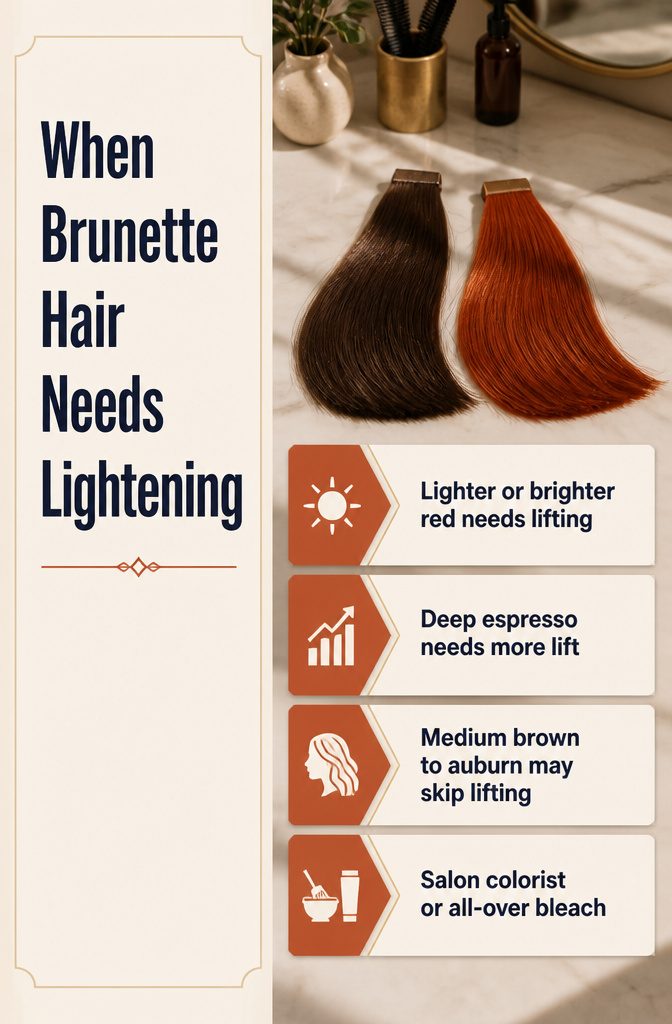
The color you want decides whether you need to lift. If the red you want is lighter or brighter than your current brunette, your hair needs lightening first.
Darker hair requires more lifting to reach the same target, so someone going from deep espresso brown to a bright copper needs more work than someone stepping from a medium chestnut to auburn.
That said, you’re not always looking at hours under a bleach cap. A brunette shifting to red rarely needs the kind of lifting a blonde does when going platinum.
The question is how far apart your starting shade and your goal actually sit. If you’re moving from medium brown to a rich auburn that’s close in depth, you might skip lightening altogether and go straight to color.
But if you want a vivid red that reads bright in sunlight, or you’re starting from nearly black hair, lifting becomes part of the plan.
You can bring your hair to a salon colorist to get the result dialed in, or handle it at home with a bleach product designed for all-over lightening.
The judgment comes down to target shade and how much distance you’re covering.
3. Choose Professional Color or an At-Home Kit
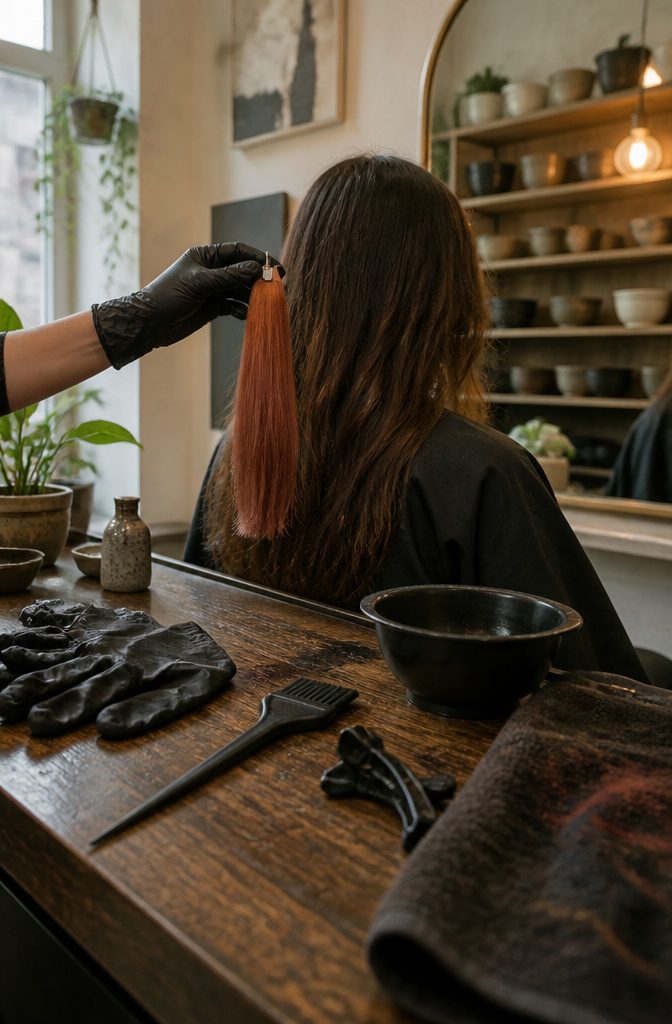
You can visit a professional colorist and have the work done in one appointment, or you can color at home with the right supplies and a little prep.
A colorist knows how much lift your base needs and can match the formula to your starting level, which matters if you’re three or more shades darker than the red you want.
Salon color costs more and means booking an appointment around your schedule.
At home gives you control over timing and budget. You’ll need to gather your kit: gloves, a brush, clips, the dye itself, and if you’re lightening first, a bleach product like the L’Oréal Paris Colorista Bleach in All Over.
Read through the product instructions completely before you start, and pull up a few tutorials or an at-home dye guide that walks through application on hair close to yours in texture and length.
I don’t walk through mixing or sectioning here because every formula has its own procedure, but the instructions that come with your kit will.
4. Apply the Color
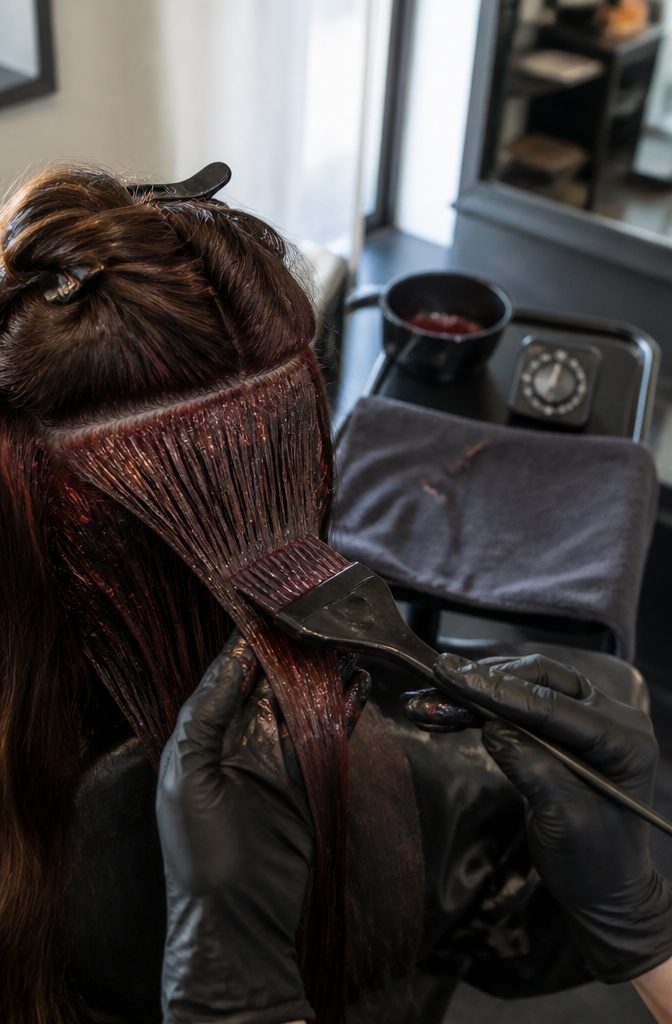
The mixing and applying steps belong to the product instructions or your colorist’s own method, so I’m not going to walk through them here. What I will say is that timing and section work matter more than speed.
Most reds need full saturation to take evenly, which means working deliberately rather than racing through. Start at the roots if you’re doing all-over color, and make sure each section is covered before you move to the next one.
Set a timer for the development window the product gives you, because overprocessing can push the shade too far and underprocessing leaves it patchy.
Check coverage in good light before you rinse. The tutorials linked in most dye kits and colorist vlogs go deeper on technique than I can here, and they’re worth watching if this is your first time switching to red.
5. Maintain the Red With Color-Treated Products
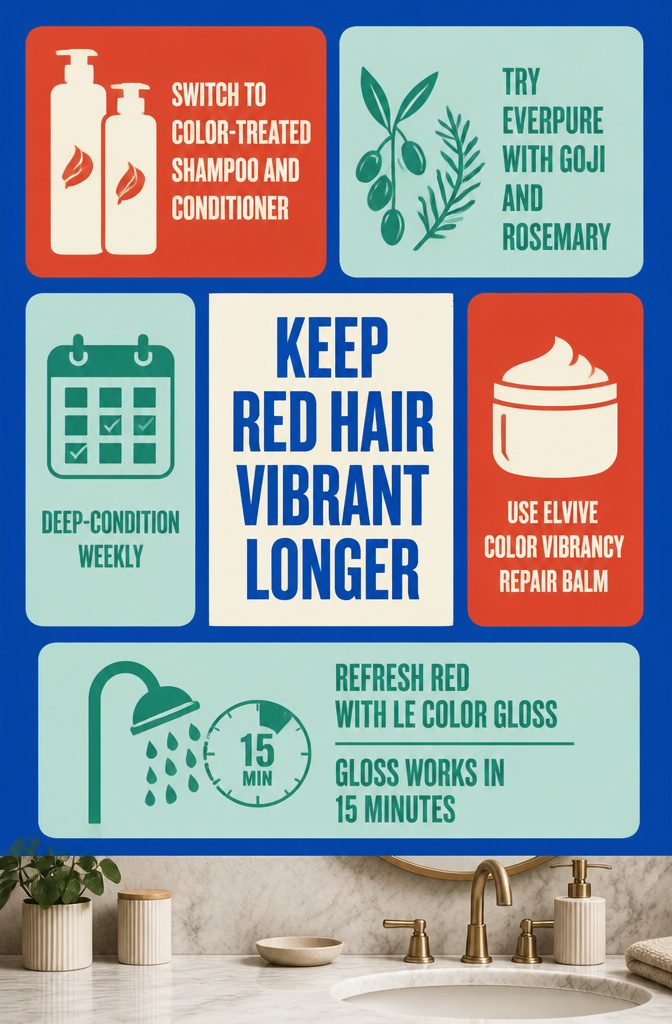
Red fades faster than any other color, so the routine you used on brown hair will not hold it. Switch to a shampoo and conditioner formulated for color-treated hair the week you dye.
The L’Oréal Paris EverPure Repair & Defend Shampoo and Conditioner includes goji and rosemary leaf oil to strengthen hair and extend the color, and I find the pairing does more to preserve vibrancy than a generic drugstore bottle ever managed.
Add a weekly deep conditioning treatment to keep the hair from drying out under the pigment. The L’Oréal Paris Elvive Color Vibrancy Repair and Protect Balm keeps strands moisturized between washes without weighing them down.
When the red starts to look tired between salon visits or box dye sessions, reach for a gloss refresher.
The L’Oréal Paris Le Color Gloss One Step In-Shower Toning Gloss amps up shine and tone in 15 minutes before you rinse it out, no gloves or mixing required.
Red Shades Worth Asking For
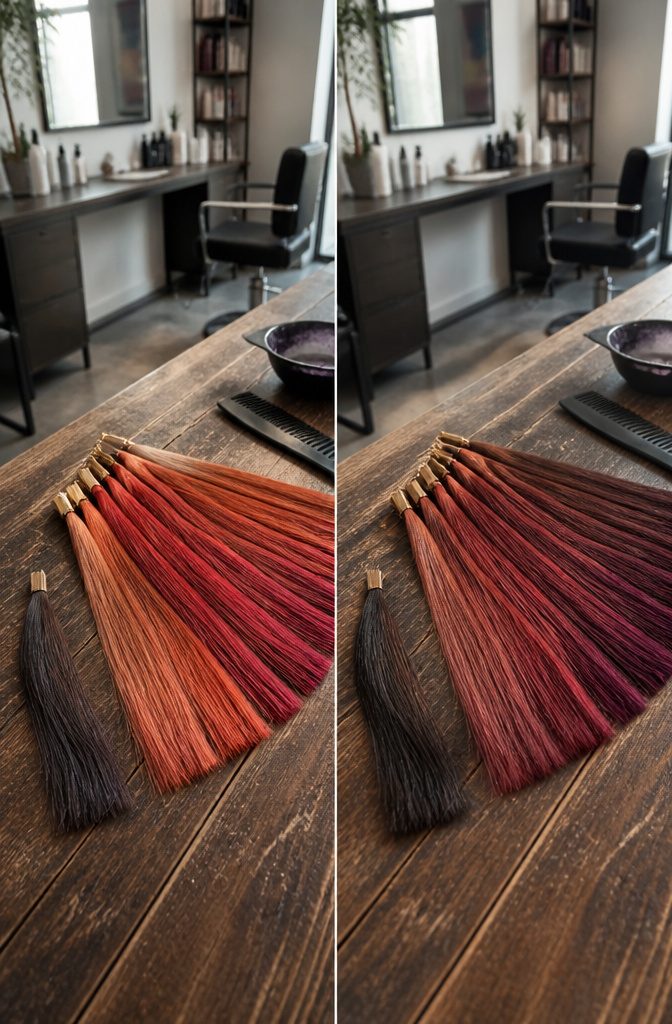
The names you’re after sit on a scale from warm copper to deep burgundy, and the one you pick depends how far from brown you’re willing to go.
- Copper is the closest to brunette: a warm, glowing red-orange that reads brown in some light. It suits cool undertones and brightens without going full red. L’Oréal Paris Féria in Power Copper is one to ask for.
- Auburn sits in the middle: reddish-brown with enough red to register as a color change but enough brown to feel grounded. Rich Auburn True Red from the same line is a bolder take.
- Cherry red is bright and clear, still sitting on the cool side. It creates contrast against olive or cool skin.
- Burgundy is the deepest option: a reddish-brown with violet undertones that adds depth rather than brightness. L’Oréal Paris Féria in Deep Burgundy works on olive undertones that can carry the pigment.
- Scarlet red is the most vivid: a true red with no brown left. It reads bold in every light.
At-Home Red Color Lines
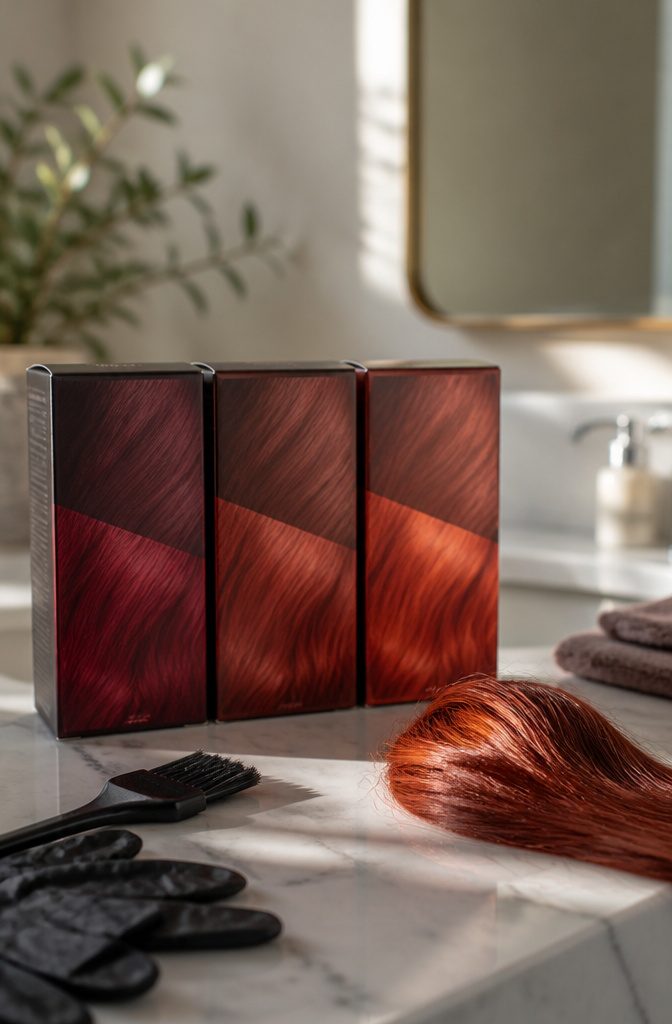
If you decide on an at-home kit, L’Oréal Paris offers three lines worth looking at:
- L’Oréal Paris Superior Preference gives you 6 red shades with results that hold for weeks without fading.
- L’Oréal Paris Féria has 8 shimmering reds with three times the highlights of the Superior line, which means more dimension and intensity.
- L’Oréal Paris Excellence Creme Permanent Triple Protection Hair Color covers the basics with 3 red shades and 100% gray coverage if that matters for your hair.
The Féria line wins if you want the most shine and variation built in. Superior Preference is the middle ground, and Excellence Creme is the pick when gray coverage decides it.
Frequently Asked Questions
What happens if you dye dark brown hair red?
It depends on how far your target red sits from your starting shade.
A rich auburn close in depth to your brown may go on without lightening, but a bright copper or vivid red on dark brown or nearly black hair needs lightening first, and the darker you start, the more lifting it takes.
Once the red is in, it fades faster than other colors, so switch to a shampoo and conditioner made for color-treated hair right away.