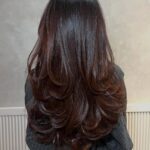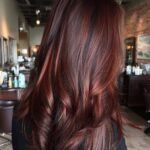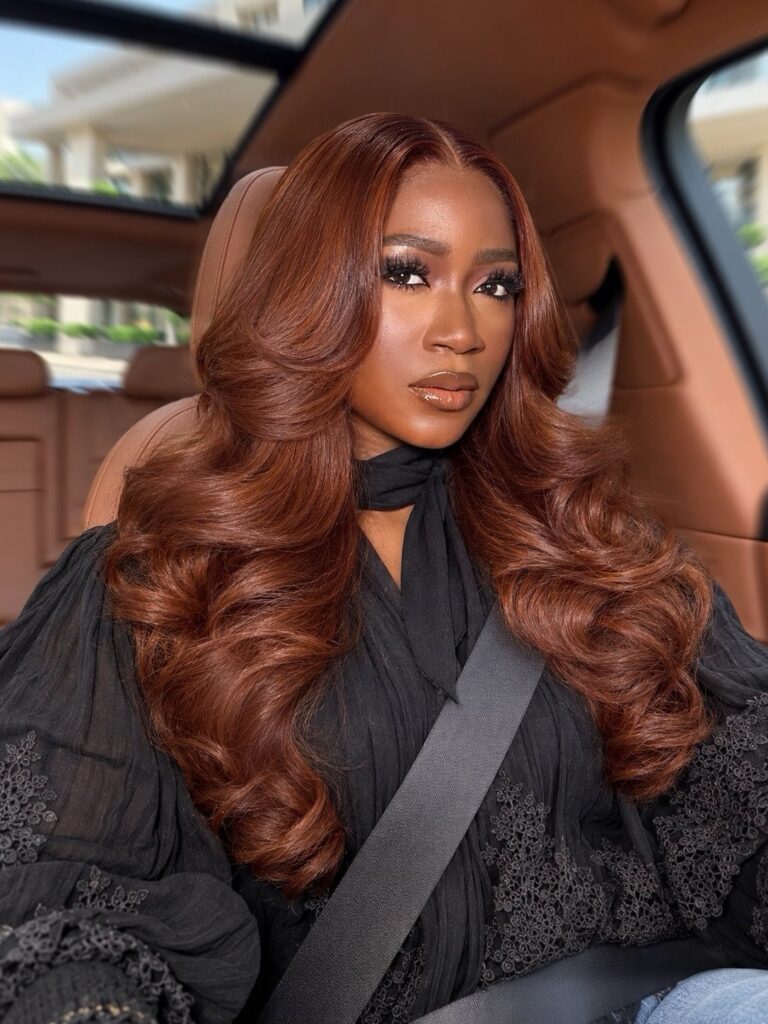
Copper brown stretches across a wide range, from a chestnut where the copper only flashes in sunlight to a burnt orange that no longer reads as brown at all, and which end flatters you comes down to how your skin depth and undertone play against the dye.
Skin depth sets how bright to go, while undertone sets the warmth: golden or gingery for warm, muted reddish browns for cool.
Red pigment is the first to leave the hair shaft, so with any of these shades I’d cap shampooing at 2–3 washes a week if you want the color to stay bright.
1. Copper Brown Balayage
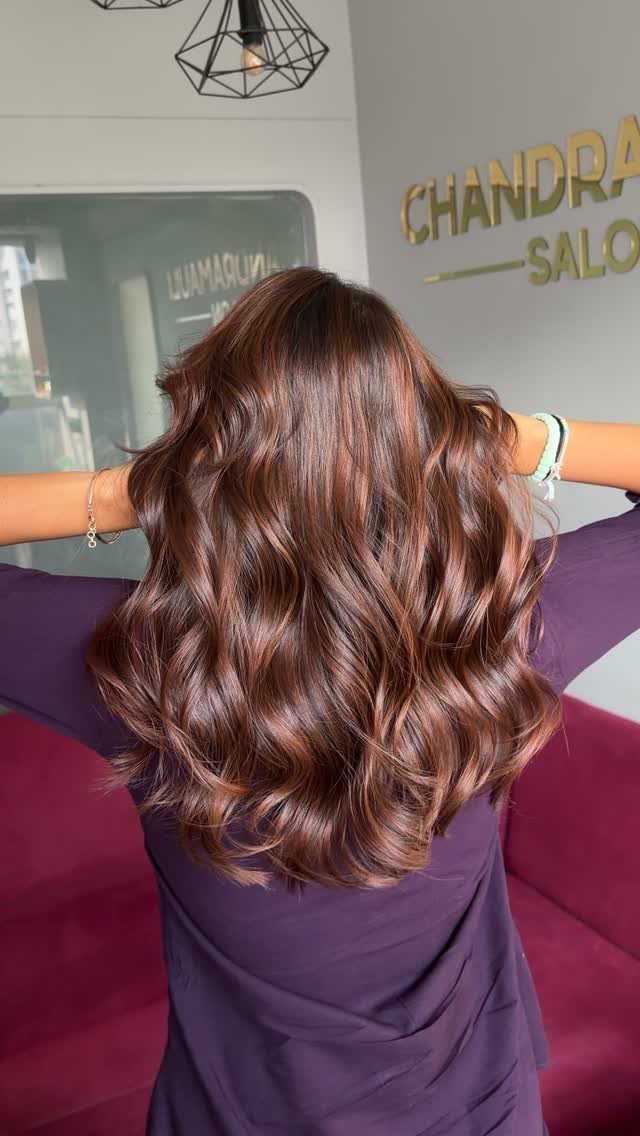
Painted by hand, balayage lets copper sit in pieces against a brown base, so the result looks like warmth and movement instead of a full change. That makes it the easiest copper to live with if you’re nervous about commitment.
Ask your stylist for copper placed through the mid-lengths and ends, with the root left brown. Dimension looks best in loose waves, and the grow-out stays soft because there’s no hard line at the part.
2. Dark Copper
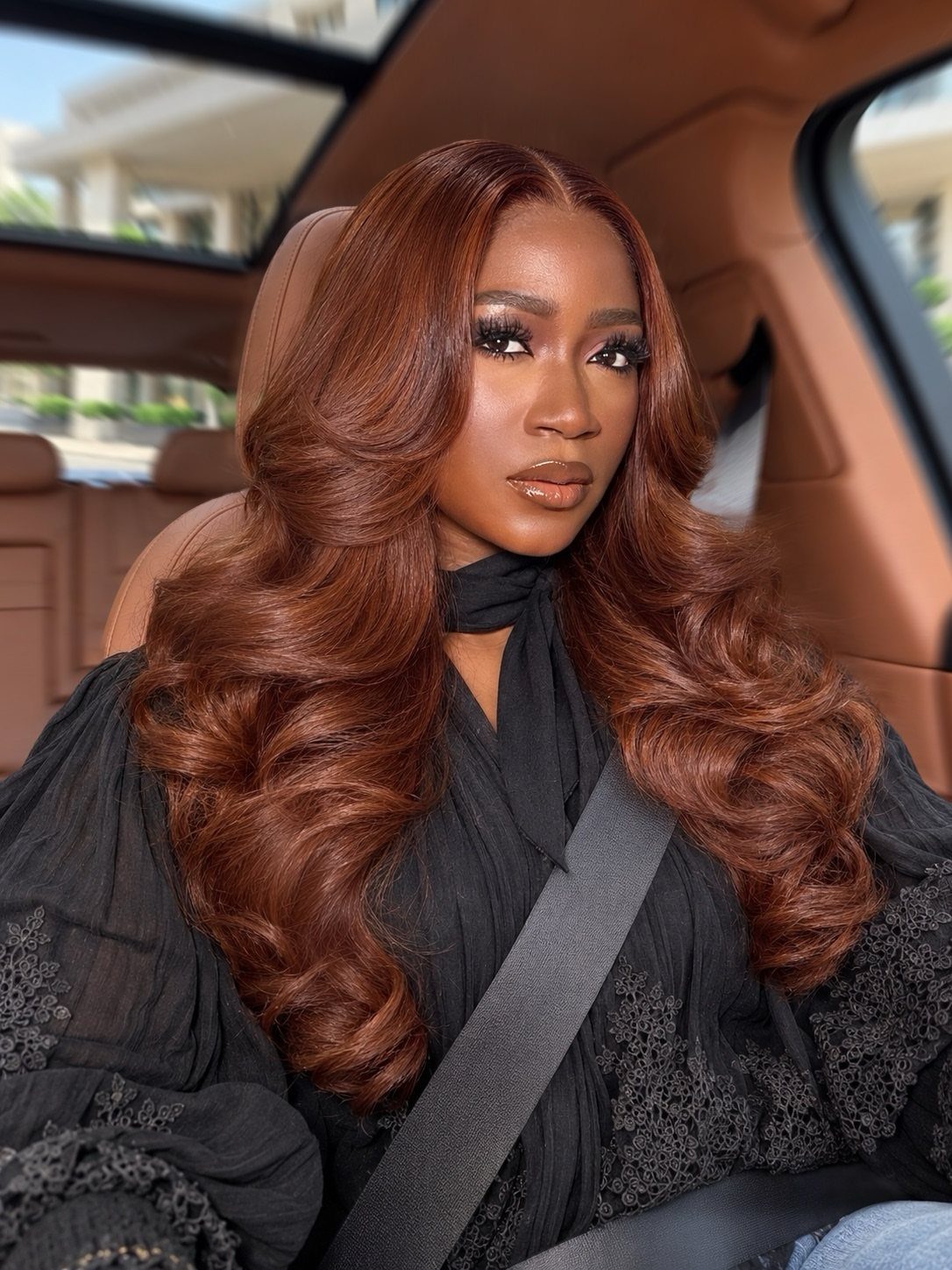
Deep, rich, and closer to brown than to orange: dark copper is the version I’d point to if the glare is what worries you about copper. It shows its red in the light and calms down in the shade.
Because it sits so near a natural brown, it works well as a first copper, and long hair lets the depth of the shade come through.
A reference photo helps at the salon, since "dark copper" can mean quite different things to different stylists.
3. Warm Copper Highlights
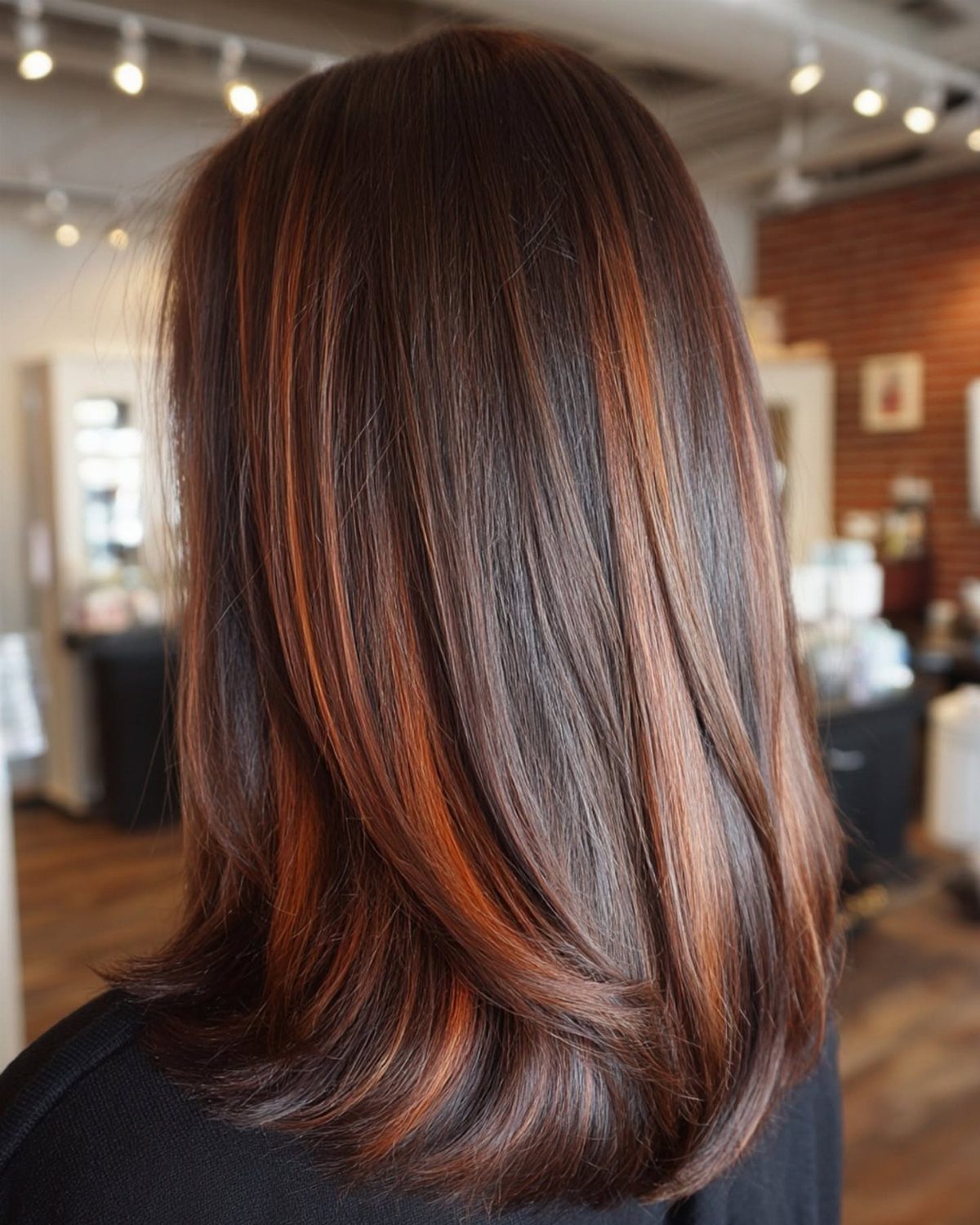
Golden copper highlights around the face brighten a brown base exactly where the eye lands. For a glow near your skin with nothing dramatic on the rest of your head, warm copper highlights are my pick among the copper options.
Ask for the brightest pieces at the front and let them blend into the brown farther back. Softly curled ends make the glossy finish catch light, so a quick pass with a curling iron is worth the few extra minutes.
4. Copper Bronze Hair
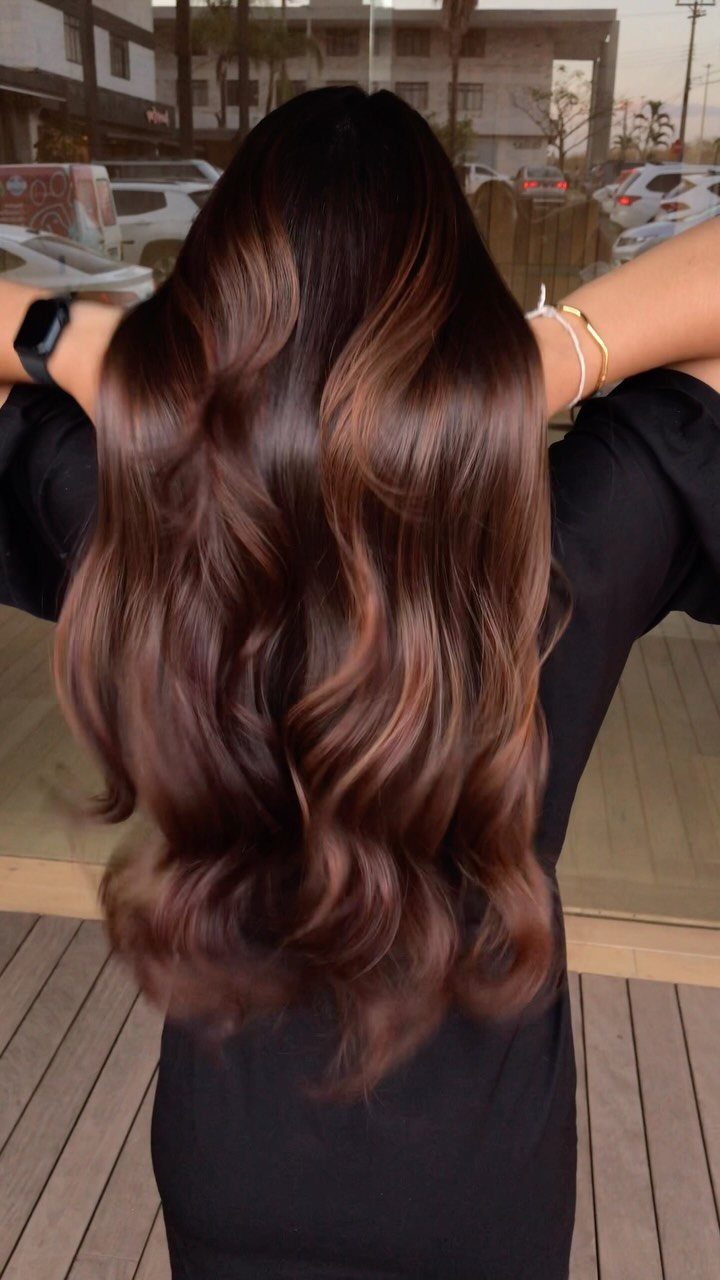
Metallic is the word for copper bronze: the shimmer comes from copper and bronze tones blended together, then run through the lengths and ends of dark brown hair. The top stays deep while the bottom half picks up the light.
I like it best on long waves, where the ends move and the metallic effect shows. Ask for the brightness to start below the shoulders so the root stays low-maintenance.
5. Golden Copper Brown
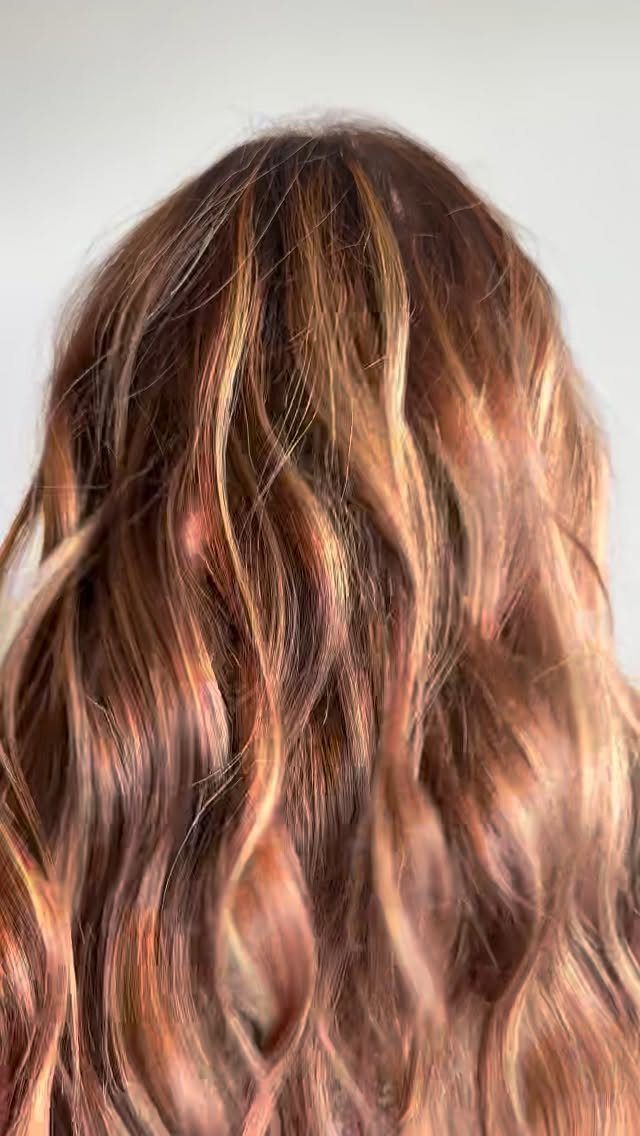
Think dark strawberry blonde meeting light chocolate brown, with gold flecks running through the copper. It’s a blended color rather than a striped one, and that’s what makes it look rich instead of brassy.
Ask for copper and golden blonde woven into a dark brown base, with the tones melting into each other.
Wavy texture helps, since the bends in the hair show off every shade. Expect a salon visit, because this many tones is hard to place evenly at home.
6. Bright Ginger Brown Hair
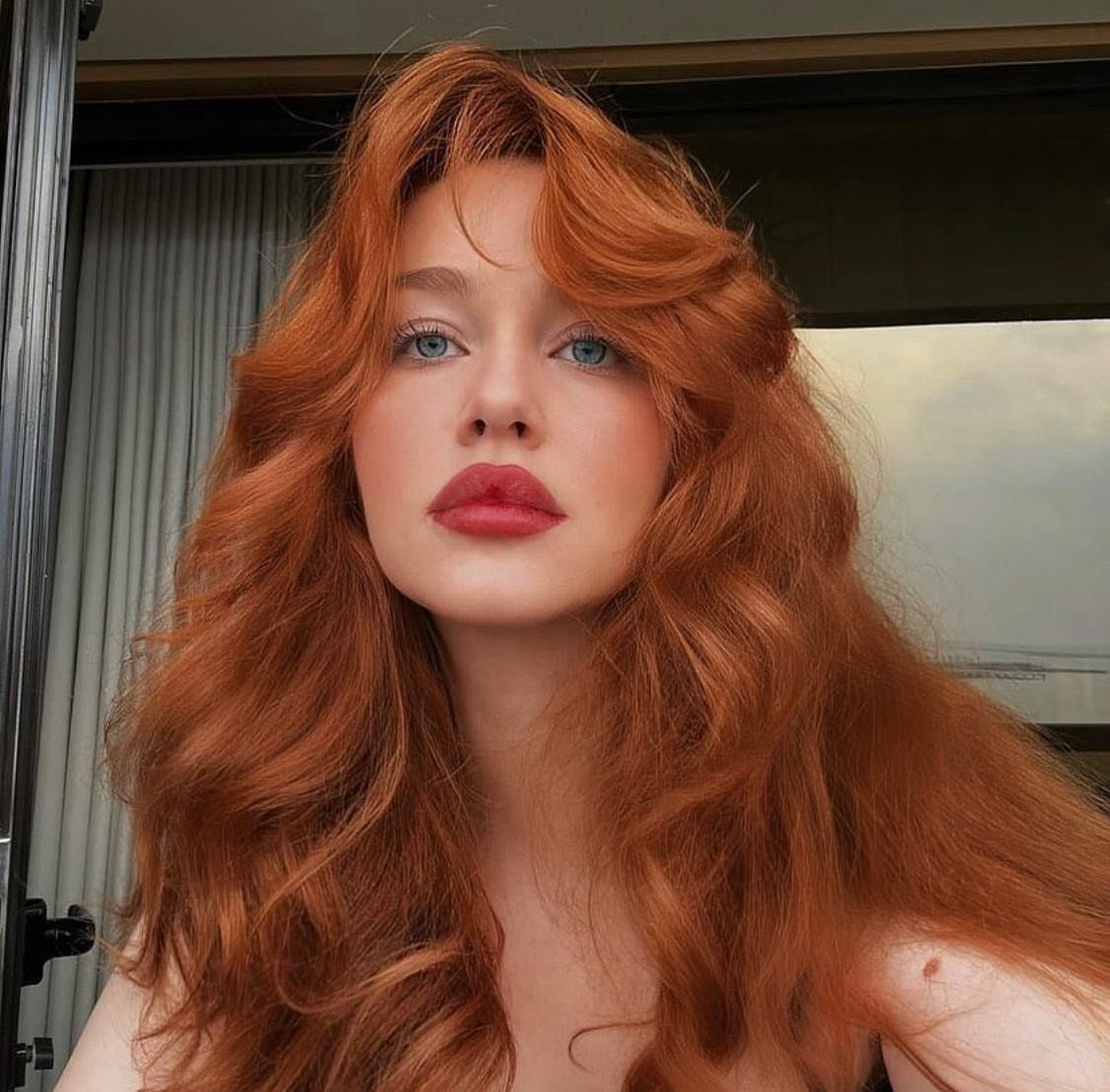
Bright and gingery, this copper puts the brightness on the lengths of curly hair, where each curl shows off the color. If you want a shade people notice from across a room, this is it.
Curls help a lot here: the bounce breaks the color up and keeps it from looking flat. Bright ginger brown needs a stylist’s hand, and a warm lip color, such as a red, makes the shade look intentional.
7. Bronzed Copper Brown
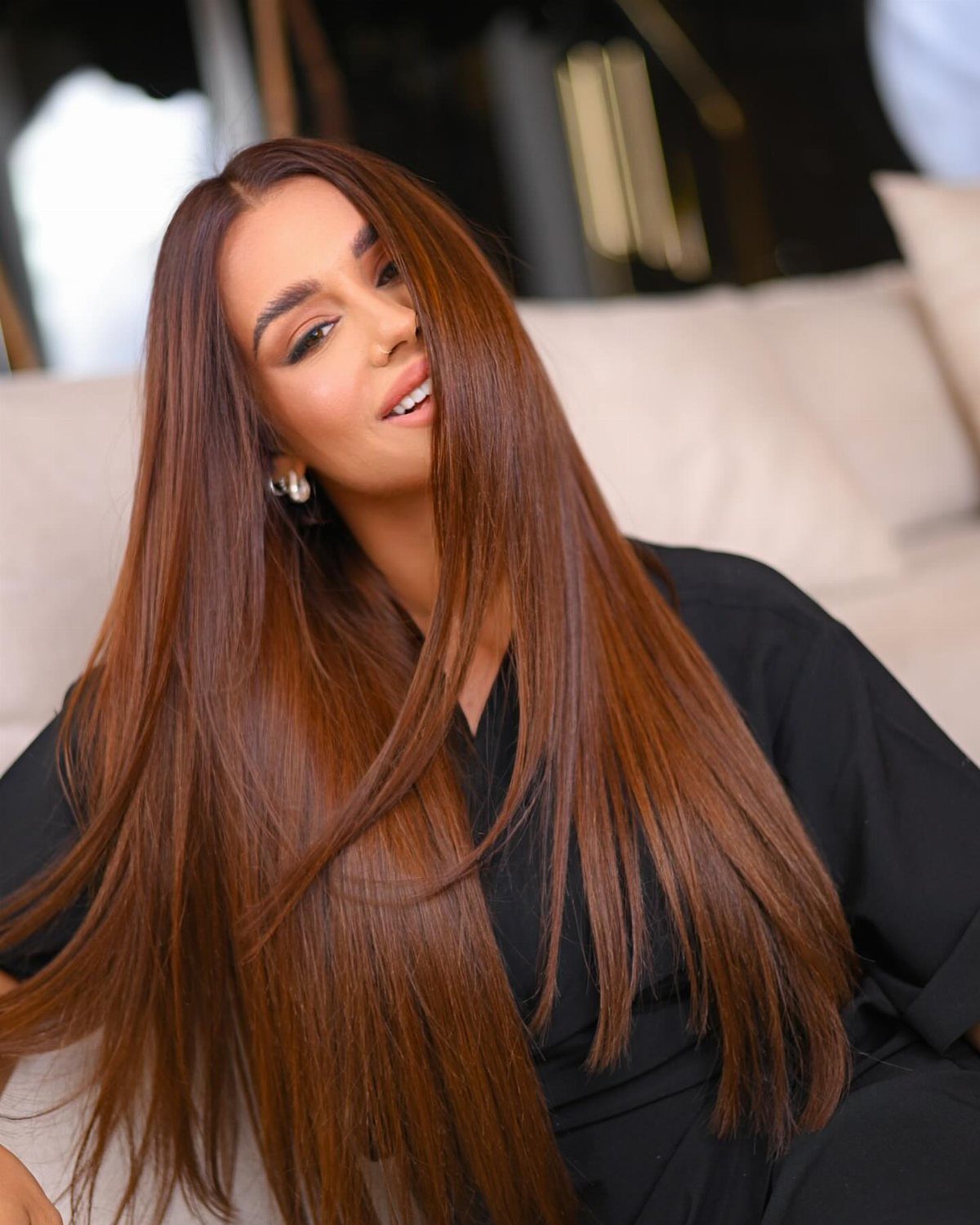
Smoky brown as the base, warm auburn threaded through: that pairing gives bronzed copper its depth.
The brown stays cool and quiet while the highlights pick up the warmth, so the copper reads as shine rather than as a color change.
Straight, long hair shows the blend best because nothing breaks up the gloss.
Ask your stylist to keep the auburn pieces blended into the brown, not stacked in stripes, and bring a photo, since "bronze" and "copper" overlap more than the names suggest.
8. Dark Golden Copper Brown
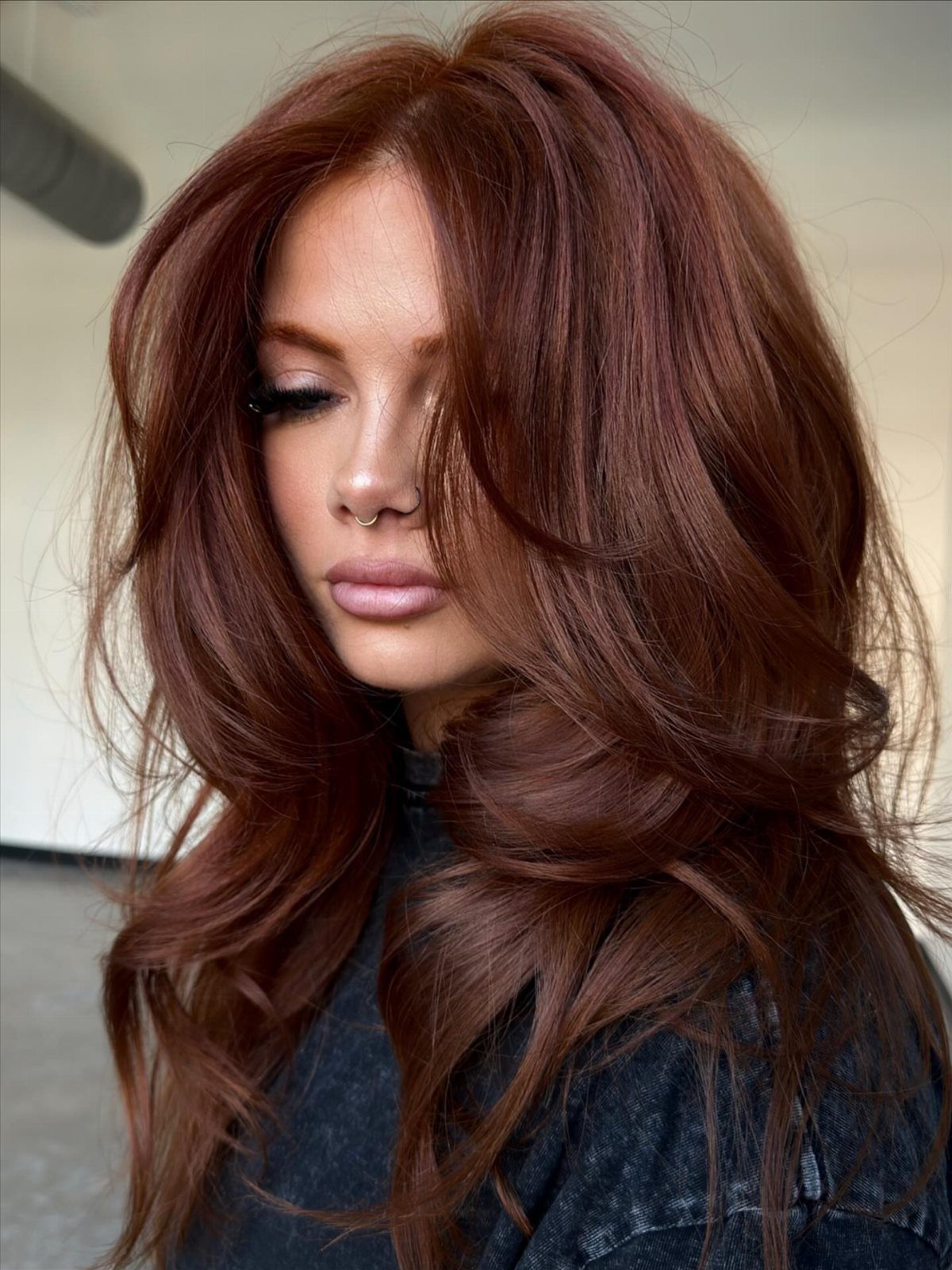
Golden tones inside a dark copper-brown make this one glow warm instead of flat. Where dark copper (entry 2) leans toward red, this version leans toward honey.
Loose, long waves suit it, since every bend catches a different shade of gold.
Name both words when you book, "dark copper" and "golden," so the stylist doesn’t settle on plain red-brown. If your skin runs warm, gold is the tone I’d lean into.
9. Copper Brown Hair
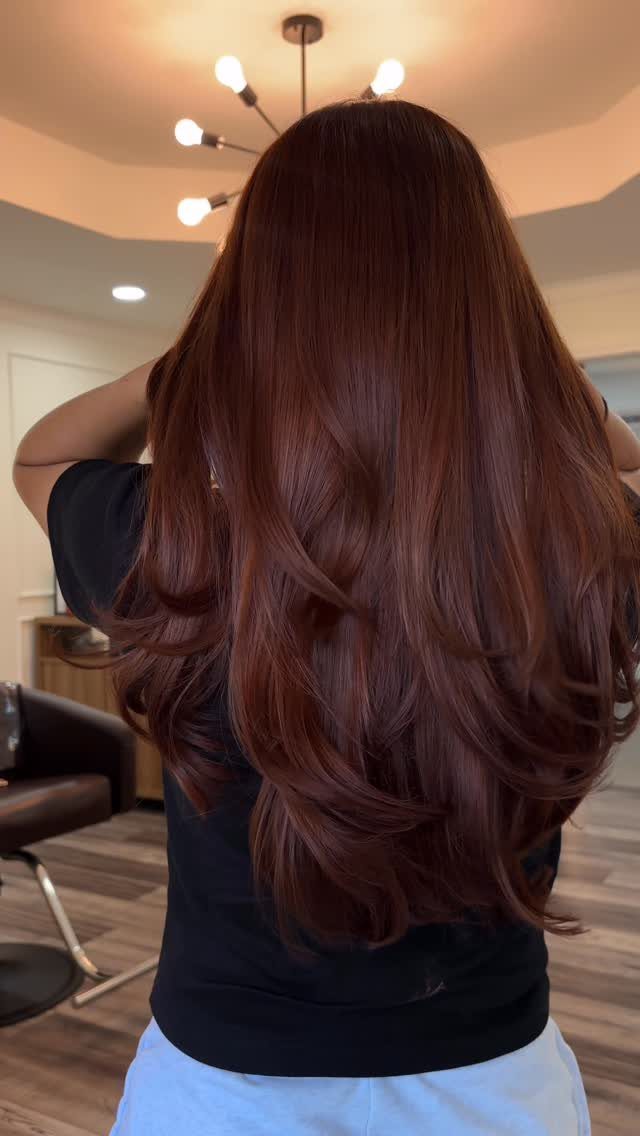
Cherry chocolate is the other name for this one, and it describes the shade well: a brown base with a copper-red lean, rich rather than loud.
Copper brown is the shade I’d call most wearable day to day, since the warmth reads as natural in daylight and the brown base keeps it from looking loud.
Long layers help the color move and shine. Ask for a brown-based copper by name, and mention "cherry chocolate" if the stylist needs a quick picture of the tone.
10. Copper Auburn Hair Color
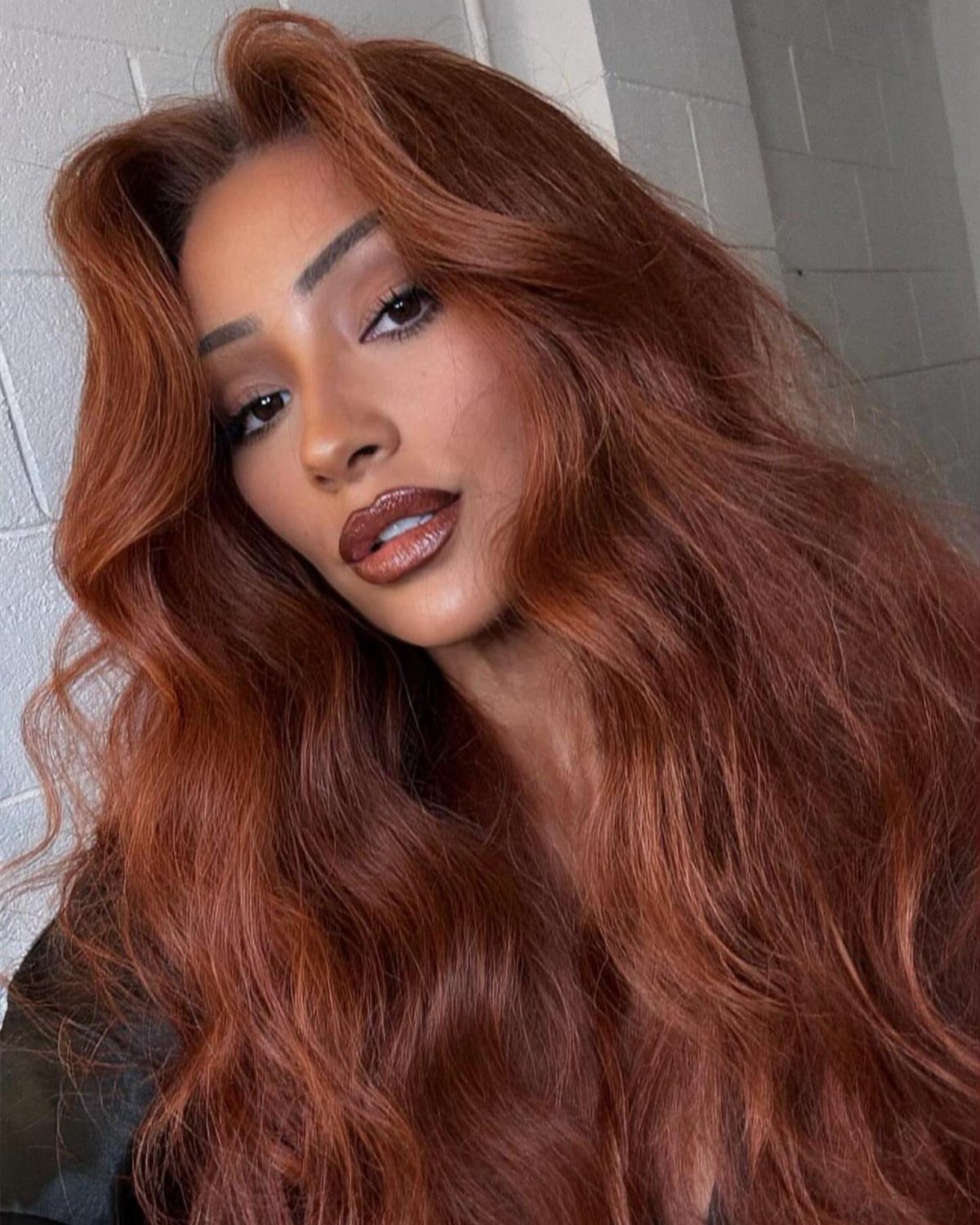
Copper auburn goes a step deeper than plain copper, with a red-brown undertone that gives it weight. It looks best when the waves are loose, since the curve of each wave shows the auburn working through the copper.
I’d pick it for anyone who finds bright copper too orange but wants more warmth than a brown can give. Take a photo to the salon: auburn and copper sit close together, and stylists can land on either one.
11. Fiery Copper Brown Hair
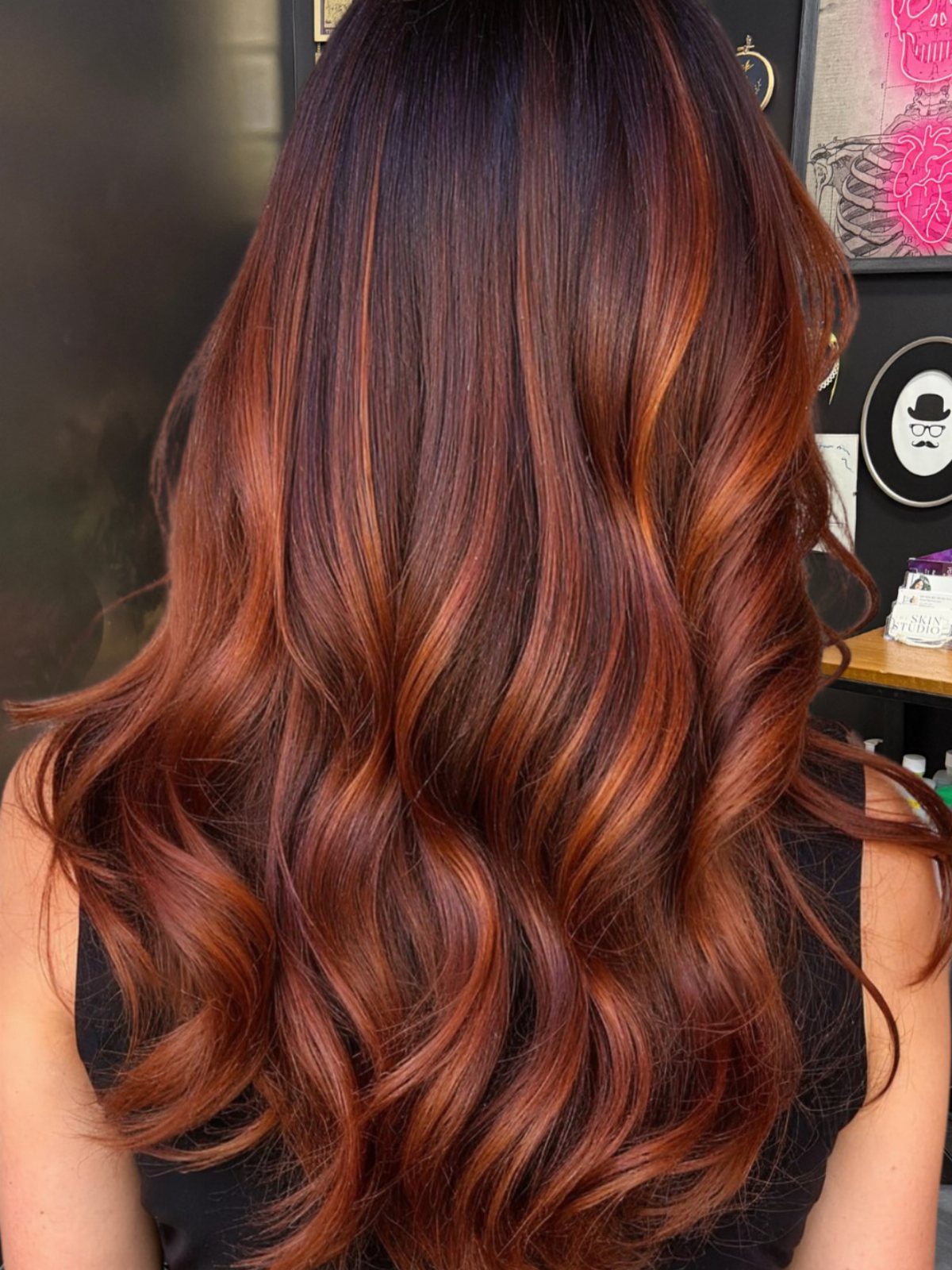
Vivid copper-red against dark brown is all about contrast. The brown holds the base steady while the copper pieces flash through the waves, so the color stays loud without covering the whole head.
Soft waves display it best, because movement keeps the bright pieces visible. Expect a salon visit, since this much contrast needs careful placement.
12. Light Copper Brown Hair
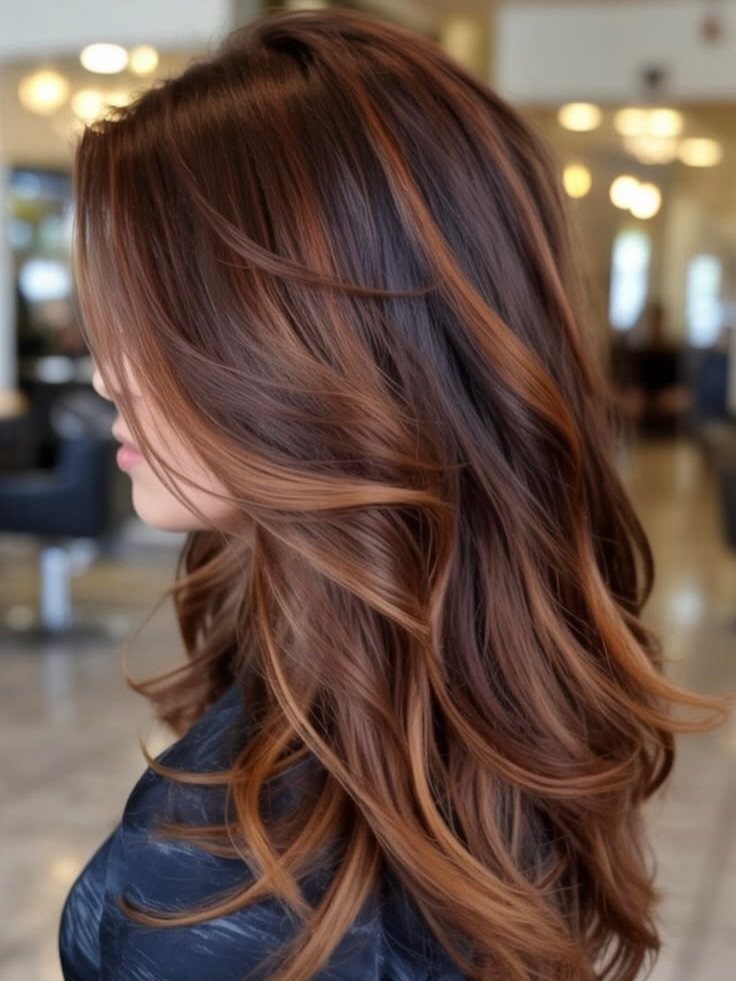
Apricot-red lengths over darker roots give this shade its lift: the brightness sits away from the scalp, and the roots stay brown. That makes it the most forgiving grow-out on this page, because new growth blends into what’s already dark.
Long layers let the apricot show through the ends. If you want light copper without a full lightening of the root, this is the version I’d ask for.
13. Cowboy Copper Hair
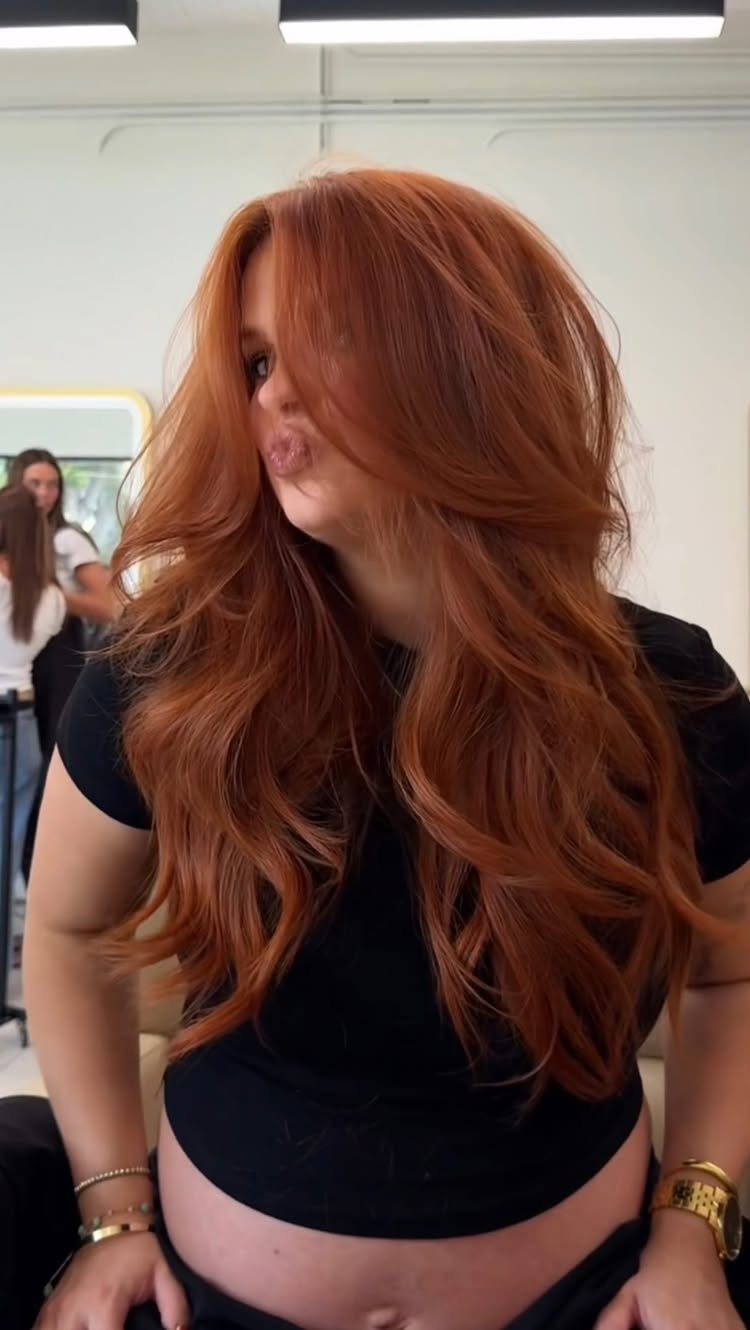
Tan-brown is the base of cowboy copper, and it drifts between a medium copper brown and a deep auburn depending on the light. That shifting quality is why I’d choose it over a flat single-tone copper.
Long, voluminous waves give the color room to move between those 2 shades. Bring a photo and use the words "medium copper brown" and "deep auburn" together, so the stylist knows the range you want.
14. Bright Auburn Copper
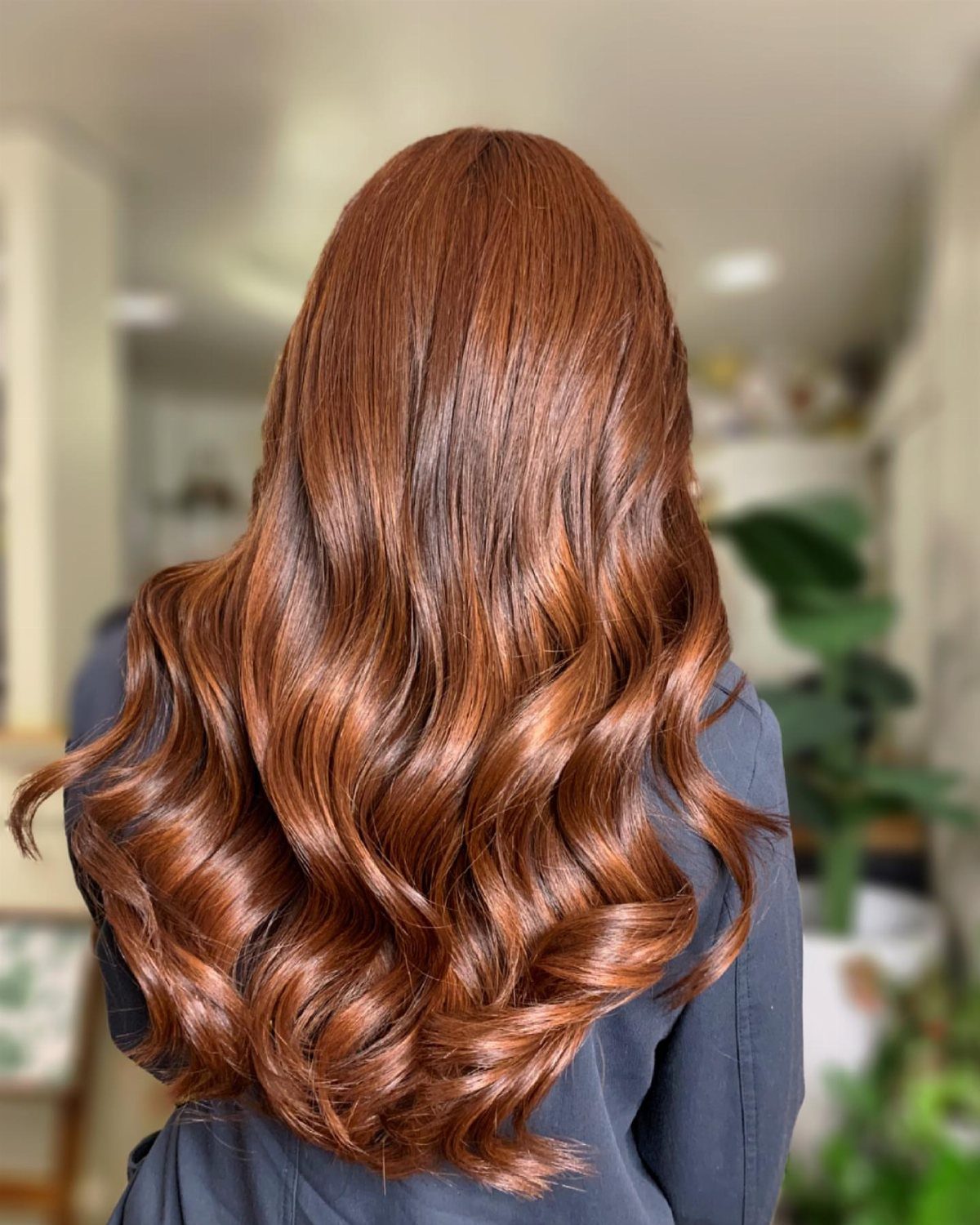
Light brown and fiery red meet in bright auburn copper, and the blend is bold without tipping into orange. Glossy waves down the back suit it, since the shine is what makes the red read as rich.
Because the red is strong, I’d book this with a stylist and not attempt it at home. Show a photo and say "bright auburn," as plain "copper" can come back much softer than you expect.
15. Cinnamon Copper
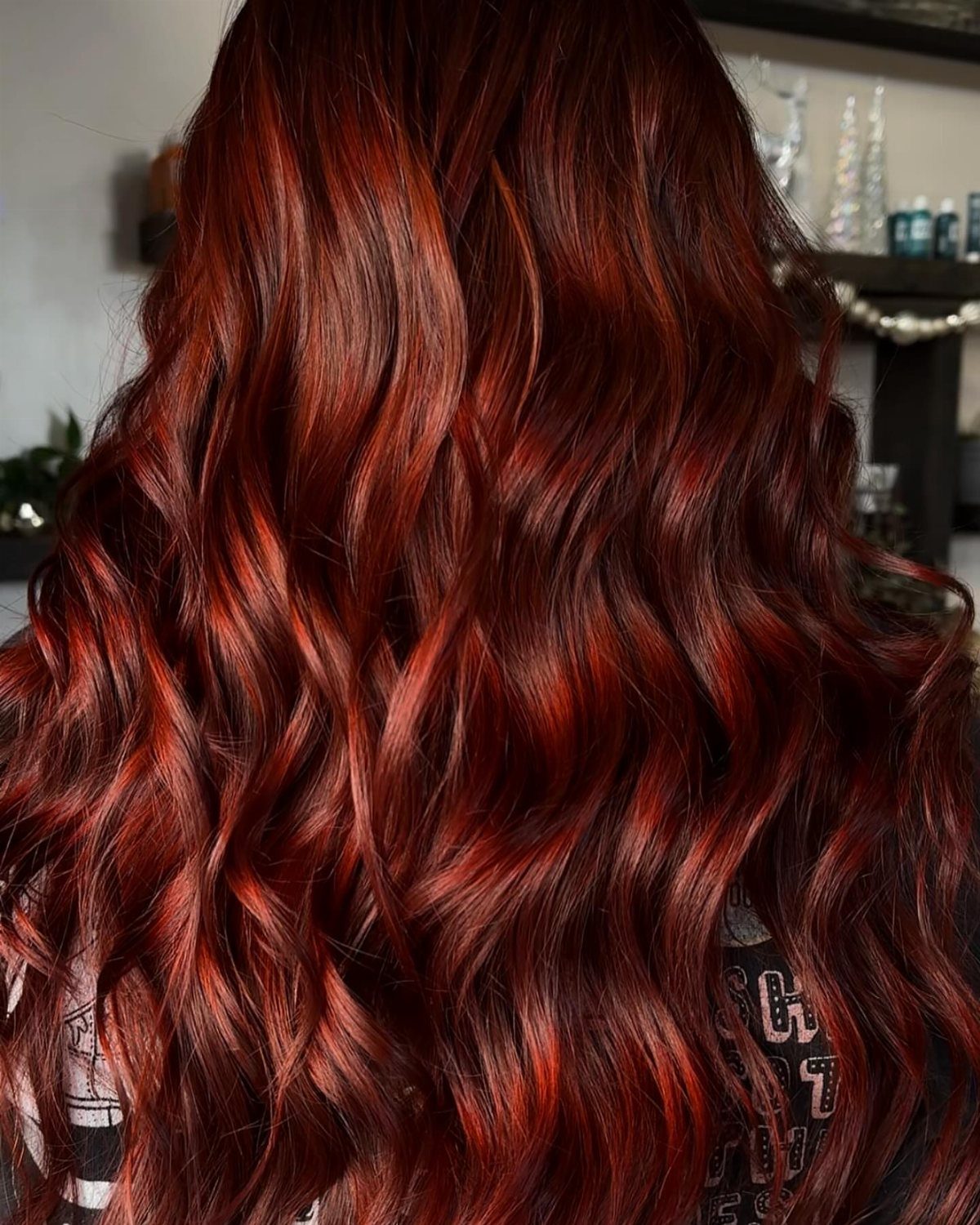
Cinnamon copper is a warm reddish-brown, spiced rather than bright, with a few copper highlights catching the light on top. Of the red-leaning coppers here, it’s the one I’d hand to someone who wants warmth without a loud color.
Loose waves keep the highlights visible, and a glossy finish matters more than any extra brightness. Ask for "cinnamon" by name and request copper pieces placed lightly through the reddish-brown base.
16. Fiery Copper
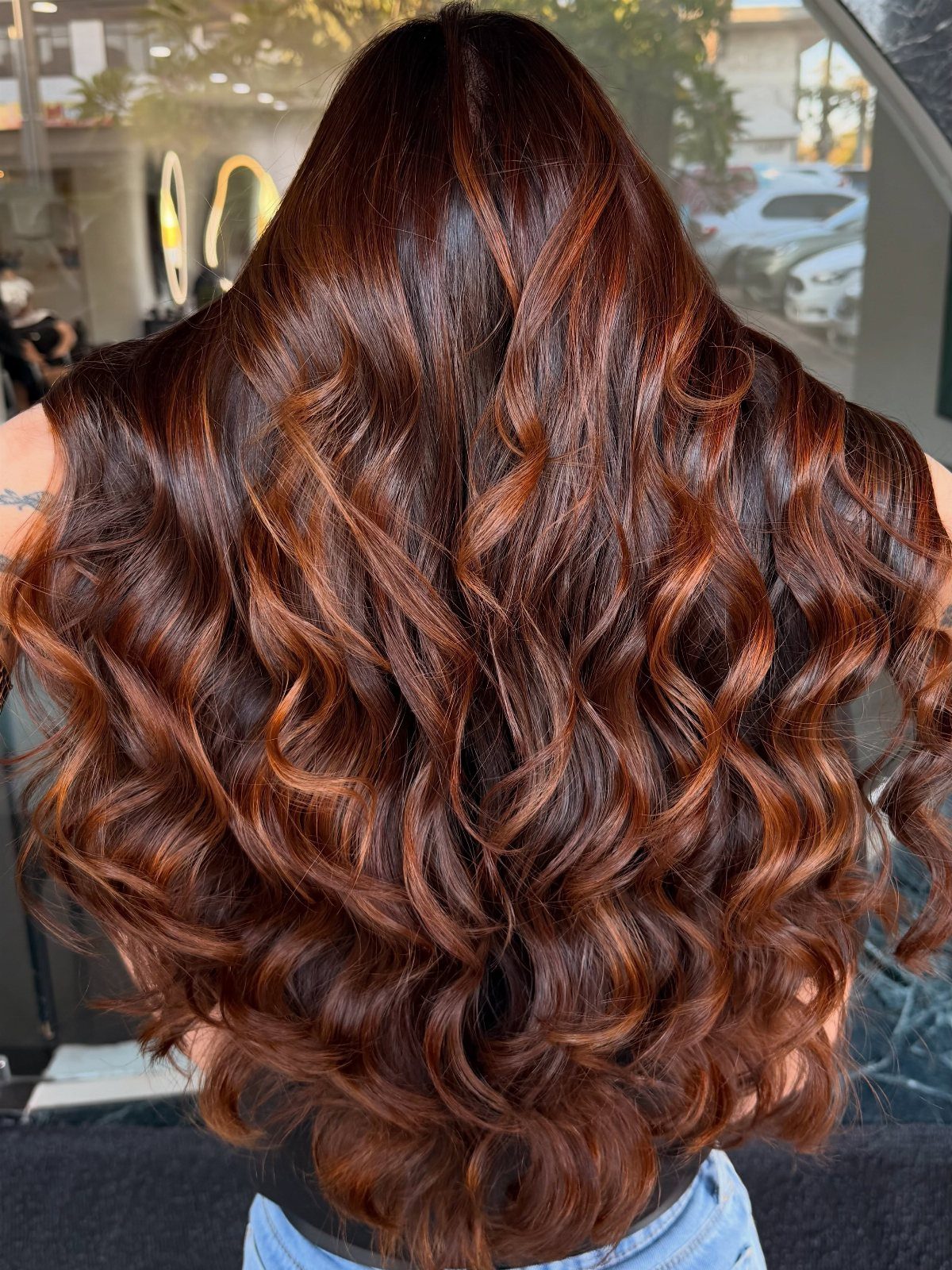
Fiery copper layers warm copper highlights over a cool, wine-red base, and that mix of temperatures is what sets it apart from every other red here. The wine keeps the depth, and the copper flashes through it.
Curls show both tones best, since each curl turns a different shade toward the light. Ask for the wine base and copper highlights as 2 separate requests, and expect a salon visit to place them well.
17. Dark Auburn
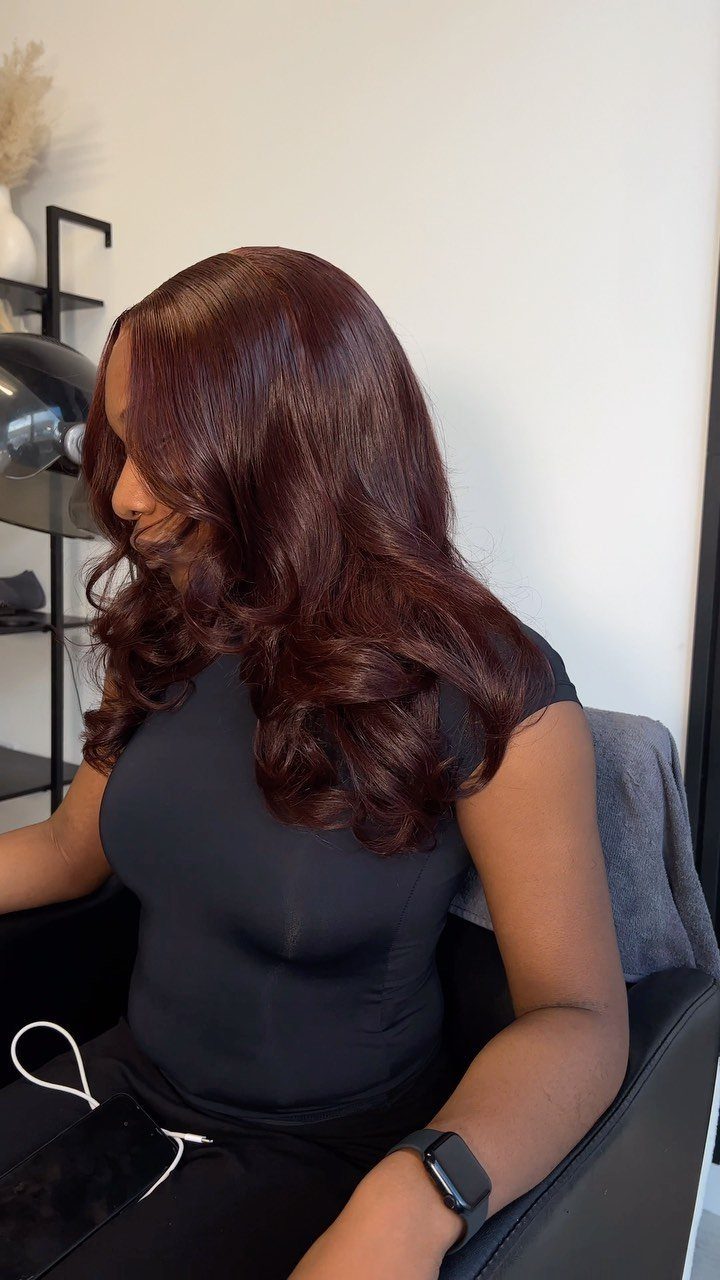
Brown in low light, red in the sun: dark auburn is a cool-toned copper option that stays quiet indoors and shows its sheen outside. If bright copper feels like too much, this is where I’d start.
Long curls or waves give the glossy reddish-brown surface room to shine. Ask your stylist for a cool-toned auburn, and bring a photo, since this shade sits close to a plain dark brown.
18. Copper Blonde
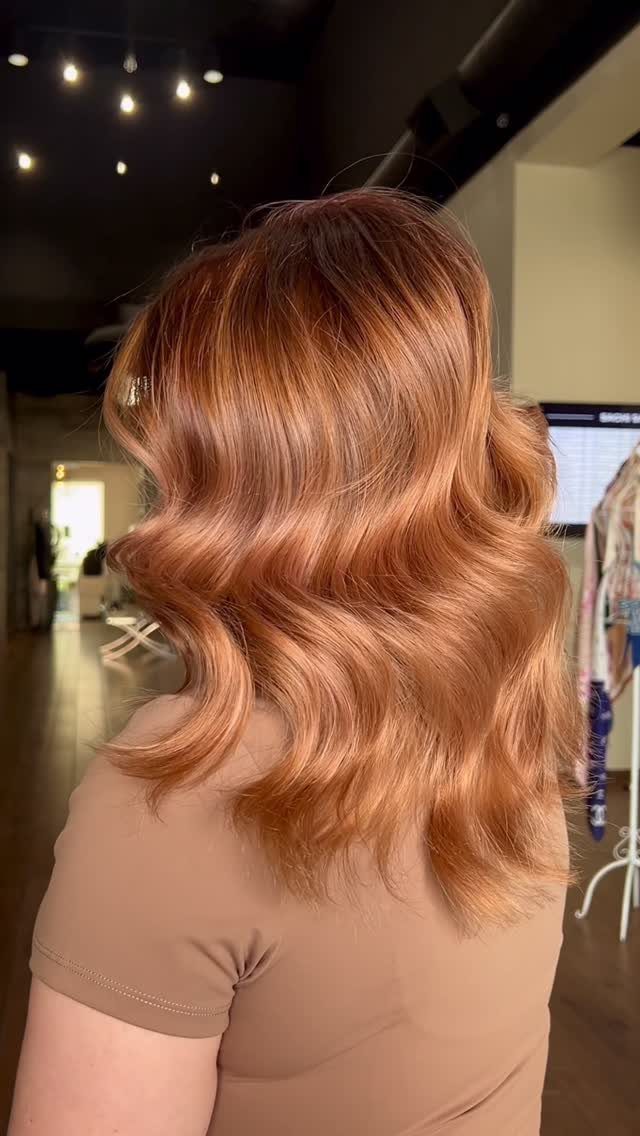
Copper blonde pairs a neutral reddish shade with lighter blonde streaks, which keeps it softer than a full copper. At shoulder length, wavy texture lets the streaks show without the color looking striped.
I like it for anyone who wants red in their hair but not a deep one. Ask for blonde streaks blended into the copper, not stacked in lines, and plan on a salon visit for the lighter pieces.
19. Strawberry Copper Bronde
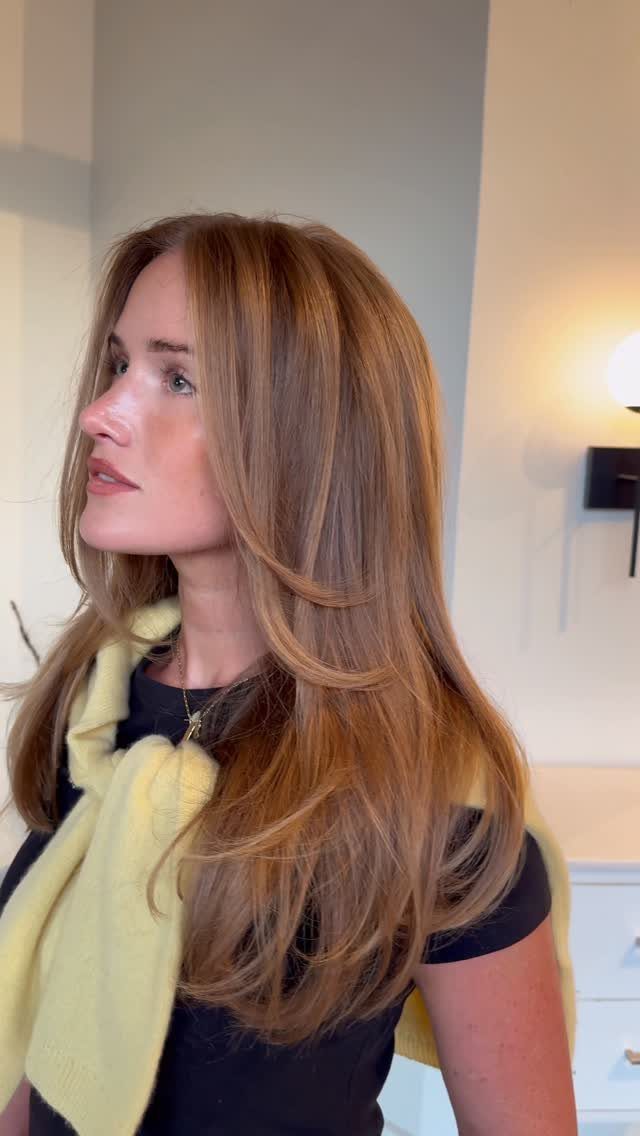
Strawberry and brown-blonde share the same head here, which makes this a softer, lighter copper than the deeper browns on this page. Long layers keep the blend from reading as one flat block of color.
I’d ask for strawberry-copper worked into a brown-blonde base, and bring a photo, because "bronde" means something different to nearly every stylist. Lighter shades like this usually mean a salon visit.
20. Two-Toned Copper
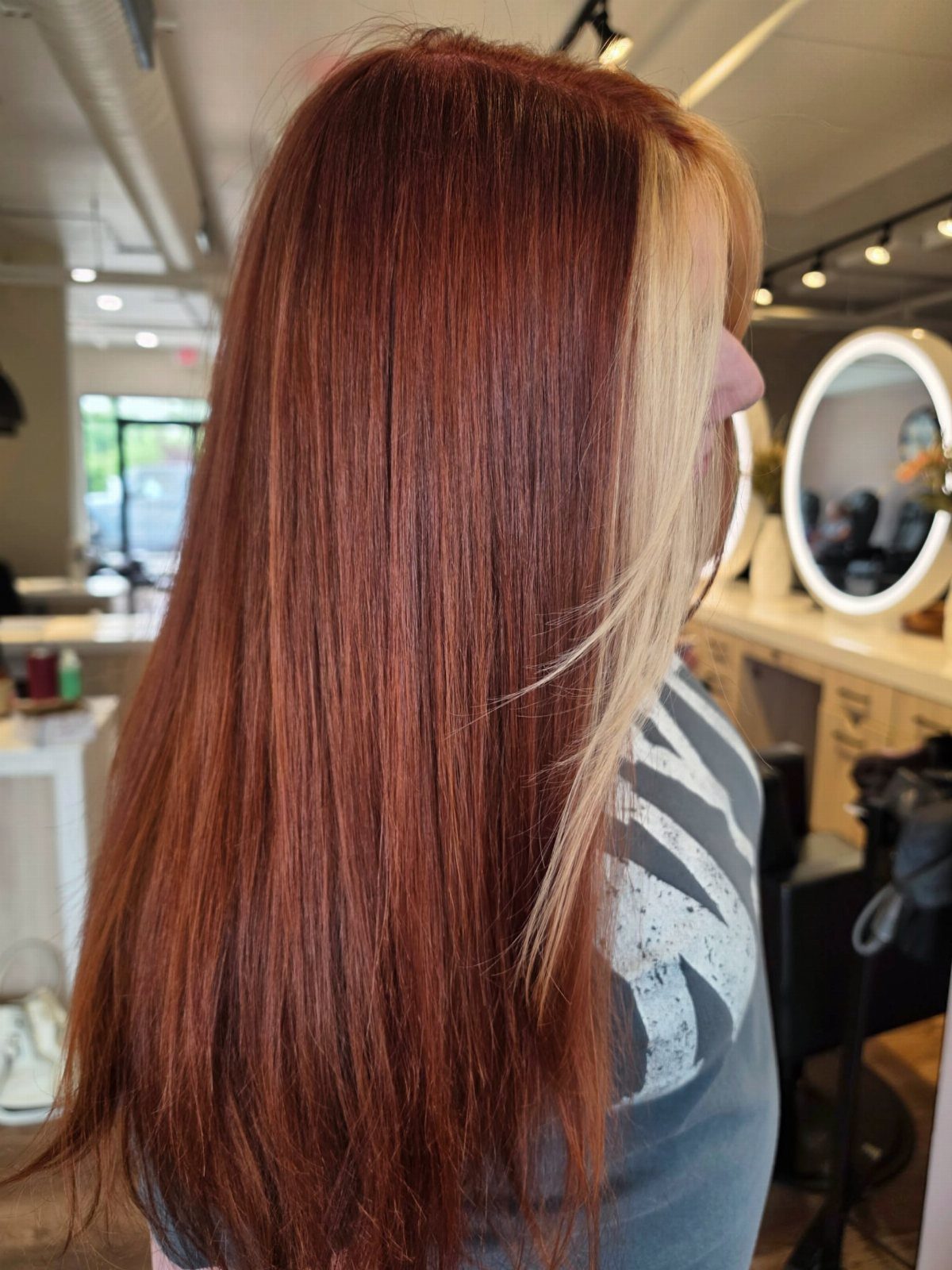
2 tones, clearly separated: a deeper copper-brown through most of the length and a lighter copper section placed to frame the face.
The contrast is the whole design, so it works best when the 2 shades are distinct and not nudged toward each other.
Ask your stylist for the lighter copper as one defined piece, and decide before booking whether you want it blonde-leaning or copper-leaning. Long hair gives the split room to show.
21. True Chocolate Copper Hair
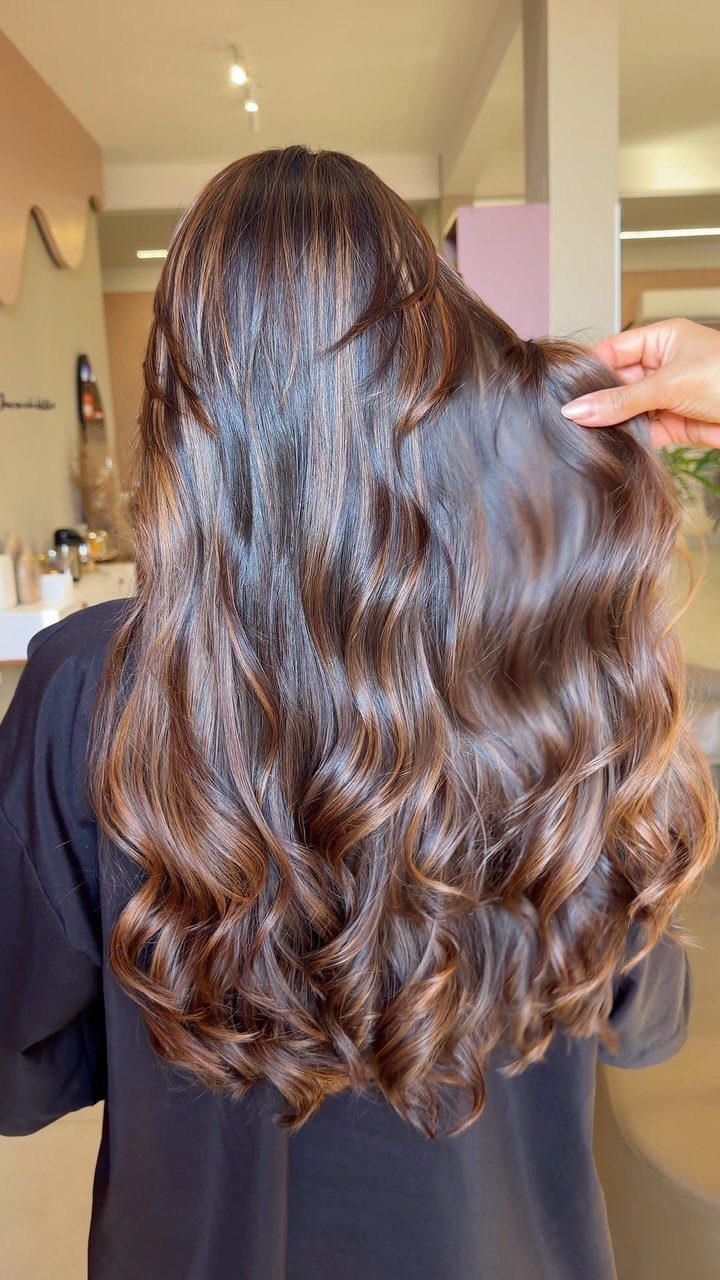
A chocolate base with a spicy hint of chili: that’s the pitch, and it’s why I’d pick this over a brighter copper if you mostly want brown. The copper stays subtle and only flickers through long, wavy lengths.
Use the words "chocolate base" and "subtle copper" together when you book, since "copper" alone can come back much brighter than you intended. Waves help the highlights show without taking over.
22. Pumpkin Spice Hair
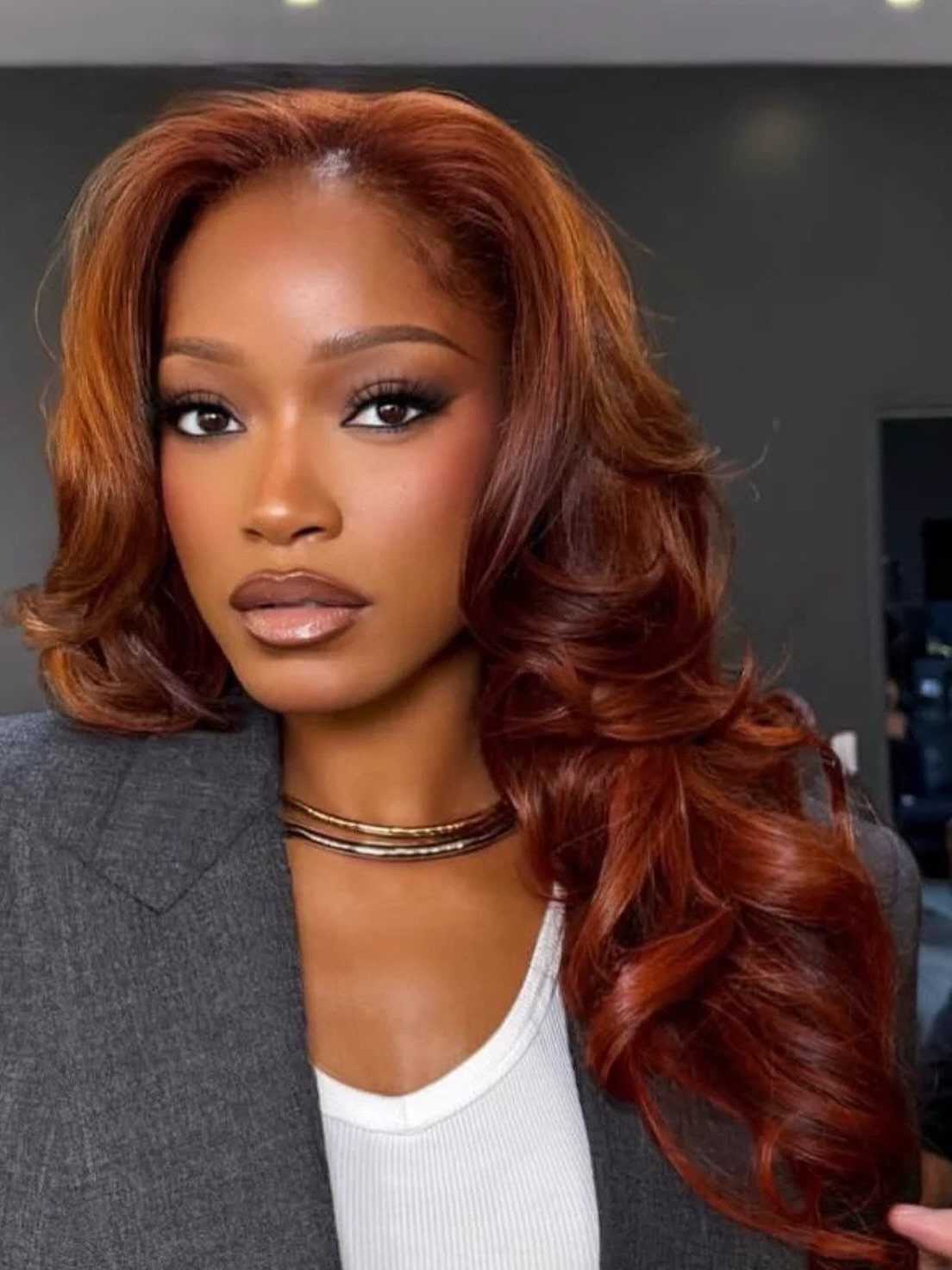
Autumn in a hair color: pumpkin spice is a dimensional copper, with glossy red-orange waves and layered curls adding depth. Layers matter here, since they give the shade different planes to catch light.
Ask for a dimensional copper with warm, spiced tones, and bring a photo so the stylist doesn’t flatten it into one solid orange. Gloss is what makes it look rich, so a shine treatment is worth asking about.
23. Natural Copper Brown

Nature produces this one: a copper that can run anywhere from strawberry blonde to auburn, depending on the person. Long, loose waves suit it, and the color reads as warm daylight, not as a dye job.
If you’re matching it, show your stylist a photo and say where on that strawberry-to-auburn range you want to land. I’d choose it for anyone who wants copper that looks like it grew in.
24. Copper Money Piece
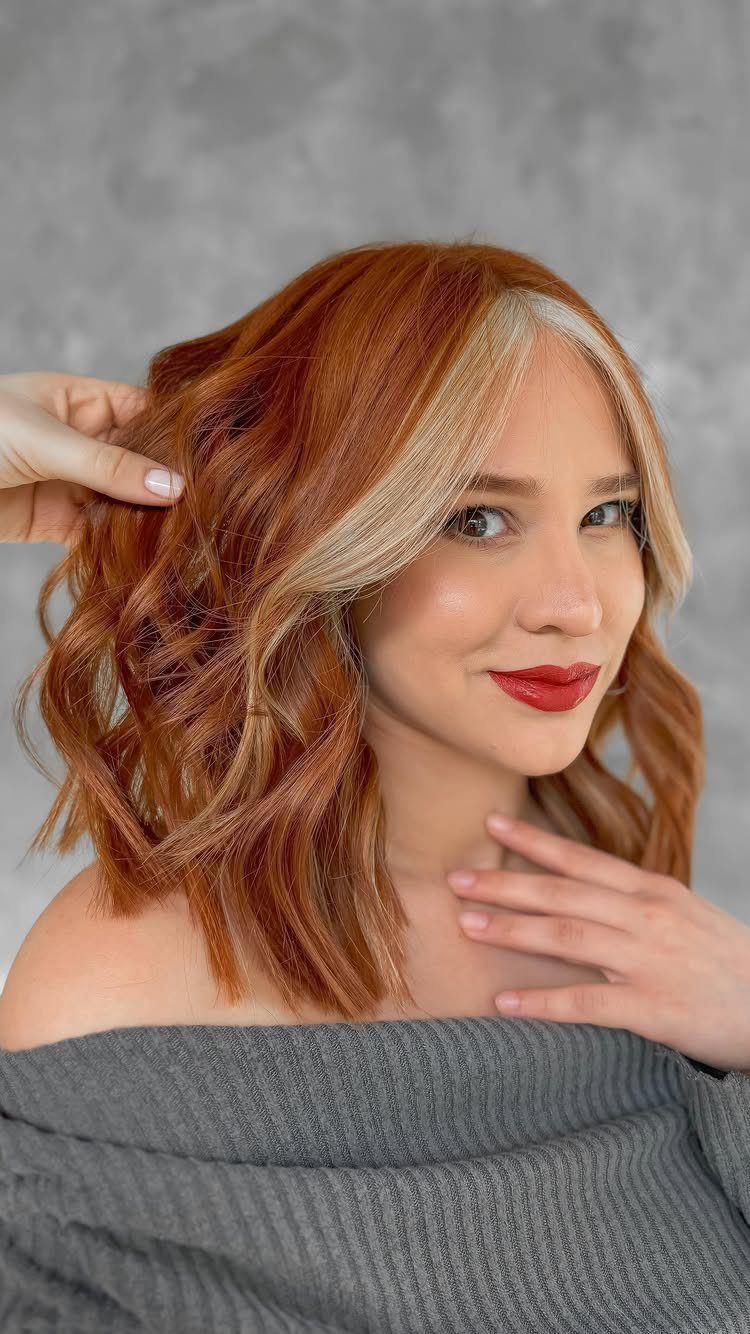
Lighter copper strands framing the face, against a deeper copper-brown through the rest, is the whole idea of a money piece.
The brightness sits right where the eye goes first, which makes it the most efficient place to spend on color.
Keep the brightness confined to the face-framing strands up front, with everything behind them left in the darker base.
Wavy styling helps the contrast show. The color is bright, so I’d book a stylist.
25. Muted Copper
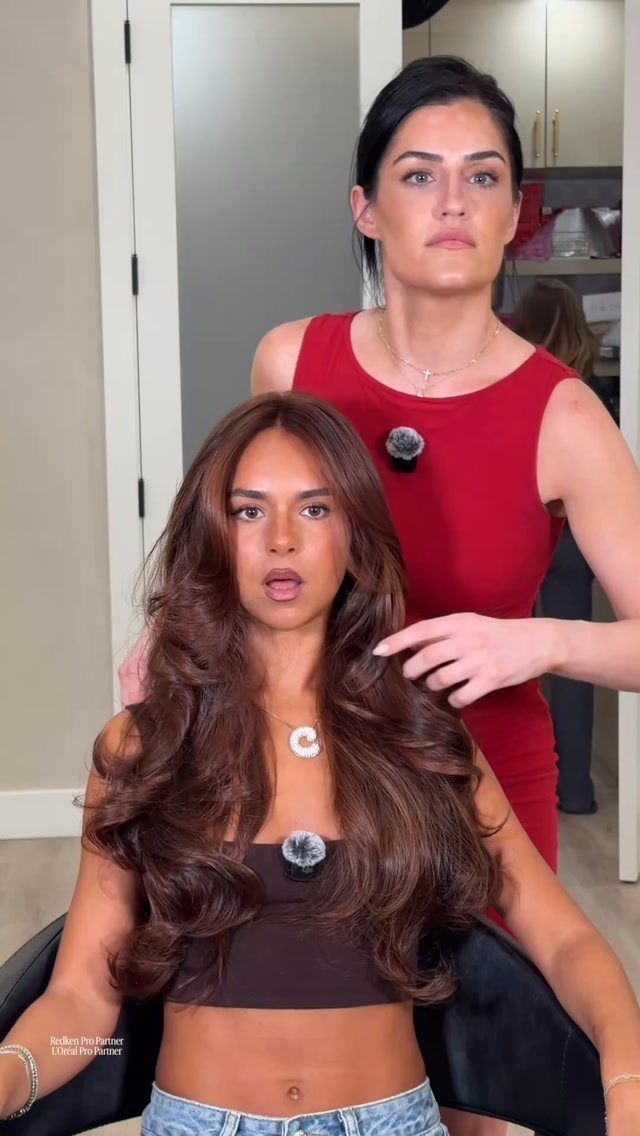
Brown undertones take the edge off this copper, so it reads soft instead of shiny-new. If bright copper feels like a lot of color to live with, this is the version I’d steer you toward.
Ask for copper "toned down with brown" and bring a photo, since a stylist can easily go brighter than you want. Long, loose curls suit it, because the movement lets the copper show without the shade turning loud.
26. Burnt Orange
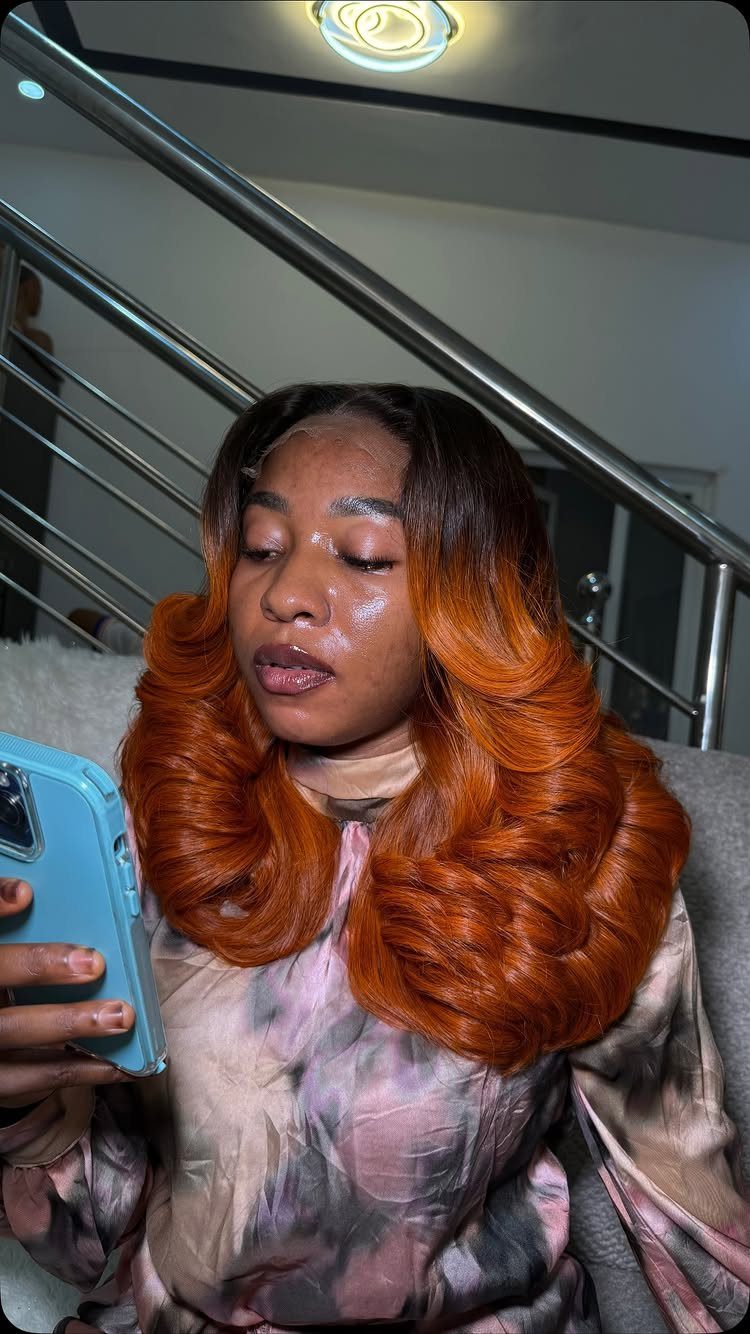
Orange leads here, and that is the whole appeal: a punchy copper that stops pretending to be brown. Fading from burnt orange into brown through the lengths keeps it from looking like one flat block.
Voluminous curls make the shade look richer, since each curl turns a slightly different tone.
Say "burnt orange" when you book, not just "copper," or the result can land much redder. A color this bold is one I’d leave to a stylist.
27. Copper Glass Hair
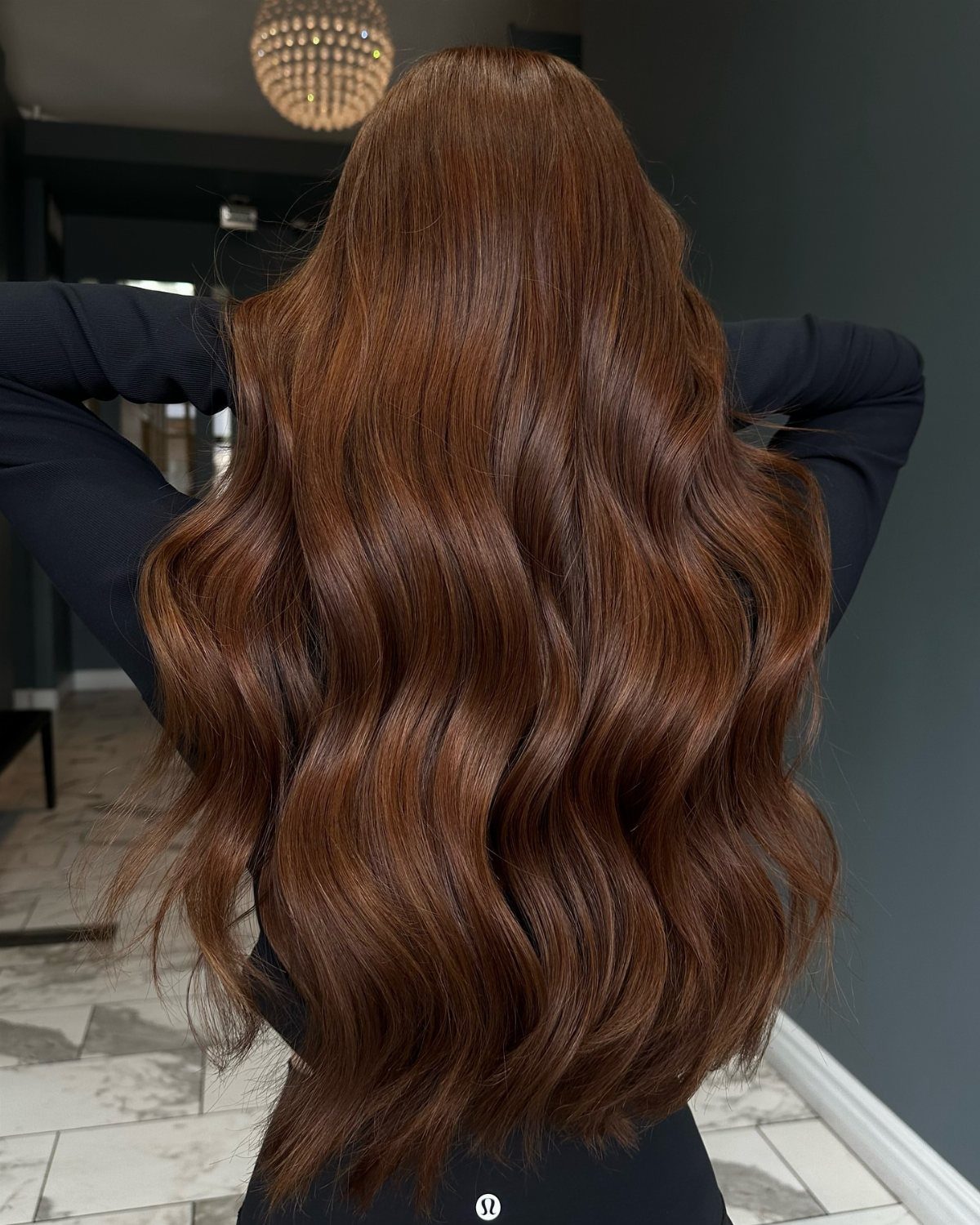
Shine is the headline of copper glass hair: a luminous copper-brown with a finish like a mirror. The color is almost secondary to how much light it throws back.
Long, softly waved lengths let the gloss run uninterrupted from root to end.
Ask your stylist about a glossing treatment along with the color, because the finish matters more here than extra brightness. Smooth the lengths before you style, as rough ends break up the reflection.
28. Dirty Brown Copper
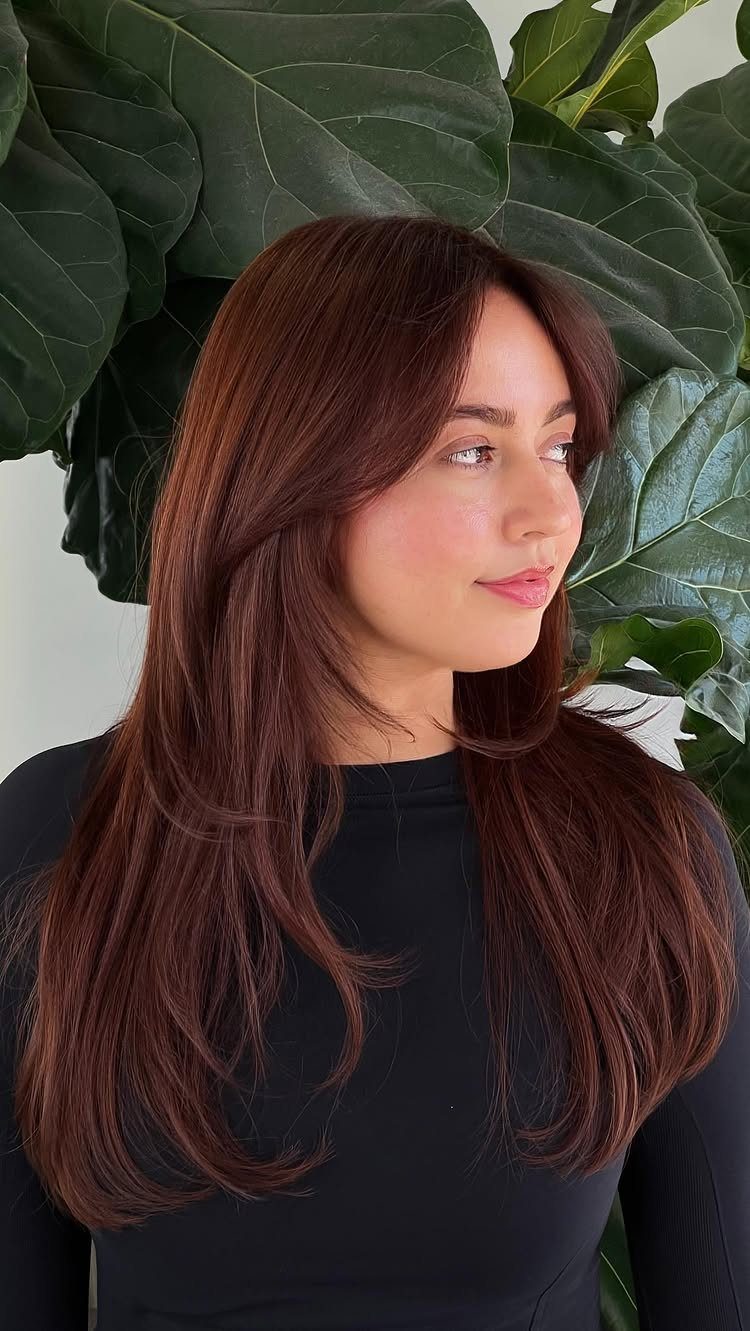
Think of a brown that has picked up copper, with the brown still in charge. Dirty brown copper is the quietest shade on this page, and bangs against long lengths keep it from looking plain.
Because the copper is a lean and not a statement, bring a photo and say "brown-leaning copper."
Without that, it may come back as either a flat brown or a bright copper. It’s an easy shade to wear from morning to night.
29. Maple Brown
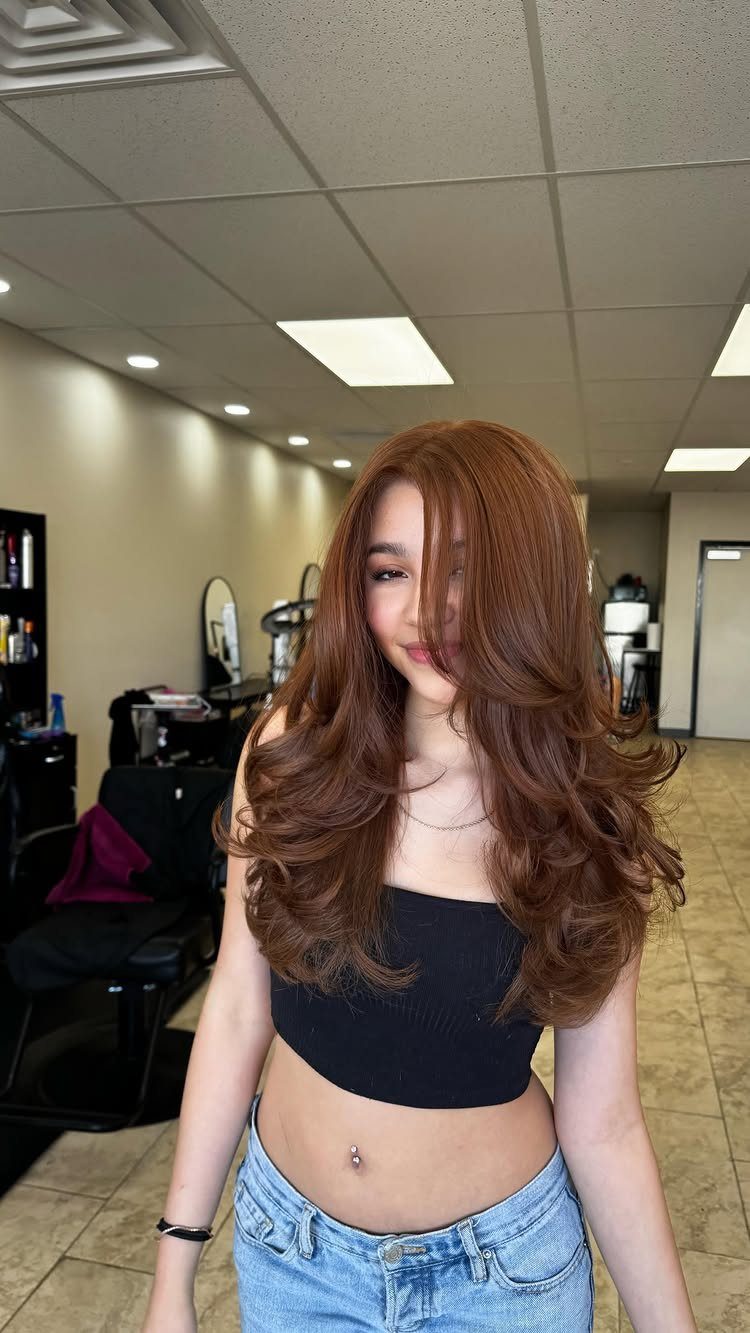
Maple brings a sweet, golden-red warmth to a copper-brown base, a little softer than cinnamon and a little more syrupy than chestnut. Voluminous, wavy lengths show it best.
I’d choose maple if you want copper that reads as warm brown first.
Ask for "maple" by name and bring a photo, since the word means different things to different stylists. Plan on a salon visit to get the tone balanced.
30. Chestnut Copper Brown
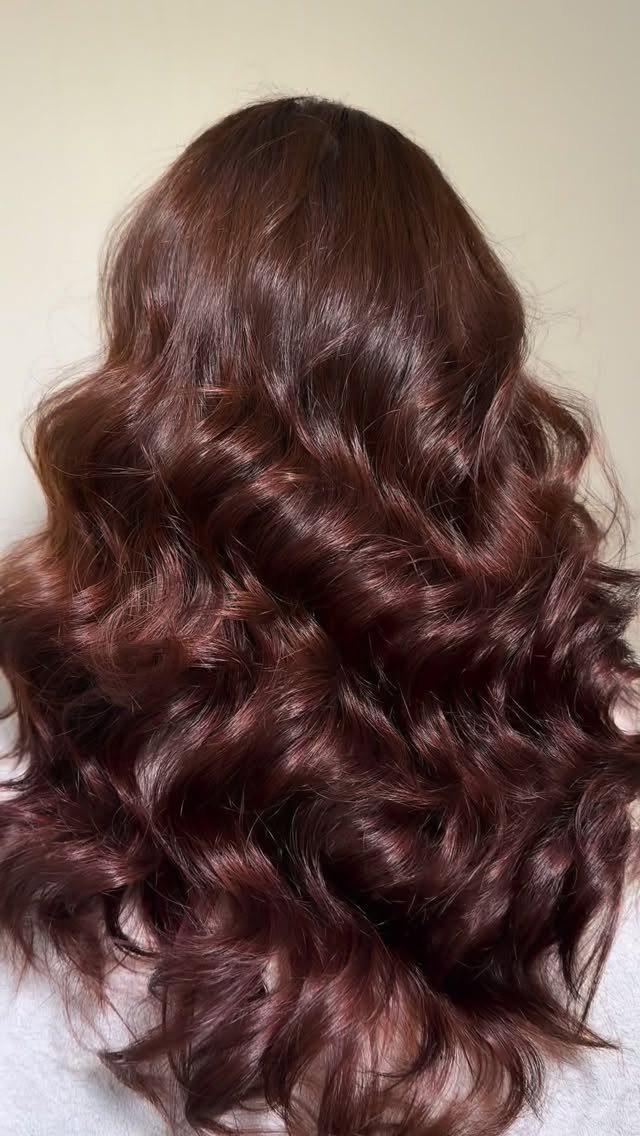
Chestnut copper brown is the subtle end of the list: a chestnut base with copper only showing in certain light. Wavy lengths give those hints something to catch.
It’s the shade I’d suggest for a first step toward copper, since the change is gentle and easy to live with.
Ask for chestnut with "subtle copper tones" so the stylist doesn’t push it toward red. Bring a photo to settle exactly how much warmth you want.
Copper Color Upkeep
Red dye slips out of the hair faster than most other shades do. Copper fades sooner than most colors, and your routine decides how long the shade stays fresh between salon visits.
Start with washing, since every wash costs you color. Washing 2–3 times a week is the ceiling for copper, and a dry shampoo such as Pureology Style + Protect Refresh & Go covers the days between by freshening the roots.
On wash days, a color-extending pair such as Biolage Professional Color Last Shampoo + Conditioner is low pH and paraben-free, so it cleans without stripping.
Add a deep conditioning treatment once a week, plus shine-boosting care and a copper-tinted treatment to top up the tone.
If you use hot tools, apply a thermal protector like Redken Iron Shape 11 first, and cut back on heat where you can. A smooth cuticle holds dye in better.
Lightening and Hair Condition
Any copper that starts with lightening carries a damage risk, even in a professional’s hands. Bleach weakens the bonds inside the hair, so build repair into your routine from the first week.
A bond-repair shampoo and conditioner is the easiest swap.
L’Oréal Paris EverPure Sulfate Free Bond Repair+ is one pair that cleans without stripping color. For heavier damage, add a pre-shampoo bond treatment, or a rinse-off option like Redken Acidic Bonding Concentrate Intensive Treatment.
Since a bond-strengthening pre-lightener is meant to reduce breakage while the hair is lifted, ask your stylist before the appointment whether they use one. Deep conditioning on top of that helps brittle strands recover.
Choosing Shades by Skin Tone
2 things pick the shade for you: skin tone sets the depth, and undertone sets the warmth.
Fair complexions tend to do best with a brighter, redder copper, because the contrast sets the color apart and plays up the natural pink underneath.
Olive to deep skin tends to look better in richer, darker coppers that pick up its own undertones.
For warmth, match like with like. Warm undertones suit golden or gingery hues, and cool undertones suit muted reddish browns.
When the two point in different directions, such as fair skin with a cool undertone, I’d let undertone decide the tone and use skin depth to set how bright to go.
Your wrist gives a quick read on undertone: veins that look blue point to cool, and veins that look green point to warm.
Frequently Asked Questions
What skin tone suits copper brown hair?
Golden, ginger-leaning coppers flatter warm undertones, while cool undertones sit better with a deeper, brownish copper that has less orange in it.
Lighter skin pairs well with brighter, redder coppers, and olive to deeper skin with richer, darker ones like copper brown.
A stylist can adjust the tone to your current color and undertone, so a photo of your closest match counts for more than any rule.
If you can’t tell your undertone, greenish wrist veins point warm, bluish ones point cool, and a mix means neutral.
Is copper brown hair attractive?
Yes, and I’d call it the most wearable copper for everyday life.
The brown base keeps the color rich instead of loud, while the red-gold warmth adds glow near the face. A stylist can adjust the tone to your undertone, which is why it suits such a wide range of complexions.
What is the difference between auburn and copper hair color?
Auburn is built from red, brown and ginger pigments with deeper crimson undertones. Copper skews red-orange and more golden, which makes it brighter than auburn and slightly cooler and deeper than ginger.
Auburn leans red-brown and copper leans orange, but the line between them blurs fast, so a saved photo will serve you better than a color name when you book.
Is copper hair hard to keep up?
Yes, a bit more than most shades: red pigment fades quickly, so copper loses its glow sooner than a plain brown would.
Keep washing to 2–3 times a week at most; between washes, Pureology Style + Protect Refresh & Go dry shampoo handles the roots, and on wash days a low-pH, paraben-free color-care pair like Biolage Professional Color Last helps the shade hold.
Mist Redken Iron Shape 11 on before any flat iron or blow dryer, and once a week add a deep conditioner and a gloss to keep the shine and tone up.