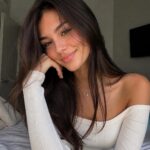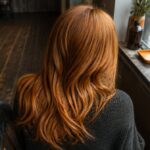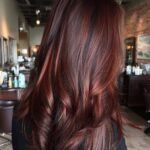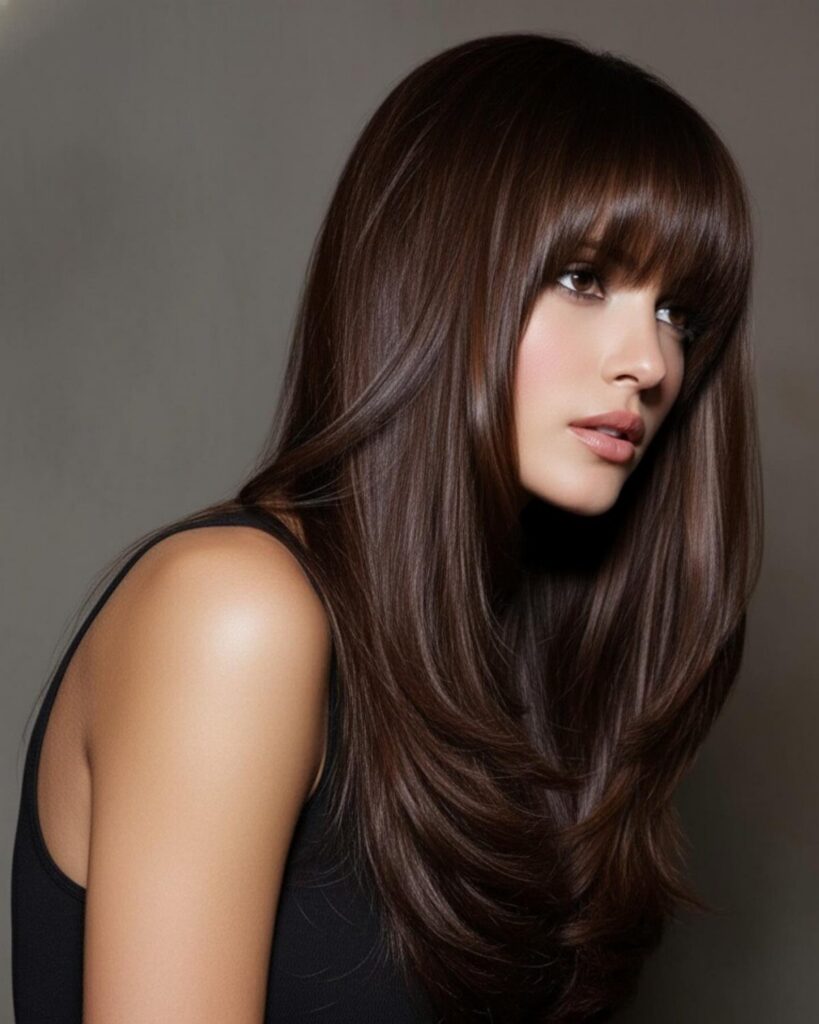
Cool undertones pair best with ashy browns like Mushroom Brown and Cool Smoke, while warm skin usually looks richer in the red or golden notes of Mahogany Brown and Honey Brown.
The range runs from classic brunette, one glossy shade with no pattern to grow out of, to salon-only blends like ash bronde and sandy beige bronde.
Neutral undertones can wear nearly any of them, so with that skin I would choose on upkeep and mood.
1. Espresso Brown
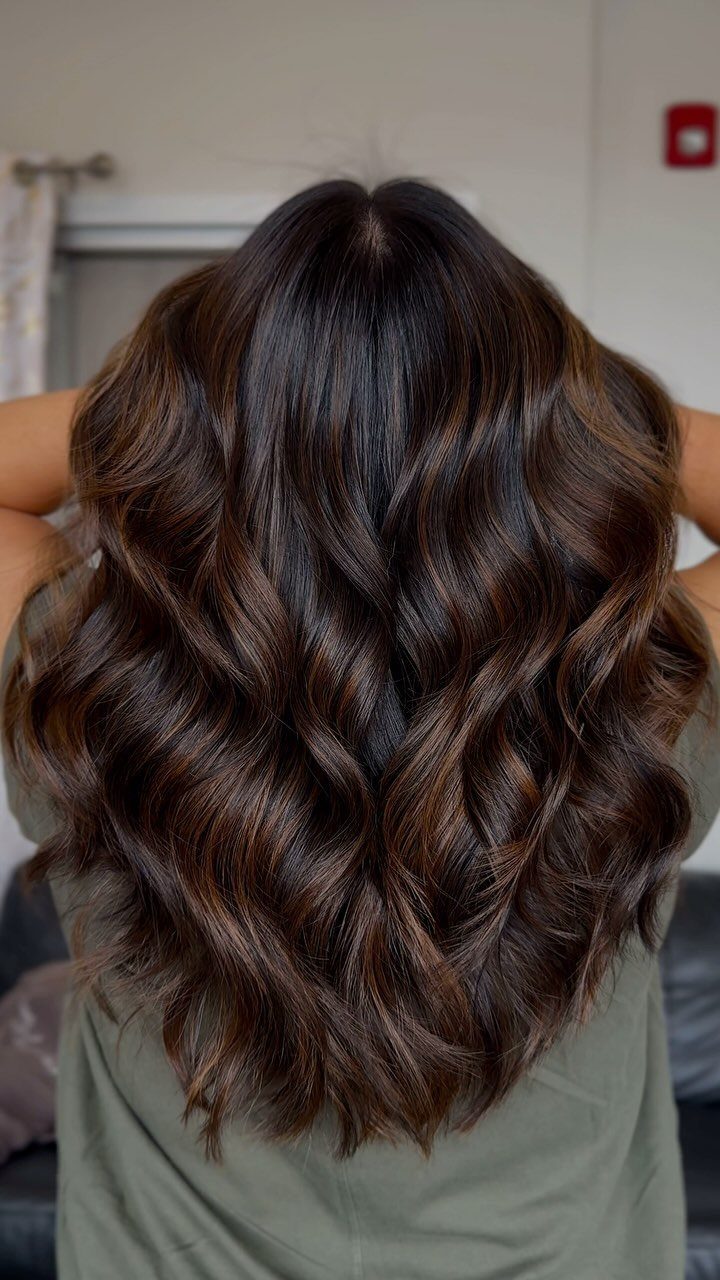
Espresso is the darkest brunette I would pick when black feels too flat.
In loose, glossy waves like these, the color reads as deep coffee instead of a solid block, and any low-contrast dimension appears as a soft shift from roots to ends.
Ask a stylist for espresso with subtle warmth or tonal highlights so the shade keeps some movement. One flat dark color can look heavy, especially on long hair.
2. Mushroom Brown
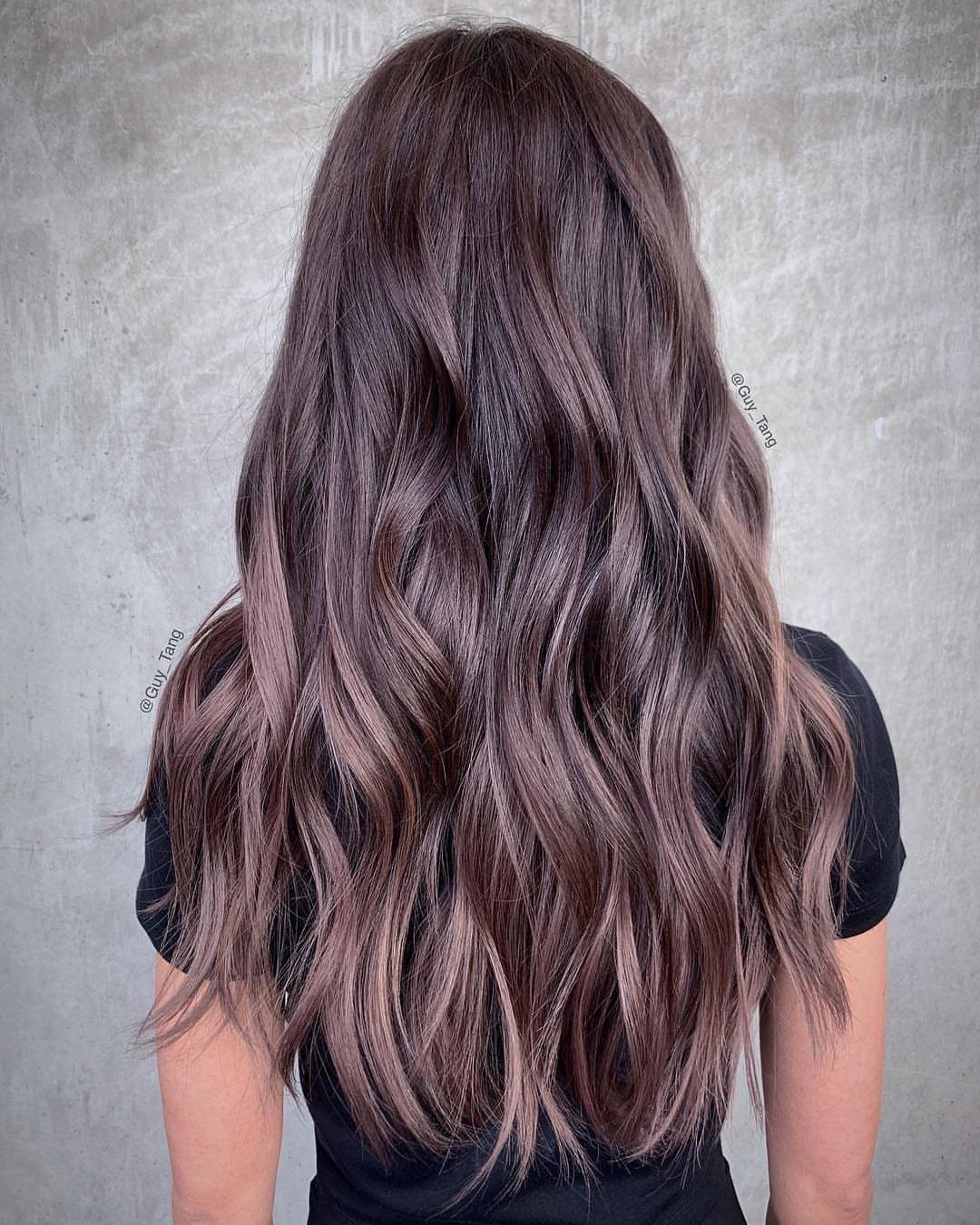
Golden and red tones can feel too sweet to some people, and mushroom brown is the answer for them.
The silvery, ashy dimension running through dark brown gives it a cool, earthy finish, and wavy texture lets those cooler pieces show.
I like it best when the base stays dark and the ash is kept soft. Request mushroom or cool ash-brown with those exact words and carry a photo, because the line between smoky and muddy is thin.
3. Golden Brown
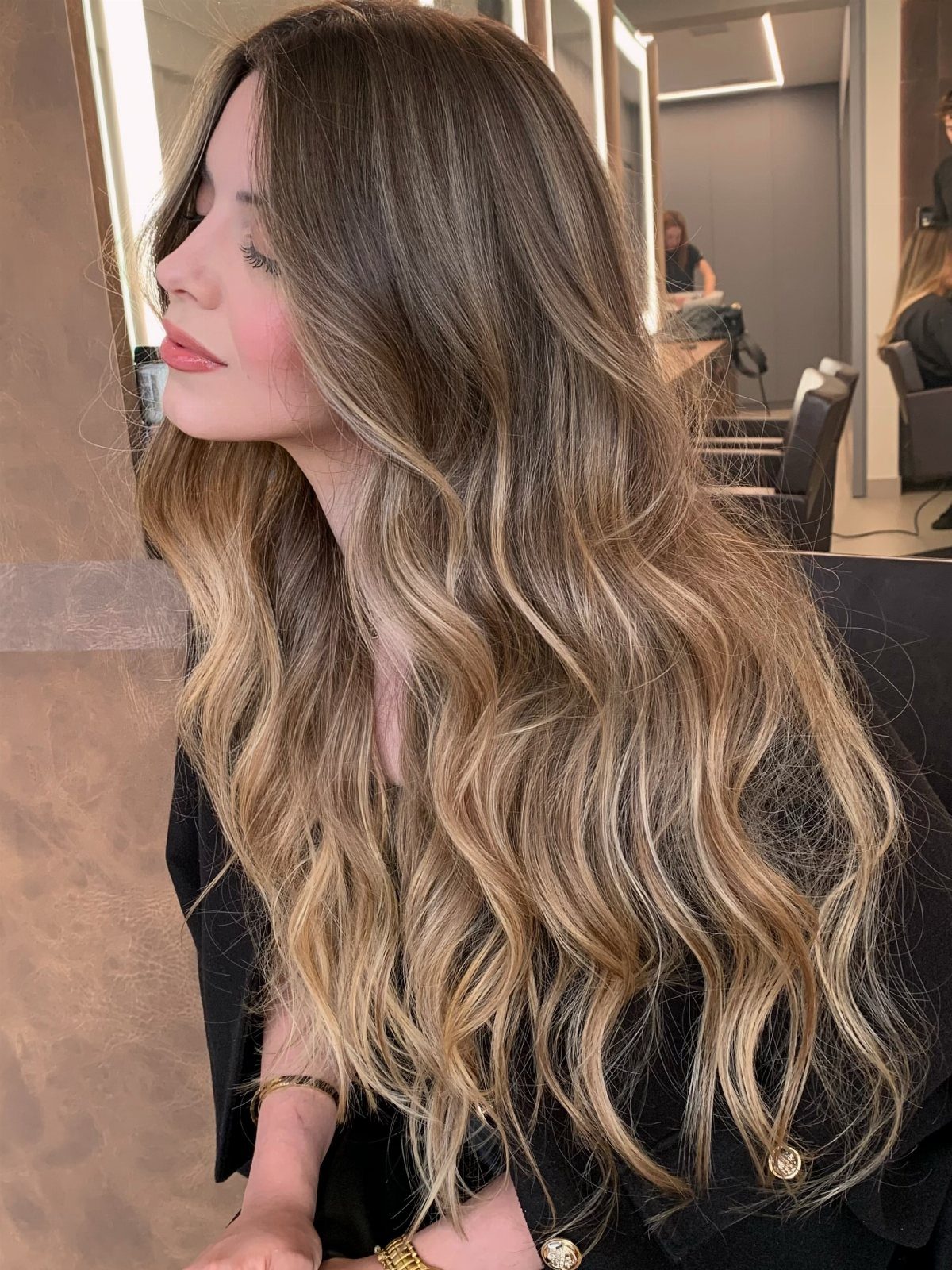
Golden brown puts warmth into brunette without turning it blonde. Honey-toned highlights through a brown base catch light, and on long waves they give the hair a glow that plain brown lacks.
I would ask for it as a highlight mix instead of one solid shade, since the variation is what reads as gold.
If you color at home, a box can match the base, but the highlights are better left to a salon.
4. Chocolate Brown
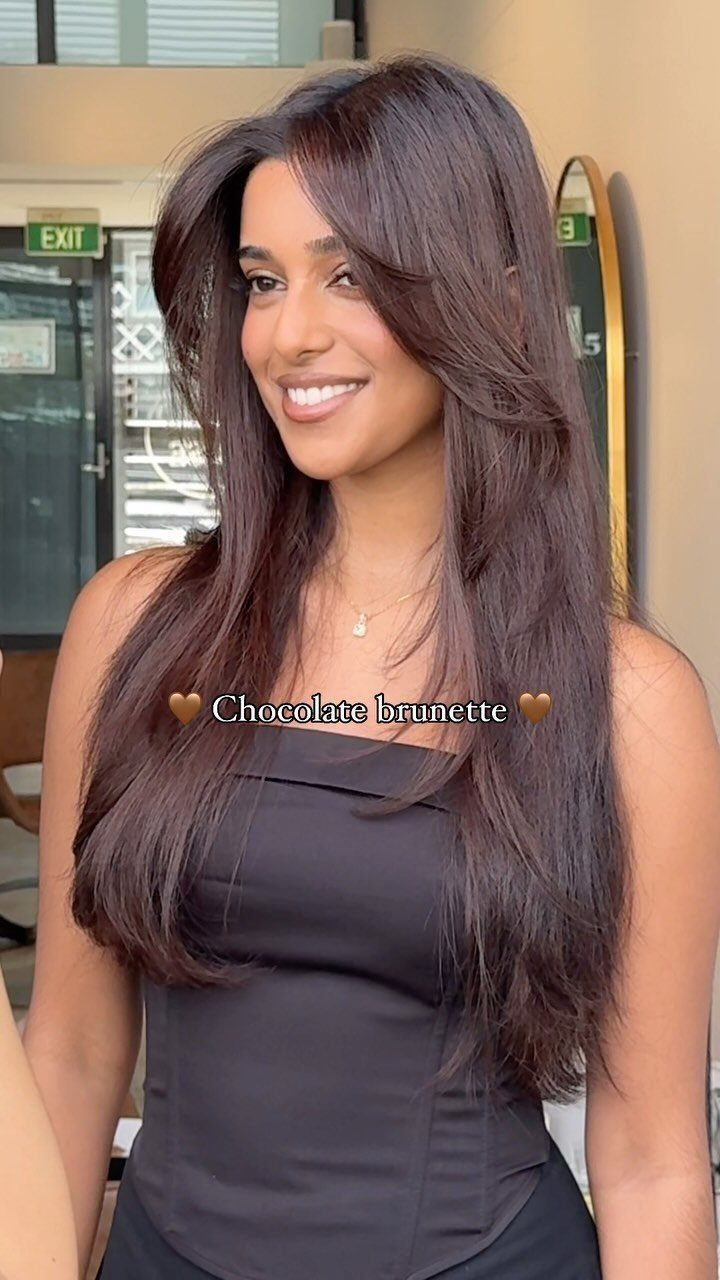
A true chocolate brunette sits between black-brown and caramel: rich and deep without going harsh. Cool or neutral versions look expensive in long hair, and a few reddish highlights add warmth when the color needs a little life.
For me, chocolate is the safest brown to request, since stylists know it on sight. Say "chocolate brown" and add whether you’d like it cooler or with a hint of red.
5. Bronde Balayage
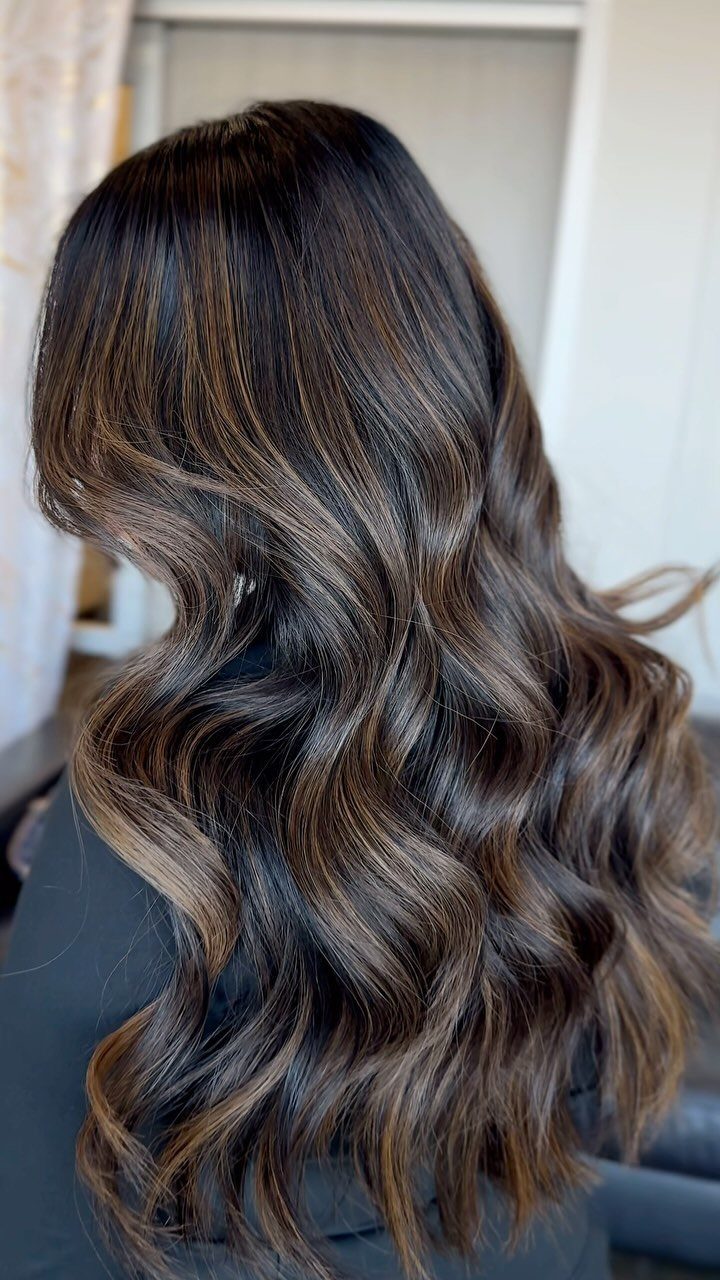
Dark roots do most of the work in bronde balayage. They keep the grow-out easy, while the blonde pieces are painted on by hand and blended softly into the brown, so there is no hard line at the top.
Expect a salon service; the blend is difficult to copy at home. My pick here is for the woman who wants blonde without committing to a full head of it.
6. Copper Brown
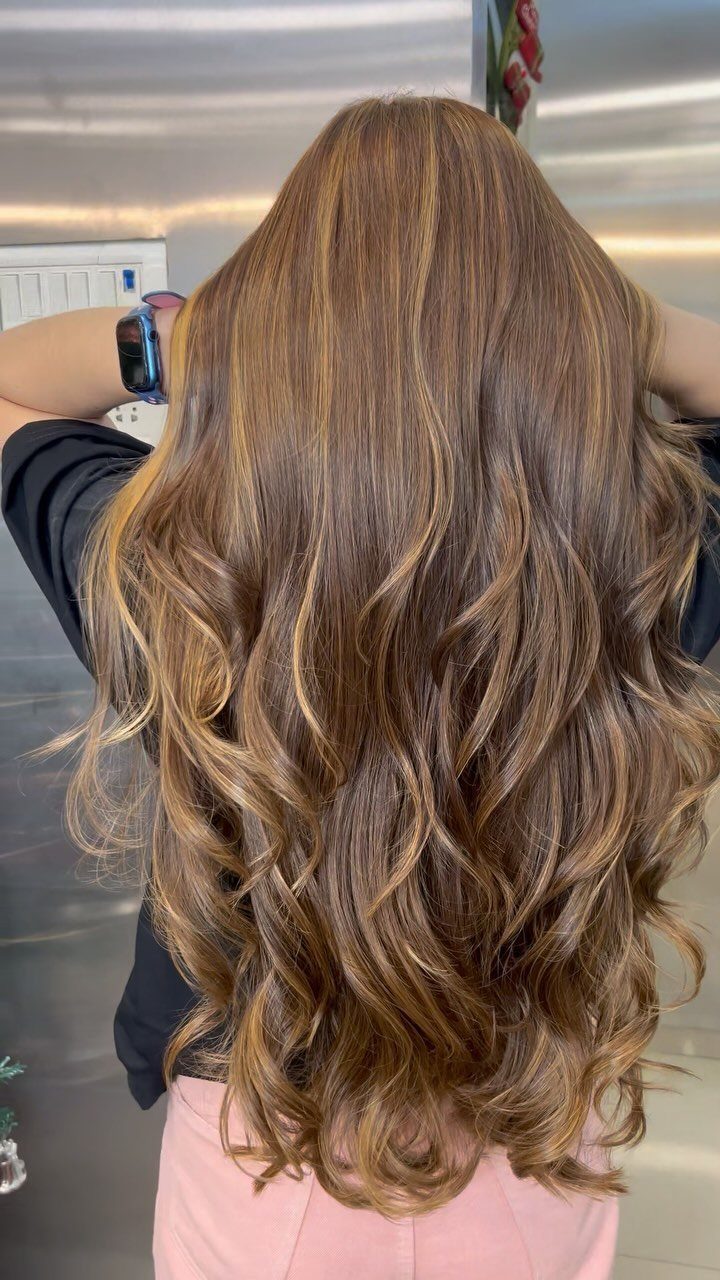
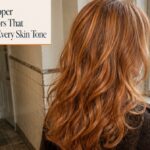
Brown hair with a copper cast is a small change that looks bigger in the light. On glossy curls, the reddish tones show up as warmth through the lengths, while the base stays brown.
Ask for copper-brown, not copper, so the stylist keeps the depth. That wording matters: copper alone can swing to bright orange-red, and this look works because it stays a brunette first.
7. Chestnut Brown
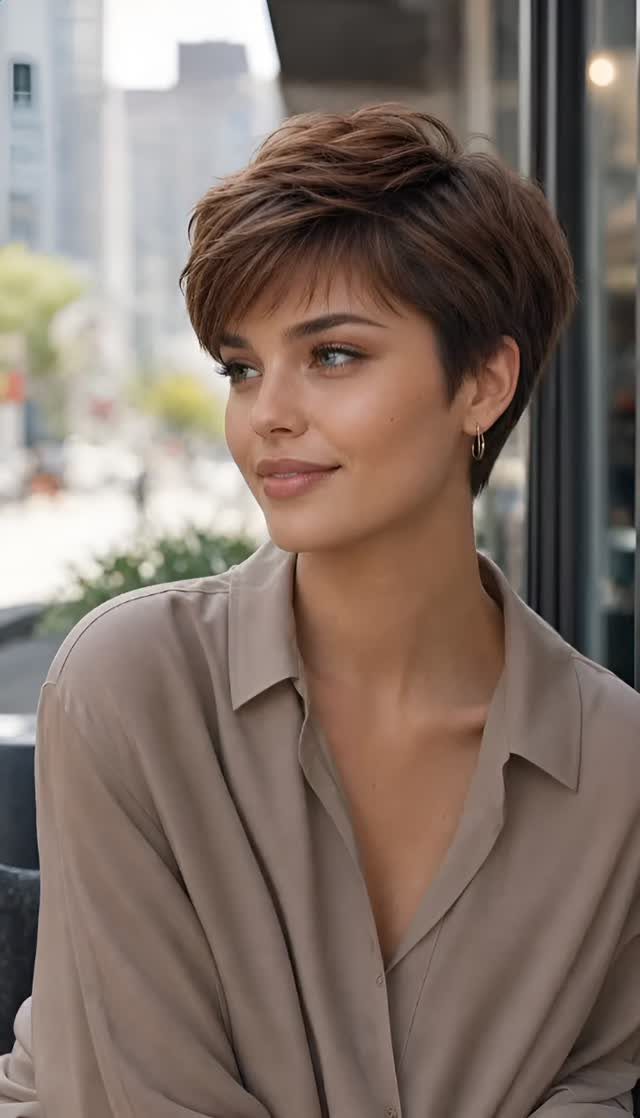
Chestnut works especially well on short cuts like a pixie, because its warm, mid-depth tone adds dimension even when there is little length to carry the color.
The soft highlights here add brightness at the crown, where a cut this short catches the most light.
Chestnut sits easily between dark brown and golden, so you can push it warmer or brighter with highlights. Ask for chestnut with fine, soft highlights, and bring a photo to settle how bright you want them.
8. Cool Smoke
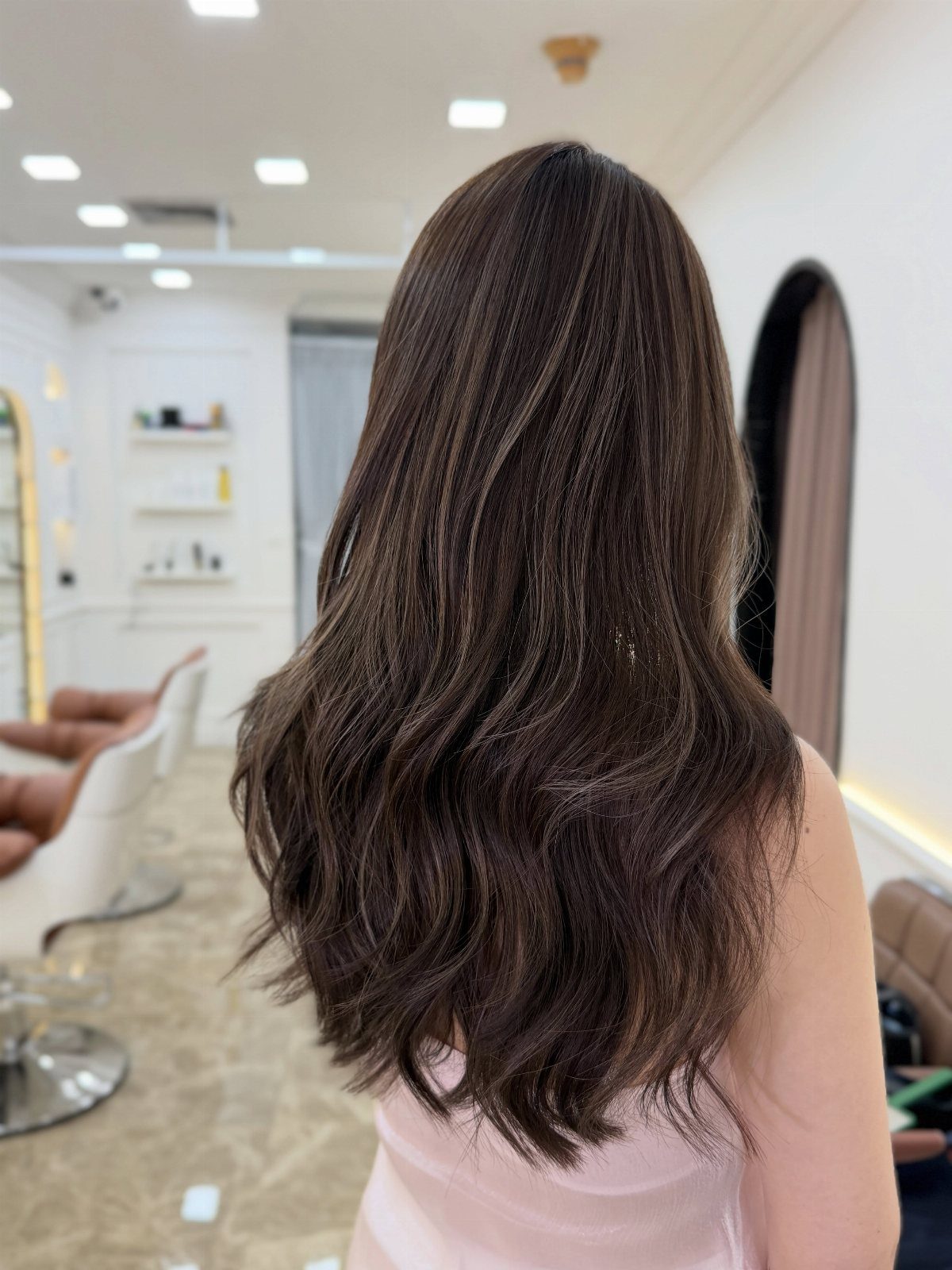
Smoke is a brunette with the warmth taken out. Long waves in muted, cool-toned dark brown look almost metallic where the light hits, and the subtle highlights keep the color from going flat.
I would ask for "cool smoky brunette" and show a photo, since words like smoky and ash mean different things to different stylists.
Keep the base deep. Pull it too light and the smoke turns gray.
9. Cherry Cola
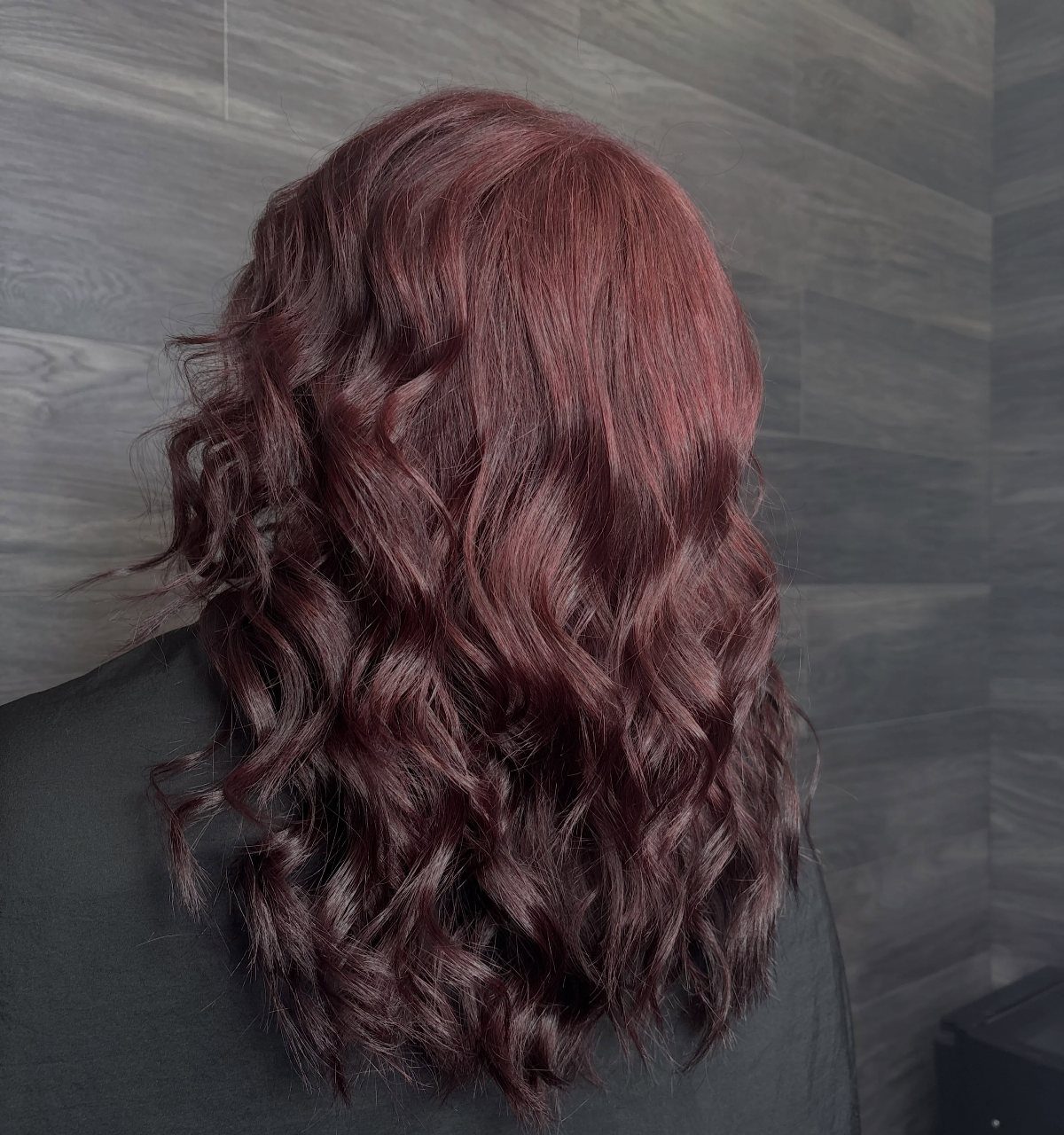
Cherry cola is dark brunette with a red glint that only shows when the hair moves. On shoulder-length waves, the burgundy and cherry-red accents stay glossy and sit inside the brown instead of on top of it.
It suits anyone who likes dark hair but wants a color that is not plain. Ask for a brunette base with cherry accents, not a red overall, so the depth stays.
10. Honey Brown
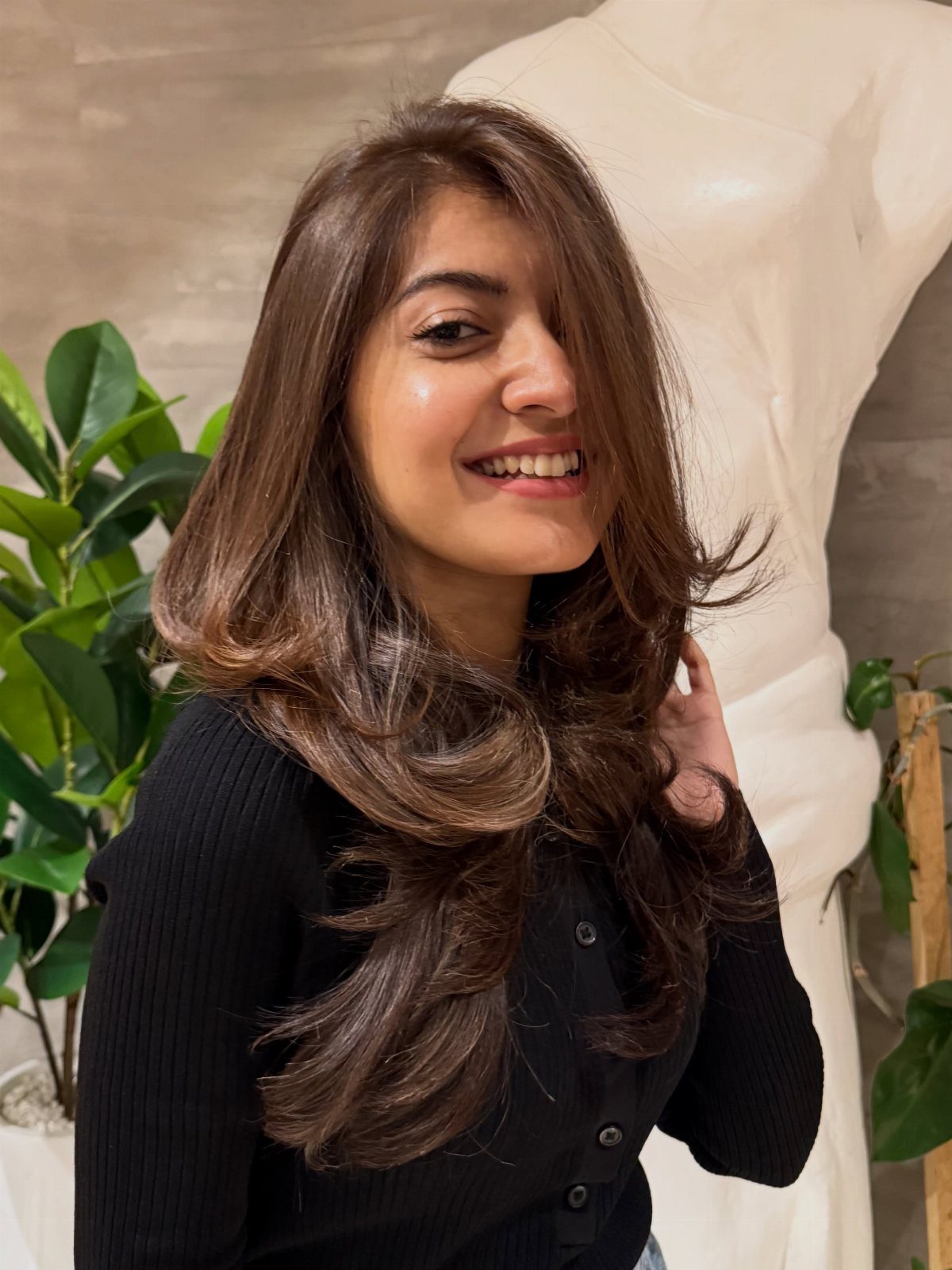
Honey brown is where I send people who find golden brown too light and plain brown too quiet. Layers help here, because each cut edge catches the honey-colored highlights and spreads the warmth through the lengths.
Ask for honey tones on a warm brown base, and say how close to the base you want them. Tone-on-tone highlights read soft; a bigger jump in shade reads brighter.
11. Brown Ombre
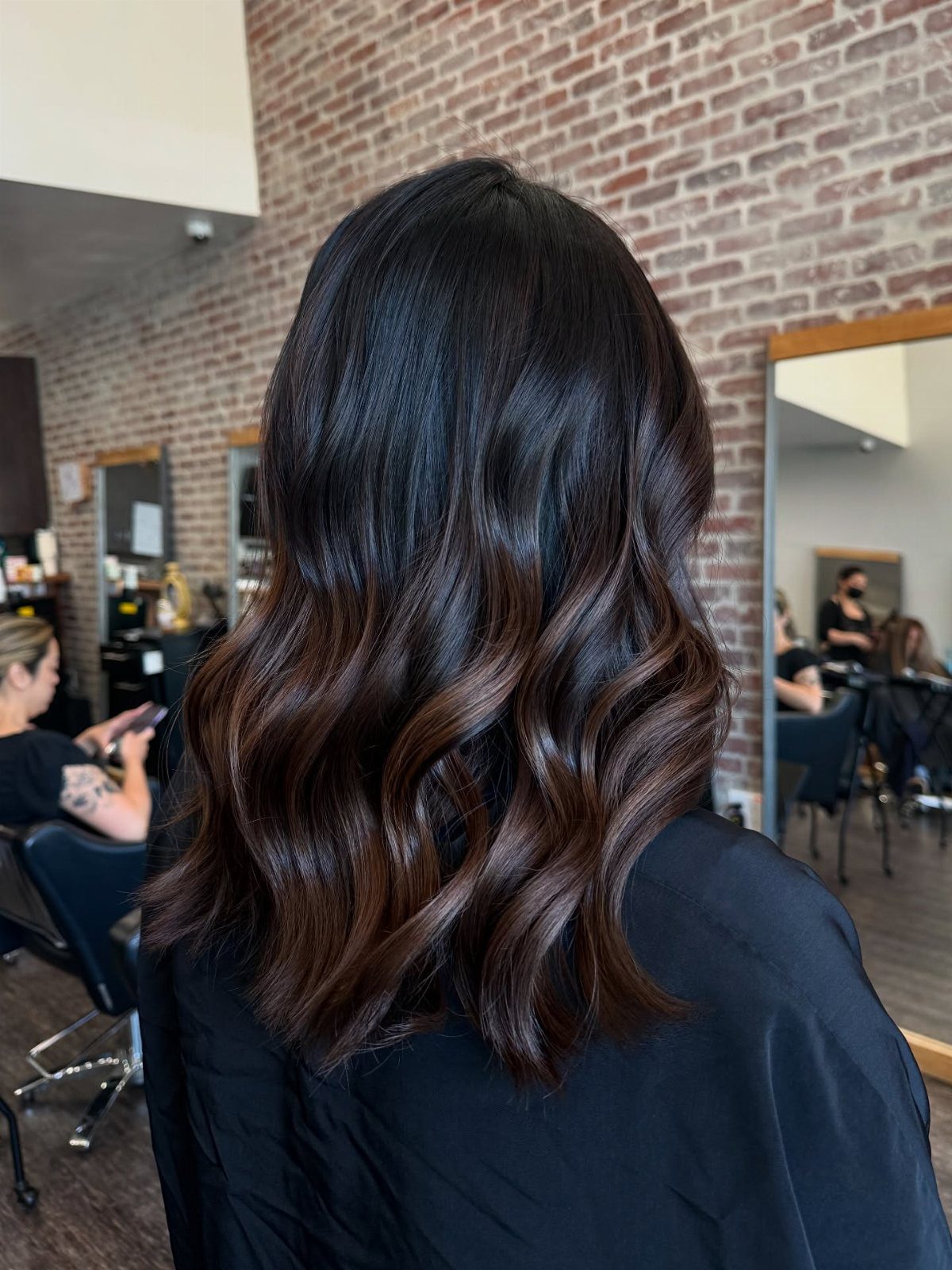
A brown ombre keeps the roots dark and lets the ends drift lighter, so growth never shows as a line.
In long waves, the fade from dark brown to lighter brown ends stays gentle, and the movement of the wave hides the transition.
I like this one for anyone who wants a lighter finish without a big commitment. Ask for the blend to be subtle and the ends only a step or two lighter than the base.
12. Honey Latte Ombré
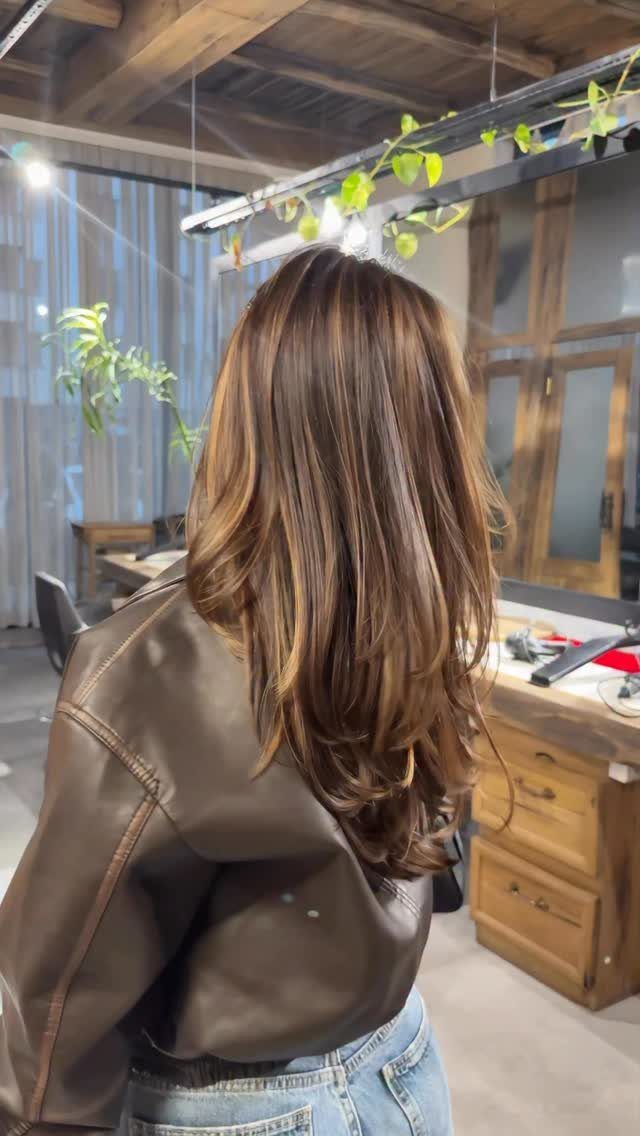
Honey latte ombré is a brown that warms slowly toward the ends, with honey-blonde pieces running through long layers. It is softer than a standard ombré because the lighter dimension never turns into a solid band.
Request a warm brown base with honey-blonde highlights blended toward the ends, and show a photo of the lightness you want. I would not color the lightest parts at home; a salon handles that blend better.
13. Warm-Toned Brunette Pieces
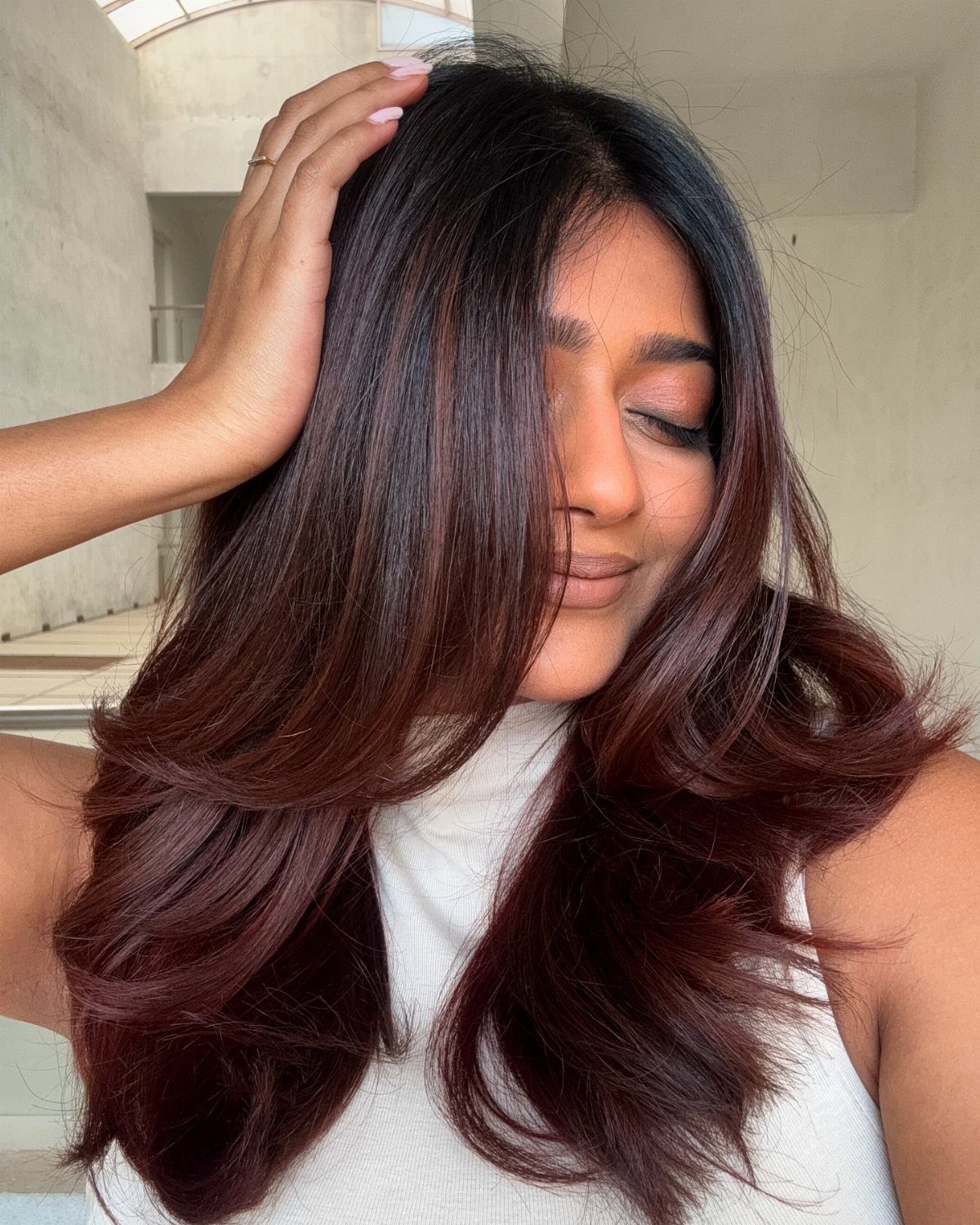
Brunette hair with a few warm reddish-brown pieces keeps its depth and still shows some life when the light moves. Layers help here, since each layer carries a piece of warmth instead of one flat stripe.
I prefer this over a full red cast for anyone who wants her brown to stay brown. Ask for a few warm reddish-brown pieces, placed lightly, and bring a photo so the stylist knows how subtle you mean.
14. Dimensional Mocha
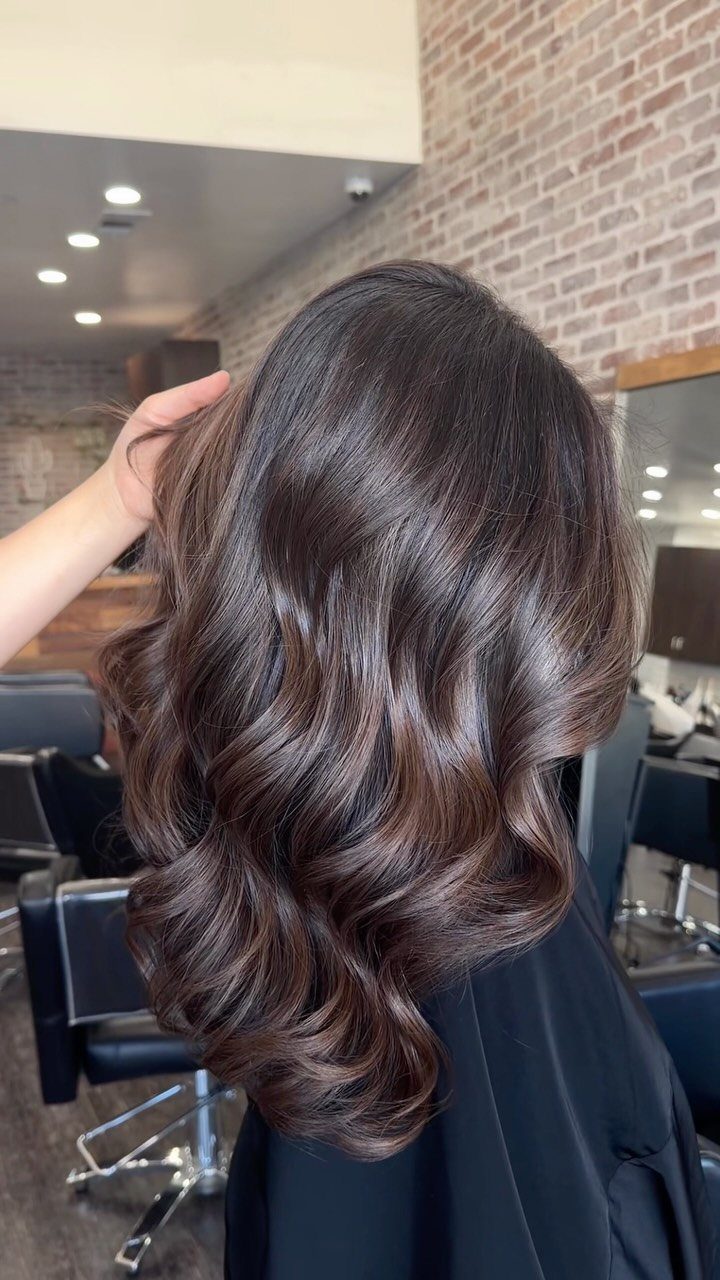
Mocha sits a shade softer than espresso, and the dimension is what makes it look expensive. Glossy brown highlights through wavy hair give the color some depth, so it never reads as a single dark block.
Ask for mocha brunette with dimensional brown highlights, not just "dark brown," because plain dark brown gets you one flat shade.
A salon is the better route for this one, since the highlights need to sit close in tone to look natural.
15. Neutral Brunette Balayage
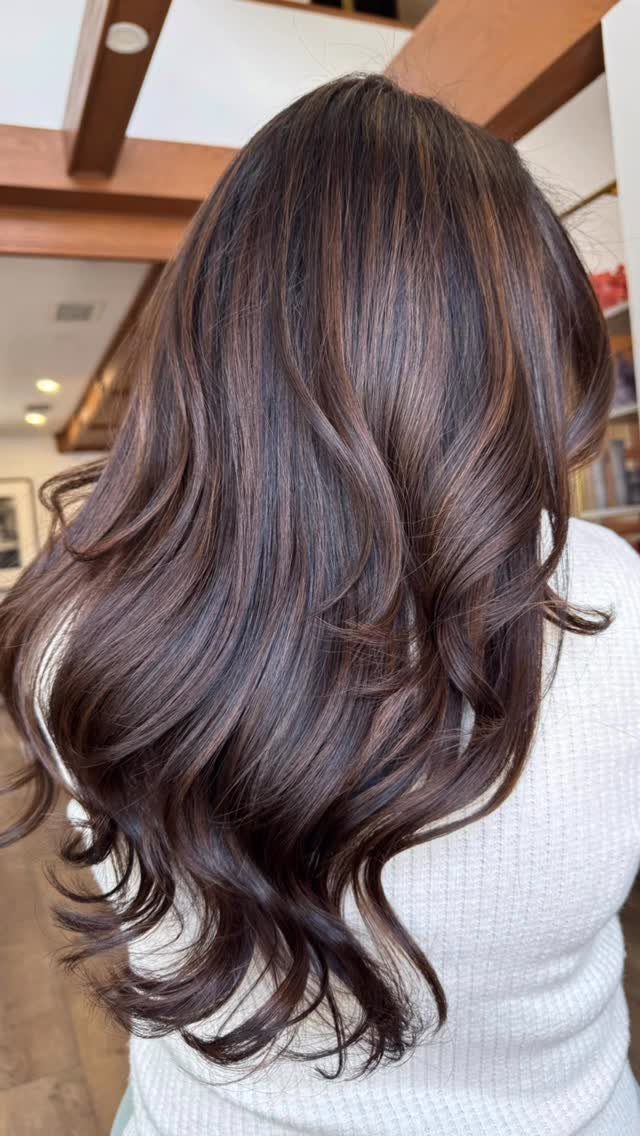
Hand-painted ribbons of lighter brown over a dark base give the sun-kissed look without any blonde. Loose curls suit it well, because every bend shows a different stripe.
I would choose this for a first dimensional color, since the lighter pieces sit close to the base and the grow-out stays quiet.
Ask for neutral brunette balayage and say you want lighter brown, not blonde. Painting the pieces by hand is salon work.
16. Ash Bronde
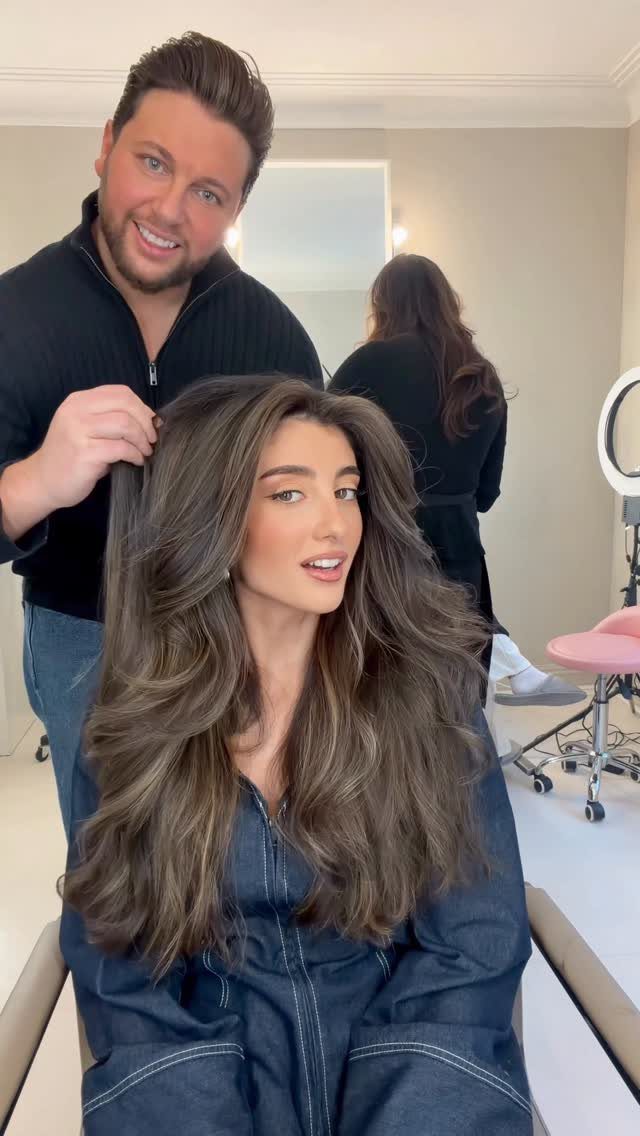
Ash bronde is brunette with cool blonde ribbons, and the ashy undertone is what separates it from warmer bronde shades like caramel or honey. The brown keeps it grounded while the blonde stays pale and silvery instead of golden.
Cool tones go flat quickly if the base is too light, so I would keep the brown fairly deep.
Ask for "ash bronde" and bring a photo, because stylists read ash differently. This is a salon color.
17. Mahogany Brown
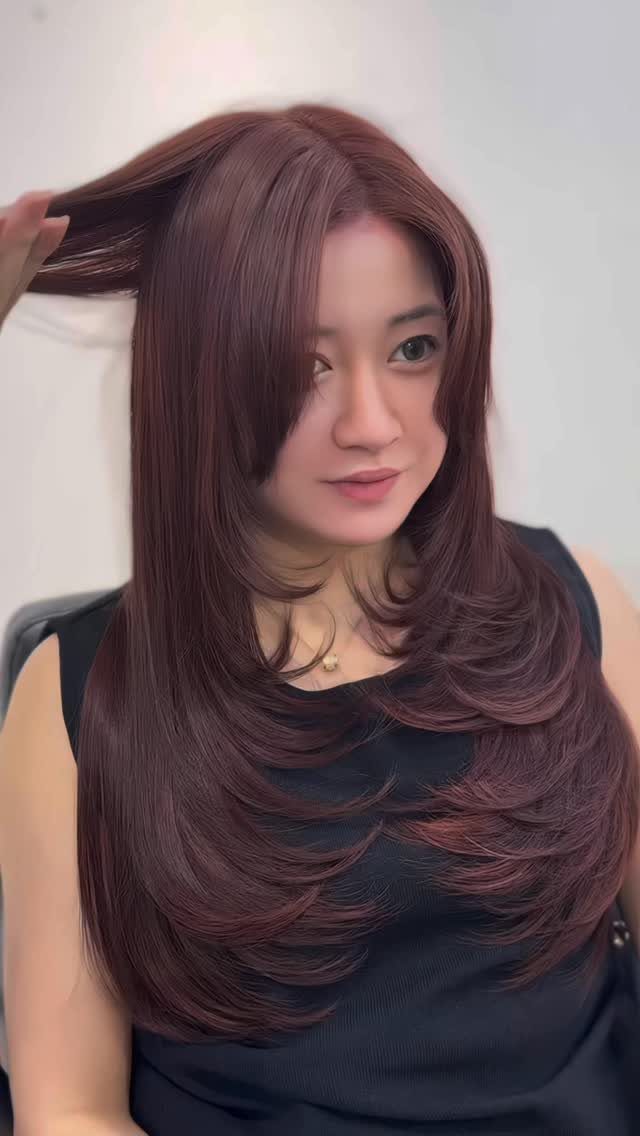
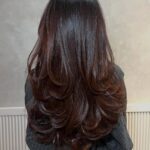
Mahogany is brown with red worked into the base, giving long layers a rich, wine-tinged glow instead of a bright pop. The cast shows most on a smooth, layered cut like this, where the color falls evenly.
I like it for anyone who finds copper too loud but wants more than plain brown. Ask for mahogany brown with a reddish cast, and show a photo so the red stays deep and not bright.
18. Dark Suede
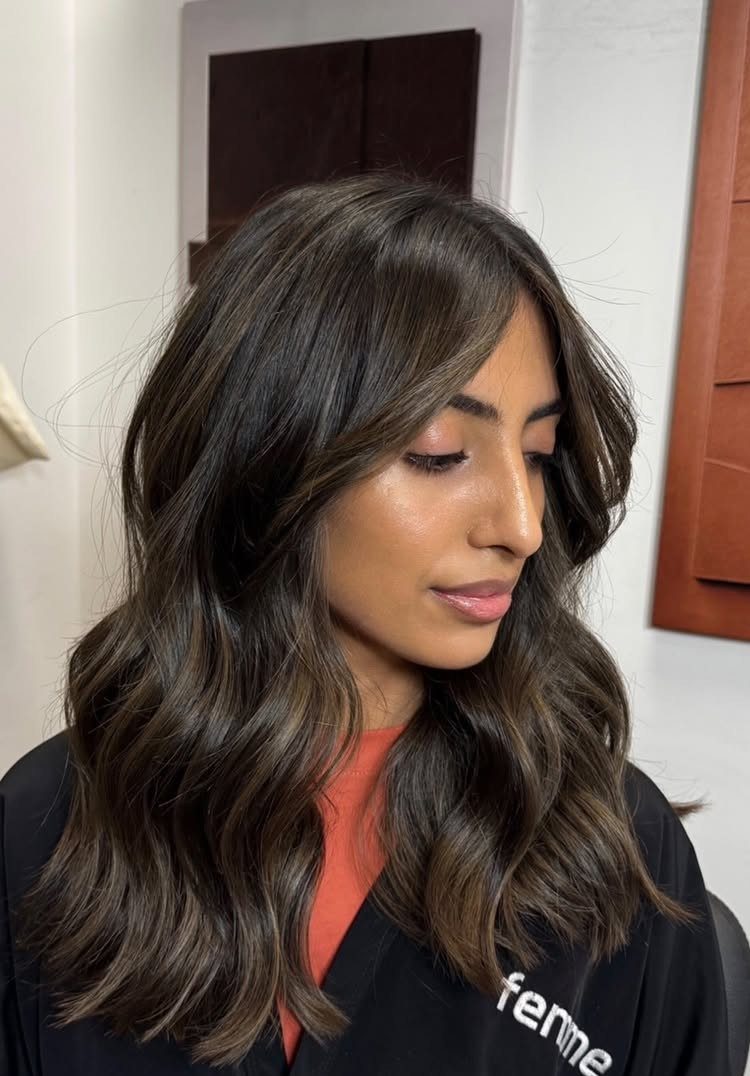
Dark suede is a deep brunette with a velvety, matte-looking softness, though the finish stays glossy. Long waves with bangs show it off, since the shine travels along the bend of each wave.
Ask for a dark, glossy brunette and use the word suede when you show your photo; it describes the soft depth you want.
Keep the shade even from roots to ends. Going patchy or lighter in places breaks the effect.
19. Strawberry Brown
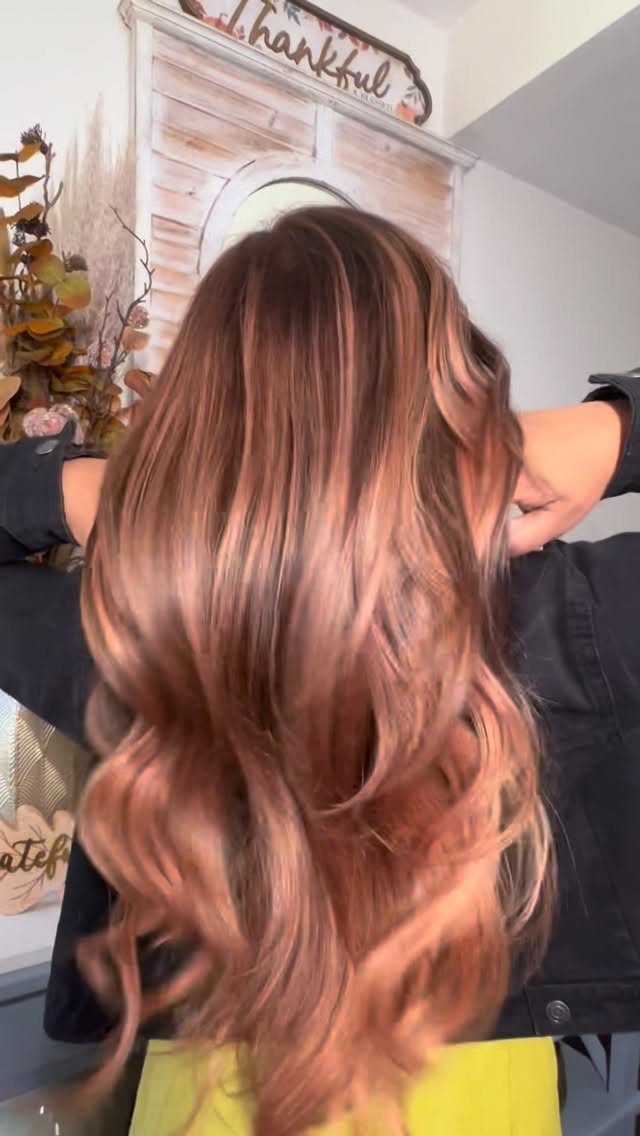
Strawberry brown is a brunette base with a soft copper-pink warmth running through it. On long waves, the reddish tone shows in the lengths while the roots stay brown, so it never turns into a true red.
Stylists read strawberry brown differently, some leaning pink and some leaning copper, so a reference photo settles it faster than the name does.
I would keep the red subtle and the base brown. It suits anyone who wants warmth without a big jump.
20. Teddy Bear Brown
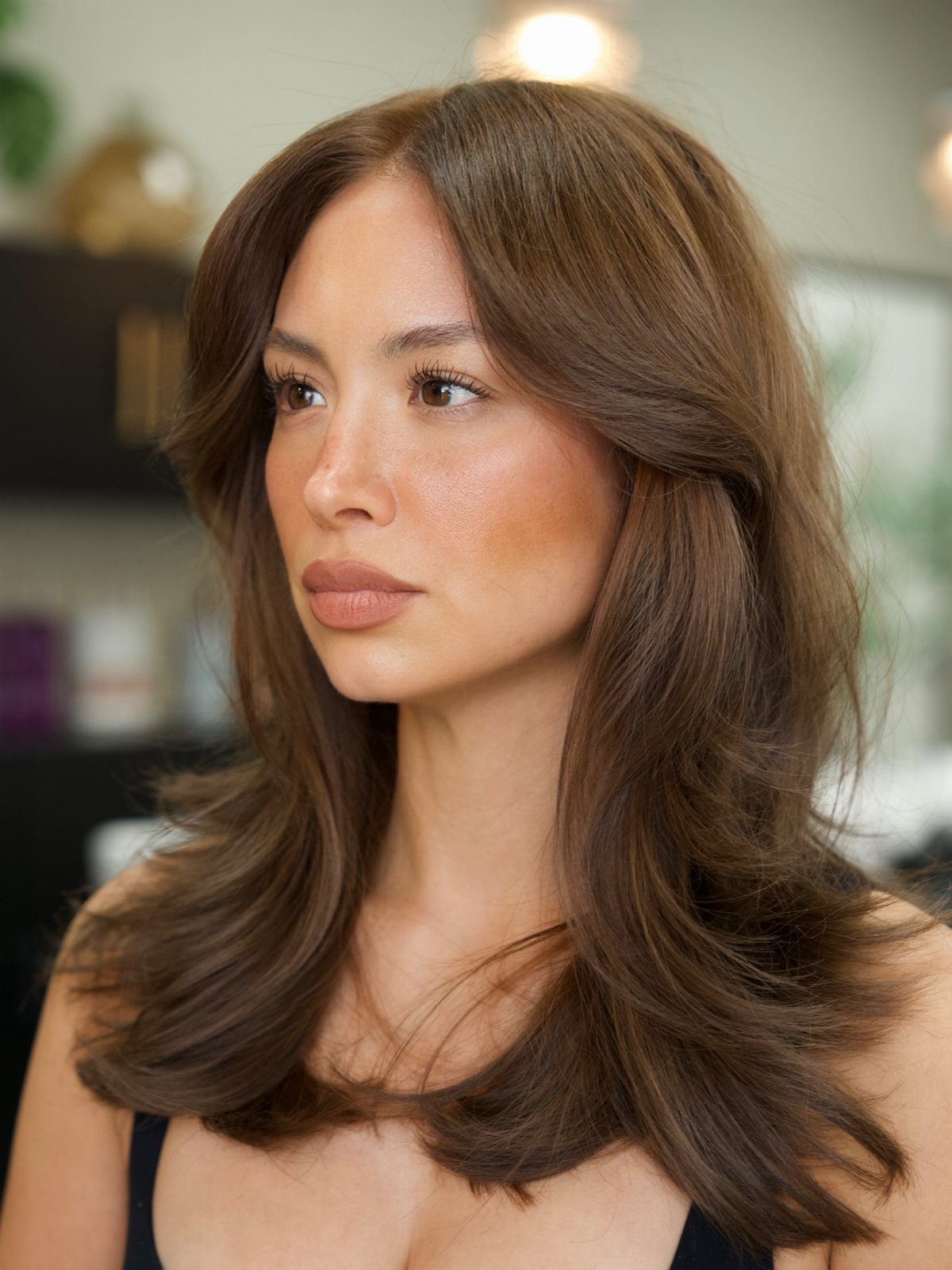
Teddy bear brown is a warm, medium brunette, soft and cozy rather than sharp. Layers add volume and let the color move, and face-framing bangs show off the mid-depth tone right where it sits next to the skin.
Name the shade and bring a photo, since "teddy bear" is a nickname and not every stylist will picture the same brown.
I would stay at medium depth with a warm cast. Going darker loses the softness that makes this one work.
21. Mocha Milkshake
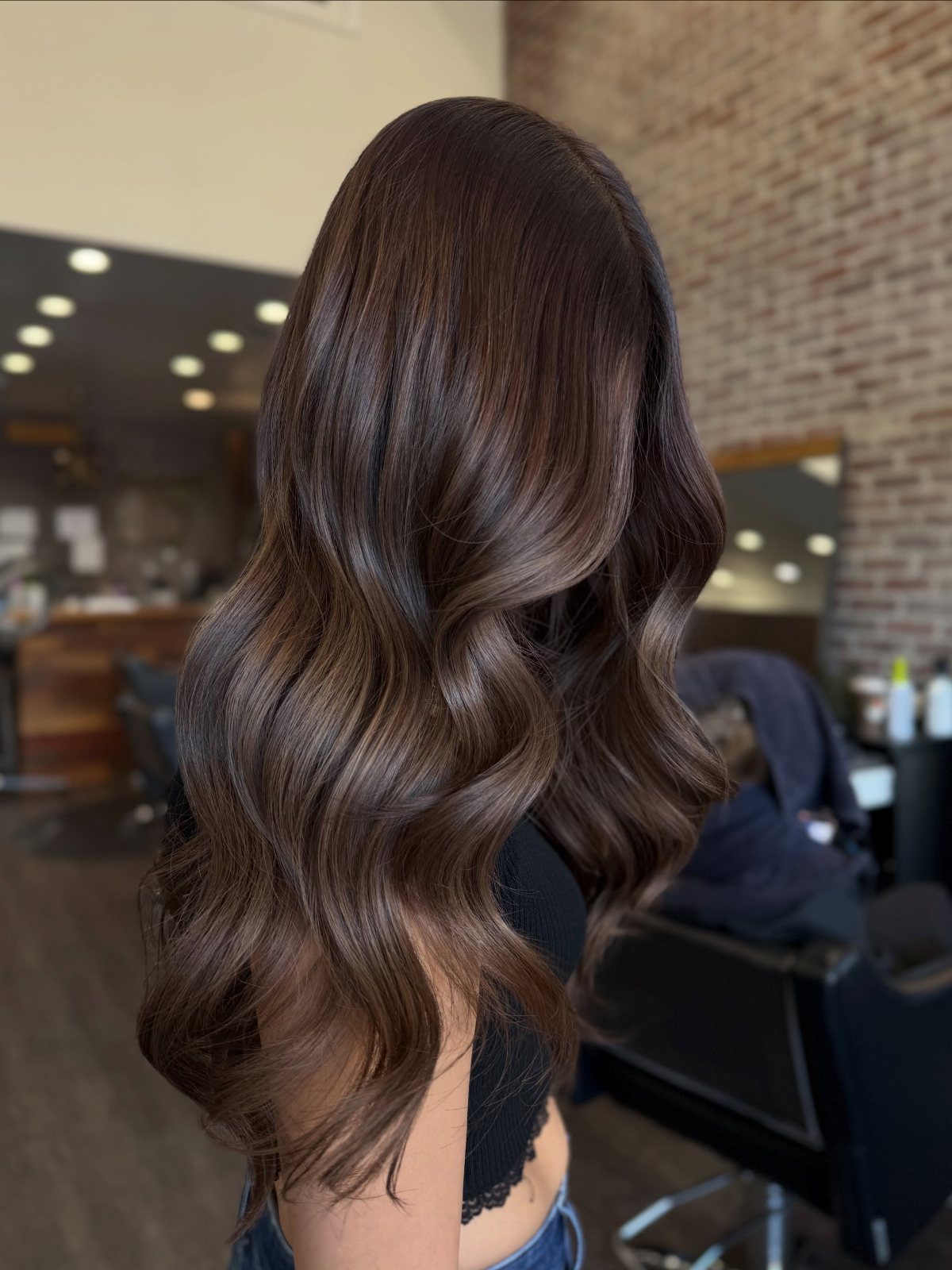
Mocha milkshake sits in dark brown with a creamy softness, a touch lighter than espresso. The fine, lighter pieces in long waves keep the color from reading as one block.
Ask for dark mocha brown with subtle lighter highlights, and show a photo to set how close they sit to the base.
I would keep them barely lighter than the rest. Highlights that close in tone are best left to a salon.
22. Golden Graham Cracker
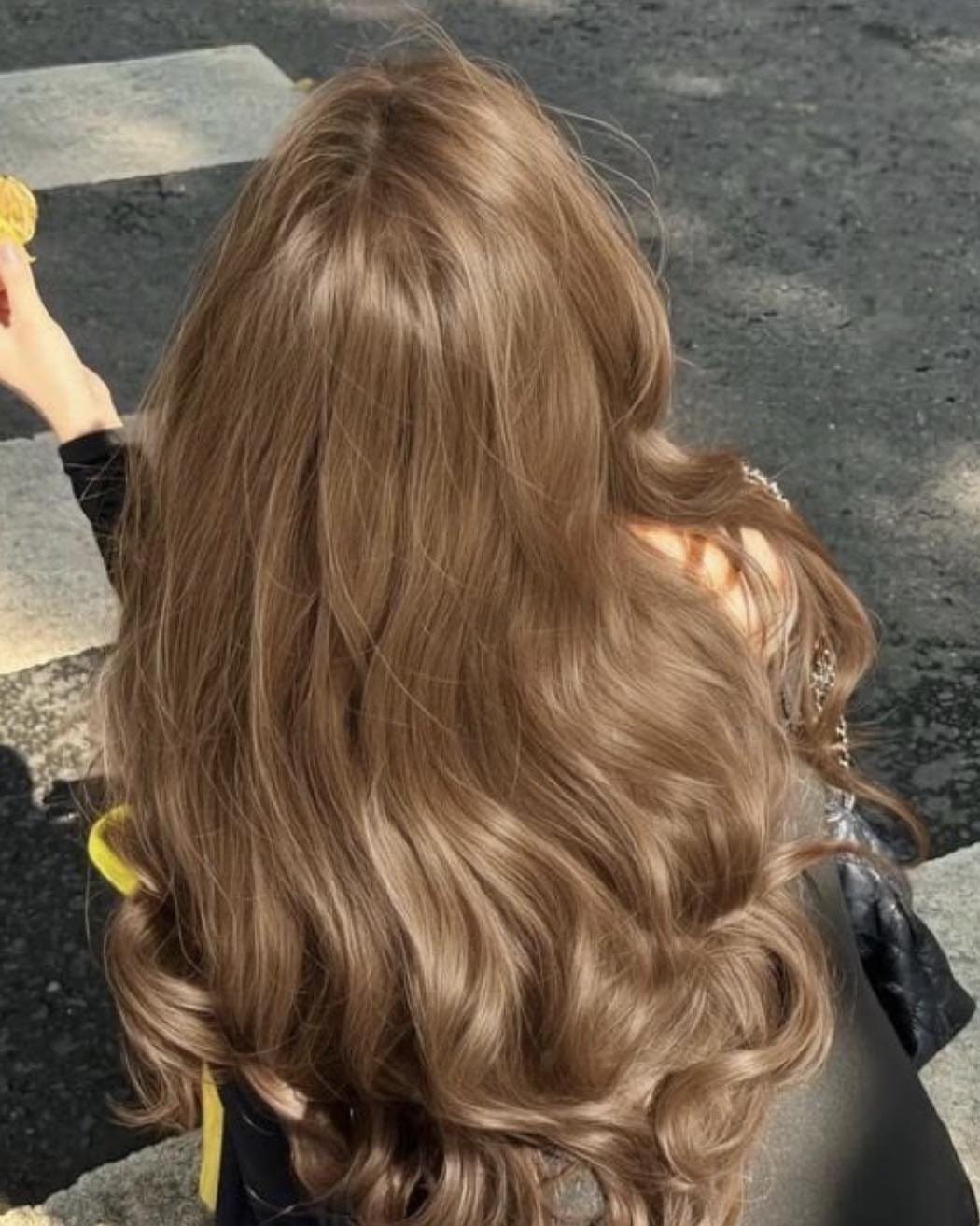
Golden graham cracker is a brown with a baked, toasty gold glow, and sunlight is where it shows best. On long waves, the golden-brown tone reads warm and bright without leaving brunette territory.
I would ask for golden brown with a toasty, not yellow, cast and carry a photo, since gold drifts brassy fast.
Stay close to the base color for the most natural result. The name is playful, so a picture helps a stylist more than the word does.
23. Classic Brunette
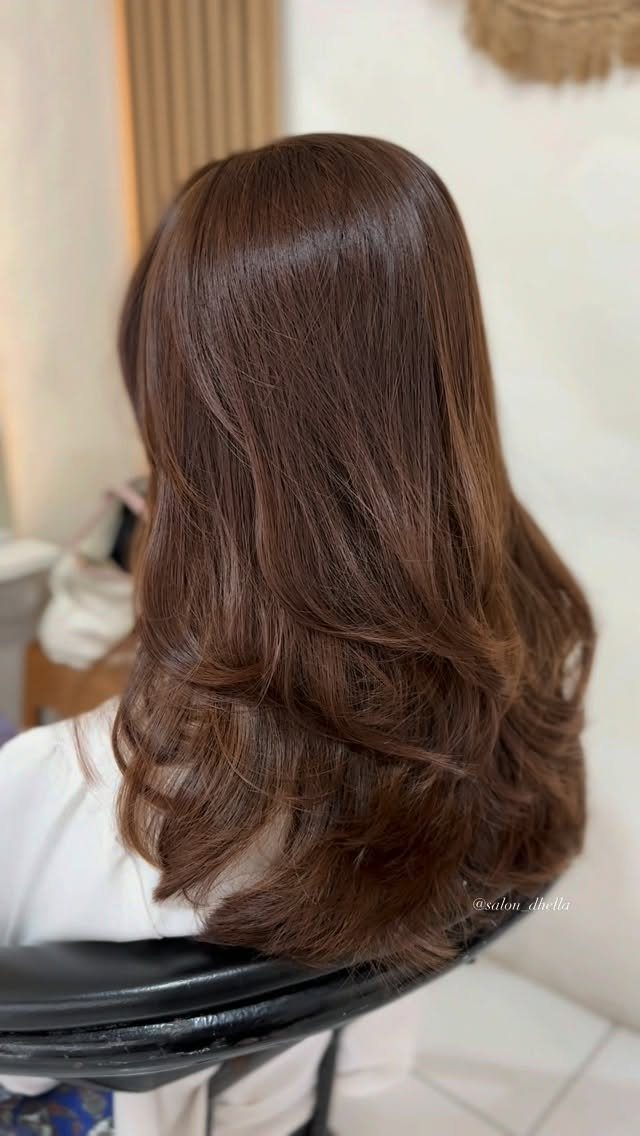
One shade of dark brown, glossy and even, is all classic brunette asks for.
Classic brunette earns its keep through shine, which does the job highlights would do on a lighter base, and it reads best when the ends are cut clean.
This is the easiest color to request and the easiest to keep up, since a single tone has no pattern to grow out of. I like it for anyone tired of fussing with her color.
Let’s bring it back to the basics, because you truly can’t go wrong with a classic dark brown. No fancy highlights and complicated toner combinations are needed for this look—just a neutral brunette color that’s never out of style.
24. Sandy Beige Bronde
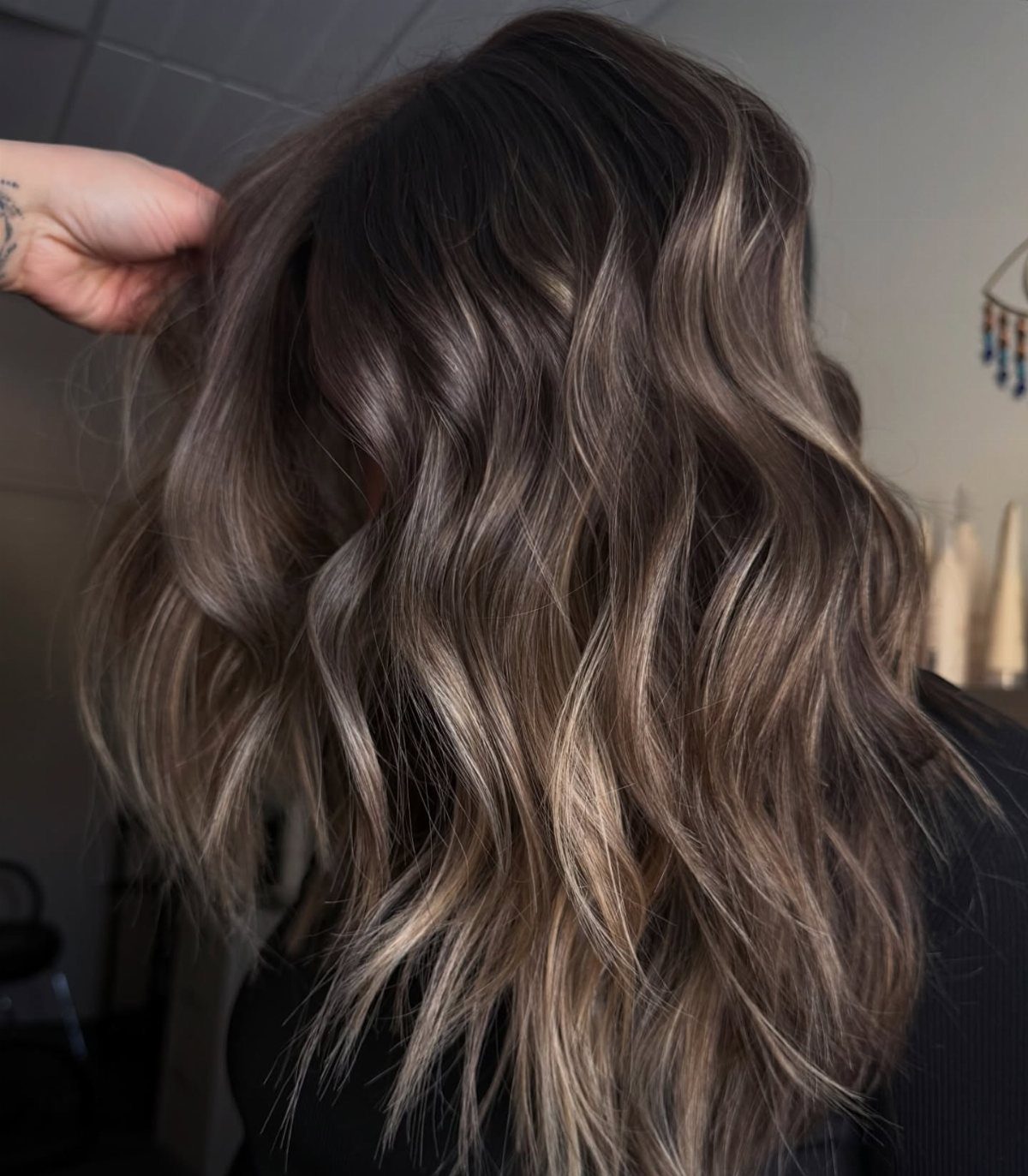
Sandy beige bronde puts soft, neutral blonde into brunette, with a flat, creamy tone in place of gold or silver. Wavy, medium-length hair shows the blend well, since the highlights shift as the waves fall.
I would keep the brunette base visible so the beige reads as dimension. A blend like this is salon work.
25. Vibrant Chestnut
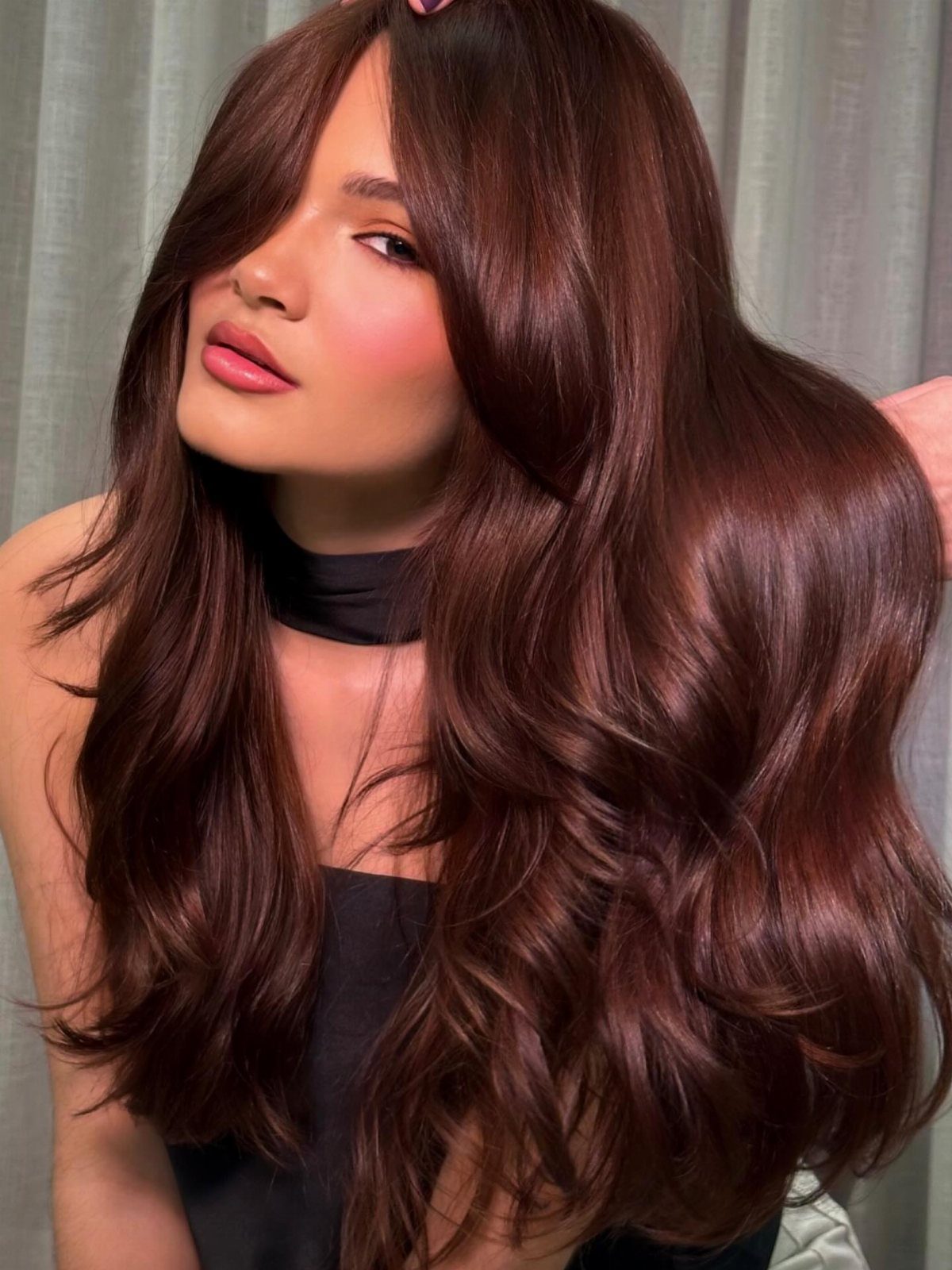
Bangs that sweep into long layers give this chestnut room to glow. The brown reads brighter than a standard chestnut, with a glossy finish that catches light all along the waves.
Chestnut that looks bright in one stylist’s chair can land as flat brown in another’s, so a saved photo settles how much warmth and shine you actually want.
I would keep it warm and mid-depth; push it too light and it loses the richness.
26. Steamy Cappuccino
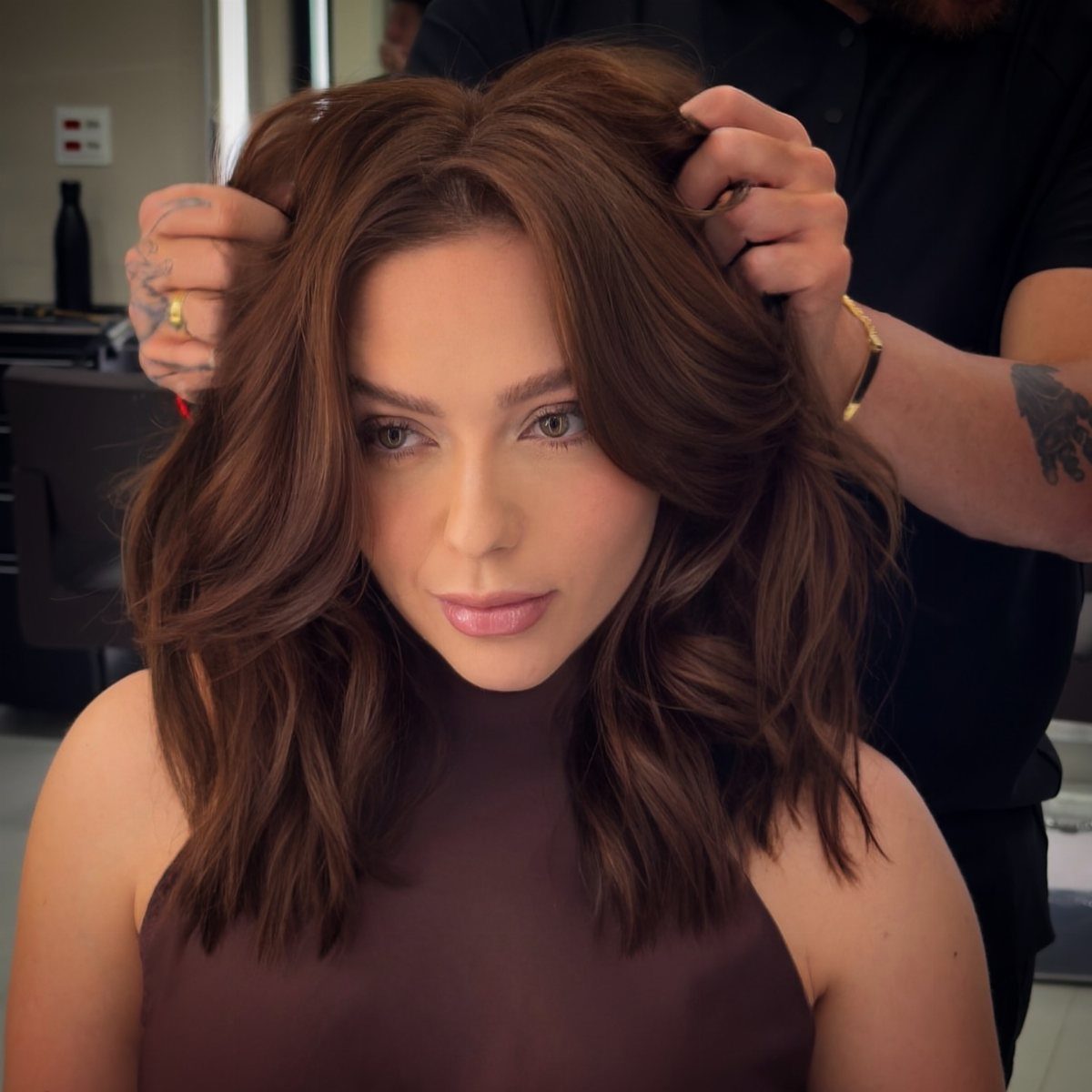
Steamy cappuccino is a warm dark brown with a soft, milky-coffee depth. In layered waves, the color moves with the hair and never settles into one flat block.
Cappuccino is a menu word, not a technical term, so a reference photo does more than the name.
Ask for warm dark brown with soft dimension. A salon is the safer route, since the warmth has to stay even through the layers.
27. Soft Chocolate Brown
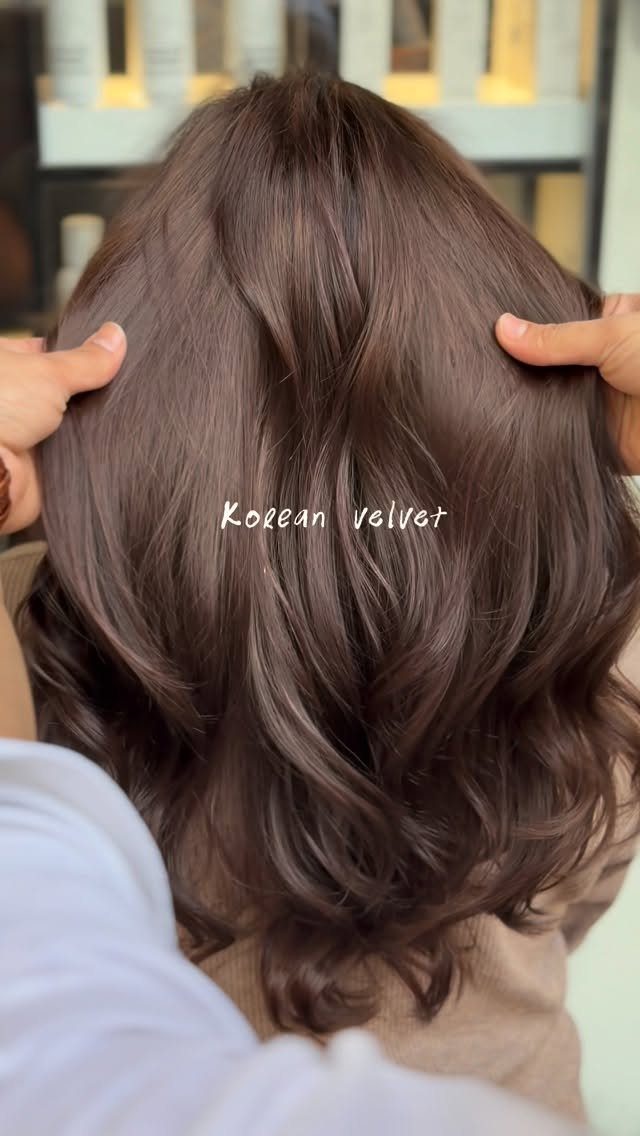
Next to espresso, soft chocolate brown looks warmer and lighter, yet it still reads deep. Loose waves show it well, because the shine rolls over each bend and keeps the dark shade from looking heavy.
I like it for anyone who wants brown that feels warm and easy.
A picture is the easiest way to set the depth, and adding the word "glossy" steers the stylist toward shine instead of flat color. "Korean velvet" is a label some stylists use, so mention it only alongside a picture.
28. Butterscotch Brown
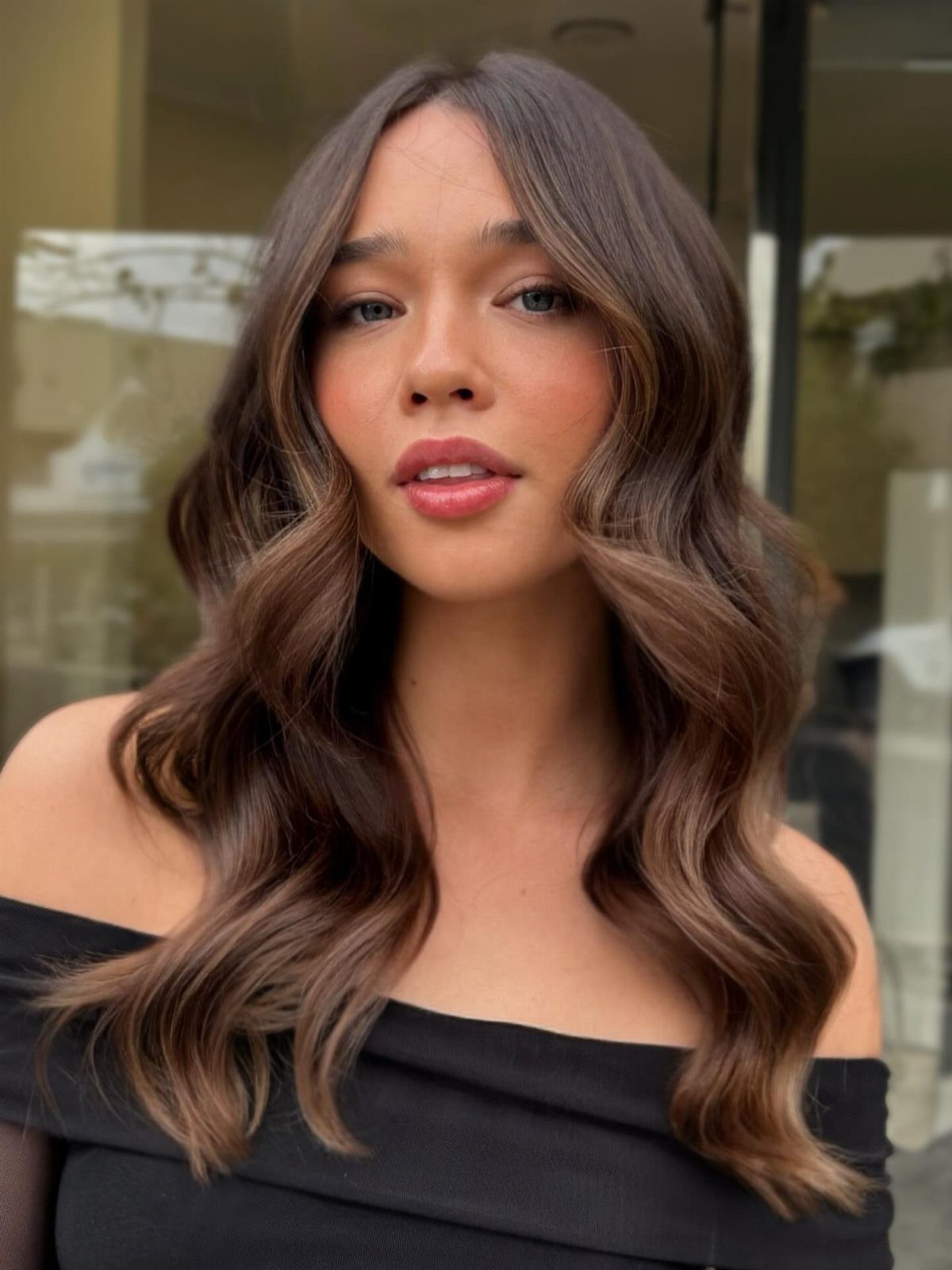
Butterscotch brown is warm brown lifted with lighter golden pieces, and it looks best in long, loose waves where the highlights can spread out. The warmth stays on the sweet side of golden.
Ask for butterscotch brown with warm, lighter highlights, and carry a photo, because the name is a flavor and not a formula. I would keep the highlights close to the base so the brown stays in charge.
29. Auburn Brown
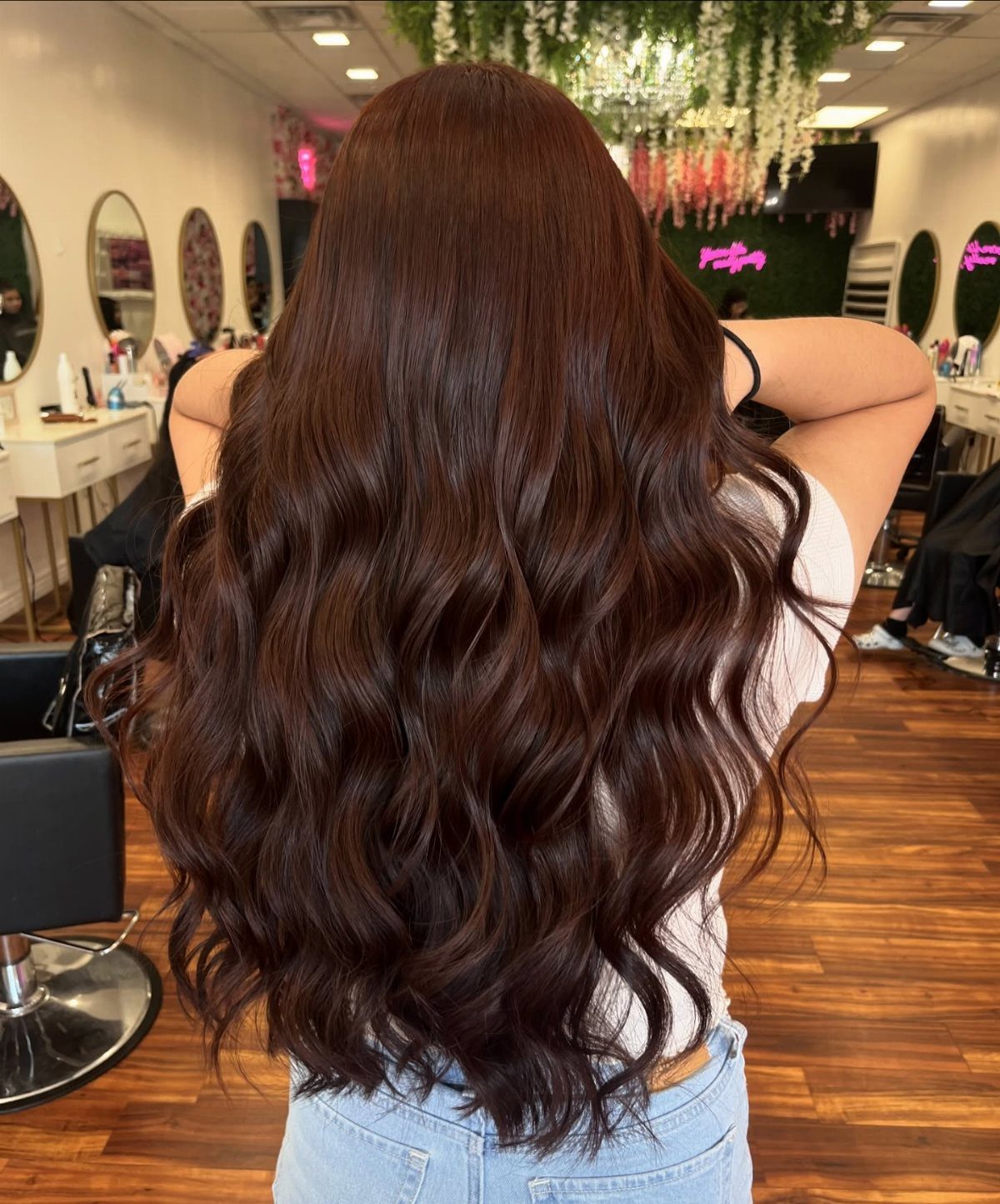
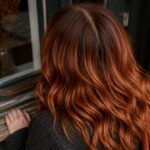
Auburn brown puts a red-brown warmth into long waves while the color stays firmly in the brunette family. From behind, the shade looks richer than a plain brown, with the red showing in the lengths.
Saying "auburn brown" instead of plain "auburn" keeps the brown base from drifting too far red.
I would show a photo to set how much red you want. If you are used to dark brown, this is a modest step up in warmth.
Choose Shade by Undertone
Skin tone and undertone are two different things, and undertone is the one that decides which brown works.
Tone describes how light or deep your skin is: fair, medium or deep. Shopping for foundation has probably already taught you which group you fall into.
Undertone is the warmth sitting beneath the surface, and it reads as cool, warm or neutral. Seasons can nudge your skin tone lighter or darker, but undertone never changes, so one round of figuring it out lasts for good.
Then match the hair to it. Ashy browns flatter cool undertones, while warm undertones look best with red or golden hints in the brown.
Neutral undertones have the most freedom, since nearly any hue will look good. If that’s you, pick on upkeep and mood instead.
Maintain Brunette Color
Color-safe shampoo and conditioner come first, because they slow fading. Wash with lukewarm water instead of hot, and use a heat protectant before any blow dryer or flat iron.
Between salon visits, a color-depositing mask tops up the tone and cancels brassiness. Wella’s Color Fresh Mask in Chocolate Touch goes on clean, damp hair.
How soon roots need attention depends on the gap between your dyed shade and your natural color. A big gap, or plenty of gray, means a root touch-up every 3–5 weeks.
A shade close to your natural color can stretch to a few months between touch-ups. A gloss can bring the shine back while you wait.
Frequently Asked Questions
What are some good hair color ideas for brunettes?
Chocolate brown is the safest one to ask for, since stylists recognize it on sight, and espresso is the pick when you want the deepest brunette.
For more movement, chestnut, mocha with close-toned highlights or a neutral brunette balayage all add dimension without going blonde.
If you want warmth, mahogany brown and auburn brown bring in red while the brown stays in charge. Save a photo of the shade and bring it with you, since one stylist’s "mocha" is another’s "chestnut."
What is the darkest brown color for hair?
Espresso is as deep as I would take brown before it tips into black. An ashy dark brown can read just as deep, with a faint cool, bluish cast.
A single flat shade of dark brown can sit heavy on long hair, so I would add soft warm pieces or tonal highlights to keep it moving.
What hair color matches dark brown skin?
For dark brown skin, I lean toward chocolate brown: a deep base with thin threads of gold and bronze running through it.
Your undertone matters more than how deep your skin is, though. Warm undertones look best with golden or red hints in the brown, cool undertones with espresso or ash-toned browns, and neutral undertones can wear almost any brunette.
How do you choose the best brown hair color for your skin tone?
Match the brown to your undertone, not to how light or deep your skin is.
Undertone is the cool, warm or neutral warmth beneath the surface, and it stays the same for life even when your skin tone shifts with the seasons.
Cool undertones look best in ashy browns, warm ones glow with red or golden notes, and neutral skin handles almost anything, so let upkeep and mood make the call.
What is a dimensional brunette?
It is a brunette base with subtle, low-contrast highlights layered through the lengths, usually staying within 2–3 levels of the base color.
The close tones add movement and shine, so the hair never reads as one flat dark block. Because the highlights have to sit near the base to look natural, this is best left to a salon.