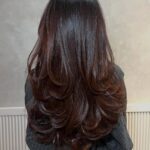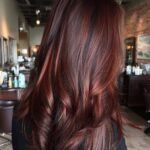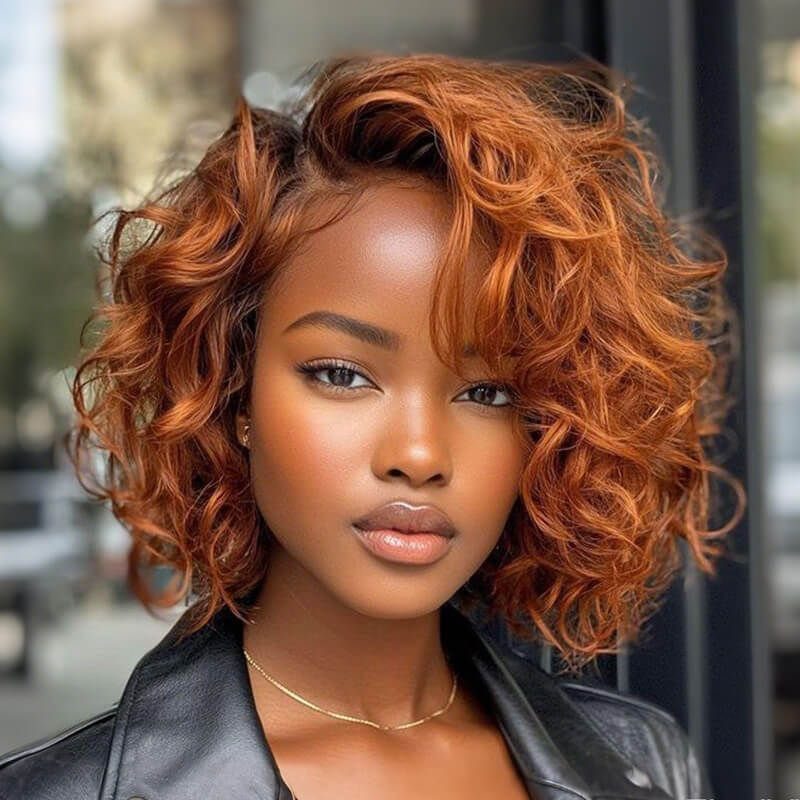
Copper runs from the soft, strawberry-leaning copper blonde to the loud, clearly red ginger copper, with burnt copper, auburn and chocolate in between.
Undertone, more than skin depth, decides which end is yours, and I’d check it before booking: warm undertones handle true copper without trouble, while cool-toned skin needs the shade muted rather than bright.
Copper loses its glow faster than almost any other shade, so book a gloss every 4–6 weeks whichever tone you land on.
1. Burnt Copper Hair for Dark Skin
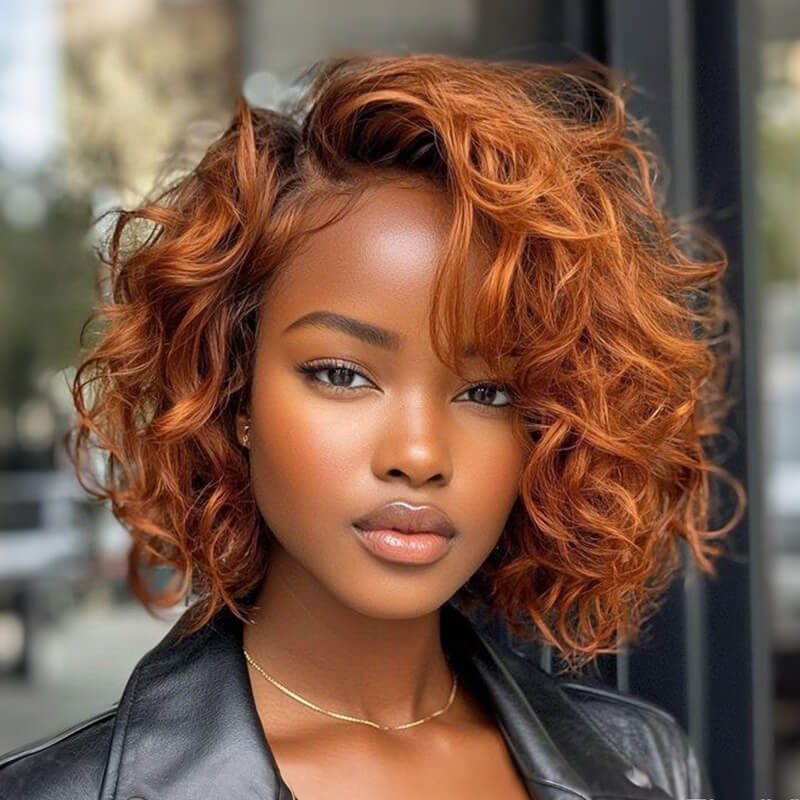
Burnt copper sits deeper and browner than a bright penny shade, and on deep brown skin that depth reads rich rather than loud.
I like how voluminous curls break the color up, so the copper shifts between darker and warmer pieces as the hair moves.
If you want this look, ask for "burnt copper" by name and bring a photo. The word "burnt" tells a stylist you want it toned down and earthy, not orange.
2. Copper Brown
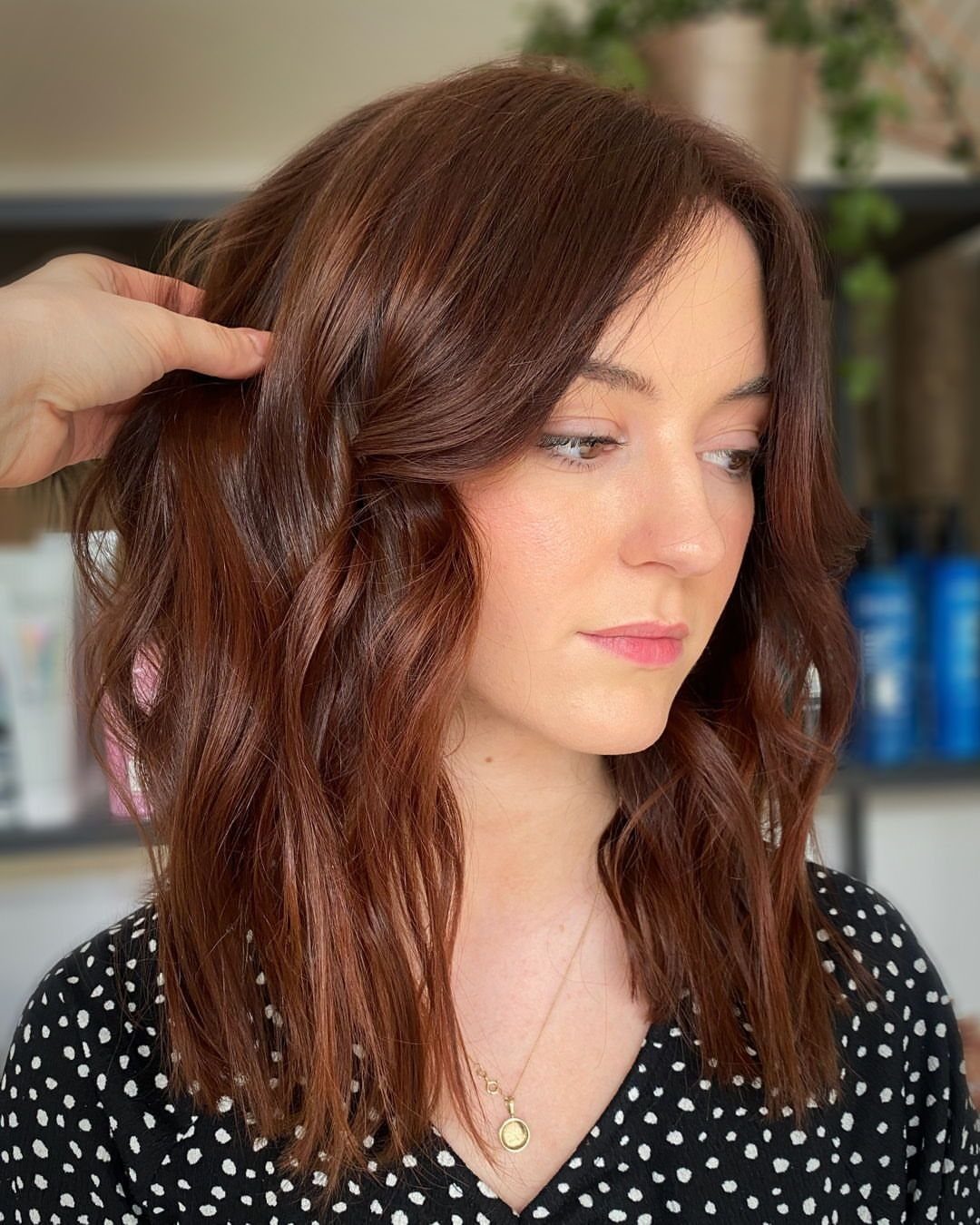
Somewhere between brunette and red, copper brown keeps the depth of a brown base and warms it. It runs from barely-there to vivid, so the first decision is how much copper you want to see.
For a first try, I would stay near the subtle end: brown in shade, copper in the light.
You can always ask for more warmth next visit. Going the other way takes more work.
3. Copper Balayage
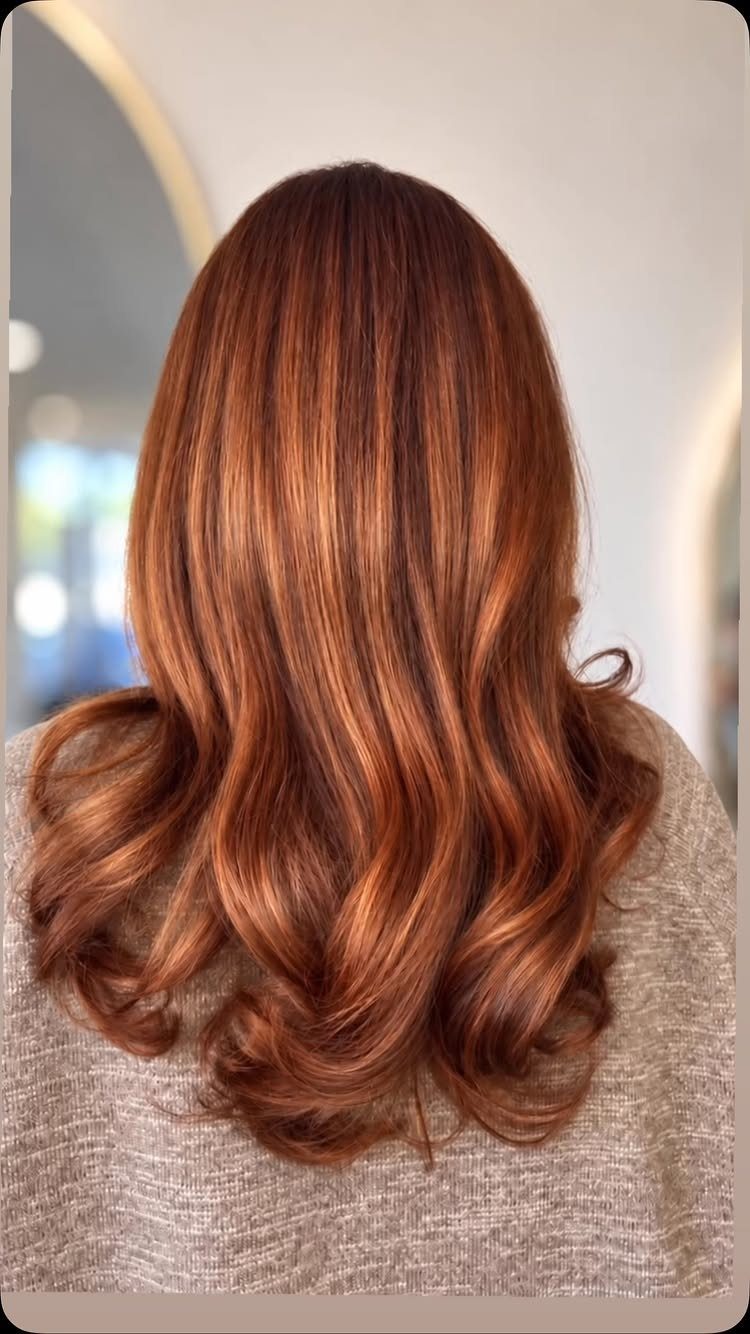
Painted by hand, copper balayage puts the warmth in loose, uneven strokes and leaves the roots darker.
That depth at the scalp is what makes the color look dimensional, and it means the grow-out is softer, with no hard line to hide.
Tell your stylist you want the root left dark and the copper placed by hand through the lengths. I think it suits waves and loose curls best, where the lighter pieces get room to show.
4. Copper Auburn
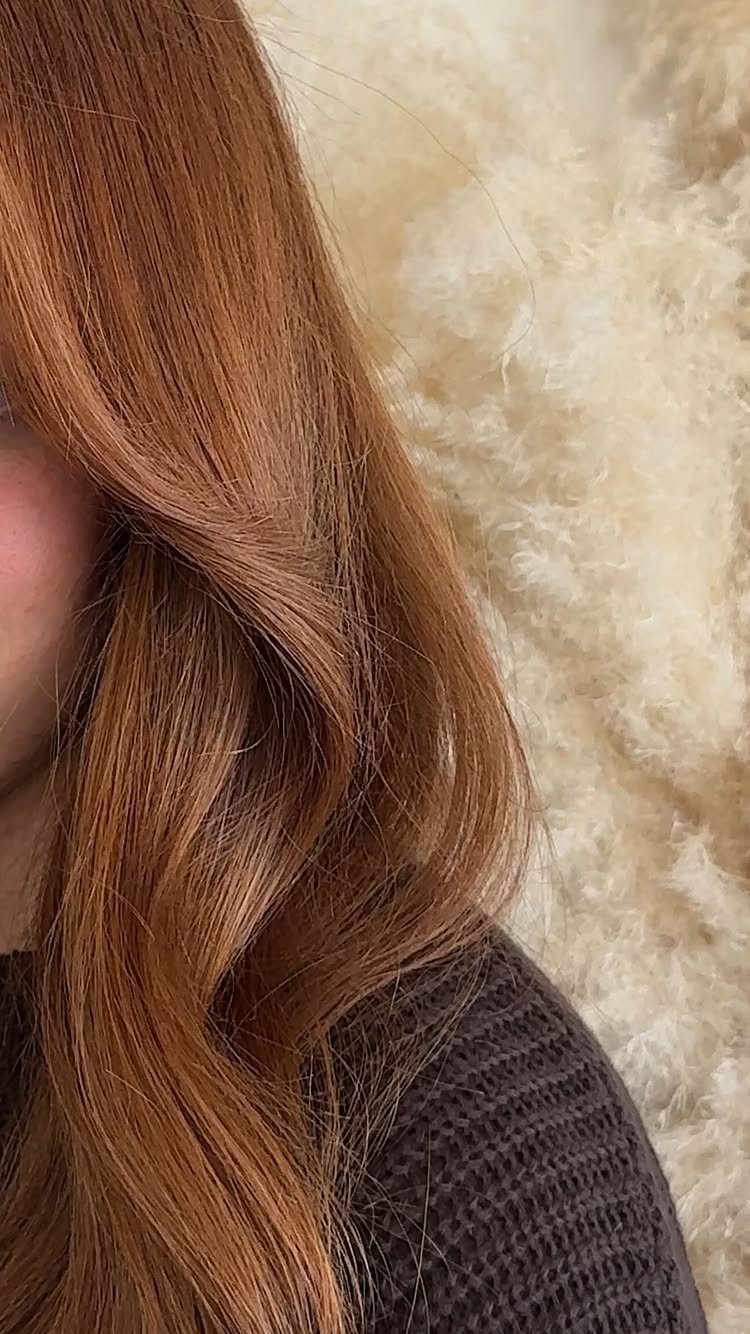
Auburn is the word to say if you want copper with more red-brown than orange. This version is deep and a little moody, closer to a dark cherry-wood tone than a fresh penny.
Ask for "copper auburn" and mention that you want to avoid orange.
Naming what you don’t want helps a stylist as much as naming what you do. Smooth, long waves give the shade the most room to look polished.
5. Copper Blonde
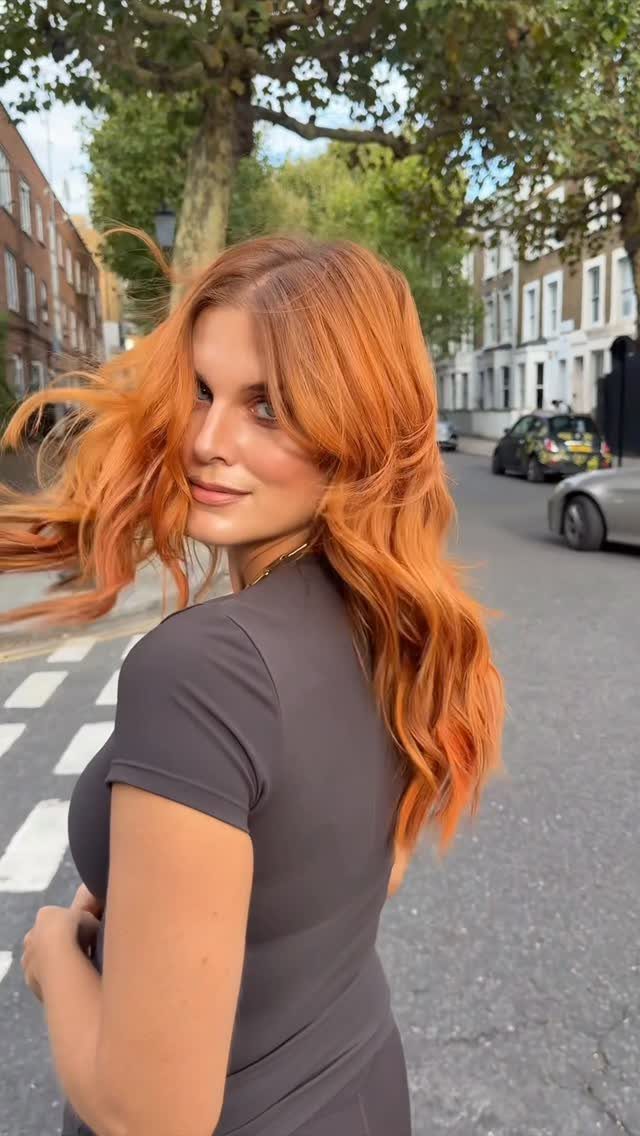
Copper blonde sits on a blonde, golden or strawberry base instead of brown, so it is the lightest and softest copper you can ask for. Choose your direction before you book: golden leans warm and sunny, strawberry leans pinker.
If your hair is brown now, expect lightening before any copper goes on.
Be upfront with your stylist about what is on your hair right now, including box dye and old color, because that decides how many steps the plan takes. I would pick golden for a shade that looks natural in daylight.
6. Copper Red
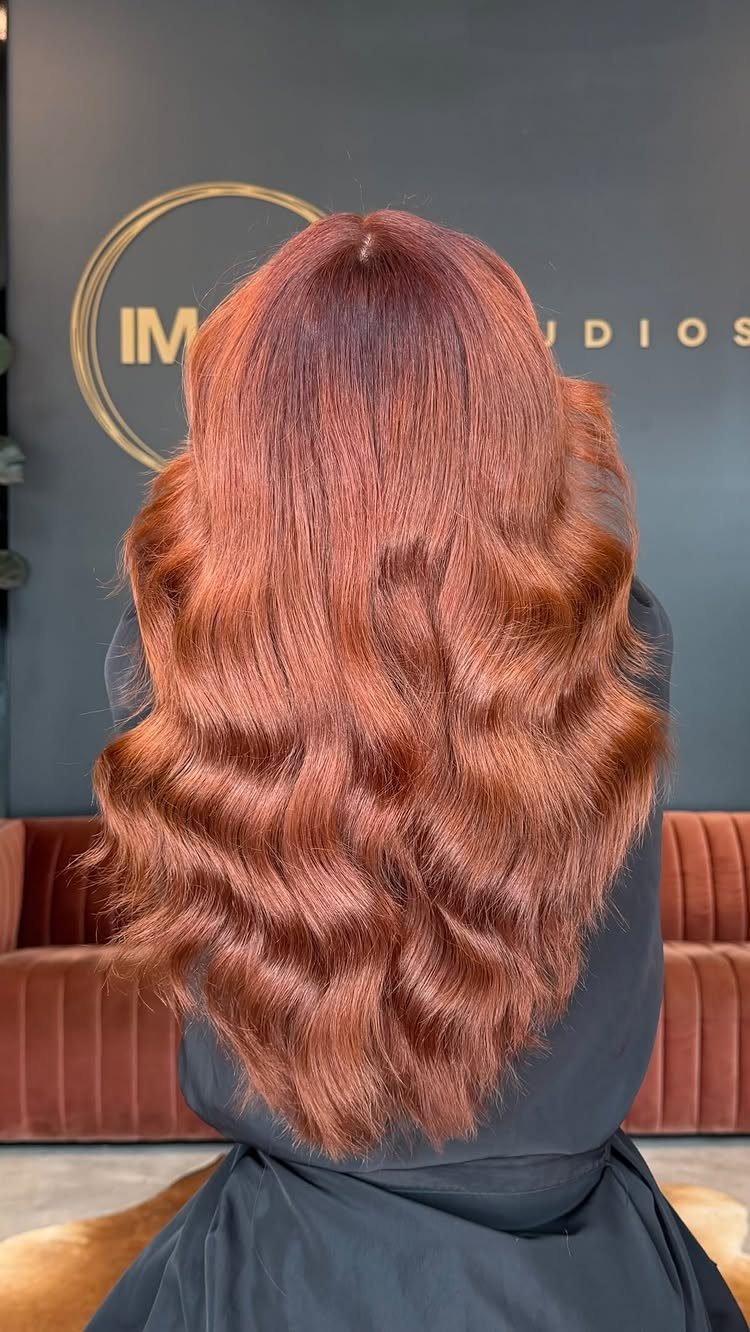
Bright, glossy, and impossible to miss, copper red leans toward true red instead of brown or gold. If copper auburn is the quiet option, this is the loud one.
Ask for a red-leaning copper and bring a photo, since "copper" alone can land anywhere from orange to brown.
A bright shade like this shows off shine, so I would style it in loose waves and let the color do the work.
7. Fiery Copper Brown
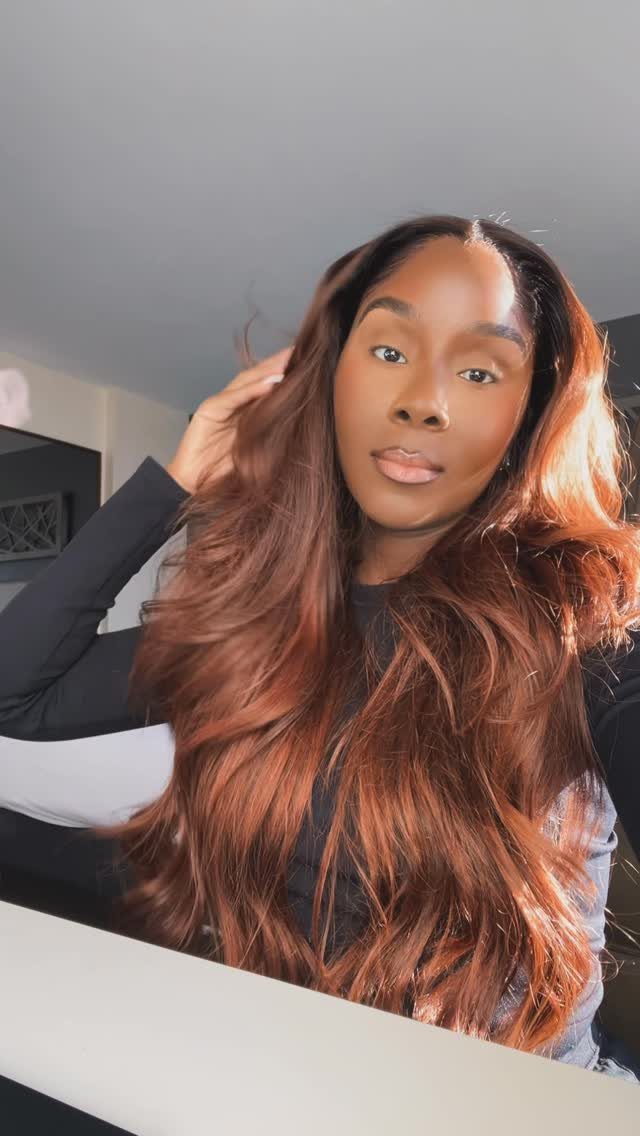
Dark brown stays at the base, and the copper comes in bright, almost glowing pieces through the lengths. The richer brown base keeps the copper from reading too red or orange.
Ask for "fiery" copper highlights on a dark brown base, and say you want the copper to read bright rather than muted.
Long waves suit it, because every bend catches a different mix of dark and bright. I would choose this over an all-over copper if you like the depth of brunette but want people to notice the color.
8. Classic Copper
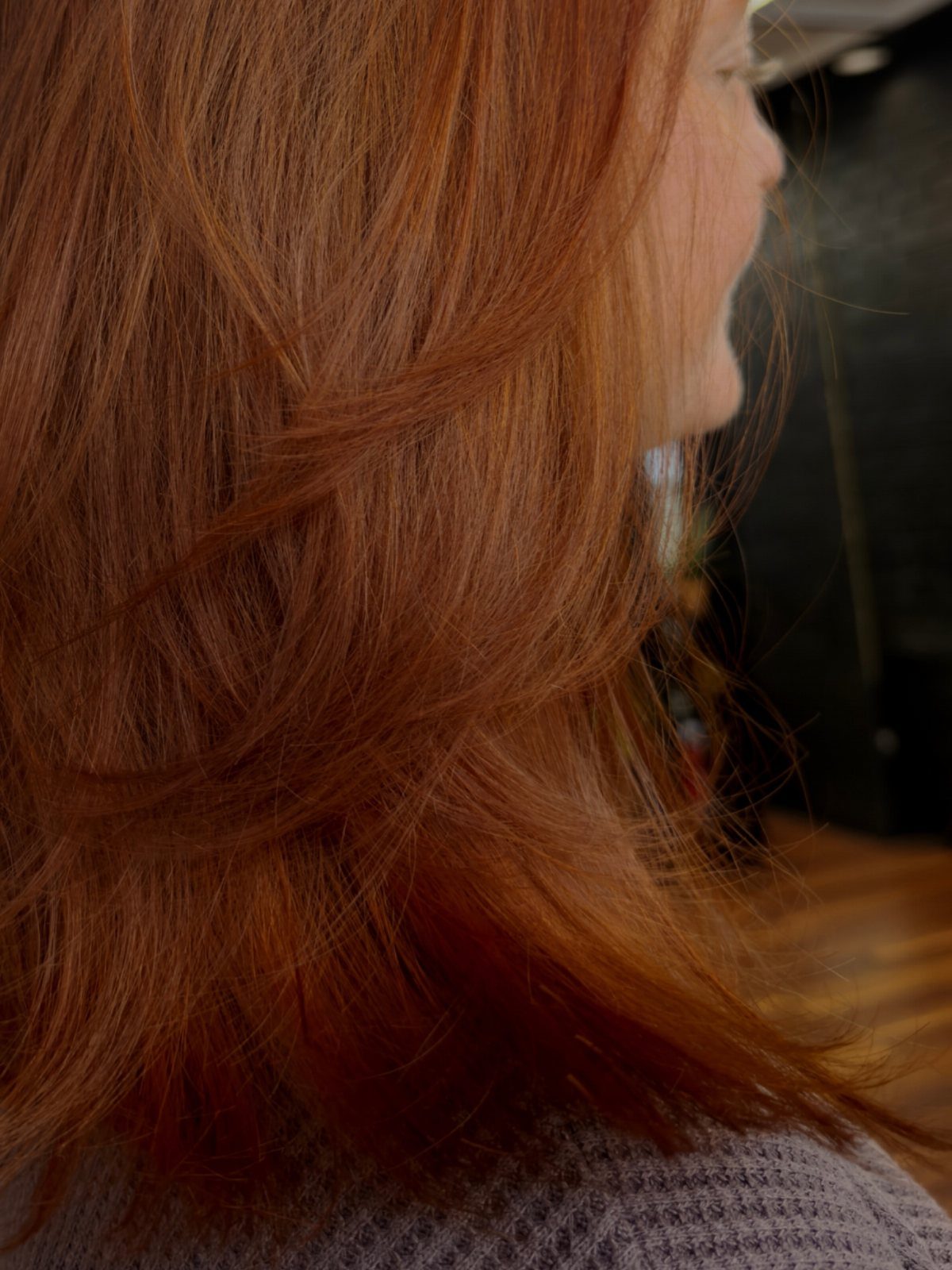
Copper in its most familiar form is a balanced red-orange, warm without tipping into brown or true red. That middle position is why I treat it as the shade to start from.
Ask for "classic copper" and bring a photo, so your stylist knows you want neither the deeper auburn nor the brighter red. Soft layers keep a single-tone color from looking flat, since the length catches light at different angles.
Classic copper sits right in the middle for warmth and brightness, so it flatters most skin tones without looking too bold or too subtle.
9. Ginger Copper
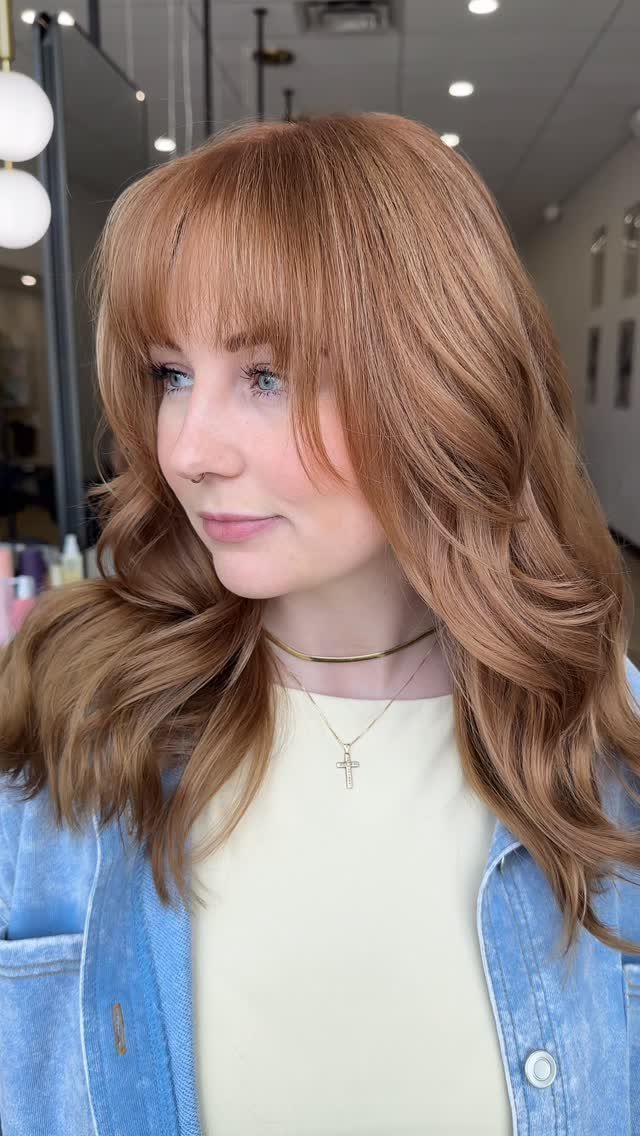
Ginger copper is the shade for anyone who wants the color to be the first thing noticed. It is punchy and clearly red, with none of the hedging of the browner coppers.
The colorist behind this look finished it with an emulsified base toner at the sink, which softens the transition between tones.
That is a good detail to ask about, since a bold color still looks better when it melts rather than stops. I would wear it in long, loose waves and keep the styling simple.
10. Rose Copper
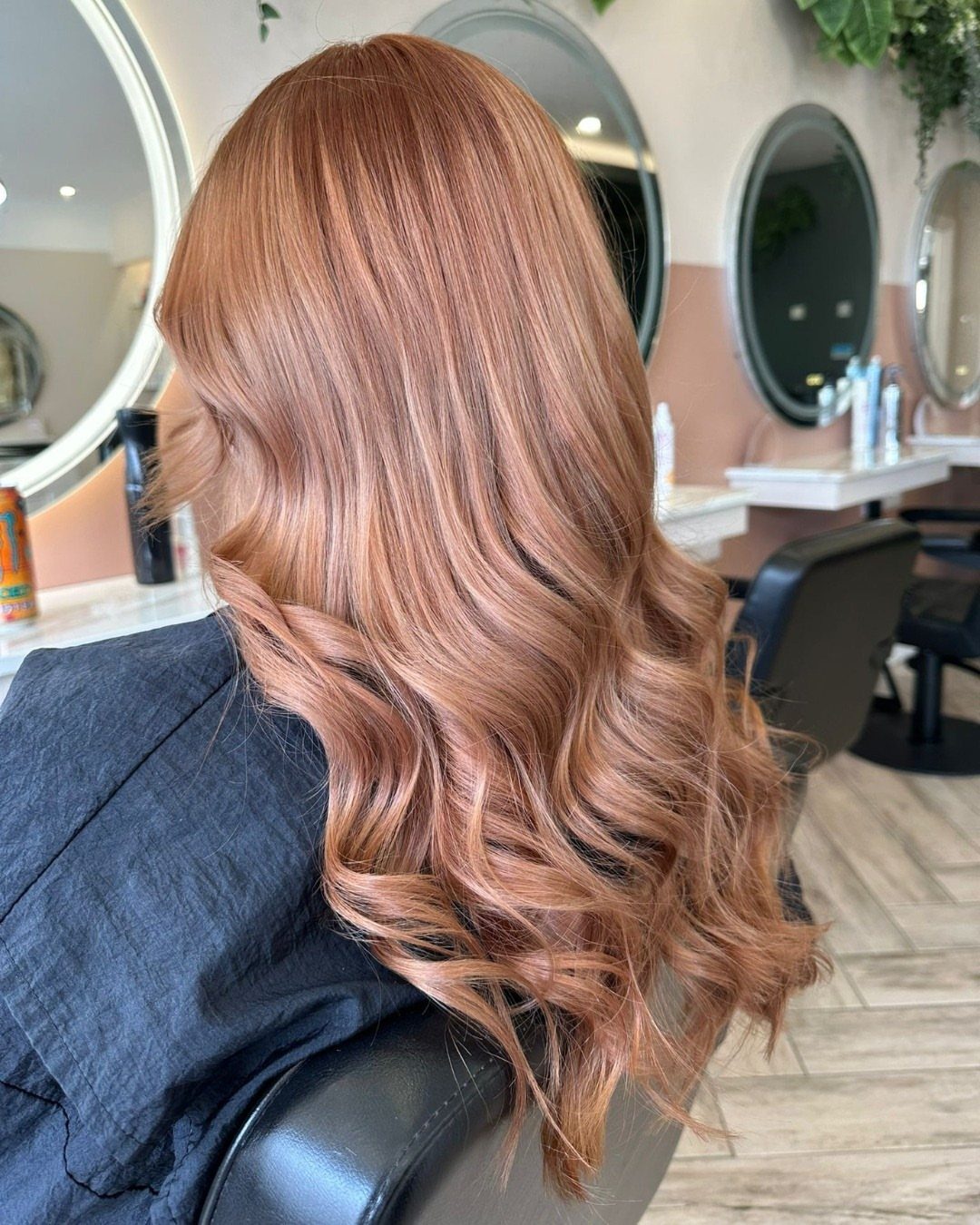
A pink undertone is what makes rose copper different from every other copper here. It is soft rather than fiery, a copper with a blush on top.
Say "rose copper" and tell your stylist how much pink you want to see, since that is the part that varies most from person to person.
Glossy curls show it off well, because shine lifts the pink in the light. If you like copper but find orange too sharp, this is the one I would try first.
11. Cowboy Copper
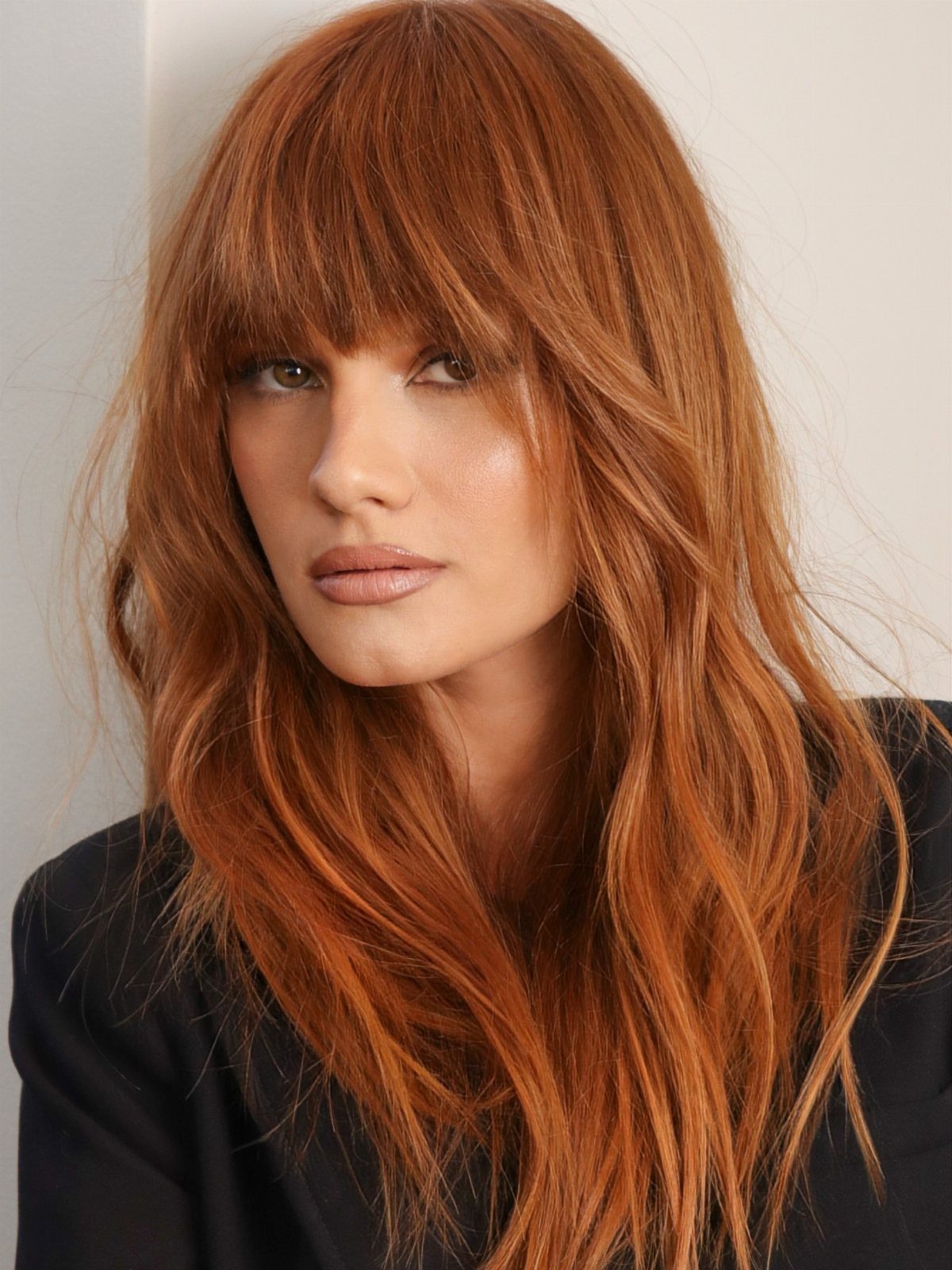
Cowboy copper blends copper and brunette in a way that reads naturally faded, like months spent outside rather than a fresh salon finish.
Because the name is a trend term, bring a photo and describe it as bronzed copper with brown woven through, not bright red.
Layers and full bangs frame it well, and the lived-in blend keeps the color from looking flat. If you want warmth that stays a little dusty and understated, I would pick this over a brighter copper.
12. Copper Brown Melt
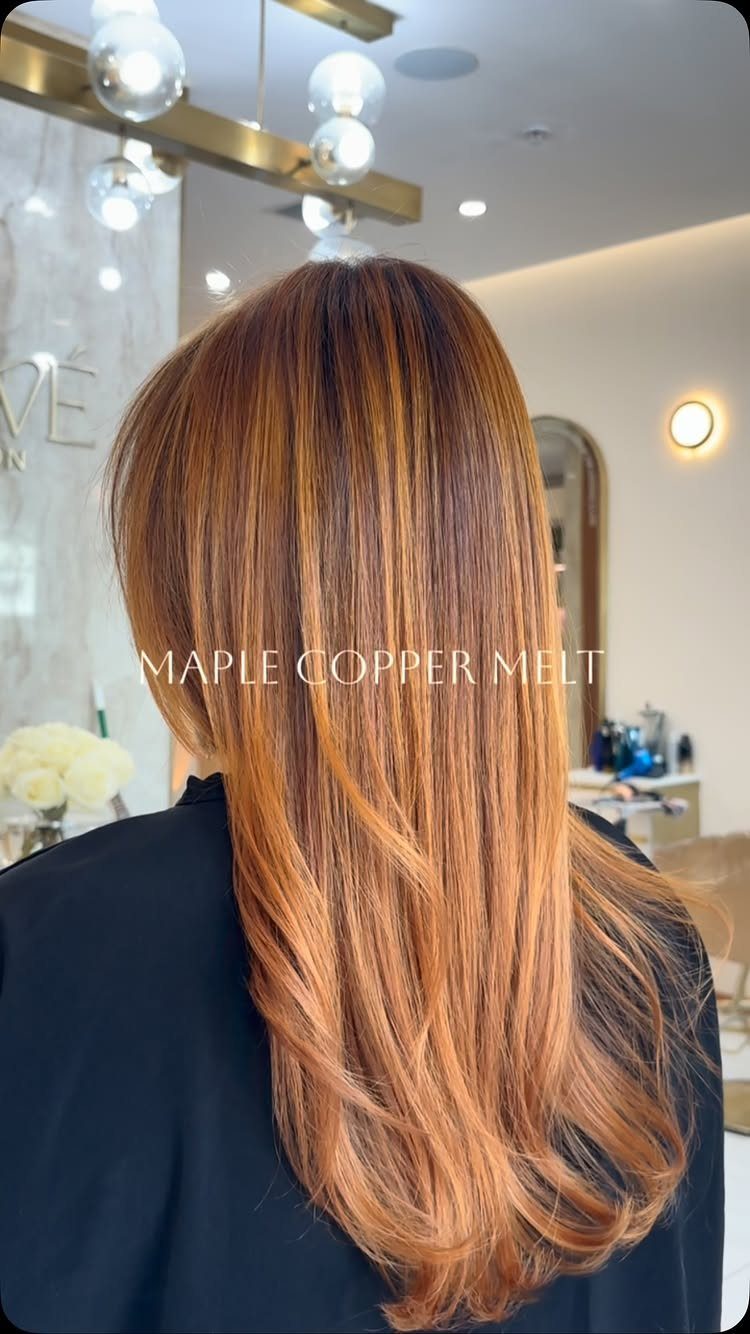
Several brunette and copper tones are painted in alternating ribbons, then blended so no single stripe stands out. The result reads as one rich color with movement inside it.
Ask for a copper brown melt with multiple tones, and mention "maple" if you want it warm and sweet rather than red.
Because the shades are layered instead of placed in a few big sections, I would style it in loose waves, where the ribbons can show. Bring a photo, since "melt" means different things to different colorists.
13. Golden Copper Face-Framing Highlights
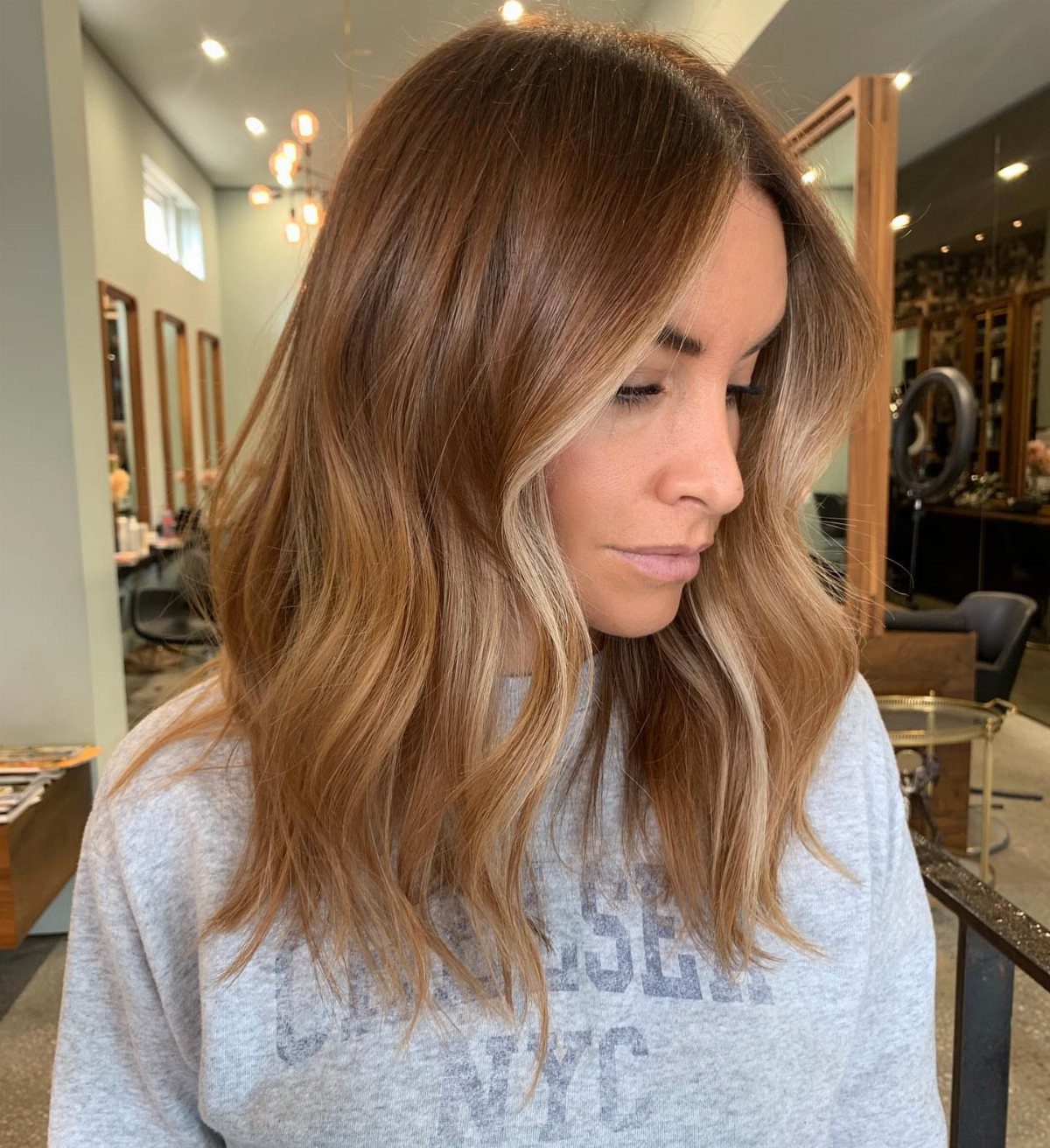
Golden copper placed right at the front turns a brown base into something that lights up the face without touching the rest of the hair.
Because the brightness sits around the cheekbones and jaw, the color does its work where people look first.
Ask for face-framing pieces in golden copper over your brown, and bring a photo so your stylist can judge how bright to go.
I would keep the back darker. Wavy hair gives those pieces room to separate and catch light.
14. Copper Ombre
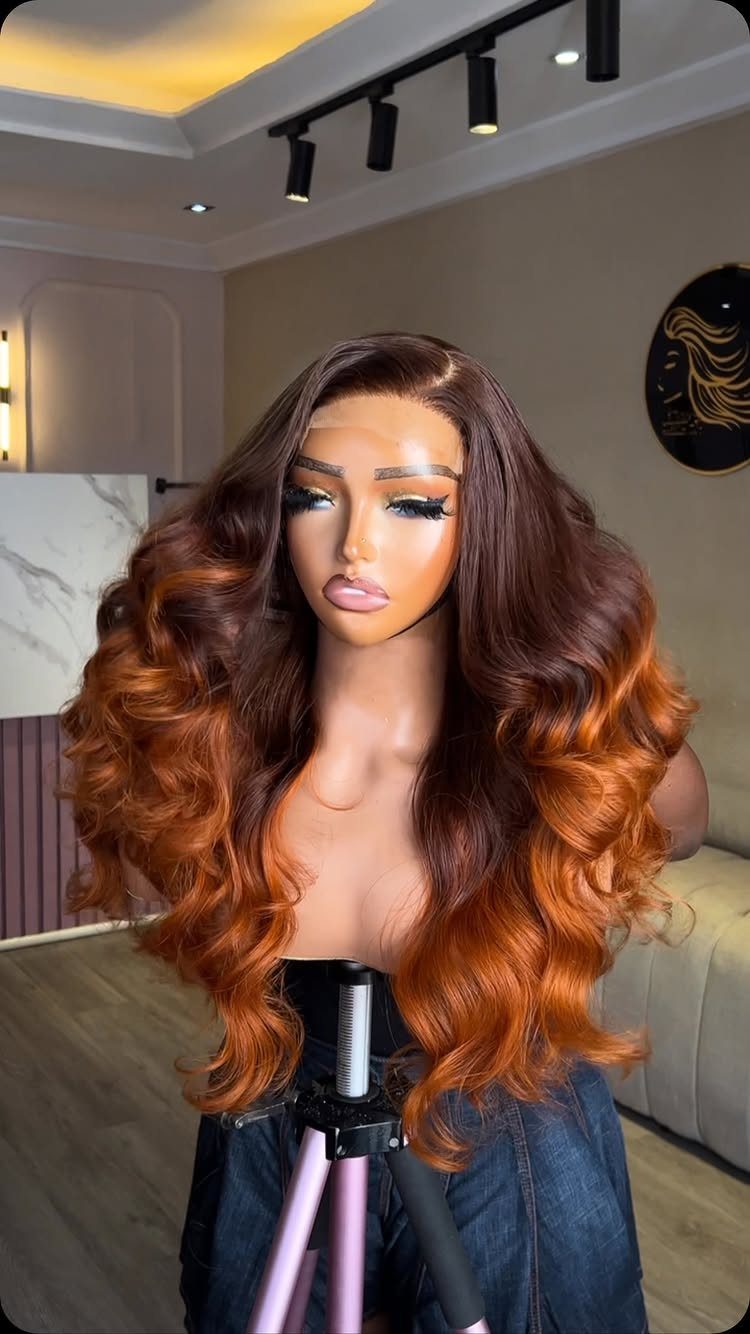
Dark brown roots running into bright copper ends make this the most dramatic way to wear the color. The contrast is the whole look, so the dark section stays dark and the copper stays clearly bright.
Ask for an ombre with a visible shift, not a soft wash, and say you want the ends bright.
Long waves stretch the gradient across more length, which I prefer to a blunt cut. Since the roots stay natural-looking, you skip the harsh line a full copper color can show at the scalp.
15. Copper with Blonde Highlights
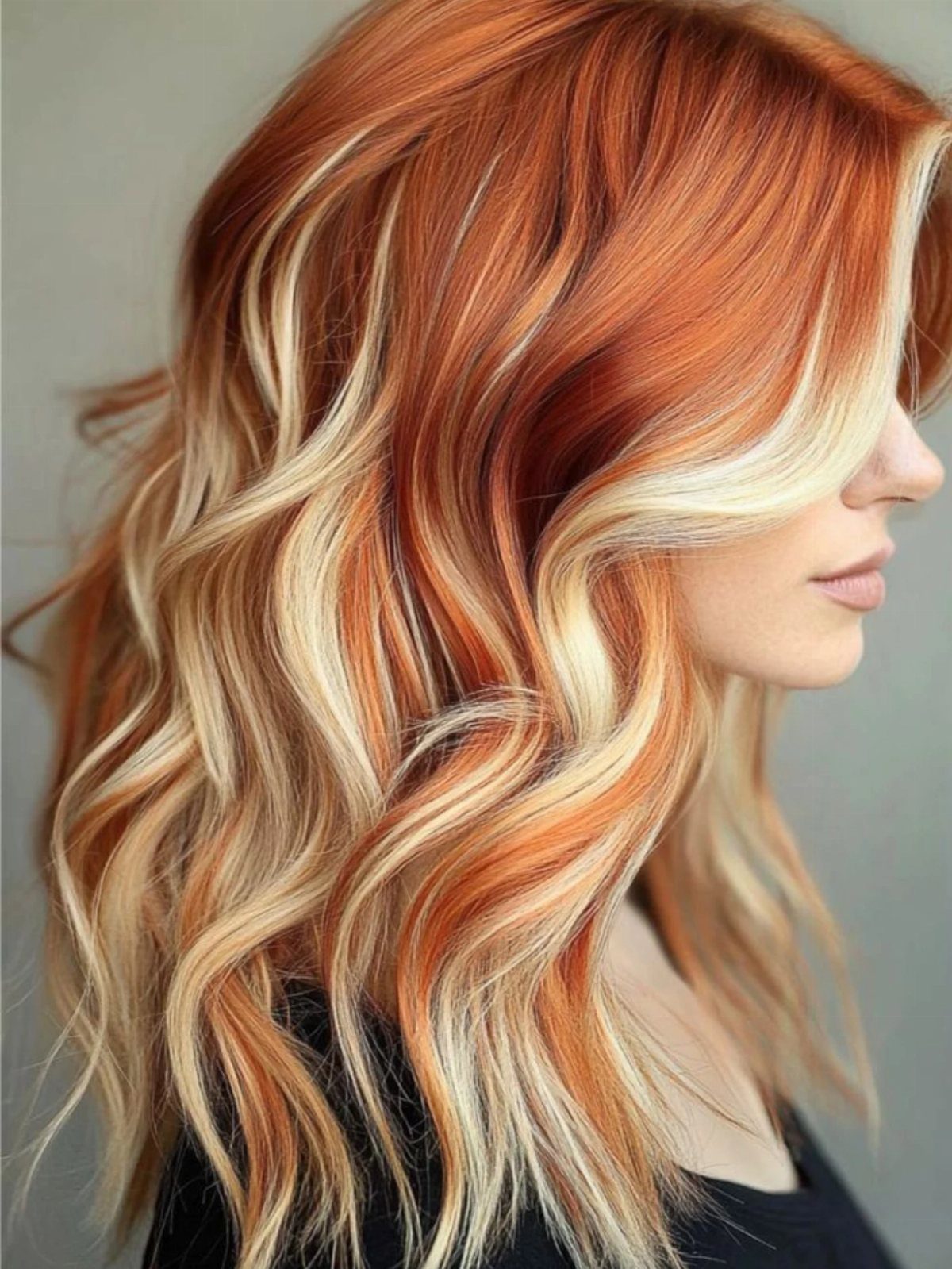
Blonde pieces laid around the face lift a copper base and make it glow where it matters. The copper stays warm and the blonde adds light, so the 2 read as layers instead of a clash.
If you want it, ask for lighter blonde pieces framing the face and a copper base through the rest.
Tell your stylist how close the blonde should sit to the copper; a smaller gap looks softer. Loose waves show the contrast best, and I would pick them over straight styling.
16. Chocolate Copper
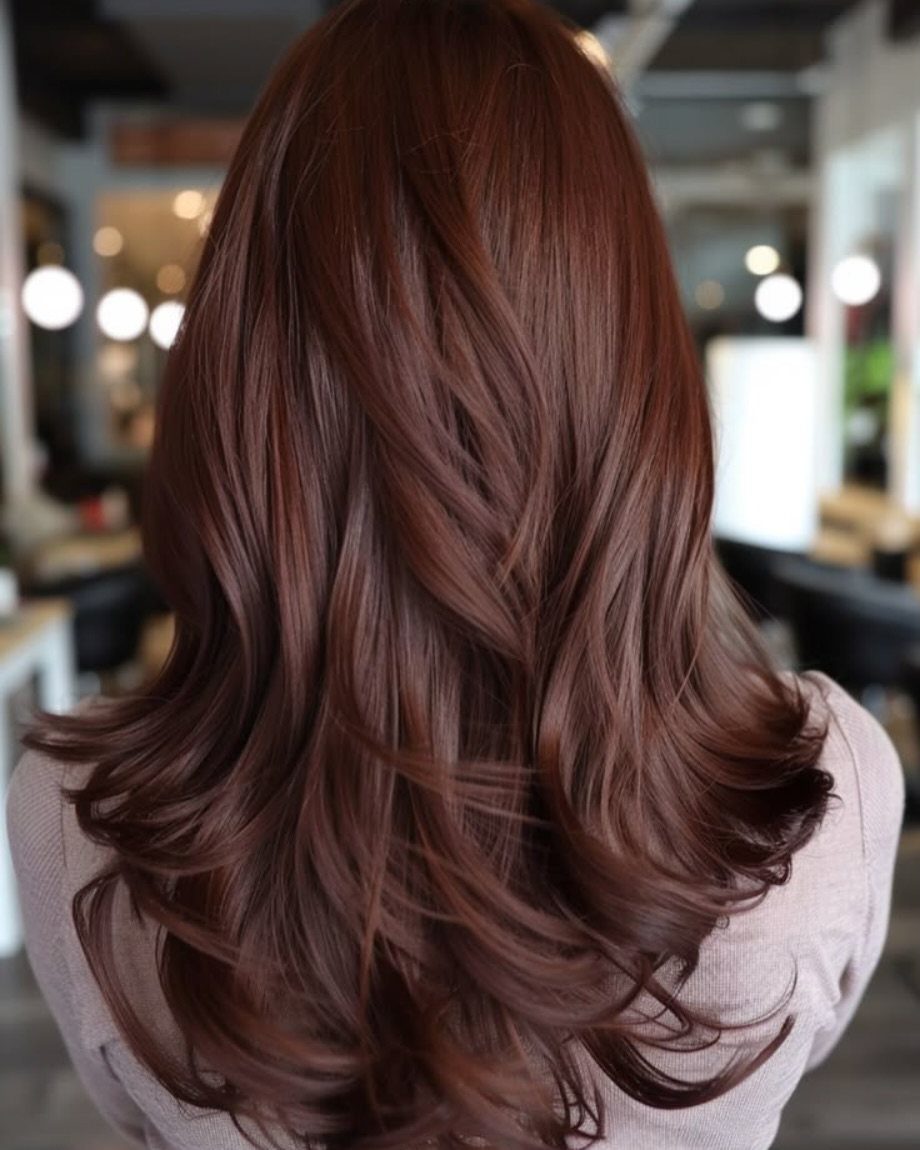
Chocolate copper keeps a deep brown base and adds a spicy, chili-toned cast, so the warmth shows up as a red-copper sheen instead of a bright stripe. In daylight it reads as rich brunette that happens to glow.
Name the base as chocolate brown and the tint as chili copper, and show a saved photo, since a plain request for "copper" can land on orange.
Long layers help the sheen move as the hair does. I would choose this over copper brown if you want the brown to stay in charge.
17. Golden Copper Brown

Strawberry blonde on one side and light chocolate on the other: golden copper brown lives between them, with gold flecks that make it brighter than a plain copper brown. It is lively without leaving brunette behind.
Tell your stylist you want a bright, gold-flecked copper brown and show a photo, because the gold is what sets it apart from the deeper, redder coppers.
Long waves with bangs suit it, and I like how the bangs put that brightness right near the eyes.
18. Copper Curtain Bangs
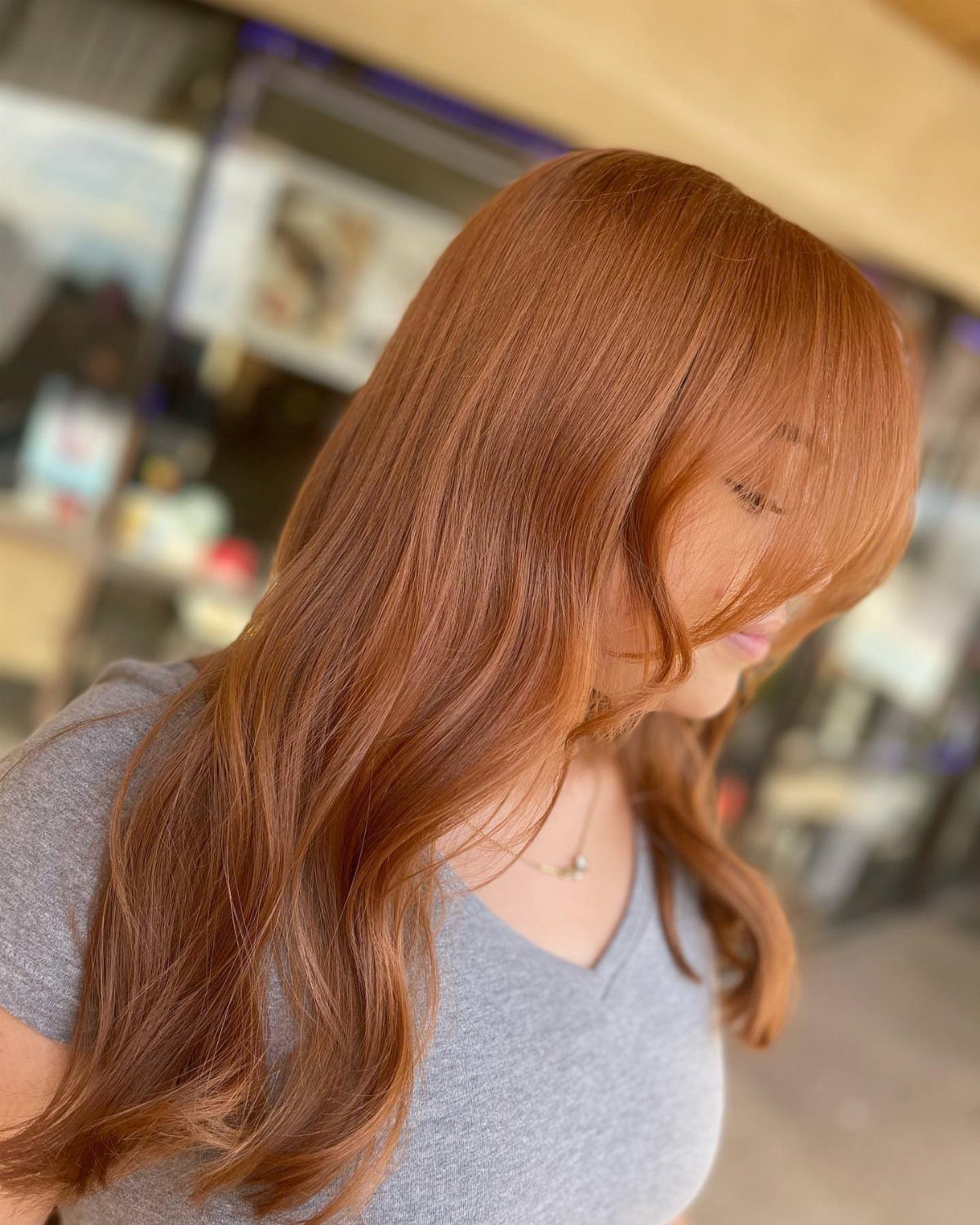
Curtain bangs part in the middle and sweep to each side, which frames the face while the copper carries the warmth. The sweep gives a copper color more shape, and soft layers keep the length from looking heavy.
Ask for curtain bangs blended into the layers, not cut as a separate block.
Bangs are a haircut decision as much as a color one, so I would tell your stylist about both at the same appointment. Long copper hair is the version I would pick.
Copper Color Upkeep
Copper is usually the first color to fade, because the red and orange pigments behind it slip out of the strand sooner than the ones in cool or neutral shades. Most upkeep comes down to slowing that loss.
Use a sulfate-free, color-safe shampoo and wash only 2–3 times a week, with dry shampoo on the days between. Lukewarm or cool water is gentler on the color than hot.
A color-depositing conditioner once a week puts tone back between appointments. Overtone Copper, Celeb Luxury Viral Color wash in Copper and Kera Color Clenditioner are all made for this.
Heat speeds fade, so spray a thermal protectant before any flat iron, curling wand or blow dryer. The sun does the same, which makes a hat or a UV-protectant spray worth using on long days outdoors.
A salon gloss every 4–6 weeks refreshes the tone and shine, so the color looks chosen rather than washed out.
Salon Consultation and Preparation
Bring 2–3 reference photos, not 20. A big pile blurs which shade you actually want.
Describe how the color should behave on you: dimensional rather than flat orange, and suited to your base color and skin tone.
Brunettes should ask how much lift is needed before deciding how bright to go. Dark or previously colored hair may need lightening first, so share your full color history.
If orange worries you, say so directly.
Before you leave, ask how often to return for a gloss and which products to use at home.
Match Shade to Complexion
Undertone matters more than skin tone or depth, so check that first.
Warm undertones usually handle true copper, copper brown or golden copper without trouble, since the hair shares the warmth already in the skin.
Neutral undertones get the widest choice, but I’d still reach for soft copper, auburn copper or balayage before an all-over bright orange-copper.
Cool-toned skin can pull off copper too; the shade just needs to be muted rather than bright.
Roughly speaking, fair skin does well with strawberry and peachy coppers, while olive and deeper complexions hold up to dark copper and auburn. Undertone still wins when the two disagree.
To test, hold a fabric swatch or a photo filter near your face and see whether the warmth frames it or competes with it.
The key to pulling off copper hair is choosing a shade that complements your skin tone. The right match can light up your features and add richness to your strands.
Frequently Asked Questions
What is the difference between ginger and copper hair color?
Classic copper sits right in the middle: a red-orange that stays clear of both brown and true red.
Ginger copper reads as plainly red, brighter and bolder than any of the brownish coppers. If you want the color to be the first thing people notice, ginger copper is the one; classic copper is the easier middle ground.
What are some good red hair colors for fall?
Copper auburn, copper brown and classic copper are the 3 reds I would look at first.
Copper auburn leans toward red-brown over orange, a shade nearer to polished cherry wood than to a shiny new penny. Copper brown is the gentlest of the group: a brown base with a layer of warmth over it.
What color is copper brown?
Copper brown sits between brunette and red: a brown base warmed with copper, somewhere between a warm brown and a fiery red.
The range stretches from faint to vivid, so on a first round I’d keep it subtle, a brown that flashes copper only when sunlight hits it.
What copper hair color suits my skin tone?
Start with undertone; it predicts how the color will look better than skin depth does.
Warm undertones handle true copper, copper brown and golden copper; neutral undertones have the widest choice; cool undertones look best in a muted copper rather than a bright one.
A quick test: drape a fabric swatch in the shade near your face, or try a photo filter, and watch whether the warmth lights you up or fights you.
How do I get copper-colored hair at home?
Choose a copper box dye in the shade you want, and plan on bleaching first if your hair is medium brown or darker and you want a vivid result.
Whatever is already on your hair, including old box dye, changes how many steps the process takes, so count it before you buy.
Do I need to lighten my hair first to go copper?
Often, yes, if you want a bright or light copper. Brown hair headed for copper blonde has to be lightened before any copper goes on, and dark or previously dyed hair often needs lift too.
Before settling on how bright to go, ask how much lift your current shade needs, and give your stylist the full history of what has touched your hair.
Does copper hair color fade fast?
Yes, copper is usually the first color to fade.
The red and orange pigments behind it slip out of the strand sooner than the pigments in cool or neutral shades. Washing less often and keeping the water cool or lukewarm slows the loss.