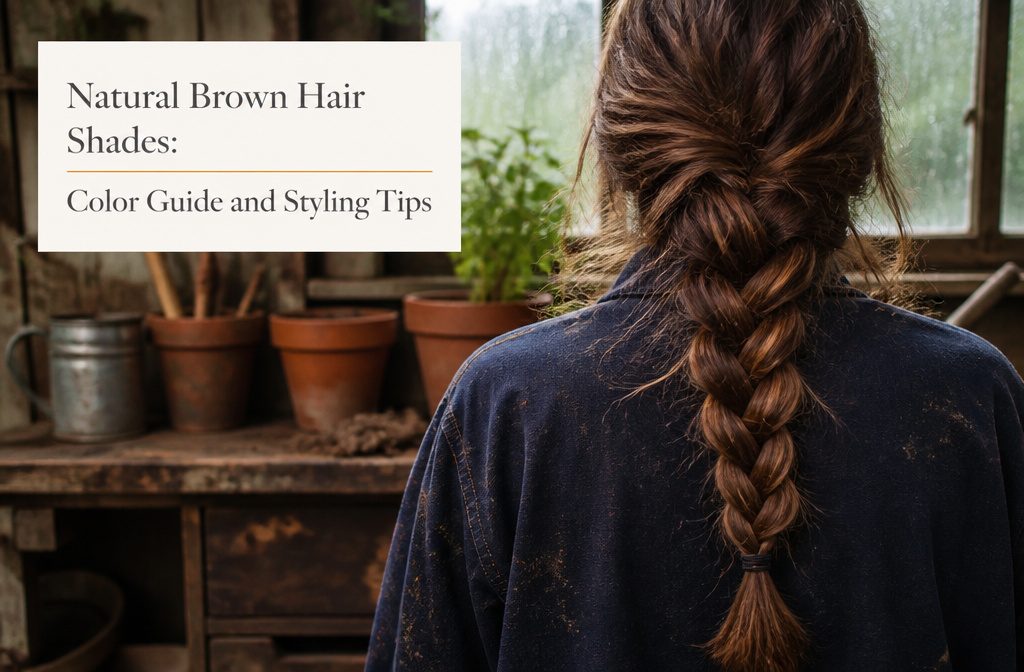
Natural brown hair covers every shade from light golden brunette to near-black ebony, spanning at least fifteen distinct tones that shift with warmth, depth, and the amount of eumelanin pigment your hair carries.
The shade you pick changes entirely based on your skin’s undertones: blue veins call for warm caramel and honey, green veins pull cool ash and chestnut, and copper browns clash hard with very pale or cool complexions.
1. Light Brown
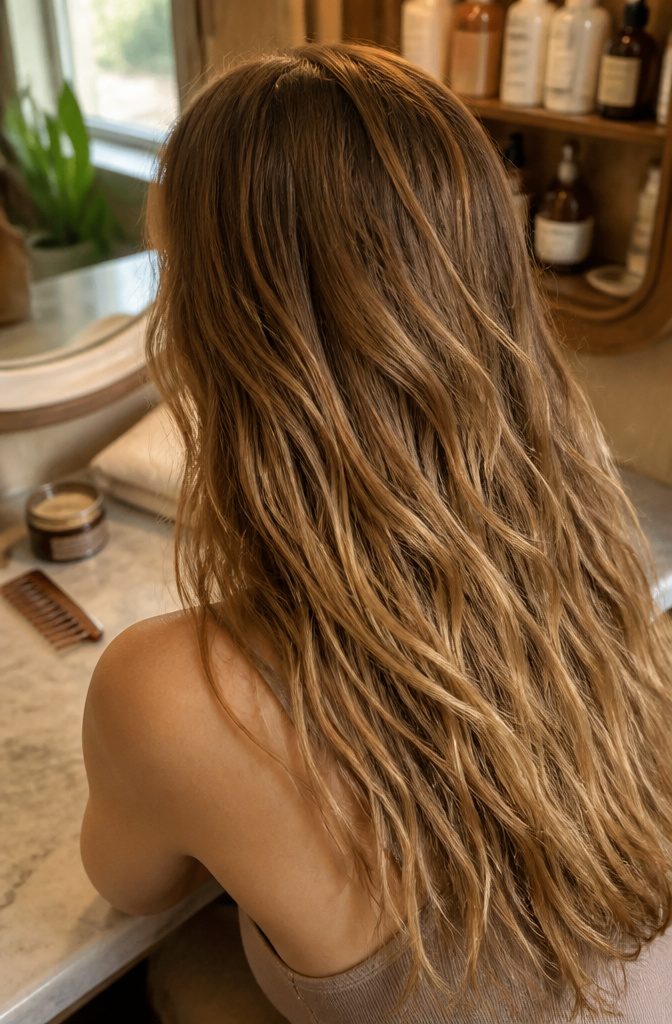
Light brown sits at the edge where brunette almost tips into blonde, catching enough warmth that it reads sunlit without crossing into honey or golden territory.
The line between them stays fuzzy: one source treats light brown as the palest brunette with golden highlights woven through the base, while another calls honey brown the lightest option and reserves light brown for something slightly deeper.
Either way, this shade brightens dark hair without the upkeep of full highlights, and it flatters every skin tone by adding dimension where flat brown would look dull.
The golden cast warms up light complexions and plays well with medium to deep skin, making dark eyes look richer and light eyes more defined.
If you are starting from medium brown, you can reach light brown with a single lightening treatment.
Going the other direction works too: darkening light blonde by one to three tones lands you in this range without the drama of a full brunette plunge.
Lighter brunettes fade faster than darker ones, so a weekly color-safe mask keeps the tone from washing out.
John Frieda makes one that extends the life of the shade between touch-ups, which matters when you are working this close to blonde.
2. Golden Brown
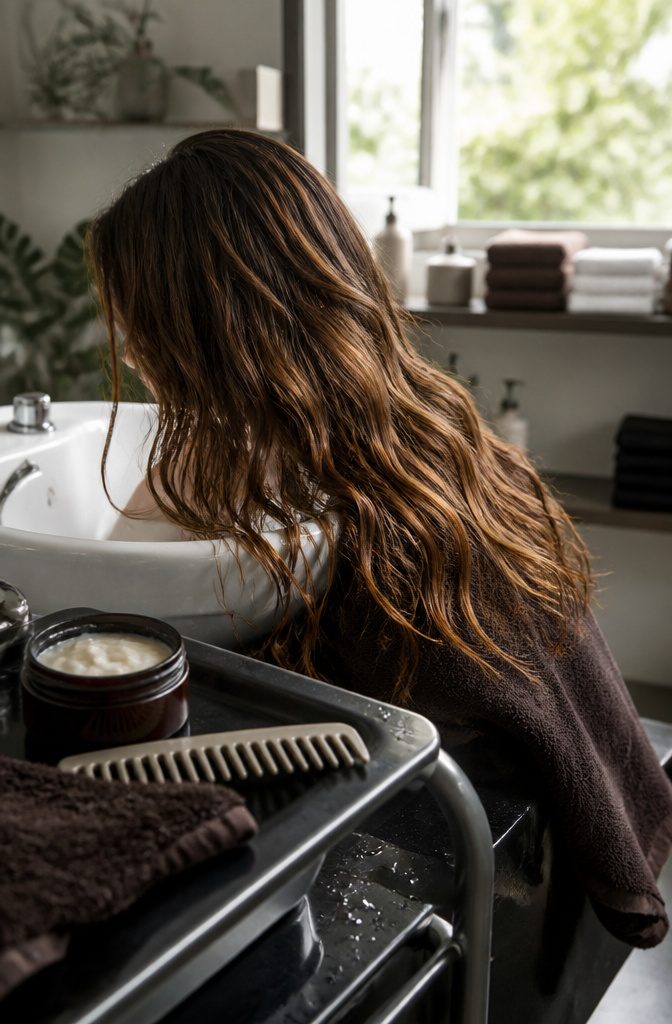
Golden brown is a warm, sunny brown loaded with golden tones that catch the light. If you have medium or dark skin, this shade gives you that just-back-from-the-beach glow without the plane ticket.
Your colorist may need to use bleach depending on how light the target shade is. Bleach always causes some damage, but I’ve found that adding a repair mask helps keep things looking healthy.
L’Oréal Professionnel Serie Expert Inforcer Anti-Breakage Masque (8.4 fl oz) is the one Hair.com pairs with this step. It’s infused with vitamin B6 and biotin to strengthen hair and prevent breakage while detangling and adding shine.
3. Honey Brown
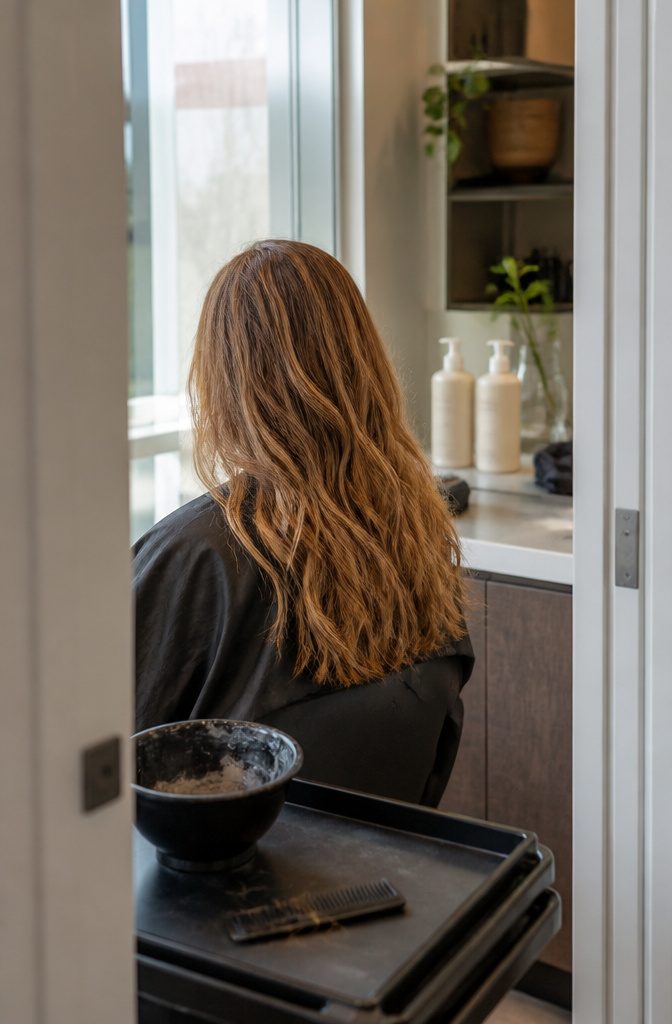
Honey brown is a golden, sun-kissed shade that sits somewhere between caramel and blonde, giving brunettes warmth without committing to full highlights.
One way to look at it puts honey brown lighter in effect than caramel brown, richer in golden highlights but with a darker base than hazelnut.
The shade comes from partial lightening applied to light or medium brown hair, often blended through Californian-style highlights that lift darker lengths without a full-head bleach.
I think of it as the friendliest way to add dimension without leaving brown territory entirely.
The warmth works across skin tones, brightening your complexion without turning the color cooler or ashy. Getting there involves lightening treatment, so very dark hair may need bleaching first to reach the golden lift honey brown depends on.
Once you’re there, brass becomes the upkeep question. Redken Color Extend Brownlights Shampoo and Conditioner tone out unwanted warmth on both highlighted and naturally brown hair, keeping the gold intentional rather than orange.
4. Hazelnut Brown
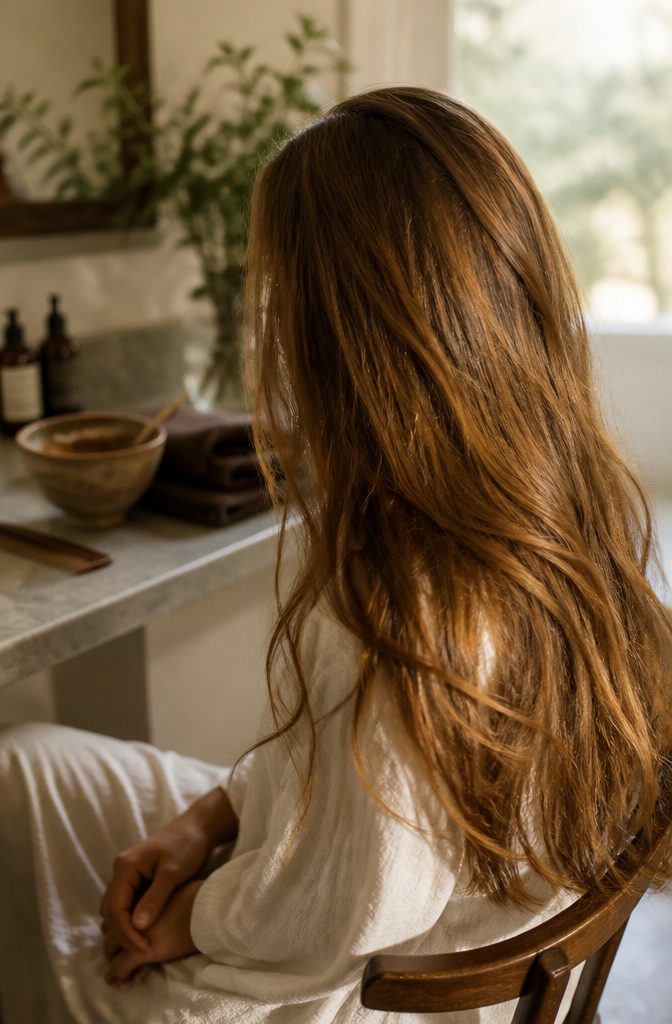
Hazelnut brown sits lighter on the spectrum than most browns and brings golden warmth that catches light where darker shades absorb it.
The shade reads almost like a soft blonde from a distance but holds enough brown depth to stay grounded.
I find it softens dark eyes without washing them out and pulls out flecks in lighter eyes you might not notice otherwise.
One plant-based route pairs henna with cassia obovata.
Henna Morena’s formula runs €19.95 and delivers that hazelnut tone while covering gray with a slight copper lean. The combination lifts very dark brown without bleach, though the result still carries warmth rather than turning ash.
Fair skin with a gold undertone wears this well, and so do deeper complexions looking for dimension without going fully caramel.
If your base sits anywhere from chestnut to medium brown, standard color gets you there. Darker than that and you’re looking at either lifting or bleach first.
5. Caramel Brown
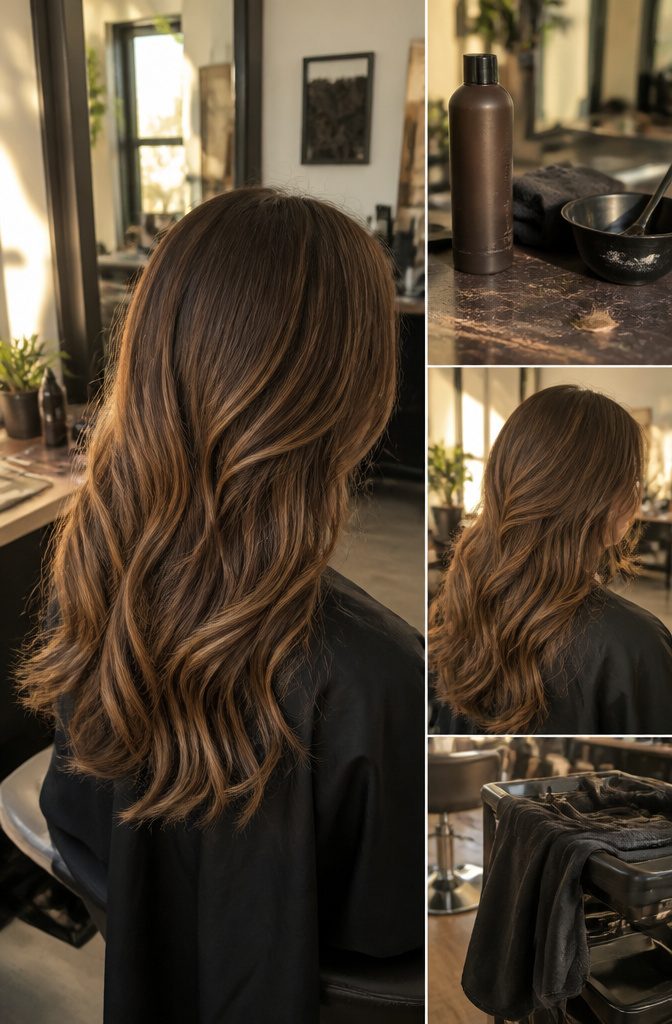
Caramel brown sits between honey and hazelnut, and the difference comes down to how the highlights layer in.
Where honey reads lighter overall, caramel holds a deeper medium brown base and stacks golden highlights on top rather than blending them through.
That warm shimmer softens your features and works across pale to dark skin, which is why you see it on people like Eva Mendes.
If you’re starting from dark chestnut or medium brown, the shift feels natural.
Darker hair usually needs pre-lightening to get the golden tones bright enough, and highlighted caramel has one real maintenance catch: those warm pigments can swing brassy between salon visits.
A toning shampoo keeps the gold from turning orange. Ask for all-over caramel if you want consistent warmth, or go for highlights if you’d rather build dimension without committing to full color.
6. Chestnut Brown
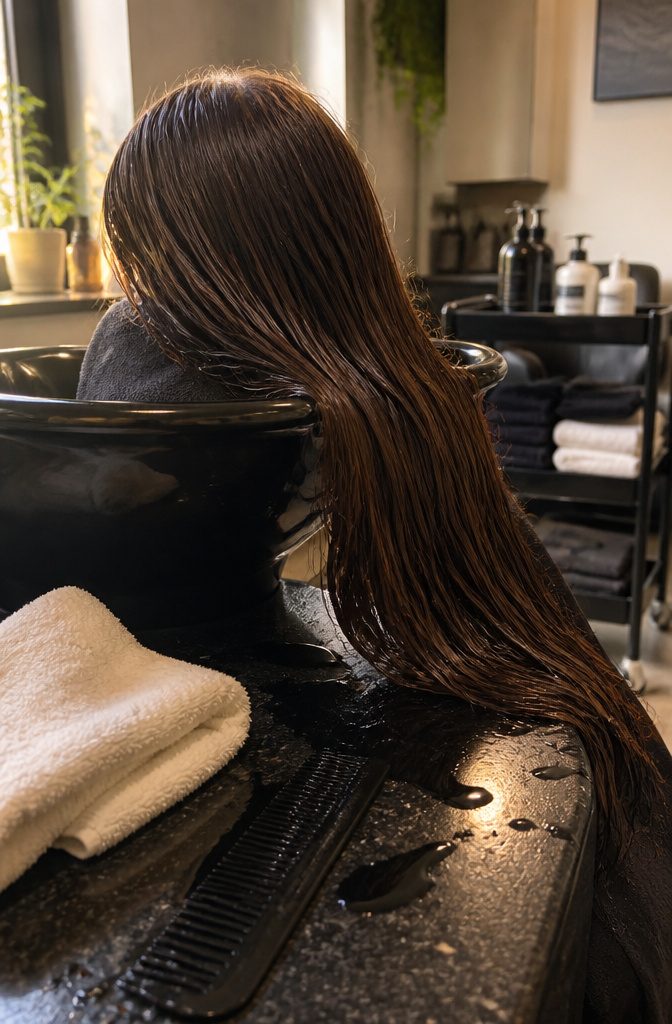
Medium brown hits the balance point: enough depth to read as brunette, enough lightness that it doesn’t flatten against most skin tones.
Chestnut brown sits right in that range and brings a little warmth or a hint of red without tipping into auburn territory.
On the hair-color levels John Frieda uses, that’s 4n and 5n, the middle ground that adapts to cool or warm undertones equally well.
Chestnut works for most faces, covers gray solidly in one session, and adjusts easily if you want to go darker or lighter next time.
Discovery Naturals sells a Chestnut kit and suggests switching to it if another shade comes out heavier than you wanted.
If your hair tends to throw red in sunlight, let the rinse sit fully before you touch it so the pigment sets evenly.
7. Chocolate and Cocoa Brown
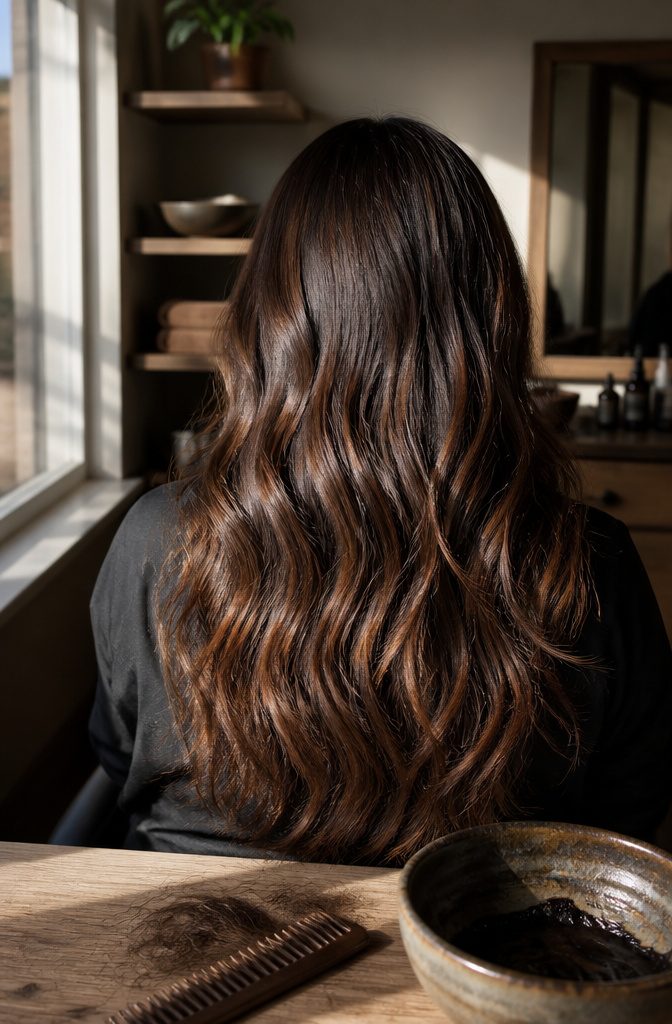
Chocolate brown sits a level deeper than milk chocolate, rich enough to read as brunette without crossing into espresso territory.
Cocoa brown goes darker still, the kind of shade that looks nearly black indoors and opens up warm in direct sun.
The difference between them comes down to how much gold or mahogany the base carries. Chocolate tends to pick up golden or auburn highlights as it grows out, while cocoa holds a cooler, more neutral brown.
If you want chocolate tones without going all the way dark, the Walnut with Indigo formula from Henna Morena works. They label it Dark Brown Chocolate and price it at €19.95.
Walnut brings the warm, slightly chocolate pigment, and it softens gray with caramel-toned highlights rather than covering it flat. That warmth is what keeps the shade from looking too heavy, especially if your natural color already leans neutral or warm.
8. Dark Brown
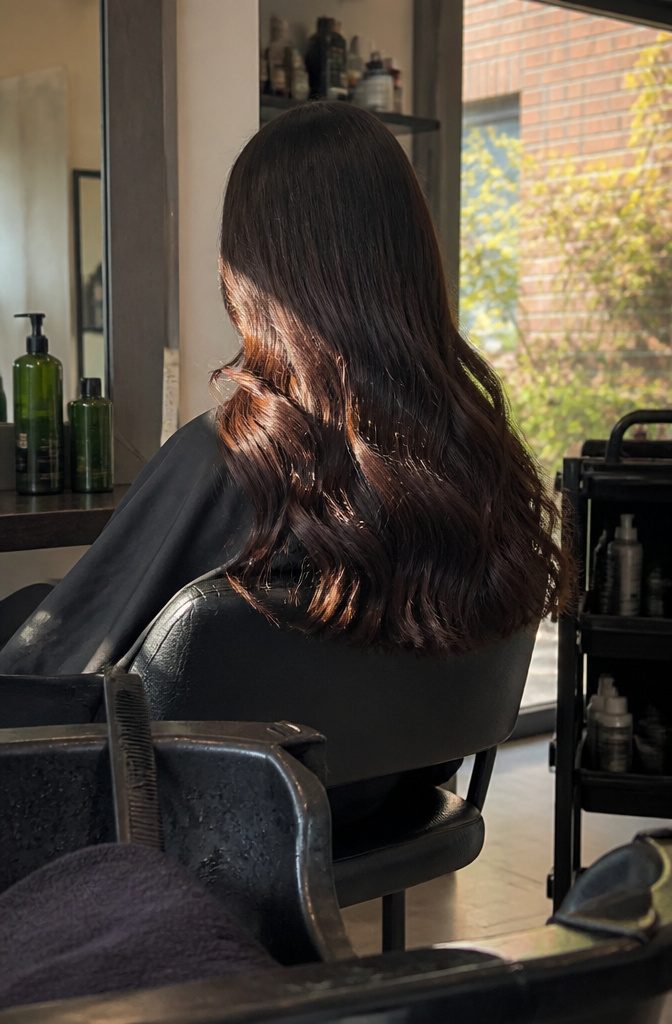
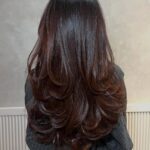
Dark brown sits one shade back from black, deep enough to read nearly ebony in low light but carrying more warmth when the sun hits it.
It pulls in chocolate or espresso tones depending on your base, and that depth makes it work across every skin tone without washing anyone out.
If you’ve been thinking about going darker or flipping your whole look, this is the shade that does it without locking you into jet black.
The catch shows up a few weeks in: red undertones start bleeding through, especially if you started with virgin hair or went all-over color.
Matrix Total Results Dark Envy Shampoo and Conditioner neutralizes those red tones in dark brown and black hair, using green pigment to pull the warmth back down. It keeps the color where you wanted it instead of drifting copper.
9. Ebony Brown
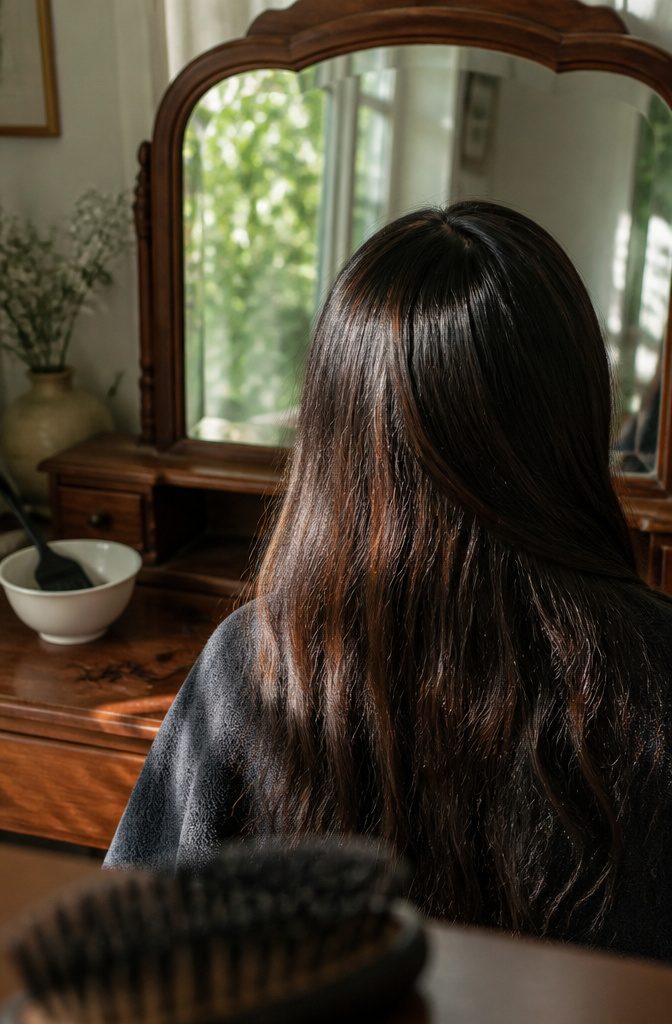
Ebony brown sits right at the edge of what brunette can be before it tips into black. John Frieda marks it at level 2n, the deepest you can go and still call it brown.
East Asian natural hair falls mostly in this range, described as brown to black rather than purely one or the other, and it tends to darken as you age.
Even hair that reads as black in most light will show reddish-brown pigment when the sun hits it directly.
The contrast makes your eyes stand out, especially if they’re light.
But that same contrast is also what makes regrowth visible fast. If you’re naturally blonde and thinking about going this dark, you’ll need a pre-color treatment to build enough base pigment for the dye to hold.
Brunettes can skip straight to a black color treatment. Either way, plan for touch-ups every few weeks once roots start coming through.
10. Ash Brown
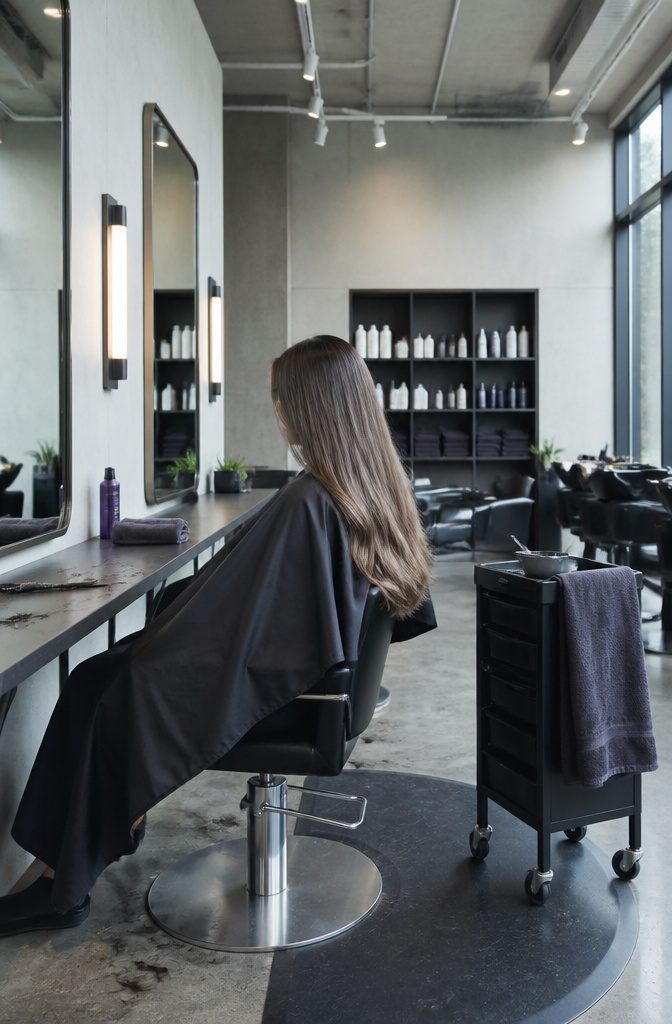
Ash brown runs cool and silvery, with gray tones that pull away from warmth the way mushroom or pewter does. The shade works by cooling down your natural base, and if you start brunette the process is usually tone-on-tone.
Start blonde or red and you need a darker permanent color first to build a brown canvas before the ashy highlights go in.
Cool shades do not flatter every complexion.
Ash brown tends to dull pale skin, though it balances pink or ruddy tones and looks strong against darker complexions. If your veins run green and you lean warm, ash brown may wash you out rather than lift your features.
To hold the color without brass creeping back in, a purple-toning shampoo keeps the gray cast from slipping yellow.
The look reads polished and slightly editorial, but it asks more of your starting color and your skin tone than golden or caramel browns do.
11. Gray Brown
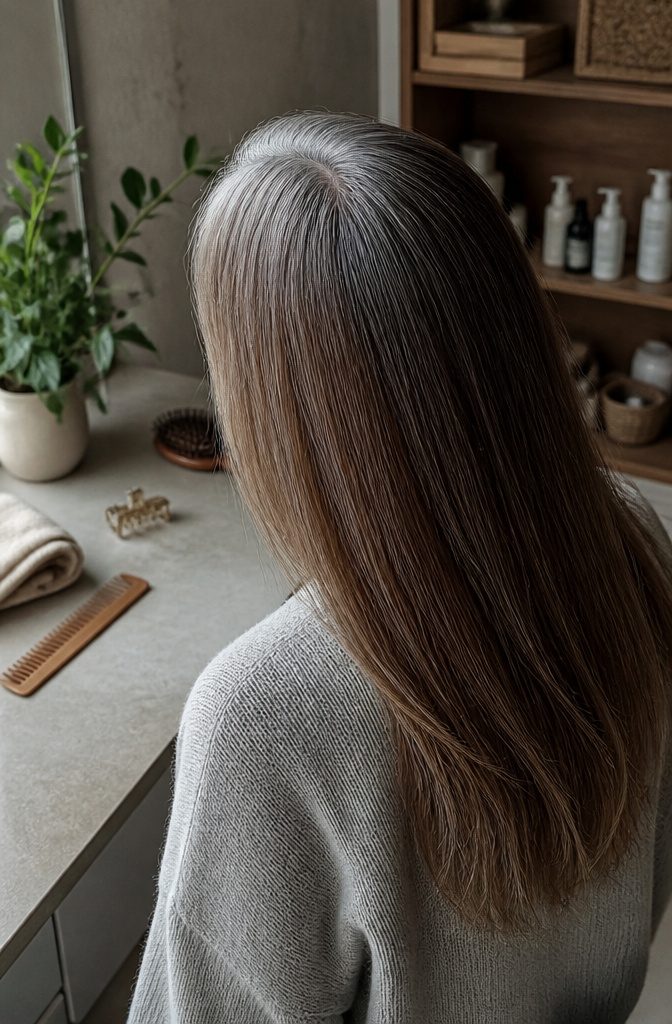
Gray brown is a moody, cool-toned shade that sits between conventional brown and full silver.
The coolness reads especially well on pale skin, where warmer browns can look too orange or heavy. I think of it as the shade you’d choose if ash brown feels too flat but golden brown pulls too warm.
If you’re considering going gray or already have silver coming through at the roots, gray brown can ease that shift.
It closes the contrast between dyed brown and natural gray enough that regrowth feels gradual rather than stark, and you buy yourself longer between touch-ups while the transition happens.
12. Auburn and Copper Brown
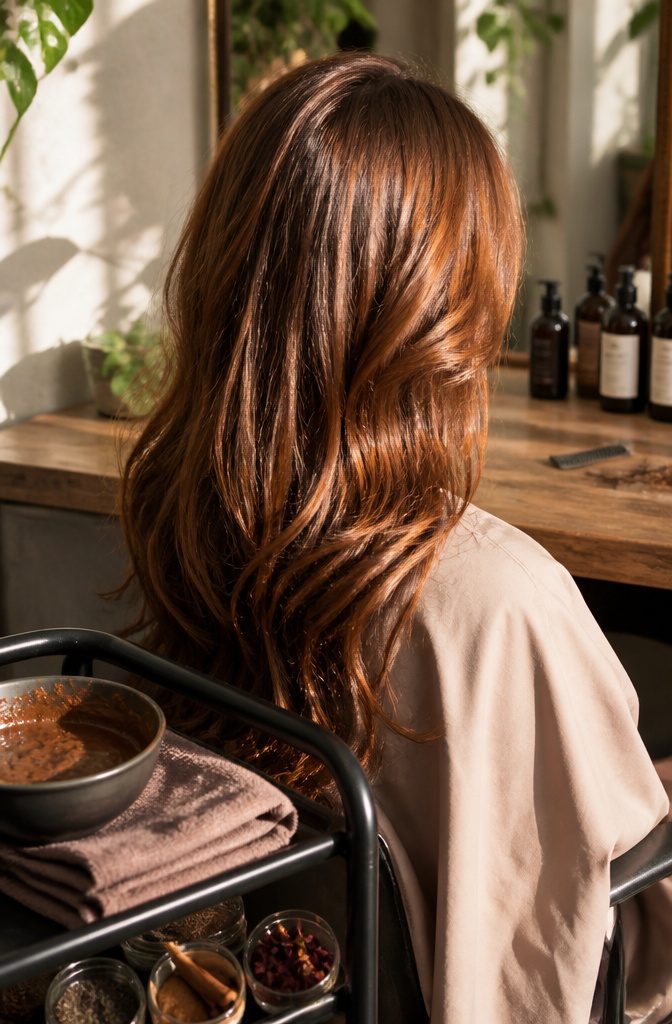
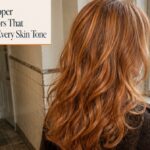
Auburn and copper brown sit somewhere between brown and red, loaded with orange or reddish highlights that catch the light without leaving brunette territory behind.
On medium brown hair, a coppery formula reads as deep and warm; on very dark brown, the same mix shifts toward mahogany.
The look wins for anyone wanting red without committing to full ginger, and it suits pale to golden skin with blue-green or hazel eyes.
Darker complexions tend to clash with copper brown, though. The orange pulls away rather than blending in, so caramel makes a better alternative if that describes you.
For a coppery brown using plant-based color, the Henna Morena formula Henna with Black Tea, Cinnamon and Hibiscus wraps the hair fiber without penetrating it, which means the final shade always depends on your starting color.
13. Mahogany Brown
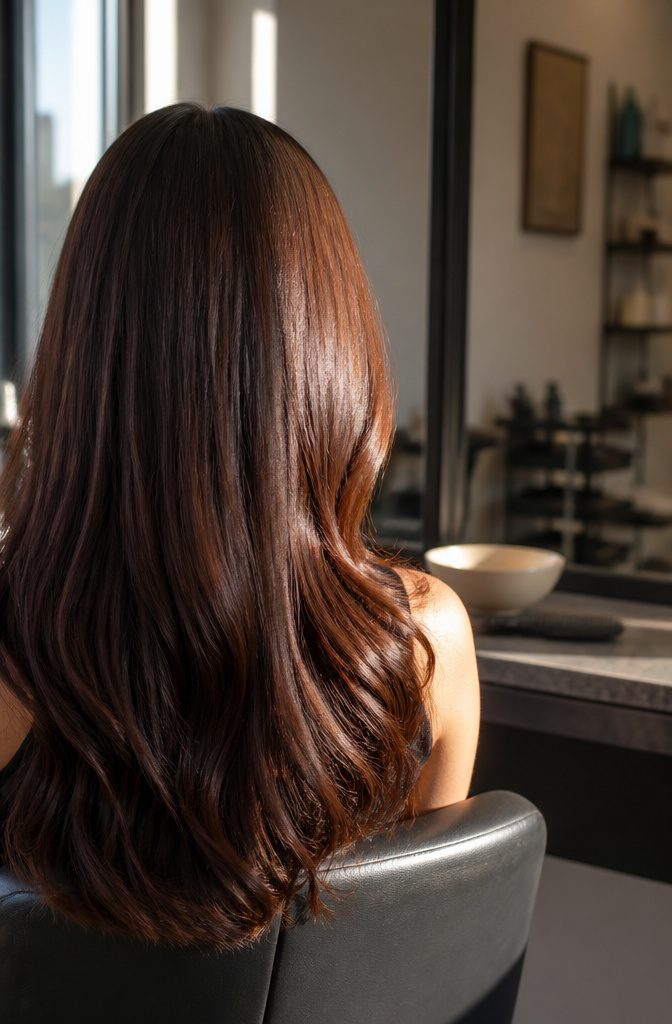
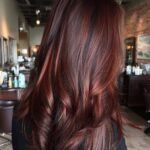
Mahogany sits deeper than auburn, holding brown-red as the base with red highlights that flash warmest in direct light. The balance leans toward brown first, so the red reads as dimension rather than the lead color.
On very dark starting hair, expect a darker mahogany result where the red shows mostly as shine and warmth rather than obvious color shift. Medium brown gives more visible copper coming through.
The depth is what separates mahogany from auburn. Auburn skews redder and brighter; mahogany keeps the red contained inside a brown frame, which makes it read richer and less obviously fiery.
It works especially well on olive or naturally tanned skin, and the red highlights suit all eye colors without fighting warm or cool undertones.
If you start brunette, purple highlights can pull natural brown toward mahogany without a full dye job. Blondes need a darker base laid down first to get the shade to land right.
14. Reddish Brown
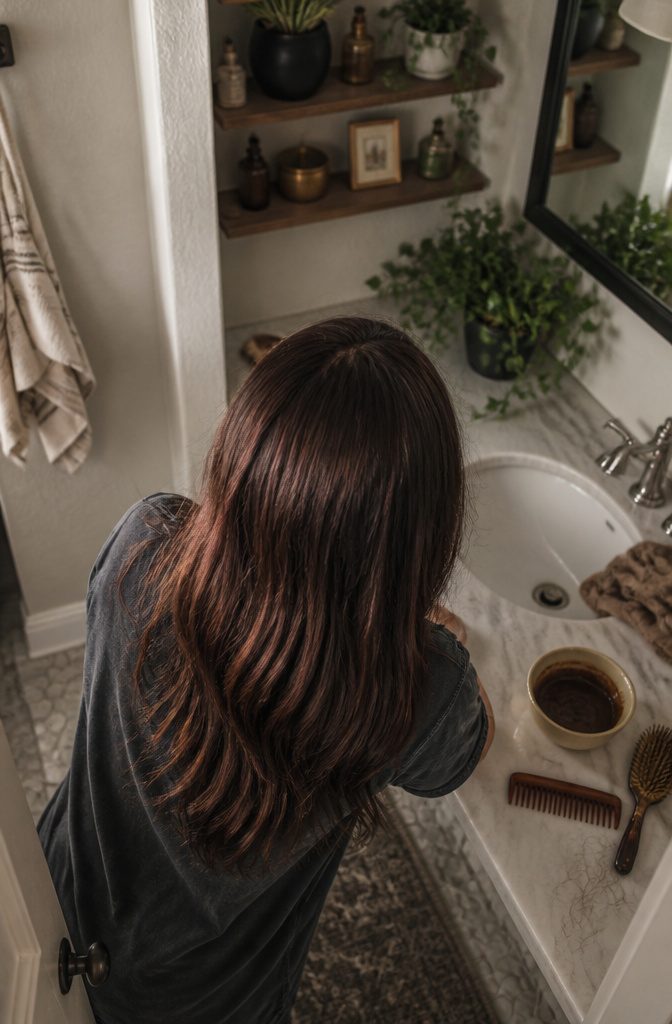
Red brown lands closer to brunette than copper or auburn, though you’ll find the three names used interchangeably often enough that the line between them blurs.
The practical difference: red brown keeps brown as the base and adds warmth through red tones, while copper and auburn push further into red territory with orange or true red highlights.
If you want the red hair moment without fully committing to it, this is the shade that lets you stay anchored in brunette while picking up enough warmth to register as something different.
The shade works by layering red tones over medium to dark brown, giving you depth with a visible shift in certain light.
Mahogany sits in this family too, combining brown and red with purple highlights for more intensity. On very dark brown hair, plant-based formulas like henna with black tea pull mahogany; on medium brown, the same mix delivers deeper copper.
15. Bronze
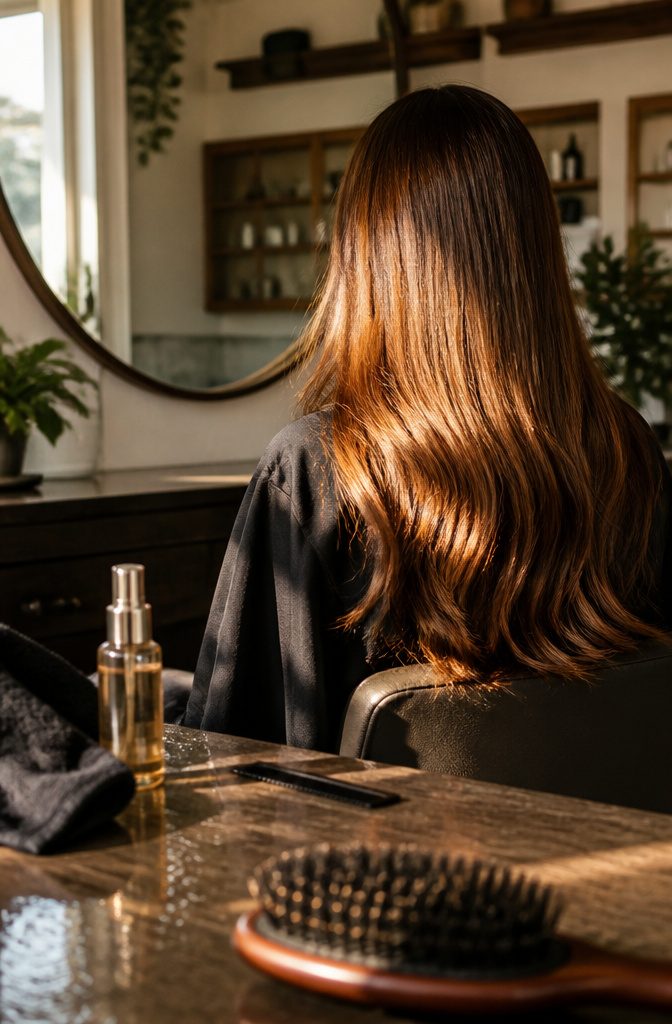
Bronze sits at the brightest end of the brown spectrum, where the color catches light and throws it back.
Hair.com calls it a statement-making shade for good reason: the metallic warmth reads louder than most browns, closer to copper than chocolate. If subtlety is the goal, bronze is not the move.
The shine is part of the structure. Bronze hair reflects more light than matte browns, so upkeep leans on shine serums rather than color depositing masks.
Pureology Shine Bright Taming Serum works well here, adding gloss without weight and smoothing frizz that breaks up the reflective surface. Without it, bronze can look more orange than intended, especially under fluorescent light or as the color fades.
It grows out noticeably. The contrast between bronze and natural brown roots is sharper than with deeper shades, so touch-ups land closer to every four weeks than six.
Choosing Your Shade
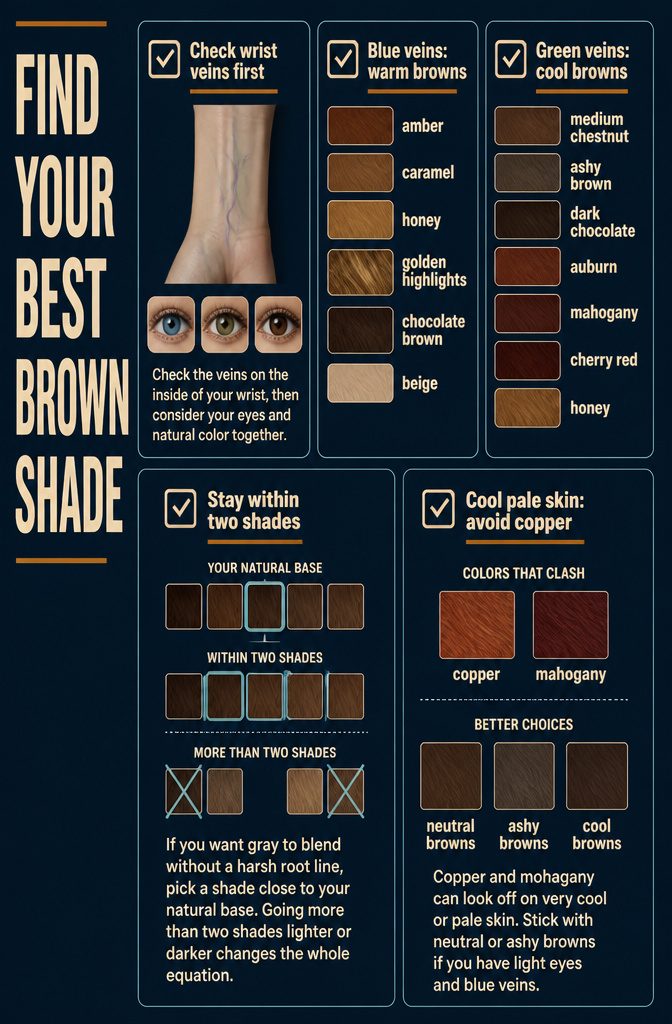
Match brown to your skin the same way you size up whether gold or silver jewelry looks better on you: check the veins on the inside of your wrist, then consider your eyes and natural color together.
- Blue or purple veins mean cool undertones. Warm browns like amber, caramel, honey, and golden highlights pop on cool-toned skin. Chocolate brown and beige neutralize any redness.
- Green veins signal warm undertones. Cool shades like medium chestnut, ashy brown, and dark chocolate brighten your complexion. Golden and reddish tones like auburn, mahogany, cherry red, and honey bring out warmth.
- Depth matters. If you want gray to blend without a harsh root line, pick a shade close to your natural base. Going more than two shades lighter or darker changes the whole equation.
- Some browns clash. Copper and mahogany can look off on very cool or pale skin. Stick with neutral or ashy browns if you have light eyes and blue veins.
Starting Color and Method
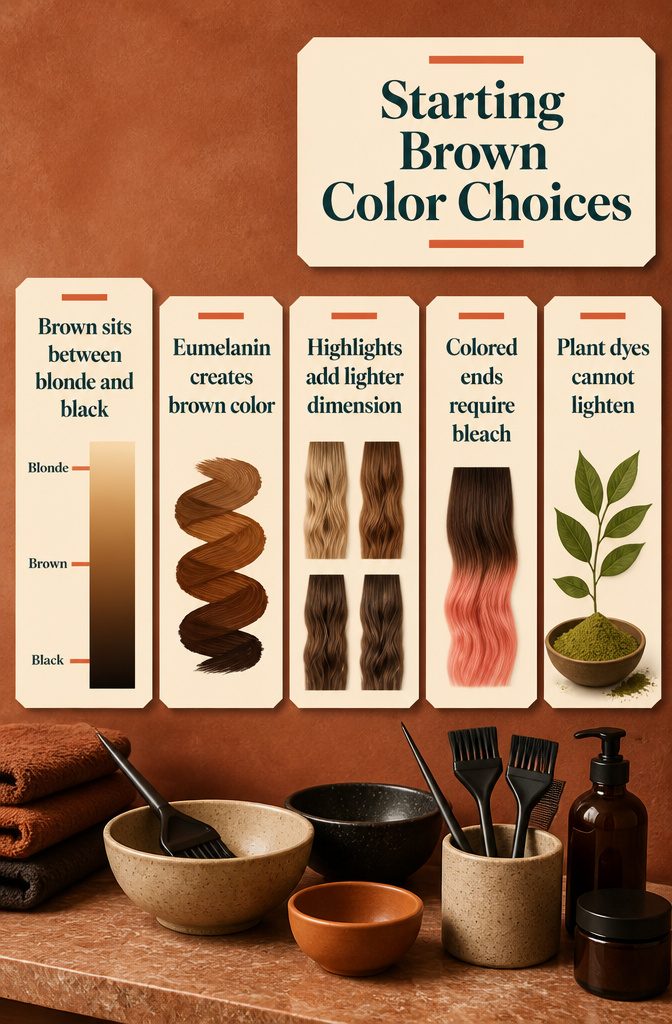
The shade you land on depends entirely on where you started and what method you choose.
Natural brown hair gets its color from eumelanin, the pigment that sits somewhere between the low levels in blond hair and the high concentration in black. It’s the second most common hair color after black.
Brown hair has more eumelanin than blond hair but also has far less than black.
That middle ground gives you options. If you’re coloring from scratch, the technique matters as much as the shade.
Highlights and lowlights add dimension by weaving lighter or darker tones through your base. Balayage gives a softer, hand-painted fade.
Ombre runs light to dark, dramatic or subtle. Colored ends need bleach to lift the pigment first, which is a bigger commitment.
Tone-on-tone coloring deposits color without lifting, so it cools or warms your existing brown rather than changing the level.
Ash brown and ice brown both use this approach, layering purple or silver over your natural shade. If you’re starting from blonde or red, you’ll need a darker base color first before adding those cool tones.
Plant-based dyes work differently.
They deposit tone and do not bleach, so they can’t lighten. They’re gentler but limited to darkening or enriching what’s already there.
Plant-Based Dye and Gray Coverage
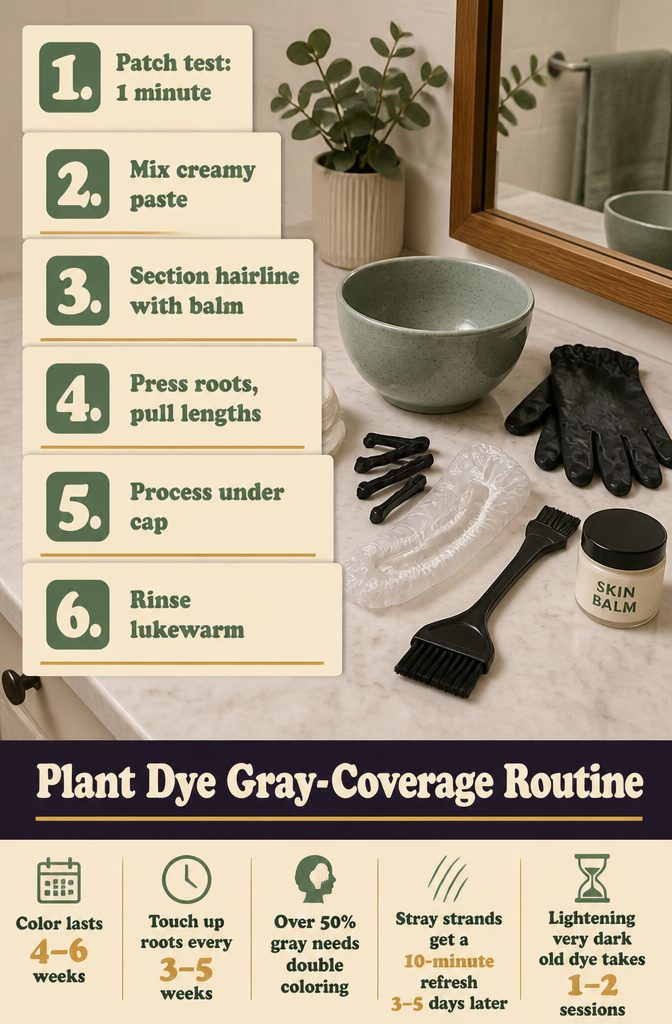
- Patch test a small strand first; it takes 1 minute.
- Mix in a non-metal bowl, gloved, to a creamy paste, thicker for gray. Lay out clips, cap, brush and skin balm.
- Section with clips and balm the hairline.
- Press color into the roots, then pull through the lengths.
- Process under the cap. Add 5 minutes if the patch stayed light; cut 10 if it ran dark.
- Rinse with lukewarm water.
- Skip shampoo for 24–48 hours, then use a sulfate-free one. Color lasts 4–6 weeks, so touch up roots every 3–5 weeks. Over 50% gray needs double coloring, and stray strands get a 10-minute refresh 3–5 days later. Lightening very dark old dye takes 1–2 sessions.
Frequently Asked Questions
What are the different shades of brown hair?
Brown hair runs from light brown (nearly blonde with golden warmth) through medium tones like chestnut and chocolate to ebony brown (almost black).
Each shade can lean warm (honey, caramel, auburn, mahogany) or cool (ash, gray brown). The spectrum includes golden brown, hazelnut, copper, and bronze, giving you dozens of variations within brunette territory.
How do I choose a brown hair color?
Check the veins on the inside of your wrist. Blue or purple veins mean cool undertones, so warm browns like caramel, honey, and golden highlights will pop.
Green veins signal warm undertones, which means cool shades like medium chestnut, ashy brown, and dark chocolate brighten your complexion. Stay within two shades of your natural base if you want gray to blend without a harsh root line.
What hair color is natural brown?
Natural brown hair sits between blonde and black in eumelanin concentration, making it the second most common hair color after black.
It spans from light brown (almost blonde) to ebony brown (almost black), with most naturally brown hair falling somewhere in the medium to dark range. Even hair that looks black often reveals reddish-brown pigment when light hits it directly.
How common is natural brown hair?
Brown is the most common hair color globally. It shows up across every continent and adapts to nearly every skin tone, which is part of why you see so many shade variations within the brunette family.
Can Asians have brown hair?
Yes. East Asian natural hair runs mostly brown to black, with darkest brown and dark brown being the most common.
Medium brown appears frequently, and light brown shows up regularly too. Even hair that looks black often contains natural reddish-brown pigment that becomes visible in direct light, and brown hair tends to darken with age.
Will brown dye lighten my hair?
No. Plant-based brown dyes deposit tone without bleaching, so they can only darken or enrich what you already have.
If you want to go lighter, you need a lightening treatment or bleach first, then apply the brown shade over the lifted base.
How long does natural brown hair dye last?
Plant-based brown dye lasts 4 to 6 weeks before roots need attention. Touch up roots every 3 to 5 weeks to keep the color consistent, and skip shampoo for 24 to 48 hours after coloring so the pigment sets fully.
Will natural brown hair dye cover gray?
Yes, with solid prep, full saturation, and enough processing time.
Hair with over 50% gray needs double coloring, and very stubborn gray may need a second short session 3 to 5 days after the first application. Mix the paste thicker for gray coverage than you would for non-gray hair.