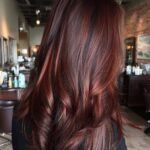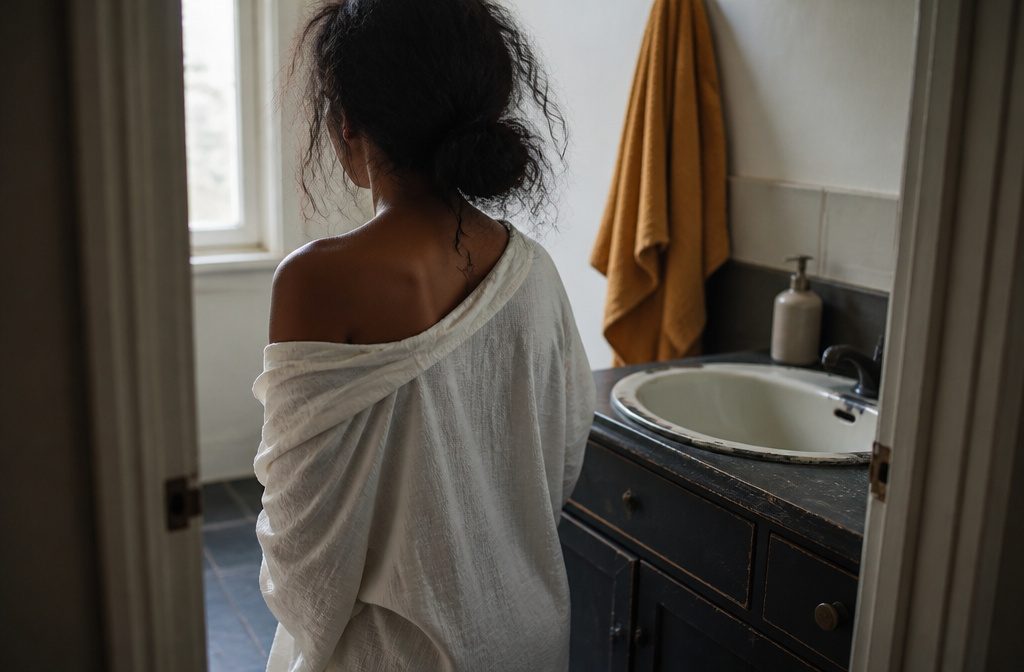
Messy black hair refers to loosely gathered, flyaway-left styles that filled Fall/Winter ’25 runways and TikTok tutorials, but the imagery driving the trend centers white celebrities and hair types below 3B.
When Black women appear in messy-hair galleries, the styles shown stay sleek and controlled, not genuinely disheveled, because textured hair left truly undone still carries social penalty.
What Messy Hair Means in the Trend
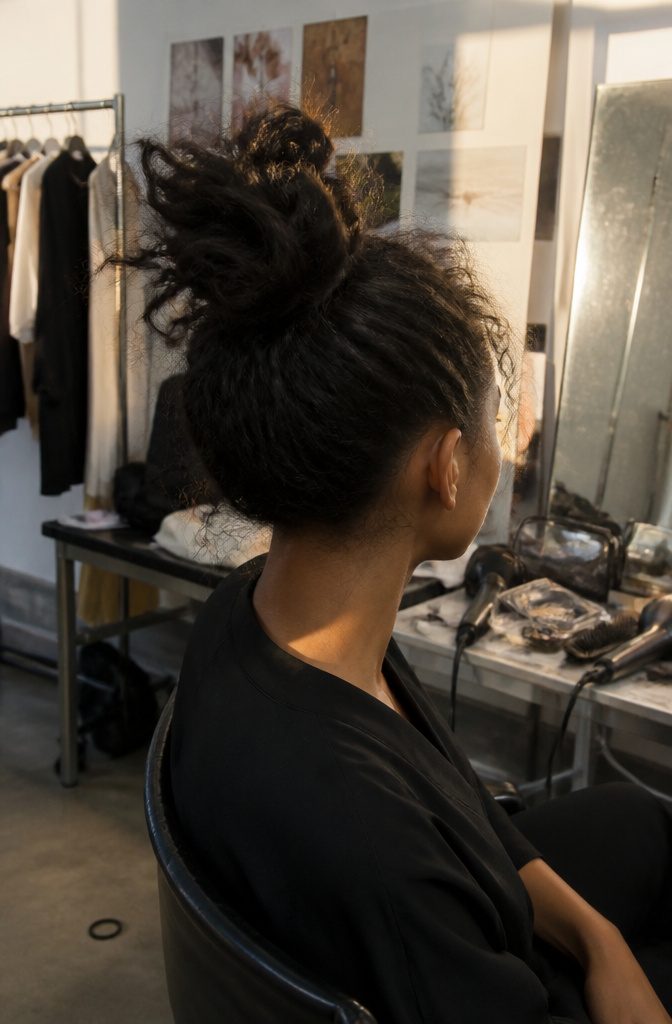
The messy-hair trend arrived again for Fall/Winter ’25 with flyaways left visible, loosely gathered updos, and a look meant to read as effortless.
Runways featured unkempt styles, a full product line dropped under the "messy" banner, and tutorials for easy top buns spread across TikTok as their own subcategory.
But the imagery driving the trend centers white celebrities like Gossip Girl’s Serena van der Woodsen and The Summer I Turned Pretty’s Taylor Jewel, and the hair types shown usually fall below 3B.
The reference pictures rarely include Black women, and when they do, the hair still doesn’t look genuinely disheveled.
It’s blow-dried or carefully curled with laid edges and only a couple of pieces out of place, or it’s goddess braids or Senegalese twists that took ten hours thrown into a ponytail. The mess has to be carefully maintained.
How Black Women Adapt the Look
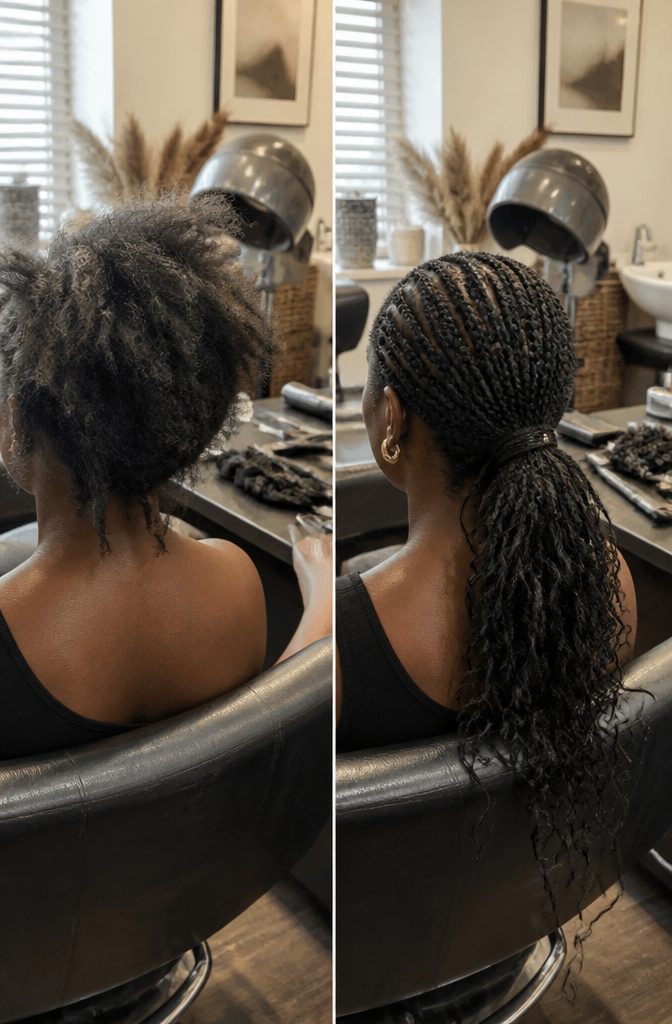
Search "messy bun inspo" on Pinterest with "Black" or "coily" added, and the results still come back sleek.
The mess gets engineered. Hair is blow-dried or carefully curled first, edges are laid, and only a few loose pieces fall around the face, placed on purpose.
Protective styles push the idea further. Goddess braids or Senegalese twists go into a loose ponytail that reads as thrown together.
Installing them can take up to ten hours, so the casual finish rests on a very long appointment. I’d weigh that before saving the photo for a stylist.
The Social Cost of Genuinely Disheveled Black Hair
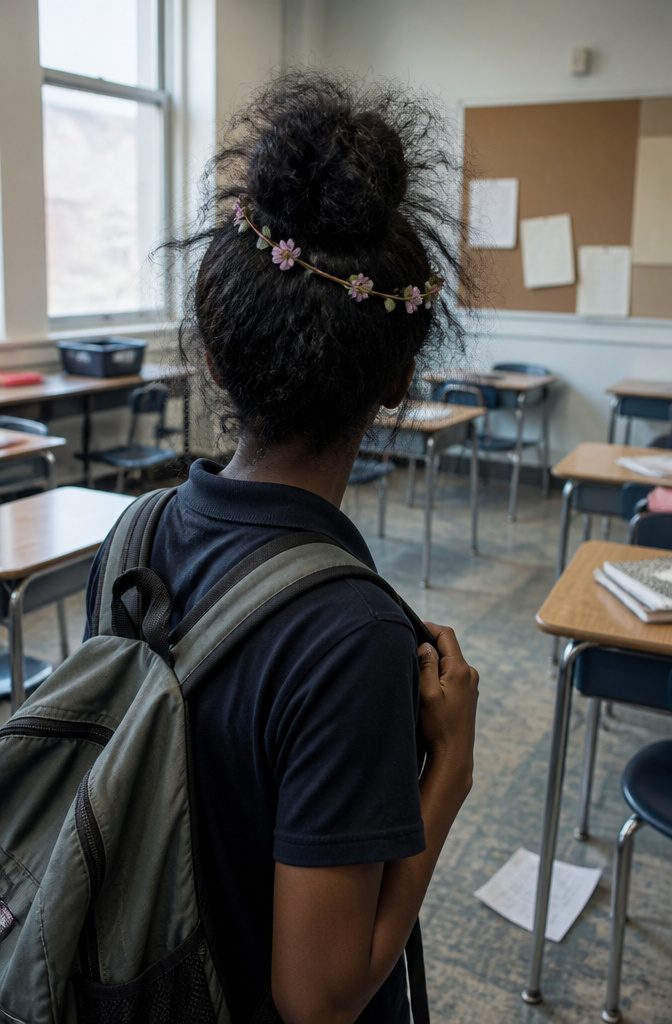
I first tried messy hair in seventh grade in 2011, pulling my kinky 4C hair into a top bun the way Miley Cyrus wore hers on Tumblr.
I spent about a minute on it, left the flyaways, skipped product, and added a flower-crown headband.
A classmate told me in second period that I looked like a field slave. The white girls wearing the same loosely done ponytails and undone buns looked effortless; I looked, somehow, wrong.
Research backs what that morning taught me. Black people with disheveled hair or natural styles like locs and Afros are judged less professional, less attractive, and less competent than white people with tousled hair.
The gap is not about grooming skill. It is about who gets to look casually undone without penalty.
The Absence in Beauty Imagery and Search Results
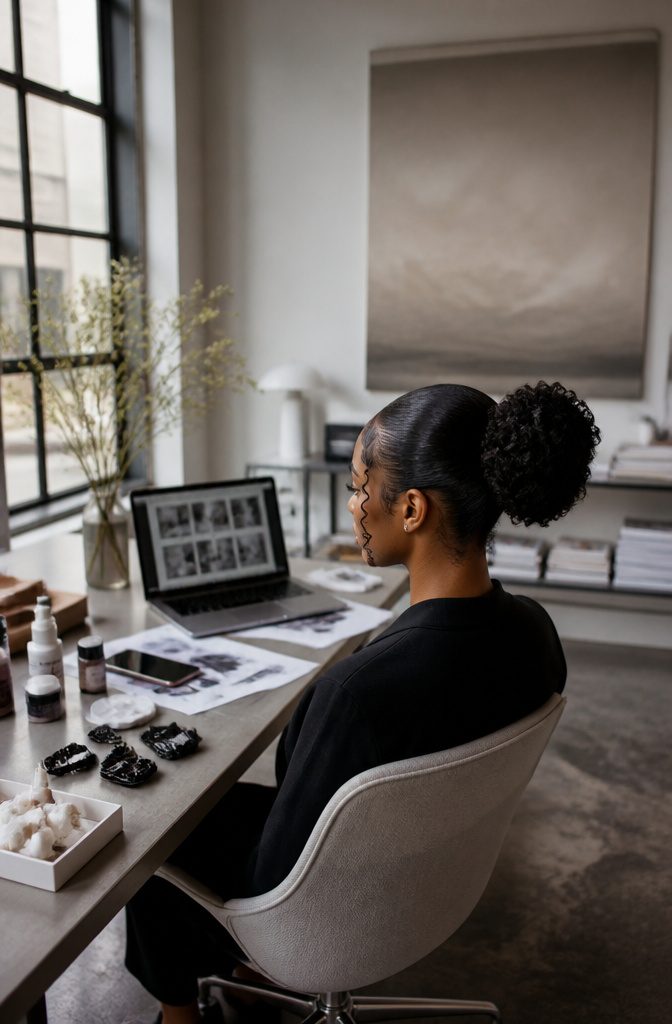
When I search for messy bun inspiration with a Black or coily specifier on Pinterest, the results that load are still sleek and put together.
The hair types featured in messy-hair reporting and runway coverage usually fall below the 3B mark, and the lead imagery still highlights a white person.
Legacy brands running the trend stories and teenagers assembling TikTok tutorials do not feature people who look like me in their messy-hair galleries. When Black hair does appear, it does not look genuinely disheveled.
The version we are allowed needs blow-drying or carefully curled pieces with laid edges, with only a couple of strands out of place, or it needs goddess braids or Senegalese twists that can take up to ten hours, thrown into a loosely done ponytail and called casual.
The unkempt styles that filled the Fall/Winter ’25 runways, the full messy hair product line that dropped this season, and the easy-going top bun tutorials that could make up their own subgenre all exist as if coily and kinky hair were not part of the conversation.
What the Restriction Means and What Might Change
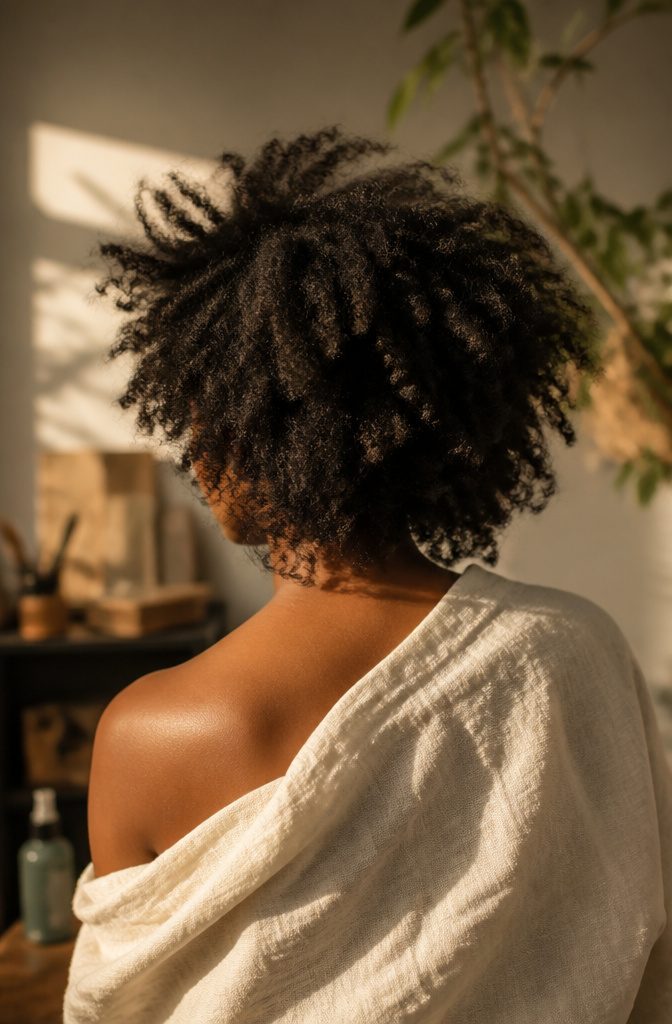
Respect for Black women still hinges on presentation, and that is why effortless looks get withheld.
Large corporate initiatives have pushed makeup brands toward inclusive shade ranges, but messy-hair coverage never got the same overhaul. Its mood boards still read like 2011, with a white model leading and textured hair mostly absent.
Julee Wilson hopes natural kinks will one day be widely accepted as carefree and beautiful, and she sees an opening in the trend itself:
Perhaps this ‘messy’ trend will shine the spotlight on a beauty aspect that is so deeply inherent to us.
— Yahoo
Until that happens, I’d save the looks that are truly undone, and treat kinks left awry as just as ready to be seen as any tousled bun.
Who Is Represented in the Messy-Hair Trend
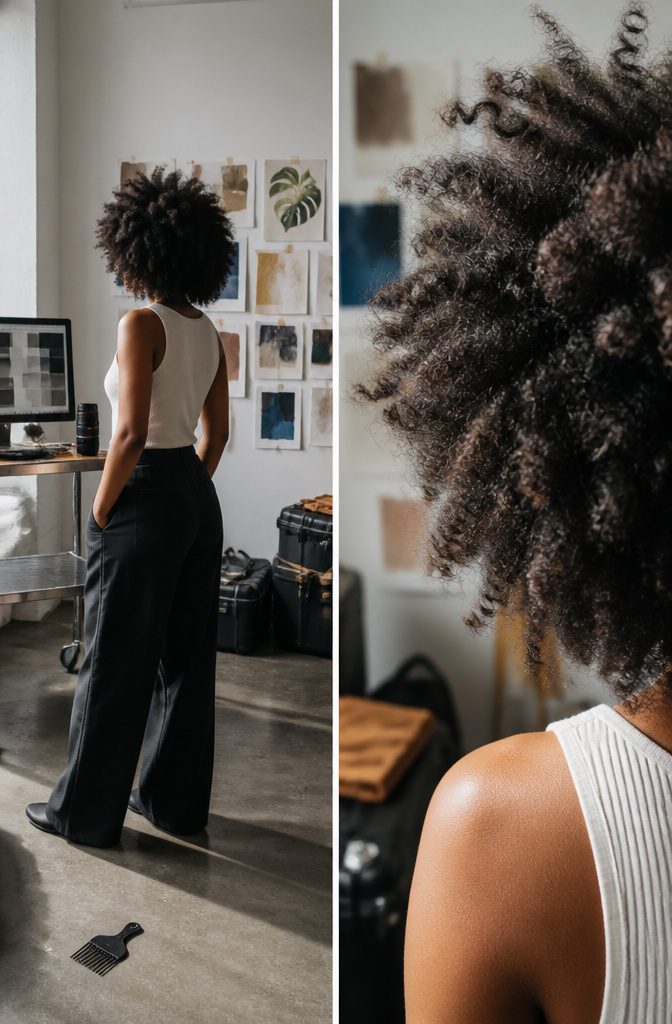
The mood boards, gallery roundups and trend reporting that show up when you search for messy hair still center white people with fine or loosely wavy textures.
Black women appear less often, and when they do, the styles shown tend to look controlled rather than genuinely tousled.
Pinterest searches with a "Black" or "coily" specifier return looks that stay sleek and put together, not the carefree undone texture the trend supposedly celebrates.
The pattern connects to a broader problem: textured hair growing naturally out of Black women’s heads has long been read as unkempt, unprofessional or unattractive until adopted by white counterparts. Only then does it register as trendsetting or effortless.
The research lays it out plainly: non-Black people perceive Black individuals with disheveled hair or even properly maintained natural styles like locs or Afros as less professional, less attractive and less competent than a white person wearing a tousled bun.
The gap in who gets featured in messy-hair imagery reflects the understanding that for Black women, truly uncontrolled hair carries social risk.
The Social Meaning Attached to Natural and Disheveled Black Hair
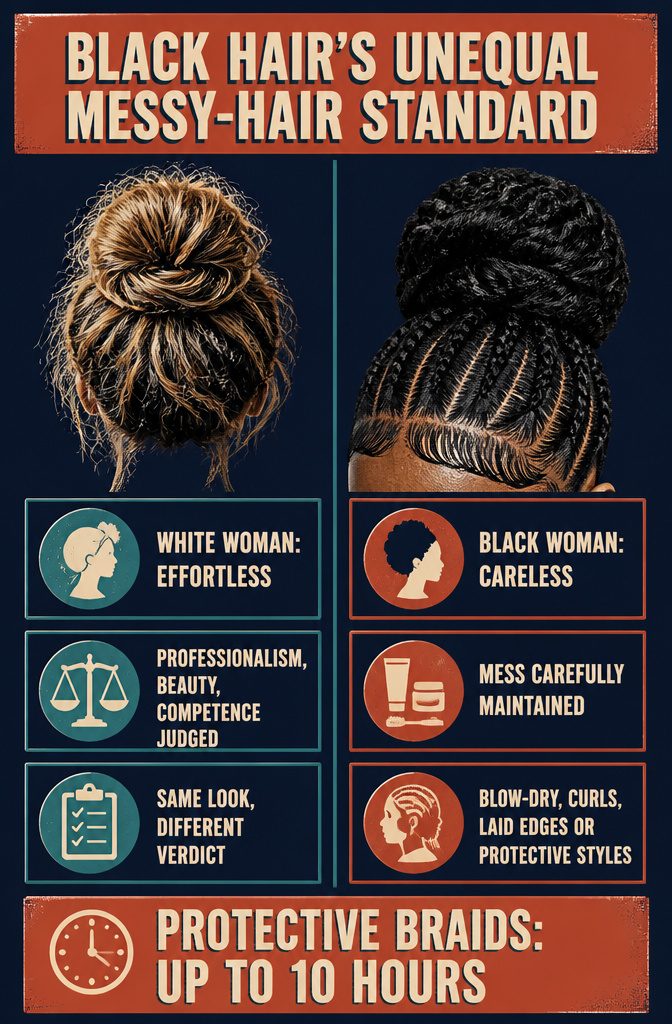
Locs and Afros are often read as unprofessional or unkempt, and hair that is genuinely disheveled draws harsher verdicts still. Those judgments reach past the hair itself, shaping how a Black woman’s professionalism, attractiveness and competence get weighed.
A white woman in a half-collapsed bun is called effortless. The same look on a Black woman gets read as carelessness.
That gap is what I find hardest to defend.
The trend gives one group permission to look imperfect and asks the other for a mess that has been carefully maintained: a blow-dry or curls with laid edges, or protective braids that can take up to 10 hours.
That isn’t freedom to look undone. It’s the price of admission.
Frequently Asked Questions
Is messy hair a hair style?
Yes, messy hair is a style trend that appeared for Fall/Winter ’25 with flyaways left visible, loosely gathered updos, and a look meant to read as effortless.
Runways featured unkempt styles, a full product line dropped under the "messy" banner, and tutorials for easy top buns spread across TikTok.
But the imagery driving the trend centers white celebrities and hair types that usually fall below 3B, with Black women rarely featured and their hair still carefully maintained when they are.
Why is messy hair considered unprofessional on Black women?
Black people with disheveled hair or natural styles like locs and Afros are judged less professional, less attractive, and less competent than white people with tousled hair.
A white woman in a half-collapsed bun is called effortless, while the same look on a Black woman gets read as carelessness. The gap is not about grooming skill but about who gets to look casually undone without penalty.
How do Black women adapt the messy hair trend?
Hair is blow-dried or carefully curled first, edges are laid, and only a few loose pieces fall around the face, placed on purpose.
Protective styles like goddess braids or Senegalese twists go into a loose ponytail that reads as thrown together, though installing them can take up to 10 hours. The mess gets engineered because genuinely disheveled Black hair carries social risk.